Malay Heritage Centre: Singapore's Window into Malay History and Culture
Housed in the 19th-century Istana Kampong Gelam, the Malay Heritage Centre is Singapore's dedicated museum for Malay history, culture, and identity. Entry is free, the building is a gazetted National Monument, and the surrounding Kampong Glam neighbourhood adds layers of living context that make the visit feel genuinely rewarding.
Quick Facts
- Location
- 85 Sultan Gate, Kampong Glam, Singapore 198501
- Getting There
- Bugis MRT (EW12/DT14), roughly 600m / 10-minute walk
- Time Needed
- 1.5 to 2.5 hours for galleries; add time to explore the compound and surroundings
- Cost
- Free admission to all permanent galleries
- Best for
- History and culture seekers, architecture enthusiasts, families, first-time visitors to Kampong Glam
- Official website
- www.malayheritage.gov.sg/
What the Malay Heritage Centre Actually Is
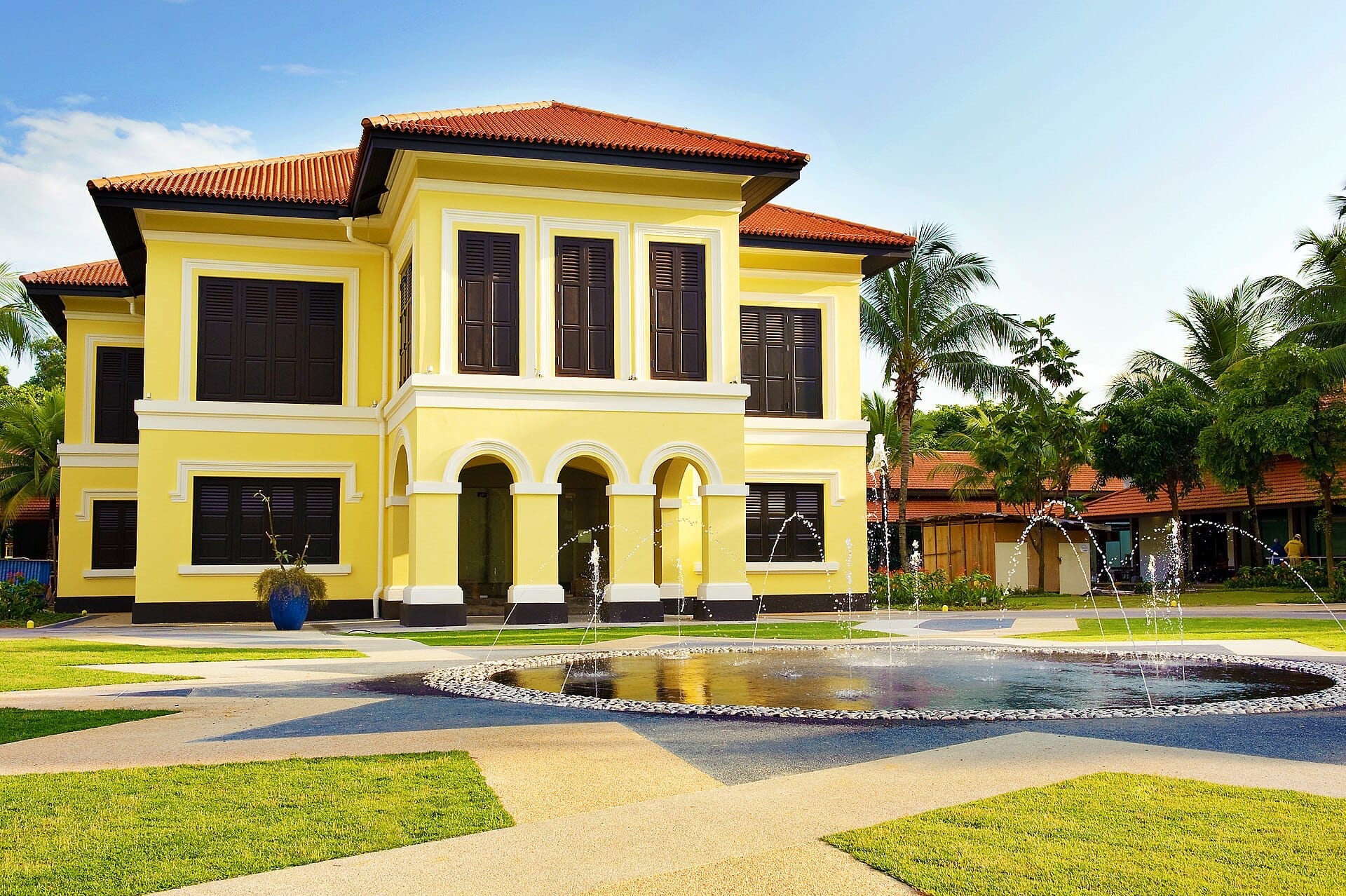
The Malay Heritage Centre, known in Malay as Pusat Warisan Melayu, occupies the restored Istana Kampong Gelam: a 19th-century royal palace that once served as the residence of the Malay royalty of Singapore. It was gazetted as a National Monument in 2015, which places it in the same preservation tier as Singapore's most significant historic buildings. The centre was first opened by Prime Minister Lee Hsien Loong in June 2005, subsequently closed for renovation, and reopened after revamp in September 2012.
The institution's mandate is specific and serious: to document, preserve, and present the history and cultural contributions of the Malay community in Singapore and the broader Nusantara region, a term referring to the Maritime Southeast Asian world that includes the Malay Archipelago. The galleries span over 700 years of history, from pre-colonial Malay kingdoms through the colonial period and into modern Singapore. For visitors who have spent time in Chinatown or Little India but skipped Kampong Glam, this museum offers the most structured entry point into a community that is often underrepresented in mainstream tourism narratives.
💡 Local tip
Admission is completely free. Arrive a few minutes early if visiting on weekends, as small queues can form. Also note: shoes must be removed before entering the gallery spaces, so wear footwear that is easy to slip off.
The Building: Architecture and Setting
The Istana Kampong Gelam is a handsome two-storey colonial-era structure with Palladian proportions, tall arched windows, and a symmetrical facade painted in cream and white. It sits in a generous compound, surrounded by mature trees that provide shade and soften the urban edges of the surrounding streetscape. The building's elevated position on a low plinth, its wide verandahs, and its central hall reflect the hybrid architectural language common to 19th-century Southeast Asian elite residences: European structural grammar adapted to tropical conditions.
The tour route is designed to honor the original stilt palace layout: visitors begin at the upper level and descend to the ground floor by the end, moving through chronological and thematic galleries in a logical sequence. The interior has been sensitively restored without feeling sterile. Original structural elements coexist with modern display cases, and natural light from the tall windows gives the galleries a warmer feel than typical museum spaces.
The compound itself is open Tuesdays to Sundays from 8am to 9pm, which makes it worth visiting even outside gallery hours. In the early morning, the grounds are quiet and photogenic, with soft light falling across the facade. The Sultan Mosque is visible just a short walk away, and the combined architectural presence of the two buildings gives Kampong Glam its most memorable skyline.
Tickets & tours
Hand-picked options from our booking partner. Prices are indicative; availability and final rates are confirmed when you complete your booking.
Adventure Cove Waterpark™ e-ticket
From 27 €Instant confirmationWild Wild Wet Waterpark Entrance Ticket
From 15 €Instant confirmationLion City bike tour in Singapore
From 55 €Instant confirmationFree cancellationLuggage Storage in Singapore
From 7 €Instant confirmationFree cancellation
Inside the Galleries: What You Will Find
The permanent galleries are organized thematically and chronologically. Early sections cover the pre-colonial Malay world: maritime trade networks, the Malay language as the lingua franca of Southeast Asian commerce, and the role of the Malay Archipelago in connecting Indian Ocean and South China Sea trade routes. The displays include replica artifacts, maps, and explanatory panels that contextualize Singapore not as a colonial invention but as part of a much older regional story.
Later galleries address the colonial period, the formation of modern Singapore, and the evolving role of the Malay community within a multiracial nation-state. There are sections devoted to Malay performing arts, traditional crafts, literature, and cuisine, presented with enough depth to satisfy visitors who already know the basics. The museum resists the temptation to present Malay culture as a static, folkloric exhibit: the contemporary galleries make clear that this is a living, evolving identity, not a museum piece.
Families with children will find the museum accessible, with interactive displays and visual storytelling that does not require prior knowledge. The gallery flow is linear enough to follow easily, and most visitors complete the full route in about 90 minutes to two hours without feeling rushed.
ℹ️ Good to know
Gallery hours: Tuesdays to Sundays, 10am to 6pm. Last admission at 5:30pm. The centre is closed on Mondays. Check the official website before visiting for any special exhibitions or temporary closures.
When to Visit and How the Experience Changes
Weekday mornings between 10am and noon are the quietest period. The galleries feel genuinely contemplative at this hour, and the natural light through the upper-floor windows is at its best for reading display texts without glare. By early afternoon on weekends, school groups and family visitors arrive in larger numbers, which raises the noise level in the ground-floor galleries noticeably.
The surrounding Kampong Glam neighbourhood adds significant value to a visit here if you plan your timing well. Arriving at the museum when it opens at 10am allows you to complete the galleries before the midday heat peaks, then move into the covered arcade of Arab Street or the shaded cafes of Haji Lane for lunch. Alternatively, arriving at 4pm gives you time for the galleries before they close, then transitioning into the neighbourhood's evening character as the restaurants and shisha cafes around Sultan Gate come to life.
Singapore's equatorial climate means heat and humidity are constant considerations. The gallery interiors are air-conditioned, but the walk from Bugis MRT and time in the compound are not. Wear light, breathable clothing and bring water. For a fuller picture of the neighbourhood's character, the guide to Kampong Glam covers the streets, food, and culture that surround the museum.
Getting There and Practical Details
The most straightforward approach is from Bugis MRT Station (East-West Line and Downtown Line), approximately 600 metres away. Exit the station, walk north along Victoria Street, then turn right onto Sultan Gate. The walk takes roughly 10 minutes on flat ground and is manageable even in humid weather if you start early. Taxis and ride-hailing apps drop off conveniently on Sultan Gate directly in front of the compound entrance.
Accessibility within the building has been considered in the restoration: there is step-free access at ground level, though the upper-floor galleries involve stairs. Visitors with mobility limitations should confirm current accessibility arrangements with the museum directly before visiting, as conditions can vary. The shoe-removal requirement applies to all gallery entrances, so sandals or slip-on shoes are more practical than laced footwear.
If you are combining this visit with other Kampong Glam attractions, the Arab Street textile and craft shops are a 5-minute walk south, and Haji Lane is immediately adjacent to Arab Street. The Sultan Mosque is less than 200 metres from the museum compound and can be visited in the same half-day loop.
Photography and What to Capture
The facade of the Istana Kampong Gelam photographs well in the morning, when light falls across the front elevation from the east and the trees in the compound cast patterned shadows on the ground. By midday, the light is overhead and harsh; afternoon shooting from the northwest angle tends to produce flatter results. The interior gallery lighting is warm and controlled, making it good for detail shots of artifacts and display materials, though flash photography is typically restricted.
The compound boundary wall and gate are themselves photogenic, particularly the ornate ironwork at the main entrance. Visitors interested in architectural photography should also note that the roofline and upper verandah details are best visible from the far end of the compound, where you can step back enough to include the full building in frame.
Who Should Visit and Who Might Not Connect
The Malay Heritage Centre rewards visitors who are genuinely curious about Southeast Asian history beyond the British colonial narrative. If you have already spent time at the National Museum of Singapore and want to go deeper into a specific community's story, this is a logical next step. It also pairs naturally with the Indian Heritage Centre in Little India and the Chinatown Heritage Centre for travelers building a systematic understanding of Singapore's multicultural foundations.
Visitors primarily looking for visual spectacle or active experiences may find the pace too contemplative. The galleries are text-heavy in places, and the storytelling rewards patience and reading rather than passive observation. Travelers with very limited time in Singapore who are prioritizing major landmarks will likely find a shorter visit here less satisfying than those who have built in a half-day for Kampong Glam specifically.
Children under 8 may find the content too abstract in the historical sections, though the craft and performing arts galleries have more visual appeal for younger visitors. The museum is free, which removes any financial barrier to a trial visit: there is nothing lost by looking in for 45 minutes and leaving if the content does not connect.
Insider Tips
- The compound is open from 8am, well before the galleries. An early morning visit to photograph the building and grounds before the heat builds is one of the better uses of pre-10am time in Kampong Glam.
- Check the museum's events calendar before visiting. The centre regularly hosts cultural workshops, storytelling sessions, and temporary exhibitions that significantly enhance a standard gallery visit, often at no extra cost.
- Shoes must be removed before entering galleries. If you are visiting multiple sites in the neighbourhood the same day, including the Sultan Mosque which also requires shoe removal, wear footwear that comes off and goes back on without effort.
- The museum shop near the exit carries Malay-language publications, craft items, and cultural goods that are more distinctive than typical tourist souvenirs and are worth browsing even if you are not buying.
- Combine this visit with a meal at one of the Kampong Glam restaurants along Baghdad Street or Bussorah Street, both within a few minutes' walk. Malay and Middle Eastern food options are concentrated here and tend to be better value at lunch than dinner.
Who Is Malay Heritage Centre For?
- History and culture travelers who want to understand Singapore beyond its colonial and financial identity
- First-time visitors to Kampong Glam looking for context before exploring the neighbourhood's streets and markets
- Architecture enthusiasts interested in 19th-century Southeast Asian colonial-era buildings
- Families with school-age children who benefit from structured, exhibit-based cultural learning
- Travelers combining multiple Singapore heritage museums into a single thematic itinerary
Nearby Attractions
Other things to see while in Kampong Glam:
- Arab Street
Arab Street is the spine of Kampong Glam, Singapore's Malay-Arab heritage quarter. Lined with restored shophouses selling batik, rattan, and perfume oils, it connects centuries of mercantile history to a neighbourhood that now hums with cafés, street art, and one of the city's most photogenic mosques.
- Bugis Street Market
Bugis Street Market packs over 800 stalls into a covered labyrinth near Bugis MRT, selling everything from budget fashion and phone cases to local snacks and tourist keepsakes. It's loud, crowded at peak hours, and unapologetically commercial — but for price-conscious shoppers and souvenir hunters, few places in Singapore deliver more variety for less money.
- Haji Lane
Haji Lane is a narrow alley in Kampong Glam where pastel-painted 19th-century shophouses line up beside hand-painted murals, independent boutiques, and rooftop cafes. It is free to walk, open around the clock, and most rewarding in the late afternoon when the light softens and the street starts to breathe.
- Sultan Mosque
Rising above the rooftops of Kampong Glam on North Bridge Road, Sultan Mosque is Singapore's most significant Islamic landmark and a gazetted national monument. Its golden domes and Indo-Saracenic facade draw visitors from every corner of the city, while the interior remains an active place of worship for up to 5,000 congregants.