Is Zurich Worth Visiting? A Candid Assessment
Zurich gets dismissed as a banker's city or skipped in favour of Geneva and Lucerne. That's a mistake. This guide breaks down exactly what Zurich offers, what it costs, when to go, and who should actually add it to their itinerary.
Tickets & tours
Live prices and dates from our booking partner. If you book, we may earn a commission at no extra cost to you.
TL;DR
- Zurich is Switzerland's largest city, sitting at the northwestern tip of Lake Zurich, with over 50 museums, a well-preserved medieval Altstadt, and one of Europe's most efficient public transport networks.
- It is genuinely expensive: budget CHF 80-120 per day for a mid-range experience, more if you eat out at restaurants every meal.
- The best time to visit is May-June or September-October for good weather, manageable crowds, and slightly lower hotel rates. See our best time to visit Zurich guide for a full seasonal breakdown.
- Zurich works well as a base for day trips to Lucerne, Interlaken, and the Alps — but it has enough to fill 2-3 days on its own without feeling like filler.
- The 'only for bankers' reputation is outdated. The cultural offer is substantial, the lake is spectacular, and the neighbourhoods outside the Old Town have real character.
What Zurich Actually Is (And Isn't)
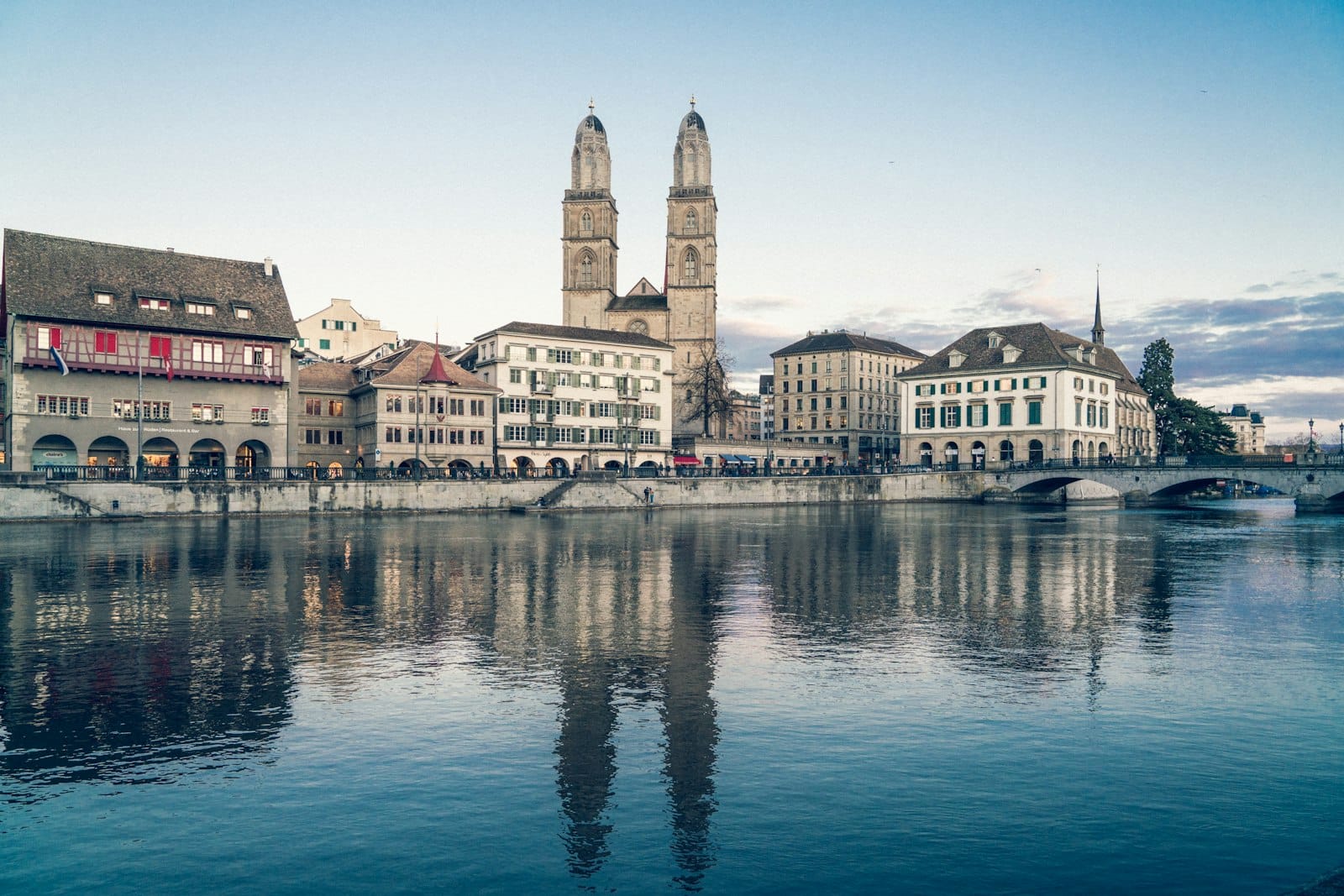
Zurich is not Switzerland's capital — that's Bern, a common mix-up. It is the largest city, home to around 436,000 people from over 170 nationalities, and the capital of the Canton of Zurich. It sits at 409 metres above sea level at the point where the Limmat river flows out of Lake Zurich, with the Alps visible on clear days from multiple vantage points around the city.
The city's financial reputation is real: major global banks and insurance companies have significant operations here, and the Bahnhofstrasse is one of the world's most expensive shopping streets. But that's one layer of a city that also runs Europe's largest techno parade in August, has a thriving contemporary art scene anchored by the Kunsthaus, and pioneered the Dada movement a century ago in a small bar in the Old Town. These things coexist without much contradiction.
What makes Zurich genuinely worth visiting is the combination of scale and quality. It's compact enough — the city covers just under 88 km² — to cover significant ground on foot or by tram in a single day, but it has the cultural depth of a city twice its size. The Kunsthaus Zürich alone holds one of Switzerland's finest art collections. The Swiss National Museum sits directly beside the main station. You don't need to travel far to find something worth your time.
The Case for Visiting Zurich
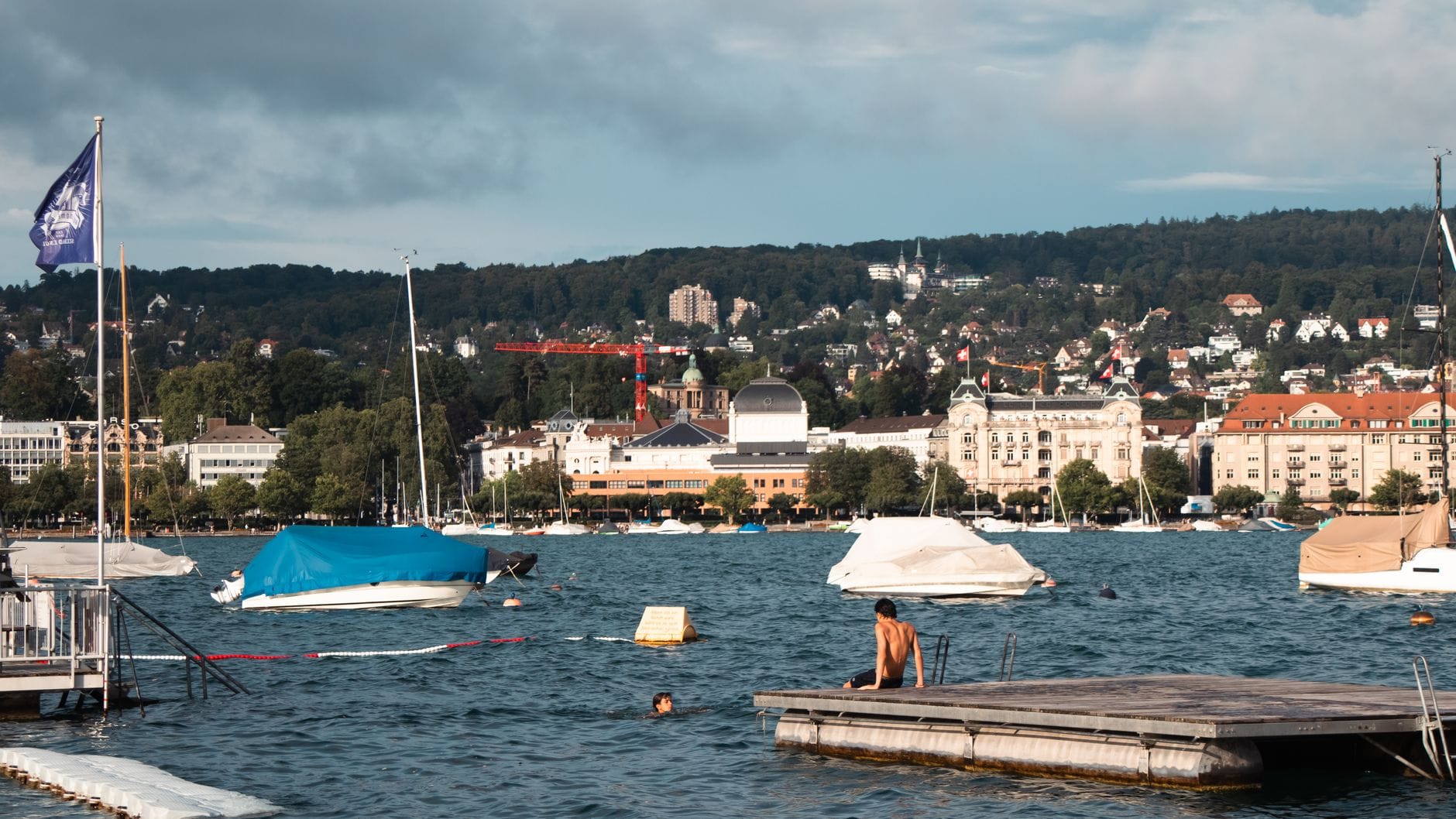
The most underrated thing about Zurich is Lake Zurich itself. The lake promenade stretches several kilometres from Bürkliplatz along the eastern shore, and in summer the water is clean enough to swim in at public bathing spots called Badis. This isn't a decorative lake you look at from a distance — it's actively used by residents for swimming, paddleboarding, and sailing from roughly May through September.
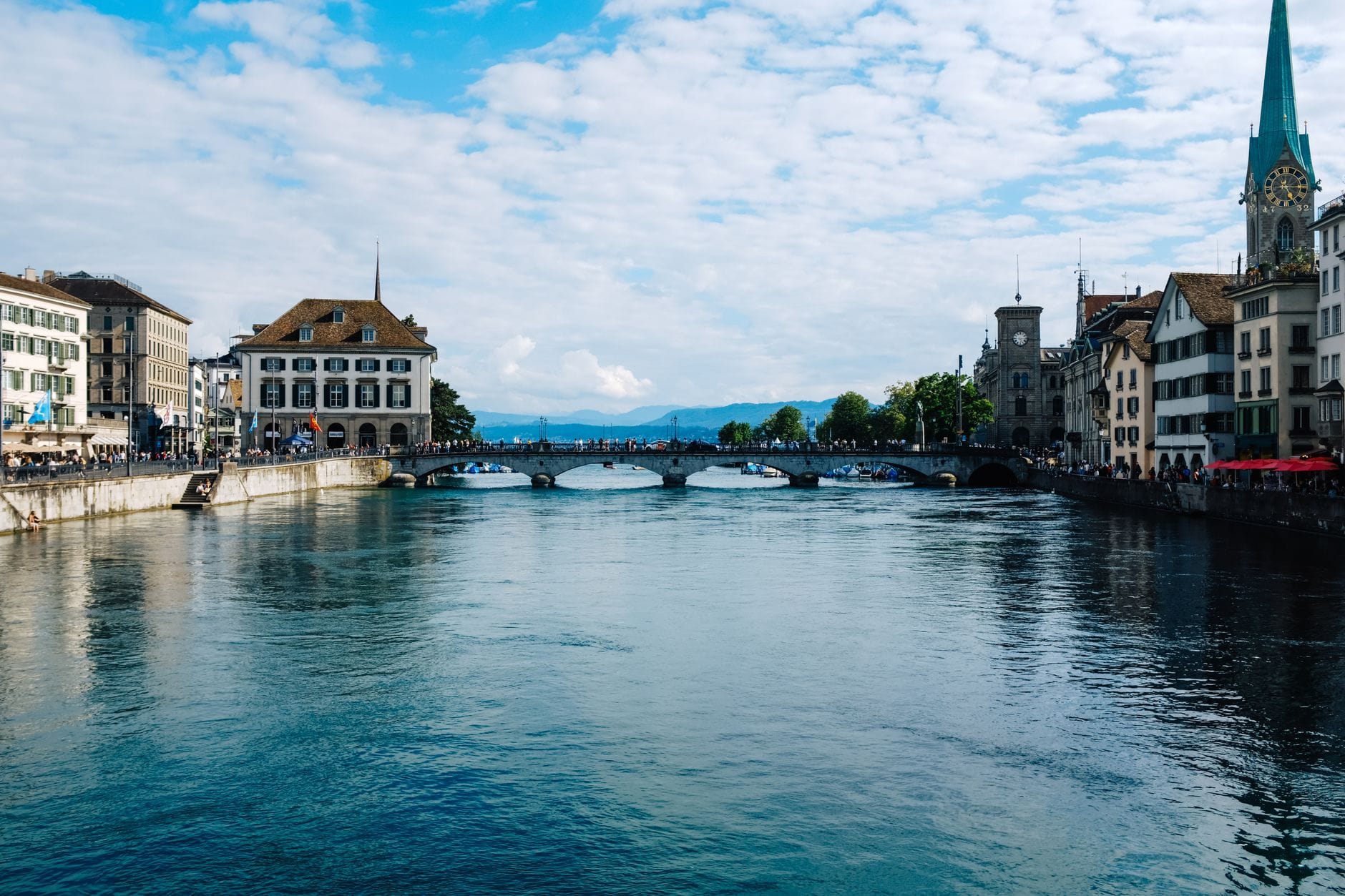
The Old Town (Altstadt) rewards proper exploration, not just a quick walk to photograph the Grossmünster and move on. The Fraumünster contains Chagall stained-glass windows that are genuinely extraordinary. St. Peter's Church has the largest clock face of any church tower in Europe, at 8.7 metres in diameter. These aren't obscure footnotes — they're legitimate highlights that many visitors rush past.
Beyond the historic centre, Zurich West is worth an evening. The former industrial district around the viaduct arches has evolved into a concentrated stretch of independent restaurants, design studios, and cultural venues. The Im Viadukt market hall under the railway arches is a good orientation point. It doesn't feel forced or over-curated the way redeveloped industrial zones sometimes do in other European cities.
✨ Pro tip
The Uetliberg is Zurich's local mountain, accessible by S-Bahn (line S10) from Zurich HB in about 25 minutes. The summit sits at 870 metres and gives a full panorama over the city, lake, and Alps on clear days. It's free once you're at the top and far less visited than comparable viewpoints in other Swiss cities. Go on a weekday morning if possible — weekends bring crowds of locals, especially in summer.
The Case Against Visiting Zurich
The cost is the main sticking point, and it's legitimate. Zurich consistently ranks among the most expensive cities in the world for visitors. A sit-down lunch at a mid-range restaurant will typically run CHF 25-40 per person without drinks. A hotel room in a central, mid-range property rarely falls below CHF 150-200 per night. Public transport is excellent but not cheap: a single-zone tram ticket costs around CHF 4.70, and a 24-hour day pass for the city zones runs around CHF 9.40 (verify current prices with ZVV before travelling, as fares are updated periodically).
There are genuine strategies to reduce costs. The free things to do in Zurich list is longer than most visitors expect: lake swimming is free, the Lindenhügel park at Lindenhof is free, the Kunsthaus has a free permanent collection floor on certain days, and Zurich's 1,200-plus public drinking fountains mean you never need to buy bottled water. But if you're budgeting under CHF 60 per day including accommodation, you'll need to be disciplined.
A second honest drawback: Zurich is relatively quiet compared to cities of equivalent cultural weight. Sundays in particular can feel dormant — many shops close, the main shopping streets thin out, and the city takes on a residential calm that some travellers find restful and others find dull. If you're visiting specifically for nightlife or expect a city that runs at a high tempo seven days a week, Zurich will disappoint outside of specific events like the Street Parade.
⚠️ What to skip
Bahnhofstrasse is impressive to walk once — the architecture and window displays of the watch and jewellery stores are worth seeing — but it's not a place to browse if you're on a normal travel budget. The street is designed for high-net-worth shoppers and the experience of walking it without buying anything feels thin after about 20 minutes. Spend your serious time in Niederdorf and the Altstadt instead.
When to Go and What to Expect
Zurich has a humid continental climate with four genuine seasons. Summers (June-August) are warm, with average highs in the low-to-mid 20s Celsius, and the lake is at its best for swimming. This is also peak season: July and August bring the highest hotel prices and most visitor traffic. The Street Parade in August draws over a million people to the lakefront — spectacular if that's your scene, overwhelming if it isn't.
May-June and September-October offer a better balance. Temperatures are comfortable (15-22°C range), crowds are thinner, and hotel rates tend to be lower. Autumn brings a specific local phenomenon worth knowing: fog settles in the lake basin from roughly October onward, sometimes sitting below 500 metres while the sun shines above. Taking the S-Bahn up to Uetliberg or the Polybahn to the ETH terrace can put you above the fog layer entirely. Summer in Zurich has its own dedicated guide if you're planning a warm-weather trip.
Winter is cold and often grey in the valley, but Zurich transforms meaningfully in December. The Christmas markets at the main station and elsewhere are genuinely good, not just tourist infrastructure. If winter sports are part of your trip, Zurich works as a base — ski regions are 1-2 hours away by train. See the Zurich in December guide for specifics on the markets, events, and what the city is actually like in deep winter.
- May-June Best overall balance of weather, crowd levels, and pricing. Lake is starting to warm up for swimming by June.
- July-August Peak season. Warmest weather, best lake swimming, Street Parade in August. Highest prices and most visitors.
- September-October Excellent shoulder season. Fewer tourists, cooling temperatures, autumn colour along the lake. Fog begins in October.
- November-March Quietest period. December has strong Christmas markets. January-February is cold and often grey — best suited to budget travellers or those combining with Alpine skiing.
Getting There, Getting Around, and Logistics
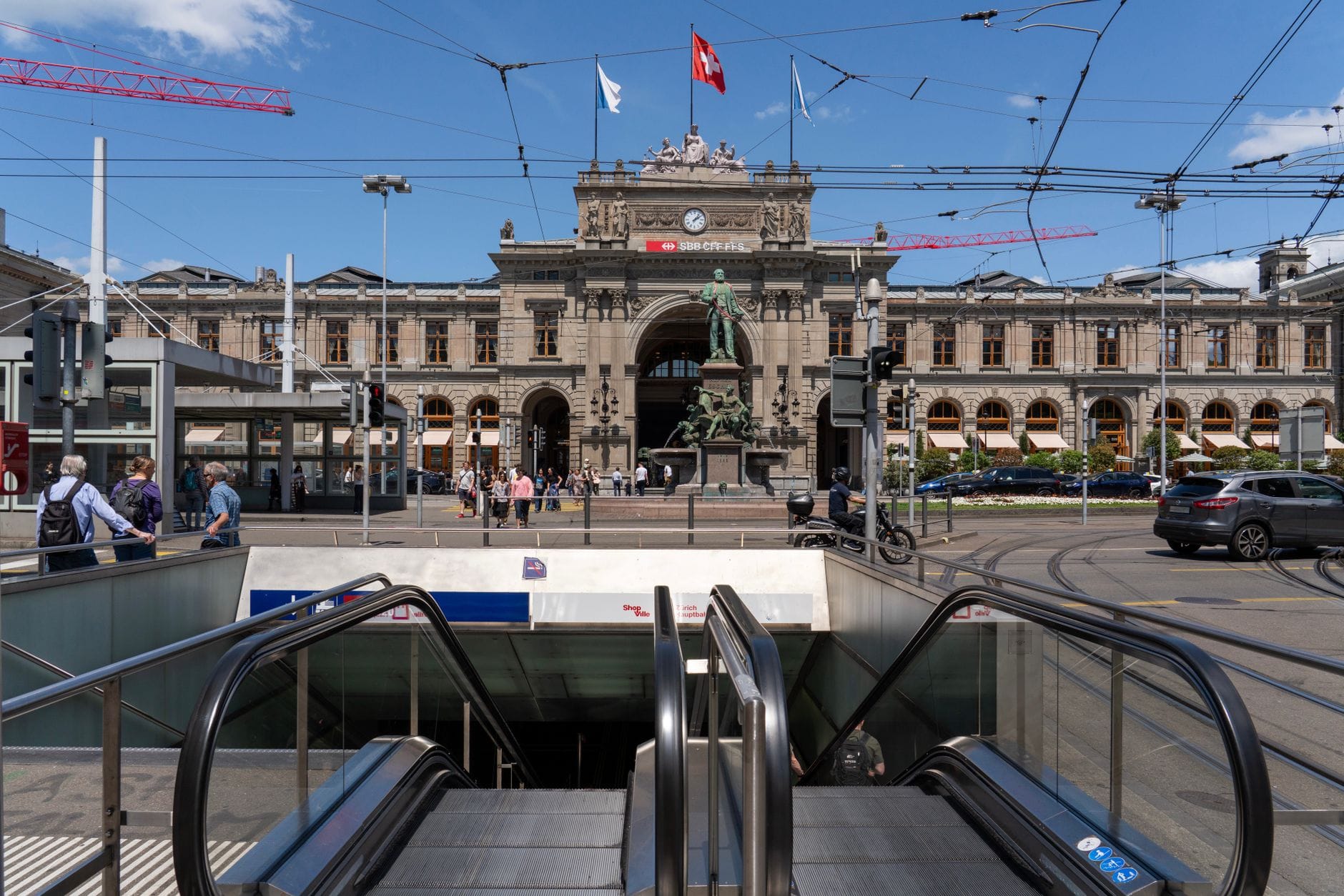
Zurich Airport (IATA: ZRH) is Switzerland's largest and sits about 13 km north of the city centre in Kloten. The connection to Zurich HB (Hauptbahnhof, the main station) is one of the most efficient airport-to-city links in Europe: the S-Bahn and InterCity trains run every few minutes, the journey takes around 10-13 minutes, and the airport station is directly integrated into the terminal. Tickets are purchased from SBB or ZVV machines at the airport. Taxis are available but expensive — expect CHF 50-70 or more for the city centre run, depending on traffic.
Once in the city, a car is actively counterproductive. Central Zurich is compact, parking is expensive and limited, and the tram and bus network (operated by VBZ under the ZVV umbrella) reaches essentially everywhere worth going. The network runs on a zone-based fare system, and a 24-hour pass covering central zones typically pays for itself after three or four journeys. For a thorough breakdown of routes, passes, and tips, the getting around Zurich guide covers the ZVV system in detail. Zurich HB itself is worth knowing: it's the largest railway station in Switzerland and the hub for connections to Lucerne, Bern, Basel, Geneva, and international routes.
💡 Local tip
Tap water in Zurich is excellent and free from over 1,200 public drinking fountains across the city. Never buy bottled water here — it's a genuine waste of money. The fountains are marked on most city maps and the water quality is consistently high.
How Many Days Do You Need?
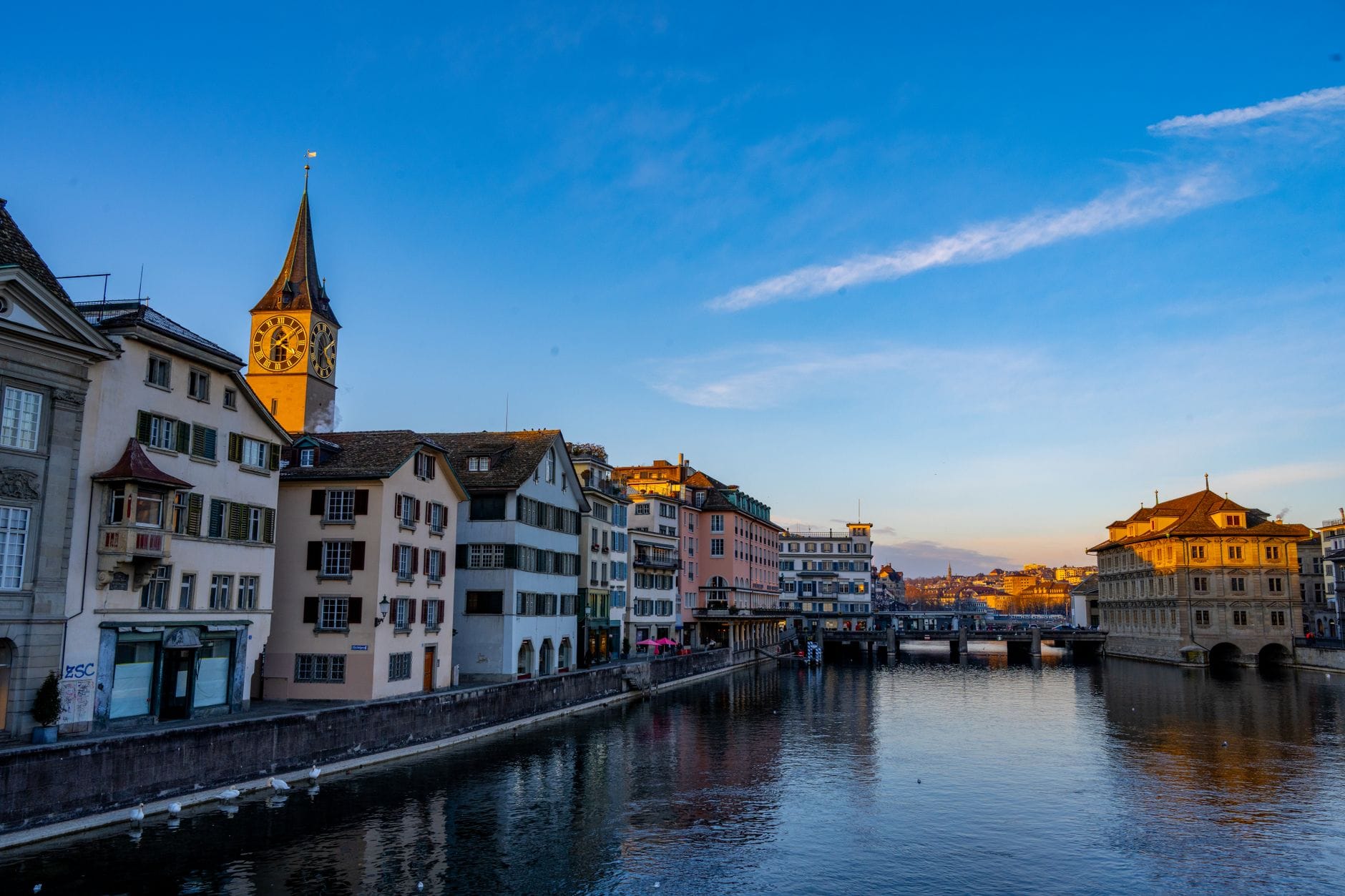
Two focused days cover the core of Zurich well: the Altstadt, one or two major museums, the lake, and an evening in Zurich West or Niederdorf. A 2 days in Zurich itinerary gives you a structured route. Three days allows for a day trip and a more relaxed pace — Lucerne is 45 minutes by direct train from Zurich HB and makes an excellent addition without requiring an overnight stay.
Four or more days makes sense if you're combining Zurich with Alpine destinations or if you want to explore the broader lake region and the city's less-visited neighbourhoods like Seefeld and Höngg. Zurich is also a strong base for regional travel: the day trips from Zurich guide covers Interlaken, Basel, Rhine Falls, and the broader options in detail. The rail connections from Zurich HB are frequent enough that you can cover significant ground without renting a car.
- 1 day: Altstadt, Grossmünster, Fraumünster, lake promenade, one museum. Rushed but doable.
- 2 days: Add Zurich West, Uetliberg or a lake cruise, and time to actually sit somewhere.
- 3 days: Day trip to Lucerne or Rapperswil, deeper exploration of a neighbourhood like Seefeld.
- 4-5 days: Appropriate if Zurich is your Swiss base for Alpine or regional day trips, or if you're combining with the broader lake area.
FAQ
Is Zurich worth visiting for just one day?
Yes, but you'll need to be selective. The Old Town, Grossmünster, Fraumünster, and a walk along the lake promenade can be done in a single day. Prioritise the Kunsthaus if you have an afternoon to spare. One day is enough to get a genuine feel for the city, though two days is more comfortable.
Is Zurich too expensive for budget travellers?
Zurich is one of the most expensive cities in the world, but it's manageable with planning. Lake swimming is free, the drinking fountains mean you never pay for water, and supermarkets like Migros and Coop offer affordable meals. The main costs are accommodation and sit-down restaurants. Expect to spend CHF 60-80 per day minimum if you're being careful, more realistically CHF 100+ for a comfortable experience.
Is Zurich better than Geneva or Lucerne?
They serve different purposes. Zurich is larger, has more museums and cultural infrastructure, and better rail connections for onward travel. Geneva is smaller and more international in character, with a different atmosphere. Lucerne is primarily a day-trip destination rather than a multi-day base. For first-time visitors to Switzerland wanting urban culture combined with lake and mountain access, Zurich is generally the stronger choice.
Do people in Zurich speak English?
Yes, widely. The local dialect is Züritüütsch (Swiss German), and official Swiss German is the administrative language, but English is spoken fluently in most hotels, restaurants, shops, and tourist sites. Over 170 nationalities live in Zurich, and the city is highly international in character. You will not struggle to communicate in English.
What are the most overrated things to do in Zurich?
Walking Bahnhofstrasse end-to-end takes under 20 minutes and is mainly of interest if you're window-shopping at luxury watch and jewellery stores. A quick pass is worth it for orientation, but it doesn't merit significant time. Similarly, the boat cruises on Lake Zurich are pleasant but the shorter routes are somewhat repetitive — if you're going to do a cruise, take one of the longer options that goes further down the lake toward Rapperswil.
Tickets & tours
Live prices and dates from our booking partner. If you book, we may earn a commission at no extra cost to you.
Planning a trip? Discover personalized activities with the Nomado app.