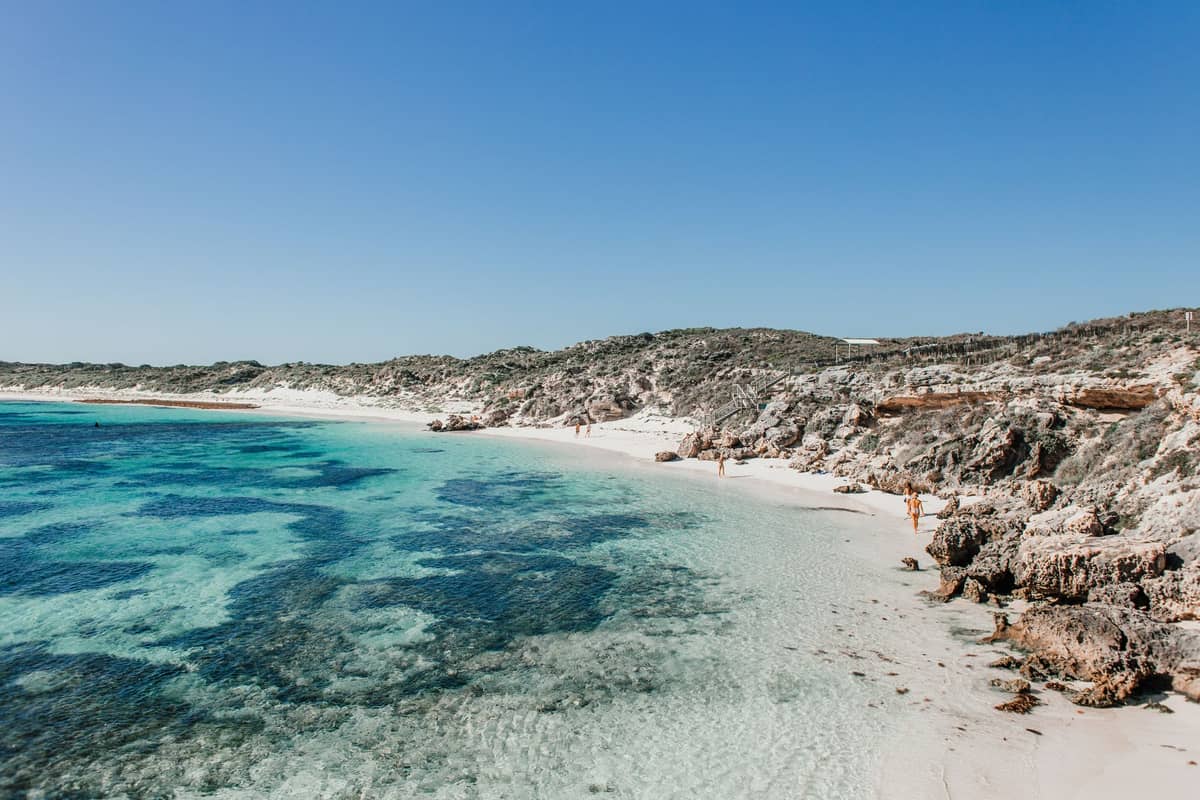
Rottnest Island, known by its Noongar name Wadjemup, sits about 19 kilometres off the coast of Fremantle in Western Australia. The island is car-free for most visitors, ringed by clear-water bays and beaches, and home to the quokka. It also carries a layered and at times painful history that deserves attention alongside the postcard scenery.
Rottnest Island (Wadjemup) is Perth's most famous island escape: 19 kilometres of Indian Ocean between you and the mainland, no private cars, and more than 60 beaches and bays to explore by bike or bus. The quokkas are real, the water is genuinely that colour, and the island's history runs far deeper than the sunscreen-and-selfie reputation suggests.
Orientation
Rottnest Island lies roughly 19 kilometres west of Fremantle and about 27 kilometres from central Perth. At approximately 19 square kilometres, it is small enough to circumnavigate by bicycle in a few hours, yet large enough that you will not exhaust it in a single day. The island stretches roughly east to west, with its main settlement, Thomson Bay, sitting on the sheltered eastern end. That is where the ferry jetty is, where most accommodation clusters, and where the visitor hub, shops, and Wadjemup Museum are located.
Moving west from Thomson Bay, the terrain shifts. The central spine of the island rises gently toward Wadjemup Lighthouse before the land opens out into wilder coastline, salt lakes, and the quieter bays of the western end. Geordie Bay and Longreach Bay sit partway along the north coast and have their own accommodation and beach facilities. Kingstown Barracks, near the centre of the island, marks another cluster of historic buildings. The southern coast is generally more exposed and less visited, but it rewards the effort with the kind of isolation that is genuinely hard to find this close to a capital city.
ℹ️ Good to know
Rottnest Island is managed under its dual name Wadjemup / Rottnest Island by the Rottnest Island Authority. The Noongar name Wadjemup is increasingly used alongside the colonial name on official signage and communications.
Character & Atmosphere
The first thing you notice stepping off the ferry at Thomson Bay is the quiet. There are no cars idling at traffic lights, no delivery trucks reversing, no urban hum. The main sounds are wind off the Indian Ocean, the creak of bicycles, and the occasional low-pitched honk of a quokka shuffling through the scrub. It is disorienting in the best possible way, especially for anyone arriving from central Perth or Fremantle.
By mid-morning on a summer weekend, Thomson Bay is animated with day-trippers collecting bike rentals, families setting up on the beach near the settlement, and the cafes working at full pace. The energy is relaxed rather than frenetic, more school-holiday campground than resort strip. Walk ten minutes west past the salt lakes and the crowd thins immediately. Quokkas appear in the undergrowth without much encouragement, especially in the shadier spots near the museum and around the Thomson Bay settlement. They are genuinely friendly and unmistakably round.
Afternoons on the island slow down further. The light over the Indian Ocean turns amber well before sunset, and the sheltered bays on the north coast hold onto warmth. By evening, the day-trippers have boarded the return ferries and the island belongs to overnight guests. The Thomson Bay settlement quietens to a handful of people eating at the outdoor tables, and the salt lakes reflect whatever colour the sky is doing. It is a different place after 5 pm, and if you can stay overnight, it is worth experiencing.
It is important to acknowledge that the atmosphere of ease and holiday freedom sits alongside a difficult history. Wadjemup was used as an Aboriginal prison and forced-labour camp from the 1830s into the early twentieth century. Thousands of Noongar and other Aboriginal men and boys were incarcerated here, and the island is a place of deep cultural significance and grief for Whadjuk Noongar people. The Wadjemup Museum addresses this history directly, and visitors should engage with it rather than look past it.
What to See & Do
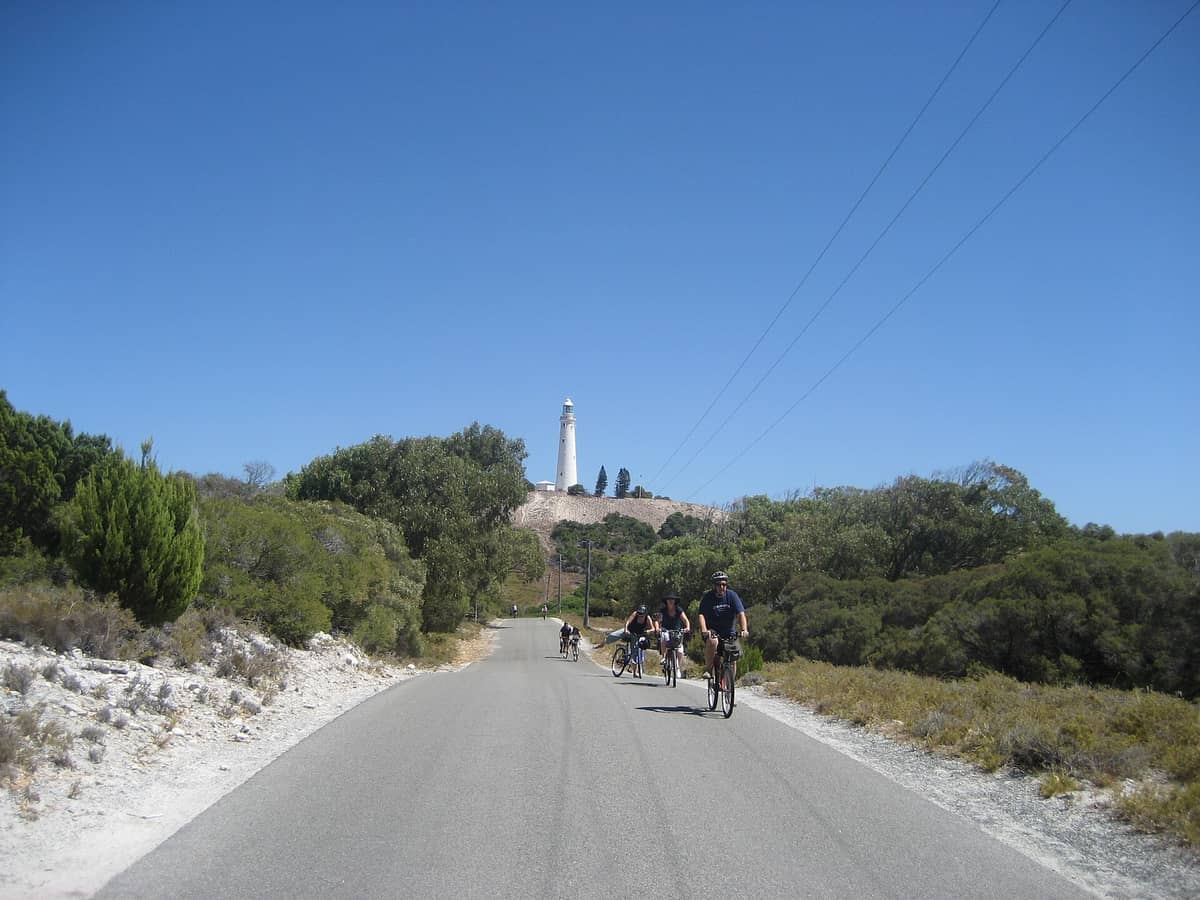
Cycling is the primary way most visitors experience the island, and the network of sealed and unsealed paths covers most of the coastline. The circuit around the perimeter is roughly 22 kilometres and takes two to four hours depending on pace, stops, and fitness. It passes the major bays, climbs toward the lighthouse, and crosses the exposed southern coast before returning to Thomson Bay. Hiring a bike at the settlement is straightforward, and the terrain is mostly gentle with a few moderate climbs.
The Wadjemup Lighthousestands near the island's high point and offers panoramic views across the Indian Ocean and back toward the Perth skyline on clear days. Guided lighthouse tours are available and include the history of the structure, which dates to 1849. It is one of the oldest lighthouses in Western Australia.
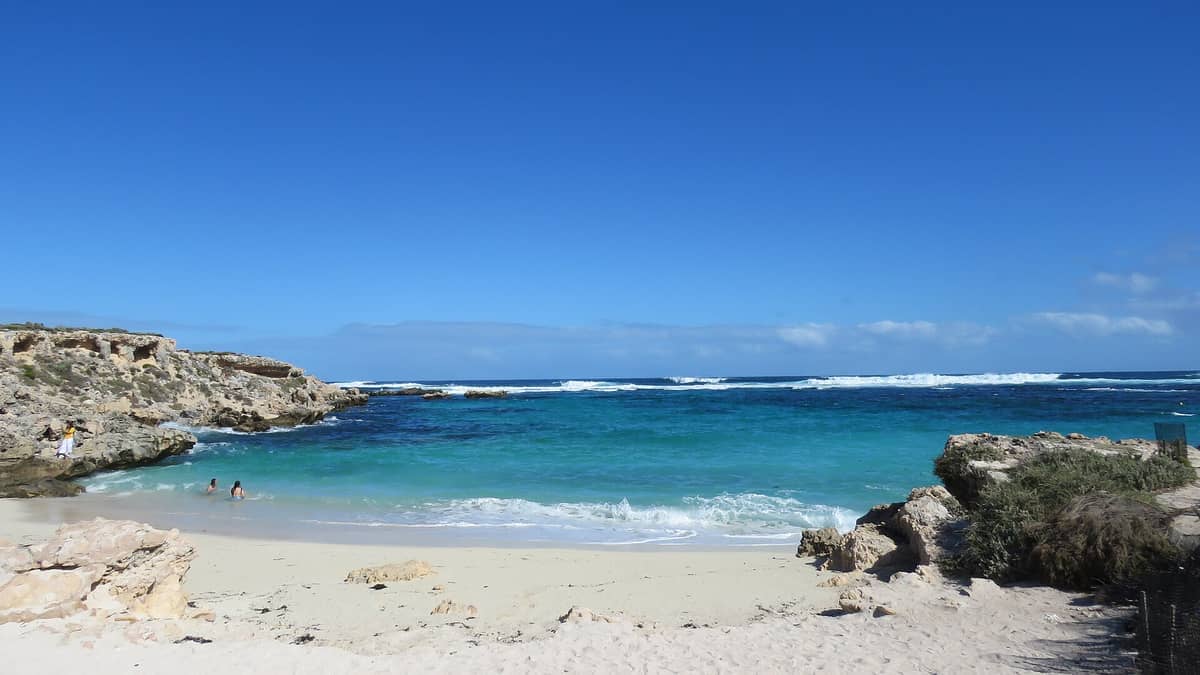
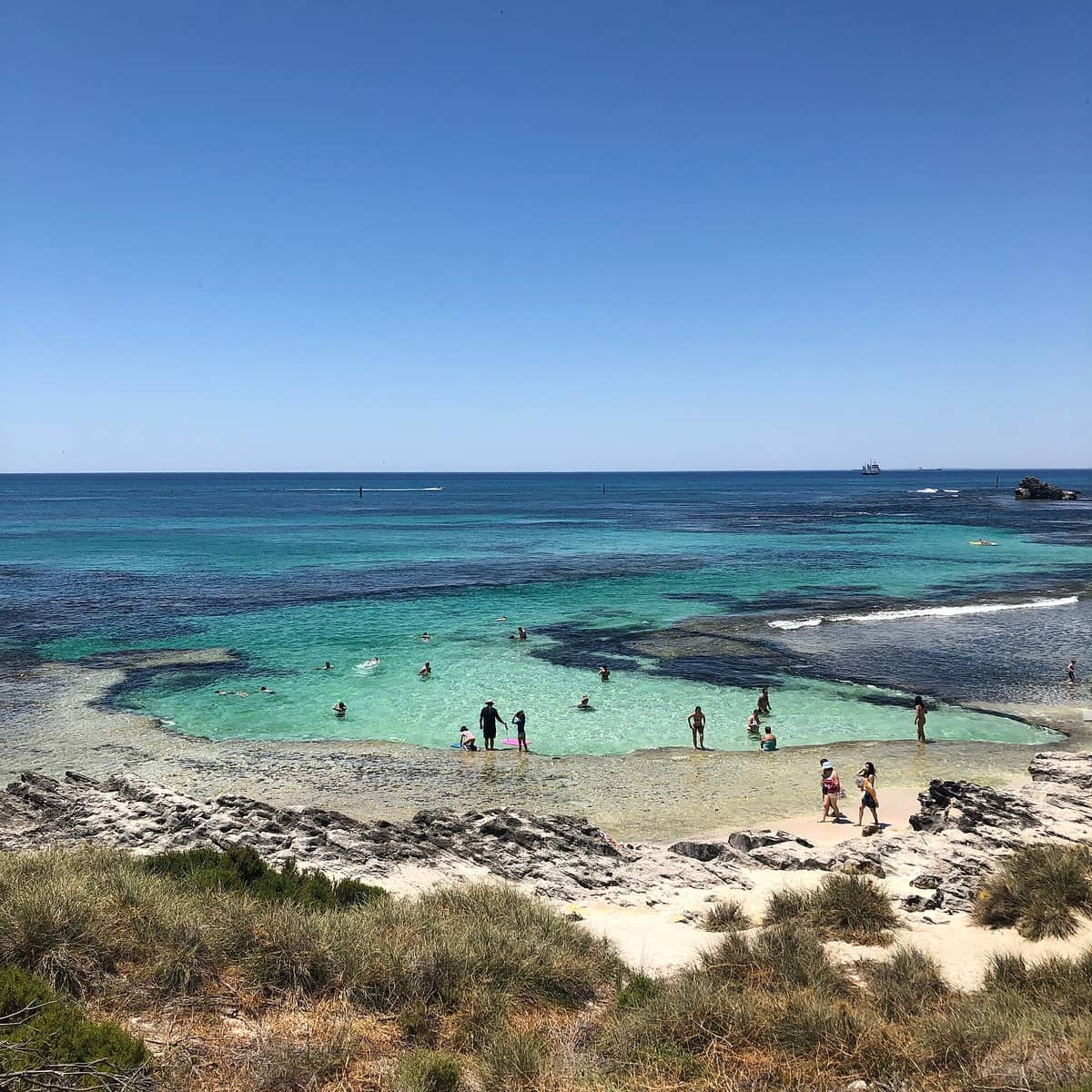
The beaches and bays are the island's most obvious draw. The Basin, on the north coast not far from Thomson Bay, is a semi-enclosed lagoon with calm, shallow water and a sandy bottom, making it one of the most visited spots on the island. Further along the north coast, Geordie Bay and Longreach Bay offer similarly sheltered swimming. The southern coast is more exposed, with stronger swell that attracts snorkellers and divers. Little Salmon Bay on the southern side is well regarded for snorkelling, with a reef that is close to shore and accessible without a boat.
Visit Little Salmon Bay if snorkelling is a priority: the reef is within easy swimming distance of the shore, and the marine life, including fish, rays and occasionally dolphins, is more abundant than at the busier swimming beaches.
The The Basinis the go-to for families and those who want calm, clear water without a long cycle. It fills up quickly on weekends and during school holidays, so arriving before 10 am makes a real difference.
Wadjemup Museum: covers the island's natural history, colonial settlement, and the Aboriginal prison history with respectful and informative exhibits
Quokka spotting: most reliably done in the Thomson Bay settlement and around shaded paths, especially in the morning
Hop-on-hop-off bus: the island shuttle connects Thomson Bay with the major bays and the lighthouse precinct, useful if you are not cycling
Snorkelling at Little Salmon Bay and Parker Point: bring your own gear or rent at the settlement
Walking trails: several shorter walks connect bays and salt lakes without requiring a full circuit
Whale watching season (June to November): humpbacks pass close to the island; guided boat tours sometimes depart from the island
⚠️ What to skip
Swimming is prohibited between the main ferry jetty and the Fuel Jetty due to boat traffic. Stick to the designated swimming areas. In a life-threatening emergency on the island, call 000 or use VHF Channel 16 for marine emergencies.
Eating & Drinking
The food and drink offer on Rottnest Island is concentrated in the Thomson Bay settlement, with a smaller amount of catering at Geordie Bay. It is not a destination for serious restaurant dining, and you should not come expecting the quality or variety available in Fremantle or Perth. What is there is adequate, often good for casual fare, and priced at island rates, meaning slightly higher than the mainland.
The main cafes and bakeries around Thomson Bay do solid work on breakfast and brunch, the meals that make the most sense on a day visit. A coffee and something to eat before collecting your bike sets you up well. There are also fish and chips options that pair logically with a beach lunch, and a general store where you can pick up snacks, drinks, and basic supplies. Ice cream is available at several points, and you will want it in summer.
The main hotel complex at Thomson Bay has a bar and restaurant that handles dinner, and this is essentially the island's evening dining option for day visitors who miss the last ferry, overnight guests, and those staying in the accommodation precinct. It is functional and serves the context. If you are visiting for the day, pack food from Fremantle or Perth. The ferry terminals on the mainland, particularly in Fremantle, are close to excellent delis, bakeries, and cafes where you can provision properly before boarding.
💡 Local tip
Bring more water than you think you need. The island has limited water refill points, the sun is strong, and cycling or walking in summer is dehydrating. Sun protection and a hat are equally non-negotiable.
Getting There & Around
Ferries are the only way to reach Rottnest Island for most visitors. Two main departure points serve the island: Fremantle and Hillarys Boat Harbour to the north. Fremantle is the closest and typically offers the shortest crossing time, around 25 to 30 minutes. Ferries from Perth take around 90 minutes. Multiple operators run services; check current timetables and book ahead, particularly for weekends, school holidays, and peak summer season, as ferries fill up.
From central Perth, the Barrack Street Jetty is a short walk from Elizabeth Quayand is served by Transperth ferry services, though for the Rottnest crossing you will use one of the private commercial ferry operators. Check the Rottnest Island Authority website for current operator details and timetables before booking.
If you are departing from Fremantle, the ferry terminal is close to the town centre, and you can combine a morning in Fremantlewith an afternoon on the island, or vice versa. TheFremantle Markets open on weekends and make a useful early stop before your ferry.
Once on the island, private cars are not permitted for general visitors. Getting around is by bicycle, on foot, or by the island's shuttle bus network. The hop-on-hop-off bus is the practical choice for those who prefer not to cycle or who want to reach the western end of the island without the full circuit ride. It connects Thomson Bay with Geordie Bay and Kingstown. Tickets are purchased separately from the ferry and can be bought on the island.
Bicycle hire is available at Thomson Bay and should be organised early on busy days. Standard bikes, electric bikes, and bikes with child seats or trailers are generally available. If you are planning the full perimeter circuit, an early start avoids both the midday heat and the peak crowd on the paths.
Where to Stay
Staying overnight on Rottnest Island is genuinely different from a day visit. Once the day ferries leave in the late afternoon, the island belongs to a few hundred people at most, and the contrast with the daytime energy is striking. It is worth doing at least once, particularly if you want to explore beyond Thomson Bay without time pressure.
Accommodation on the island ranges from the main hotel complex in Thomson Bay, which offers the widest range of room types and direct access to the settlement's facilities, to self-contained holiday units and glamping-style options at various points around the island. Geordie Bay and Longreach Bay have accommodation that puts you closer to the quieter north-coast bays. The island also has a campground; confirm current availability and booking requirements with the Rottnest Island Authority, as facilities and access conditions can change.
Demand for island accommodation is high in summer and during school holidays. Book well in advance. For visitors weighing up whether to stay on the island or base themselves on the mainland and day-trip, thewhere to stay in Perth guide covers the broader accommodation landscape, and the Fremantle day trip guide explains how to combine both in a single itinerary.
Planning Tips & Practical Notes
Rottnest Island is a relatively easy day trip from Perth or Fremantle, but a little planning makes a significant difference. Ferry departures sell out, particularly on weekends from October through April. Booking the ferry, and if you want one, the bike hire, ahead of time means you arrive with a plan rather than spending your first hour queuing.
The quokka guidecovers what to expect when encountering the island's most photographed residents. The key points: do not feed them, do not pick them up, and keep at least one metre of distance. They are genuinely curious and will approach on their own terms, particularly around shaded areas in the Thomson Bay settlement.
For broader context on timing your Perth visit and what conditions to expect on the island, the best time to visit Perthguide covers seasonal patterns. Summer (December to February) is the most popular period for the island, with long days and warm water, but also peak crowds, strong UV, and the highest ferry demand. Spring and autumn offer a more comfortable experience for cycling and walking.
ℹ️ Good to know
The island operates in Australian Western Standard Time (AWST, UTC+8), the same as Perth. Western Australia does not observe daylight saving time. All prices on the island are in Australian dollars (AUD).
TL;DR
Rottnest Island (Wadjemup) is a car-free island about 19 km from Fremantle, reached by ferry from Fremantle, Perth, or Hillarys Boat Harbour.
Best for: cyclists, beach swimmers, snorkellers, families, and anyone wanting a full reset from the city for a day or more.
Not ideal for: visitors looking for serious restaurant dining, a wide nightlife offer, or those with limited mobility who may find the cycling-dependent layout restrictive.
The island's history as an Aboriginal prison site is significant and addressed at the Wadjemup Museum; engagement with this history is part of visiting responsibly.
Book ferries and bike hire in advance, especially for weekends and school holidays in summer. Bring water, sun protection, and food if you have specific dietary needs.
Three days in Perth, Western Australia is enough time to cover the city's best neighbourhoods, beaches, and day trips without rushing. This itinerary balances iconic landmarks with local eating and practical transport advice so you can focus on the experience.
Perth's Mediterranean climate means every season has something to offer, but the best time to visit depends entirely on what you want to do. This guide breaks down temperatures, rainfall, crowds, and key events month by month so you can plan with confidence.
Perth sits at the edge of an extraordinary region, with ancient limestone deserts, island wildlife, colonial heritage towns, and national park waterfalls all within a day's reach. This guide covers the best day trips from Perth, from quick 30-minute drives to full-day adventures further afield.
Perth offers an unusually large number of free experiences. From sweeping river views and world-class art museums to wild kangaroos and stunning beaches, here are the best free things to do in Perth across every interest and neighbourhood.
Perth, Western Australia is a sprawling city of over 2 million people, and knowing how to navigate it makes the difference between a smooth trip and a frustrating one. This guide covers every transport option — Transperth trains, free CAT buses, ferries, rideshares, taxis, and driving — with current fares, practical route advice, and honest assessments of what works and what doesn't.
Perth Airport (PER) serves over 2 million people in Western Australia's capital and is the main gateway for both domestic and international visitors. This guide covers every transport option from the airport to the city, how to transfer between terminals, and what to expect on arrival.
Perth sits on one of the world's most spectacular coastlines, with the Indian Ocean stretching north and south of the city for hundreds of kilometres. This guide covers the best beaches for swimming, surfing, snorkelling, and family days out, from the classic city strips to the island escapes worth the trip.
Perth, Western Australia hosts some of the Southern Hemisphere's most exciting festivals and events. This guide covers the major annual highlights, seasonal timing, ticketing tips, and practical advice to help you plan around the city's cultural calendar.
Perth, Western Australia sits on one of the world's great seafood coastlines and within reach of some of Australia's finest wine regions. This guide cuts through the noise to tell you what to actually eat, where to find it, and what to skip.
Perth rewards couples with extraordinary sunsets, stunning coastline, world-class food, and experiences that range from leisurely to genuinely memorable. This guide covers the best the city offers, from iconic viewpoints and beach escapes to candlelit harbour dinners and wildlife encounters that feel like something out of a nature documentary.
Fremantle is one of the best day trips from Perth, sitting just 30 minutes away by train. This guide covers transport, top attractions, food stops, honest warnings about tourist traps, and how to make the most of a full day in one of Australia's most historically rich port cities.
Perth sits at the edge of one of the most biodiverse corners of the planet, with jarrah forests, granite gorges, coastal heathlands, and river trails within an hour of the CBD. Whether you want a 25-minute bushland loop or a full-day ascent through the Darling Range, this guide covers the best trails near Perth.
Perth, Western Australia has a compact but serious luxury scene. This guide covers the city's finest hotels, destination restaurants, premium day experiences, and the practical details you need to plan a high-end trip without surprises.
The drive from Perth to Margaret River covers roughly 275-300 km through some of Western Australia's most rewarding countryside. This guide covers the best routes, essential stops, seasonal timing, and honest advice on what the trip actually involves.
Perth has a stronger museum scene than many visitors expect, with world-class institutions covering natural history, Indigenous culture, maritime heritage, contemporary art, and everything in between. This guide covers the best museums in Perth, from free galleries in the Cultural Centre to hands-on experiences at the Mint.
Perth's nightlife runs deeper than its sun-soaked reputation suggests. From Northbridge clubs trading until 5am to intimate small bars and a thriving live music scene, this guide breaks down where to go, when to go, and what to realistically expect after dark in Western Australia's capital.
Perth, Western Australia has a reputation as an expensive city, but the reality is more nuanced. From free CAT buses and Sunday transit to no-entry-fee beaches and parks, there are genuine ways to stretch your money. This guide cuts through the tourist-trap advice and gives you a practical, specific roadmap for visiting Perth without overspending.
Seven days is the right amount of time to see Perth, Western Australia properly. This itinerary covers the city centre, the coast, Fremantle, Rottnest Island, the Swan Valley, and the Perth Hills, with practical transport details and honest advice on what to skip.
The Pinnacles Desert in Nambung National Park is one of Western Australia's most striking landscapes, and it's doable as a long day trip from Perth. This guide covers everything: driving routes, park fees, tour options, seasonal timing, and honest advice on what the experience is actually like.
Quokkas are one of Australia's most recognisable animals, and Rottnest Island is the best place to see them near Perth. This guide covers ferry options, ticket prices, the best time to visit, wildlife rules, and practical tips for making the most of your trip.
Perth, Western Australia ranks among Australia's safest major cities, but smart travel still requires knowing which beaches are patrolled, which areas to avoid at night, and how to navigate the city without getting caught out. This guide covers everything a visitor needs.
Perth, Western Australia offers a surprisingly diverse shopping scene. Whether you're hunting for Australian-made souvenirs at Fremantle Markets, designer labels in Subiaco, or duty-free deals near Perth Airport, this guide covers the best spots, opening hours, and insider tips to help you shop smarter.
Swan Valley sits just 25 minutes northeast of Perth CBD and delivers one of Western Australia's most rewarding food and wine experiences. This guide covers how to get there, what to eat and drink, which producers are worth your time, and how to plan a full day without wasting a single hour.
Perth to Sydney is one of Australia's great cross-continental journeys. Whether you're after the fastest route or the most memorable one, this guide breaks down every realistic option, including direct flights, the legendary Indian Pacific train, and a road trip across the Nullarbor Plain, with a practical breakdown of cost, time, and what each experience actually delivers.
Perth rewards those who seek out its high points, riverbanks, and coastal edges with some of the most photogenic cityscapes in Australia. This guide covers the finest viewpoints across the city, from classic skyline vistas to Indian Ocean sunsets and hilltop lookouts in the Darling Range.
Perth, Western Australia rewards walkers with an unusually rich mix of colonial architecture, Indigenous history, riverfront parkland, and compact inner-city neighbourhoods. This guide covers every major free self-guided walking trail in the city, how to access them, and which routes suit different interests and time constraints.
Perth offers access to seasonal humpback whale tours along the Western Australian coast. This guide covers the best season, every major departure point, current tour prices, and what to realistically expect when you head out on the Indian Ocean.
Western Australia's wildflower season is one of the most spectacular natural events in the Southern Hemisphere, drawing visitors from around the world each year. This guide covers exactly when to go, which spots deliver the best displays near Perth, and the common timing mistakes that leave visitors disappointed.
Perth is one of Australia's most family-friendly cities, with wildlife encounters, beach days, interactive museums, and island adventures all within easy reach. This guide covers the best activities for kids of all ages, from toddlers to teens.
Perth, Western Australia is one of the world's most remote major cities, and that isolation shapes everything about it. This guide cuts through the hype to give you a clear-eyed look at what Perth does exceptionally well, where it falls short, and exactly who should book a ticket.
Perth, Western Australia is a city of beaches, bushland, world-class food, and some of Australia's most underrated cultural attractions. This guide covers the best things to do in Perth across every interest and budget, with honest advice on what to skip and what genuinely earns your time.
Choosing where to stay in Perth, Western Australia shapes your entire trip. This guide breaks down every major neighbourhood by location, vibe, transport access, and price so you can book with confidence.