Is Perth Worth Visiting? An Honest Assessment
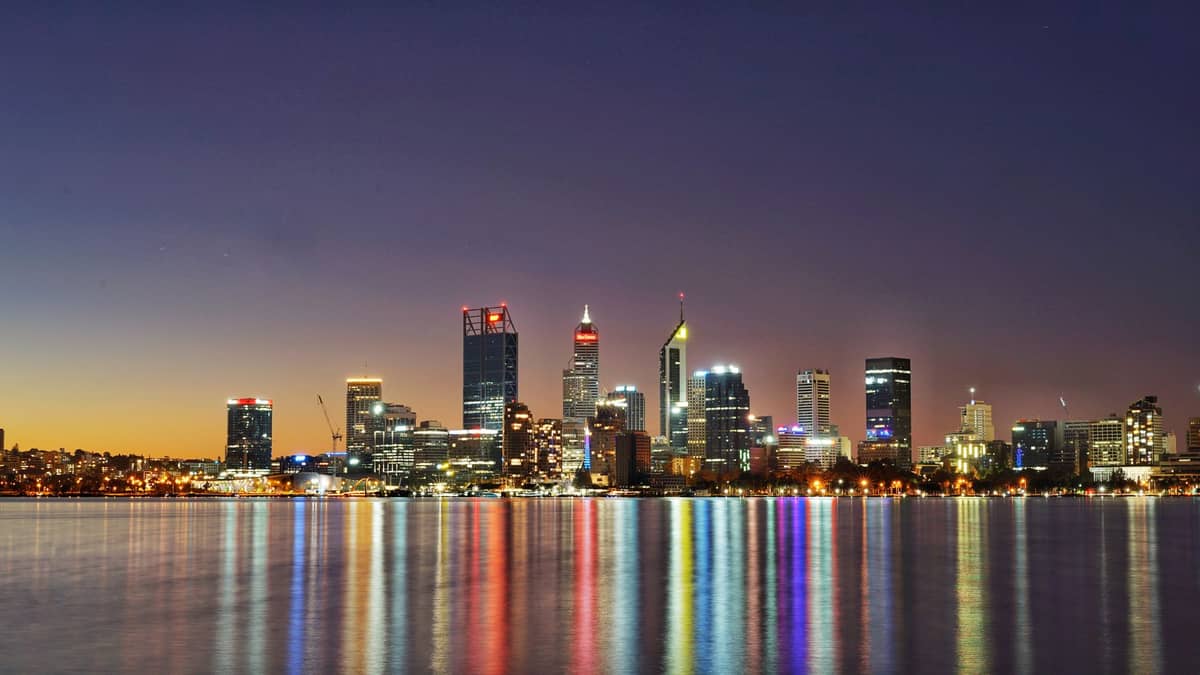
Perth, Western Australia is one of the world's most remote major cities, and that isolation shapes everything about it. This guide cuts through the hype to give you a clear-eyed look at what Perth does exceptionally well, where it falls short, and exactly who should book a ticket.
Tickets & tours
Live prices and dates from our booking partner. If you book, we may earn a commission at no extra cost to you.
TL;DR
- Perth, Western Australia is genuinely worth visiting for beaches, outdoor lifestyle, and Indian Ocean sunsets that are difficult to match anywhere in Australia.
- The city rewards explorers: Fremantle, Rottnest Island, and the Swan Valley add serious depth to any itinerary.
- Budget travelers can do well here — public transport is affordable and some of the best experiences (Kings Park, Cottesloe Beach, wildflower season) are free or low-cost.
- The city's main drawback is its isolation: flying in from Sydney or Melbourne takes around 4-5 hours, and international connections are limited compared to the east coast.
- Weather matters more here than most Australian cities — plan around Perth's Mediterranean climate, not against it.
What Kind of City Is Perth, Exactly?
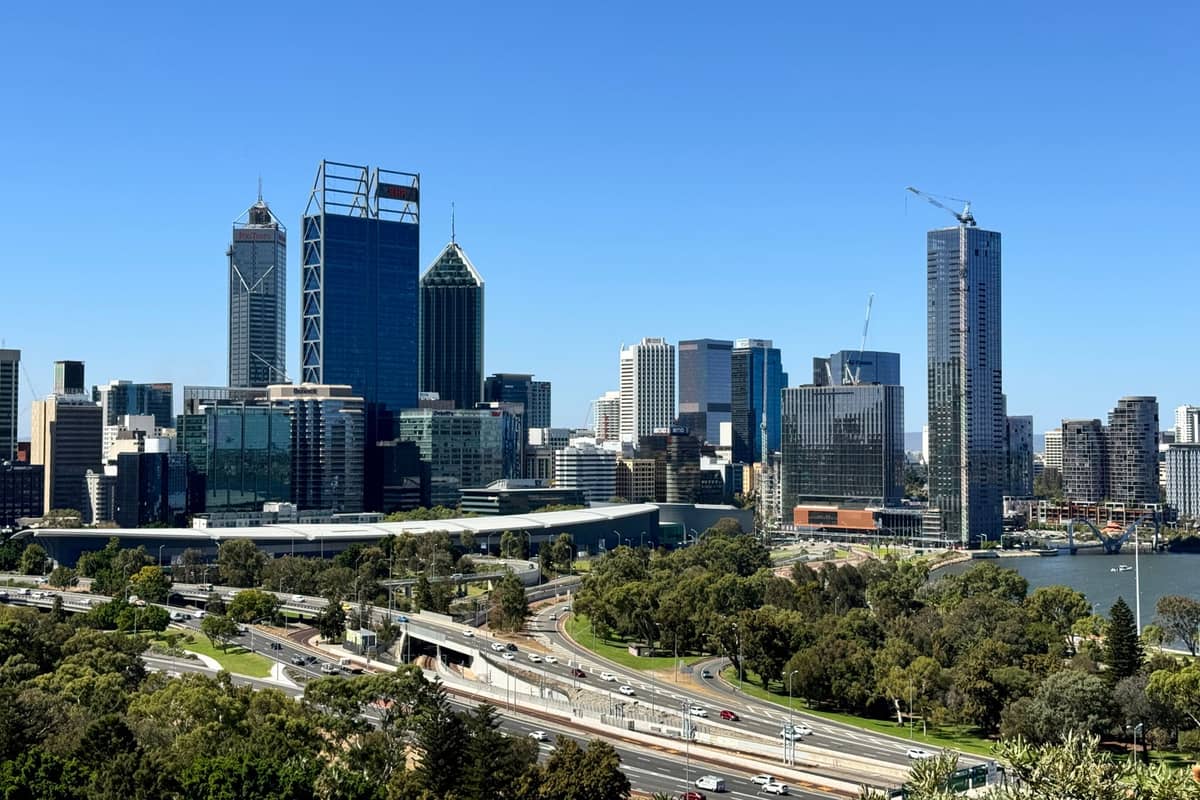
Perth is the capital of Western Australia and home to around 2.1 million people in the Greater Perth region, according to the 2021 Australian Bureau of Statistics Census. It sits on the Swan Coastal Plain beside the Swan River and the Indian Ocean, making it one of the most geographically striking capital cities on the continent. It is also, by a considerable margin, the most isolated capital city in the world. The nearest major city is Adelaide, roughly 2,700 kilometres to the east.
That isolation is the defining fact of Perth, Western Australia. It means the city has developed its own culture, its own pace, and its own sense of identity that feels genuinely distinct from Sydney or Melbourne. Locals are proud of that. Visitors who expect a smaller Sydney will be confused; visitors who arrive open to what Perth actually is tend to leave converted.
The city runs on Australian Western Standard Time (AWST, UTC+8) and does not observe daylight saving time, which creates a permanent time difference from the east coast. English is the dominant language, though Greater Perth's 2021 Census data shows Mandarin, Italian, Vietnamese, Punjabi, and Cantonese are all spoken at home by significant communities. For a practical overview of how to navigate the city, see thecomplete guide to getting around Perth.
The Case For Perth: What the City Does Really Well
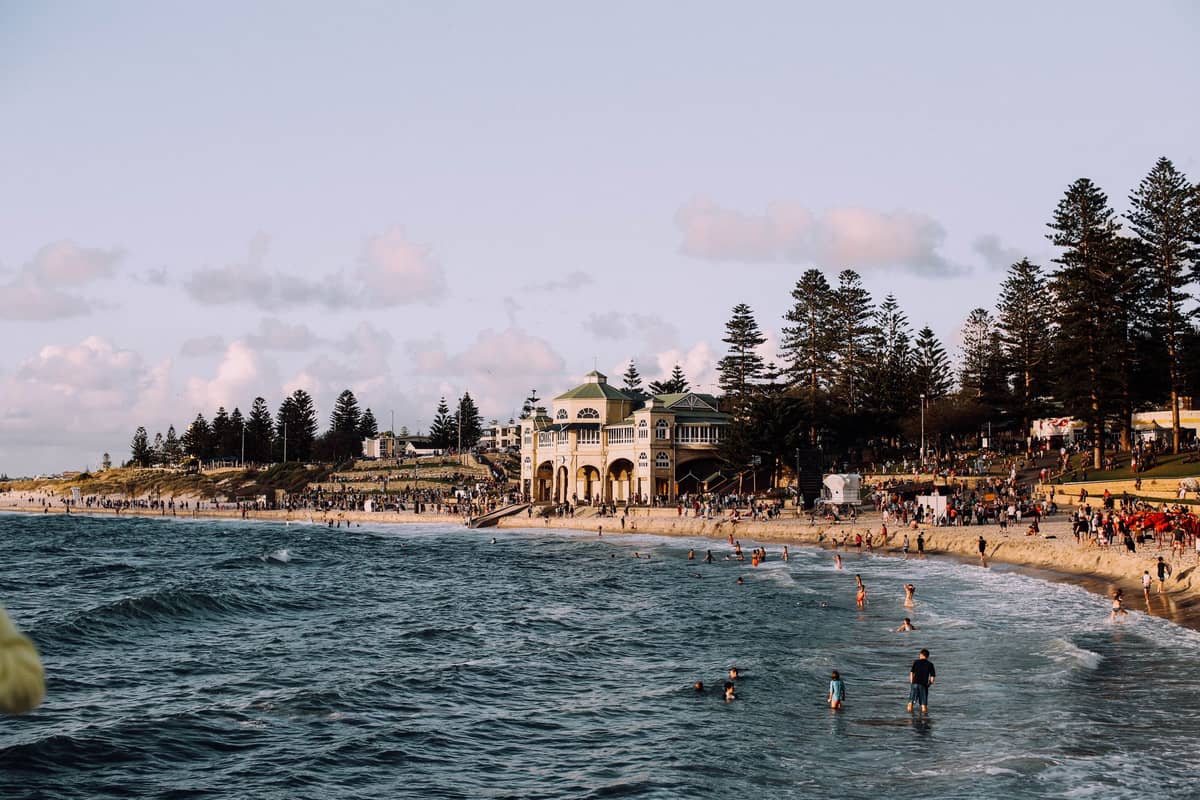
Perth's beaches are the strongest argument in its favor, and they are not overrated. Cottesloe Beach offers calm water, a reliable surf break, and some of the most photogenic sunsets on the Indian Ocean coast. Scarborough has a newly redeveloped foreshore and better surf. Trigg is the local favourite for intermediate surfers. These are not resort beaches groomed for tourists — they are working beaches used by residents year-round, which gives them an authenticity that is increasingly rare.
Kings Park is one of the largest inner-city parks in the world, covering around 400 hectares on a ridge above the Swan River. The Botanic Garden within it holds over 3,500 plant species from Western Australia's extraordinarily diverse flora. Entry is free, the views across the CBD and river are excellent, and during spring (September to November) the wildflower displays are genuinely spectacular. For more, see thePerth wildflower season guide — this is a phenomenon with few equivalents worldwide.
- Beaches Cottesloe, Scarborough, and Trigg offer world-class swimming and surfing without the crowds of Bondi or Surfers Paradise.
- Rottnest Island A 25-minute ferry ride from Fremantle, Rottnest offers quokkas, snorkelling, cycling, and car-free beaches in a single day trip.
- Fremantle A historic port city with a functioning market, excellent craft beer, and one of Australia's best preserved 19th-century precincts.
- Food scene Perth's dining has improved sharply over the past decade, with strong Asian-Australian fusion, fresh Indian Ocean seafood, and a serious coffee culture.
- Day trips The Pinnacles Desert, Margaret River wine region, and Swan Valley are all accessible from the city and offer experiences unavailable on the east coast.
✨ Pro tip
Book the Rottnest Island ferry in advance during school holidays and long weekends — the route sells out. The Fremantle departure is cheaper and more frequent than the Hillarys Boat Harbour option, and puts you closer to the best cycling circuits on the island.
The Honest Drawbacks: What Perth Gets Wrong
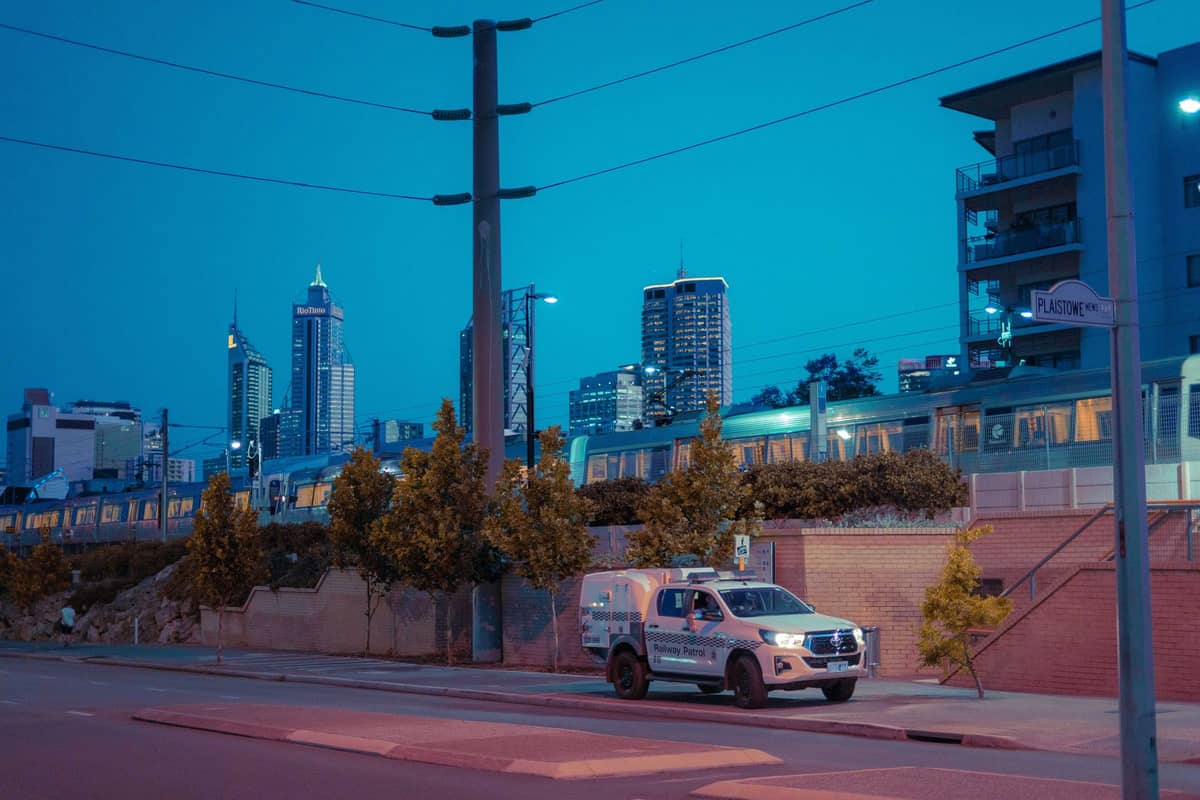
Perth's CBD after business hours has historically been quiet in ways that surprise visitors expecting a capital city atmosphere. This is improving, and Northbridge directly north of the city centre has a genuine nightlife and restaurant scene, but Perth still does not have the density of late-night options that Sydney, Melbourne, or even Brisbane offer. If a packed urban social scene is your priority, Perth will feel underwhelming in that specific regard.
Public transport coverage is reasonable in the inner suburbs and along the rail corridors, but outer areas are car-dependent. The free transit zone operates in central Perth for buses and trains, and a SmartRider card may offer discounted fares compared with cash tickets. But visiting the beaches, the hills, or the Swan Valley without a car requires planning and patience. Uber and other ride-hailing services operate in Perth, though verify current availability before relying on them.
Cost is also worth addressing honestly. Perth is not a cheap Australian city. Accommodation, dining, and activities are priced at Sydney-comparable levels in many cases. That said, budget travel is absolutely viable: see thePerth on a budget guidefor a realistic breakdown. Free options are plentiful — Kings Park, most beaches, and the Perth Cultural Centre cost nothing to visit.
⚠️ What to skip
Perth's summer heat is not a minor inconvenience. January and February regularly produce maximum temperatures of 31-32°C, with heatwaves that push well above 40°C. Outdoor activities, including beach visits and national park hikes, require early starts, sun protection, and serious hydration planning. The heat can make a full day's sightseeing genuinely unpleasant for visitors unaccustomed to it.
When to Go: Perth's Climate Explained Properly
Perth has a classic Mediterranean climate: hot, dry summers and mild, wetter winters. The Bureau of Meteorology's long-term averages show mean maximum temperatures of around 31-32°C in January and February, dropping to 18-20°C in June through August. Rainfall is concentrated in the cooler months, with June to August averaging 127-144mm per month. Summer months see only around 10-16mm of rain. This is the opposite of what visitors from tropical or temperate climates expect.
The practical upshot: if you hate heat, avoid December through February. If you hate rain, avoid June through August (though winter rain here is manageable, not tropical-monsoon-level). Spring (September to November) and autumn (March to May) are the most consistently comfortable periods for a mix of outdoor and urban activities. Spring has the additional draw of wildflower season and the start of whale watching. Autumn means calmer seas and still-warm water for swimming.
For a detailed seasonal breakdown and event calendar, the best time to visit Perth guide covers month-by-month conditions and what each season unlocks in terms of activities.
ℹ️ Good to know
Western Australia does not observe daylight saving time. When the eastern states shift their clocks forward in October, Perth's time difference from Sydney increases from 2 hours to 3 hours. Factor this in for domestic flight bookings and business calls.
Who Perth Is Right For (and Who Should Think Twice)
Perth works extremely well for beach lovers, outdoor enthusiasts, food-and-wine travelers, families, and anyone who wants a slower, more spacious version of Australian city life. The city's low population density compared to Sydney, combined with genuinely excellent natural assets, makes it one of the better Australian destinations for escaping crowds. It also works well as a base for Western Australia's broader highlights: the Pinnacles Desert, Ningaloo Reef (further north), and the Margaret River wine region are all accessed through Perth.
Families specifically have strong reasons to visit: Perth Zoo, Caversham Wildlife Park, the Aquarium of Western Australia at Hillarys, and Rottnest Island's quokkas give children experiences they will not find in the same concentration anywhere else in Australia. See the dedicatedPerth with kids guide for age-specific recommendations.
Perth is harder to justify as a standalone destination if you only have 2-3 days, are primarily interested in nightlife and urban culture, or are visiting from overseas on a tight itinerary that includes Sydney and Melbourne. The flight time from the east coast (4-5 hours) and the ticket cost mean it requires a deliberate commitment. But for anyone spending two weeks or more in Australia, leaving Perth off the itinerary is a genuine mistake.
- Beach and ocean activities: swimming, surfing, snorkelling, whale watching (June to November offshore)
- Wine and food tourism via the Swan Valley and Margaret River
- Wildlife encounters: quokkas on Rottnest, native animals at Caversham, dolphins at Monkey Mia
- History and heritage in Fremantle's 19th-century port precinct
- Hiking and nature in the Perth Hills and national parks within an hour of the CBD
Getting There and Getting Around: The Practical Picture
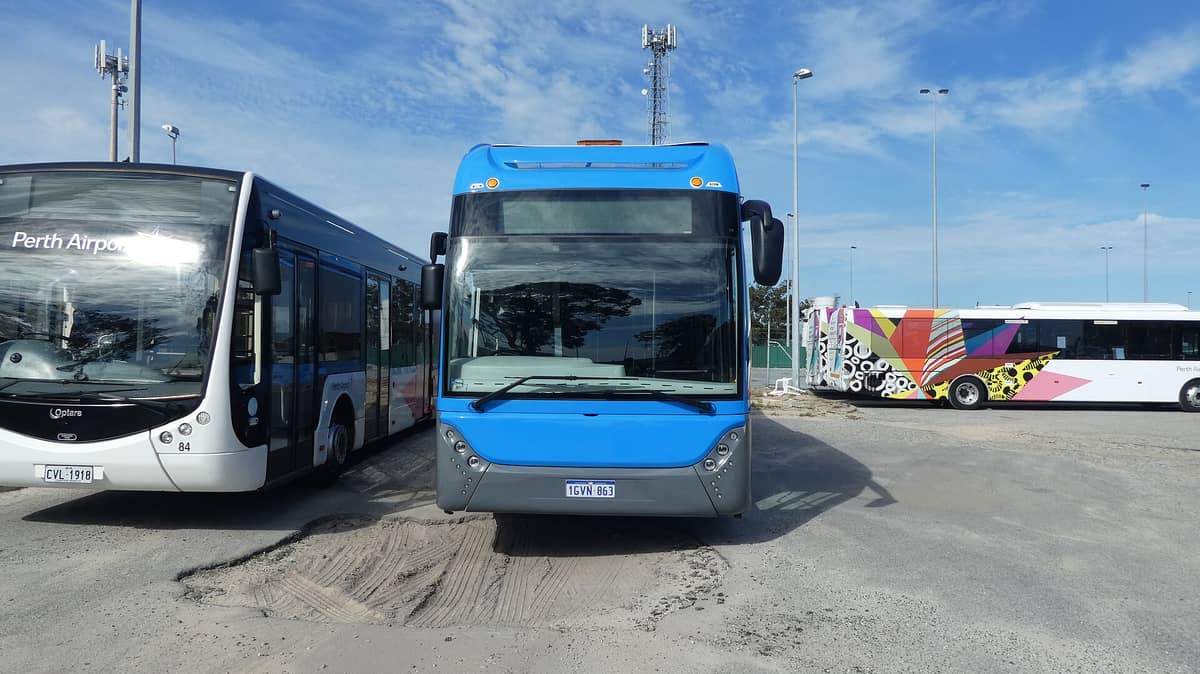
Perth Airport (IATA: PER) handles both domestic and international flights. For Terminals 3 and 4, check Transperth's current airport access information for the appropriate station and shuttle service before travelling. This is a commonly misunderstood logistics point: the train does not stop at all terminals equally, and assuming it does creates problems.
Within the city, Transperth's rail, bus, and ferry network covers the main corridors well. A SmartRider card can reduce fares compared with cash tickets; check Transperth for current card costs and fare discounts. The free transit zone applies in the central city area. For complete coverage of routes, fares, and the best options for beach and day-trip access, see theguide to getting around Perth. If you plan to visit the Swan Valley, Perth Hills, or outer beaches, renting a car for at least part of your trip is the practical choice.
Australia uses Type I power plugs at 230V/50Hz — most international visitors will need an adapter. The Australian dollar (AUD) is the currency, and tipping is not obligatory, though rounding up or leaving small tips at sit-down restaurants is becoming more common. For a broader orientation to costs and practicalities, thePerth Airport guide covers arrival logistics in detail.
FAQ
Is Perth worth visiting compared to Sydney or Melbourne?
Perth offers different strengths: better beaches, lower crowds, more accessible wildlife, and a distinct cultural feel. It is not better or worse than Sydney or Melbourne in absolute terms, but it is genuinely different. If you have only one week in Australia, Sydney or Melbourne give you more urban variety. With two weeks or more, Perth adds experiences unavailable on the east coast.
How many days do you need in Perth?
Three days covers the city highlights: Kings Park, Fremantle, and one beach. Five to seven days lets you add Rottnest Island, a day trip to the Pinnacles or Swan Valley, and explore neighbourhoods like Northbridge and Cottesloe at a comfortable pace. A week also gives you flexibility around weather.
Is Perth expensive to visit?
Perth is comparable to Sydney in accommodation and dining costs at the mid-range and above. Budget travel is feasible: many beaches and parks are free, public transport is affordable with a SmartRider card, and self-catering accommodation is widely available. The main cost driver for international visitors is the flight, which is longer and often pricier than east coast routes.
What is Perth weather like and when should I avoid it?
Perth has a Mediterranean climate. Summers (December to February) average around 31-32°C maximum and can hit well above 40°C during heatwaves. Winters (June to August) are mild but rainy, averaging 127-144mm per month. Spring and autumn are the most comfortable and versatile seasons for most visitors.
Is Perth safe for tourists?
Perth is generally considered a safe city for visitors by Australian and international standards. Standard urban precautions apply in Northbridge late at night. The main safety considerations for outdoor activities are sun exposure, rip currents at surf beaches, and heat in summer. Australia's emergency number is 000.
Tickets & tours
Live prices and dates from our booking partner. If you book, we may earn a commission at no extra cost to you.
Planning a trip? Discover personalized activities with the Nomado app.