Best Time to Visit Perth, Western Australia: A Month-by-Month Guide
Perth's Mediterranean climate means every season has something to offer, but the best time to visit depends entirely on what you want to do. This guide breaks down temperatures, rainfall, crowds, and key events month by month so you can plan with confidence.
Tickets & tours
Live prices and dates from our booking partner. If you book, we may earn a commission at no extra cost to you.
TL;DR
- Perth has a Mediterranean climate: hot, dry summers (December to February) and mild, wet winters (June to August).
- Spring (September to November) and autumn (March to May) offer the most comfortable conditions for sightseeing and outdoor activities.
- Summer heat regularly exceeds 35°C and can spike above 40°C; plan outdoor activities like beach days around morning hours.
- Winter is Perth's rainy season but remains mild by global standards, averaging 8–10°C at night; it's the best time for whale watching and wildflowers.
- Perth, Western Australia (not Perth, Scotland) is in the AWST time zone (UTC+8) and does not observe daylight saving time — a detail worth noting when booking flights through Perth Airport (PER).
Understanding Perth's Climate: The Basics
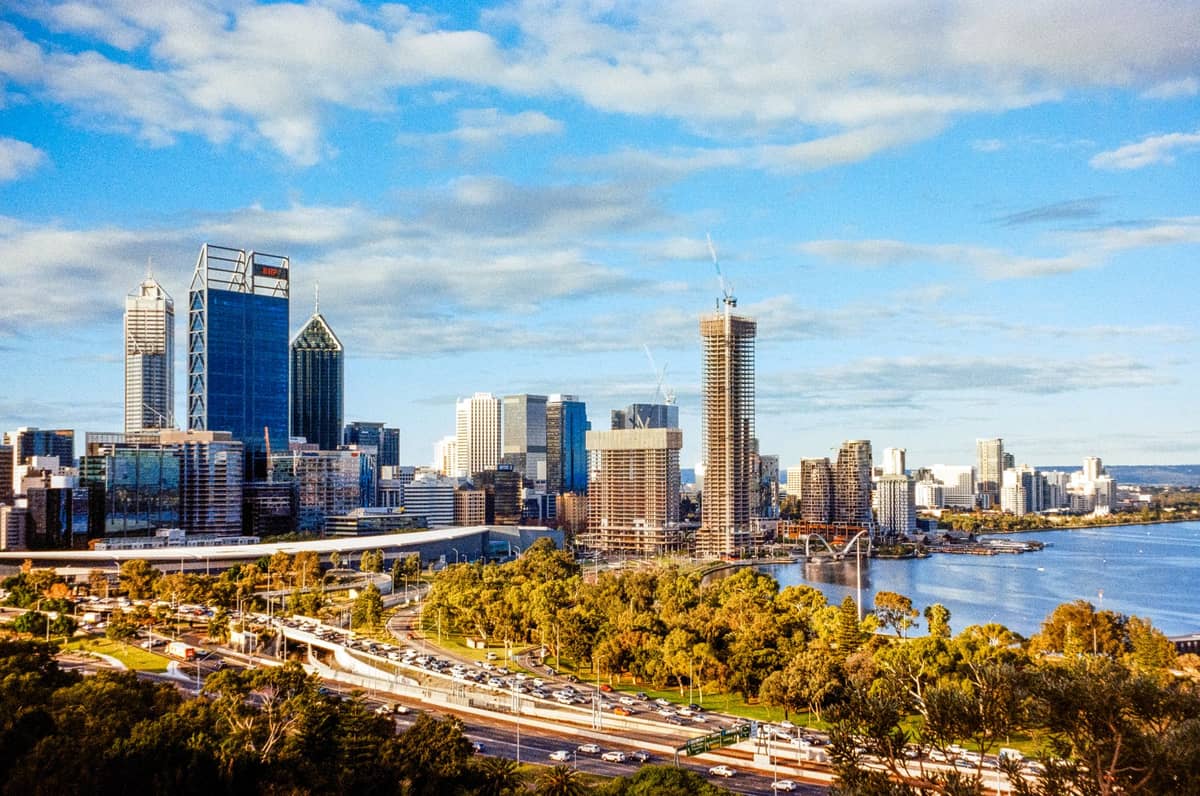
Perth's climate is Mediterranean in the truest sense: long, dry, sunny summers and short, cool, wet winters, with spring and autumn acting as transition seasons. According to Bureau of Meteorology long-term averages, mean maximum temperatures sit around 30 to 32°C in January and February, dropping to 18 to 20°C in June through August. Rainfall follows the inverse pattern: expect around 10 to 22 mm per month in summer versus 124 to 144 mm per month in the heart of winter.
One persistent misconception is that Perth is sunny and dry year-round. It isn't. While Perth is known for abundant sunshine, June, July, and August bring genuine rainy stretches. A winter visit requires waterproof layers and flexible planning, especially if you're relying on outdoor restaurants or beach activities.
ℹ️ Good to know
All climate figures in this guide are Bureau of Meteorology long-term averages for Perth (Station 009225). They represent typical conditions, not a forecast. Check the Bureau of Meteorology and current travel advisories before finalising your trip dates.
Month-by-Month Breakdown: What to Expect
- January & February (Peak Summer) The hottest and driest months. Mean maximums of 31–32°C are routine, but heat waves regularly push temperatures to 38–42°C for multi-day stretches. Rainfall is minimal (around 10–16 mm per month). Beaches are packed on weekends, especially Cottesloe and Scarborough. Book accommodation weeks in advance. Best strategy: start days early, retreat indoors by midday, hit the beach from late afternoon.
- March & April (Early Autumn) Temperatures ease to 26–29°C and the first rains begin to arrive, though rainfall is still modest (around 20–47 mm in April). Crowds thin noticeably after the school holiday rush ends in late January. This is arguably the sweet spot for visitors who want warmth without brutal heat. The Indian Ocean stays warm enough for comfortable swimming well into April.
- May (Late Autumn) A transitional month: daytime highs average around 22°C, evenings cool to around 12°C, and monthly rainfall climbs to around 60–70 mm. It's reliably comfortable for walking and cycling. Kings Park looks particularly good as autumn colours appear on introduced trees alongside the native bush.
- June, July & August (Winter) Perth's wet season. Monthly rainfall peaks at 127–148 mm, and mean maximum temperatures sit between 18 and 20°C. Expect grey days and occasional downpours, but rarely prolonged cold snaps. Nights cool to around 8°C. The upside: this is peak season for whale watching off the coast (humpbacks migrate north through July–August), wildflowers in the surrounding bushland, and the Perth Festival arts scene.
- September & October (Spring) Arguably Perth's best months for most visitors. Rainfall drops sharply, temperatures climb steadily from around 19°C to 26°C, and wildflower season reaches its peak across Western Australia's south-west. Crowds are moderate, prices are competitive, and the city feels energised after winter. Spring racing carnival and outdoor festivals add to the calendar.
- November (Late Spring) A reliable warm month, with mean maximums around 27–28°C and low rainfall. It bridges spring and summer comfortably. Beaches begin to fill on weekends, but the extreme summer heat hasn't arrived yet. Good value accommodation is still available compared to January–February peaks.
- December (Early Summer) Summer officially arrives and school holidays drive a surge in domestic tourists. Temperatures regularly hit 30°C or above; rainfall is minimal. The Christmas–New Year stretch sees accommodation prices peak sharply. Perth's long summer evenings (daylight until after 7 pm) make sunset drinks at the waterfront particularly appealing.
Best Season by Activity Type
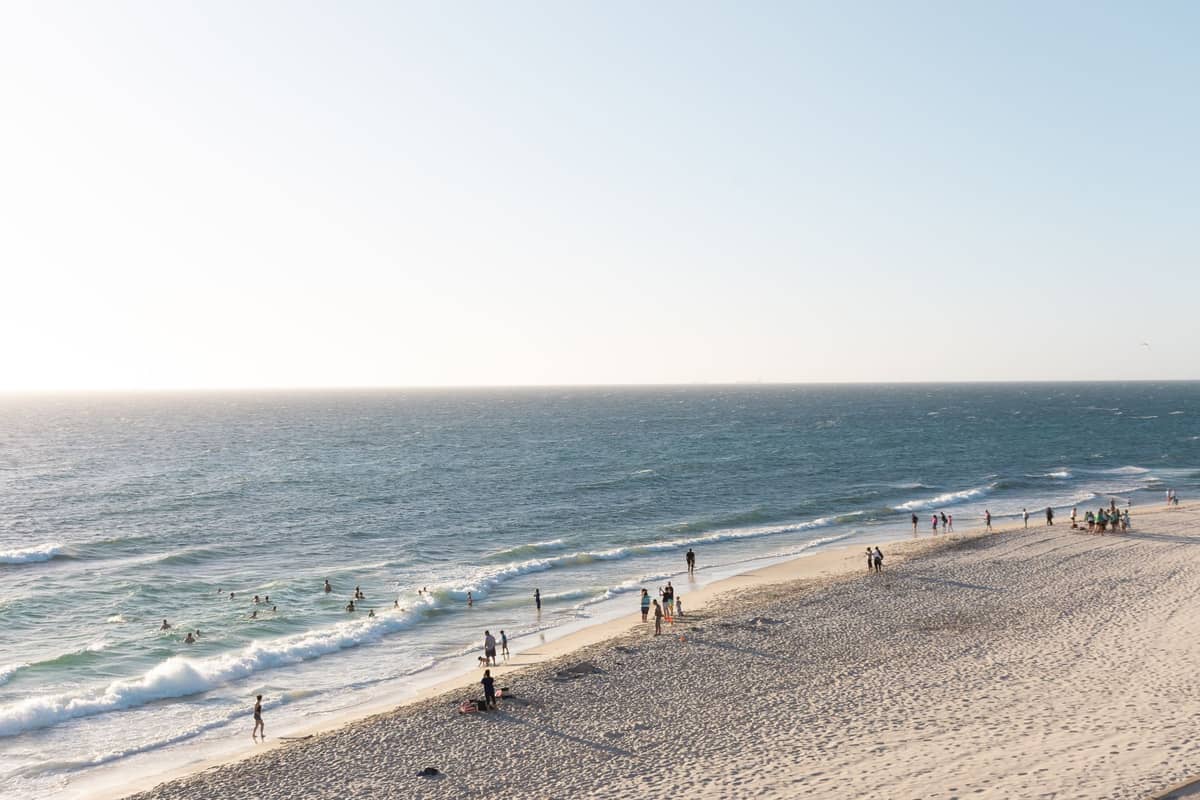
Your ideal time to visit Perth shifts significantly depending on what you're planning. Beach swimming peaks from November through April, when water temperatures in the Indian Ocean sit between 20 and 24°C.Hiking in the Perth Hills is best done in autumn or spring to avoid summer heat stress, particularly on exposed trails in John Forrest National Park and the Kalamunda area.
For wildflowers, September and October are the priority window. Western Australia's south-west corner produces one of the world's great wildflower displays, and the show extends across thePerth Hills and further afield. The wildflower season guidecovers the best locations and what to look for. Whale watching is a winter-to-early-spring activity: humpback whales pass through waters off Perth between June and November, peaking in August and September.
- Beach swimming and water sports: November through April
- Wildflower touring: September and October
- Whale watching: July to November (peak August–September)
- Outdoor festivals and markets: March to May, September to November
- Wine regions (Swan Valley, Margaret River): year-round, but March–May for harvest
- City sightseeing and indoor attractions: any month, with winter being quieter and cheaper
- Cycling and long-distance walking: April to May, September to October
⚠️ What to skip
Summer in Perth is not just hot — it can be dangerous. Days above 40°C occur multiple times each summer, and bushfire risk is significant in outer suburbs and day-trip destinations from December through March. Check the Department of Fire and Emergency Services (DFES) warnings and stay updated on fire danger ratings, especially if visiting the Perth Hills or planning a Margaret River road trip.
Crowds, Prices, and Value Windows
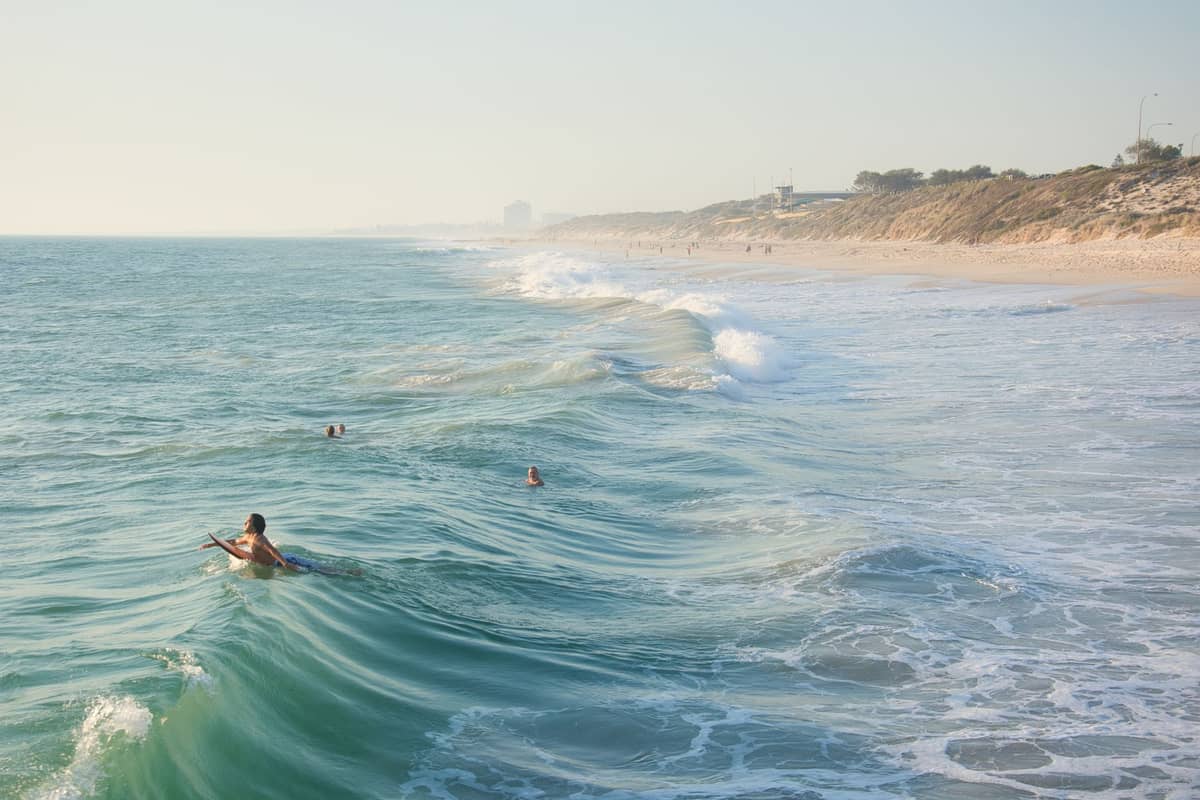
Perth's domestic tourism patterns are driven heavily by school holidays, which align with Australian state term dates. The Christmas to late January period is the most congested and expensive. Popular beaches like Cottesloe, Scarborough, and City Beach see large crowds on weekends throughout the summer. Rottnest Island, which requires a ferry booking, gets booked out well in advance for the summer holiday period.
For budget-conscious visitors, the best value windows are May through August. Accommodation rates drop, restaurants are less frantic, and major attractions like theFremantle Markets and Kings Parkare far more relaxed to explore. The trade-off is genuinely wet weather for at least part of your visit, so building some indoor flexibility into your itinerary makes sense.
International visitors often find September and October the best balance: shoulder season pricing, spring weather, and a full events calendar.Perth's festival calendaris concentrated in late summer and autumn (February–April) for the Perth Festival, while the Fremantle arts and food scene peaks in spring. If you're planning a3-day Perth itinerary, October is a strong pick for first-time visitors.
✨ Pro tip
If you're visiting in winter and the weather turns, Perth has an excellent indoor culture to fall back on: the WA Museum Boola Bardip, the Art Gallery of Western Australia, His Majesty's Theatre, PICA, and a dense concentration of excellent cafes in Northbridge and Subiaco. A rainy Perth day isn't wasted — it's just a different itinerary.
What Perth's Weather Means for Packing
Summer visitors (November to March) should pack lightweight, breathable clothing, high-SPF sunscreen, a hat with good coverage, and quality sunglasses. UV levels can be extreme in Perth during summer; check the Australian UV Index and use sun protection. Reef-safe sunscreen is recommended for ocean swimming.
Winter visitors need a light to mid-weight waterproof jacket, a layer or two for evenings, and comfortable walking shoes that can handle damp footpaths. Winter nights can feel cold, so bring a light to mid-weight waterproof jacket and layers for evenings. Snow is essentially unheard of in the city. Smart-casual clothing is appropriate for most Fremantle and Northbridge restaurants; a few higher-end venues have dress requirements worth checking in advance.
- Summer essentials: SPF 50+ sunscreen, wide-brim hat, sunglasses, reef-safe formulas for swimming
- Winter essentials: waterproof jacket, light layers, closed-toe shoes or ankle boots
- Year-round: comfortable walking shoes (Perth is a walkable city, especially the CBD and Fremantle)
- Electrical adapters: Australian Type I plugs, 230V/50Hz — most international visitors need an adapter
- Power banks: useful in summer when heat can drain phone batteries faster
Key Events That Should Shape Your Visit Dates
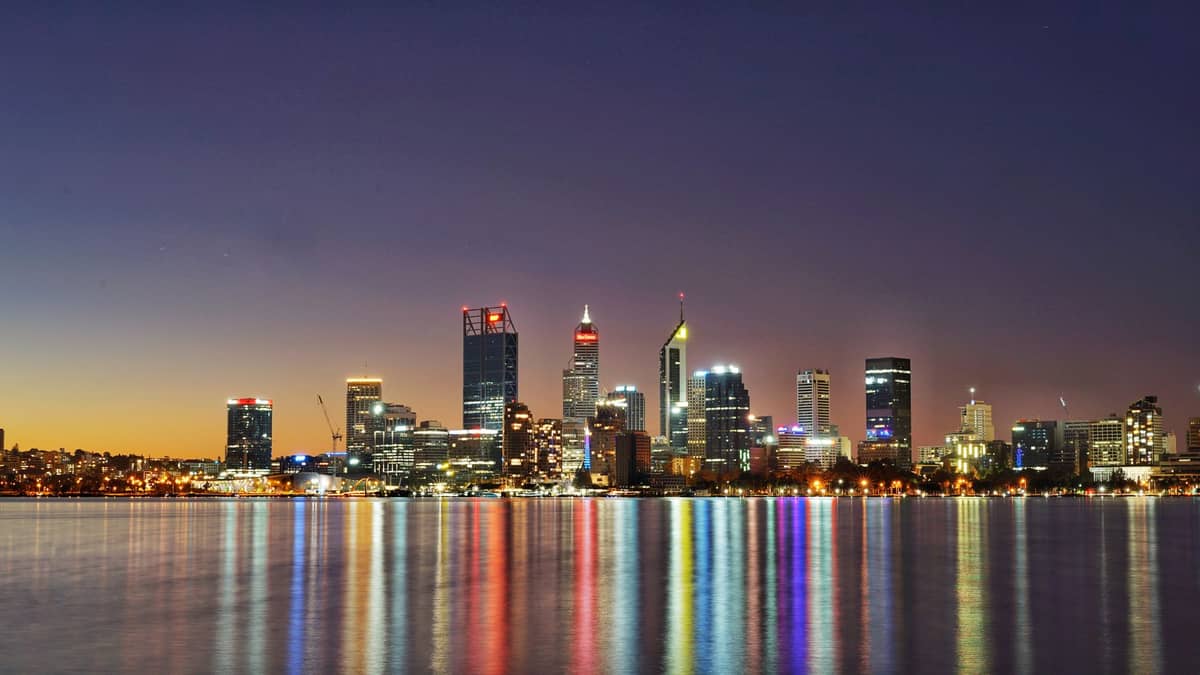
Perth's event calendar has a few anchor points that can genuinely make or break your timing. The Perth Festival (February to March) is the city's flagship arts event, drawing international performers across music, theatre, and visual arts. Accommodation in the CBD andNorthbridgefills up during the opening weekends. The Fringe World Festival runs concurrently in February, adding hundreds of smaller, often free or low-cost performances across the city.
The Margaret River Pro surfing competition (typically May) draws international visitors to the south-west coast, which can affect accommodation availability for a Margaret River road tripif you're planning that leg at the same time. The AFL season runs from March to September, and games atOptus Stadium — particularly Western Derby matches between West Coast Eagles and Fremantle Dockers — cause significant traffic and hotel demand spikes in east Perth.
💡 Local tip
If a major event coincides with your planned dates, book accommodation at least 6–8 weeks in advance. Perth's hotel supply can tighten quickly around AFL finals, the Perth Festival opening week, and school holiday periods — especially for properties near the CBD, Elizabeth Quay, or Fremantle.
FAQ
What is the best month to visit Perth, Australia?
September and October are widely considered the best months for first-time visitors. Temperatures are comfortable (averaging 19–26°C), rainfall is low and declining, wildflowers are at their peak in the surrounding region, and accommodation prices are more competitive than peak summer. March and April are a close second for those who prefer warmer weather without the extreme summer heat.
Does Perth get cold in winter?
Relative to global standards, Perth winters are mild. Daytime highs average 18–20°C in June through August, and nights cool to around 8°C. It does rain significantly during winter — monthly rainfall averages 127–148 mm at peak — so expect grey days and occasional heavy showers. Snow is essentially unheard of in the city. A light waterproof jacket is sufficient for most winter days.
When is Perth too hot to visit?
January and February are the most challenging months for heat-sensitive visitors. Mean maximums of 31–32°C are common, but heat waves regularly push temperatures to 38–42°C for several consecutive days. If you visit in summer, plan beach and outdoor activities for early morning, and use the hottest midday hours for air-conditioned galleries, museums, and restaurants.
Is Perth expensive to visit in peak season?
Yes. The Christmas to late-January period sees the highest accommodation rates, particularly near the CBD, Fremantle, and beach suburbs. Rottnest Island ferry and accommodation bookings sell out weeks in advance. For better value, target May through August or the early spring shoulder season (September). Budget-focused visitors will find Perth on a budget most manageable outside school holiday periods.
What is Perth like in spring compared to autumn?
Both seasons are comfortable, but they have different characters. Spring (September–November) is more dynamic: wildflowers, rising energy after winter, and an active festival calendar. Autumn (March–May) is quieter, the ocean is at its warmest for swimming, and the crowd pressure from summer eases quickly. Beach lovers tend to prefer autumn; nature and festival visitors tend to prefer spring.
Tickets & tours
Live prices and dates from our booking partner. If you book, we may earn a commission at no extra cost to you.
Planning a trip? Discover personalized activities with the Nomado app.