Perth Wildflower Season: When & Where to See WA Wildflowers
Western Australia's wildflower season is one of the most spectacular natural events in the Southern Hemisphere, drawing visitors from around the world each year. This guide covers exactly when to go, which spots deliver the best displays near Perth, and the common timing mistakes that leave visitors disappointed.
Tickets & tours
Live prices and dates from our booking partner. If you book, we may earn a commission at no extra cost to you.
TL;DR
- Perth's wildflower season peaks roughly August–September, but blooms vary year to year depending on winter rainfall.
- WA's broader season runs June–November, with northern regions blooming earlier and the Perth area later.
- Kings Park and Botanic Garden is the easiest wildflower destination in Perth — free entry, daily guided walks, and over 3,000 species.
- The Everlasting Kings Park Festival is scheduled for 18 September–4 October 2026; most activities are free.
- Do not expect a single statewide peak: bloom timing shifts by region, rainfall, and year. Check current conditions before booking travel.
Understanding WA's Wildflower Season
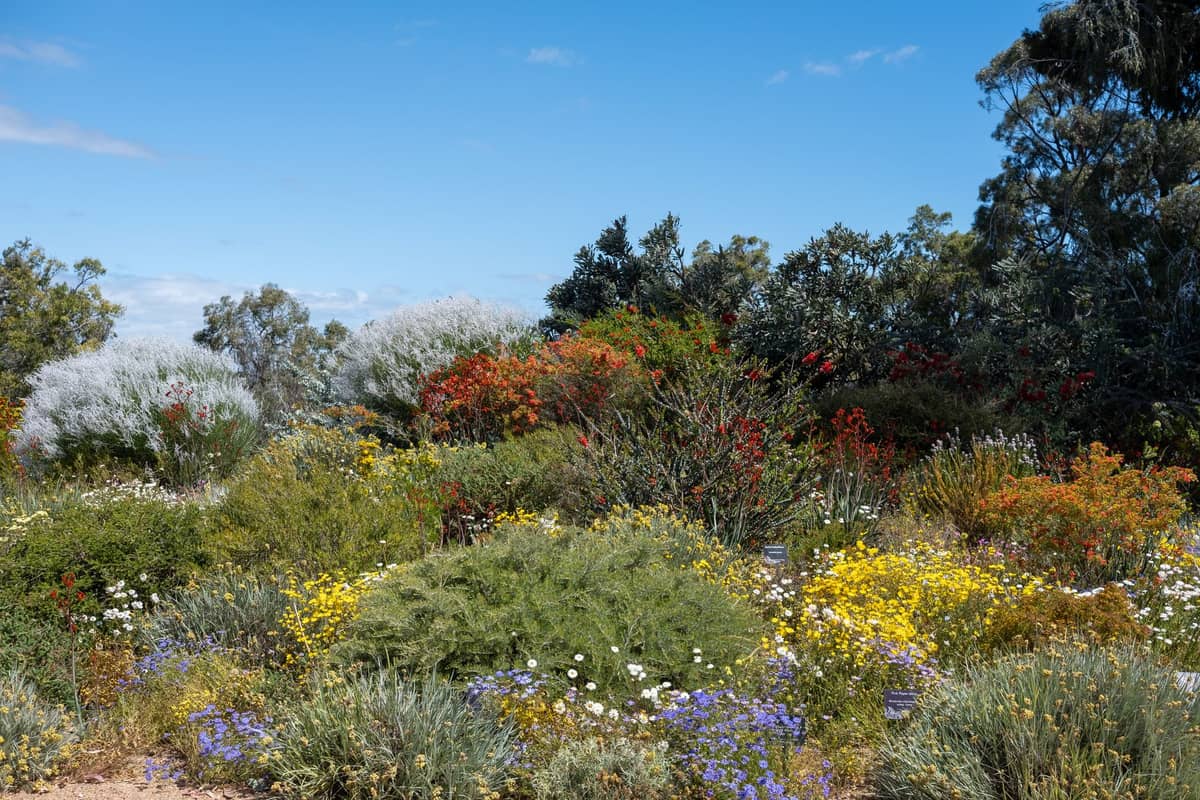
Western Australia is home to around 12,000 species of flowering plants, making it one of the world's great botanical hotspots. The Perth wildflower season is not a single fixed event that switches on in August and off in October. It is a rolling progression across a vast state, driven by latitude, altitude, and the amount of rainfall each region received through winter. Get this wrong and you will fly in expecting carpets of everlastings and find the ground already drying out.
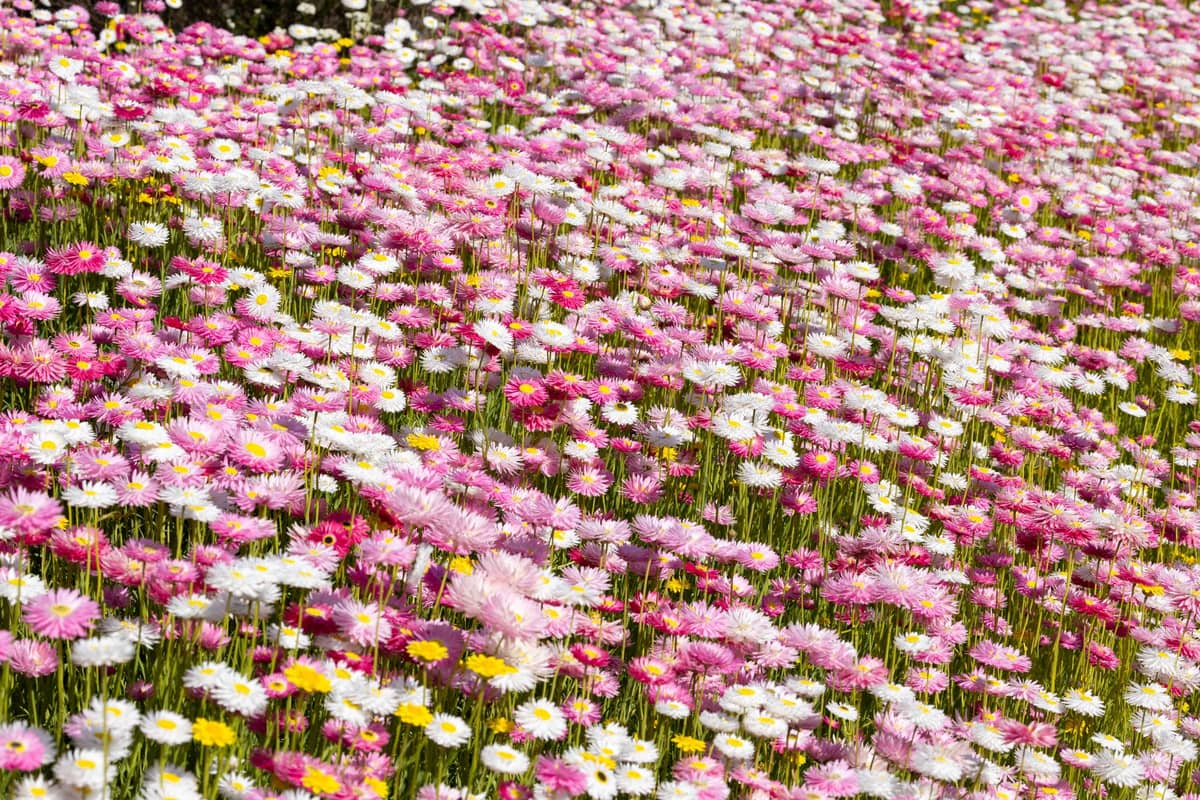
The broad WA season runs from roughly June through November, but those months mean very different things depending on where you are. In the northern Midwest and Murchison regions, blooms can appear as early as June and July, triggered by lighter winter rains. The wildflower highway around Kalbarri, Geraldton, and the Coalfields region tends to peak in August. Perth and the southwestern regions reach their best displays from late August through September. By October, the season shifts further south toward Albany and Esperance.
⚠️ What to skip
Do not rely solely on calendar dates when planning your trip. Wildflower timing shifts significantly based on winter rainfall totals and spring temperatures. A dry winter can delay or reduce blooms; an exceptionally wet one can produce extraordinary displays. Check Tourism Western Australia's current wildflower updates and the Kings Park website before confirming travel dates.
When to Visit Perth for Wildflowers
For visitors basing themselves in Perth, Western Australia, the target window is late August through September. This aligns with Perth's Mediterranean climate, where the Bureau of Meteorology records mean maximum temperatures around 18–20°C in June–August, rising to comfortable mid-20s in September. The days are longer than midwinter, the rains are tapering off, and the city itself is pleasant to explore around any wildflower excursions.
September is generally the sweet spot for Kings Park blooms and is also when the Everlasting Kings Park Festival runs. If you are combining wildflower viewing with broader sightseeing, this timing works well. Perth's spring weather is significantly more appealing than the 31–32°C summer heat that arrives by January. For context on how wildflower timing fits into broader trip planning, thebest time to visit Perth guide covers seasonal conditions in full.
- June–July Northern WA regions (Murchison, Midwest) begin to bloom. Too early for Perth-area displays; best for travellers who can drive several hours north.
- August Wildflower highway corridor around Geraldton and Kalbarri peaks. Perth-area blooms begin emerging late in the month, particularly after a good rainfall winter.
- Late August–September Peak season for Kings Park, Bold Park, and the Perth Hills. The Everlasting Kings Park Festival runs mid-September to early October.
- October Perth-area blooms decline but the season moves south. Albany, the Stirling Range, and Esperance regions can be outstanding in October.
- November Season winds down except in cooler southern pockets. Not recommended for wildflower-focused trips near Perth.
Where to See Wildflowers Near Perth
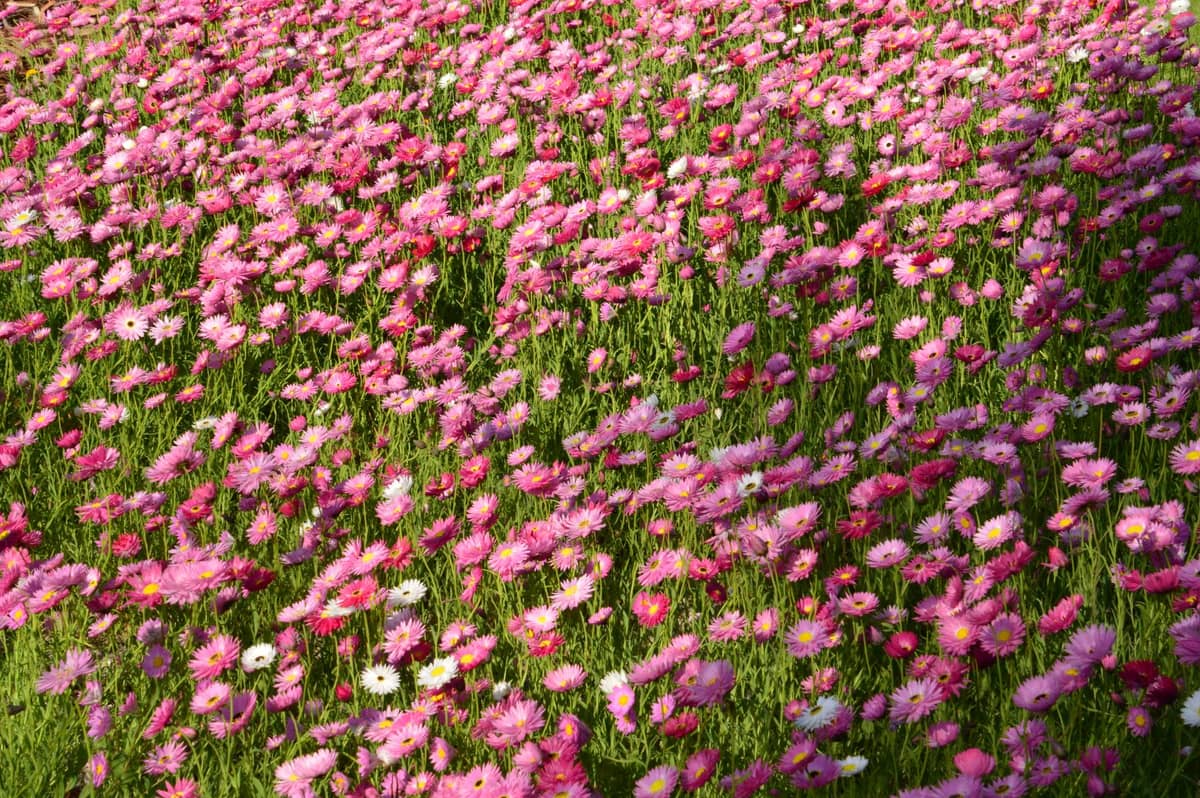
The single most accessible wildflower destination in Perth is Kings Park and Botanic Garden. Sitting on 400 hectares of bushland and formal gardens above the Swan River, Kings Park contains more than 3,000 wildflower species — which puts its botanical diversity on par with some entire national parks. Entry is free, the park is open daily, and volunteer-led guided wildflower walks depart from outside the Aspects of Kings Park shop at 10 a.m. and 1 p.m. throughout the season. These walks are free and do not require booking, though arriving a few minutes early is sensible when the festival is running.
Bold Parkis a less-visited alternative that locals tend to prefer for a quieter experience. Located about 4 kilometres from the CBD on the Scarborough Beach Road corridor, this 437-hectare bushland reserve is free to enter and open daily. The walking trails wind through jarrah and banksia woodland, and the wildflower variety is genuinely impressive during August and September. If Kings Park feels crowded during the festival peak, Bold Park is the sensible fallback.
For those willing to drive further, the Perth Hillsdeliver wildflower displays set against a more dramatic landscape. John Forrest National Park, about 26 kilometres east of the city, features jarrah forest wildflowers including the showy yellow wattle and various orchid species. Lesmurdie Falls adds a waterfall backdrop to wildflower viewing in season. The Hills require a car but are easily paired with a half-day loop from the city.
✨ Pro tip
Download the Kings Park wildflower trail map from the official BGPA website before you arrive. The self-guided trails are well-marked, but knowing which zones are blooming in which weeks saves time. The park also posts current bloom status updates during the festival season.
The Everlasting Kings Park Festival
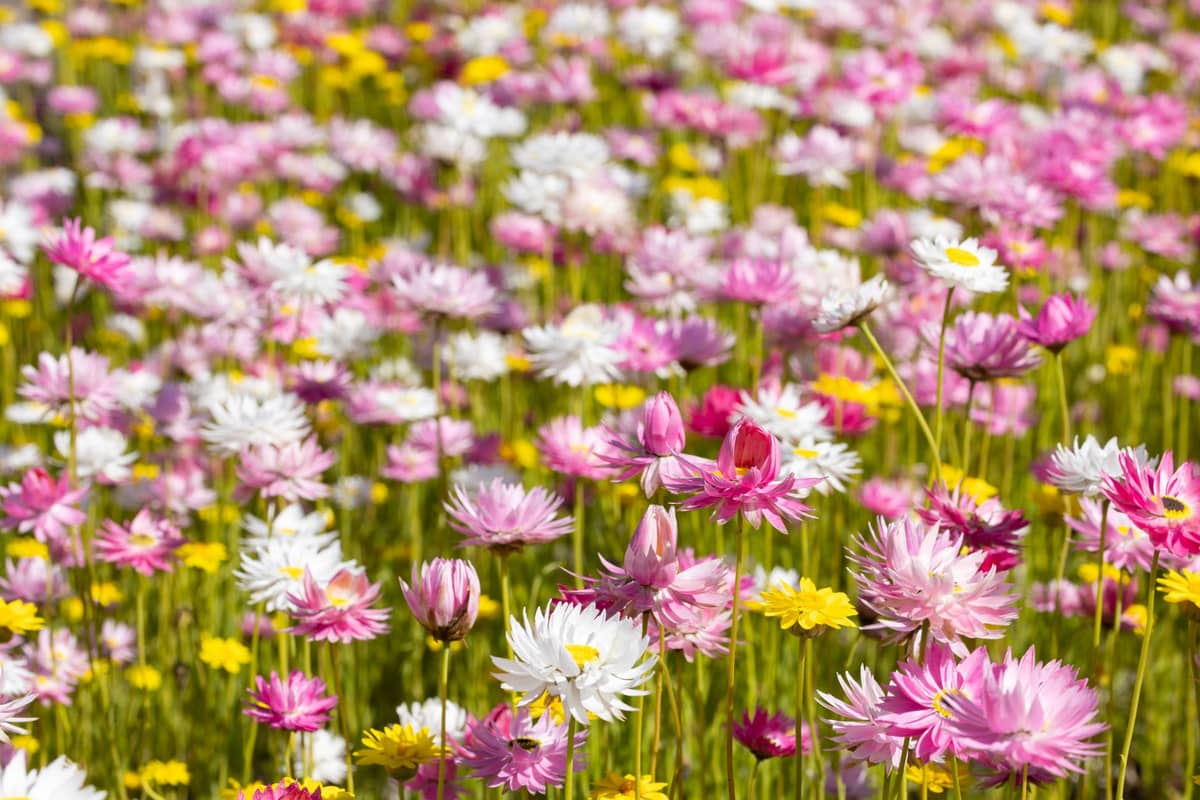
The Everlasting Kings Park Festival is the centrepiece of Perth's wildflower calendar. The 2026 edition is scheduled from 18 September to 4 October, running across roughly 17 days in the heart of spring. The festival has grown into one of the most-attended nature events in Australia, and for good reason: it combines free access to wildflower displays with guided walks, horticultural talks, children's activities, and art installations. Entry to the park and most core activities is free, though specific ticketed events (workshops, evening experiences) require separate booking.
Weekends during the festival attract large crowds, particularly on sunny mornings from around 10 a.m. to noon. If you visit on a weekday, especially mid-morning on a Tuesday or Wednesday, you will have the trails far more to yourself. Parking within Kings Park fills quickly on peak weekend days; using the Transperth bus network from the CBD is a practical alternative. The festival precinct centres on the DNA Tower area and the Botanic Garden, where the most photogenic groupings of kangaroo paws, banksias, and everlastings are concentrated.
💡 Local tip
Check the official Kings Park and Botanic Garden website (bgpa.wa.gov.au) for the confirmed 2026 festival program and any ticketed event bookings. Free activities do not require registration, but ticketed workshops sell out well in advance during peak season.
Day Trips for Serious Wildflower Enthusiasts
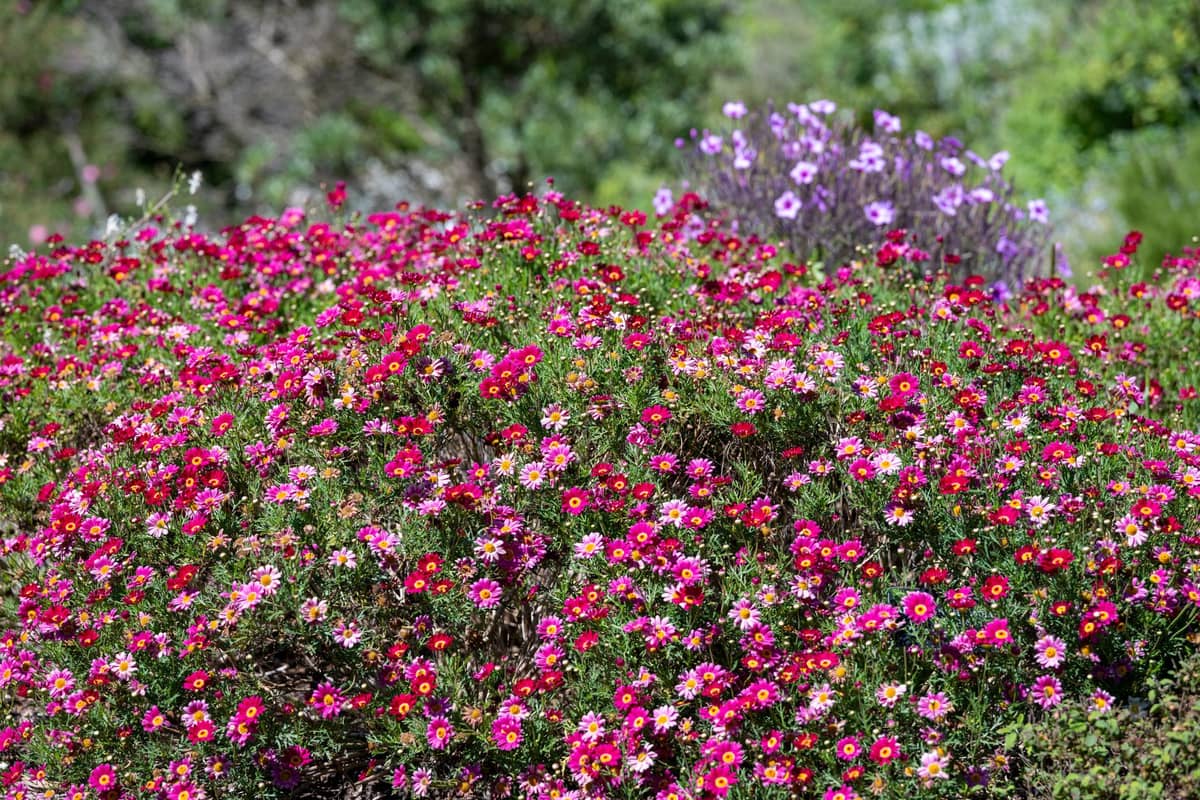
If wildflowers are your primary reason for visiting Western Australia and you want more than what the Perth metro area offers, day trips and short drives open up significantly larger displays. Theday trips from Perth guidecovers logistics for several of these routes. Yanchep National Park, around 51 kilometres north of the city, combines wildflowers with kangaroos and koalas in a single outing. Araluen Botanic Park in the Perth Hills (Roleystone, about 40 kilometres southeast) stages its own wildflower displays through spring.
For a longer commitment, the Wheatbelt and Wildflower Way corridors north of Perth reward travellers who drive 2–4 hours from the city. Towns like Dalwallinu, Morawa, and Mullewa sit within landscapes that can be blanketed in Wreath Leschenaultia, everlastings, and mulla mulla during a good season. These routes are best done as overnight trips rather than rushed day drives. Combine any northern wildflower run with a stop at thePinnacles Desert at Nambung National Park, which is roughly on the same coastal highway north of Perth.
- Kings Park and Botanic Garden: Free, central, daily guided walks, peak festival mid-Sept to early Oct
- Bold Park: Free, quieter, 4 km from CBD, best on weekdays for solitude
- Perth Hills (John Forrest NP, Lesmurdie Falls): 26–35 km from city, requires a car, dramatic terrain
- Yanchep National Park: 51 km north, combines wildflowers with wildlife, good for families
- Wheatbelt and Wildflower Way: 2–4 hours north, spectacular scale, better as an overnight trip
What to Know Before You Go
A few practical details will make or break a wildflower trip. Sun protection is non-negotiable even in September: Perth gets around 8 hours of sunshine per day during spring and UV levels are high. Bring water, sunscreen, a hat, and comfortable walking shoes. Most wildflower trails involve uneven ground, loose gravel, and sandy surfaces. If you are travelling with children, thePerth with kids guide has useful tips on managing outdoor excursions in the heat.
Photography is the primary activity for many wildflower visitors. The best light at Kings Park is in the early morning (before 9 a.m.) and late afternoon (after 4 p.m.), when harsh midday shadows are avoided. The Kings Park DNA Tower offers an elevated view across the wildflower beds and the Perth skyline. For wider trip logistics, including how to get around between wildflower sites, see thegetting around Perth guide
Do not pick wildflowers. In Western Australia, removing native plants from public land is illegal under the Wildlife Conservation Act 1950, and rangers do patrol popular areas during the festival season. Stick to the marked trails: bushland soil crusts are fragile and trampling them damages the root systems that allow wildflowers to regenerate each year.
- Wear sunscreen and a hat: September UV in Perth is high, even on mild days
- Carry water on any trail longer than 1 km, especially on warm days
- Use Transperth buses to Kings Park on weekends to avoid parking frustration
- Check current bloom status online before driving long distances for wildflowers
- Do not pick or remove plants: it is illegal and ecologically damaging
- Book any ticketed festival workshops early: they sell out weeks in advance
FAQ
When is Perth wildflower season?
The peak wildflower season around Perth, Western Australia is generally late August through September. Blooms vary each year depending on winter rainfall, so exact timing shifts. WA's broader statewide season runs from roughly June (in the north) through November (in the south).
Is Kings Park free to visit during wildflower season?
Yes. Kings Park and Botanic Garden is free to enter year-round, including during the Everlasting Kings Park Festival. Most festival activities are also free. Some specific events, such as workshops or evening programs, may require a ticket and separate booking through the official BGPA website.
Do I need a car to see wildflowers near Perth?
Not necessarily for Kings Park or Bold Park, both of which are accessible by Transperth bus from the CBD. Kings Park is served by multiple routes and is about 3 km from Perth city centre. A car becomes necessary for the Perth Hills, Yanchep National Park, and any longer wildflower drives north into the Wheatbelt.
What wildflowers are common in Perth?
Kings Park features kangaroo paws (Western Australia's floral emblem), various banksia species, grevillea, hakea, and everlastings. In bushland areas like Bold Park and the Perth Hills, you will also find orchid species, wattle (acacia), and pea flowers depending on the season and habitat.
Is the wildflower season worth visiting Perth for?
For nature enthusiasts and photographers, yes. The diversity of species around Perth, particularly within Kings Park, is genuinely remarkable and not replicated in most of the world. For general tourists, wildflower season adds significant value to a Perth trip without requiring major detours. September is also one of Perth's most pleasant months weather-wise, making it a strong all-round time to visit.
Tickets & tours
Live prices and dates from our booking partner. If you book, we may earn a commission at no extra cost to you.
Planning a trip? Discover personalized activities with the Nomado app.