Getting Around Perth: Your Complete Transport Guide
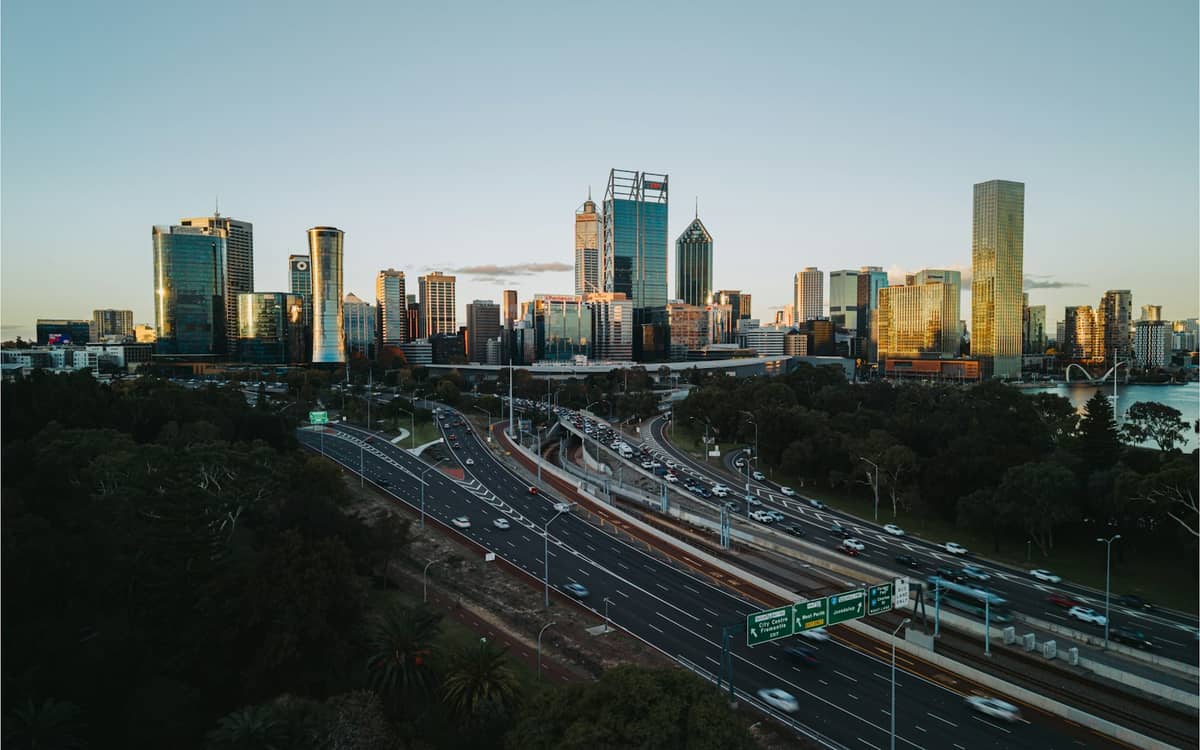
Perth, Western Australia is a sprawling city of over 2 million people, and knowing how to navigate it makes the difference between a smooth trip and a frustrating one. This guide covers every transport option — Transperth trains, free CAT buses, ferries, rideshares, taxis, and driving — with current fares, practical route advice, and honest assessments of what works and what doesn't.
Tickets & tours
Live prices and dates from our booking partner. If you book, we may earn a commission at no extra cost to you.
TL;DR
- Transperth's network of trains, buses, and ferries covers most of Perth — fares start at A$2.40 for two sections and a DayRider costs A$7.00 (from 1 January 2026). CheckPerth on a budget for more money-saving tips.
- Free CAT buses run through central Perth and Joondalup — use them aggressively if you're staying central.
- All Transperth travel is free on Sundays for SmartRider and contactless users (excluding post-midnight late-night services).
- The Free Transit Zone is misunderstood: trips that start or end outside the zone are not free, even if they pass through it.
- To reach the airport by public transport, use Route 292 to Redcliffe Station (Terminals 3 and 4) or Route 940 to Elizabeth Quay. See the fullPerth Airport guide for arrival logistics.
Transperth: The Backbone of Perth Public Transport
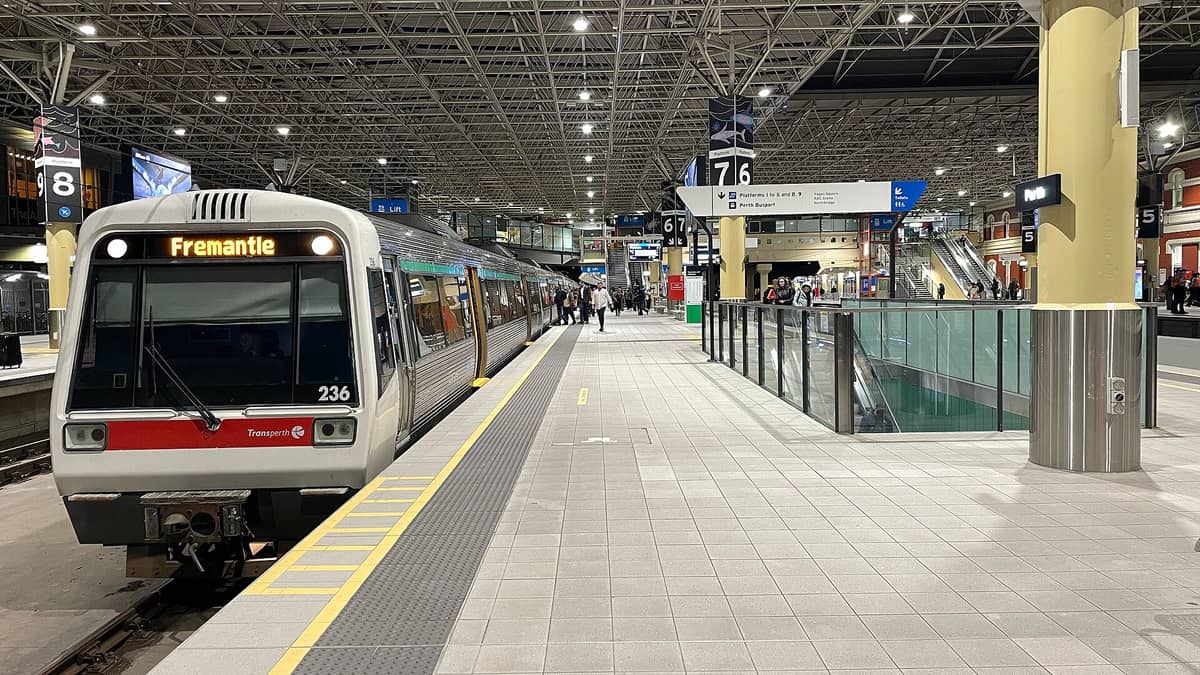
Transperth operates Perth's integrated public transport system — trains, buses, and ferries — all on a single ticketing framework. For visitors, the most important thing to understand is the zone-based fare structure. As of 1 January 2026, a standard two-section cash fare is A$2.40, while a Go Anywhere ticket covering the full network costs A$3.50. A DayRider pass at A$7.00 can be worthwhile if you're making enough travel in a day to exceed the cost of separate fares. SmartRider cardholders get a discount on standard fares, making it worth picking one up at a Transperth InfoCentre if you're staying longer than two or three days.
Transfers are one of Transperth's most underused advantages. With a SmartRider or contactless payment (Visa, Mastercard, or compatible device), you can switch between train, bus, and ferry within a three-hour window without paying again. A cash Go Anywhere ticket also covers up to three hours of travel across the network, but a two-section ticket is a single journey and cannot be used to transfer. Always tag on and tag off where required — failing to tag off results in a maximum fare being charged automatically.
⚠️ What to skip
The Free Transit Zone only applies when both your boarding and alighting stops are inside the zone. Bus trips starting or ending outside it incur a fare for the whole journey; train travel within the zone is free only with SmartRider or contactless payment and tagging on and off. Don't assume otherwise at the gates.
Free CAT Buses: The Fastest Way to Move Around the City Centre
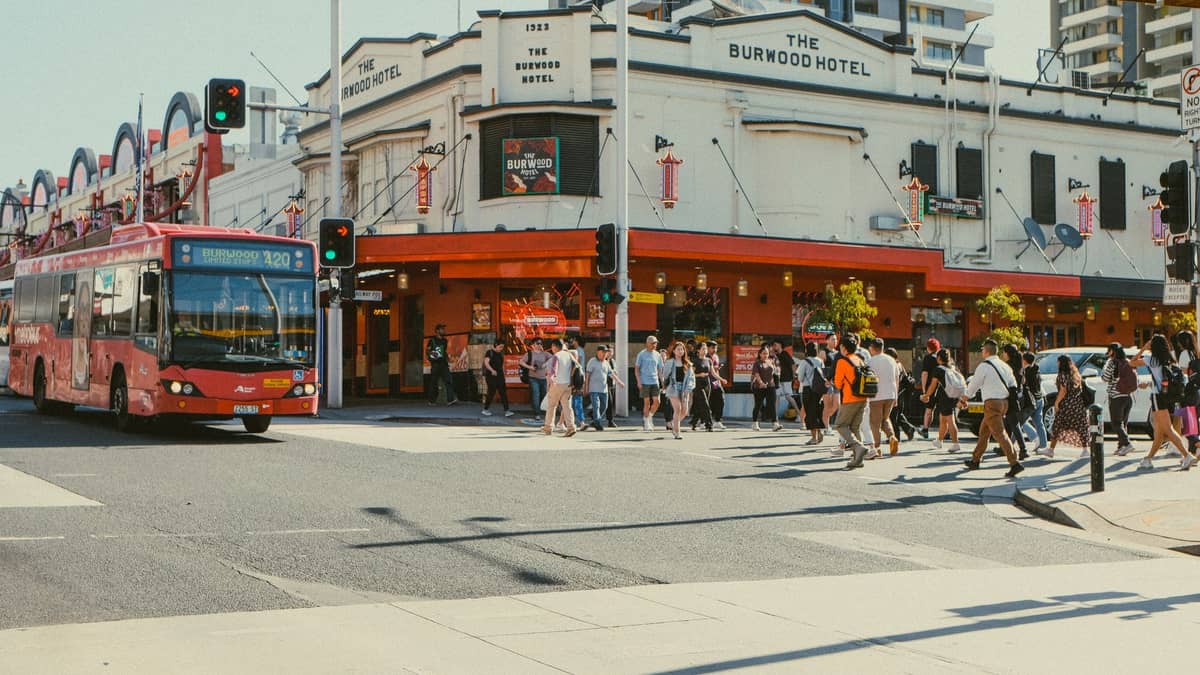
The Central Area Transit (CAT) bus network is legitimately one of Perth's best features for visitors. Four colour-coded routes loop through thePerth CBDand inner suburbs at frequent intervals, and they are completely free — no card, no ticket required. The Red CAT runs east-west along Wellington and Murray Streets, the Blue CAT loops throughNorthbridgeand the northern CBD, the Yellow CAT covers the eastern CBD fringe and Claisebrook Cove, and the Green CAT handles the western CBD through West Perth. Free CAT services also operate in Fremantle and Joondalup.
- Red CAT East-west corridor along Wellington and Murray Streets — connects Elizabeth Quay to East Perth. Runs daily.
- Blue CAT North-south loop through Northbridge and the northern CBD. Runs daily.
- Yellow CAT Eastern CBD and Claisebrook Cove loop. Runs daily.
- Green CAT Western CBD and West Perth. Runs weekdays only, excluding public holidays — including Good Friday, Anzac Day, and Christmas Day.
- Fremantle CAT Free loop around central Fremantle, connecting the train station, markets, and waterfront. Check Transperth for current operating days.
✨ Pro tip
CAT buses run every 5-15 minutes depending on the route, time of day, and day of the week, which means you rarely need to check a timetable — just turn up. During off-peak periods the frequency drops, so it's worth glancing at the Transperth app if you're running to a schedule.
Perth Trains: Fast, Reliable, and the Best Way to Reach the Suburbs
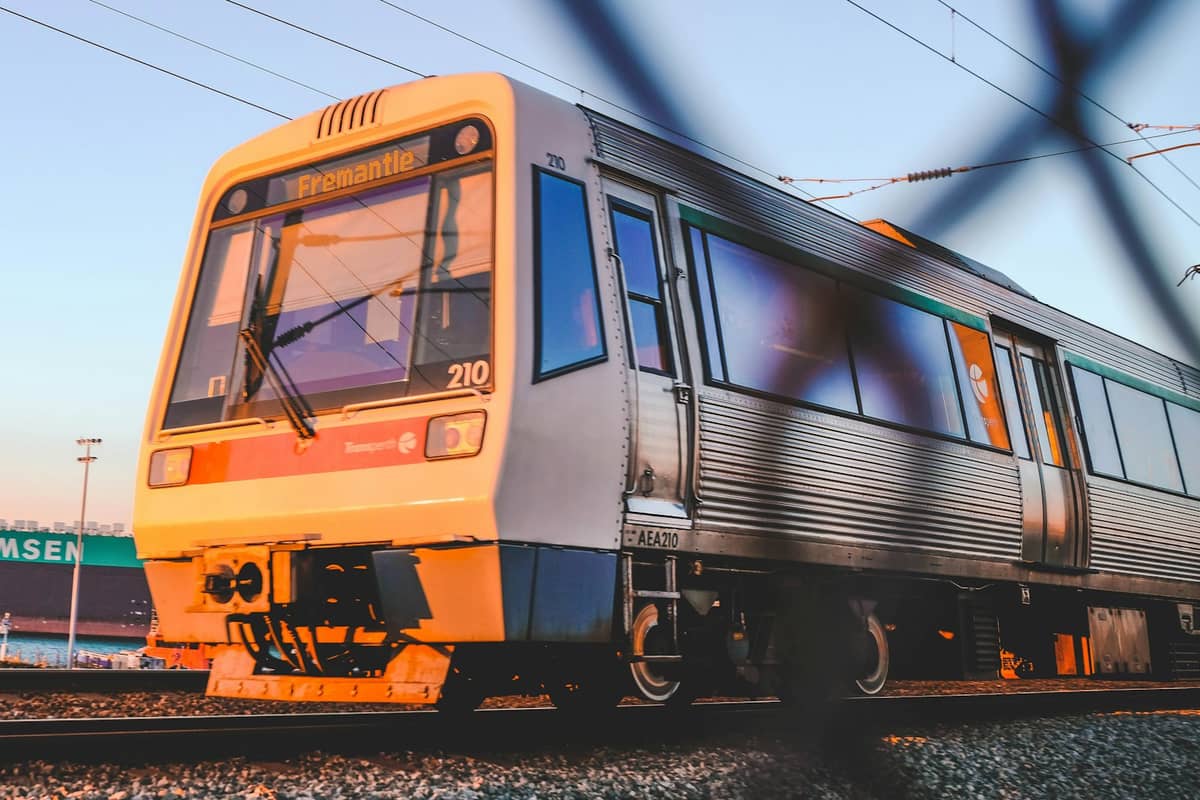
Perth's rail network radiates outward from Perth Underground and Perth stations, with eight lines covering the major suburban corridors. For most visitors, the most useful lines are the Fremantle Line (toFremantle), the Mandurah Line (south through the coastal suburbs), and the Yanchep Line (north, passing through Glendalough for Scarborougharea connections). Trains are air-conditioned, generally punctual, and significantly faster than driving during peak hour.
Sunday travel is worth singling out: Transperth travel is free for SmartRider and contactless users from first service through last service on Sundays. This excludes late-night services running after midnight Saturday (i.e., early Sunday morning departures from the night before do not qualify). For families or groups planning a Sunday day trip to Fremantle or the Swan Valley, this saves a meaningful amount.
The train to Swan Valleyis not direct — the area is better served by bus or car. Similarly,Kings Park has no train station; the closest stops are City West or the CBD, followed by a short walk or CAT bus.
Getting to and from Perth Airport (PER)
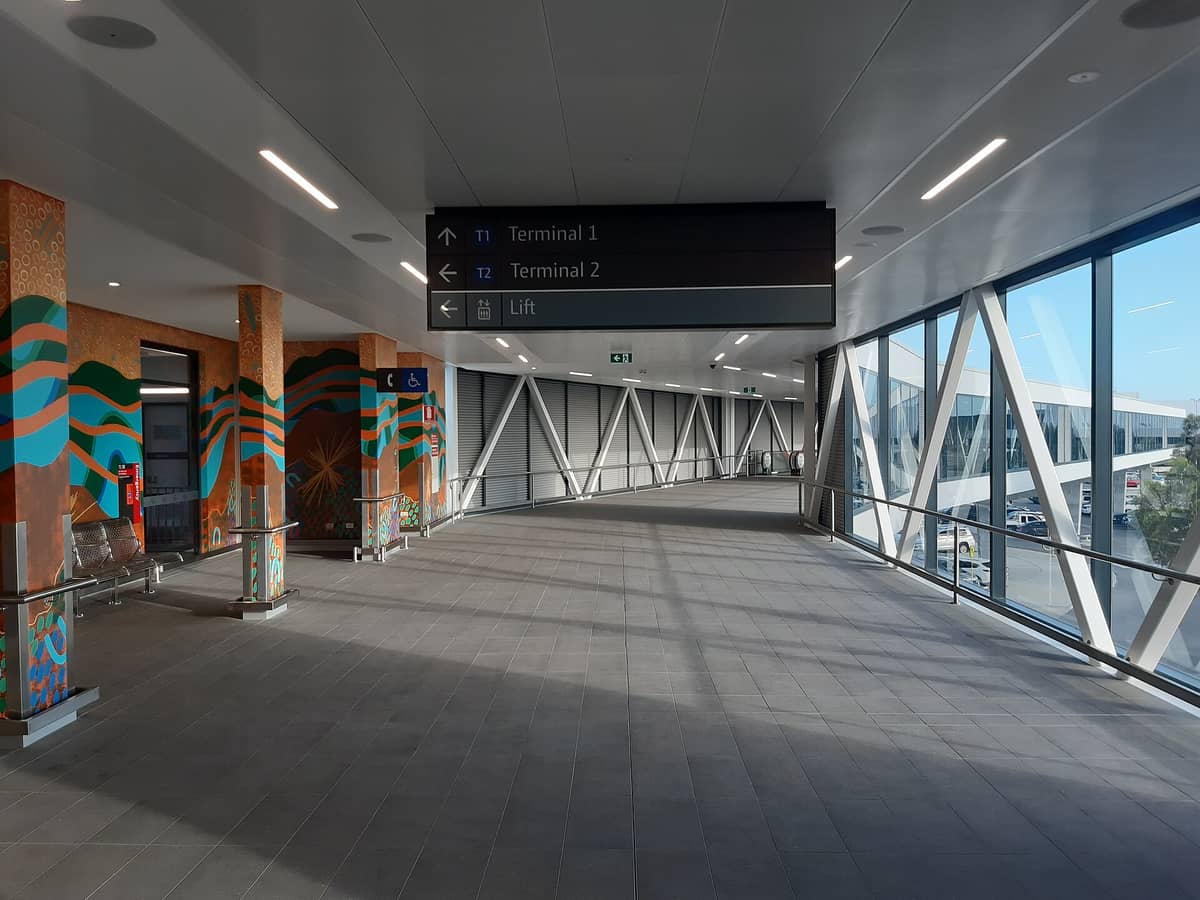
Perth Airport (IATA: PER) is approximately 12 kilometres east of the CBD. The Airport Line serves Airport Central Station, connected to Terminals 1 and 2 by a Skybridge; Terminals 3 and 4 are reached from Redcliffe Station by Route 292.
For Terminals 3 and 4, Route 292 connects the terminals with Redcliffe Station on the Airport Line. From Redcliffe you can continue into the city centre or transfer. Route 940 runs between Elizabeth Quay Bus Station and Redcliffe Station. For Terminals 1 and 2, take the Airport Line to Airport Central Station, connected to the terminals by a Skybridge. Route 37 links Airport Central with Oats Street Station via Belmont Forum and operates Monday to Friday. Check the Transperth journey planner for your specific terminal and time of travel before committing to public transport — schedules are not 24-hour.
- Taxi and rideshare (Uber, DiDi): typically A$35-55 to the CBD depending on time and traffic. Most reliable option for early morning or late night arrivals.
- Route 292 free shuttle to Redcliffe Station: public option for Terminals 3/4; continue by train into the city.
- Route 940: bus link between Elizabeth Quay Bus Station and Redcliffe Station; it does not serve the airport terminals.
- Pre-booked airport shuttle services: mid-range option useful for groups or heavy luggage — verify current operators directly with Perth Airport.
💡 Local tip
If you arrive on an international flight late at night, public transport options are limited. Budget for a taxi or rideshare from the airport on your first night rather than trying to piece together a bus-and-train journey with luggage. The A$40-55 taxi fare is worth the simplicity.
Ferry, Rideshare, Taxi, and Cycling
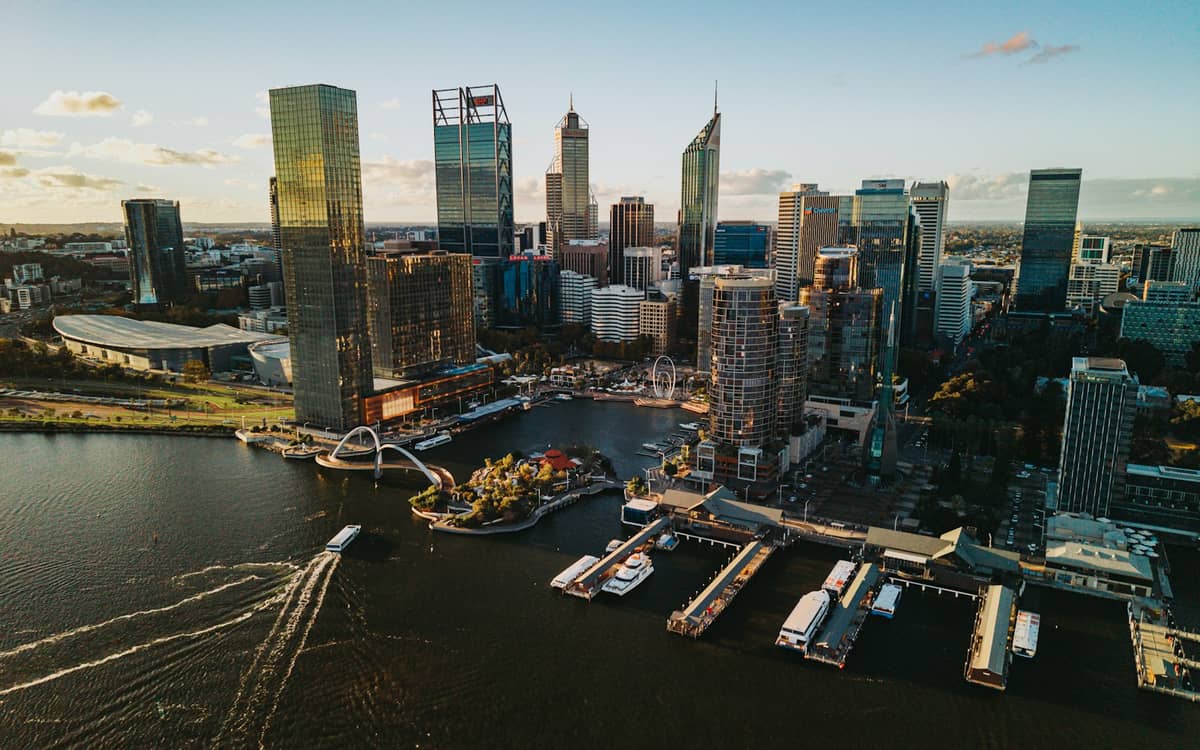
Transperth operates a ferry service between Elizabeth Quay and South Perth (Mends Street), giving you direct access to the South Perth foreshorewithout a car. Transperth operates a ferry service between Elizabeth Quay and South Perth (Mends Street), giving you direct access to the without a car. Check the current timetable and fare information on the Transperth website before planning around it.
Rideshare apps including Uber and DiDi operate across metropolitan Perth. Coverage is generally good in the inner suburbs and along main corridors, with longer waits possible in outer suburbs and during peak demand periods. Taxis are widely available in the CBD, at taxi ranks outside major venues like Optus Stadium, Crown Perth, and the airport, and via phone booking. Neither option is particularly cheap compared to other Australian cities — expect to pay A$12-20 for a standard inner-city trip.
Cycling is a realistic option in parts of Perth, particularly along the foreshore paths connecting Elizabeth Quay, Crawley, and Cottesloe. The network of shared paths is extensive by Australian standards, and the flat terrain along the Swan River makes cycling accessible for casual riders. Bike hire is available in the CBD and Fremantle. However, distances between attractions in Perth are significant — it's roughly 19 kilometres from the CBD to Cottesloe Beach — so cycling works best as a leisure activity or for short inner-city hops, not as your primary transport strategy.
Driving in Perth: When It's Worth It and When It Isn't
Perth is a car-oriented city by design. It was built during the post-war era of suburban expansion, and the road network reflects it. For day trips — the Pinnacles, Margaret River, the Perth Hills, or the Swan Valley — a hire car is close to essential unless you're booking a tour. Public transport coverage thins out dramatically beyond the inner suburbs, and journey times by bus to places like Mundaring or Serpentine Falls make them impractical without a vehicle.
Inside the city, driving during peak hours (7:30-9:00am and 4:30-6:30pm) on the main arterials — Mitchell Freeway, Kwinana Freeway, and Stirling Highway — can be slow. Parking in the CBD is expensive and patchy; expect A$20-35 per day in paid car parks. If your itinerary is focused on the inner city,Fremantle, or Subiaco, you'll genuinely save money and stress by using Transperth and the free CATs rather than driving.
For road trips beyond the metro area, see guides for the Margaret River road trip and day trips from Perth, which cover driving logistics, fuel stops, and distances in detail.
ℹ️ Good to know
Western Australia drives on the left. Speed limits are in kilometres per hour. Random breath testing is common, and the blood alcohol limit for full licence holders is 0.05%. Mobile phone use while driving (handheld) is illegal. International driving licences are generally accepted for short-term visitors — confirm with your hire car company and the Department of Transport WA before travel.
FAQ
Is public transport in Perth free?
Not entirely. The CAT buses in central Perth and Fremantle are free with no ticket required. Transperth train, bus, and ferry travel is free on Sundays for SmartRider and contactless card users (excluding post-midnight late-night services). On other days, standard fares apply: A$2.40 for two sections and A$3.50 for a Go Anywhere trip as of 1 January 2026. The Free Transit Zone allows free travel only when both your start and end points are within the zone.
How do I get from Perth Airport to the city centre without a taxi?
For Terminals 3 and 4, take the free Route 292 shuttle to Redcliffe Station, then a train into the city. Route 940 connects Redcliffe to Elizabeth Quay Bus Station. For Terminals 1 and 2, take the Airport Line to Airport Central Station. None of these routes operate 24 hours — check Transperth's journey planner for your specific flight time. Late-night arrivals should budget for a taxi (around A$35-55 to the CBD).
What is a SmartRider and should I get one?
A SmartRider is a reloadable contactless card for the Transperth network. It offers a discount on standard cash fares and enables the three-hour transfer window between services. You can also pay with a Visa or Mastercard contactless card or compatible device at the standard (non-discounted) rate. If you're in Perth for more than two or three days and plan to use public transport regularly, a SmartRider from a Transperth InfoCentre is worth it. Shorter stays can get away with contactless bank card payment.
Can I get to Rottnest Island by public transport?
Rottnest Island is reached by ferry, not land-based public transport. Ferries depart from Fremantle (B-Shed), Perth's Barrack Street Jetty at Elizabeth Quay, and Hillarys Boat Harbour. You travel to those departure points by Transperth train or bus, then purchase a separate ferry ticket. The ferry crossing takes around 25-90 minutes depending on the departure point. Ferry companies are private operators — check current schedules and book ahead during peak season.
Is Uber available in Perth?
Yes, Uber and DiDi both operate across metropolitan Perth. Coverage is reliable in the CBD, inner suburbs, Fremantle, and along main corridors. Availability in outer suburbs can be limited, particularly late at night. Surge pricing applies during major events at Optus Stadium and Crown Perth — at those times, taxis from designated ranks can sometimes be faster and cheaper.
Tickets & tours
Live prices and dates from our booking partner. If you book, we may earn a commission at no extra cost to you.
Planning a trip? Discover personalized activities with the Nomado app.