Perth Zoo: Everything You Need to Know Before You Visit
Opened in October 1898 on a 41-acre site in South Perth, Perth Zoo is one of Australia's oldest zoological gardens. From native Australian wildlife to international species, it rewards visitors who arrive early, plan around feeding times, and take the scenic ferry crossing from the CBD.
Quick Facts
- Location
- 20 Labouchere Road, South Perth WA 6151
- Getting There
- Transperth buses 30 & 31 from Elizabeth Quay Bus Station to the zoo entrance, or ferry to Mends Street Jetty (about 500 m from the zoo)
- Time Needed
- 3–5 hours for a thorough visit; 2 hours for highlights only
- Cost
- A$40 adult / A$31.70 concession / A$20 child (4–15) / Free under 4. Verify current prices before visiting.
- Best for
- Families, wildlife enthusiasts, first-time visitors to Australia
- Official website
- perthzoo.wa.gov.au
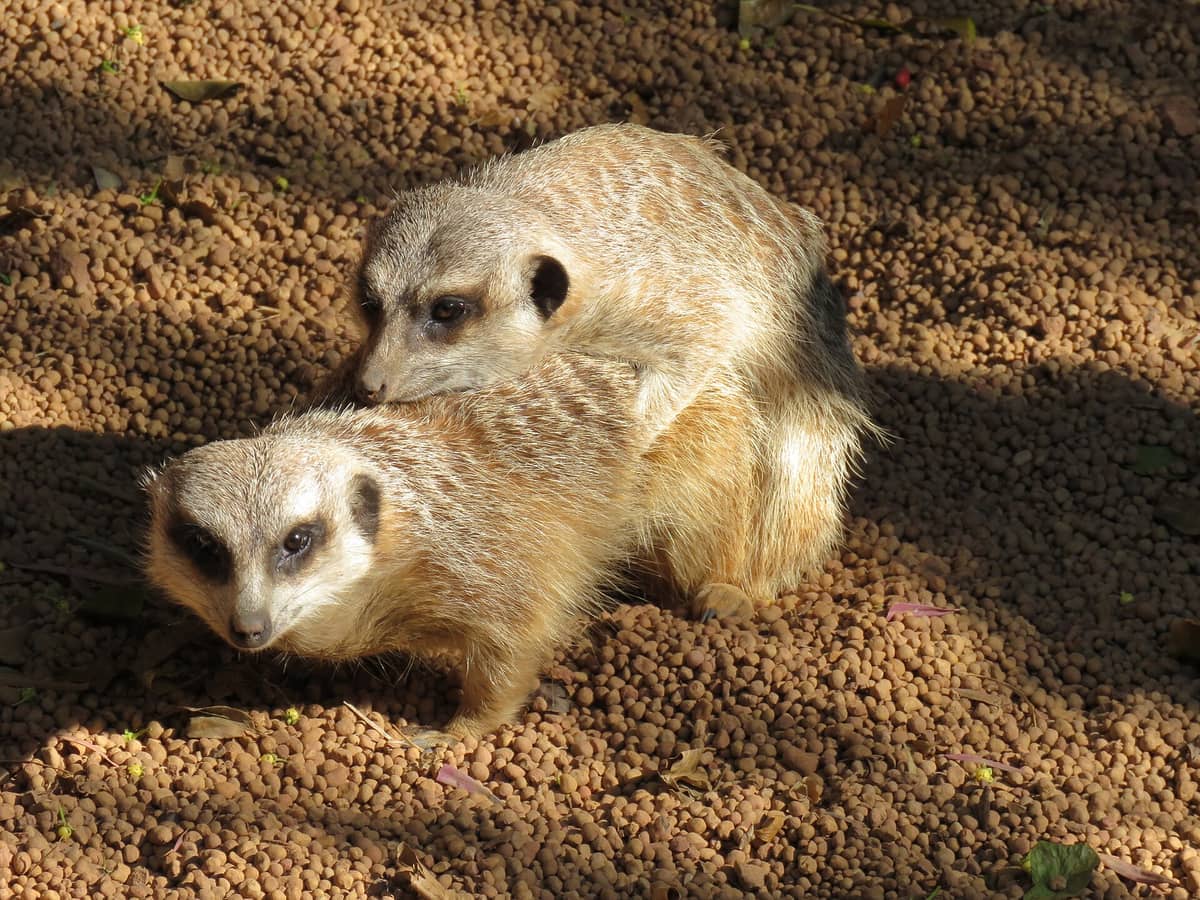
What Perth Zoo Actually Is
Perth Zoo is a full-scale zoological garden on the south bank of the Swan River, directly across the water from the Perth CBD. It opened on 17 October 1898 — the first sod was turned in June 1897 — making it one of the oldest continuously operating zoos in Australia. The original site covered 41 acres, and the grounds today retain much of that Victorian-era layout while housing a broad collection of Australian native animals and internationally sourced species.
This is not a wildlife sanctuary or a drive-through park. It is a structured zoological garden with paved paths, keeper talks scheduled throughout the day, and a clear map-guided circuit. That structure is part of its appeal: it is manageable for families with young children, and the signage is clear enough that you can navigate without a guide.
💡 Local tip
Check the zoo's keeper talk schedule on the official website before you arrive. Timing your visit around two or three talks can transform a pleasant walk into something genuinely educational — keepers often share specifics about individual animals that go well beyond the information boards.
Getting There: The Ferry Option Is Worth It
Most visitors take Transperth buses 30 or 31 from Elizabeth Quay Bus Station, which stop directly at the zoo entrance on Labouchere Road. Both routes use low-floor accessible buses, which matters if you are travelling with a pram or a wheelchair. The zoo also hires out wheelchairs on-site for a refundable A$10 deposit, and accepts the National Companion Card. Assistance animals are welcome subject to a prior written request — contact the zoo before visiting.
The alternative is the Transperth ferry from Elizabeth Quayto Mends Street Jetty, followed by a flat 500-metre walk along the South Perth foreshore. On a clear morning, this crossing gives you an unobstructed view back across the river toward the CBD skyline — it is one of the better vantage points in the city, and it costs nothing beyond the standard Transperth fare. If the weather is cooperative, this is the recommended approach.
Driving is possible, but street parking in South Perth on weekends fills quickly, particularly during school holidays. The zoo's website lists parking options, but verifying current arrangements before you go is sensible.
Tickets & tours
Live prices and dates from our booking partner. If you book, we may earn a commission at no extra cost to you.
Perth and Fremantle Guided Tour and Swan River Cruise
From 110 €Instant confirmationFree cancellationPerth and Fremantle Tour in German with Hotel Pickup
From 84 €Instant confirmationFree cancellationDay Trip Around Perth with Swan River Cruise and Rottnest Island Visit
From 172 €Instant confirmationFree cancellationPerth, Fremantle, Rottnest Island, and Swan River Guided Tour
From 166 €Instant confirmationFree cancellation
What the Visit Feels Like, Hour by Hour
Arrive at or just after opening at 9:00 am and the difference in atmosphere compared to a midday arrival is substantial. The paths are quieter, the light is softer, and — critically — the animals are more active. Many species, particularly in the Australian Bushwalk section, are at their most alert in the cooler morning hours. Perth summers push well past 30°C, and by midday in January or February, both animals and visitors tend toward shade and stillness.
The zoo closes at 5:00 pm daily, including public holidays, with special evening events occasionally using different hours. A full circuit at a relaxed pace with keeper talks takes around four hours. If you are visiting with toddlers or only want the highlights, two to three hours is realistic.
Midday is the least rewarding time to visit in summer. Animals retreat into shade and are harder to spot, the paths get crowded, and the sun is direct and harsh. If a midday arrival is unavoidable, wear sunscreen, carry water, and concentrate on shaded indoor exhibits first.
⚠️ What to skip
Perth's summer heat (mean maximums around 31–32°C in January–February) makes afternoon visits in December through February genuinely uncomfortable. Children in particular tire quickly in the heat. Aim for a 9:00 am start and plan to leave before noon if visiting in midsummer.
Australian Wildlife: The Section Worth Prioritising
For international visitors, the Australian native wildlife section is the main draw, and for good reason. Seeing a numbat, a quokka, or a woylie in person is a different experience from photographs. These are animals with specific ecological stories tied to Western Australia, and the zoo does a reasonable job of presenting that context through its keeper talks and information displays.
If seeing quokkas is on your agenda, the zoo offers a controlled environment to do so. For the full free-range quokka experience, however, most wildlife enthusiasts prioritiseRottnest Island, where quokkas roam freely across the settlement areas. The zoo's quokkas are easier to observe closely, but the context is different.
The Reptile Encounter and the Nocturnal House are worth including even if you are short on time. The Nocturnal House in particular adjusts its lighting cycle so that visitors can observe animals that would otherwise be sleeping during daytime zoo hours — it is one of the more thoughtfully designed exhibits in the zoo.
History and Heritage Context
The Perth Zoological Gardens, as the institution was historically known, opened in 1898 during a period of significant growth for the colony of Western Australia following the gold rush of the 1890s. Its founding reflects the Victorian-era appetite for natural history collections as civic institutions. The site was added to the Western Australian Heritage List in October 2025, which places obligations on how the grounds and heritage structures are maintained.
The zoo sits in South Perth, a suburb whose foreshore has long been one of the best vantage points for viewing the CBD skyline. TheSouth Perth Foreshore is worth a short walk before or after your zoo visit, particularly in the early morning when joggers and cyclists have the path largely to themselves and the light on the river is at its clearest.
Honest Assessment: Strengths and Limitations
Perth Zoo is a well-maintained, professionally run zoo with a strong focus on Australian native species and conservation programs. It is not the largest zoo in Australia, and it will not overwhelm visitors who have spent time at Melbourne Zoo or Taronga. What it does well is provide a coherent, manageable experience with good educational content, in a setting that is pleasant to walk through.
The admission price reflects its position as a major city attraction. At around A$40 for adults, it sits at the upper end of Perth's paid attractions, though the entry price is broadly in line with comparable zoological gardens elsewhere in Australia. Families should budget accordingly, particularly if combining the zoo with the Transperth ferry crossing.
Visitors with a specific interest in free wildlife encounters should note that Perth's broader region offers several lower-cost alternatives.Lake Mongerprovides free access to black swans and waterbirds in a natural setting. For a more structured wildlife park experience with native animals,Caversham Wildlife Park in the Swan Valley is a frequent comparison, particularly for families who want hands-on animal encounters.
Visitors who are not interested in zoological gardens as a format — those who prefer wild or semi-wild settings — will likely find Perth Zoo unremarkable. The animals are well cared for, but they are in enclosures, and the experience is fundamentally different from observing wildlife in the field. That is a preference, not a criticism of the zoo itself.
Photography and Practical Details
Photography is permitted throughout the zoo for personal use. Morning light is better for most enclosures, particularly those facing east. The Nocturnal House prohibits flash photography, which is standard practice at exhibits of this type. A zoom lens is useful for larger enclosures where animals position themselves at a distance from viewing areas.
The zoo has cafes and food kiosks on-site, but bringing your own food and water is permitted and sensible for summer visits. After the zoo, the Mends Street area in South Perth has cafes and restaurants a short walk from the foreshore — a reasonable option for a post-visit meal before catching the ferry back toElizabeth Quay.
ℹ️ Good to know
Perth Zoo is open daily from 9:00 am to 5:00 pm, including public holidays. Special evening events may use different hours. Ticket prices listed here were sourced from a third-party listing checked in October 2026 — verify current admission costs directly with the zoo at perthzoo.wa.gov.au before visiting.
Insider Tips
- Download the zoo's daily keeper talk schedule from its website the morning of your visit and plan your route around two or three talks. Talks are free with admission and typically run 10–15 minutes each.
- The ferry from Elizabeth Quay to Mends Street Jetty is the most pleasant way to arrive. The river crossing takes only a few minutes and the southward view of the CBD from the water is one of Perth's better skyline perspectives.
- School holidays significantly increase crowd levels, particularly on weekends. A Tuesday or Wednesday morning during term time is the quietest window for a visit.
- The Nocturnal House is easy to rush through — give it at least 20 minutes and let your eyes adjust before moving on. Animals that appear absent at first glance often become visible once your vision adapts to the low light.
- If visiting in spring (September to November), Perth's wildflower season coincides with some of the zoo's best weather conditions — mild temperatures and low humidity make for a far more comfortable multi-hour visit than summer allows.
Who Is Perth Zoo For?
- Families with children aged 3 to 12 who want a structured, walkable wildlife experience
- International visitors seeking an introduction to Australian native species in a single location
- Visitors with limited mobility who need an accessible, paved-path wildlife attraction
- Travellers spending three or more days in Perth who want a half-day activity away from the beach and CBD
- Early risers: the 9:00 am opening hour rewards those who arrive promptly, particularly in warmer months
Nearby Attractions
Combine your visit with:
- AQWA – The Aquarium of Western Australia
AQWA – The Aquarium of Western Australia at Hillarys Boat Harbour is the state's largest aquarium, built around a 98-metre underwater tunnel that replicates five distinct West Australian marine zones. It draws families, ocean enthusiasts, and travellers curious about the marine life that makes this coastline one of the most biodiverse in the Southern Hemisphere.
- Bold Park
Bold Park is a 437-hectare A-class nature reserve on Whadjuk Noongar Country, protecting some of the last intact coastal heath near central Perth. Free to enter and open daily, it offers walking trails, a panoramic hilltop lookout, and some of the richest concentrations of native wildflowers in the metropolitan area.
- City Beach
City Beach is a well-maintained stretch of Indian Ocean coastline about 12 kilometres from Perth's city centre. With patrolled swimming, solid amenities, and genuine surf, it draws a wide range of visitors without the commercial noise of some of Perth's busier coastal strips.
- Crown Perth
Crown Perth is Western Australia's largest integrated entertainment complex, sitting on the south bank of the Swan River in Burswood. From a 24-hour casino and three hotels to dozens of restaurants, bars and live event venues, it covers an enormous amount of ground — and rewards some planning before you arrive.
Planning a trip? Discover personalized activities with the Nomado app.