Whale Watching in Perth: When, Where & How to Do It Right
Perth offers access to seasonal humpback whale tours along the Western Australian coast. This guide covers the best season, every major departure point, current tour prices, and what to realistically expect when you head out on the Indian Ocean.
Tickets & tours
Live prices and dates from our booking partner. If you book, we may earn a commission at no extra cost to you.
TL;DR
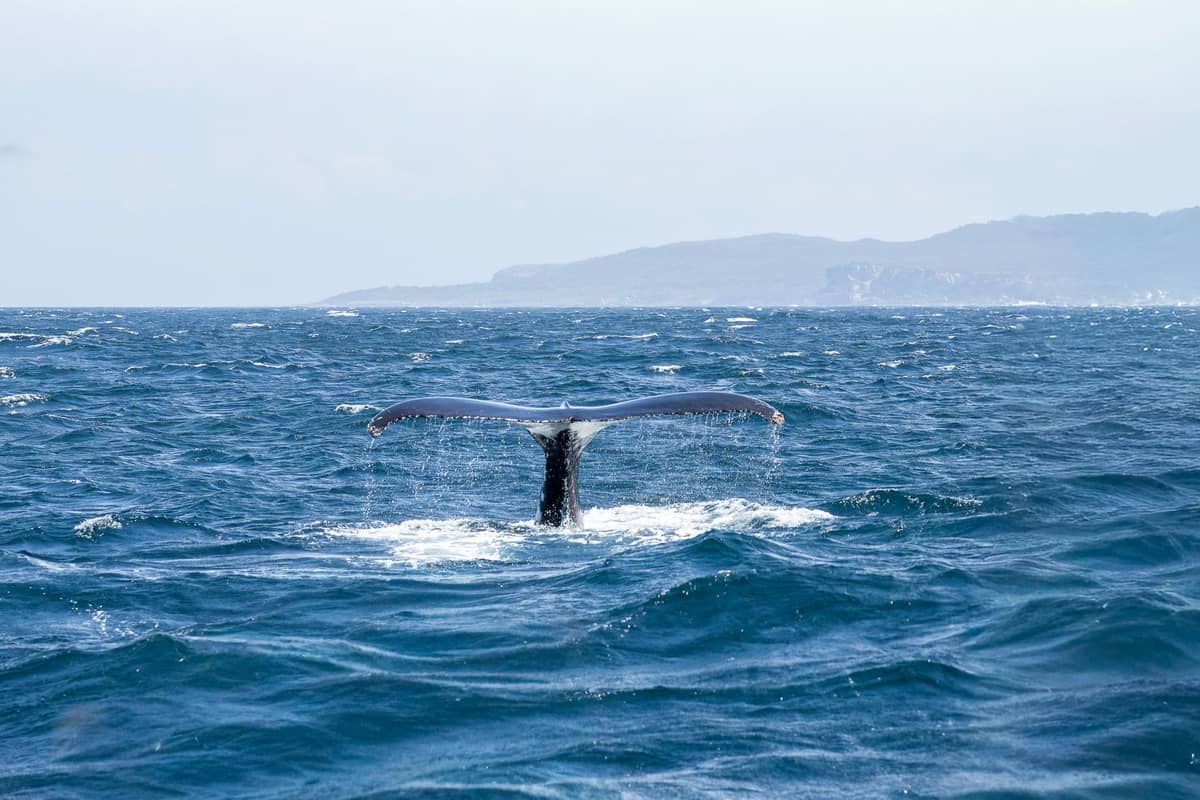
- Peak season for whale watching in Perth is September to November, when humpback whales migrate south along the WA coast close to shore on their return toward Antarctic waters.
- Three main departure points serve the Perth metro area: Hillarys Boat Harbour, Fremantle, and Rottnest Island.
- Adult fares run roughly A$78–A$79 per person; most tours last around two hours and are weather-dependent.
- Sightings are not guaranteed, but several operators offer a free return trip or booking credit if no whales are spotted.
- Blue whale tours to the Perth Canyon (March–May) are a completely separate, offshore experience and not the same as the spring coastal humpback tours.
Why Perth Is One of Australia's Best Whale Watching Destinations
Whale watching in Perth benefits from a straightforward geographic fact: Whale watching in Perth benefits from access to the Western Australian coastline and the seasonal humpback migration. Each year, humpbacks travel along the WA coast, with tours departing from locations such as Hillarys Boat Harbour and Fremantle. Tours from Hillarys take about two hours, and departure logistics depend on where you are staying.
The broader Western Australian coastline also supports blue whale populations near the Perth Canyon, a deep underwater feature roughly 50 km offshore. Tour availability and conditions differ from the spring coastal humpback tours. For context on how whale watching fits into a broader Perth trip, see for a fuller activity overview. For most visitors, the spring humpback season is the accessible, practical option. For context on how whale watching fits into a broader Perth trip, seethings to do in Perth for a fuller activity overview.
When to Go: Understanding the Season
The primary whale watching window in Perth runs from late August through early November. Humpback whales migrate along the WA coast, and tours operate during the seasonal migration. Some operators may offer tours outside the main season; check current operator schedules and availability.
For the 2026 season, Whale Watching Perth has listed its Hillarys Boat Harbour departures from August 21 to November 9, with daily 9 a.m. tours plus noon weekend departures in September and October. Early November can see the season wind down quickly, so booking in September or October gives you the widest choice of departure times and the highest whale density. The season can close early if conditions or whale movements change, so check current operator schedules before locking in travel dates.
ℹ️ Good to know
Western Australia does not observe daylight saving time, so Perth stays on Australian Western Standard Time (AWST, UTC+8) year-round. Early morning tour departure times are exactly as listed, regardless of the time of year.
Spring conditions in Perth (September to November) are generally excellent for being on the water. Mean maximum temperatures sit in the low-to-mid 20s Celsius, rainfall is low compared to winter, and the Indian Ocean is often calmer than in the windier months of late autumn and winter. That said, all tours are weather-dependent, and conditions on the Indian Ocean can shift quickly. Check the Bureau of Meteorology forecast for Perth's coastal waters before your tour date.
Where to Depart: The Three Main Launching Points
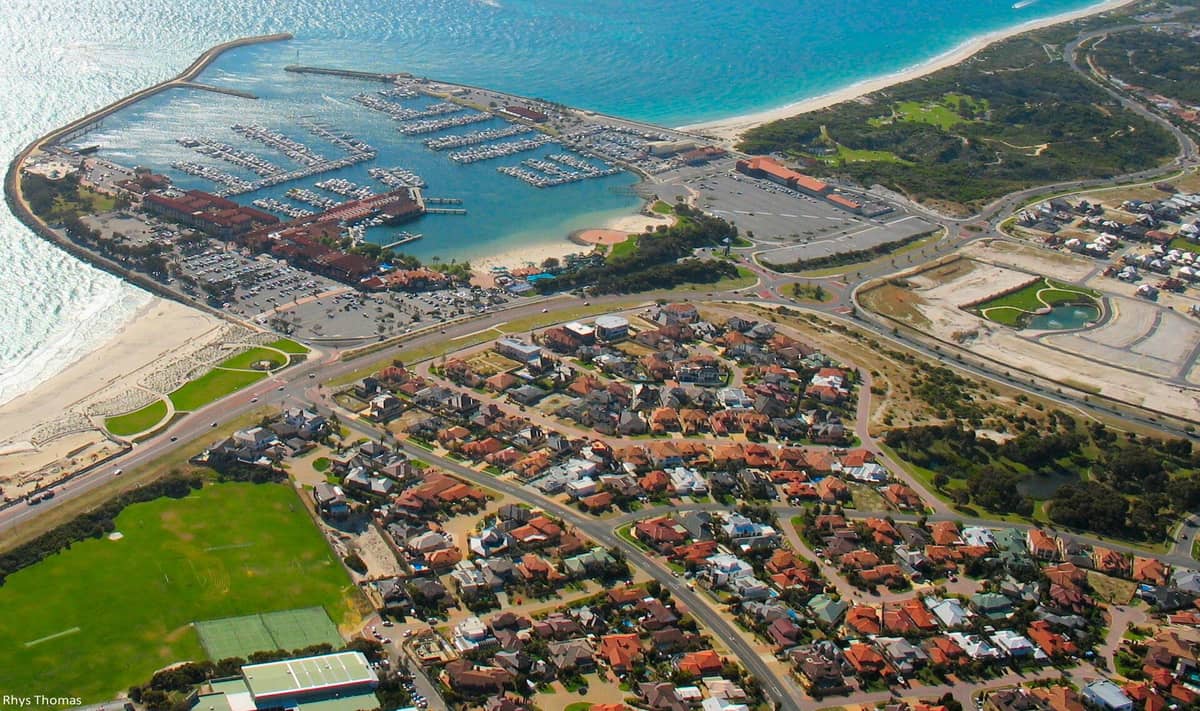
Perth's whale watching tours depart from three distinct locations, each with a different logistical profile. Your choice will depend on where you're staying, how much of the day you want to dedicate to the experience, and whether you want to combine whale watching with another destination.
- Hillarys Boat Harbour The most straightforward option for most Perth visitors. Whale Watching Perth operates daily 9 a.m. departures from August through November, with additional noon departures on weekends in September and October. Hillarys is about 25 km north of the CBD and accessible by train to Whitfords Station followed by a bus or rideshare. Adult fare: A$78; concession A$70; child A$48; family pass A$204.
- Fremantle Rottnest Express runs 1 p.m. Thursday-to-Monday departures from Fremantle, with extra operating days during the September school holidays. The two-hour tour is weather-dependent, and adult fares start at A$79. Fremantle is well connected to the Perth CBD by train (about 30 minutes), making this a viable option that can be paired with a half-day in the historic port precinct.
- Rottnest Island Rottnest Island's Eco Express whale-watching tour departs daily at 10:30 a.m. from Berth 0 at Thomson Bay, running September through November. This option suits travellers who are already spending a day on Rottnest. Weather-dependent cancellations apply here as with other operators. If you haven't been to Rottnest before, combining the island with whale watching is time-efficient and gives you a full day's value.
💡 Local tip
If you're basing yourself in Fremantle or plan to visit anyway, the Rottnest Express tour is an efficient choice. You're already at the departure port, and the 1 p.m. timing means a relaxed morning exploring Fremantle's markets and waterfront before boarding.
Fremantle itself rewards time before or after your tour. TheFremantle Fishing Boat Harbour is a short walk from the ferry terminals, and the Fremantle Marketsare open on weekends. For a more complete picture of how to spend a day there, see thePerth to Fremantle day trip guide.
What to Expect on a Tour
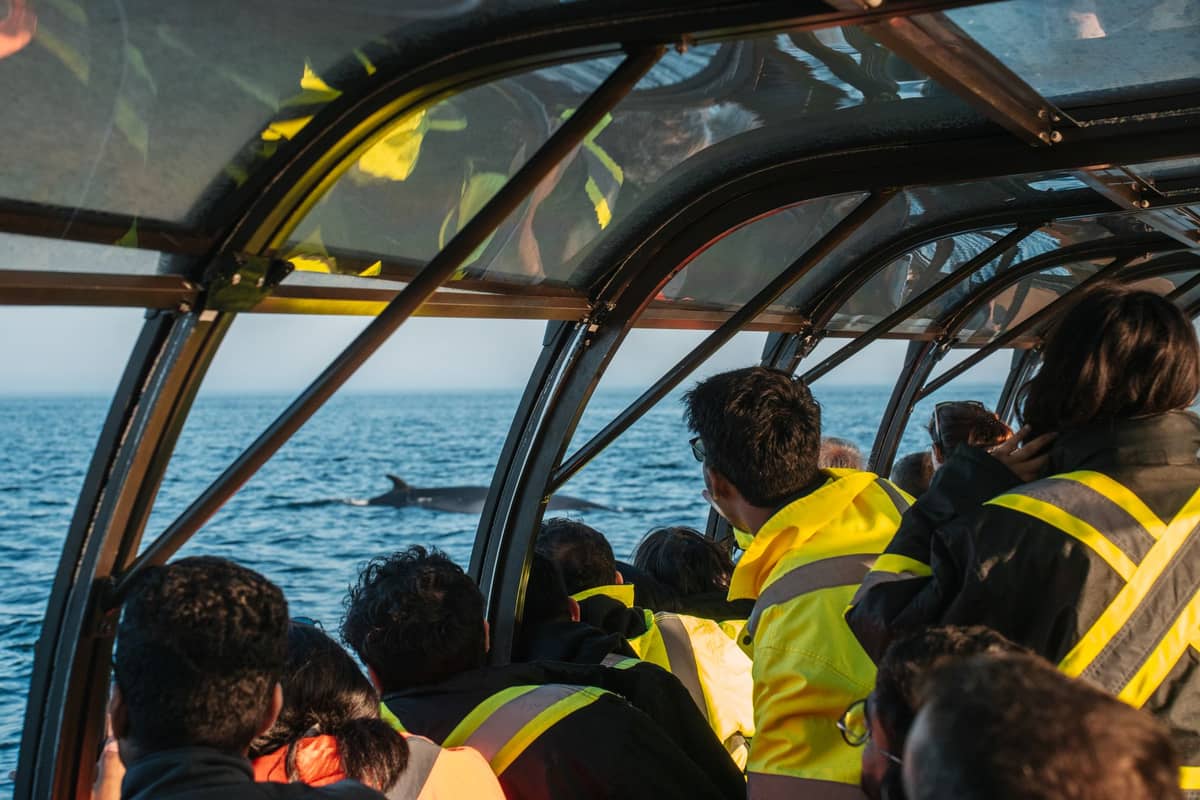
Most Perth whale watching tours run for approximately two hours. You'll head out through the sheltered harbour, then into open Indian Ocean waters where the humpbacks typically travel. The boats used by established operators are purpose-built or adapted for marine wildlife viewing, with external viewing decks and commentary from guides or naturalists. On a good day, you may see multiple humpbacks breaching, spy-hopping, or travelling in pairs — including mothers with calves during the southward migration in late October and November.
The honest reality is that sightings, while common during peak season, are not guaranteed on every tour. Whale movements are unpredictable, and a perfectly calm day can still yield nothing. That said, operators running daily tours during September and October report high sighting rates — this is not the kind of marginal, hope-for-the-best experience it can be at less-concentrated sites. The key operators acknowledge the uncertainty and back it up: Whale Watching Perth advertises a free re-ride under its stated conditions, and Rottnest Express offers one complimentary return whale-watching trip during the current season if no whales are spotted.
⚠️ What to skip
Motion sickness can be an issue on the open Indian Ocean, particularly on windier days in autumn. If you're prone to seasickness, take preventative medication at least 30 minutes before boarding. Ask your tour operator when booking about typical sea conditions for the time of year.
- Book directly with the operator's website to secure the no-sighting guarantee and get cancellation notifications quickly.
- Bring layers even in spring — offshore temperatures feel cooler than on land, and sea spray adds to the chill.
- A hat, sunscreen, and sunglasses are non-negotiable on the water, even on overcast days.
- Binoculars are useful but not essential — humpbacks are large enough to see clearly from the boat.
- Check tour cancellation policies carefully. Weather cancellations are usually handled with a rebooking option, but policies vary.
Blue Whales vs. Humpbacks: A Different Experience Entirely
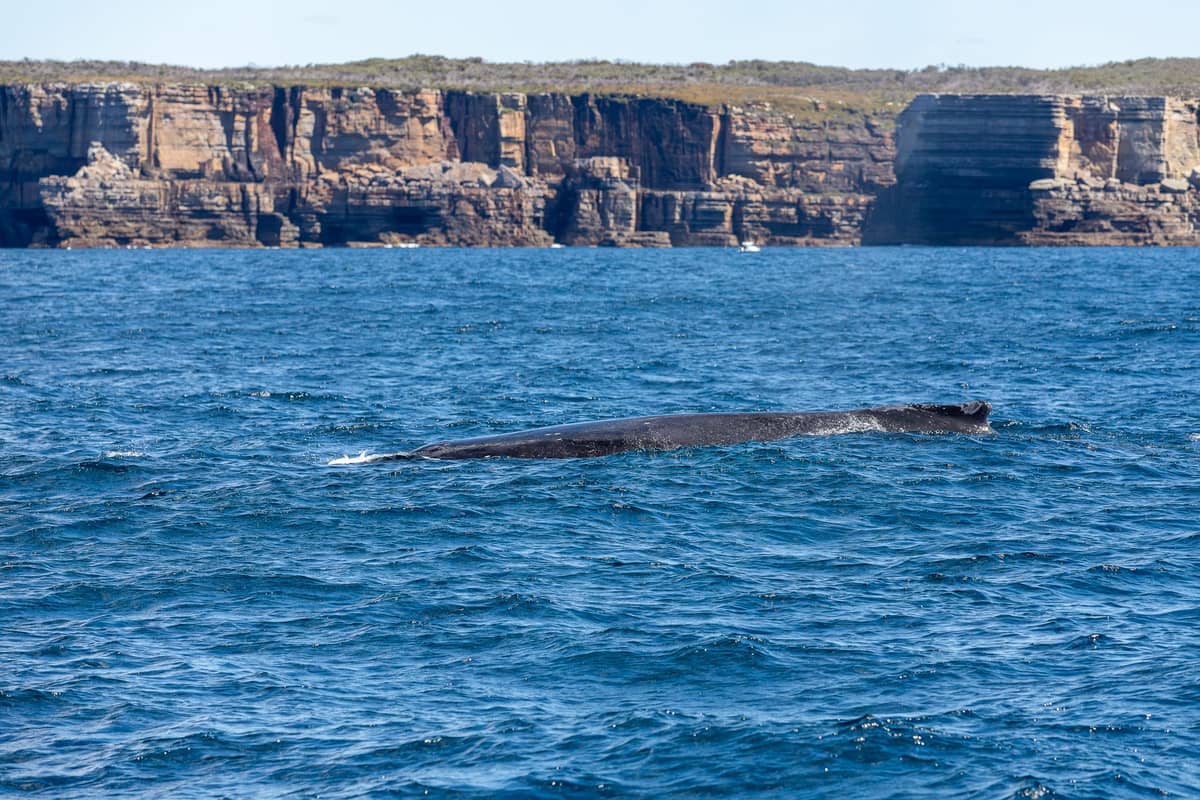
Perth is one of the few cities in the world with access to both humpback and blue whale watching within the same region, but these are not interchangeable tours. The blue whale season targets animals feeding in the Perth Canyon, a deep-sea trench about 50 km offshore. Tour availability and conditions differ from coastal humpback tours. Blue whales are the largest animals on Earth, but they tend to be less acrobatic than humpbacks, so 'dramatic' sightings are less common.
If you're visiting in late summer or early autumn specifically for blue whales, research operators carefully, as the market is smaller and tour frequency is lower than the mainstream humpback season. For most travellers visiting Perth between August and November, the humpback migration tours are the accessible, rewarding choice.
Combining Whale Watching with the Rest of Your Perth Trip
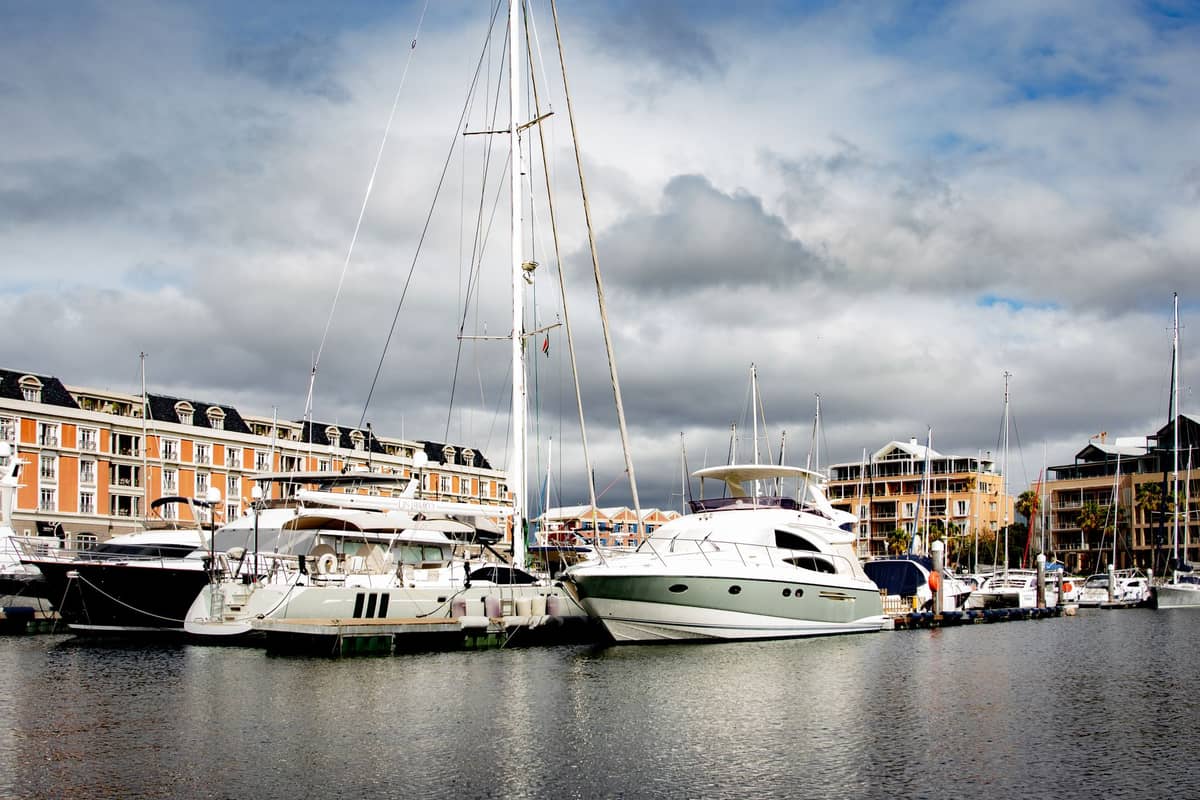
A whale watching tour takes up roughly half a morning or afternoon, which leaves plenty of time for other activities. The Hillarys Boat Harbour departure fits naturally into a coastal day — the harbour itself has cafes, a small aquarium (AQWA), and easy access to the northern beaches. The Fremantle departure pairs well with a full Fremantle day. The Rottnest Island tour fits within a standard day trip to the island.
If you're planning a longer stay and want to build out your itinerary, the one-week Perth itineraryshows how whale watching can slot into a broader trip. For families with children, whale watching tends to be one of the highest-impact experiences on the water, and it works well alongside other wildlife encounters likespotting quokkas on Rottnest Island.
Budget-conscious travellers should note that whale watching is one of the pricier half-day activities in Perth. If you're watching your spending, check out thePerth on a budget guide for ways to offset the tour cost with free activities on the same day, including the Kings Park coastal walk or a free afternoon at the beach.
✨ Pro tip
The September school holiday period in Western Australia typically falls in late September to early October. Rottnest Express adds extra operating days during this period, but boats also fill faster. Book at least a week ahead if your dates overlap with WA school holidays.
FAQ
What months are best for whale watching in Perth?
September and October are the peak months for humpback whale watching in Perth, with the highest concentration of whales and the most frequent tour departures. The Hillarys operator’s 2026 season runs from August 21 to November 9, while Rottnest Express operates September to November. Check operator schedules for current availability.
How much does a whale watching tour in Perth cost?
Adult fares for the main operators (Whale Watching Perth from Hillarys and Rottnest Express from Fremantle) start at around A$78–A$79 per person. Concession and child fares are lower. Rottnest Island's Eco Express tour pricing should be checked directly with the operator, as it may differ. Prices are current for the 2026 season but should be verified before booking.
Is a whale sighting guaranteed on a Perth whale watching tour?
No. Operators are clear that sightings cannot be guaranteed. However, during peak season (September and October), sighting rates are generally high. To protect your investment, book with operators who offer a no-sighting policy: Whale Watching Perth offers a free return trip under its stated conditions, and No. Operators state that sightings cannot be guaranteed. To protect your investment, book with operators who offer a no-sighting policy: Whale Watching Perth offers a free return trip under its stated conditions, and Rottnest Express offers one complimentary return whale-watching trip during the current season if no whales are seen.
Where do whale watching tours depart from in Perth?
The three main departure points are Hillarys Boat Harbour (north of the CBD), Fremantle (southwest of the CBD), and Rottnest Island (Thomson Bay, Berth 0 for the Eco Express tour). Fremantle and Hillarys are accessible by public transport from central Perth.
Can I see blue whales in Perth?
Yes, but it's a separate experience from the standard humpback whale tours. Blue whale tours head out to the Perth Canyon, roughly 50 km offshore. Their availability and conditions differ from coastal humpback tours. If blue whales are your priority, research dedicated operators and check their current schedules. If blue whales are your priority, research dedicated operators for the autumn season.
Tickets & tours
Live prices and dates from our booking partner. If you book, we may earn a commission at no extra cost to you.
Planning a trip? Discover personalized activities with the Nomado app.