Best Things to Do in Perth, Western Australia
Perth, Western Australia is a city of beaches, bushland, world-class food, and some of Australia's most underrated cultural attractions. This guide covers the best things to do in Perth across every interest and budget, with honest advice on what to skip and what genuinely earns your time.
Tickets & tours
Live prices and dates from our booking partner. If you book, we may earn a commission at no extra cost to you.
TL;DR
- Perth sits on the Indian Ocean in southwestern Australia — plan for seasonal conditions that vary significantly between summer (31–32°C) and winter (8–20°C).
- Kings Park, the beaches, and Fremantle are the three anchors most visitors build their trip around — and for good reason.
- A day trip to Rottnest Island to see quokkas is one of Australia's genuinely unmissable experiences — book the ferry in advance.
- Perth rewards slow travel: the city is spread out, the public transport (Transperth) is solid, but some areas require planning to reach efficiently.
- Children under four enter Perth Zoo free; the zoo is in South Perth, not the CBD — factor in the roughly 8-minute Elizabeth Quay ferry crossing.
Why Perth Deserves More Than a Stopover
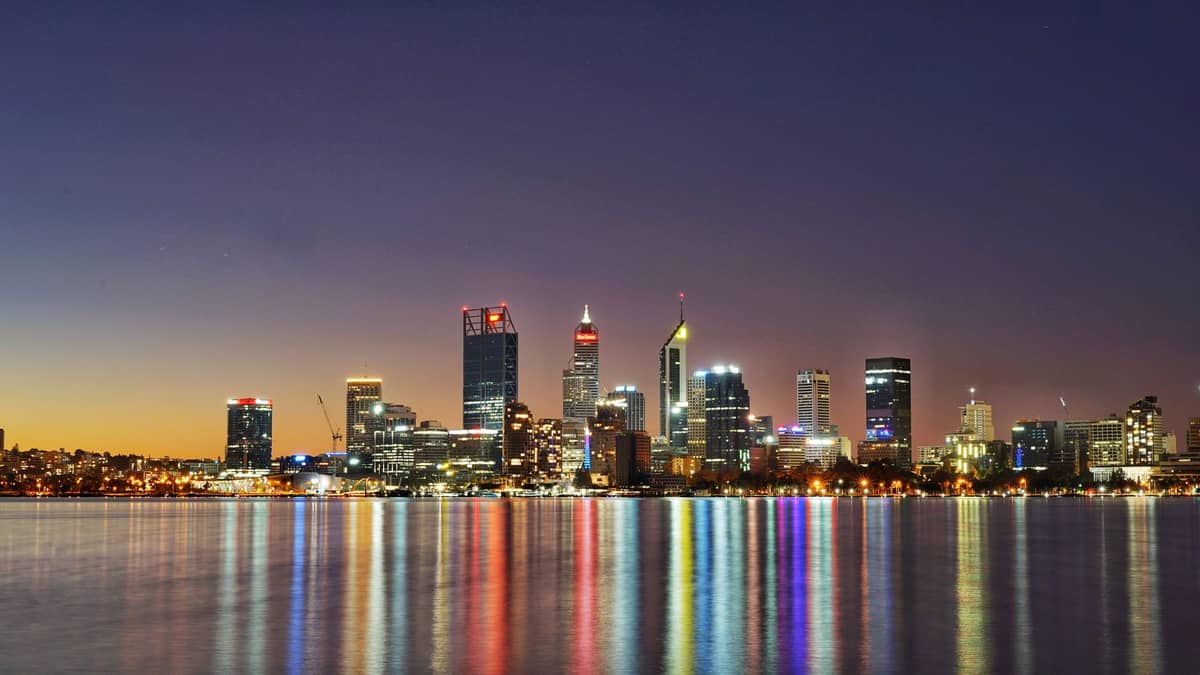
Perth is the most geographically isolated major city on Earth, and that isolation has shaped it into something distinctive. The 2021 Census recorded over 2.1 million people in Greater Perth, making it Australia's fourth-largest city by population. Yet it operates with a pace and openness that larger east-coast cities have largely lost. The Indian Ocean sits at the city's doorstep, the Swan River cuts through its heart, and bushland presses in from the hills to the east. That geography isn't incidental — it defines what you do here.
Perth, Western Australia (sometimes written Perth WA to distinguish it from Perth, Scotland) has a Mediterranean climate: hot and dry from December through February, mild and wetter from June through August. That matters for planning. A beach-heavy itinerary works better in spring or autumn when temperatures sit between 20–28°C and the harsh summer glare eases off. If you're visiting for the wildflowers, September and October are exceptional. The city'sannual festival calendar also clusters events into the summer months, so there's a real trade-off between comfort and activity.
ℹ️ Good to know
Western Australia does not observe daylight saving time. Perth runs on AWST (UTC+8) year-round, which creates a 2-3 hour time difference with Sydney depending on the season. Factor this in if you're coordinating with east-coast connections or international flights through Perth Airport (PER).
The Non-Negotiables: Top Experiences in Perth
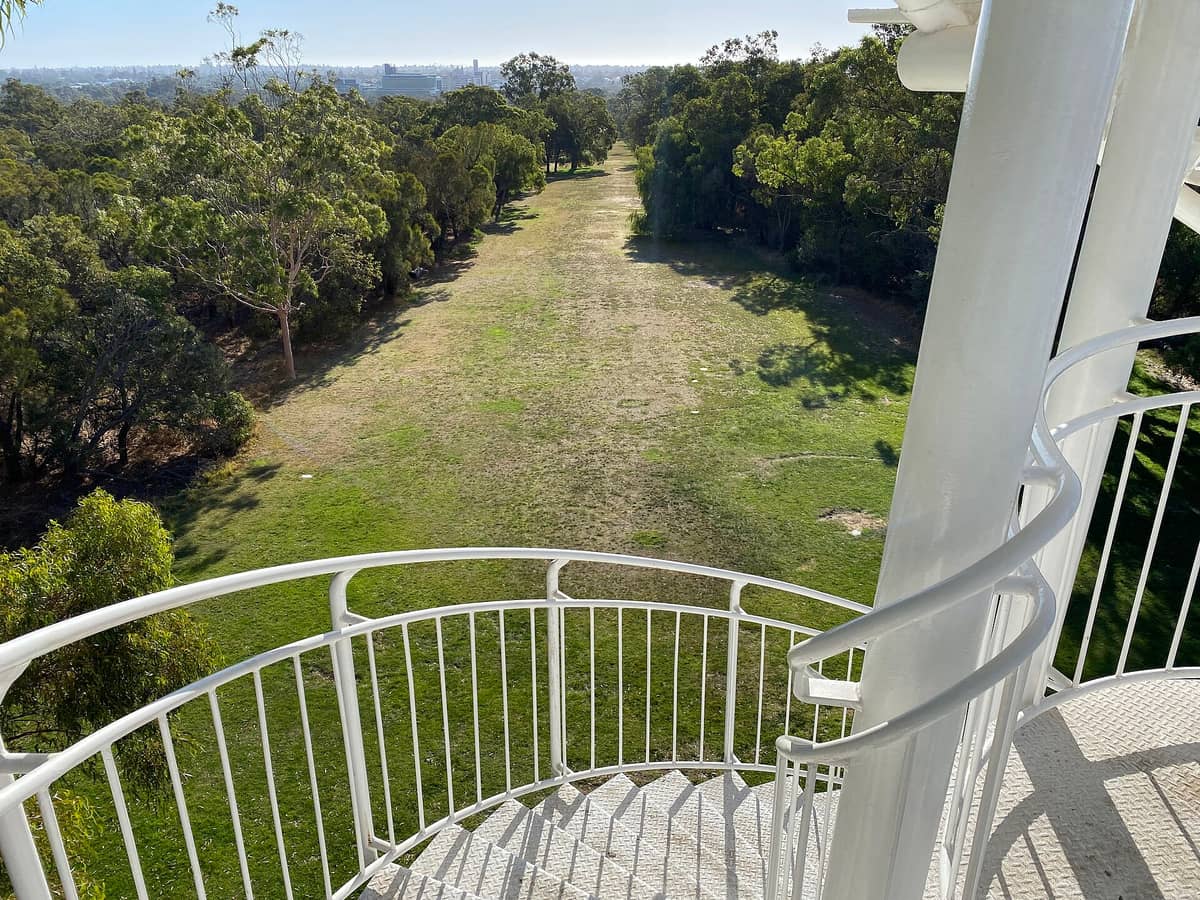
Start with Kings Park and Botanic Garden, one of the largest inner-city parks in the world at around 400 hectares. The park sits on a ridge above the Swan River with views across the CBD skyline — genuinely one of the best urban panoramas in Australia. The DNA Tower within the park offers elevated sightlines over the treetops, and the botanic garden displays over 3,000 Western Australian plant species, including the iconic kangaroo paw. The State War Memorial and Fraser Avenue's lemon-scented gum trees make for a striking walk even if you have no interest in botany.
A trip to Rottnest Islandsits in a category of its own. The island is about 18km off the coast of Fremantle and is home to the quokka, a small marsupial found almost nowhere else in the world. Ferries run from Fremantle, Hillarys, and Barrack Street Jetty in the CBD, with crossing times ranging from roughly 25 minutes to an hour depending on the departure point. Cars are banned on the island, so most visitors hire bicycles to loop around the bays — Little Salmon Bay and The Basin are among the best for snorkelling. Book ferries well ahead in summer; weekend sailings sell out weeks in advance.
Perth Zoo, located in South Perth rather than the city centre, is worth including even for travellers without children. The zoo has a strong focus on Australian fauna and serious conservation programs. It opens daily from 9am to 5pm. The most efficient way to get there is the Elizabeth Quay ferry to Mends Street — a approximately 8-minute crossing with departures roughly every 15 minutes from September to June, dropping to every 30 minutes from June to September. Children under four enter free; all other ticket prices are listed on theofficial zoo website and are subject to change, so verify before visiting.
- Kings Park Botanic Garden Free entry, open year-round. Walk Fraser Avenue, climb the DNA Tower, and catch the annual wildflower display in September.
- Rottnest Island Day trip or overnight. Quokka encounters, clear-water bays, and car-free cycling. Book ferries ahead.
- Perth Zoo (South Perth) Open daily 9am–5pm. Take the Elizabeth Quay ferry — it's faster and more interesting than driving.
- The Perth Mint One of the world's oldest operating mints. Gold pour demonstrations run daily; check the schedule on arrival.
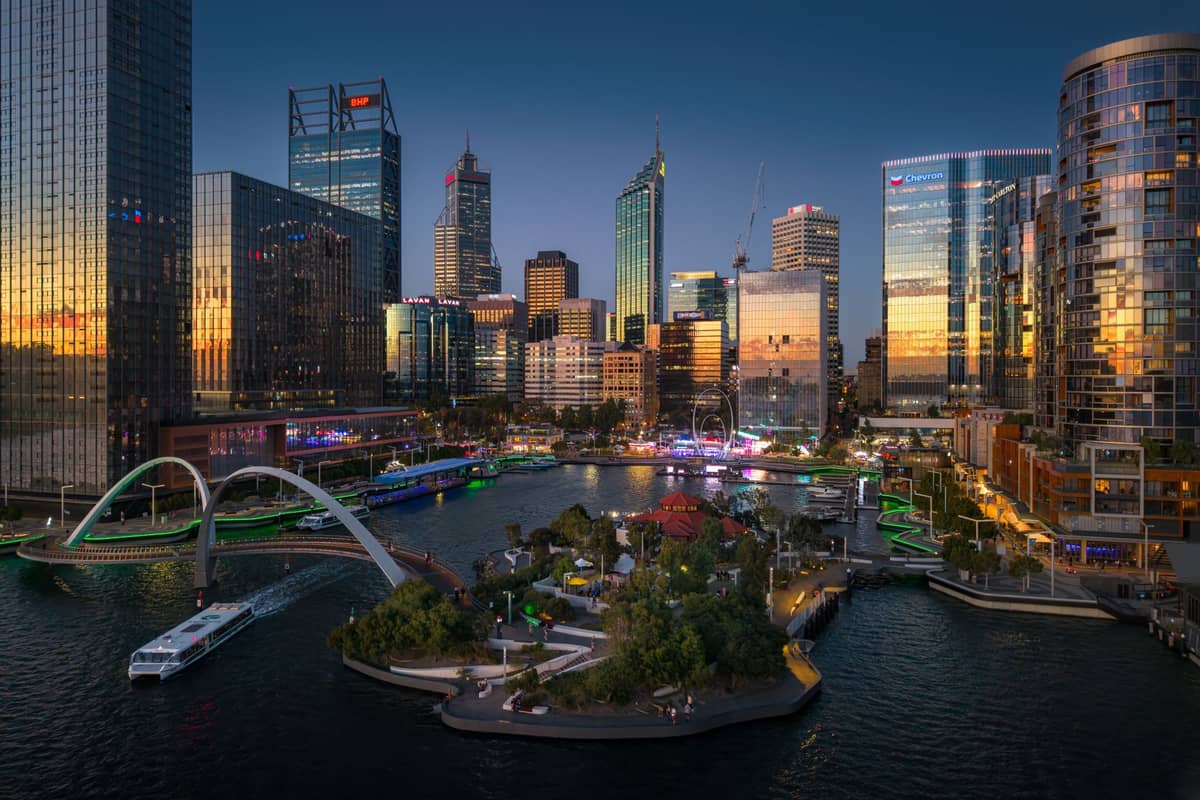
- Elizabeth Quay The CBD waterfront precinct connects ferry terminals, public art, restaurants, and the Bell Tower (Swan Bells) nearby.
Beaches: What to Know Before You Go
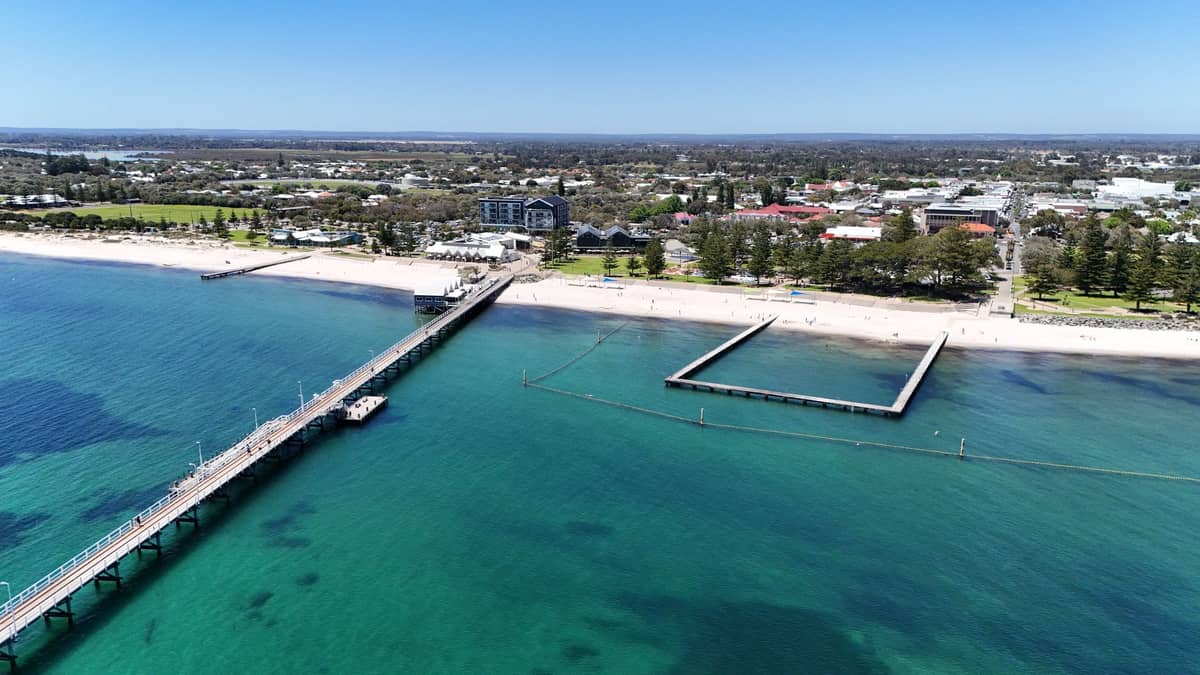
Perth's Indian Ocean beaches are the city's most celebrated feature, and they earn it. The water is clear, the sand is white, and the surf is real. But not all beaches suit all swimmers.Cottesloe Beachis the most iconic, with a sheltered bay, the Indiana Tea House perched at the south end, and a social scene that ranges from Sunday morning families to sunset sundowners. It's about 20 minutes from the CBD by train to Grant Street station.
Scarborough Beachsuits surfers and those who prefer a livelier atmosphere. The foreshore redevelopment has added a geothermal 50-metre pool, food trucks, and a livelier surf-and-dining strip. Trigg Beach, just north of Scarborough, is quieter and popular with bodyboarders. City Beach sits between the two in character — good for families, with a café strip and calm southern section. For a full breakdown of options, distances, and suitability by swimmer type, the dedicatedPerth beaches guide covers the full coastline.
⚠️ What to skip
Perth's Indian Ocean beaches can have strong rip currents, especially at surf beaches like Scarborough and Trigg. Always swim between the red and yellow flags where lifesavers are patrolling. Flags are typically in place on weekends and school holidays; outside these times, some beaches are unpatrolled. Check Surf Life Saving WA's website for current patrol schedules.
Culture, History, and the Indoor Options
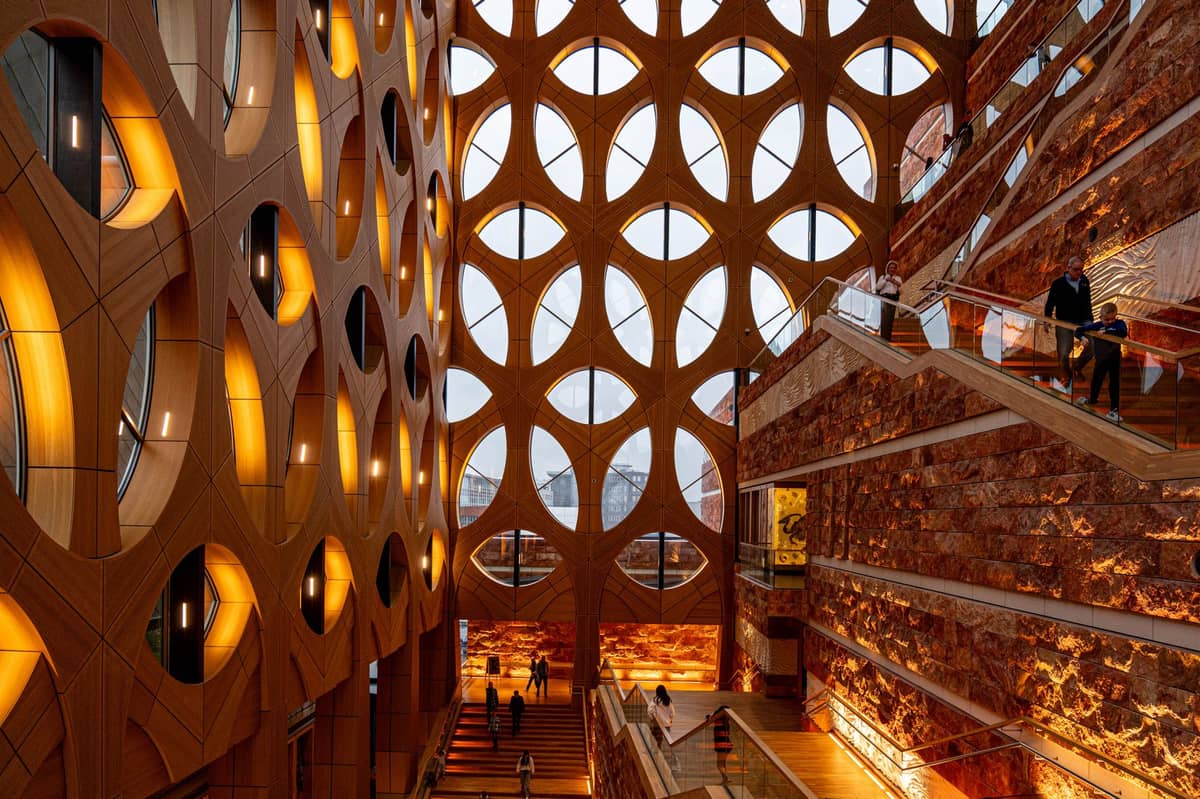
Perth's cultural institutions are consistently underestimated. The WA Museum Boola Bardip, which reopened in 2020 after a major redevelopment, is the state's flagship museum and one of the best natural history and culture museums in the country. Adult general admission is A$15 (free for visitors aged 15 and under). It sits within thePerth Cultural Centreprecinct in Northbridge, alongside the Art Gallery of Western Australia and the Perth Institute of Contemporary Arts (PICA). You can cover all three in a single day without rushing.
Fremantle adds historical depth that the CBD lacks. The town was the original landing point for European settlers in 1829 and has retained its 19th-century streetscape better than almost anywhere in Australia. Fremantle Prison, a UNESCO World Heritage Site, runs regular tours including night torchlight tours that book out fast. The Fremantle Markets (open Friday through Sunday) blend produce, crafts, and street food in a Victorian-era market hall. The fishing boat harbour is where to go for fish and chips that actually justify the reputation. If you want to spend a full day, the dedicatedFremantle day trip guide covers transport options, timing, and the best spots to eat.
For something more niche, the Perth Mint on Hay Street is one of the world's oldest operating mints and holds the world's largest gold coin. It's a legitimate attraction, not just a gift shop — gold pour demonstrations happen multiple times daily. His Majesty's Theatre, opened in 1904, is the grandest performing arts venue in the city and worth visiting even if you're not catching a show, as the architecture alone is notable. Check the theatre's current program throughPerth's arts and nightlife listings for what's on during your visit.
Food, Drink, and Neighbourhood Eating
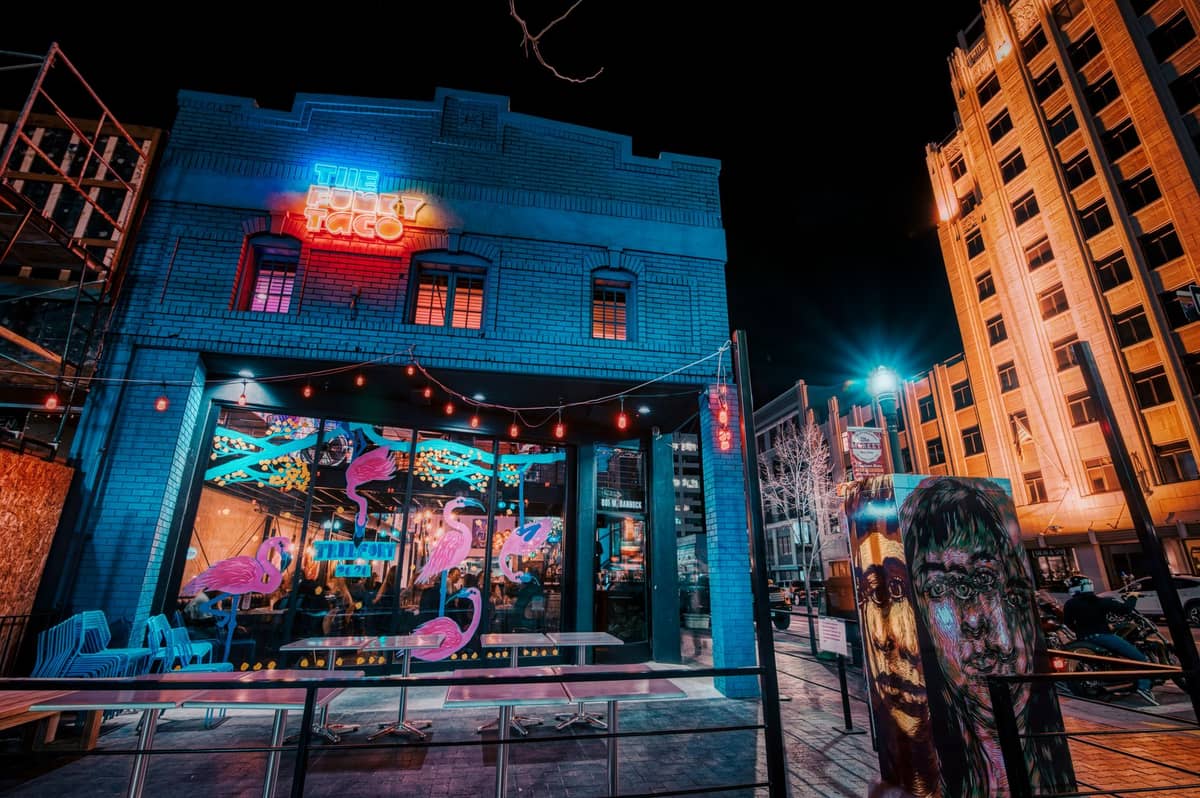
Perth's food scene has matured significantly over the past decade. Northbridge remains the most concentrated dining and bar district, with restaurants covering Vietnamese, Chinese, Italian, and modern Australian within a few walkable blocks. Leederville and Subiaco offer a more neighbourhood feel with independent cafes and wine bars. For a deeper dive into where to eat and what to order, thePerth food guide covers suburbs, cuisines, and price points.
The Swan Valley, about 25 minutes northeast of the CBD along the Swan River, is Perth's most accessible wine and food day trip. It's compact enough to cover by bicycle or by following the designated food and wine trail by car. Wineries, chocolate makers, cheese producers, and craft breweries cluster along the valley floor. This is where locals go on Sunday afternoons rather than driving to Margaret River. For those with more time, theSwan Valley guide covers the full route with recommended stops.
✨ Pro tip
Tipping in Perth is appreciated but not expected. In casual cafes and takeaway spots, rounding up or leaving small change is the norm. At mid-range and upmarket restaurants, 10% is a reasonable gesture for good service, but staff wages in Australia are higher than in North America or Europe, so you will not cause offence by not tipping.
Day Trips and Getting Out of the City
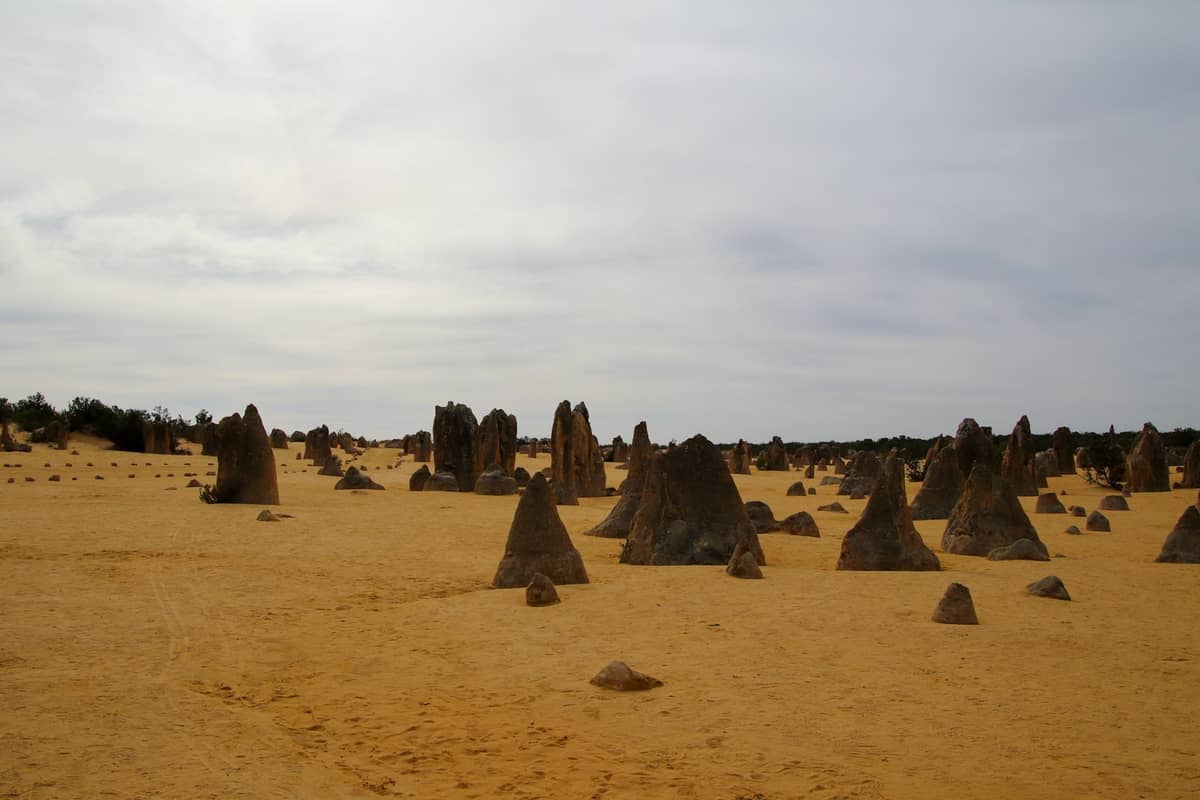
Perth's location gives it access to some remarkable day trips. The Pinnacles Desert in Nambung National Park, roughly 250km north of the city, is one of Western Australia's most photographed landscapes: thousands of limestone spires rising from a yellow desert floor. It's doable as a long day trip if you leave early, though an overnight stop in Cervantes makes it more comfortable. The fullPinnacles day trip guide covers transport, timing, and what else to combine on the route.
- Rottnest Island 25–60 min by ferry. Best for snorkelling, quokkas, and cycling. Full day minimum.
- Fremantle 30 min by train from Perth city. Prison, markets, harbour, and craft beer — a half day is tight, a full day is right.
- Swan Valley 25 min by car or bus. Wine, chocolate, and cheese trails along the river. Best on weekends when producers are fully open.
- Pinnacles Desert About 2.5–3 hours north. Best in early morning light. Combine with Lancelin Sand Dunes on the return.
- Perth Hills 45 min east of CBD. John Forrest National Park, Kalamunda, Lesmurdie Falls, and Mundaring Weir are all within range.
The Perth Hills deserve more attention than they get. The Darling Scarp rises just east of the city and contains several national parks within 45 minutes of the CBD. John Forrest National Park has walking trails, waterfalls, and swimming holes. Lesmurdie Falls is accessible and impressive after winter rains. The historic town of York, about 100km east, is the oldest inland town in Western Australia and makes for a pleasant Sunday drive. If you want a full overview of what's accessible on a day trip basis, theday trips from Perth guide organises options by distance and transport method.
FAQ
What is Perth, Australia best known for?
Perth is best known for its Indian Ocean beaches, isolation as the world's most remote major city, the quokkas of Rottnest Island, and Kings Park. The city also has a strong food and wine culture, bolstered by proximity to the Swan Valley and, further south, the Margaret River wine region.
How many days do you need in Perth?
Three full days covers the core city attractions and one major day trip. Five to seven days allows for Rottnest Island, Fremantle, the Swan Valley, and a decent beach rotation without feeling rushed. Perth rewards slow exploration — the city is spread out and distances between areas add up.
What is the best time of year to visit Perth, Western Australia?
Spring (September to November) and autumn (March to May) offer the most comfortable conditions for outdoor activities, with temperatures typically between 20–28°C. Summer (December to February) is hot and dry, averaging 31–32°C maximum. Winter (June to August) brings most of the city's annual rainfall and cooler temperatures around 18–20°C maximum, but is excellent for whale watching and wildflower season begins in September.
Is Perth expensive to visit?
Perth is a moderately expensive Australian city. Budget travellers can manage on $80–120 AUD per day staying in hostels and using public transport. Mid-range travellers spending $200–350 AUD per day will have comfortable hotel options, restaurant meals, and paid attractions covered. The Transperth public transport network is affordable and covers most tourist areas. Several major attractions including Kings Park are free; the WA Museum Boola Bardip charges A$15 for adult general admission (under-15s free).
How do I get around Perth without a car?
The Transperth network covers trains, buses, and ferries across the metro area. The train lines are the backbone — the Fremantle Line, Yanchep Line, and Mandurah Line connect most visitor areas to the CBD. The free CAT (Central Area Transit) bus loops cover the CBD, Northbridge, and East Perth at no cost. A ferry from Elizabeth Quay reaches South Perth in 10 minutes. For coastal suburbs like Cottesloe or Scarborough, trains and buses both work. Rottnest Island is ferry-only from the mainland.
Tickets & tours
Live prices and dates from our booking partner. If you book, we may earn a commission at no extra cost to you.
Planning a trip? Discover personalized activities with the Nomado app.