What to Eat in Perth: A Guide to WA Food Culture
Perth, Western Australia sits on one of the world's great seafood coastlines and within reach of some of Australia's finest wine regions. This guide cuts through the noise to tell you what to actually eat, where to find it, and what to skip.
Tickets & tours
Live prices and dates from our booking partner. If you book, we may earn a commission at no extra cost to you.
TL;DR
- Perth's food identity is built on Indian Ocean seafood, Margaret River wine, and produce from the Swan Valley and southwest WA — explore the full picture in our Swan Valley food and wine guide.
- Rock lobster, marron, blue manna crab, and Abrolhos Islands scallops are the headline seafood items — eat them as fresh as possible, ideally dockside in Fremantle.
- Saturday farmers markets (Perth City Farm runs 8am–noon April–November, 7:30–11:30am December–March) are the best way to eat seasonally and meet WA producers.
- Northbridge is the go-to for diverse, late-night dining; Fremantle suits long lunches by the water; Subiaco and Leederville reward neighbourhood exploration.
- Tipping is not obligatory in Perth — standard Australian practice applies, though rounding up or leaving small tips at good restaurants is increasingly common.
Why Perth's Food Scene Is Worth Your Attention
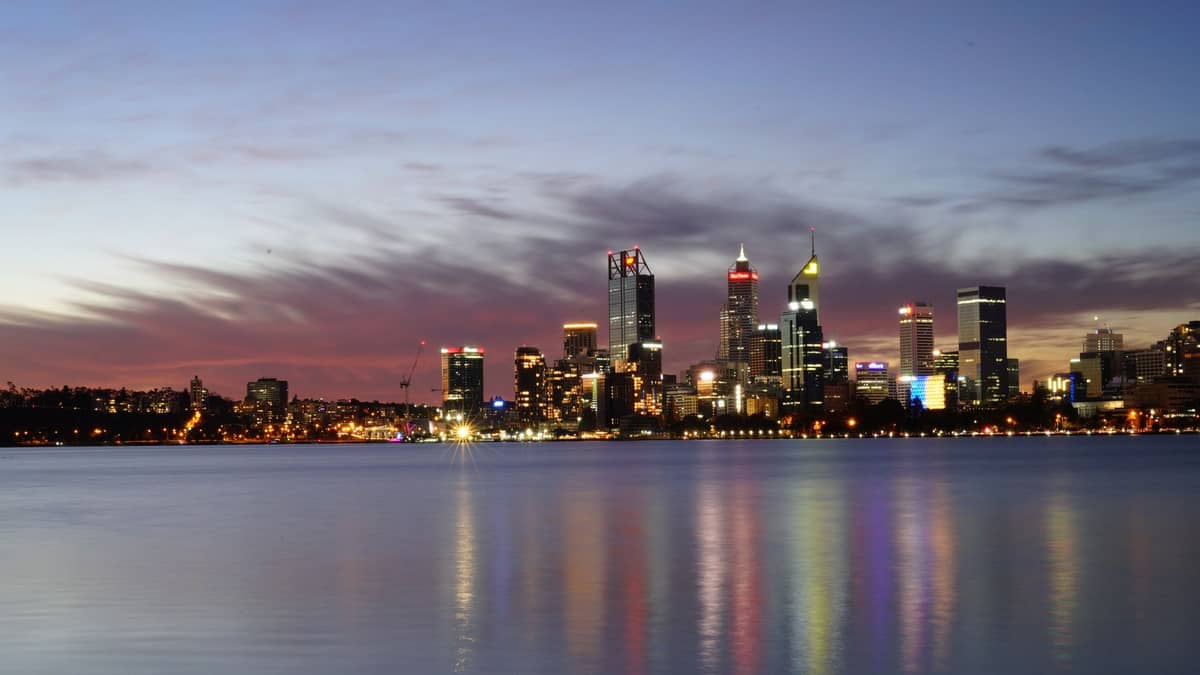
Perth, Western Australia is geographically isolated in a way that has shaped its food culture more than most cities. Sitting on the southwestern tip of Australia beside the Indian Ocean, it has direct access to some of the country's most productive fishing grounds and some of its most distinctive agricultural land. The combination of a Mediterranean climate, low population density outside the metro area (Greater Perth recorded 2,116,647 residents in the 2021 Census), and a fiercely regional identity means WA produce genuinely tastes different from what you find on the east coast.
This is not a city chasing trends from Sydney or Melbourne. Perth restaurants lean into local ingredients because the local ingredients are genuinely exceptional: rock lobster from the Gascoyne, black truffles from Manjimup, wine from Margaret River and the Great Southern, marron from the south-west rivers. If you want to eat well here, the advice is simple — follow what's in season and follow what's local. For context on timing your trip to align with the best seasonal produce and weather, see ourbest time to visit Perth guide.
The Seafood You Should Actually Eat
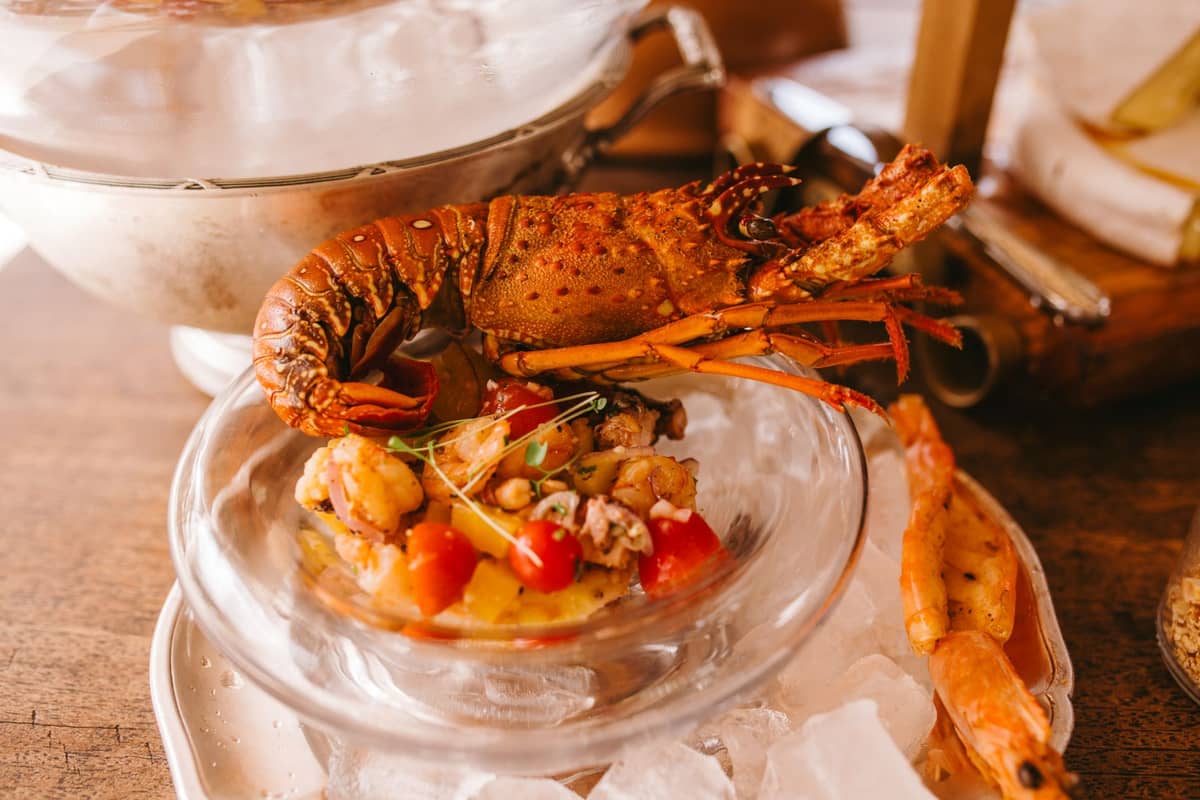
Western Australian seafood is the headline act. The state controls one of the world's largest and best-managed rock lobster fisheries, and that freshness comes through in the eating. Rock lobster (Panulirus cygnus, commonly called crayfish locally) is available grilled, steamed, or cold with mayonnaise at fish-and-chip shops and upscale restaurants alike. Expect to pay a significant premium over eastern-state prices for lobster, but it is considerably cheaper here than in most international markets.
Blue manna crabs from the Swan River and coastal estuaries are a Perth institution. Locals boil them at home with salt water and eat them cold, pulling meat from the shell with their fingers — a ritual that requires time and patience. At restaurants inFremantle, you'll find blue manna crab on entree menus cooked in chilli and garlic. Abrolhos Islands scallops, wild-caught from the Houtman Abrolhos archipelago off Geraldton, have a sweetness and texture rarely matched by farmed alternatives. When they appear on a menu, order them.
The best place to eat seafood without ceremony is along the Fremantle Fishing Boat Harbour. The working harbour is home to several large seafood restaurants and takeaway operations where you can eat fish and chips on outdoor tables watching trawlers come in. It is touristy, but the seafood quality is generally reliable and the setting is hard to argue with. For a more local experience, smaller fish-and-chip shops along the northern beaches strip between City Beach and Trigg are worth investigating.
💡 Local tip
Ask any WA seafood vendor what came in fresh that morning. Rock lobster availability and pricing shift seasonally, and the daily catch at market stalls and smaller restaurants is often better value and fresher than pre-set menu items. The Fremantle markets area and Perth City Farm Saturday market both carry WA seafood in season.
Markets, Producers, and Eating Seasonally
The Perth City Farm Farmers Market in East Perth runs every Saturday and is among the best places in the city to engage directly with WA producers. Hours are 8am to noon from April through November, and 7:30am to 11:30am from December through March (adjusted for summer heat). You'll find certified organic and biodynamic fruit and vegetables, honey, eggs, artisan bread, WA seafood, and pantry goods. Prices are not published in advance — check directly with vendors on the day, as seasonal availability drives what's there and what it costs.
Understanding WA seasons adds genuine depth to eating here. The Noongar people, the Traditional Custodians of the southwest of Western Australia, identify six seasons connected to Country: Birak, Bunuru, Djeran, Makuru, Djilba, and Kambarang. These do not map to the four European seasons and reflect environmental cycles that have governed food and land management for tens of thousands of years. Birak (roughly December–January) is traditionally associated with coastal areas and seafood, though availability always varies with natural conditions. Engaging with this framework — even loosely — shifts how you read a menu. For a broader look at WA's seasonal cycles and wildflower season, see our guide toPerth's wildflower season.
ℹ️ Good to know
Native ingredients and Aboriginal food traditions are not a single fixed menu. Foods and practices are connected to specific Country, seasonal cycles, and community — they vary by place and should not be reduced to a generic 'bush tucker' category. Seek out restaurants that work directly with Indigenous producers and can speak specifically about their sourcing.
Neighbourhoods for Eating: Where to Go and Why
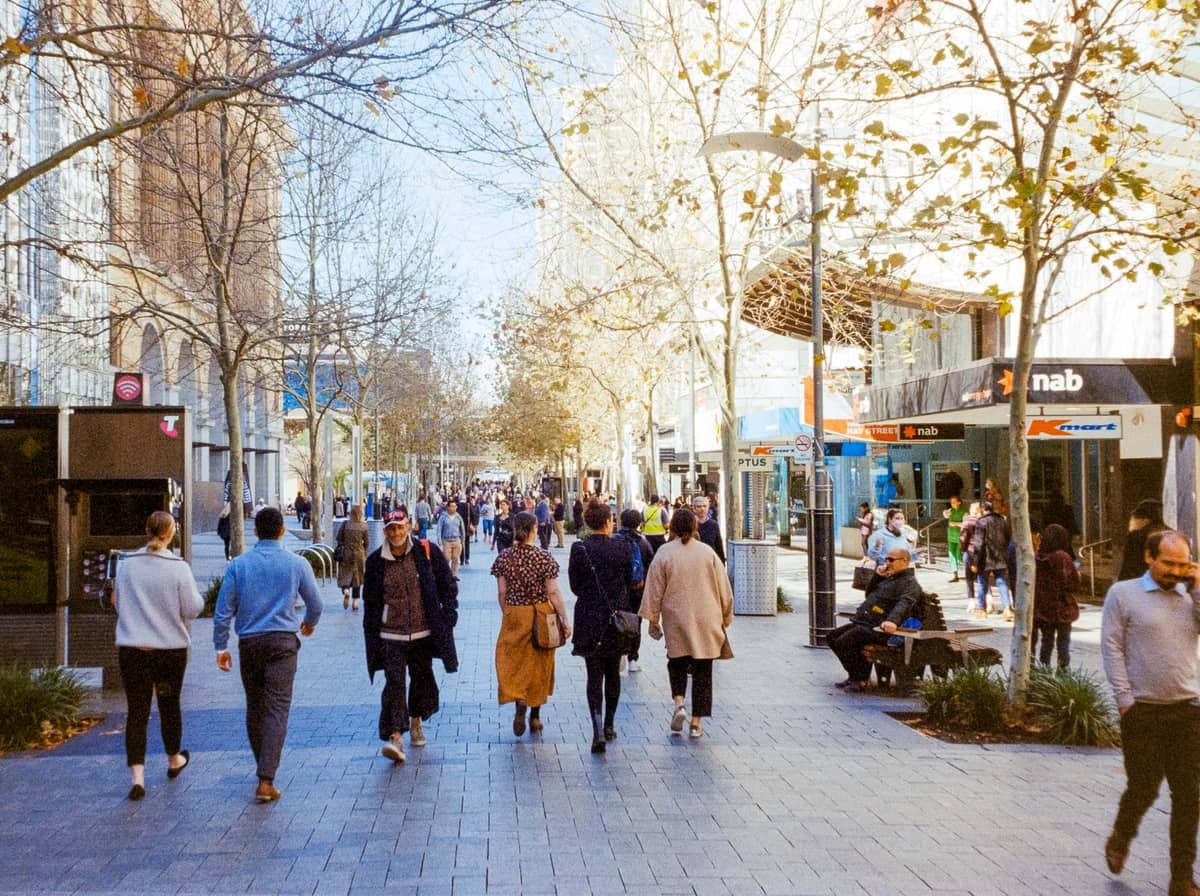
Northbridgeis Perth's most concentrated dining precinct. It runs immediately north of the CBD and covers a dense grid of restaurants spanning Chinese, Japanese, Korean, Malaysian, Vietnamese, Italian, and contemporary Australian. William Street and the surrounding blocks are walkable and active from lunch through to late night. It is the right choice if you want variety, late kitchens, and a range of price points — from $15 bowls of laksa to $100+ degustation menus. The quality is uneven, which is normal for a high-density dining strip, so look past the big-window tourist traps and head for the smaller, family-run operations.
Fremantle rewards slower eating. South Terrace (locally called the 'Cappuccino Strip') has been Perth's café culture ground zero since the 1980s, and while some of it has dated, there are still good independent cafés mixed in among the chain operations. TheFremantle Marketsfood hall offers a genuinely diverse range of takeaway options from local vendors — a practical lunch stop on any Fremantle visit. Little Creatures Brewery on the harbour is worth knowing about for its wood-fired pizza and pale ale combination, though it gets crowded on weekends and the food is honest rather than remarkable.
Subiaco and Leederville, covered in our Subiaco and Leederville guide, are where Perth's inner-west dining scene lives. Rokeby Road in Subiaco and Oxford Street in Leederville both have strong café culture, independent restaurants, and wine bars aimed at local residents rather than tourists. Prices are generally reasonable and the atmosphere is more relaxed than Northbridge. These are good choices for breakfast, brunch, and weekend lunches.
- Northbridge Best for: dinner, Asian cuisines, late kitchens, budget-to-mid options. Walk William Street and the side streets between Brisbane and James Street.
- Fremantle Fishing Boat Harbour Best for: fresh seafood in a working harbour setting. Go for lunch; the restaurants open from late morning and lines build by noon on weekends.
- Subiaco and Leederville Best for: neighbourhood cafés, weekend brunch, independent wine bars. Quieter than Northbridge and more oriented to locals.
- Swan Valley Best for: cellar doors, honey, nougat, artisan chocolate, smoked meats, and estate restaurants. A half-day or full-day trip from the CBD, roughly 30km northeast.
- Perth CBD Best for: quick lunches, food courts, and a growing number of laneway cafés. Less interesting for dinner but improving, particularly around the Elizabeth Quay foreshore.
Wine, Beer, and What to Drink
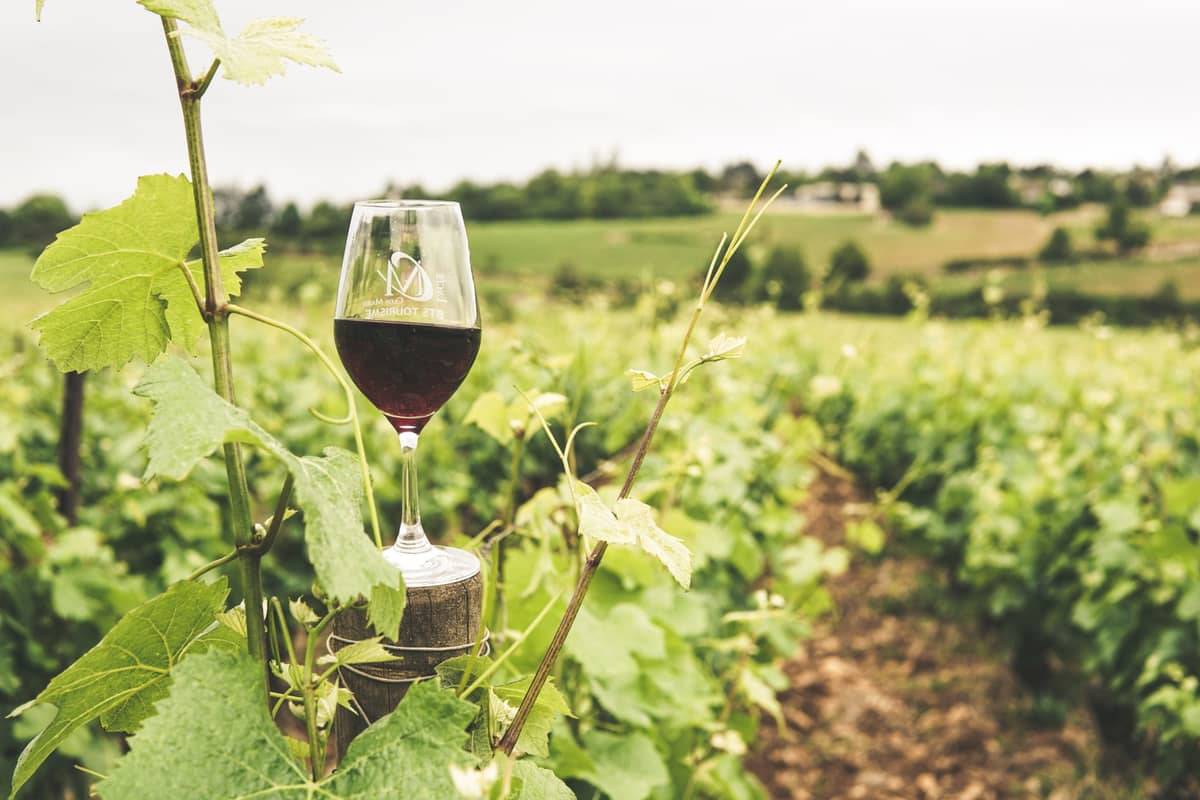
Western Australia produces wine far above its population size would suggest. Margaret River, roughly 270km south of Perth, generates a small percentage of Australia's wine output but a disproportionate share of its premium Cabernet Sauvignon and Chardonnay. It is Perth's home wine region in the same way Napa is to San Francisco — close enough for a weekend road trip, present on every decent wine list in the city. The Great Southern (centred on Mount Barker and Frankland River) produces exceptional Riesling and Shiraz and is less well-known internationally, making it better value on restaurant lists.
The Swan Valley, accessible as a day trip from the CBD, offers cellar doors, microbreweries, and artisan food producers within a 30-minute drive. It is not WA's most serious wine region — the hot, flat valley floor suits fortifieds and sweeter styles better than premium table wine — but it is a genuinely enjoyable food-and-drink day out. OurSwan Valley day trip guidecovers the key stops and route logistics. For the full Margaret River experience, theMargaret River road trip guide is the right starting point.
Perth's craft beer scene has matured significantly in the past decade. Fremantle has several good producers operating taprooms alongside the water. Little Creatures (now nationally distributed but founded here) remains popular for its approachable pale ales. Look also for smaller operations across the northern suburbs and inner city that are not aiming for tourist volume. WA's state-produced spirits — gin in particular — have found a strong local following, and several distilleries now operate cellar-door-style tasting rooms.
✨ Pro tip
When ordering WA wine at a restaurant, ask specifically what's local to the southwest. A wine list that includes multiple Margaret River, Great Southern, and Pemberton labels is a good sign the kitchen is also taking WA produce seriously. Generic national wine lists at tourist-facing restaurants are a red flag for the food as well.
Budget, Mid-Range, and Splurge: Honest Expectations
Perth is not a cheap city to eat in. Australian labour costs and the geographic isolation of WA both push prices above what you might expect compared to Southeast Asian cities or even Sydney and Melbourne for equivalent quality. Budget eating is absolutely possible — Northbridge's Asian restaurants and food courts in the CBD offer filling meals for $15–20 per person — but the celebrated WA seafood and wine experience sits firmly in the mid-range and above bracket.
A mid-range dinner for two with wine at a good Fremantle or Northbridge restaurant will typically run $120–180 AUD all in. Premium seafood-focused restaurants in the city or along the waterfront can easily reach $200–300 for two once lobster is involved. Lunch is generally better value than dinner at the same restaurants. For budget-conscious visitors, the free-to-visitFremantle Marketsfood hall, Perth City Farm's Saturday market, and the takeaway options along the northern beaches strip are the best ways to eat well without significant outlay. OurPerth on a budget guide covers the full picture of eating and travelling cheaply here.
- Budget ($15–25/person): Northbridge noodle bars, CBD food courts, Saturday farmers markets, fish-and-chip shops near northern beaches.
- Mid-range ($50–90/person): Fremantle waterfront restaurants, Subiaco neighbourhood bistros, Swan Valley estate lunches, Leederville wine bars.
- Splurge ($100+/person): CBD fine dining, dockside lobster restaurants, premium degustation menus using WA seasonal produce and matched WA wines.
⚠️ What to skip
Some tourist-facing restaurants at major waterfront locations charge premium prices for seafood that is not as fresh or locally sourced as the menu implies. If a restaurant cannot tell you where its rock lobster or scallops came from, treat that as a reason to look elsewhere. Perth's best seafood often comes from less prominent-looking operations closer to the actual fishing communities.
FAQ
What food is Perth, Western Australia known for?
Perth is most closely associated with Western Australian seafood — particularly rock lobster (locally called crayfish), blue manna crab, and Abrolhos Islands scallops — alongside Margaret River wine, Swan Valley produce, and WA black truffles from the Manjimup region. The food culture reflects WA's geographic isolation and access to exceptional local ingredients.
Where is the best place to eat seafood in Perth?
The Fremantle Fishing Boat Harbour is the most accessible option, with multiple seafood restaurants and takeaways in a working harbour setting. For a more local experience, smaller fish-and-chip shops along the northern beaches between City Beach and Trigg are worth seeking out. Quality varies, so ask what arrived fresh that day before ordering.
Are there good food markets in Perth?
Yes. The Perth City Farm Farmers Market in East Perth runs every Saturday morning (8am–noon April–November; 7:30–11:30am December–March) and focuses on organic and biodynamic WA produce, seafood, and artisan goods. The Fremantle Markets food hall operates on weekends and offers diverse takeaway options from independent vendors. Check current hours before visiting as they can change.
Is Perth expensive to eat out in?
By Australian standards, Perth is moderately expensive. Budget meals are available in Northbridge for $15–25 per person. A mid-range dinner for two with wine typically costs $120–180 AUD. Premium seafood dining, especially with rock lobster, can reach $250–300 for two. Lunch at good restaurants is usually better value than equivalent dinner sittings.
What wine regions are near Perth?
Margaret River is the closest premium wine region, roughly 270km south of Perth and known for world-class Cabernet Sauvignon and Chardonnay. The Swan Valley is much closer (around 30km northeast of the CBD) and better suited to cellar door visits combined with artisan food producers. The Great Southern region further south produces excellent Riesling and Shiraz and is underrated on most international wine lists.
Tickets & tours
Live prices and dates from our booking partner. If you book, we may earn a commission at no extra cost to you.
Planning a trip? Discover personalized activities with the Nomado app.