How to See Quokkas in Perth: The Complete Guide
Quokkas are one of Australia's most recognisable animals, and Rottnest Island is the best place to see them near Perth. This guide covers ferry options, ticket prices, the best time to visit, wildlife rules, and practical tips for making the most of your trip.
Tickets & tours
Live prices and dates from our booking partner. If you book, we may earn a commission at no extra cost to you.
TL;DR
- The only reliable place to see quokkas near Perth is Rottnest Island (Wadjemup), about 19 km offshore.
- Ferries depart from Barrack Street Jetty (Perth CBD), Fremantle, and Hillarys Boat Harbour — prices and journey times vary significantly by departure point.
- Adult same-day return fares range from A$87.50 (Fremantle) to A$135.50 (Perth CBD), and include the island admission fee.
- August to September is the best time to spot quokka joeys; April and May are also highlighted for joey sightings.
- Do not touch or feed quokkas — it is illegal, and fines apply. Proximity is fine; interference is not.
Where to See Quokkas Near Perth
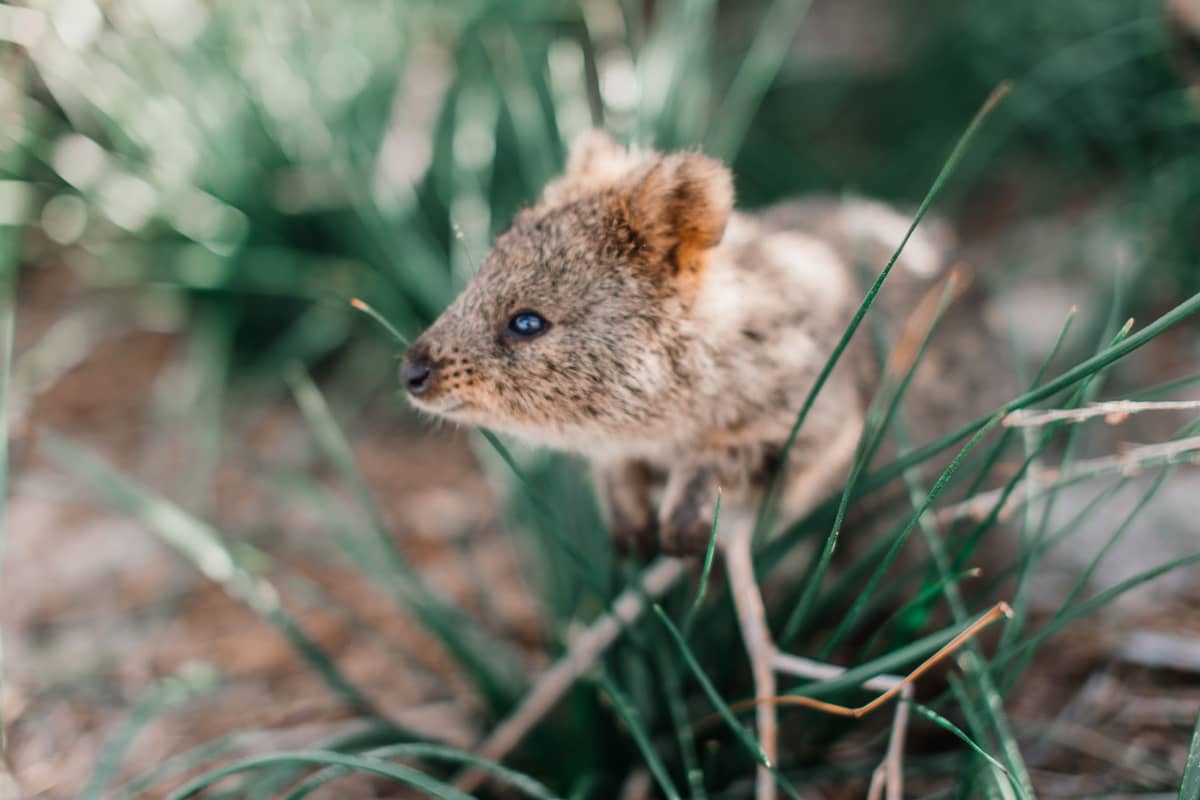
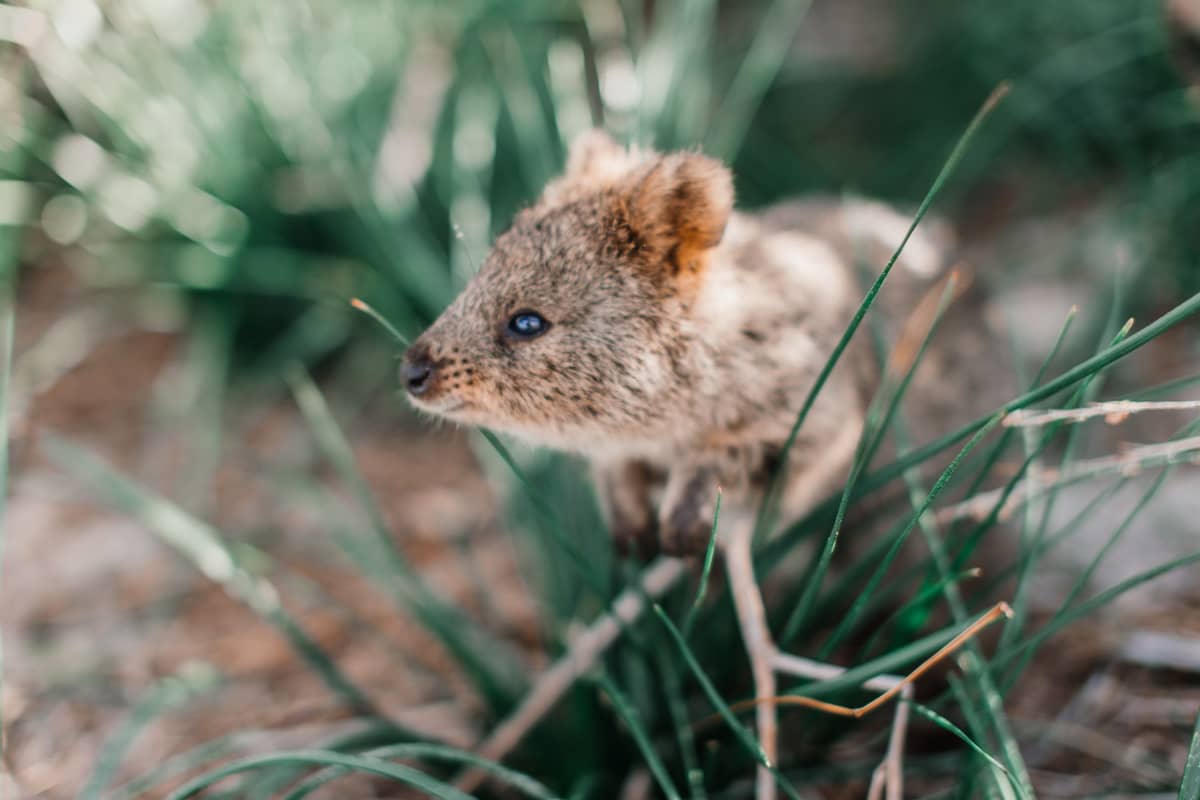
If you are in Perth, Western Australia and hoping to see a quokka, there is really one answer: Rottnest Island. Known by its Noongar name Wadjemup, the island sits about 19 km off the coast of Fremantle and is home to one of the largest and most accessible quokka populations in the world. The animals roam freely across the island, and on a typical visit you will encounter them near the main settlement, around Thomson Bay, and along the paths between landmarks.
Quokkas do exist in small numbers in parts of the mainland and on Bald Island to the south, but those populations are scattered and rarely accessible to visitors. For practical purposes, if you want a genuine quokka encounter during a trip to Perth, plan aday trip out to Rottnest and do not rely on stumbling across them anywhere else.
ℹ️ Good to know
Rottnest Island is a class A nature reserve. Its official name in the Noongar language is Wadjemup. Some ferry operators and island signage use both names. The island lies in the Indian Ocean and is accessible only by ferry or private boat — there is no road link to the mainland.
How to Get to Rottnest Island from Perth
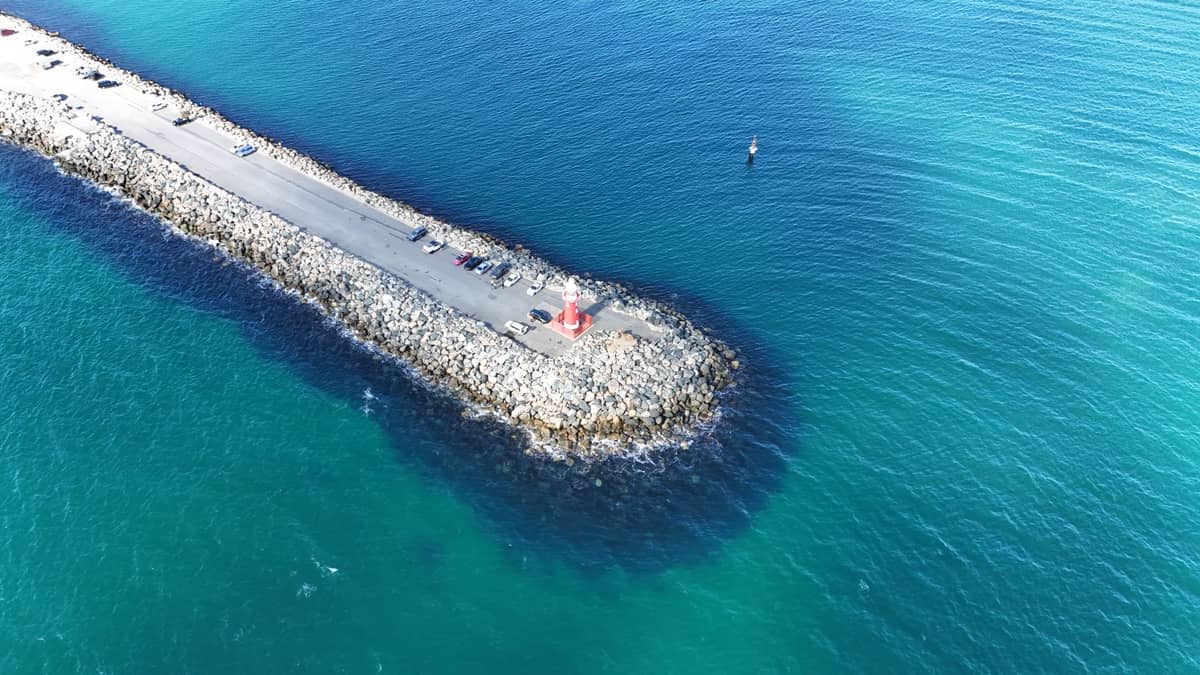
Three main departure points serve Rottnest Island, and the one you choose affects both your travel time and your ticket price. Book ahead regardless of the operator — ferries sell out on weekends and during school holidays, sometimes days in advance.
- Barrack Street Jetty, Perth CBD The longest crossing, around 1 hour 15 minutes each way. Rottnest Express operates this route. Adult same-day return fares are listed at A$135.50, which includes the island admission fee. Valid through 30 June 2027 — confirm current pricing before booking.
- Fremantle The most popular option. Rottnest Express departs from Fremantle ferry terminal, with a crossing time of around 30 minutes. Fares are lower than the Perth CBD route; check the Rottnest Express website for current pricing. Fremantle is easy to reach by train from Perth on the Fremantle Line.
- Hillarys Boat Harbour Served by Rottnest Fast Ferries. Adult same-day return fares are listed at A$95, including admission, for travel from 1 July 2026 to 31 March 2027. Journey time is around 45 minutes. Hillarys is north of the city and less convenient by public transport, but the lower fare can justify a taxi or rideshare from the northern suburbs.
💡 Local tip
If you are already planning to visit Fremantle for its markets or waterfront, combine the two: take the train to Fremantle, catch the 30-minute ferry to Rottnest, spend the day, and return in the late afternoon. It is the most time-efficient route and typically the cheapest from the Perth side.
Fares quoted above include the Rottnest Island admission fee, so you do not pay separately at the gate. All prices are subject to change, so verify directly withFremantle waterfrontoperators or via their websites before booking. Children, concession, and multi-day ticket rates also vary by operator.
Best Time to See Quokkas and Their Joeys
Quokkas are present on Rottnest year-round, so there is no bad time to visit if your only goal is to see one. However, timing your trip around the breeding cycle dramatically increases your chances of something special: a joey peeking out from its mother's pouch.
Quokka joeys typically begin emerging from their mothers' pouches in August and September, which aligns with the tail end of the Perth winter. The Rottnest Island authority specifically promotes winter wildlife experiences, so the quieter, cooler months are underrated for quokka watching.
Summer on Rottnest (December through February) means heat, crowds, and ferry queues. Mean maximum temperatures in Perth reach 31 to 32°C in January and February, and the island offers limited shade outside the settlement. School holiday periods in January are particularly busy. If you visit in summer, go early on your chosen day and bring plenty of water. For a broader look at when to plan your visit,our seasonal guide to Perth breaks down the trade-offs month by month.
- August to September: Best chance to see joeys emerging from the pouch; fewer crowds, cooler temperatures around 18-20°C
- April to May: Autumn conditions are comfortable for cycling around the island
- October to November: Spring wildflowers on the island, mild weather, moderate crowd levels
- December to February: Quokkas present but heat is intense; extremely busy on weekends
- June to July: Quietest period; quokkas active but no joey sightings likely; ferry schedules may be reduced
Wildlife Rules: What You Can and Cannot Do
This is the section that most travel blogs gloss over, and it matters. Quokkas on Rottnest Island look approachable because they are not afraid of people. They have evolved in an environment with few land predators, which makes them curious rather than skittish. That approachability is not an invitation to interact with them as if they were domestic animals.
⚠️ What to skip
Do not touch, feed, or handle quokkas. Feeding them human food can cause serious digestive harm. Touching disrupts their natural behaviour and can lead to bites (quokkas do bite). Both offences can result in fines or prosecution under Western Australian wildlife law. Observe from a respectful distance and let the animal approach on its own terms.
The famous 'quokka selfie' is fine as long as you are not placing food near the animal, grabbing it, or cornering it for a photo. Quokkas often approach visitors naturally, especially near the island's cafes and settlement areas where they have learned that people sometimes drop food. If a quokka approaches you, stay still and let it do so on its own terms. Do not crouch down and reach toward it.
Children in particular should be briefed before arriving. A quokka bite is not trivial and can require medical attention. The animals bite when they feel cornered or when they are reaching for food. Keep snacks in sealed bags and eat at designated areas.
What Else to Do on Rottnest Island
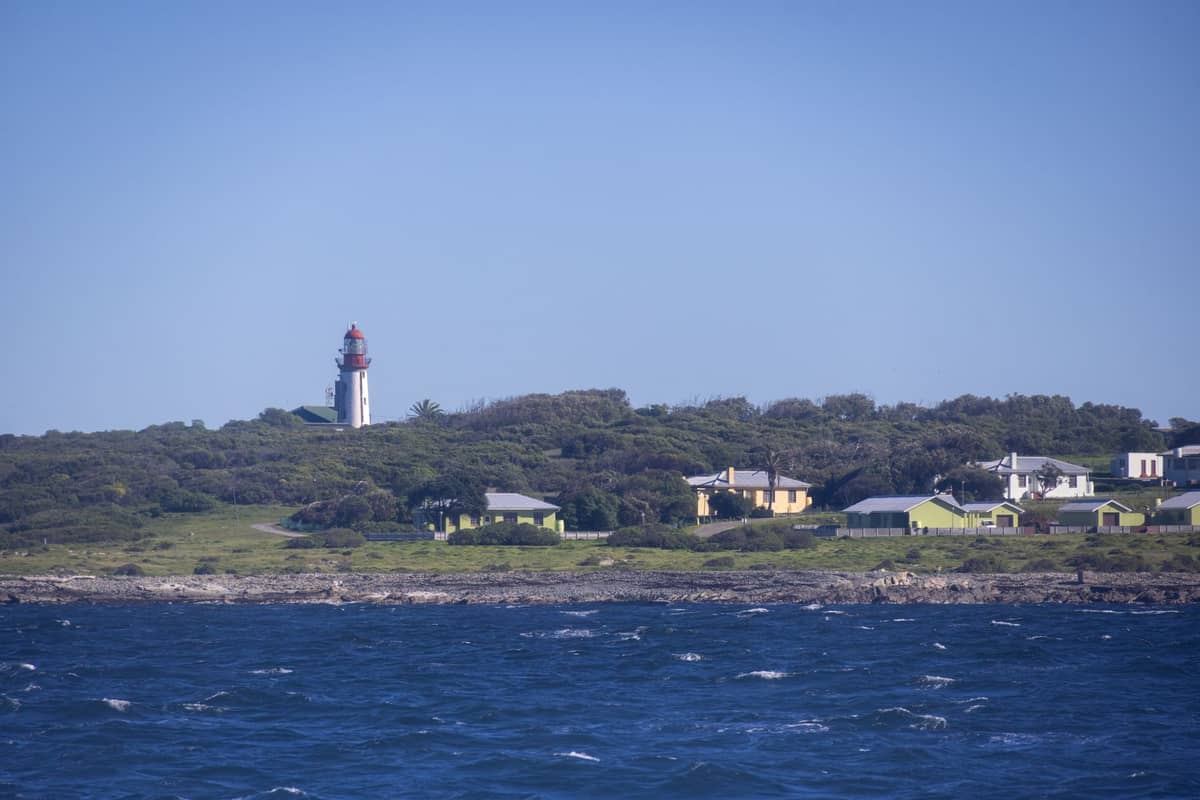
Rottnest Island is small enough to be fully explored in a day but rewarding enough to justify an overnight stay. The island has no private cars; visitors get around by bicycle (rentals are available at the ferry terminal), on foot, or via the island bus service. TheWadjemup Lighthouse is worth the walk for panoramic views, and The Basin is a sheltered swimming spot popular with families.
Snorkelling around the island's reefs is excellent, with surprisingly clear water and accessible marine life. If you are building a broader Perth itinerary, Rottnest pairs well with a morning inFremantlebefore catching the afternoon ferry. Check out theFremantle Markets on a Saturday or Sunday morning, then head to the ferry terminal for your crossing.
✨ Pro tip
Rent a bike at the ferry terminal as soon as you arrive — the best stock goes quickly. A full island loop by bicycle takes around two to three hours at a relaxed pace and puts you in range of multiple quokka sightings well away from the crowds near Thomson Bay. Quokkas further from the settlement are calmer and less conditioned to expect food from visitors.
Practical Tips Before You Go
Perth operates on Australian Western Standard Time (AWST), UTC+8, and Western Australia does not observe daylight saving time. First-time visitors coming from the east coast of Australia often underestimate how different the timezone situation is. For airport logistics, check ourPerth Airport guide for ground transport options from PER.
Currency on the island is Australian dollars (AUD), and most facilities accept card payments. Carry some cash as a backup, particularly for smaller vendors. Sunscreen, a hat, and water are non-negotiable from October through April. For broader trip planning across Perth, thecomplete Perth activities guide covers the city's top experiences beyond the island.
- Book ferry tickets online in advance, especially for weekends and school holidays
- Arrive at the ferry terminal at least 30 minutes before departure with a booking confirmation
- Bring a reusable water bottle — the island has filling stations and hydration is critical in warm months
- Wear closed-toe shoes if you plan to walk or cycle extensively; the terrain away from paved paths is uneven
- Check the ferry operator's baggage policy before packing large items like prams or surfboards
- Australia's emergency number is 000 — save it in your phone before you travel
FAQ
Can you see quokkas on the Perth mainland?
Technically yes, but practically no. Small mainland populations exist in scattered bushland, but they are not accessible or reliable for visitors. Rottnest Island (Wadjemup) is the only realistic option for a guaranteed quokka sighting near Perth.
How much does it cost to visit Rottnest Island to see quokkas?
Ferry fares include the island admission fee. As of the latest listed prices, adult same-day return fares range from around A$95 from Hillarys Boat Harbour (Rottnest Fast Ferries, valid July 2026 to March 2027) to A$135.50 from Barrack Street Jetty in Perth CBD (Rottnest Express, valid through June 2027). Fares from Fremantle sit between these figures. Always verify current pricing with the operator before booking.
What is the best time of year to see quokka joeys?
August and September are the prime months for spotting joeys emerging from the pouch. Outside these periods, adult quokkas are still plentiful on the island year-round.
Is it legal to take a selfie with a quokka?
Yes, selfies are fine as long as you are not touching, feeding, or cornering the animal. Quokkas often approach visitors naturally. Let them come to you, keep food out of sight, and do not reach toward them. Touching or feeding quokkas is illegal under Western Australian wildlife law and can result in fines.
How long should I spend on Rottnest Island?
A full day is the standard visit and gives you enough time to see quokkas, explore by bike, swim at one or two beaches, and have lunch. If you want to snorkel multiple spots or hike to the lighthouse and back, consider an overnight stay. Ferry services allow early departures and late returns to maximise your time on the island.
Tickets & tours
Live prices and dates from our booking partner. If you book, we may earn a commission at no extra cost to you.
Planning a trip? Discover personalized activities with the Nomado app.