Little Salmon Bay, Rottnest Island: The Complete Guide to the Island's Best Snorkel Spot
Little Salmon Bay sits on the quieter south side of Rottnest Island, home to a 700-metre marked snorkel trail through the Parker Point Marine Sanctuary Zone. Sheltered, clear, and genuinely rich in marine life, it rewards the extra effort to get there.
Quick Facts
- Location
- South side of Rottnest Island (Wadjemup), WA — approx. 5 km from Thomson Bay settlement
- Getting There
- Cycle ~25 min from Thomson Bay, or take the Island Explorer bus to Stop 6. Ferries from Perth, Fremantle, North Fremantle or Hillarys reach the island.
- Time Needed
- 1.5–3 hours including travel from settlement, snorkelling, and the walk to Parker Point facilities
- Cost
- No separate entry fee; Rottnest Island admission is included in most ferry packages (verify current prices when booking your ferry)
- Best for
- Snorkellers, marine life lovers, families seeking calm water, and anyone wanting to escape the main beach crowds
What Little Salmon Bay Actually Is
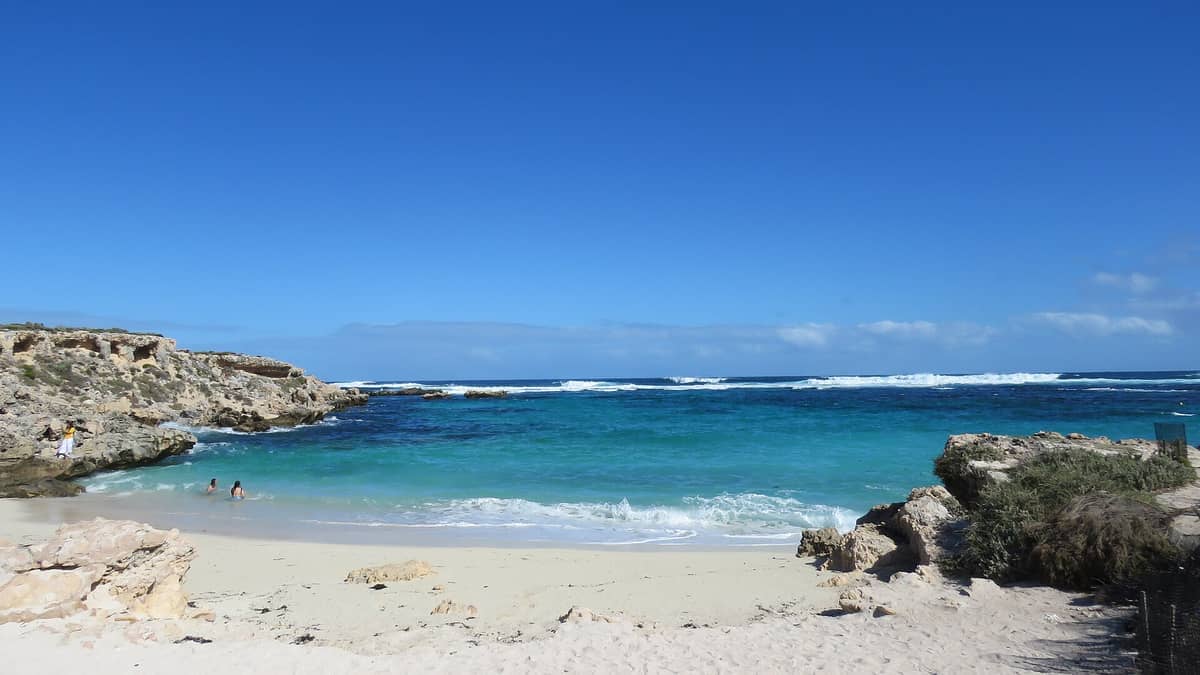
Little Salmon Bay is a small, sheltered cove on the southern coastline of Rottnest Island, the car-free island about 19 kilometres off the Perth coast. While the island has more than 60 beaches, Little Salmon Bay stands apart for one reason: it hosts a purpose-marked snorkel trail, a 700-metre loop marked by ten buoys and underwater information plaques, sitting entirely within the Parker Point Marine Sanctuary Zone. Within that zone, fishing is prohibited and marine life is protected. The water is shallow, generally calm by Indian Ocean standards, and the visibility on a clear morning can be exceptional.
The bay does not have its own facilities. Toilets and basic amenities are at Parker Point, roughly a five-minute walk away. That absence of infrastructure is part of what keeps the bay from getting overwhelmed. There are no kiosk lines, no beach rental operators spreading chairs across the sand. It is, simply, a beach and the sea.
ℹ️ Good to know
The Parker Point Marine Sanctuary Zone prohibits all fishing and the collection of any marine life. This is a legal restriction, not a guideline. Snorkel, look, and leave everything exactly where you found it.
The Snorkel Trail: What to Expect Underwater
The official Little Salmon Bay Snorkel Trail is a marked loop of approximately 700 metres, tracked by ten numbered buoys. For context, that is a comfortable swim for most adults at a relaxed pace, taking around an hour, depending on how long you linger at each buoy. The markers guide you through different reef habitats around the bay's edges, where limestone formations shelter schools of fish, sea urchins, and assorted reef invertebrates. Western Australia's temperate-tropical marine transition zone means the species list is broader than you might expect from a southern-hemisphere beach.
Common sightings on the trail include western blue groper, buffalo bream, and various species of wrasse. The protected status of the sanctuary means populations are stable and fish density is relatively high for a site that sees regular visitor traffic. Expect some seagrass meadows in shallower sections and rocky reef structure as the trail curves around the bay's southern arm.
Snorkel gear is not available for hire at the bay itself. Hire it in advance from Thomson Bay settlement before making the journey out. Several operators near the ferry terminal offer mask, snorkel, and fin sets. If you are travelling in summer (December to February), a rash vest or thin wetsuit top is worth considering — not for warmth but for sun protection during an extended time in the water.
💡 Local tip
Hire your snorkel gear at Thomson Bay before heading out. There is nowhere to borrow or purchase equipment at Little Salmon Bay, and the cycle or bus trip back is not a quick one.
Tickets & tours
Live prices and dates from our booking partner. If you book, we may earn a commission at no extra cost to you.
The Bell Tower chiming experience
From 11 €Instant confirmationFree cancellationPinnacles and Swan Valley Full-day Guided Tour
From 201 €Instant confirmationFree cancellationPerth and Fremantle Guided Tour and Swan River Cruise
From 110 €Instant confirmationFree cancellationPerth and Fremantle Tour in German with Hotel Pickup
From 84 €Instant confirmationFree cancellation
Getting There: The Ride is Part of the Experience
Little Salmon Bay sits more than 5 kilometres from Thomson Bay, the island's main settlement and ferry arrival point. By bicycle, the ride takes roughly 25 minutes on sealed paths that curve along the island's southern edge. The route passes other bays, salt lakes, and the kind of open limestone scrub landscape that defines Rottnest. Bikes are the standard way to get around the island and are available for hire from multiple operators near the ferry terminal.
If cycling is not practical, the Quokka Coaches Island Explorer bus service stops at Stop 6 for access to this area. Check current timetables with the island operators before your visit, as services can vary by season. For more on planning your time on the island, theRottnest Island travel guide covers ferry routes, bike hire, and what to prioritise across a day or overnight stay.
Ferries to Rottnest Island depart from Perth City, Fremantle, North Fremantle, and Hillarys Boat Harbour. Journey times and prices vary by departure point and operator. The island's admission fee is generally collected as part of the ferry booking, but you should confirm the current structure when purchasing your ticket, as pricing arrangements can change.
⚠️ What to skip
Ferry schedules vary by season and are subject to weather. Do not plan a tight itinerary that depends on a specific crossing. Check schedules at rottnestisland.com/visit/getting-here/by-ferry before your visit.
When to Visit and How the Bay Changes Through the Day
The clearest water and calmest conditions at Little Salmon Bay tend to occur in the morning, before the sea breeze picks up. Rottnest Island is exposed to the prevailing south-westerly Fremantle Doctor, the afternoon wind that sweeps in most days from late spring through summer. On the south side of the island, this wind can stir up surface chop in the afternoon, reducing snorkel visibility and making the swim less comfortable. Arriving at the bay before midday makes a noticeable difference.
In terms of season, summer (December to February) brings the longest days and warmest water temperatures, which suits snorkelling but also brings the largest crowds to the island overall. Spring (September to November) and autumn (March to May) offer a good balance: the water is still warm enough for extended swimming, the wind is less predictable but often gentler, and the island is quieter. Winter visits are possible but the water is cold, the days are short, and the ferry schedule can be reduced.
The bay sits on the southern coast, which means it catches direct sun in the middle of the day but can be shadowed earlier and later. Mornings in autumn and spring are especially pleasant: the light is lower, the colours in the water shift to deeper blues and greens, and the crowds from the main beaches have not yet filtered out this far. If you are visiting Rottnest with a full day, consider pairing Little Salmon Bay with theThe Basin in the afternoon, as the two bays offer quite different water characters.
Context: Parker Point Marine Sanctuary and What It Means for Visitors
Little Salmon Bay falls within the Parker Point Marine Sanctuary Zone, one of several protected marine areas around Rottnest Island. Sanctuary zones are the highest level of marine protection on the island. In practical terms, this means no fishing and no collection of plant or animal life. These rules apply to all visitors regardless of whether they know about them, so it is worth understanding them before entering the water.
The protection status has a direct effect on the snorkelling experience. The sanctuary protects the marine life in this area, making it a worthwhile place to observe reef fish while snorkelling.
Rottnest Island as a whole has significant ecological and cultural importance. The island is known as Wadjemup, its Noongar name. It is also famous for its quokka population, a small marsupial found almost nowhere else. If wildlife is a priority on your trip, theguide to seeing quokkas on Rottnest explains where and when to spot them without disrupting their behaviour.
Practical Notes: What to Bring and What to Know
There are no facilities at Little Salmon Bay itself. Bring everything you need before leaving the settlement: water, food, sunscreen, and snorkel equipment. Parker Point is a five-minute walk away and has some facilities, but do not rely on finding supplies there. The sun on Rottnest is intense, particularly in summer, and the reflective quality of the water amplifies UV exposure. A high-factor sunscreen, reapplied before entering the water, and a shirt for snorkelling are not optional luxuries.
The bay's sand is fine and pale, and the entry into the water is generally shallow and sandy rather than rocky, which makes it manageable for children and less confident swimmers. However, the snorkel trail itself takes you into deeper water around the reef edges, so it is not appropriate for very young children unless they are in the company of strong swimmers. Water shoes are useful for the initial entry over any rocks.
For photography, an underwater camera or waterproof phone case pays off here more than at most island beaches. The fish density near the buoys is high enough that patient floating will bring subjects to you. Above the waterline, the limestone cliffs and scrubland behind the bay are worth shooting in the golden light of early morning. If broader landscape photography on the island interests you, theWadjemup Lighthouse is accessible on the same cycling loop and offers elevated views across the island.
💡 Local tip
There is no shade at Little Salmon Bay. If you are visiting in summer, plan your time at the bay to coincide with the morning before the sun is directly overhead, or bring your own shade in the form of a beach umbrella.
Who Should Think Twice Before Making the Trip
If your priority is beach amenities, Little Salmon Bay will disappoint. There are no cafes, no rentable equipment on site, no lifeguards, and no shade structures. Visitors who want a full-service beach experience are better served by staying closer to Thomson Bay, where the main facilities are concentrated.
The 5-kilometre ride or bus journey is not a hardship, but visitors with limited mobility should know in advance that the official sources do not confirm wheelchair access to the bay. The bus is a more accessible option than cycling, but the beach and trail access from the stop involves uneven ground. If accessibility is a specific concern, contact the Rottnest Island Authority directly before planning your visit around this location.
Non-swimmers who cannot snorkel will find the bay pleasant enough as a quiet beach, but there is little to do without entering the water. For non-swimming visitors who want to appreciate the island's nature, thequokka spotting guide or a loop around the island's salt lakes may be more rewarding uses of time.
Insider Tips
- Hire snorkel gear the moment you arrive at Thomson Bay, before doing anything else. Equipment hire operators can run low on sizes during busy periods in summer, and there is nowhere to gear up once you are at the bay.
- Follow the numbered markers around the loop to explore the reef habitats.
- Bring a dry bag. The 25-minute bike ride with wet gear and towels is significantly more comfortable if your valuables are sealed away and your towel is not soaking through your backpack.
- The bus (Island Explorer, Stop 6) runs on a fixed loop schedule. Check the departure times before leaving the bay so you do not miss it and face a long walk back — and note the last service of the day, which is earlier than you might expect.
- If you see quokkas near the bay area, observe from a distance and do not offer food. Feeding quokkas is illegal on Rottnest Island and carries fines. They are curious enough to approach on their own.
Who Is Little Salmon Bay For?
- Snorkellers of any skill level, from first-timers to experienced underwater explorers
- Families with children who are confident swimmers and old enough to follow the trail
- Wildlife enthusiasts wanting close encounters with reef fish in a protected environment
- Photographers seeking underwater shots without needing specialist dive equipment
- Visitors who have already covered the main Thomson Bay beaches and want to see a different side of the island
Nearby Attractions
Other things to see while in Rottnest Island (Wadjemup):
- The Basin
The Basin is a natural, reef-sheltered swimming and snorkelling area on Wadjemup / Rottnest Island, roughly a 10-minute walk north of the Thomson Bay ferry terminal. Its calm, clear water draws day-trippers and overnight visitors alike, and its proximity to the main settlement makes it one of the easiest beaches on the island to reach without a bike.
- Wadjemup Lighthouse
Standing atop Wadjemup Hill, the Wadjemup Lighthouse is Rottnest Island's most recognisable structure and its highest point. The 38-metre limestone tower, completed in 1896, rewards visitors with sweeping 360-degree views across the Indian Ocean and the island's bays. It is also a place where colonial maritime history and complex Indigenous heritage meet in one striking location.
Planning a trip? Discover personalized activities with the Nomado app.