Is Perth Safe? A Practical Safety Guide for Visitors
Perth, Western Australia ranks among Australia's safest major cities, but smart travel still requires knowing which beaches are patrolled, which areas to avoid at night, and how to navigate the city without getting caught out. This guide covers everything a visitor needs.
Tickets & tours
Live prices and dates from our booking partner. If you book, we may earn a commission at no extra cost to you.
TL;DR
- Perth, Western Australia is generally a safe destination with low rates of violent crime against tourists.
- The main risks are environmental: rip currents at beaches, extreme summer heat, and UV exposure.
- Northbridge is Perth's main nightlife district and worth visiting, but exercise standard late-night caution; see the full Perth nightlife guide for specifics.
- For emergencies, call 000 (police, fire, ambulance); for non-emergency police, call 131 444.
- Public transport via Transperth is safe and reliable; from 1 January 2026 a standard Go Anywhere fare is $3.50. Checkgetting around Perth for full transport details.
How Safe Is Perth for Tourists?
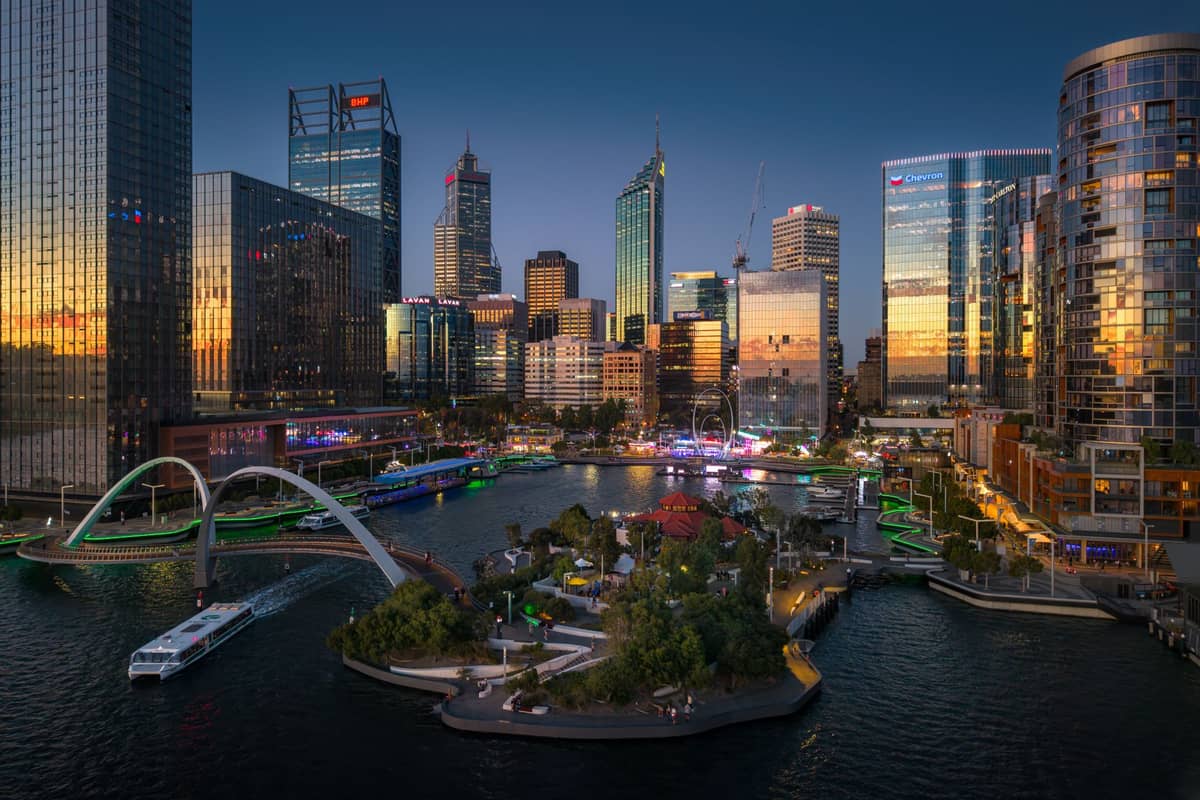
Perth is one of the safest large cities in Australia. With a Greater Perth population of just over 2.1 million (2021 Census), it functions at a scale that avoids the concentrated crime pressure of Sydney or Melbourne's denser inner suburbs. Violent crime against tourists is rare. Petty theft, bag snatching, and opportunistic scams are far less common here than in comparable cities in Europe or Southeast Asia.
That said, no city is risk-free. Perth's safety record is strongest in its daytime city centre, coastal suburbs, and cultural precincts. The risk profile shifts after midnight in entertainment areas, in isolated car parks, and at unpatrolled beaches, which is where most visitor incidents actually occur. Understanding those specific contexts matters more than a blanket safety rating.
ℹ️ Good to know
Australia's emergency number is 000 for police, fire, and ambulance. For non-emergency police assistance in Western Australia, call 131 444. Save both numbers before you arrive.
Neighbourhood Safety: Where to Be Alert
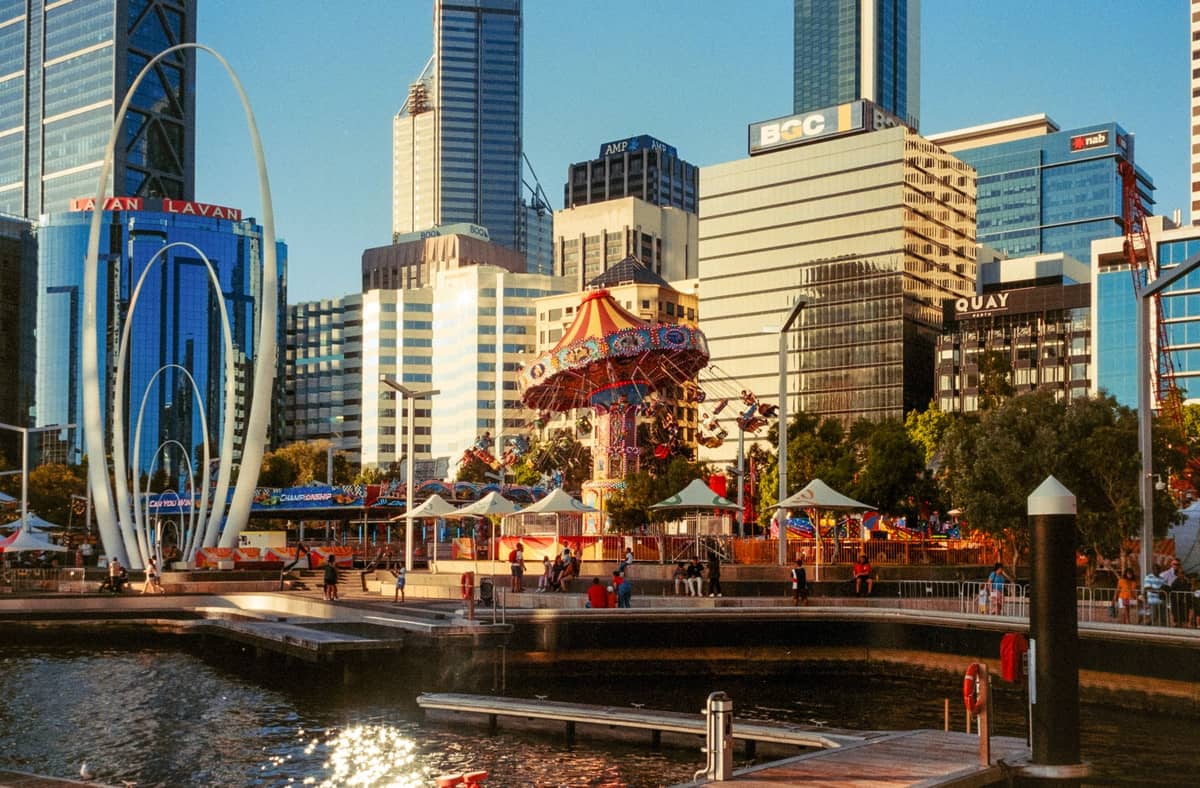
The Perth CBDis safe during the day and early evening. The city centre empties out quickly on weeknights, which can feel isolating rather than dangerous, but it means fewer people around if something does go wrong. Yagan Square and Elizabeth Quay draw steady foot traffic into the evening and are well-lit and monitored.
Northbridge, immediately north of the CBD, is Perth's main dining, bar, and club district. During daylight hours and early evenings it is perfectly comfortable. After midnight on Fridays and Saturdays, alcohol-fuelled friction occasionally surfaces around the strip on William and Newcastle streets. Stay in well-lit areas, avoid confrontations, and use a registered taxi or rideshare rather than walking long distances alone late at night.
Fremantleis relaxed and very visitor-friendly. The area around the Fremantle Markets and Fishing Boat Harbour is busy and safe. Pockets further from the main tourist strip can feel more marginal at night, but serious incidents involving tourists are uncommon.Cottesloe and Scarborough are coastal residential suburbs with low crime rates and a calm atmosphere.
- Perth CBD Safe day and evening. Quieter at night than you might expect for a capital city; stick to lit main streets if walking late.
- Northbridge Great for dinner and early drinks. Exercise standard caution after midnight on weekends.
- Fremantle Low risk and very tourist-friendly; the port and market areas are consistently well-trafficked.
- Cottesloe and Scarborough Residential beach suburbs with minimal crime. Main concern is environmental safety at the beach, not people.
- Kings Park Very safe during daylight. Avoid isolated paths after dark, as with any large urban park.
Beach Safety: The Biggest Real Risk for Visitors
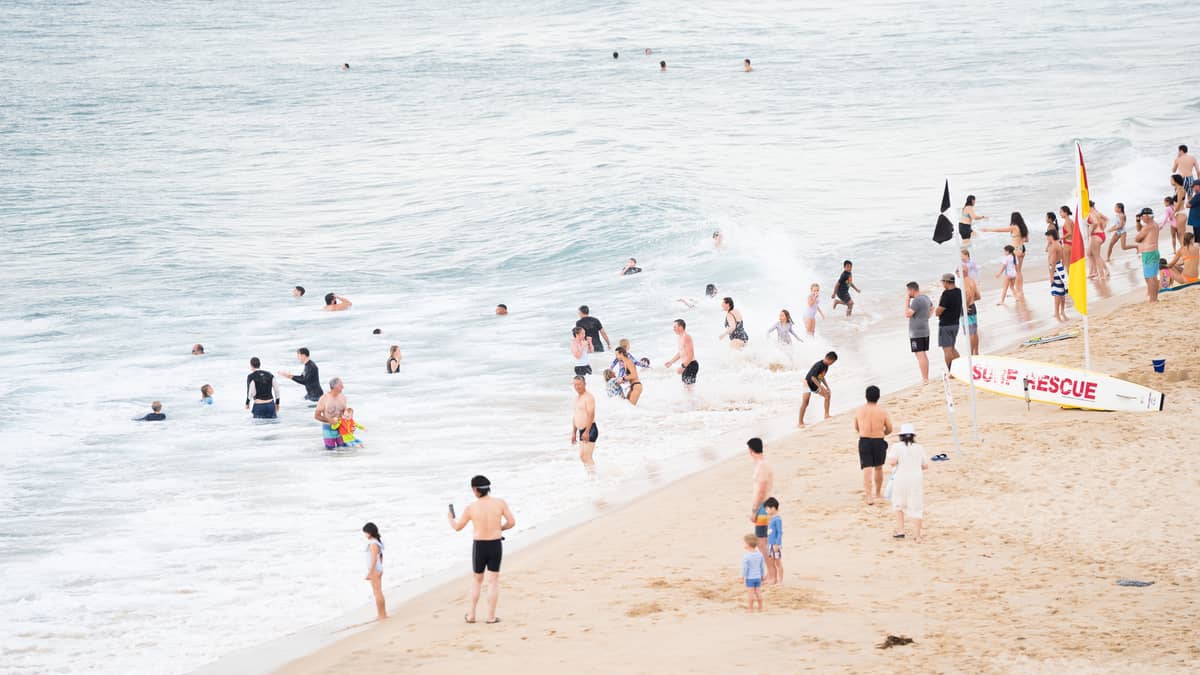
If there is one area where Perth presents genuine danger to visitors, it is the ocean. Perth's Indian Ocean beaches are beautiful and heavily used, but rip currents are a consistent hazard all year round. Rips are fast-moving channels of water that pull swimmers away from shore; they are responsible for the majority of drowning deaths on Australian beaches, and they are not always visible to an untrained eye.
Always swim at patrolled beaches, between the red and yellow flags. Surf Life Saving WA patrols major beaches includingCottesloe Beach, Scarborough Beach, and City Beach on weekends, public holidays, and during peak summer periods. Patrol hours vary by season, so check current schedules on the Surf Life Saving WA website before heading to the water.
⚠️ What to skip
If you get caught in a rip current, do not swim against it. Float on your back, conserve energy, and signal for help by raising one arm. Swim parallel to the shore to exit the rip, then angle back to the beach. This is the advice of Surf Life Saving WA and it saves lives.
- Swim only between the red and yellow flags at patrolled beaches.
- Check posted beach condition signs before entering the water; ratings change daily.
- Perth's UV index is extreme during summer (December to February). SPF50+ sunscreen, reapplied every two hours, is not optional.
- Sharks are present in Western Australian waters. Perth beaches occasionally close due to shark sightings; always observe closure signs and alerts from Surf Life Saving WA.
- Ocean water temperatures average around 22-24°C in summer and 18-20°C in winter, so hypothermia is not a primary concern, but fatigue in rough conditions is.
- At unpatrolled beaches, conditions can change rapidly. Ask a local lifesaver if you are unsure.
Getting Around Safely: Transport and Navigation
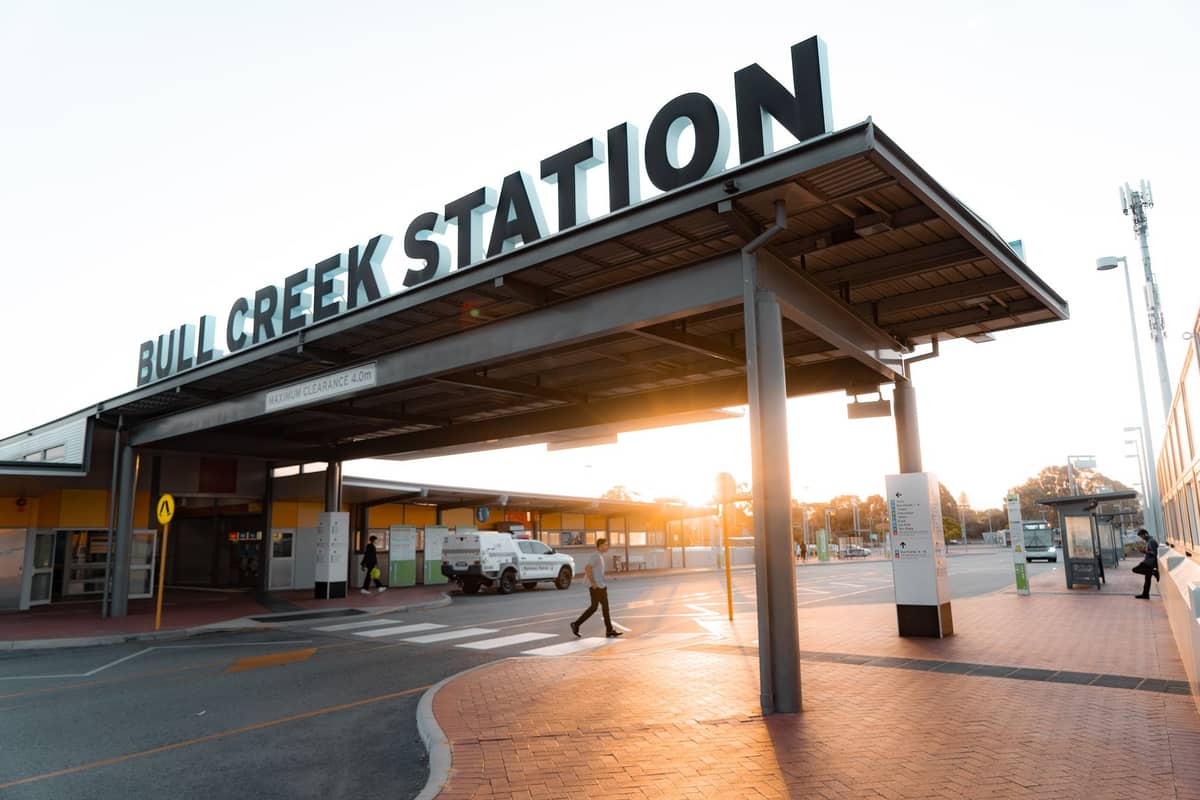
Perth's Transperth public transport network covers trains, buses, and ferries. It is well-maintained, staffed, and generally considered safe to use at most hours. Train stations have emergency help buttons on platforms and carriages; use them if you feel unsafe or witness an incident. Security personnel patrol the network, particularly on the major lines into the CBD and toward Fremantle.
Perth's free CAT (Central Area Transit) buses operate on five colour-coded routes through the inner city (Blue, Green, Purple, Red, and Yellow) and are an excellent option for daytime sightseeing without needing to understand the fare system. They typically run every 5-15 minutes depending on the route and time of day. Note that the Surf CAT, connecting Stirling Station to Scarborough Beach, runs approximately every 10 minutes and is also free.
From 1 January 2026, a standard Transperth Go Anywhere fare costs $3.50 and covers up to three hours of travel across the network. A DayRider pass is $7 and provides unlimited travel for the day. Always verify current fares on the Transperth website before travelling, as pricing and conditions can change. A common misconception: CAT buses are genuinely free, but the Free Transit Zone for trains and regular buses has ticketing requirements and applies only to qualifying trips within the zone. Tag on and off with a SmartRider card to avoid infringement notices.
💡 Local tip
Airport Central Station connects to Perth Station in approximately 18 minutes by train. However, Terminals 3 and 4 at Perth Airport are not served by the rail station at Redcliffe; take bus 292 between those terminals and the station. Confirm current arrangements with Perth Airport before travel, as terminal logistics can change.
For late-night travel, registered taxis and rideshare services are the safest option in Perth. Avoid unmarked vehicles offering rides outside clubs or bars. If you are planning a full day out,the getting around Perth guide covers Transperth fares, the SmartRider card, ferry routes, and regional connections in detail.
Environmental and Health Hazards
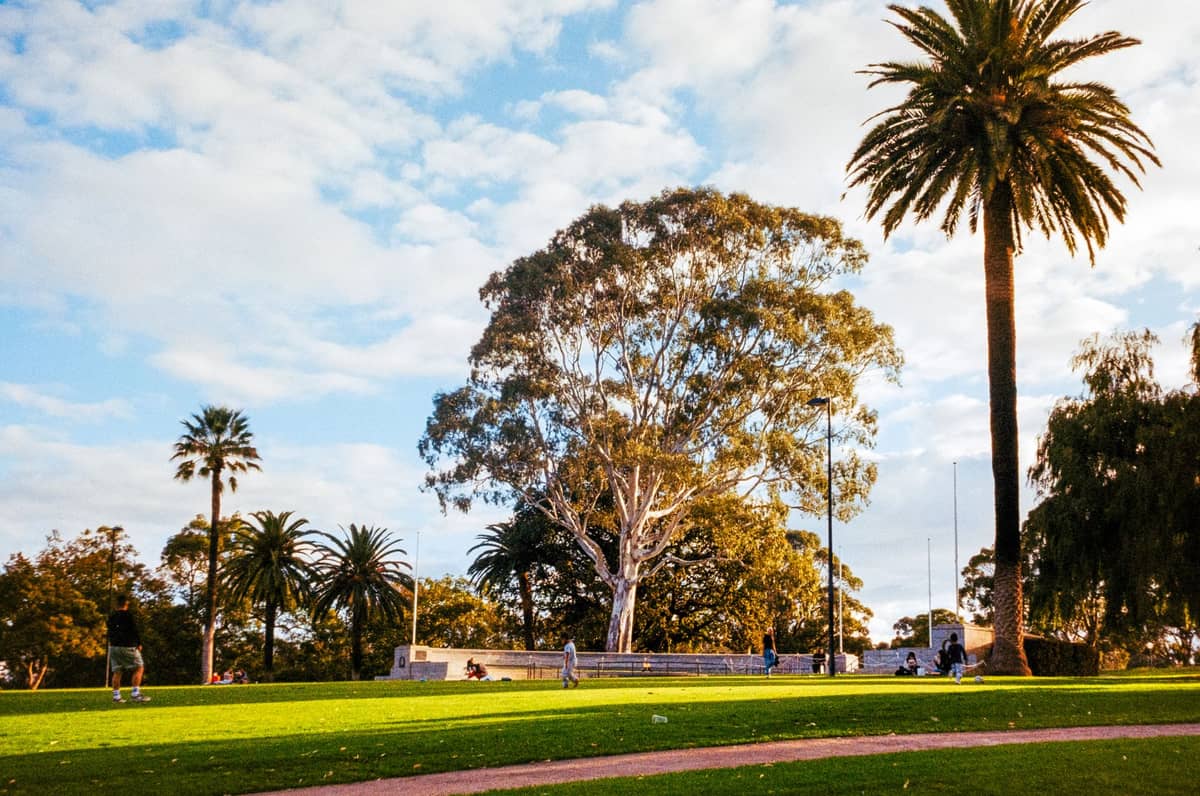
Perth's Mediterranean climate delivers hot, dry summers and mild winters. Mean maximum temperatures in January and February sit around 31-32°C, according to Bureau of Meteorology long-term averages. On extreme heat days, the mercury can push well above 40°C, which represents a genuine health risk for people who are not acclimatised. Heat exhaustion and sunburn are among the most common reasons visitors seek medical attention during summer in Western Australia.
Plan outdoor activities for early morning or late afternoon during summer.Kings Parkand the botanic garden are best walked before 10am in January and February. Carry at least 1-1.5 litres of water per person for any outing lasting more than an hour. Perth's treated tap water is safe to drink, so refilling a bottle is free and practical.
- Sun protection: SPF50+ sunscreen, UV-blocking sunglasses, and a hat are essential from September through April.
- Hydration: Dehydration accelerates quickly in Perth's dry heat, particularly on days with low humidity and a northerly wind.
- Wildlife: Dugites (venomous snakes) are present in bushland and occasionally suburban areas. If hiking, wear closed shoes and watch where you step. Do not handle any snake you encounter.
- Spiders: Redback spiders are common in Perth gardens and dry sheltered spots. Shake out shoes and clothing left outdoors. Antivenoms are widely available at hospitals.
- Bushfire smoke: During summer and in dry autumn conditions, smoke from bushfires in the Perth Hills or further inland can reduce air quality. Check the Department of Fire and Emergency Services (DFES) website for current alerts.
Practical Safety Essentials Before You Go
Travel insurance is strongly recommended for any trip to Australia. The Australian public health system does not cover most foreign visitors for free, and medical costs can be significant. Reciprocal healthcare agreements exist with a limited number of countries, so check whether your country of residence has an agreement with Australia before assuming any coverage.
Australia's visa requirements vary by nationality and travel purpose. Do not assume visa-free entry. Check the Australian Department of Home Affairs website well before booking. Perth Airport (IATA: PER) is the main international gateway;the Perth airport guide covers arrivals, transport connections, and terminals in detail.
Australia uses Type I power plugs and runs on 230V/50Hz. If your devices use a different plug type or voltage, bring a compatible adapter and check your charger's voltage rating before plugging in. Tipping is not obligatory in Perth; it is appreciated but not expected, and you will never be chased down for not leaving one.
✨ Pro tip
Register your trip with your country's foreign affairs or consular service before travelling. In the event of a major emergency, evacuation, or natural disaster, registration makes it significantly easier for your government to contact and assist you.
FAQ
Is Perth safe for solo female travellers?
Generally yes. Perth's low violent crime rate, well-lit public spaces, and reliable public transport make it more comfortable than many comparable cities. Standard precautions apply at night in Northbridge: avoid walking alone in isolated areas after midnight, use registered taxis or rideshare apps, and trust your instincts. The daytime city, beaches, and most suburban areas present minimal concern.
What are the most dangerous areas in Perth?
Perth does not have zones that tourists should categorically avoid. Certain areas, including parts of Northbridge late at night and some outer suburbs further from the tourist precinct, have higher rates of property crime and alcohol-related incidents. These are manageable with standard awareness rather than requiring you to stay away entirely. No Perth neighbourhood approaches the risk profile of genuinely unsafe urban areas found in other parts of the world.
Is it safe to swim at Perth beaches?
Yes, provided you follow the rules. Swim between the red and yellow flags at patrolled beaches, check daily beach condition signs, and never swim alone or at unpatrolled beaches if you are unfamiliar with rip currents. Surf Life Saving WA patrols key beaches including Cottesloe, Scarborough, and City Beach during peak periods. Shark alerts are broadcast via the SharkSmart app and on-beach sirens; always comply with closures.
Is Perth safe at night?
The city centre and most inner suburbs are safe at night for people exercising normal caution. Northbridge is busiest and most energetic on Friday and Saturday nights, and the atmosphere is generally good, though alcohol-related incidents do occur. Use designated transport options rather than walking long distances after dark, keep your phone and valuables out of sight, and avoid engaging with people who seem agitated or intoxicated.
What is the emergency number in Perth?
Call 000 for police, fire, or ambulance emergencies anywhere in Australia, including Perth. For non-emergency police matters in Western Australia, call 131 444. Perth's Transperth stations and trains also have emergency help points if you need assistance while using public transport.
Tickets & tours
Live prices and dates from our booking partner. If you book, we may earn a commission at no extra cost to you.
Planning a trip? Discover personalized activities with the Nomado app.