Thonburi sits on the west bank of the Chao Phraya River, directly opposite Bangkok's historic core. Once the capital of Thailand in its own right, it retains a slower, more authentically local character than almost anywhere else in the city, with working canals, riverside temples, and neighborhoods that see few foreign visitors.
Thonburi is the other Bangkok: the one that existed before Rattanakosin was built, and the one that carries on largely indifferent to the tourist economy concentrated across the river. Its canals, temple compounds, and morning markets operate on rhythms that have changed less in the past fifty years than almost anywhere else in the city.
Orientation
Thonburi occupies the entire west bank of the Chao Phraya River in central Bangkok, running from the industrial port areas in the south up through the old royal quarter near Santa Cruz church to the expressway interchanges in the north. Its eastern boundary is the river itself. To the west and south, it dissolves into the broader Bangkok Noi and Bangkok Yai districts before eventually giving way to outer suburbs and the neighboring province of Samut Sakhon.
Most visitors encounter Thonburi through its river-facing edge: the ferry piers, the Chao Phraya Express Boat stops, and the skyline of temples visible from the Rattanakosin side. But the neighborhood's real geography runs west, along a network of khlongs (canals) that branch off the Chao Phraya like tributaries. Khlong Bangkok Noi and Khlong Bangkok Yai are the two main arterial canals, and the communities along them remain some of the most intact examples of traditional Thai canal-side life anywhere in greater Bangkok.
For orientation purposes, most travelers use Thonburi as the umbrella term for what Bangkok's administrative geography splits into several sub-districts. The area immediately opposite Rattanakosin's historic core is where the majority of sightseeing is concentrated, anchored by Wat Arun and the surrounding riverside strip. Further inland, the neighborhoods become progressively quieter and more residential.
Character & Atmosphere
The difference between Thonburi and central Bangkok is immediate and physical. Step off the cross-river ferry at Wat Arun pier and within two minutes of walking away from the riverfront, the souvenir stalls give way to narrow lanes lined with old wooden shophouses, spirit houses at every gate, and motorcycles weaving past school children. The tourist infrastructure thins out fast here in a way that it simply does not in Sukhumvit or Silom.
Mornings in Thonburi are its most alive hours. Canal-side markets set up before dawn, monks collect alms along the older residential sois, and the river traffic peaks as longtail boats ferry workers and students across the Chao Phraya. The light is soft and golden before nine o'clock, and the smell of fresh rice congee and charcoal-grilled pork drifts from shopfront kitchens that have been in the same families for generations.
By midday, the residential interior goes quiet in the heat. The riverfront remains active with tour groups visiting Wat Arun, but two or three streets in, you can walk for long stretches without passing another foreign visitor. Afternoons are for the canals: the light turns amber on the water, wooden houses lean over the khlongs on stilts, and small boats still use the waterways for local transport in a way they no longer do on Bangkok's main roads.
After dark, Thonburi is calm rather than lively. It lacks the night-market economy of Yaowarat or the bar-street culture of Khao San Road. Restaurants and food stalls along the main roads stay open late, and the riverfront near Wat Arun has developed a handful of atmospheric bar-restaurants, but visitors looking for nightlife will find the area quiet by ten o'clock in most parts.
ℹ️ Good to know
Thonburi's canal neighborhoods can feel disorienting because they were built around water, not roads. Streets dead-end at canals, addresses are irregular, and Google Maps often misses the small footpaths that connect sois. Give yourself extra time when navigating on foot away from the riverfront.
What to See & Do
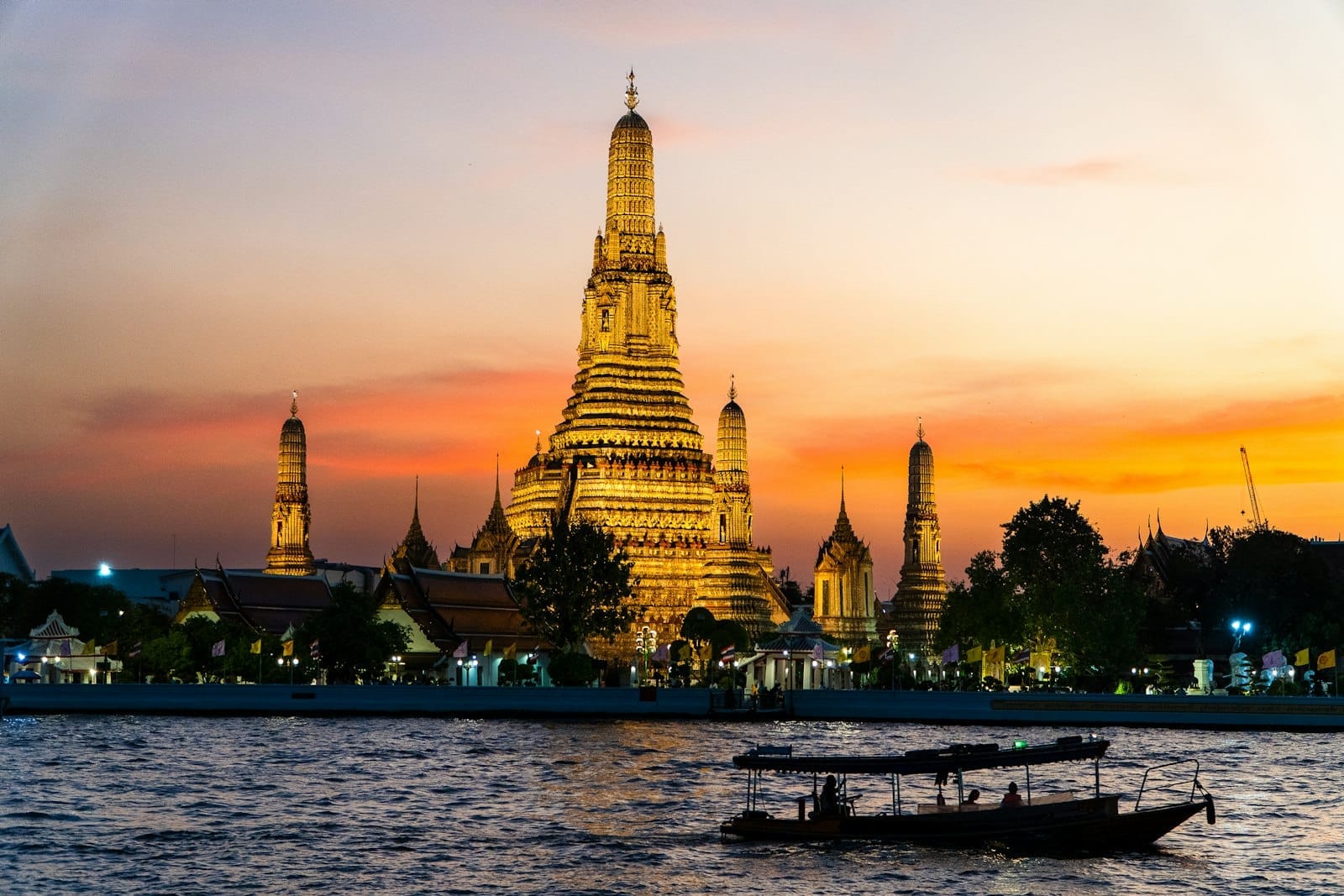
The single most visited sight in Thonburi is Wat Arun, the Temple of Dawn, whose 82-meter prang rises above the river in a profile that appears on half the postcards sold in Bangkok. The temple is best seen from the Rattanakosin side at dusk, when the setting sun catches its porcelain tile mosaic, but it is worth crossing to walk the base, climb the steep central prang steps, and see the river from the temple's own perspective. Arrive before nine in the morning to beat the tour groups.
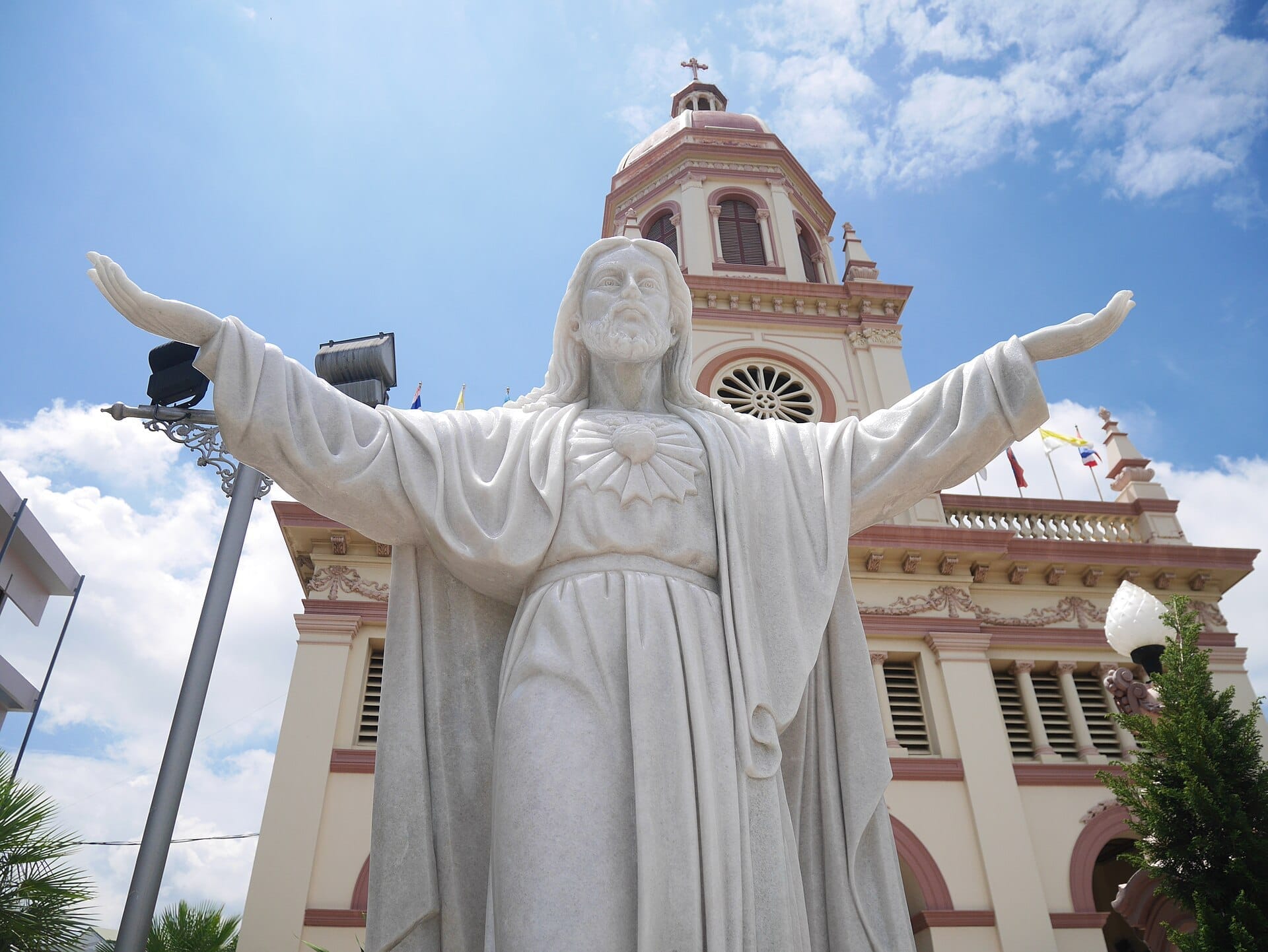
A short walk north along the riverfront brings you to the Kudi Chin quarter, one of Bangkok's most historically layered communities. This small neighborhood, also called Kudeejeen, was settled by Portuguese traders and missionaries in the late 18th century and later became home to Mon, Chinese, and Vietnamese communities alongside the original Catholic settlers. Santa Cruz Church still stands here, and the neighborhood has a genuinely distinct character from the Thai-Buddhist norm. Local bakeries in Kudi Chin are known for their kanom farang, a Portuguese-influenced egg custard cake that has been made here for over two hundred years.
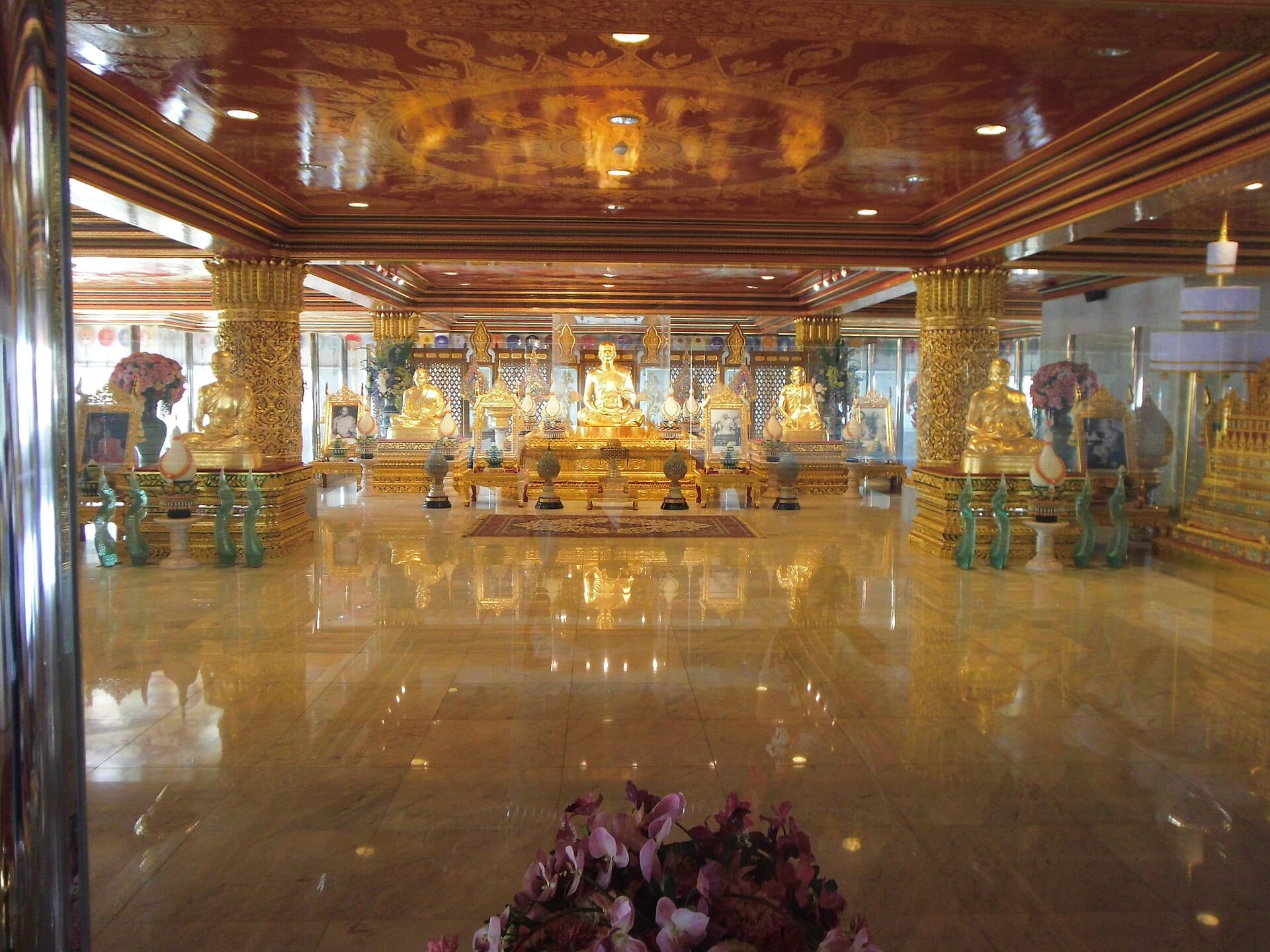
Further into the interior, the canal network is Thonburi's most compelling experience. Taking a longtail boat tour through Khlong Bangkok Noi and Khlong Bangkok Yai gives access to Wat Paknam Phasi Charoen, a major temple complex known for its five-story glass pagoda housing an enormous green crystal Buddha. The interior murals depicting Buddhist cosmology, painted across the ceiling of the chedi, are among the most ambitious pieces of Buddhist art created in Bangkok in recent decades. Canal tours typically also pass the Royal Barges National Museum, where the ornate ceremonial vessels used in the royal kathin processions are dry-docked and open for viewing.
Wat Arun: best climbed early morning before heat and crowds
Kudi Chin quarter: historic multicultural community with Santa Cruz Church and Portuguese-heritage bakeries
Khlong Bangkok Noi and Bangkok Yai: canal boat routes through intact residential waterways
Royal Barges National Museum: the king's ceremonial fleet, rarely seen by casual visitors
Wat Paknam Phasi Charoen: the glass pagoda is one of Bangkok's more extraordinary temple interiors
Talat Phlu: local market neighborhood with old shophouse streets, reachable by BTS
💡 Local tip
Private longtail boat tours from Tha Chang or Maharaj pier typically cost 1,200 to 1,800 baht per hour and cover more canal ground than the fixed public routes. Negotiate the route in advance and ask to stop at specific temples rather than taking the driver's default circuit.
Eating & Drinking
Thonburi is one of Bangkok's best areas for eating without a tourist markup. The Bangkok street food culture here runs deep, and because the neighborhood is primarily residential, most of the best stalls are cooking for local workers and families rather than visitors. The riverside strip near Wat Arun has restaurants with obvious tourist pricing and river views, but two streets back from the water, the economics change entirely.
The canal-side communities along Khlong Bangkok Yai have small floating and morning markets where vendors sell fresh coconut milk, boat noodles, fried dough, and grilled meat on skewers directly from the water. These markets operate roughly from five to nine in the morning and are aimed entirely at local residents doing their daily shopping. The food is cheap, the portions are generous, and the setting is unlike anything you will find in the tourist-facing districts.
Kudi Chin remains the place to seek out kanom farang, the eggy, slightly caramelized Portuguese cakes that have been baked in this neighborhood for centuries. Several small bakeries near Santa Cruz Church still make them by hand. The neighborhood also has a number of Thai-Chinese rice porridge shops that open before six in the morning and form the social center of the local community.
For drinks, the riverfront has evolved a small strip of bar-restaurants between the ferry piers and Wat Arun that offer cold beer and cocktails with unobstructed views of the Grand Palace and Wat Phra Kaew on the opposite bank. These are pleasant at sunset and not excessively priced by Bangkok standards. They are, however, as touristy as Thonburi gets. Elsewhere, the drinking culture is local: open-air beer gardens attached to restaurants, convenience store seating, and the occasional karaoke bar.
Getting There & Around
The most practical access point from central Bangkok is by river ferry. The Chao Phraya Express Boat stops at several Thonburi-side piers, with the main ones being Wat Arun pier (N8) and the connected Wang Lang pier (N10), which is immediately opposite Tha Chang on the Rattanakosin side. Cross-river ferries also run from Tha Tien pier directly to Wat Arun for a flat fare of ten baht, making it the cheapest and most direct crossing.
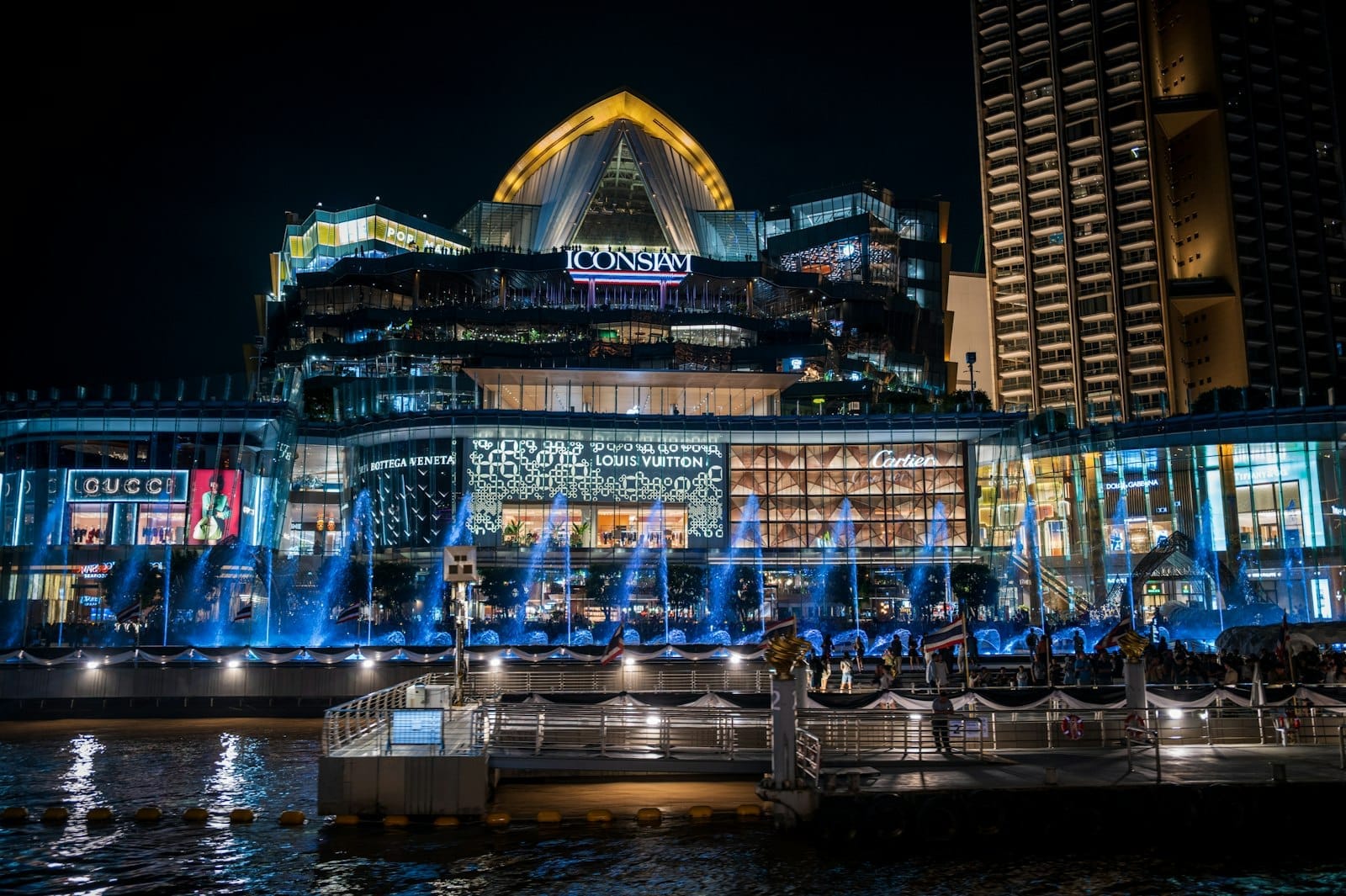
The BTS Skytrain has extended into Thonburi via the Gold Line and the existing Silom Line terminus at Wongwian Yai. The BTS station at Krung Thon Buri and the Gold Line stations connecting to ICONSIAM on the riverfront give good coverage of the southern and riverside parts of the district. The Talat Phlu BTS station on the Silom Line extension places visitors in the middle of a traditional market neighborhood that sees very little through-tourism.
Within Thonburi, getting around requires combining modes. The main roads are served by Bangkok's standard motorcycle taxis and metered taxis, but the canal-side interiors are only accessible by foot, by longtail boat, or by the small passenger boats that still run regular routes along Khlong Bangkok Noi and Khlong Bangkok Yai for a few baht per trip. Renting a bicycle is a practical option for the flat, relatively quiet residential streets away from the main roads.
⚠️ What to skip
Thonburi's main roads carry heavy truck and bus traffic, particularly Charoen Rat Road and the approach roads to the bridges. Walking alongside these is unpleasant and occasionally unsafe. Use the smaller sois and canal paths wherever possible, and avoid the main road shoulders during rush hour.
Where to Stay
Accommodation in Thonburi has grown steadily as travelers seek alternatives to the overpriced and overcrowded hotels near Khao San Road or on the Sukhumvit corridor. The riverfront strip near Wat Arun now has several boutique hotels and guesthouses that make good use of their Chao Phraya positions, with rooms facing the river and the illuminated Grand Palace complex directly opposite.
Staying in Thonburi makes most sense for travelers whose primary interest is the historic temples and river corridor: Wat Pho, the Grand Palace, and Wat Arun itself are all within twenty minutes of the riverside Thonburi hotels, either by a quick ferry crossing or a short taxi ride over one of the bridges. The trade-off is that the Skytrain network is less convenient here than in Silom or Sukhumvit, so reaching the shopping districts and the airport requires more planning.
For a full overview of where different types of travelers should base themselves in Bangkok, the Bangkok accommodation guide covers the relative strengths of each neighborhood across all budget levels. Thonburi suits independent travelers comfortable with a slightly less connected position in exchange for genuine local atmosphere and easier access to the temples.
Thonburi's Place in the Wider City
Understanding Thonburi means understanding its history. When Taksin reunified the Thai kingdom after the fall of Ayutthaya in 1767, he established his capital here, not across the river. Thonburi was Bangkok's center for fourteen years, and the canal infrastructure, temple placements, and royal compounds from that period are still readable in the landscape today. When Rama I moved the capital to Rattanakosin in 1782, Thonburi shifted almost overnight from the center to the periphery, and it has remained in that position ever since. That historical sidelining is, paradoxically, what preserved its character. The development pressure that transformed Silom into a finance district and Sukhumvit into a commercial corridor never fully arrived here.
The contrast with the Rattanakosin and Chinatown side of the river is instructive. Those neighborhoods have been heavily optimized for tourism and commerce, with entry fees, tuk-tuk touts, and restaurant menus in six languages. Thonburi's equivalent streets function as normal Thai neighborhoods that happen to contain remarkable historical sites. That gap in tourist infrastructure is a quality for some travelers and an inconvenience for others.
TL;DR
Thonburi offers one of Bangkok's most authentic local experiences: canal-side communities, working temples, and morning markets that function entirely for residents rather than visitors.
Wat Arun is the headline attraction, but the neighborhood's real appeal is the canal network, Kudi Chin's multicultural history, and the contrast with the tourist-heavy districts across the river.
Access is straightforward via river ferry and the BTS extensions, but the interior canal neighborhoods require longtail boats or patient walking to explore properly.
Honest drawback: Thonburi lacks the restaurant variety, nightlife, and transport convenience of Sukhumvit or Silom, and navigating away from the riverfront can be disorienting.
Best suited to independent travelers, history enthusiasts, and anyone wanting to see Bangkok as a functioning city rather than a curated tourist experience.
From the riverside spectacle of ICONSIAM to the bargain floors of MBK, this guide covers Bangkok's 10 best shopping malls by district with straightforward takes on what each one actually does best.
Bangkok's street food scene is one of the most rewarding in Southeast Asia, but knowing where to go and what to order separates a great meal from a mediocre one. This guide breaks down the best dishes, neighborhoods, and markets so you can eat confidently and affordably.
From the 15,000-stall maze of Chatuchak to the sizzling woks of Yaowarat after dark, this guide covers Bangkok's best markets with candid reviews, practical tips, and the best times to visit each one.
From the dazzling Grand Palace complex to quiet neighborhood temples with barely a tourist in sight, this guide covers Bangkok's 10 most rewarding temples with frank reviews and practical visiting tips.
Bangkok's tropical climate means timing your visit matters more than most cities. This guide breaks down every season, key festivals, crowd levels, and price shifts so you can pick the right window for your trip.
Songkran is Thailand's New Year and the world's largest water fight, and Bangkok does it on a scale unlike anywhere else. This guide covers the best spots to celebrate, practical logistics, cultural context, and practical advice on what to skip.
From glittering temple complexes and chaotic night markets to rooftop observation decks and hidden neighborhoods, this guide covers 20 of the best things to do in Bangkok with candid reviews and practical advice.
Bangkok spreads across a vast urban grid, and where you stay shapes your entire trip. This guide breaks down the city's top neighborhoods by location, vibe, transport access, and price range, so you can book with confidence.