Best Time to Visit Bangkok: The Travel Seasons Guide
Bangkok's tropical climate means timing your visit matters more than most cities. This guide breaks down every season, key festivals, crowd levels, and price shifts so you can pick the right window for your trip.
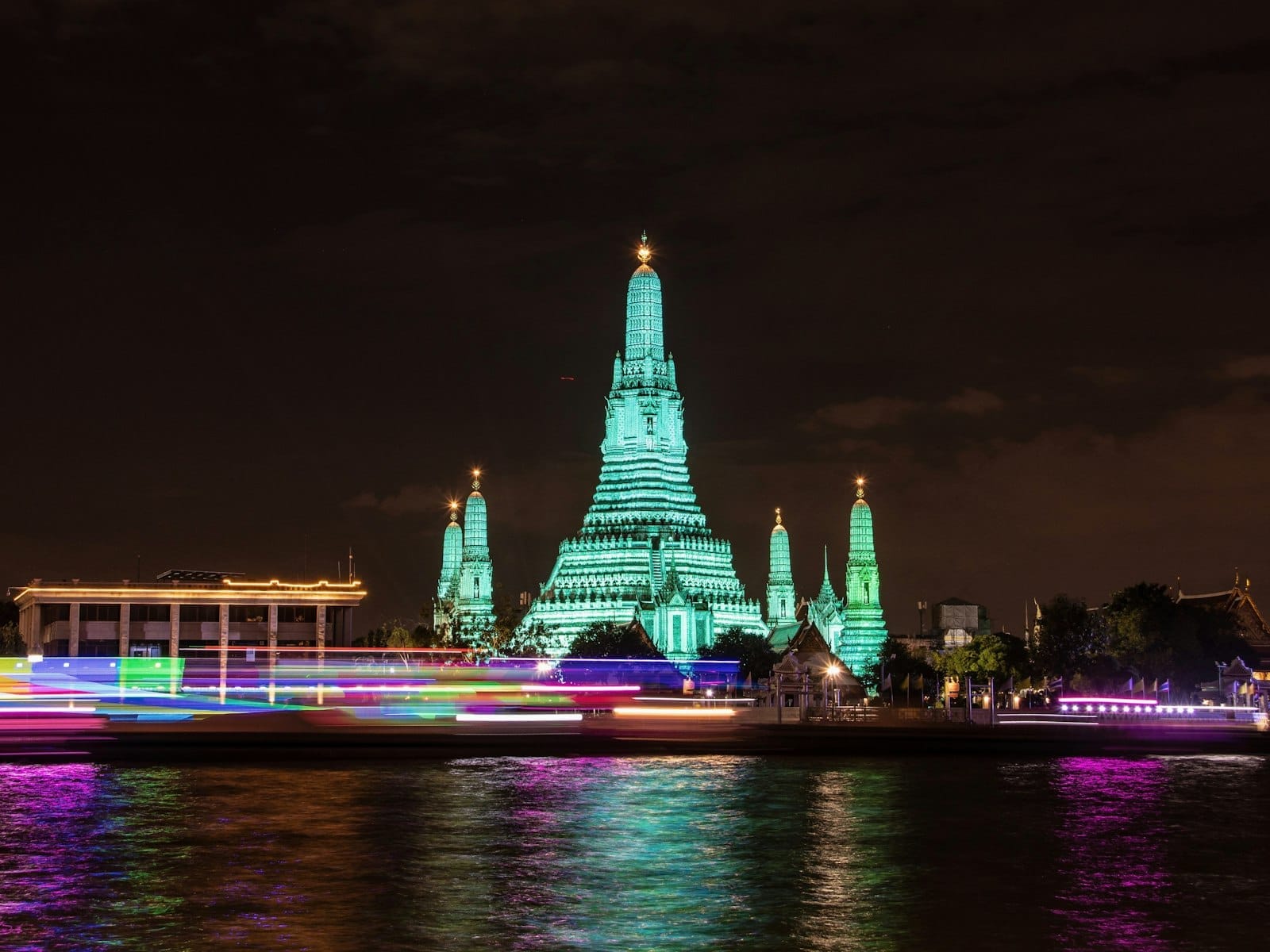
Plan and book this trip
Tools from our partner Travelpayouts help you compare flights and hotels. If you book through them, we may earn a commission at no extra cost to you.
Flights
Hotels map
TL;DR
- November to February is the peak season: dry weather, cooler temperatures (around 25-30°C), and the highest prices.
- March to May is brutally hot (35-40°C) but sees fewer crowds and lower hotel rates. Not for everyone.
- June to October is monsoon season: expect daily downpours, green landscapes, and significant discounts. See our Bangkok travel overview for context on how weather affects sightseeing.
- Songkran (Thai New Year, April 13-15) is a chaotic water festival worth planning around, but book accommodation 2-3 months ahead.
- Chinese New Year in January or February transforms Chinatown for several days and is one of the city's most photogenic events.
Understanding Bangkok's Three Seasons
Bangkok sits squarely in a tropical savanna climate zone, which means it operates on three distinct seasons rather than four. These are not subtle shifts. The difference between December and April is significant enough to change the entire character of your trip: what you can comfortably do, how much you'll sweat, whether temples are packed or quiet, and what you'll pay for a hotel room.
The cool season runs from November through February. The wet season runs from June through October, with the heaviest rains in September and October. The shoulder months of March, April, and May form the hot season, technically dry but punishingly hot. Most travel content treats November to February as the obvious answer for when to visit, and for many travellers that's correct, but it's not the only viable window.
- Cool Season (Nov–Feb) Temperatures: 25-32°C. Low humidity. Best overall conditions for walking and outdoor sightseeing. Peak prices. Book 2-3 months ahead for popular dates.
- Hot Season (Mar–May) Temperatures: 34-40°C with high humidity. Challenging for outdoor activity, especially midday. Fewer tourists. Songkran (mid-April) is the major exception.
- Wet Season (Jun–Oct) Temperatures: 28-35°C. Daily rain, often in concentrated afternoon bursts lasting 1-2 hours. Significant hotel discounts. Some flooding risk in October.
Peak Season (November to February): The Gold Standard
If you want the most comfortable version of Bangkok, November through February delivers. Temperatures hover around 28-32°C during the day and drop to a relatively pleasant 22-25°C at night. Humidity is manageable, making it possible to spend a full morning walking between temples without feeling physically defeated. December and January are the coolest months and the most popular, which means Grand Palace queues stretch longest, Khao San Road is at full capacity, and rooftop bars are booked solid on weekends.
The tradeoff is straightforward: you pay more for less flexibility. Mid-range hotels in Sukhumvit that cost 1,200-1,800 THB per night in June can reach 2,500-3,500 THB in December. The Siam district malls and the major attractions around Rattanakosin Island are noticeably more crowded. That said, the weather genuinely earns the premium for most visitors.
💡 Local tip
Christmas and New Year's Eve (December 25 to January 1) see a sharp price spike across all accommodation tiers. If you're visiting in December, aim for the first three weeks of the month rather than the holiday window to get cool-season weather without peak-of-peak pricing.
February is arguably the sweet spot of the entire year. The weather remains excellent, the New Year rush has ended, and hotel rates soften slightly. Chinese New Year typically falls in late January or February, turning Chinatown into one of the most electric scenes in Bangkok for several nights. It draws crowds but creates an atmosphere that's hard to replicate any other time of year.
Hot Season (March to May): High Risk, Real Rewards
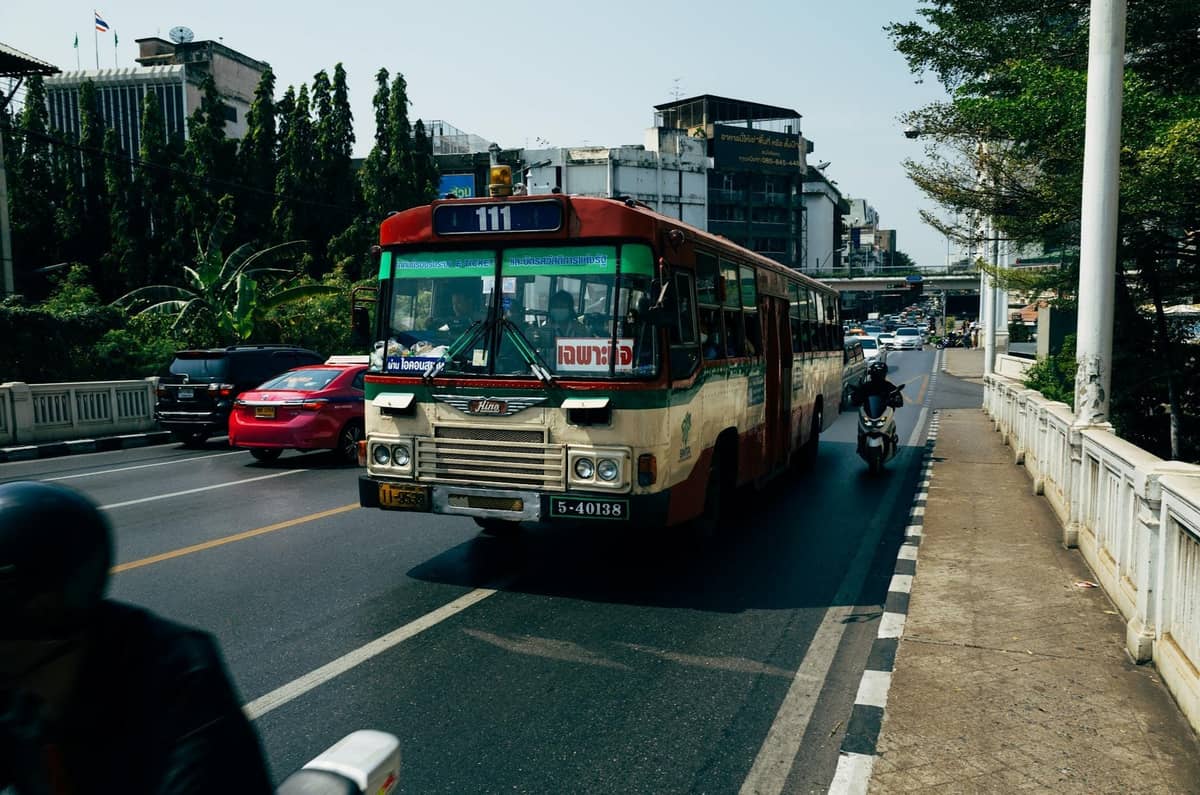
March through May is the Bangkok season that travel guides often write off with a line about extreme heat, and they're not wrong to be cautious. By April, temperatures regularly exceed 37-38°C, and the humidity amplifies the effect. Midday temple visits become genuinely uncomfortable. Sunburn is aggressive. The city's concrete and traffic ensure there's minimal relief between air-conditioned spaces.
What the guides undersell is how this season rewards travellers who adapt their schedule. Bangkok's world-class malls and indoor attractions become the main stage. The Jim Thompson House, shaded canal tours, and evening street food exploration remain fully viable. Shift sightseeing to 7-10am and 5-8pm and use the midday heat for food courts, museums, and air-conditioned shopping. You'll also find hotel rates 20-35% below peak levels.
⚠️ What to skip
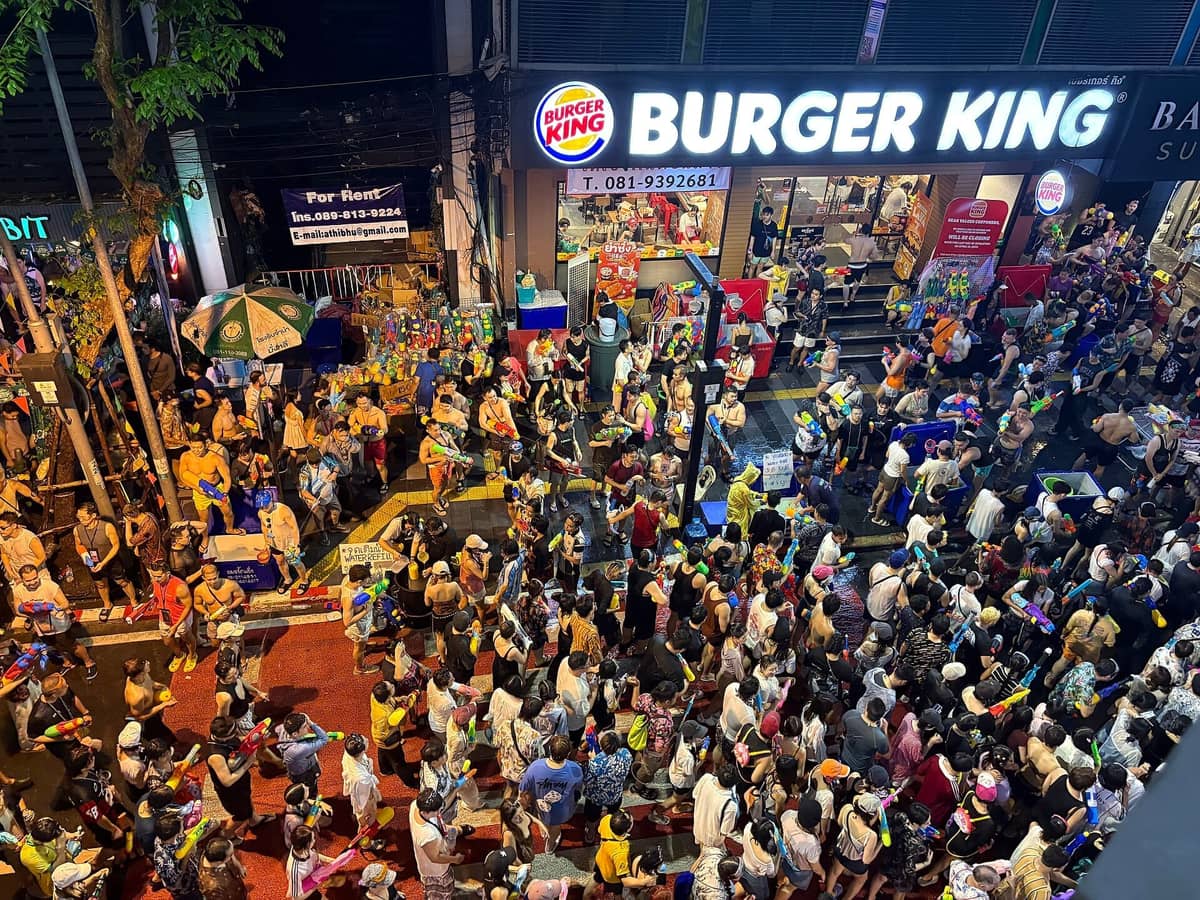
Songkran (April 13-15, sometimes extended to April 17-18) is Thailand's most famous festival, but it requires specific planning. The water fights are genuine and city-wide: your camera, phone, and wallet will get soaked unless properly waterproofed. Transport grinds to near-halt in popular areas. If you want to experience Songkran, book accommodation in Silom or Sukhumvit at least 2-3 months ahead and budget for elevated rates.
Songkran is one of Bangkok's defining experiences. The streets around Silom Road and Khao San Road host the most intense water fights. For a deeper look at how to navigate the festival, the Songkran Bangkok guide covers logistics, safety, and where to position yourself.
Wet Season (June to October): The Underrated Option
Bangkok's wet season has a worse reputation than it deserves. Yes, it rains. But the pattern is typically a heavy afternoon downpour for one to two hours, followed by clearing skies and a drop in temperature. Full-day rain is relatively rare. A waterproof bag cover and a 60 THB convenience-store poncho handle most situations. The city stays very operational through the wet season; Bangkok is not a beach destination that shuts down in the rain.
June to August is the sweet spot within the wet season. Rain is regular but not overwhelming, hotel rates are at their lowest, and major attractions are accessible without long queues. September and October see heavier rainfall and carry a genuine flooding risk in low-lying areas near the river and older neighborhoods. The flooding is usually manageable (ankle-to-knee depth in the worst spots), but it disrupts transport and can make certain areas unpleasant to navigate.
✨ Pro tip
The wet season is ideal for Bangkok's indoor food scene. Rain forces you into covered markets and street-food alleys rather than open-air zones. Chinatown's covered shophouse restaurants, the food halls in Siam Paragon, and Or Tor Kor Market operate regardless of weather and are far less crowded than in peak season.
Budget travellers in particular benefit from wet-season visits. Combine discounted accommodation with Bangkok's exceptional street food scene and the savings compound quickly. A solid week in Bangkok during July costs noticeably less than the same itinerary in December, with the primary difference being weather risk rather than quality of experience.
Festivals and Events That Should Shape Your Dates
Bangkok's festival calendar is worth building around, both for events worth attending and a few worth avoiding if you dislike crowds. The major ones that affect accommodation prices and sightseeing logistics are listed below.
- Chinese New Year (Jan/Feb) Chinatown transforms for 3-5 days. Dragon dances, temple ceremonies at Wat Traimit, and food stalls running all night. Date shifts annually: check the lunar calendar.
- Songkran / Thai New Year (April 13-15) Nation-wide water festival. Accommodation fills fast and prices spike significantly. One of Southeast Asia's most memorable street events if you're prepared.
- Visakha Bucha (May, full moon) Most sacred Buddhist holiday. Temples across the city hold candlelit processions. Alcohol is banned from sale on this day. Crowds at major temples like Wat Pho and Wat Arun are large.
- Loy Krathong (Oct/Nov, full moon) Floating lantern and krathong (decorated float) festival on rivers and canals. The Chao Phraya riverbanks become spectacular. One of Bangkok's most photogenic nights.
- King's Birthday / National Day (Dec 5) Sanam Luang and the Royal Plaza area fill for celebrations. A significant national event, though the city functions normally for tourists.
For temple-focused itineraries, knowing which festivals fall during your visit matters. The Bangkok temple guide notes which sites see the largest festival crowds and how to time your visit to avoid queues. Loy Krathong in particular is worth timing for: the scene along the river near Wat Arun is genuinely exceptional.
Practical Considerations: What to Bring and How to Plan
Bangkok's climate affects more than comfort. It shapes what neighbourhoods you'll enjoy, how much you'll walk, and where you'll spend money. A cool-season visitor happily wanders the outdoor markets for hours. A hot-season visitor gravitates toward the BTS Skytrain corridor and air-conditioned malls. Neither approach misses the city entirely; they're just different versions of Bangkok.
- Sunscreen is essential year-round: UV levels are high even in the wet season.
- Light, breathable clothing in natural fabrics handles the heat better than synthetic alternatives.
- A small dry bag or waterproof phone case is worth carrying from June through October.
- Carry cash in smaller denominations: 20, 50, and 100 THB notes work at street food stalls and tuk-tuks.
- Hydration is serious: drink water consistently even when you don't feel thirsty in the heat.
- Temple dress codes apply year-round: shoulders and knees covered at Wat Pho, Wat Phra Kaew, and most major shrines.
For accommodation, the season you visit should influence where you stay as much as budget. Bangkok neighbourhood accommodation guide covers the practical differences between staying in Sukhumvit, Silom, the old city, or along the river. In the wet season, proximity to BTS or MRT stations matters more because walking in heavy rain is no fun.
ℹ️ Good to know
Bangkok's air quality varies seasonally. March and April can see elevated pollution levels due to agricultural burning in northern Thailand, which affects Bangkok's air quality index. Travellers with respiratory sensitivities should check AQI forecasts and may want to prioritize November-February or June-August windows instead.
FAQ
What is the best month to visit Bangkok for good weather?
November, December, and February offer the most reliable combination of low humidity, manageable temperatures, and low rain probability. January is technically the coolest month but also the most crowded and expensive. February balances good weather with slightly softer prices and the possibility of catching Chinese New Year festivities.
Is Bangkok worth visiting during the rainy season?
Yes, with realistic expectations. Rain is typically concentrated in afternoon downpours rather than all-day drizzle, and Bangkok's indoor attractions, covered markets, and food scene function fully regardless of weather. Hotel prices drop significantly. Avoid September and October if possible due to heavier flooding risk in some areas.
How hot does Bangkok get in April?
April is one of Bangkok's hottest months. Temperatures regularly reach 37-40°C during the day, and heat index values (accounting for humidity) can feel closer to 42-44°C. Outdoor activity is best limited to early morning (before 10am) and evening (after 5pm). Songkran's water fights, ironically, make April more bearable than it sounds.
When should I avoid Bangkok?
There is no month where Bangkok becomes inaccessible to visitors, but there are windows to approach carefully. Late October carries flooding risk. Songkran week (April 13-17) is chaotic and prices spike, so it's worth avoiding unless you specifically want the festival. The Christmas-New Year period (December 24 to January 2) sees hotel rates peak across all categories.
Does Bangkok experience flooding?
Localised flooding occurs during heavy rains, primarily in September and October. It rarely lasts more than a few hours and is usually manageable. Bangkok's 2011 major flood was exceptional rather than typical. Staying near BTS or MRT stations helps avoid the worst-affected low-lying streets during heavy downpours.