Sentosa Island sits just off Singapore's southern coast, a 5-square-kilometer resort island that packs beaches, theme parks, a casino, golf courses, and colonial-era fortifications into a single compact destination. It is simultaneously Singapore's most visited leisure attraction and one of Southeast Asia's most elaborate purpose-built resort zones.
Sentosa Island is Singapore's dedicated playground: a former British military base turned resort island where you can ride a roller coaster in the morning, lie on a beach at noon, and watch a laser show after dark. Nothing about it is accidental or organic, but that is precisely the point, and it delivers on its promise with remarkable consistency.
Orientation
Sentosa lies approximately half a kilometer south of Singapore's main island, separated from the HarbourFront district by the narrow Keppel Strait. The island covers roughly 5 square kilometers, making it small enough to walk across in under an hour but dense enough with attractions to fill several days. It sits adjacent to Pulau Brani to the northeast, and its southern edge faces the open Singapore Strait.
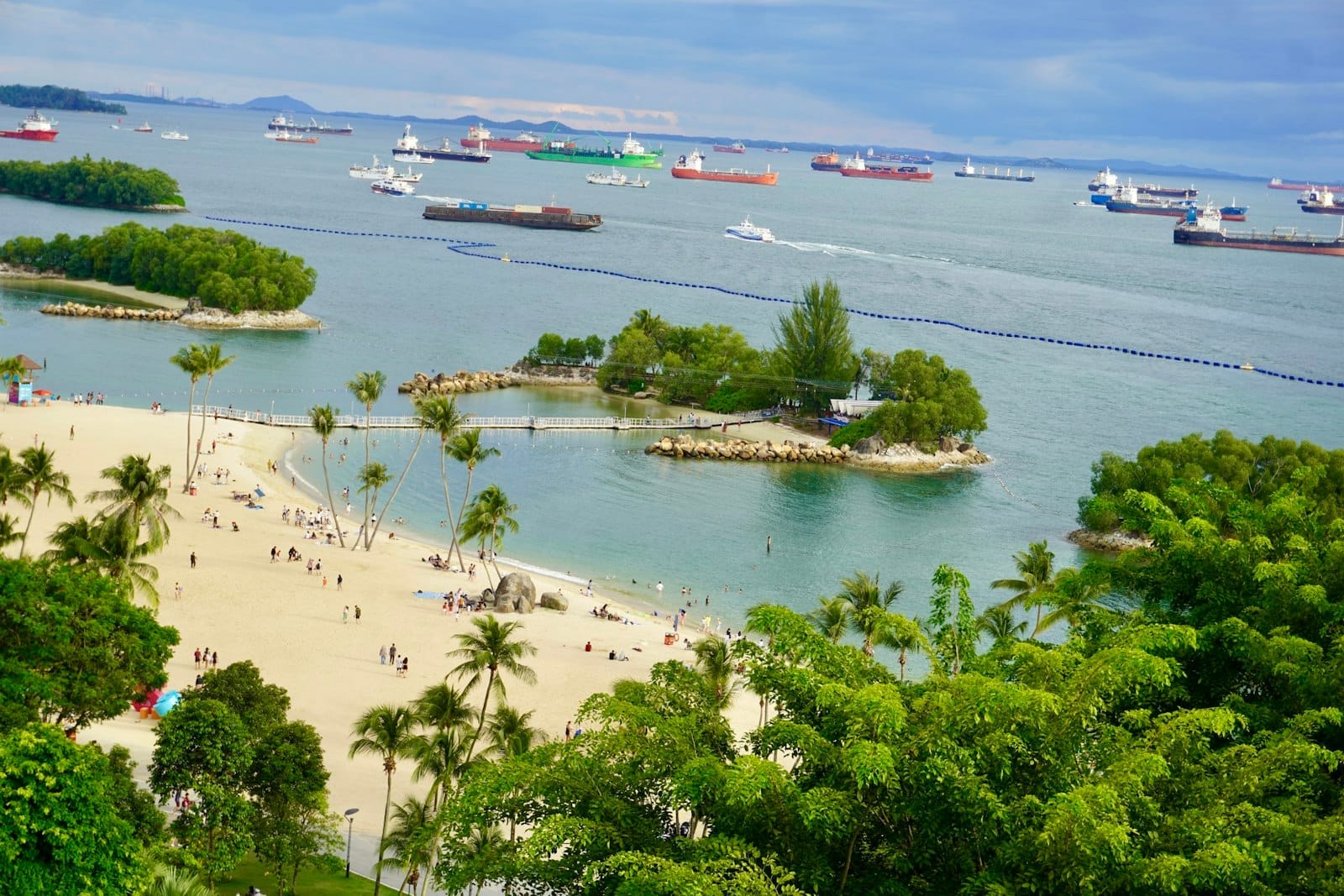
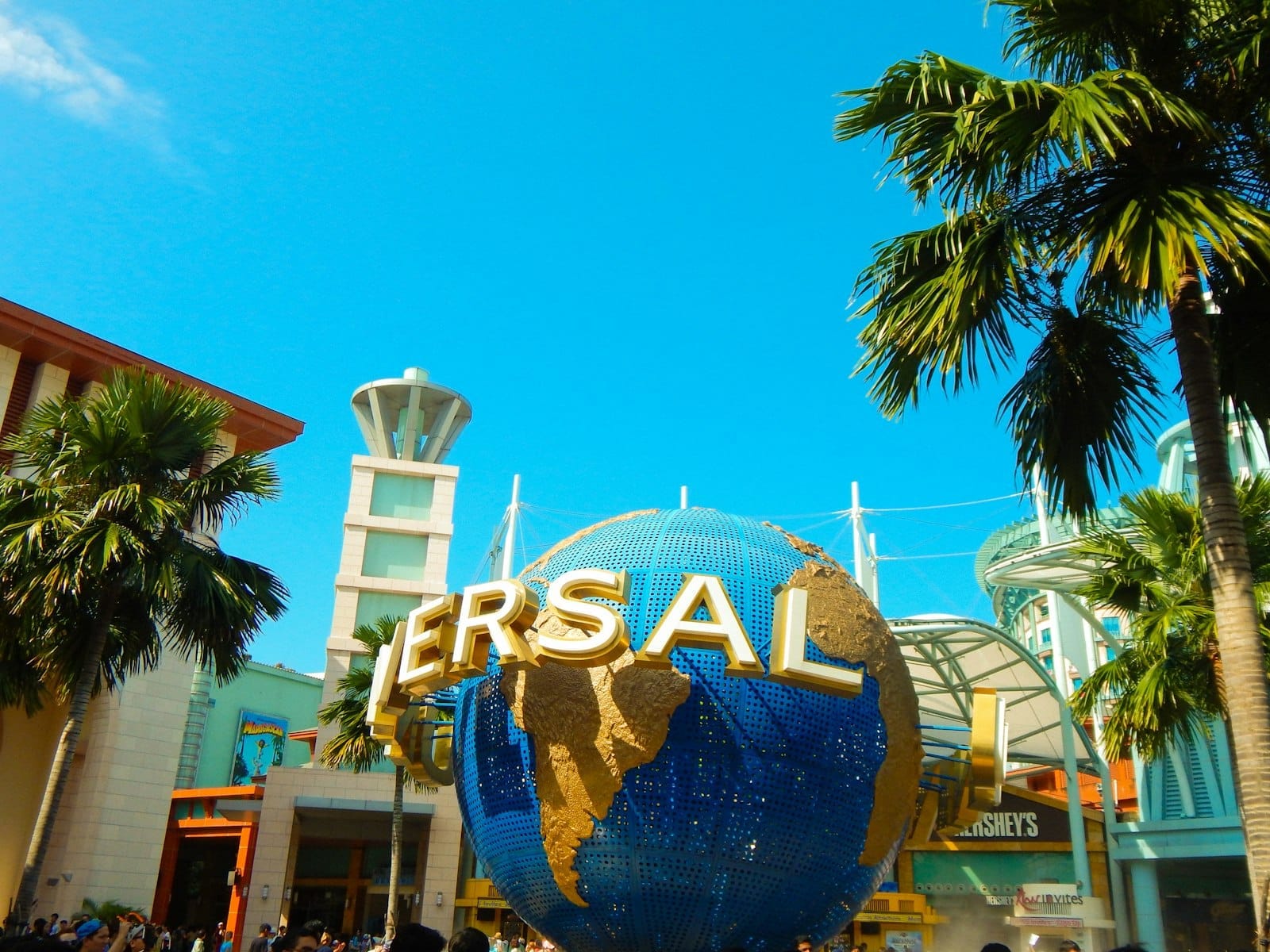
The internal layout of Sentosa organizes itself roughly west to east. Siloso Beach occupies the western tip, Palawan Beach sits at the center, and Tanjong Beach anchors the quieter eastern end. Resorts World Sentosa, which contains Universal Studios Singapore, dominates the northern portion of the island near the main entrance. The interior rises to a gentle ridge, with the highest point reaching about 90 meters, and older forested areas fill the gaps between the resort zones.
From the city center, Sentosa is roughly 15 minutes by road. The closest mainland hub is HarbourFront, which connects directly to the island via the Sentosa Express monorail and the Sentosa Boardwalk pedestrian path. For context within Singapore's wider layout, Sentosa sits due south of Chinatown and is a 20-minute drive from the center of the Orchard Road shopping belt.
Character & Atmosphere
Sentosa does not feel like the rest of Singapore. The hawker centres, shophouse terraces, and multilingual street noise of the main island give way to wide resort boulevards, curated landscaping, and the particular hum of a place designed entirely around leisure. It is polished, commercially orchestrated, and extremely clean, even by Singapore's high standards.
Early mornings are the best time to see what the island actually looks like without the crowds. Between 7am and 9am, the beaches are nearly empty, the light is soft and low, and you can hear the surf against imported sand from Indonesia and Malaysia. The 70 percent of the island still covered in secondary rainforest feels genuinely present at this hour: monitor lizards cross the footpaths near the southern beaches, and wild peacocks occasionally wander through resort grounds. Macaque monkeys are also resident and worth keeping an eye on near food areas.
By late morning the island fills quickly. Families with children converge on Universal Studios Singapore, tour groups cluster at Imbiah Lookout, and the beach clubs along Siloso begin setting up. By midday in Singapore's equatorial heat, the outdoor spaces between attractions can feel oppressive, and most visitors migrate into air-conditioned interiors. Palawan and Tanjong beaches, being further from the main entrance, stay slightly less crowded through the afternoon.
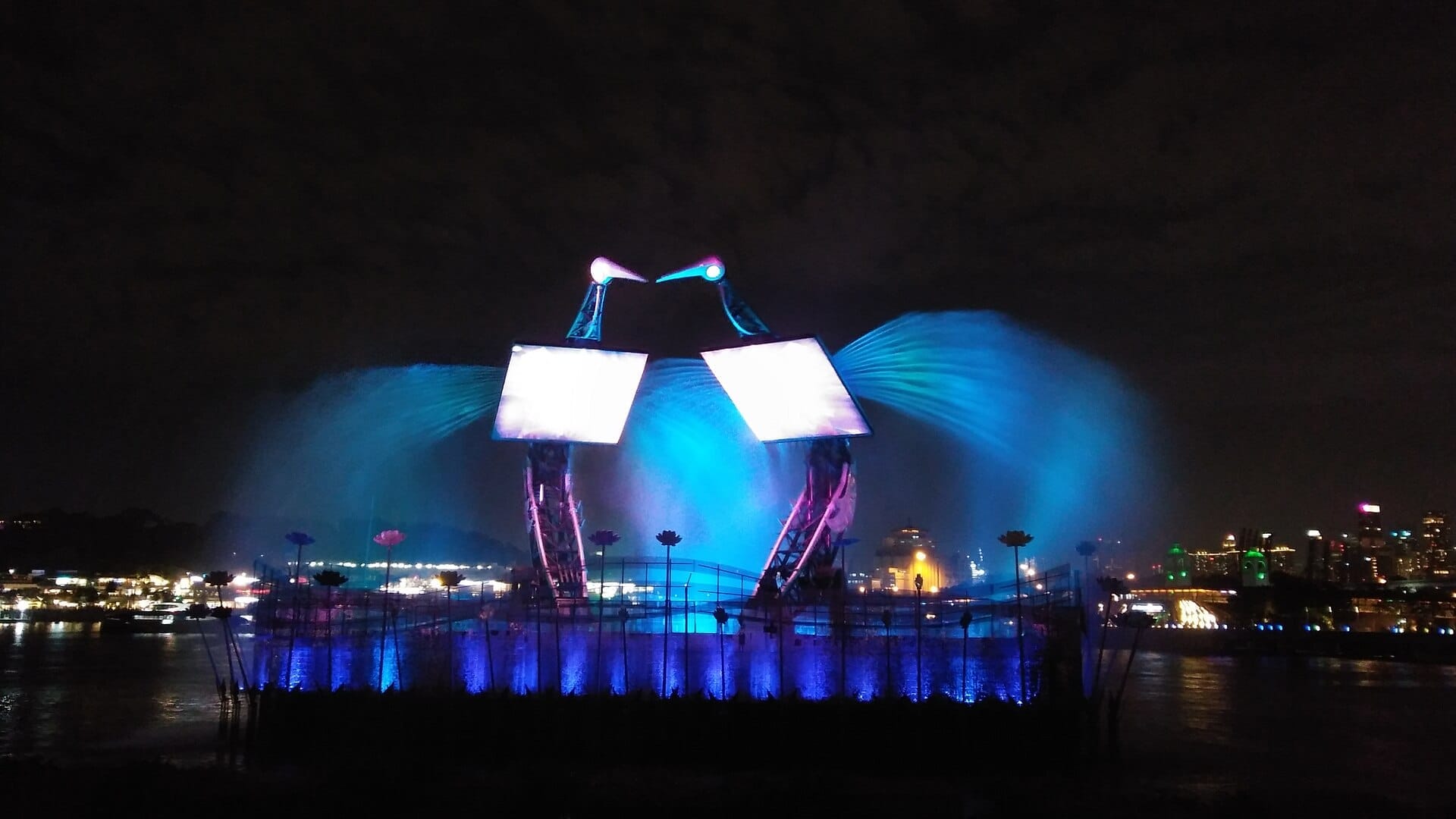
After dark the atmosphere shifts again. The beach bars along Siloso stay busy well into the night, Wings of Time runs evening shows over the water at Siloso Beach Point, and the casino at Resorts World Sentosa operates around the clock. The island does not empty out at night the way many resort zones do, which makes it more comfortable than expected for evening visitors.
⚠️ What to skip
Sentosa is genuinely hot and humid at midday. If you are visiting with children or planning to walk between attractions, schedule the most physically demanding activities for before 11am or after 4pm. The tree-lined Sentosa Boardwalk from HarbourFront offers some shade, but the resort grounds themselves have limited cover.
History & Background
The island was originally known as Pulau Blakang Mati, a Malay name whose precise translation is debated but is commonly rendered as 'death from behind' or 'the island where death lurks behind'. It served as a British military garrison from the mid-19th century through World War II, and Fort Siloso on the western tip was one of the coastal defense installations that protected the approaches to Singapore's harbor. The fort could not be rotated to face the north, which contributed to the British inability to repel the Japanese land invasion from the Malay Peninsula in 1942.
After Singapore's independence and the withdrawal of British forces, the island was handed to the Singapore government in 1972. It was renamed Sentosa, meaning 'peace and tranquility' in Malay, and a master plan was developed to transform it into a resort destination. Development has accelerated dramatically since the 2000s, with Resorts World Sentosa opening in 2010 and bringing Universal Studios, a casino, and several international hotel brands to the island in a single project.
What to See & Do
Universal Studios Singapore is the island's flagship attraction and the only Universal theme park in Southeast Asia. Rides span multiple themed zones and the park requires at minimum a full day. Advance booking is strongly recommended during school holidays and weekends. The Universal Studios Singapore experience is broadly comparable to the Hollywood and Japan parks, though smaller in footprint.
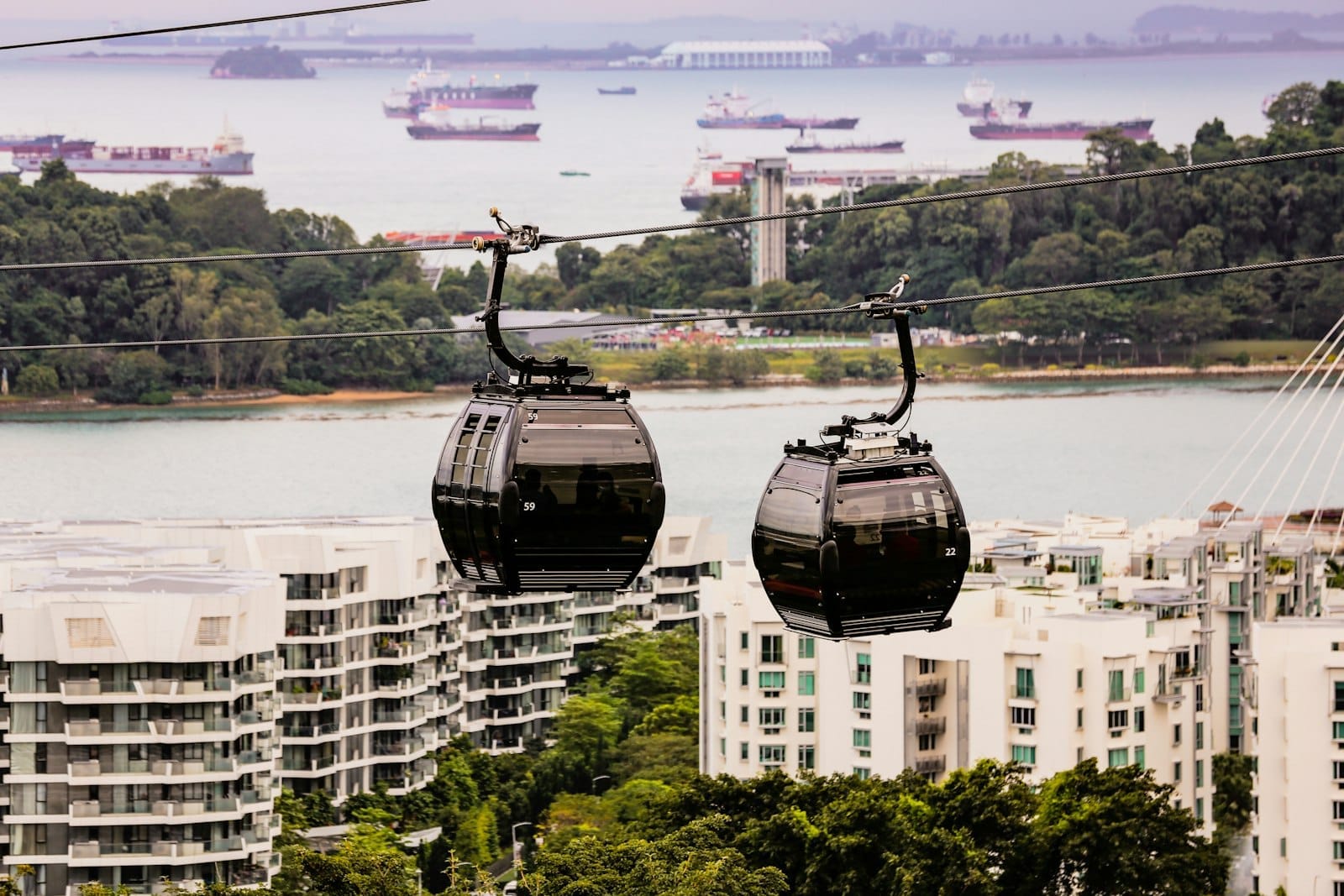
Fort Siloso is the island's most historically significant site, a preserved coastal battery with restored gun emplacements, original military structures, and exhibits covering the fall of Singapore in 1942. It is less visited than the theme parks but offers a genuinely different register of experience. The Singapore Cable Car connects Mount Faber on the main island to Sentosa via HarbourFront, offering aerial views over the harbor and container port. It can be used purely as transport or as an attraction in its own right.
Siloso, Palawan, and Tanjong beaches: each with different characters; Tanjong is the quietest and best for an unhurried afternoon
Wings of Time: a nightly outdoor show combining water screens, lasers, and fire effects at Siloso Beach Point
Madame Tussauds Singapore: wax figures plus an 'Images of Singapore Live' historical experience
Imbiah Lookout area: includes nature trails, the Merlion statue viewpoint, and connections to the cable car upper station
Adventure Cove Waterpark and S.E.A. Aquarium at Resorts World Sentosa
Two 18-hole golf courses in the eastern part of the island
Skyline Luge: go-kart style riding on dedicated tracks down the hillside
If Sentosa's commercial intensity eventually becomes too much, the contrast of Pulau Ubin in Singapore's northeast offers a completely different island experience: no resort infrastructure, kampong houses, and genuine rural quiet.
💡 Local tip
The Sentosa beaches charge no admission fee (though some beach clubs along Siloso operate with table minimums). Palawan Beach has a suspended bridge to a small islet marketed as the 'southernmost point of continental Asia', which is a reliable photo spot. Tanjong Beach is the pick for anyone who wants a beach without amplified music and hawkers.
Eating & Drinking
Food on Sentosa is mostly resort pricing. The food courts and casual restaurants within Resorts World Sentosa are convenient but not cheap by Singapore standards, and the beach bars along Siloso charge significantly more for drinks than anywhere on the main island. If budget matters, eating before you cross to Sentosa or loading up at the HarbourFront food options is the practical approach.
For genuinely good food at reasonable prices close to the Sentosa entrance, the Lau Pa Sat hawker centre in the CBD is a short taxi ride away and operates late into the evening. On the main island side of HarbourFront, VivoCity mall has a wide range of restaurants across multiple floors and price points.
Within Sentosa itself, Resorts World has multiple celebrity chef restaurants and hotel dining options for those who want a more formal meal. The beach clubs along Siloso Beach Road are primarily bar-forward, with food menus that function more as accompaniments to drinking than as destination dining. Tanjong Beach Club at the far eastern beach is the most pleasant of these, with a pool-facing layout and a Sunday beach party that draws a mixed crowd of expats and tourists.
There are no hawker centres on the island and no local neighborhood food culture in the way that exists across Singapore's heartland. This is the clearest reminder that Sentosa is a resort, not a residential neighborhood. Anyone seeking the kind of food experience described in a broader Singapore food guide will need to leave the island to find it.
ℹ️ Good to know
Singapore's Goods and Services Tax (GST) applies on Sentosa as everywhere. Some higher-end establishments in Resorts World add a service charge on top. Check whether prices shown are before or after these additions, as the difference can be significant at resort pricing levels.
Getting There & Around
The most practical way to reach Sentosa from the city is the Sentosa Express, a light rail monorail that departs from the Waterfront station inside VivoCity mall at HarbourFront. The journey takes about four minutes and deposits you at the main Imbiah station or the Beach Station depending on your stop. A single journey costs around S$4, with a full-day pass available for around S$6 (prices as of recent data; check official site). HarbourFront MRT station (on the Circle Line and North-East Line) connects to VivoCity directly.
The Sentosa Boardwalk is a covered pedestrian path that runs from VivoCity directly onto the island, crossing the Keppel Strait. It takes around 10 to 15 minutes to walk and is free. In the morning or evening when the heat is manageable, this is the best way to arrive, particularly if you are staying at one of the beach hotels. The walk gives a genuine sense of the island's scale as you cross the water.
The Singapore Cable Car departs from the HarbourFront Tower 2 station and from Mount Faber, arriving at the Sentosa Station near Imbiah Lookout. It is the most scenic entry option and worth doing once, though tickets are priced as an attraction rather than as transit.
Within the island, the Sentosa Express stops at Beach Station, Imbiah, and Waterfront, covering the major resort zones. A free internal bus network (Beach Tram and other shuttle services) covers the beaches and supplementary stops. Walking between Siloso and Tanjong beaches along the Sentosa Beach Walk takes around 25 to 30 minutes. Cycling is also possible, with rental available near the beach areas.
For practical transit advice across the wider city, getting around Singapore covers all MRT lines, bus options, and ride-hailing.
Where to Stay
Sentosa has around 14 hotels ranging from budget to ultra-luxury. The Resorts World cluster includes Hard Rock Hotel, Hotel Michael, Festive Hotel, and the high-end Crockfords Tower, all within the resort complex itself. Shangri-La Rasa Sentosa is the island's most prominent beach resort, sitting directly above Siloso Beach with direct beach access. Capella Singapore occupies the former colonial British military barracks on the hillside, making it architecturally distinctive and considerably quieter than the Resorts World options.
Staying on Sentosa makes sense for families with young children who are primarily visiting Universal Studios or the water park, or for travelers who want a self-contained beach resort experience without venturing into the city. For travelers who want to explore Singapore's neighborhoods, street food culture, and urban variety, a hotel on the main island with day trips to Sentosa is the better approach. The where to stay in Singapore guide covers the main island neighborhoods in more detail.
One honest consideration: staying on Sentosa means meals almost entirely at resort prices. There are no convenience stores or local coffee shops operating at the kind of street-level pricing that makes eating and drinking in the rest of Singapore so enjoyable. If you are price-sensitive, factor this into the accommodation decision.
Honest Assessment: Who Sentosa Is For
Sentosa is engineered for enjoyment and it largely succeeds on its own terms. It is not a place to understand Singapore's culture, history, or daily life, and it should not be the primary lens through which a first-time visitor sees the city. The neighborhoods of Kampong Glam, Little India, and Chinatown offer more of what makes Singapore distinctive. But Sentosa does what it promises: beaches, world-class theme parks, and a concentrated resort experience within 15 minutes of the city center.
For travelers with children, a day or two at Sentosa is almost essential. Singapore with kids is one of the most satisfying family travel configurations in Southeast Asia, and Sentosa is a large reason for that.
TL;DR
Sentosa is a purpose-built resort island 15 minutes from central Singapore, covering 4.71 sq km and accessible by monorail, boardwalk, or cable car from HarbourFront.
Best for: families with children, theme park visitors, beach days, and travelers who want a self-contained resort stay.
Universal Studios Singapore, Fort Siloso, three beaches, Wings of Time, and the cable car are the top draws.
Food and drink is almost entirely at resort pricing with no street-food culture on the island; eat on the main island if budget matters.
Not the right choice for travelers primarily interested in Singapore's cultural neighborhoods, hawker food scene, or urban street life, but an excellent add-on day trip from any base in the city.
Singapore sits just one degree north of the equator, which means warm, humid weather all year round. But that doesn't mean every month is equal. This guide breaks down the best time to visit Singapore by weather, crowds, festivals, and budget so you can plan a trip that actually works.
Singapore has one of the most efficient public transport systems in the world. This guide covers everything from MRT fares and bus routes to taxis, ride-hailing apps, and how to get from Changi Airport to the city centre without overpaying.
Singapore is compact, well-connected, and surrounded by islands, jungle, and a whole other country just across the Causeway. Whether you want to cycle through mangroves, shop across the border, or laze on a beach, these are the day trips that actually deliver. Here is what to expect, how to get there, and what to skip.
Singapore packs more culinary diversity per square kilometre than almost any city on earth. This guide breaks down the essential dishes, the best hawker centres, neighbourhood food streets, and honest advice on where to spend your appetite and your Singapore dollars.
Singapore's hawker centres are where the city's food culture lives. With over 110 centres and 6,000 stalls serving Chinese, Malay, Indian, and fusion dishes for under $10 SGD, this guide covers everything from the best centres to visit, to unwritten rules locals actually follow.
Whether you have a long weekend or a full week, Singapore rewards every length of stay. This itinerary guide builds day by day, from the essential Marina Bay icons and multicultural neighborhoods to wildlife parks, island escapes, and local food pilgrimages.
Singapore is one of Asia's premier shopping destinations, with low import tariffs, world-class malls, and lively street markets all within a compact city. This guide cuts through the noise to tell you exactly where to shop, what to expect, and how to get the best value.
Singapore is one of the easiest cities in the world to travel with children. World-class wildlife parks, interactive museums, beach days, and theme park thrills are all packed into a compact, safe, and well-connected island. This guide covers the best family attractions in Singapore, organized by experience type so you can plan a trip that keeps kids genuinely excited from morning to night.
Singapore packs an extraordinary range of experiences into just 733 square kilometres. This guide covers the top things to do in Singapore, from world-class attractions and neighbourhood food trails to nature reserves and cultural landmarks, with honest assessments of what's worth your time and money.
Choosing where to stay in Singapore shapes your entire trip. This guide breaks down every major area by character, price range, and practical pros and cons, so you can book with confidence regardless of your budget or travel style.