Best Time to Visit Singapore: A Month-by-Month Guide
Singapore sits just one degree north of the equator, which means warm, humid weather all year round. But that doesn't mean every month is equal. This guide breaks down the best time to visit Singapore by weather, crowds, festivals, and budget so you can plan a trip that actually works.
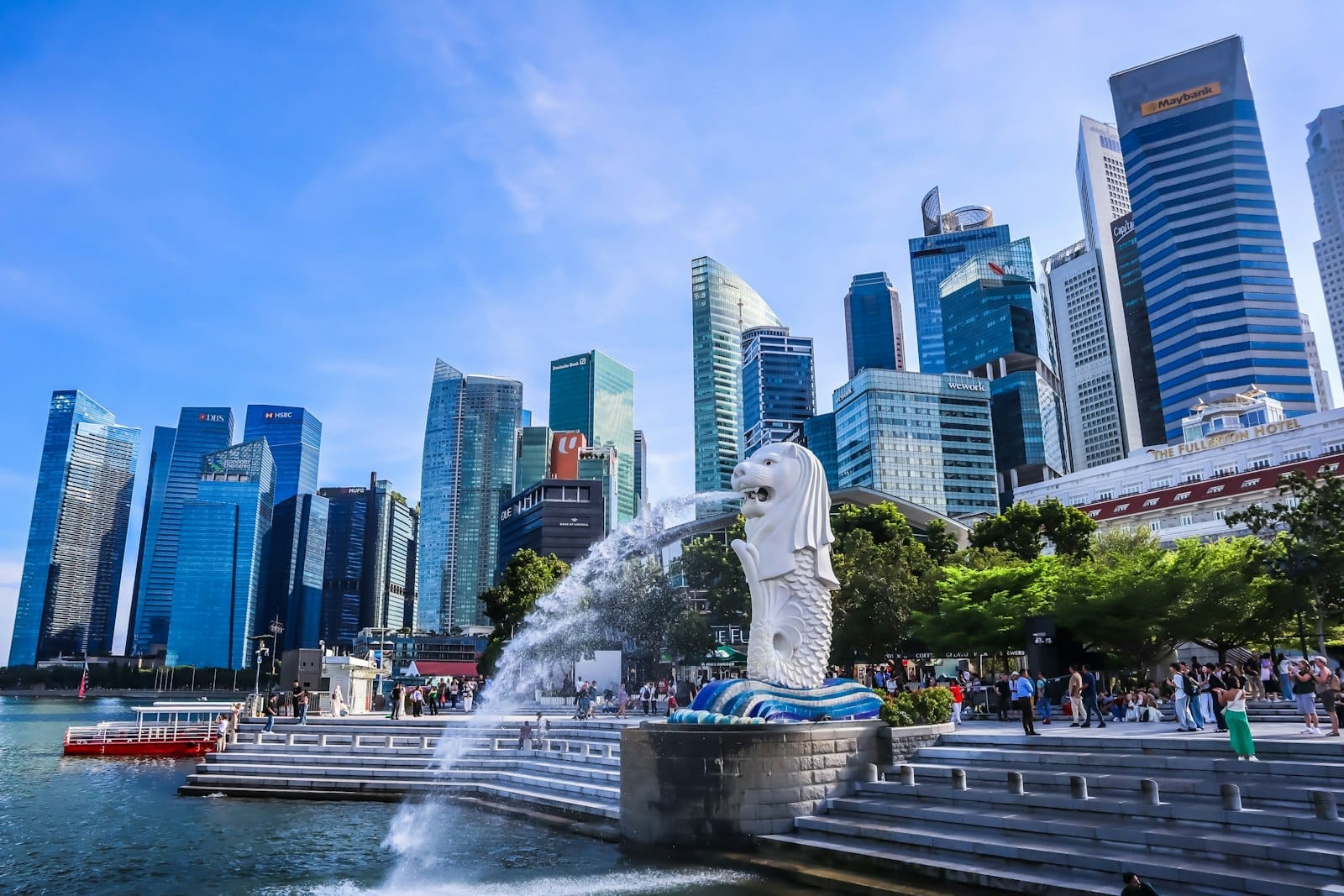
Plan and book this trip
Tools from our partner Travelpayouts help you compare flights and hotels. If you book through them, we may earn a commission at no extra cost to you.
Flights
Hotels map
TL;DR
- February to April is the best time to visit Singapore overall: fewer rainy days, lower humidity, and major festivals like Chinese New Year and Holi on the calendar.
- Singapore has no real 'dry season' — rain is possible any month. The difference is frequency and intensity, not presence or absence.
- July to September offers lower hotel rates and fewer tourists, but the Southwest Monsoon can bring haze from Indonesian forest fires — check the air quality index before booking outdoor activities.
- October and November are the wettest months. Prices are cheapest, but persistent rain makes outdoor attractions like Sentosa beaches and the Southern Ridges harder to enjoy.
- Singapore's indoor attractions — the ArtScience Museum, hawker centres, and world-class shopping malls — are excellent year-round, which makes any month workable with the right expectations.
Understanding Singapore's Climate (Before You Plan Anything)
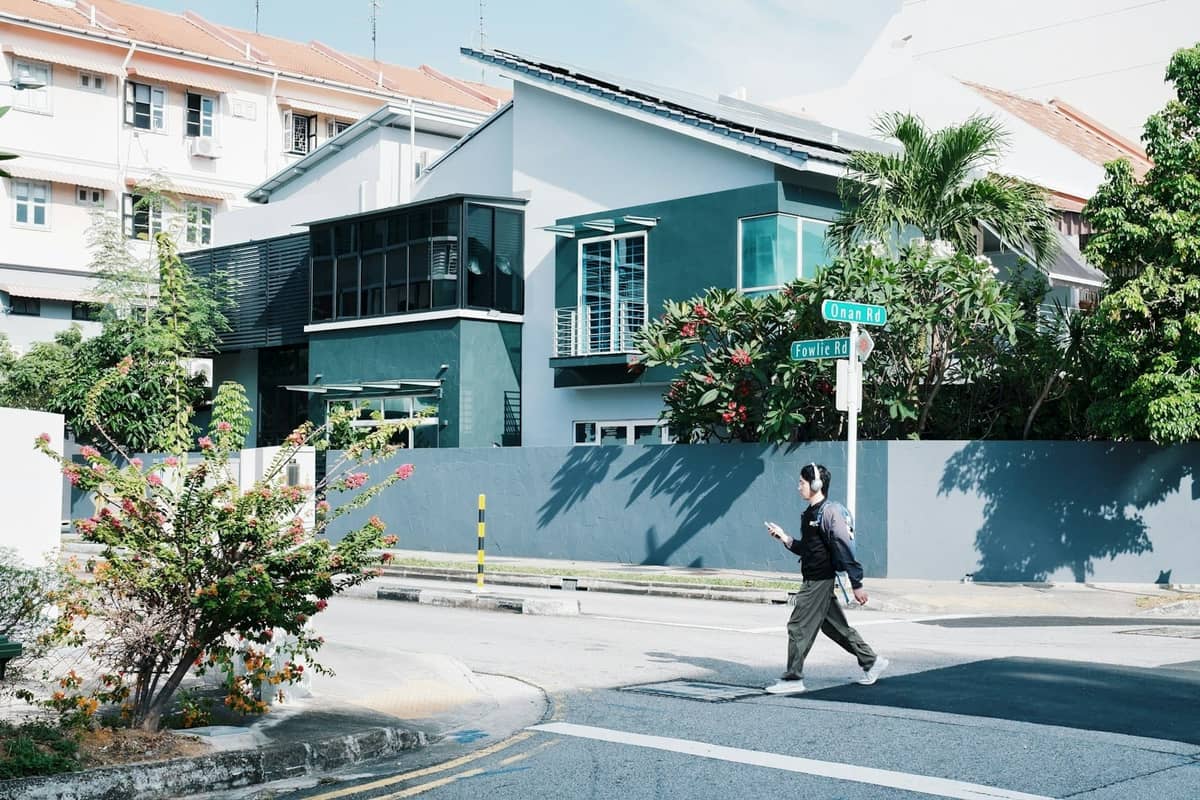
Singapore has a tropical rainforest climate, sitting roughly 136 km north of the equator. Temperatures stay between 26°C and 32°C year-round with humidity consistently above 70%. There are no real seasons in the European or North American sense. What changes month to month is rainfall volume, cloud cover, and wind direction — not temperature.
Two monsoon systems shape the year. The Northeast Monsoon runs from December to early March, bringing cooler, windier conditions and concentrated rainfall especially in December and January. The Southwest Monsoon covers June to September, bringing drier but hazier conditions. The periods in between — April to May and October to November — are transitional, often the most unpredictable in terms of afternoon thunderstorms.
ℹ️ Good to know
Singapore averages around 2,340 mm of rain annually, spread across roughly 180 rainy days. Even in the driest months, you're looking at 10-15 rainy days. Pack a compact umbrella regardless of when you travel — afternoon downpours can arrive without warning and clear within 30 minutes.
February to April: The Best Overall Window
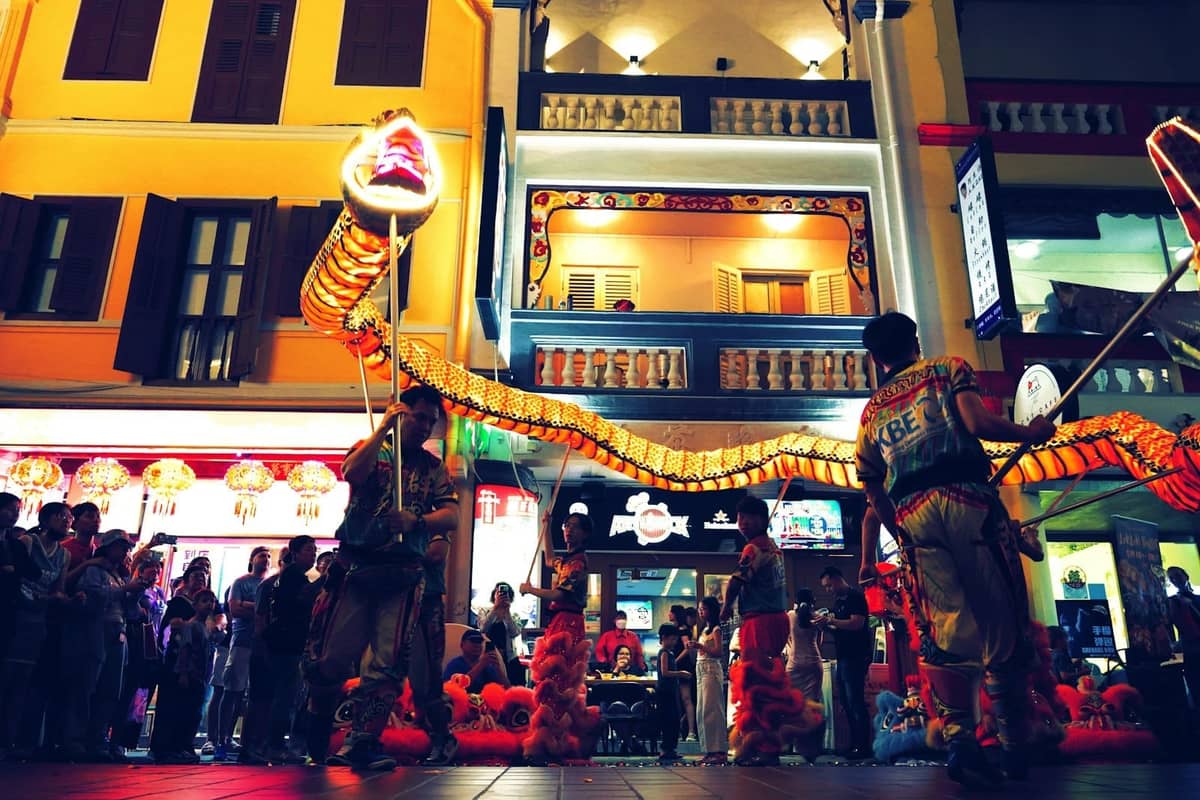
This is the sweet spot for most travelers. February and March have the fewest rainy days of the year — typically 13 to 17 — and the lowest relative humidity. Skies are clearer, making outdoor sightseeing far more pleasant. April adds slightly more heat and afternoon showers, but it's still significantly drier than the October-November stretch.
The timing also lines up with Singapore's richest festival calendar. Chinese New Year (usually late January or February) transforms Chinatown with light-up displays, street markets, and lion dance performances. The Chingay Parade in February is one of the largest street processions in Asia. If you want to experience Singapore's multicultural character at full intensity, this is the window to aim for.
⚠️ What to skip
Chinese New Year itself (the first two days) causes widespread closures — many hawker stalls, local restaurants, and small shops shut down or operate reduced hours. Book restaurants in advance for those days and stock up on snacks the night before. Hotel rates also spike significantly during the festive period, sometimes doubling.
- Weather 13-17 rainy days in Feb-Mar; slightly more in April. Temperatures 26-31°C. Lower humidity than the rest of the year.
- Crowds Moderate to high around Chinese New Year; normalizes from late February onward.
- Prices Premium around Chinese New Year; mid-range for the rest of the period.
- Best for Outdoor sightseeing, beach days at Sentosa, Singapore Zoo, night safari, walking tours of Chinatown and Little India.
May to June: Heat, School Holidays, and Higher Prices
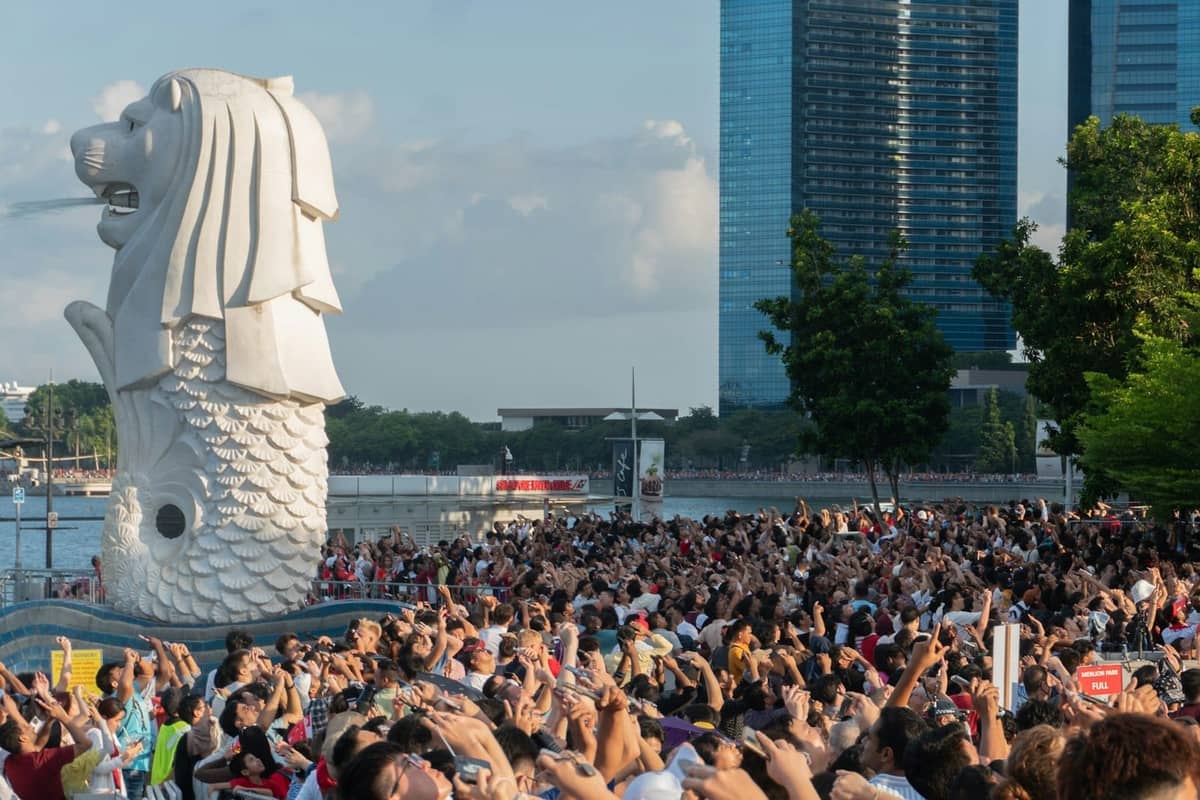
May and June are hot — genuinely hot, with daytime temperatures regularly pushing 32-33°C and heat indices feeling higher in direct sun. The school holiday period (late May through late June) means Singapore fills up with regional and international family travelers. Hotel rates climb noticeably, particularly for family rooms and resort-style properties on Sentosa.
The Great Singapore Sale, typically runs from late May through July, offering discounts across major shopping malls along Orchard Road and beyond. If shopping is a core part of your trip, this period has a practical advantage. The Singapore Sevens rugby tournament usually falls in May, drawing large international crowds and raising hotel prices in the city centre.
July to September: Quieter and Cheaper, But Watch the Haze
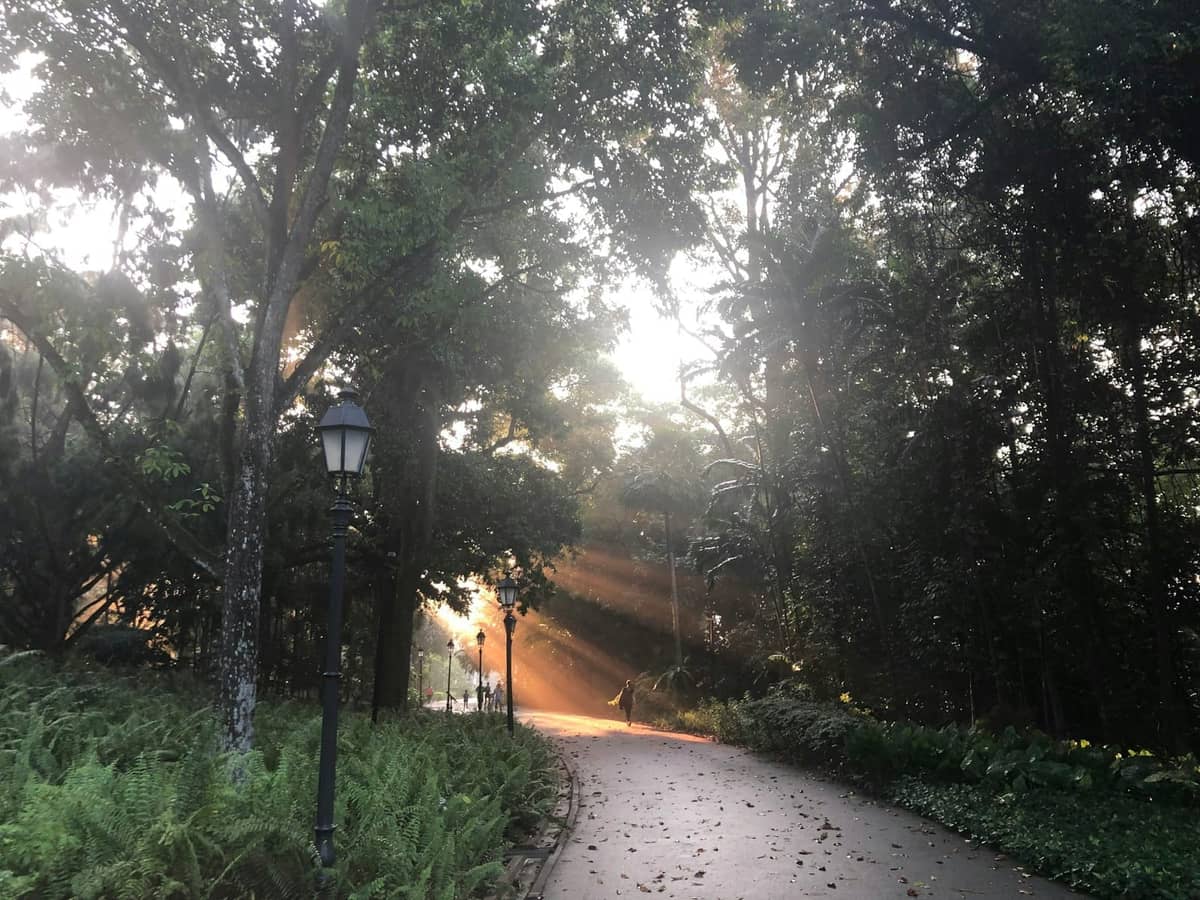
This is the best period for budget-conscious travelers. Hotel occupancy drops, airline prices moderate, and the main tourist sites are noticeably less crowded. The Southwest Monsoon brings less rain than the Northeast Monsoon period, and afternoon sunshine is often more reliable than in the transitional months.
The caveat is haze. From July through September, smoke from land-clearing fires in Sumatra and Borneo can blow across to Singapore, pushing the Pollutant Standards Index (PSI) into unhealthy territory on bad days. This is not guaranteed every year — conditions vary significantly — but it's a real consideration if you're planning heavy outdoor activity, have respiratory conditions, or are traveling with children. Check Singapore's National Environment Agency (NEA) PSI readings in the lead-up to your trip.
✨ Pro tip
The haze situation is genuinely unpredictable year to year. A trip in August 2023 might have clear skies, while the same week in 2024 could hit PSI 150+. If your entire trip is built around outdoor experiences like Pulau Ubin, the Southern Ridges, or MacRitchie Treetop Walk, consider this a real risk. If you're primarily doing indoor attractions, it barely matters.
August 9 is Singapore National Day, with a major parade and aerial display around Marina Bay. It's a spectacular event to witness, but accommodation books out months in advance for that weekend. The Ghost Festival (Hungry Ghost Month, usually August) is also culturally interesting to observe, with roadside offerings and getai street performances in residential areas.
October to November: The Rainy Season (And the Best Deals)
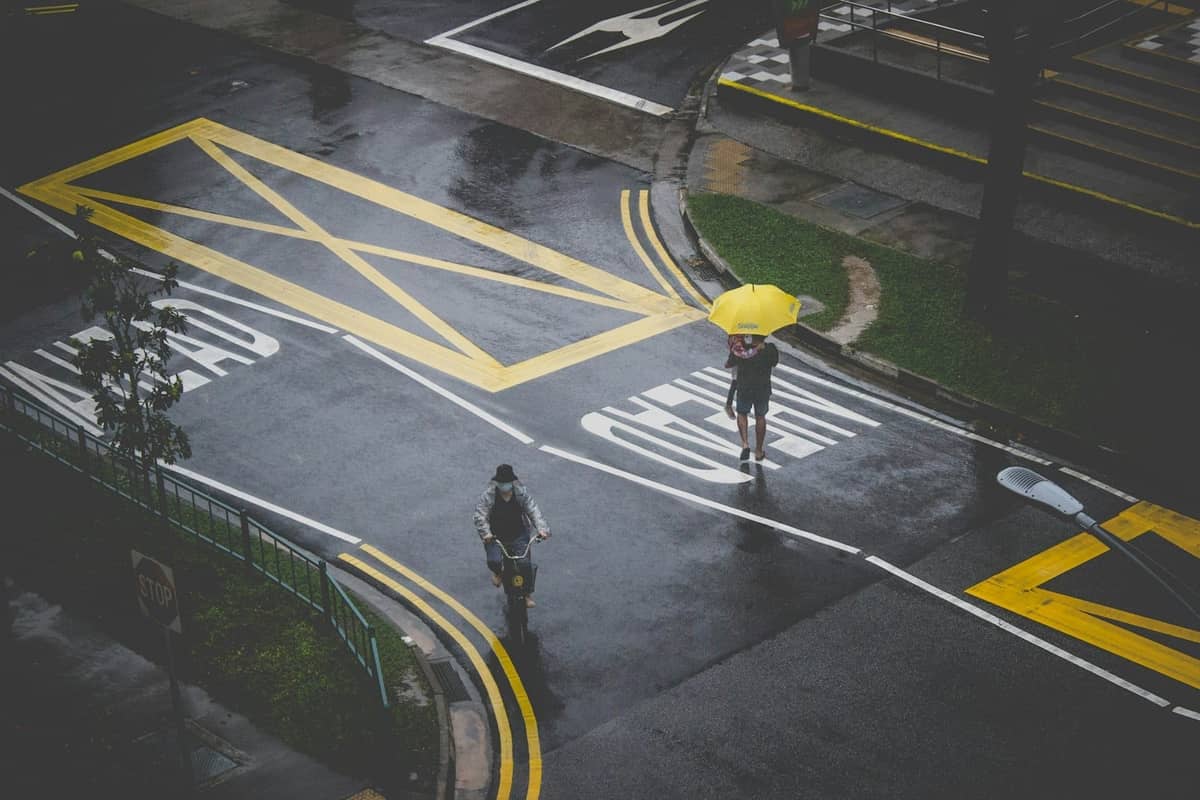
October and November are statistically the wettest months. The Northeast Monsoon begins its approach, and transitional weather produces heavy, sustained rainfall — not the brief afternoon thunderstorms of earlier months, but multi-hour downpours. Expect 20+ rainy days in November, with some stretches of grey skies lasting days.
The upside is price. Flights and hotels during this period are among the cheapest of the year. Singapore's indoor infrastructure is world-class — the ArtScience Museum, the National Gallery Singapore, and the dozens of air-conditioned hawker centres and food courts mean you can fill three days without stepping into rain for more than a few minutes. Deepavali (Diwali) typically falls in October or November and is celebrated with exceptional energy in Little India, with light displays and street vendors that are worth the wet weather.
December to January: Festive, Wet, and Popular
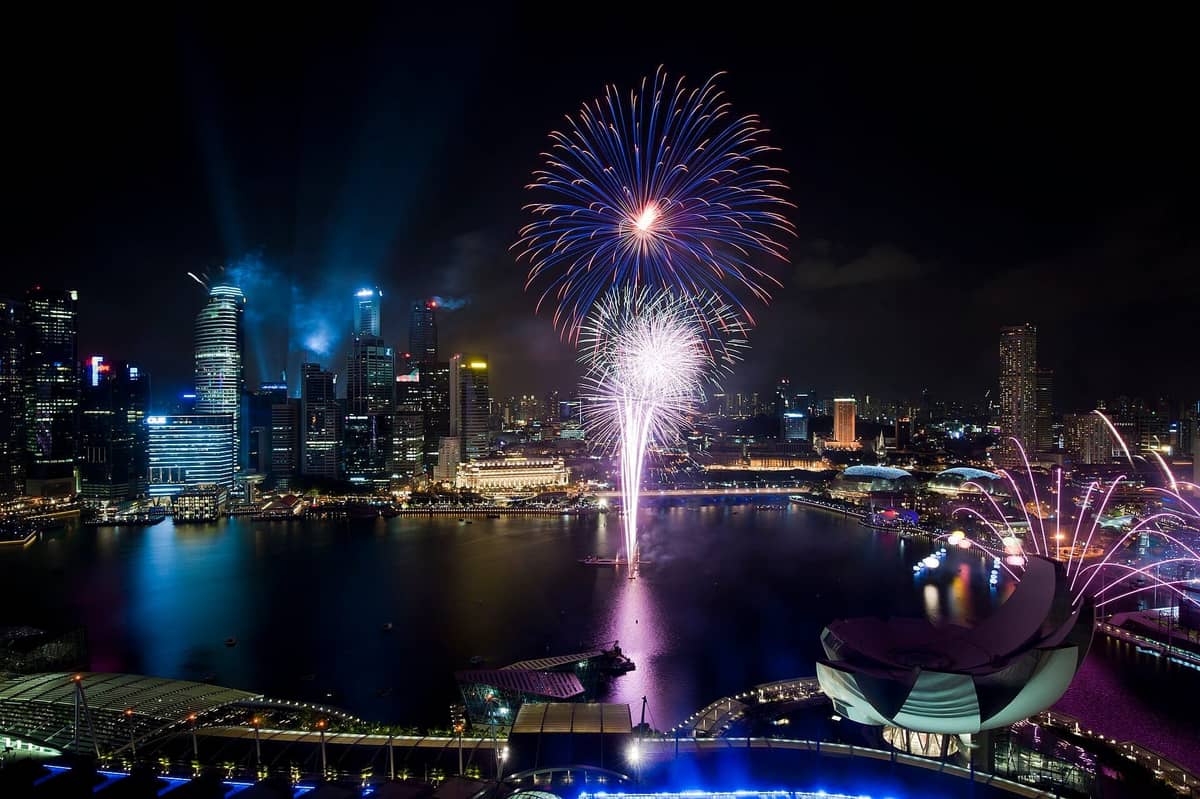
December is one of the busiest and most expensive months to visit. Christmas and New Year's Eve bring major events around Orchard Road and Marina Bay, with light-up displays and countdown crowds. The Northeast Monsoon peaks, meaning December sees consistent rainfall — but Singaporeans are well-practiced at enjoying the city in the wet, and the festive atmosphere is genuinely impressive.
January is a transition month: the monsoon gradually eases, temperatures cool slightly with the northeast winds (relatively speaking — still 26-30°C), and crowds thin out after the New Year rush before Chinese New Year bookings begin. It's actually a reasonable time to visit if you book accommodation early. Check out the full Singapore itinerary guide to map out activities that work whatever the weather.
- February-April: Best weather, best festivals, moderate prices outside Chinese New Year
- May-June: Hot and busy with school holidays, but shopping sales offer genuine discounts
- July-September: Budget-friendly and quieter, with haze risk that varies year to year
- October-November: Wettest and cheapest; good for museum-heavy or food-focused trips
- December-January: Festive and atmospheric, but expensive and rainy
Practical Tips for Planning Around Singapore's Weather
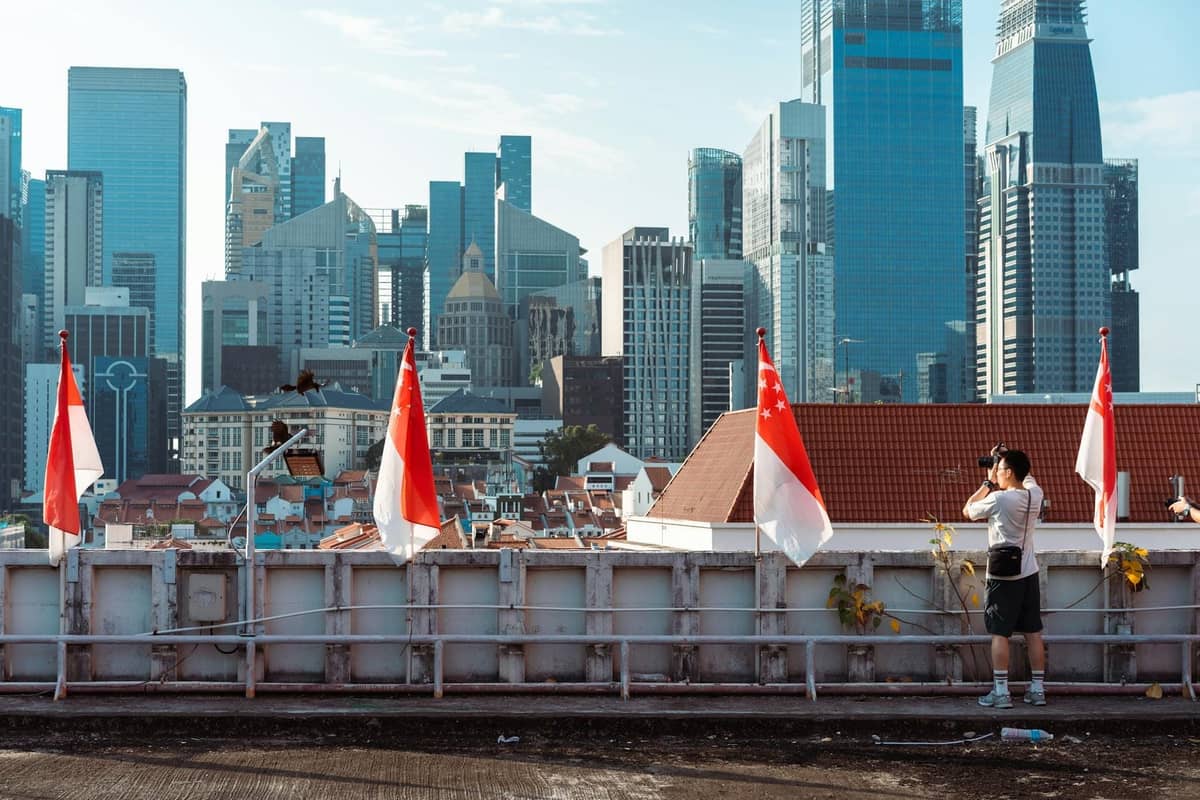
No matter when you visit, build flexibility into your daily schedule. Singapore's rain rarely lasts all day — a 90-minute downpour in the early afternoon can clear to blue skies by 4pm. Time outdoor activities like Gardens by the Bay for the morning or early evening, and plan indoor activities as natural mid-day fillers. The hawker centre experience is genuinely weather-proof and one of the best things you can do in Singapore at any time of year.
- Book accommodation early for peak periods Chinese New Year, National Day (August 9), Christmas, and New Year's Eve all cause price spikes and sell-outs, sometimes months in advance.
- Check the PSI before outdoor activities Singapore's NEA publishes real-time air quality data at haze.gov.sg. A PSI above 100 is 'Unhealthy' and worth rescheduling outdoor excursions for.
- Carry a compact umbrella, not a poncho Singapore's indoor-outdoor transition is constant — malls, MRT stations, and sky bridges mean you rarely need full rain gear.
- Lightweight, breathable clothing works best The heat and humidity are relentless regardless of season. Indoor air-conditioning is often aggressive, so a light layer for restaurants and museums is useful.
💡 Local tip
Singapore's MRT and bus network means weather barely affects how you get around. Even in heavy rain, you can travel from Changi Airport to Orchard Road to Marina Bay almost entirely underground or under cover. Plan museum days and indoor food trails for rainy spells, and save parks and beaches for dry mornings.
For a deeper look at what to do once you've locked in your dates, the things to do in Singapore guide covers everything from heritage trails to night attractions. If you're traveling with children, the Singapore with kids guide has month-specific recommendations for family-friendly activities.
FAQ
What is the best month to visit Singapore?
February and March are generally the best months. Rainfall is at its lowest (around 13-17 rainy days), humidity is comparatively lower, and the festival calendar — including Chinese New Year and the Chingay Parade — is at its most active. April is also a solid choice if you want to avoid festival crowds while still enjoying good weather.
Does Singapore have a rainy season?
Singapore doesn't have a distinct rainy season the way some tropical destinations do. Rain is possible year-round. The Northeast Monsoon (December to early March) and the transitional months (October-November) produce the heaviest and most sustained rainfall. The Southwest Monsoon period (June-September) is technically drier but can bring haze from Sumatran fires.
When is the cheapest time to visit Singapore?
October and November typically offer the lowest hotel rates and airfares, as they coincide with the wettest stretch of the year. July and August also trend cheaper than peak periods, particularly for mid-range hotels. Avoid Chinese New Year, Christmas, and New Year's Eve if budget is the priority — prices spike significantly during all three.
Is Singapore worth visiting during the haze season?
It depends on your itinerary. If you're planning mostly indoor activities — museums, hawker centres, shopping, and night attractions like the Night Safari — haze has minimal impact. If outdoor hiking, beach days, or photography are central to your trip, haze between July and September is a real risk. Check NEA's PSI forecast close to your travel dates.
How hot is Singapore in December?
Singapore in December averages 24-31°C — slightly cooler than the peak heat of May and June due to the Northeast Monsoon's winds, but still warm and humid by most standards. Rainfall is high in December, making it one of the wetter months. The festive atmosphere and holiday events make it popular despite the weather.