Singapore Shopping Guide: Malls, Markets & More
Singapore is one of Asia's premier shopping destinations, with low import tariffs, world-class malls, and lively street markets all within a compact city. This guide cuts through the noise to tell you exactly where to shop, what to expect, and how to get the best value.
Plan and book this trip
Tools from our partner Travelpayouts help you compare flights and hotels. If you book through them, we may earn a commission at no extra cost to you.
Flights
Hotels map
TL;DR
- Orchard Road is Singapore's main shopping belt with 20-plus malls covering every budget, from luxury flagships to high-street chains. See our ION Orchard guide for the district's flagship mall.
- Singapore has a GST on most goods, and import tariffs are low — prices are often competitive with duty-free airports elsewhere.
- Street markets like Bugis Street offer items from SGD 3, while Marina Bay Sands hosts over 170 luxury boutiques.
- For electronics, Sim Lim Square is the specialist hub. For culture and souvenirs, head to Chinatown or Little India.
- Most malls open 10 AM to 10 PM daily. Changi Airport and Jewel offer genuine duty-free value even if you are not flying immediately.
Why Singapore Is a Serious Shopping Destination
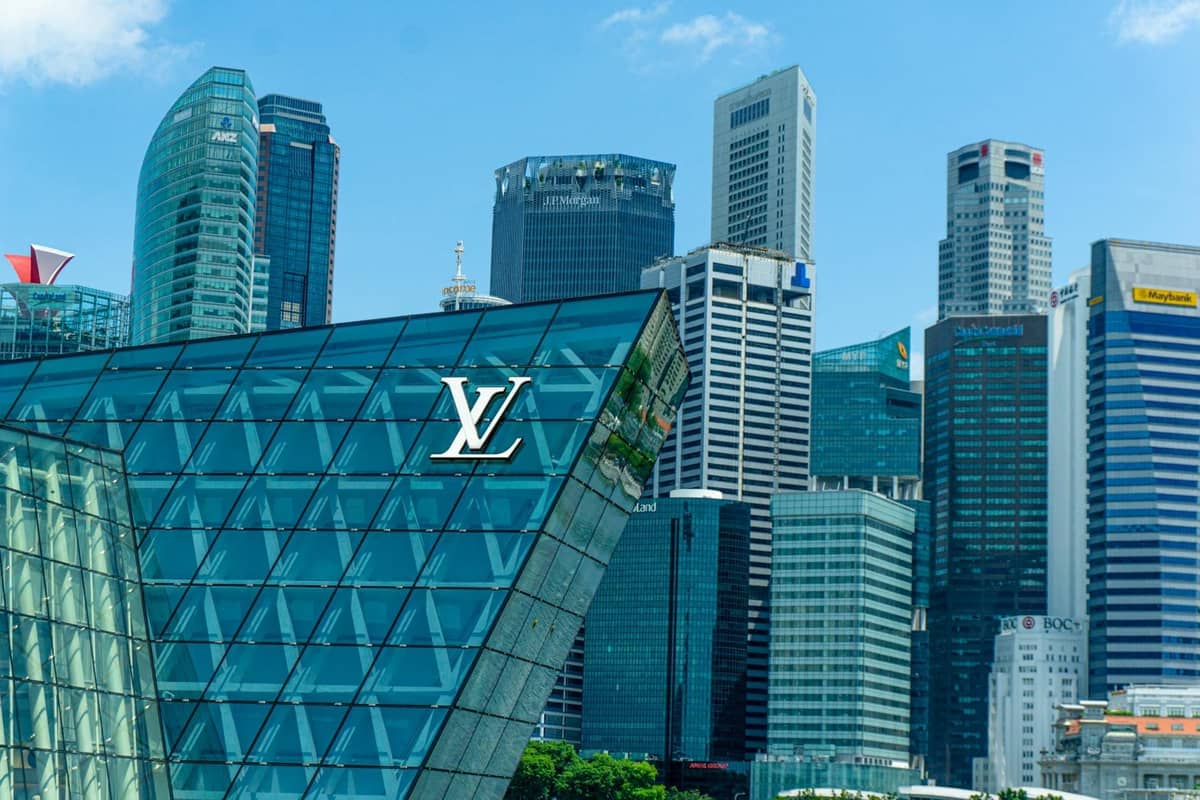
Singapore consistently ranks among Asia's top retail cities, and not just because there are a lot of malls. The city-state imposes minimal import tariffs on most consumer goods, meaning retail prices on electronics, watches, cosmetics, and fashion are often lower than in Europe or Australia. The Goods and Services Tax (GST) applies to most purchases, so factor that into comparisons with duty-free pricing. English is spoken everywhere, card payments are universal, and the entire island is navigable by MRT. All of this makes shopping here unusually frictionless.
The retail landscape divides roughly into three tiers: air-conditioned mega-malls for mainstream and luxury retail, specialist shopping centres for specific product categories, and open-air or semi-covered markets for bargain hunting and local goods. Knowing which tier suits your goal saves a lot of time.
ℹ️ Good to know
Singapore's GST rate has changed in recent years — verify the current rate before your trip. Tourist GST refund schemes may apply on qualifying purchases above a minimum spend threshold at participating retailers.
Orchard Road: The Benchmark for Mall Shopping
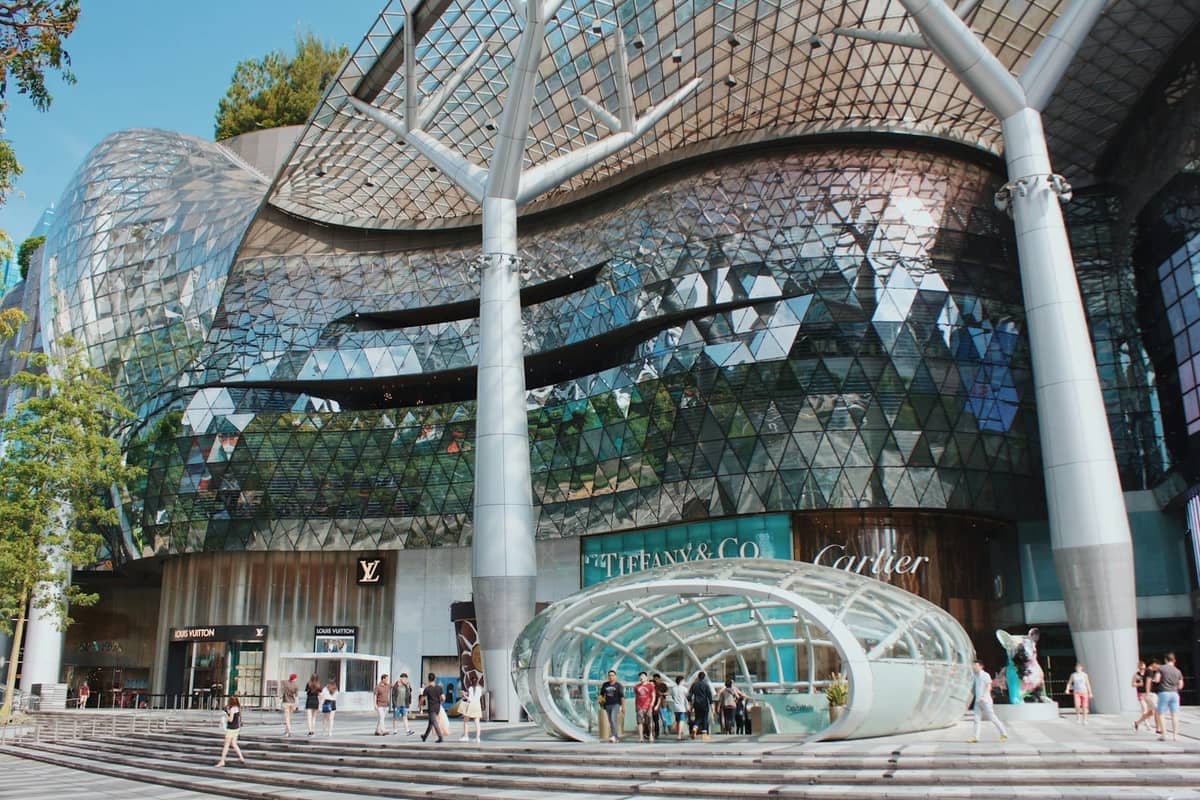
Orchard Road is Singapore's most famous shopping corridor, and it earns that reputation through sheer density and range. More than 20 large shopping centres line a single 2.5-kilometre stretch, anchored by malls like ION Orchard, Ngee Ann City, Paragon, and 313@Somerset. Luxury brands including Louis Vuitton, Gucci, Prada, and Rolex maintain flagship stores here. Mid-range global retailers like Zara, H&M, and Uniqlo are well represented. Most stores open from 10 AM to 10 PM daily.
The practical reality of Orchard Road is that it is genuinely good for comparison shopping. Because the malls are back to back, you can walk between them in minutes. ION Orchard's basement connects directly to Orchard MRT station, making it one of the most accessible retail destinations in the city. Peak crowds hit on weekend afternoons, particularly between 2 PM and 6 PM. Weekday mornings are noticeably quieter.
💡 Local tip
If you are after luxury goods, check whether Singapore pricing beats your home country after GST. For European visitors especially, the math often works out in Singapore's favour on watches and bags.
Marina Bay Sands: Luxury in a Spectacle Setting
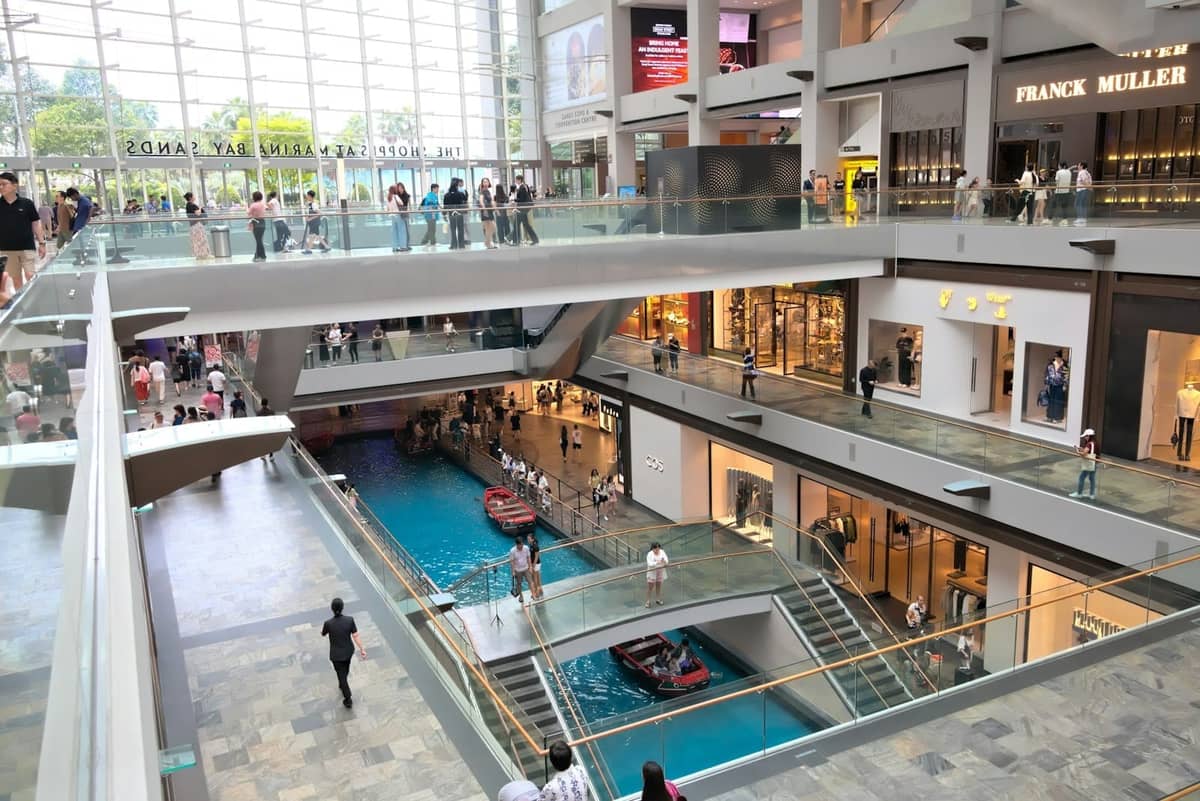
The Shoppes at Marina Bay Sands hosts over 170 luxury boutiques including the largest Louis Vuitton store in Southeast Asia. Opening hours run 10:30 AM to 11 PM daily, slightly later than Orchard Road. The mall's Level B1 features an indoor canal with gondola rides, which sounds gimmicky but is genuinely striking as a retail environment. Brands present include Chanel, Dior, Bulgari, and a concentrated selection of Swiss watch retailers.
Be honest about who this is for: if you are not in the market for luxury goods, The Shoppes is more of a spectacle than a practical shopping destination. That said, the basement food hall and proximity to Gardens by the Bay make it a natural stop on a Marina Bay afternoon regardless of your budget.
Markets and Budget Shopping: Where to Bargain
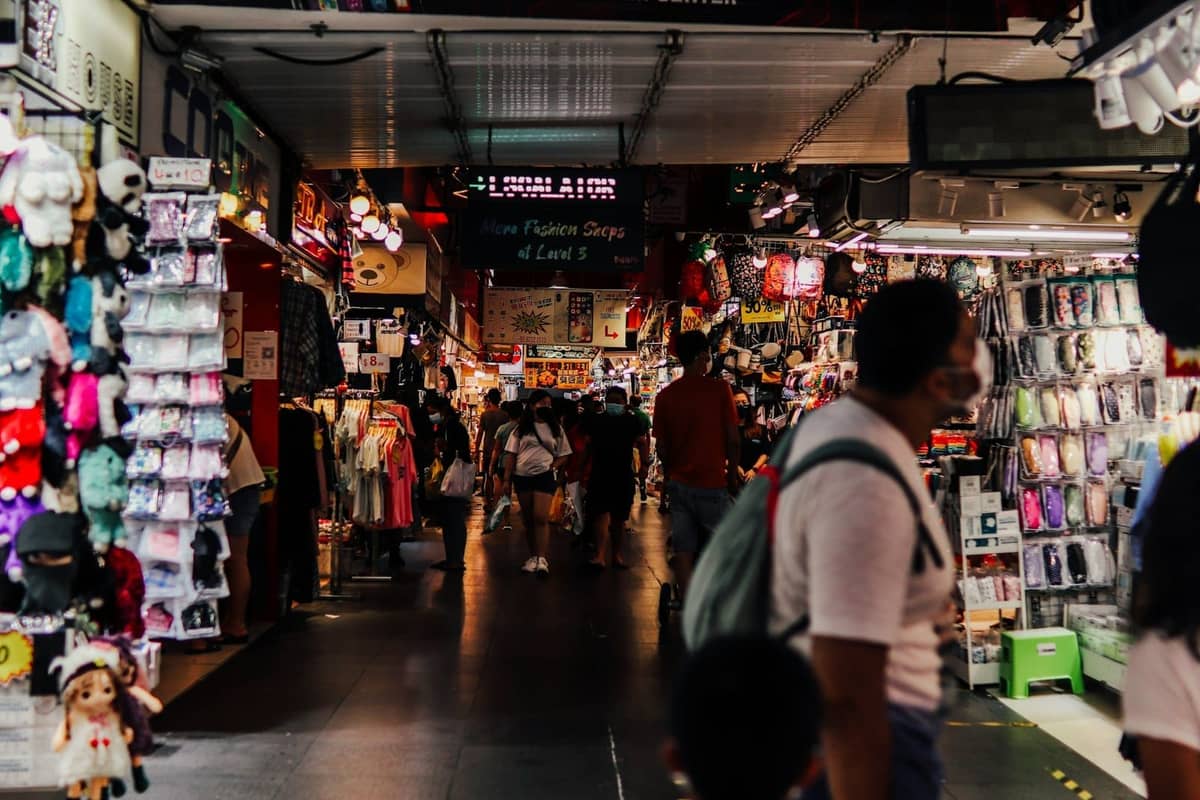
Bugis Street Market is the most accessible market for budget shoppers. Over 600 stalls sell clothing, accessories, cosmetics, and souvenirs, with prices starting around SGD 3 for basic items and casual outfits available for under SGD 10. The market operates in a semi-covered structure adjacent to Bugis Junction mall and Bugis MRT station. Some stalls have fixed prices; others are open to negotiation. The rule of thumb: if there is no price tag, ask and then offer 20-30% less.
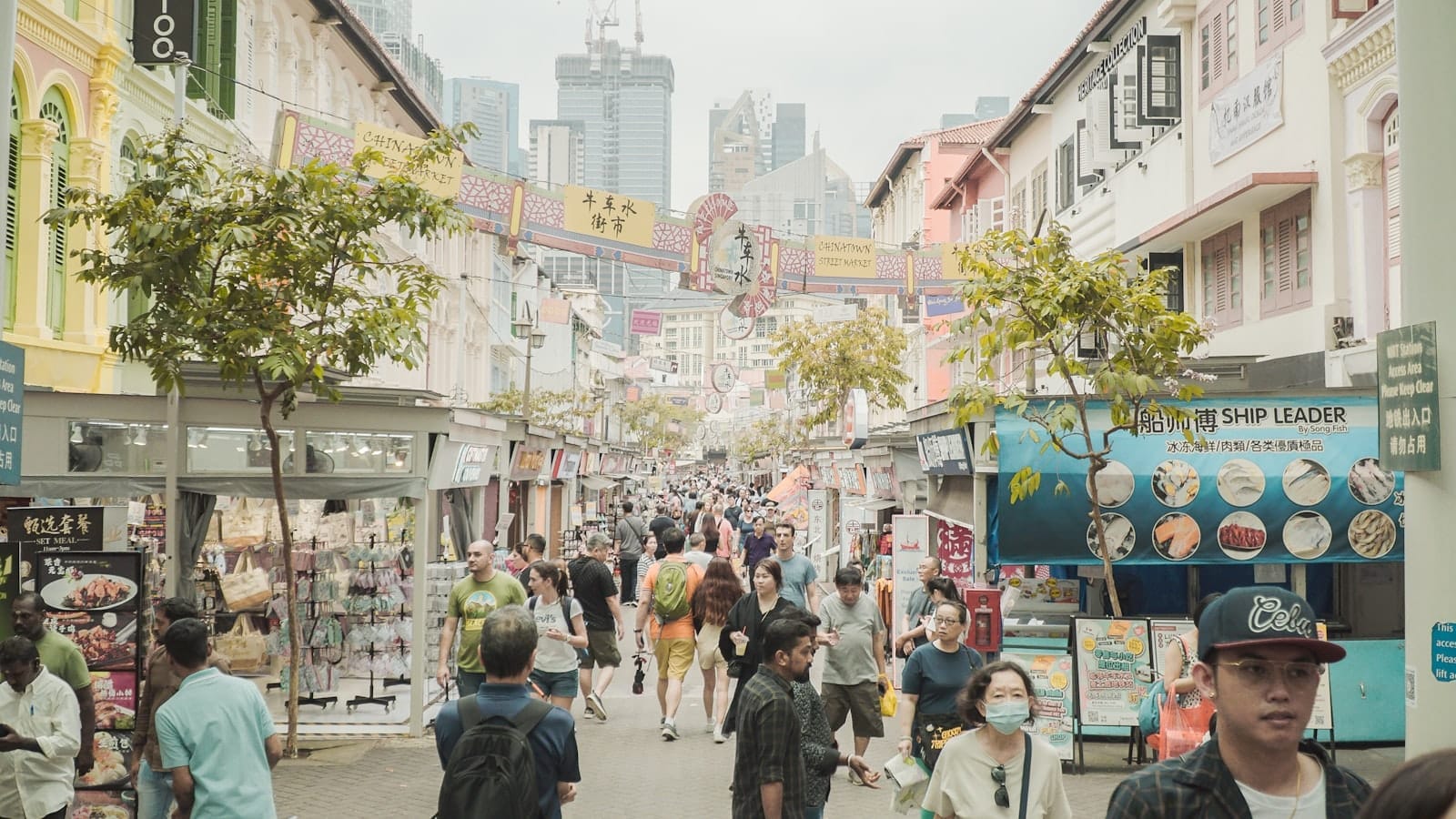
For a more atmospheric take on market shopping, the Chinatown Street Market along Pagoda and Trengganu Streets sells traditional souvenirs, silk goods, Chinese tea, and festive decorations. Quality varies considerably, so inspect items carefully. During Chinese New Year (late January to February), the market expands significantly and stays open later into the evening. Nearby, the Chinatown Complex has a small wet market on its lower floors worth exploring for local produce and dried goods.
In Little India, the Little India Arcade and surrounding streets stock Indian textiles, bangles, spices, and religious items at prices well below tourist-facing shops elsewhere. Mustafa Centre, open 24 hours, is a sprawling department store stocking everything from electronics to saris. It is chaotic, crowded, and genuinely good value, particularly for gold jewellery.
⚠️ What to skip
At Sim Lim Square and some electronics stalls, a small number of vendors have been reported to quote one price verbally and add charges at checkout. Always confirm the full price in writing before handing over payment, and check that warranty terms cover your home country.
Specialist Shopping: Electronics, Antiques, and More
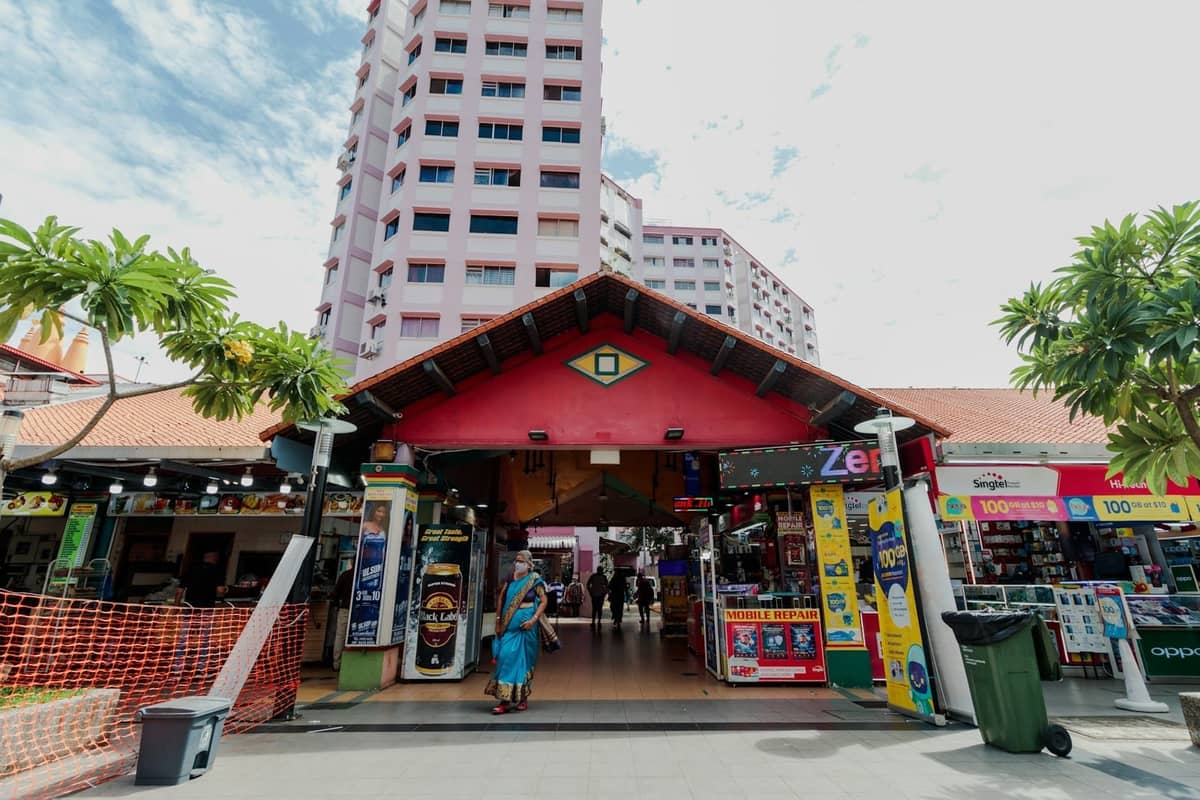
Sim Lim Square on Rochor Canal Road is a six-storey building entirely dedicated to electronics: mobile phones, laptops, cameras, audio equipment, computer components, and repair services. Prices are competitive, especially on accessories and components. Bargaining is possible with some retailers, but the more reputable shops on upper floors typically have fixed prices and better after-sales support. Arrive knowing the international market price for whatever you are buying.
Suntec City Mall in the Marina Bay area offers around 300 stores across its four retail floors, covering fashion, homeware, sporting goods, and dining. It is less touristy than Orchard Road and often less crowded, making it a practical choice for everyday shopping. The Fountain of Wealth courtyard is also one of Singapore's more photographed public spaces.
- Sim Lim Square Electronics, phones, components, and repairs. Best for tech shoppers who know their prices.
- Haji Lane and Arab Street Independent boutiques selling vintage clothing, homeware, and locally designed goods. Good for finding something that isn't mass-produced.
- Dempsey Hill Antique dealers and design stores in repurposed colonial buildings. Higher price points, curated selection.
- Tiong Bahru Singapore's oldest housing estate now hosts independent bookshops, concept stores, and specialty food retailers in a low-key setting.
- Suntec City Mainstream retail with over 300 stores. Calmer than Orchard Road and easy to navigate.
Duty-Free and Airport Shopping
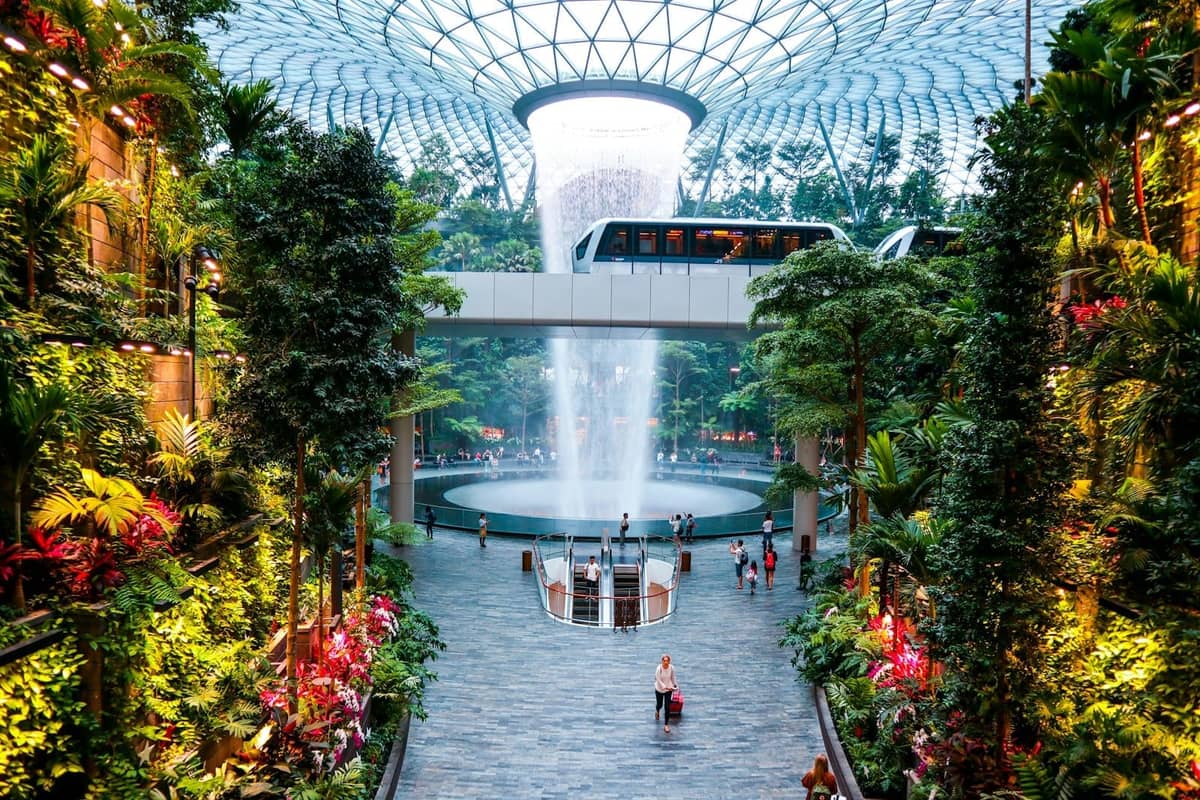
Jewel Changi Airport is worth visiting as a shopping and dining destination in its own right, even if you are not flying. The complex connects Terminals 1, 2, and 3 and features over 280 shops and restaurants beneath the world's tallest indoor waterfall. Retail here ranges from mainstream chains to specialty food brands. Duty-free concessions inside the terminals proper cover perfumes, spirits, cosmetics, tobacco, and electronics at genuinely competitive prices.
DFS T Galleria on Scotts Road (near Orchard Road) offers tax-free shopping on premium brands including Burberry, Bulgari, and Salvatore Ferragamo specifically for international travellers. You collect purchases at the airport before departure. This model works well for bulky or fragile items you don't want to carry around the city.
- Alcohol and tobacco have strict duty-free allowances entering Singapore. Check the current limits before purchasing abroad.
- Changi Airport consistently ranks among the world's best for duty-free variety and price. Factor in your departure terminal when planning shopping time.
- Keep receipts for all major purchases. GST tourist refund applications require original receipts and must be submitted before departure.
- Most airport retailers accept SGD, USD, and major credit cards. Currency conversion rates at retail terminals are poor — pay in SGD.
✨ Pro tip
The best time to shop in Singapore's malls is mid-week (Tuesday to Thursday) between 11 AM and 2 PM. Tourist footfall is at its lowest, staff are less stretched, and you are more likely to get attentive service, which matters when negotiating or asking detailed questions about warranties and returns.
Practical Tips for Shopping in Singapore
Singapore's MRT network connects almost every major shopping district. Orchard station puts you at the heart of the shopping belt. Bugis station is steps from the street market and Bugis Junction. Bayfront station connects to Marina Bay Sands. For Kampong Glam and Haji Lane, Bugis station is the nearest stop. Chinatown station drops you directly at the street market. Getting around is cheap, fast, and air-conditioned, which matters significantly in Singapore's heat.
If you are planning a dedicated shopping day, the Singapore itinerary guide can help you cluster shopping with nearby sights to avoid unnecessary backtracking across the island. Many of the best retail districts sit adjacent to food destinations covered in the hawker centres guide, so combining a shopping trip with lunch at a local food centre is the most efficient approach.
FAQ
Is shopping in Singapore cheap compared to other Asian cities?
It depends on the category. Electronics and watches are often competitively priced due to low import tariffs. Luxury fashion is comparable to Hong Kong or slightly cheaper than Europe. Street market goods (Bugis, Chinatown) are genuinely affordable. Grocery and everyday retail is not cheap by Southeast Asian standards.
Can you bargain in Singapore malls and markets?
In malls, prices are fixed. At street markets like Bugis Street and Chinatown market, bargaining is common on items without price tags. The general approach: ask the price, offer 20-25% less, and meet somewhere in the middle. At electronics shops like Sim Lim Square, some negotiation is possible, especially if paying cash.
What is the best area for shopping in Singapore?
Orchard Road for the widest range across all budgets. Marina Bay Sands for luxury. Bugis Street for budget fashion. Sim Lim Square for electronics. Haji Lane and Tiong Bahru for independent and local brands. The right answer depends entirely on what you are buying.
Do Singapore shops accept foreign credit cards?
Yes, Visa, Mastercard, and Amex are accepted almost universally across malls, restaurants, and most markets. Contactless payments are widely available. Some smaller stalls in wet markets and street markets are cash only, so keep some SGD on hand.
Are there tourist tax refunds on shopping in Singapore?
Yes, the Tourist Refund Scheme (TRS) allows visitors to claim GST refunds on qualifying purchases above a minimum spend threshold at participating retailers. You must present your passport, have receipts, and submit the claim at the airport before departure. Not all shops participate, so look for the GST refund logo at checkout.