Best Things to Do in Doha: The Definitive Guide
From the Museum of Islamic Art to the Inland Sea desert, Doha packs serious variety into a compact city. This guide covers the top things to do in Doha with real admission prices, opening hours, seasonal tips, and honest takes on what's worth your time.
TL;DR
- Visit between November and March for comfortable temperatures (20–27°C) — summer heat above 40°C makes outdoor activities genuinely unpleasant.
- Not all museums are free: MIA and the 3-2-1 Olympic Museum charge non-residents QAR 50 per adult, though residents and under-16s enter free.
- The Museum of Islamic Art, Souq Waqif, and a desert safari to Khor Al Adaid are the three experiences that define a Doha trip.
- The Doha Metro connects the airport, central Doha, and West Bay — cheap, air-conditioned, and the smartest way to get around.
- Check our Doha first-timer guide if this is your first visit — it covers visa, currency, and cultural basics in one place.
Why Doha Surprised Everyone
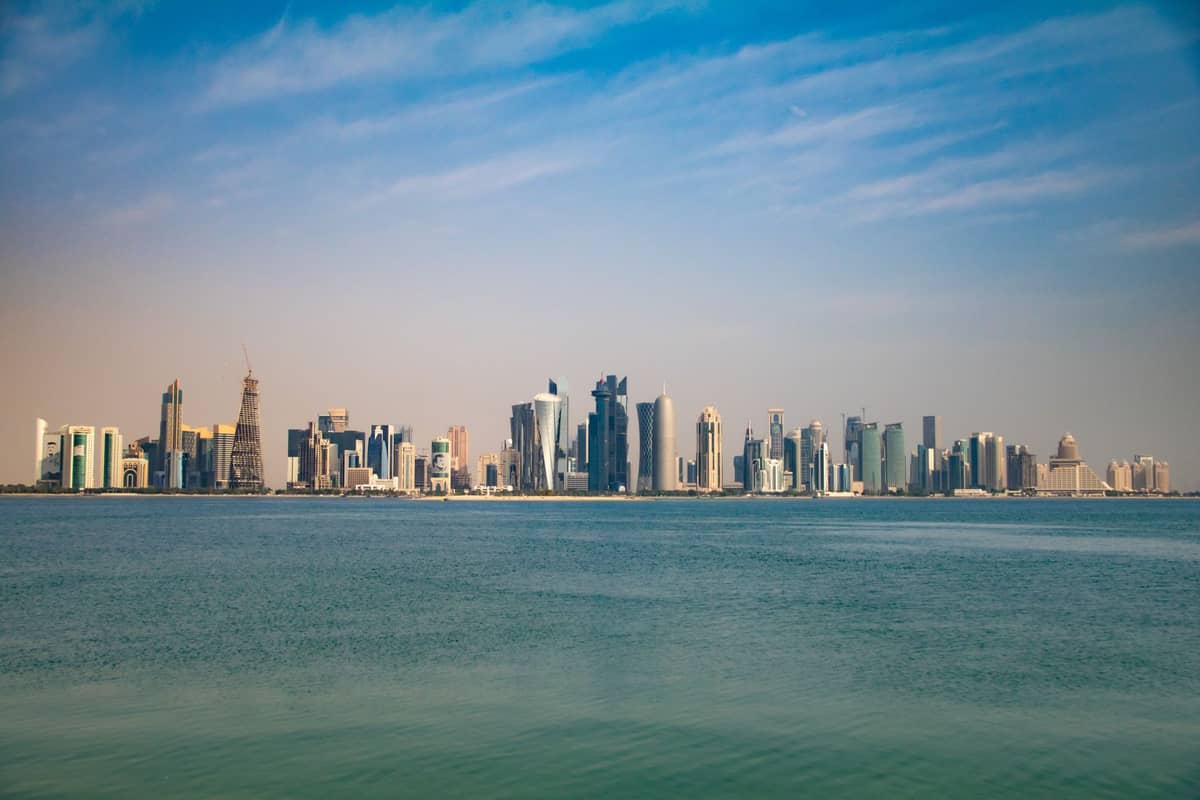
Doha is the capital of the State of Qatar, sitting on the central east coast of the Qatar Peninsula along the Arabian Gulf. With a city population of around 1.2 million (estimate) and a metro area that's grown dramatically over the past two decades, it's small enough to cover in a few days but dense enough in quality experiences to justify a week. The things to do in Doha span world-class museum architecture, a restored traditional market, a man-made island with European canal-style streets, and some of the most accessible desert scenery in the Gulf. That range is what keeps surprising first-time visitors who expect little more than a transit stop.
The city operates on Arabia Standard Time (UTC+3) year-round — Qatar doesn't observe daylight saving time. The official currency is the Qatari riyal (QAR), pegged to the US dollar at 3.64 QAR per USD. English is widely spoken in hospitality, retail, and transport, so language is rarely an obstacle. For a broader orientation before diving into specific activities, the Doha first-timer guide covers visas, dress codes, and transport in detail.
The Museums: Doha's Strongest Card
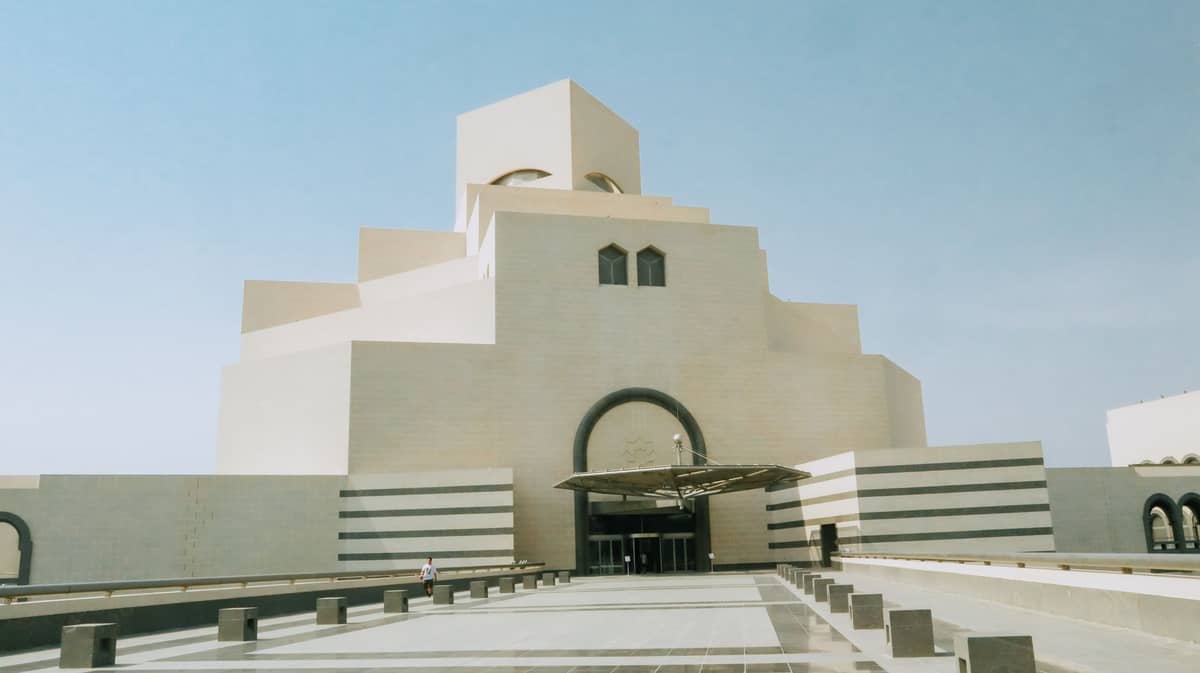
Doha has invested heavily in cultural infrastructure, and the results are genuinely impressive. The museum district along and near the Corniche holds institutions that compete with the best in the Middle East. The honest caveat: not everything is free, and the popular myth that 'all Doha museums are free' leads to budget surprises at the ticket desk.
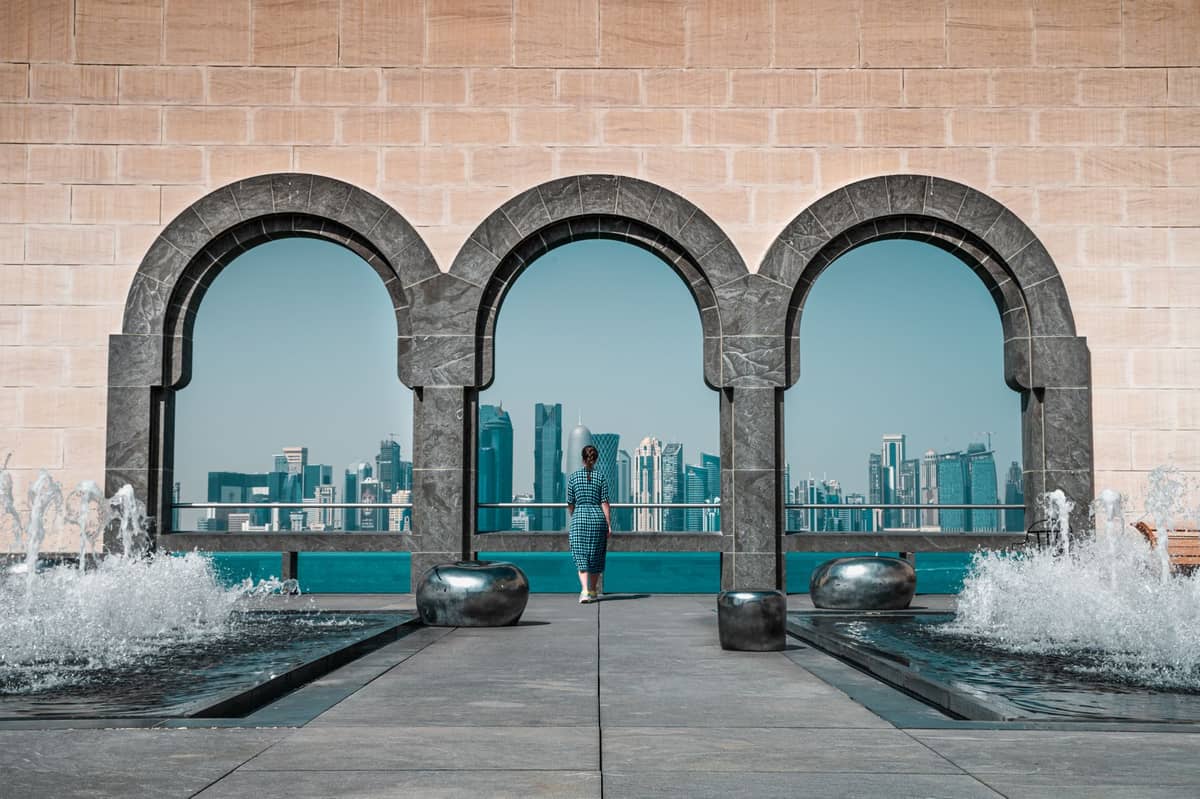
- Museum of Islamic Art (MIA) The undisputed highlight. I.M. Pei's geometric building sits on its own peninsula south of the Corniche, housing 1,400 years of Islamic art across five floors. Open Sat–Tue 9:00–19:00, Thu until 21:00, Fri from 13:30. Closed Wednesday. Non-resident adults QAR 50, students QAR 25, residents and under-16s free. Budget 2–3 hours minimum.
- National Museum of Qatar (NMOQ) Jean Nouvel's interlocking disc structure is as much the exhibit as what's inside. The museum traces Qatar's geological and human history from prehistoric seas to modern statehood. Hours mirror MIA roughly (Sat–Wed 9:00–19:00, Thu until 21:00, Fri from 13:30, closed Tuesday). Check the NMOQ official site for current ticket prices before visiting.
- 3-2-1 Qatar Olympic and Sports Museum Located beside Khalifa International Stadium in Aspire Zone, this is the first dedicated Olympic and sports museum in the Middle East. Non-resident adults QAR 50, students QAR 25, under-16s free. Same general hours as MIA. Genuinely interesting even for non-sports fans — the curation is strong.
- Msheireb Museums Four restored historic houses in Msheireb Downtown Doha that trace Qatari social history, the pearl-diving era, and British colonial presence. Non-resident adult admission is charged (currently around QAR 50; verify on the official Qatar Museums site). Open Mon–Thu and Sat 9:00–17:00, Fri 15:00–21:00, closed Sunday. Compact and worth two hours alongside the surrounding architecture.
- Mathaf: Arab Museum of Modern Art Located in Education City, this is the region's most serious collection of modern Arab art — often overlooked because of its distance from central Doha. Worth the metro trip for anyone interested in 20th-century Arab culture.
💡 Local tip
Museum hours change during Ramadan and public holidays — sometimes significantly, with shortened afternoon sessions or closed mornings. Always confirm directly on the institution's website before building an itinerary around a specific opening time.
Souq Waqif, the Corniche, and the Historic Core
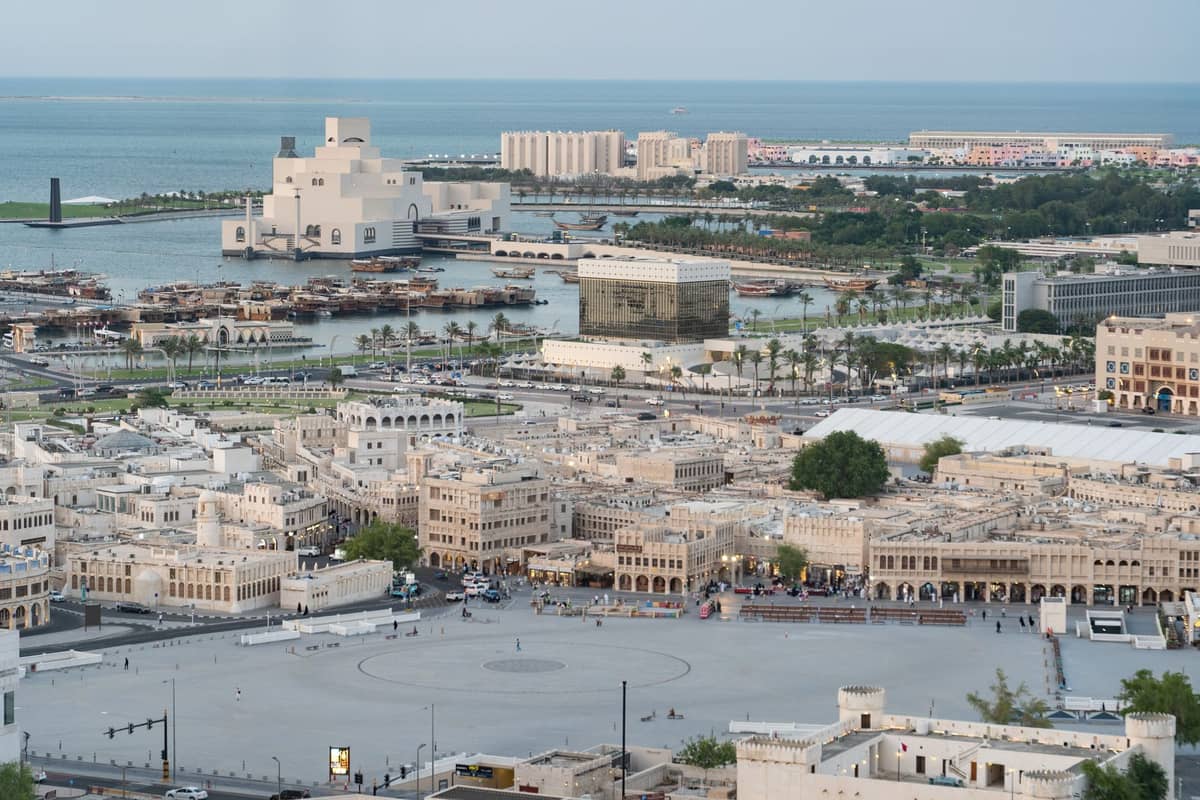
The area around Souq Waqif is where most visitors spend their first evening in Doha, and for good reason. The souq was heavily restored in the 2000s to reconstruct its traditional mud-render and timber-pole aesthetic, and the result is convincing without feeling entirely artificial. Spice sellers, fabric merchants, a Falcon Souq, a Gold Souq, and dozens of restaurants occupy its labyrinthine lanes. It's crowded on Thursday and Friday evenings — arrive before 19:00 if you want to browse without shoulder-to-shoulder crowds.
Directly south of Souq Waqif sits the Dhow Harbour, where traditional wooden dhows still dock and operate short bay cruises. The harbour is particularly photogenic in the late afternoon when the West Bay skyline catches the sun behind the boats. For a longer water experience, Doha boat rides range from 30-minute dhow circuits to half-day island trips.
The Doha Corniche promenade stretches roughly 7 kilometres along Doha Bay from the MIA peninsula north toward West Bay. It's a flat, paved walkway with uninterrupted views of the skyline across the water. Early mornings (before 8:00) and evenings after sunset are the most comfortable times to walk it — avoid midday between May and October entirely. The Doha photography guide has the best Corniche vantage points mapped out.
✨ Pro tip
The Falcon Souq at Souq Waqif is one of the most distinctive experiences in the city. Even if you have zero interest in buying a falcon, spending 20 minutes watching handlers assess birds and negotiate prices is genuinely fascinating. Qatar's falconry tradition is UNESCO-listed — the guide to Doha falconry has more context on the cultural significance.
Desert, Sea, and Outdoor Escapes
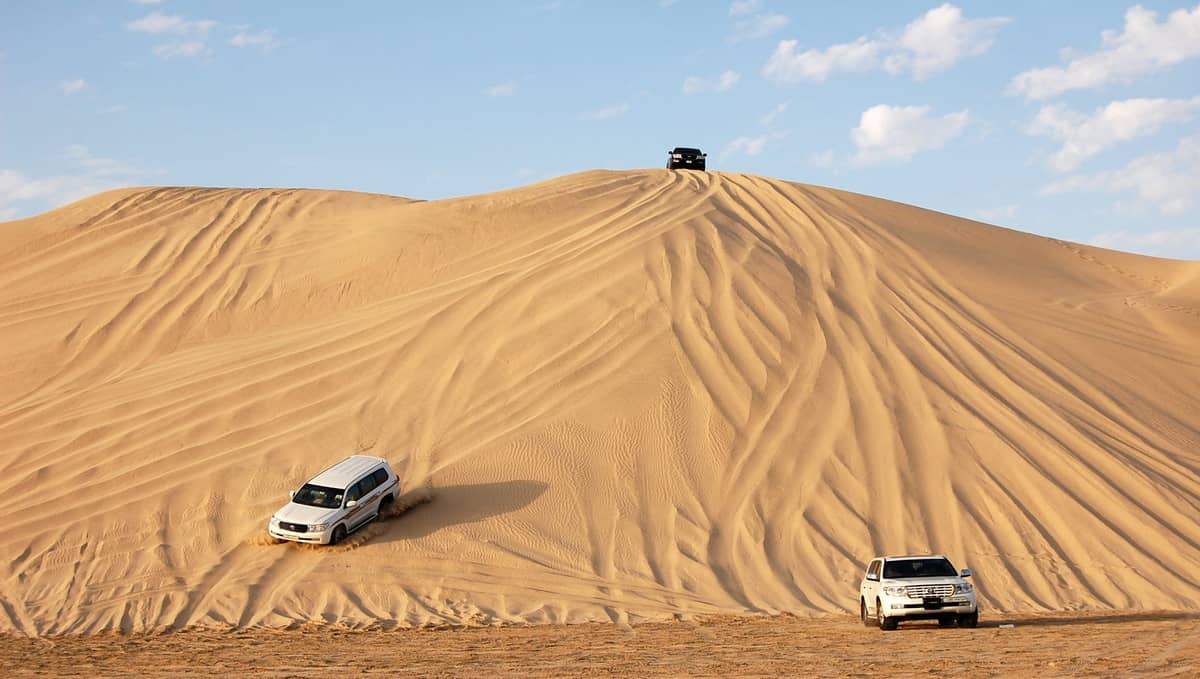
The single best outdoor experience from Doha is a trip to Khor Al Adaid, known as the Inland Sea — a UNESCO Tentative List natural reserve where towering sand dunes meet a saltwater inlet that connects to the Arabian Gulf. It sits about 80 km south of Doha near Sealine. You need a 4WD to get there, which is why most visitors book a desert safari through a licensed tour operator. A typical 5–6 hour tour includes dune bashing, sandboarding, a camel ride, and time at the water's edge. Pricing on international platforms runs around USD 55–70 per adult depending on group size and inclusions — book in advance during peak season (November–March) as tours fill up.
For something calmer and closer to the city, the Al Thakira mangroves north of Doha offer kayaking through one of Qatar's few natural mangrove forests. Tours operate from Al Khor, about 50 km from central Doha. This is a genuinely different pace from the museum circuit and works well as a half-day addition to a longer itinerary. The Doha desert safari guide compares the main outdoor tour options with logistics and pricing.
- Khor Al Adaid (Inland Sea): UNESCO-recognised tentative site, dunes meeting saltwater — the definitive Qatar landscape.
- Al Thakira Mangroves: Kayaking through natural mangroves near Al Khor, 50 km north of Doha.
- Sealine Beach: Public beach with dune access, popular with residents on weekends.
- Camel racetrack at Al Shahaniya: Free to watch during season (October–March), about 40 km from the city.
- Sheikh Faisal Bin Qassim Museum: Private collection of Qatari antiques, vintage cars, and Islamic art near Al Shahaniya. Check the museum’s official site for current ticket prices (higher than a token fee) and note that online booking is recommended.
The Pearl, Lusail, and Modern Doha
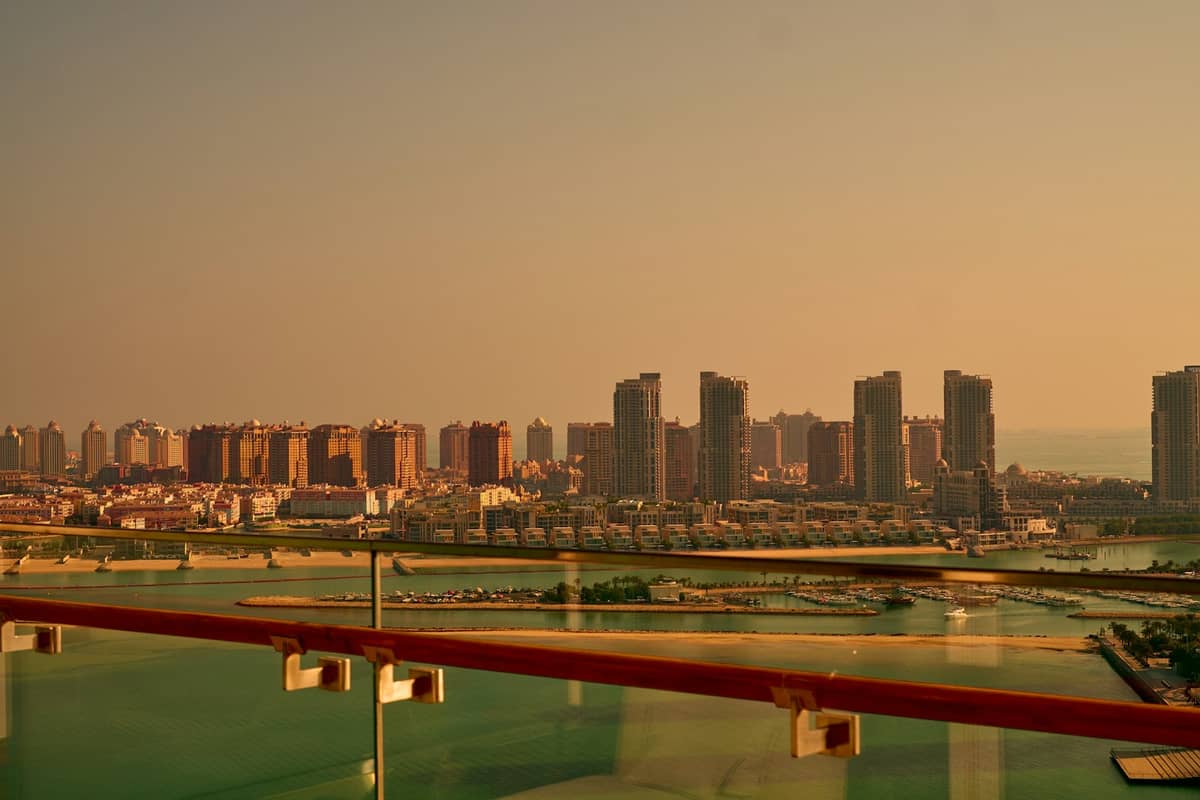
For a sense of where Doha is heading architecturally and commercially, The Pearl-Qatar is worth an afternoon. This man-made island off West Bay has residential towers, a marina, and a section called Qanat Quartier that replicates Venetian canal architecture with reasonable fidelity. It's unabashedly artificial, and that's fine — the waterside restaurants at Porto Arabia are genuinely pleasant for dinner, and the promenade makes for an easy evening stroll without traffic.
Further north, Lusail City is Doha's newest major district, built largely in the lead-up to the 2022 FIFA World Cup. The Lusail Iconic Stadium — where the World Cup final was held — sits here, and the broader area has a futuristic, slightly empty quality that makes it interesting to visit. Place Vendome Mall is Lusail's headline retail development, designed around a Parisian-style glass arcade. For context on the World Cup legacy, the Doha World Cup stadiums guide covers which venues are accessible and what's happening in them now.
⚠️ What to skip
The Pearl and Lusail are spread out and not particularly walkable between attractions. Use the Doha Metro (Legtaifiya and Lusail stations on the Red Line serve The Pearl area and Lusail) or ride-hailing apps like Karwa Taxi rather than trying to walk between sites in heat that can exceed 40°C in summer months.
Practical Planning: When to Go and How to Structure Your Time
Doha has a hot desert climate (Köppen BWh). The gap between 'comfortable' and 'genuinely difficult' is stark. November through March brings daytime highs of 21–27°C — ideal for outdoor activities, Corniche walks, and desert tours. July and August see average highs around 41°C with extreme humidity. Outdoor sightseeing in summer is feasible only in early mornings before 8:00 and evenings after 19:00. The best time to visit Doha guide breaks down each month with crowd levels, event calendars, and specific activity recommendations.
A focused two-day visit can cover the Museum of Islamic Art, Souq Waqif, the Corniche, MIA Park, Msheireb Downtown, and The Pearl without feeling rushed. Three to four days allows a comfortable desert safari, a trip to Katara Cultural Village, and time to eat your way through the city properly. The 2 days in Doha itinerary has a day-by-day structure if you need a ready-made plan. For families, Doha with kids identifies the attractions that hold children's attention and those that don't.
- Getting around: Doha Metro (Red, Green, Gold lines) covers Hamad International Airport Terminal 1, central Doha, West Bay, Education City, and Lusail. Cheap, fast, and air-conditioned.
- Taxis: Karwa is the official metered taxi; Uber also operates in Doha. Ride-hailing is reliable and reasonably priced by Gulf standards.
- Dress code: Conservative clothing in public, especially in souqs, mosques, and government buildings. Resorts and hotel pools are more relaxed.
- Budget: Doha can be done on a moderate budget — free parks, low metro fares, cheap street food at Souq Waqif — or escalated quickly into luxury territory. The Doha on a budget guide has specific cost-saving tactics.
- Ramadan: A genuinely special time to visit culturally, but restaurant hours shift significantly, alcohol is unavailable in most venues, and eating or drinking in public during daylight hours is prohibited.
FAQ
What are the best free things to do in Doha?
Quite a lot is free: the Corniche promenade, MIA Park, Al Bidda Park, Msheireb Museums, Katara Cultural Village's public spaces, and the Dhow Harbour cost nothing to visit. The free things to do in Doha guide has a full list with practical logistics.
How many days do you need in Doha?
Two full days covers the core attractions (Museum of Islamic Art, Souq Waqif, The Pearl, Corniche) without rushing. Three to four days adds a desert safari, Lusail or Education City, and a more relaxed pace. Five days is comfortable for a thorough visit including day trips.
Is Doha worth visiting as a destination rather than just a layover?
Yes, for most travellers. The museums alone justify a short trip, and the combination of desert, Gulf waterfront, and a genuinely walkable historic district gives Doha more variety than many expect. The main honest caveat: summer heat (May–September) limits outdoor time significantly, which makes the winter months far more enjoyable.
What is the best area to stay in for first-time visitors?
West Bay and the Corniche area put you close to the major museums and the main Metro interchange at Corniche station. Souq Waqif area hotels are good for walkable access to the historic market. The Pearl has resort-style options but is less convenient for museum-focused itineraries without a car or taxi.
Do I need to book desert safari tours in advance?
Yes, during peak season (November to March). Tours fill up quickly, especially on weekends, and prices can rise for last-minute bookings. Multiple licensed operators sell similar itineraries through platforms like GetYourGuide and Headout — typical prices run around QAR 200–260 per adult for a 5–6 hour shared tour including the Inland Sea.