Best Time to Visit Doha: A Month-by-Month Guide
Doha's extreme desert climate makes timing your visit critical. This guide breaks down every season honestly, covering temperatures, humidity, hotel prices, and the events calendar so you can pick the right window for your trip.
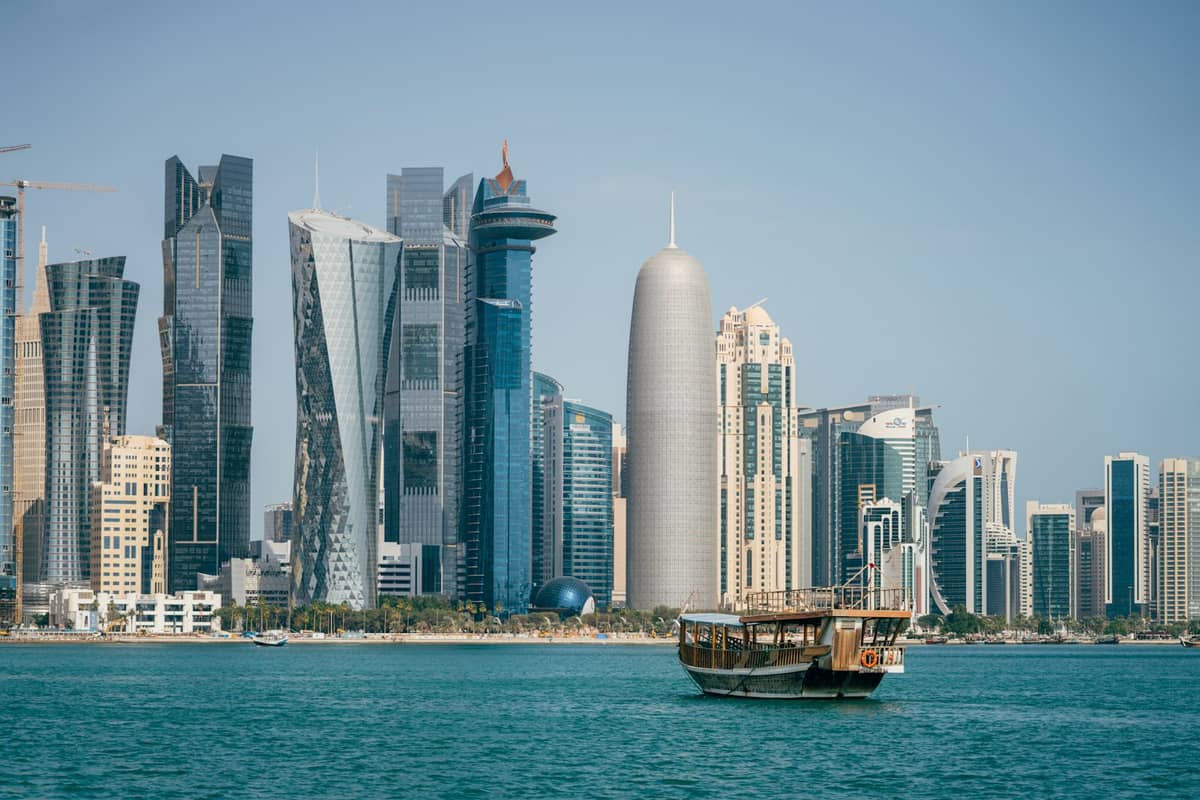
TL;DR
- The best time to visit Doha is November to March, when daytime temperatures sit between 18°C and 27°C — comfortable for outdoor sightseeing, desert trips, and the waterfront.
- December and January are peak season: expect higher hotel prices and livelier events, but also the most pleasant weather of the year.
- April and October are workable shoulder months — warmer but often cheaper, with manageable heat if you plan activities around midday.
- June through September is brutal: daytime highs of 40–42°C, very high humidity, and limited outdoor appeal. Budget travellers willing to stay indoors can find good hotel deals.
- For context on what to do once you arrive, see the complete Doha activities guide.
Understanding Doha's Climate
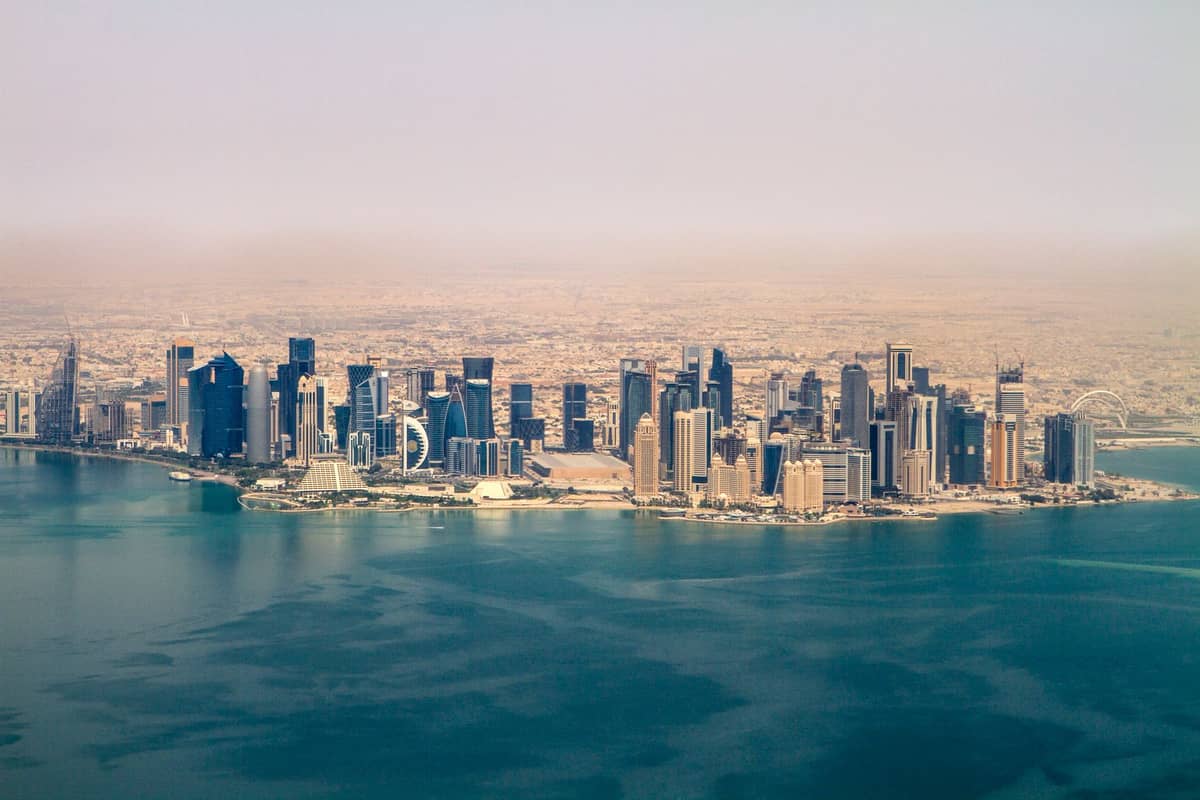
Doha sits at around 25°N latitude on Qatar's east coast along the Arabian Gulf, at near sea level. Its Köppen classification is BWh — hot desert — which means two things: very little rain year-round, and extreme summer heat. Annual rainfall totals roughly 61–75 mm, almost all of it falling between November and April. From June through September, rainfall is effectively zero.
What surprises many first-time visitors is how genuinely pleasant the winter months are. January averages a high of around 22°C and a low of about 13–14°C. That is mild enough for a light jacket in the evenings and comfortable walking weather during the day. The flip side is summer: July and August see average highs of 40–41°C, with night temperatures barely dropping below 28–30°C, and humidity off the Gulf making the heat feel considerably worse than those numbers suggest.
ℹ️ Good to know
Qatar does not observe daylight saving time. The country stays on Arabia Standard Time (UTC+3) year-round, which simplifies scheduling if you are managing international connections through Hamad International Airport.
Month-by-Month Breakdown
Rather than vague seasonal labels, here is what each part of the year actually delivers for a visitor on the ground.
- November The city wakes up from summer mode. Temperatures drop to highs of around 28–30°C by late November. Hotels start filling. Outdoor events begin appearing on the calendar. A solid choice if you want reasonable prices before the December peak.
- December – February Peak season for a reason. Highs of 20–24°C, lows around 13–16°C. The Doha Corniche is genuinely pleasant in the evenings. Most major cultural events, outdoor festivals, and sporting competitions are scheduled here. Hotel rates are at their highest, and popular restaurants get busy on weekends.
- March Still comfortable, with temperatures climbing toward the high 20s by month-end. Rainfall is possible (averaging around 16 mm for the month) but rarely sustained. One of the best months overall, as the peak-season crowds start to thin while the weather holds.
- April A genuine shoulder month. Daytime highs reach 32–33°C by late April, which is noticeable but not punishing if you avoid midday outdoor activity. Hotel prices typically drop compared to December–February. Worth considering if budget matters.
- May The transition point. Temperatures push toward 37–39°C. Humidity begins to rise. Outdoor sightseeing becomes tiring unless done early morning. Not recommended unless you have a specific reason to visit this month.
- June – September Difficult conditions: highs of 40–42°C, intense humidity from the Gulf, and essentially zero rainfall. Doha itself does not shut down — it is a year-round city — but the experience is almost entirely indoors. Malls, museums, and air-conditioned attractions remain fully operational.
- October The heat starts to break. By late October, highs drop toward 33–35°C, which is still warm but more manageable than the summer peak. A reasonable shoulder option, especially if you are targeting indoor cultural experiences alongside some outdoor time.
Peak Season: December to February
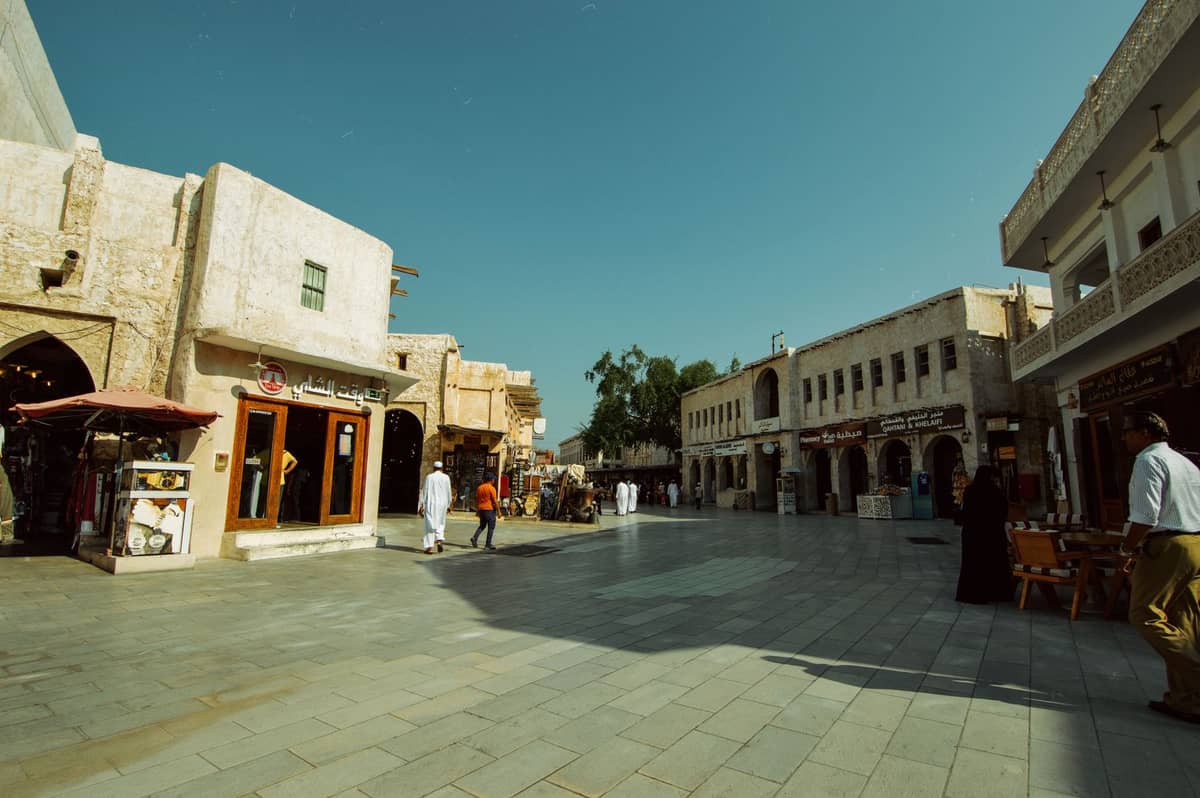
This three-month window is when Doha is at its most visitor-friendly. The Doha Corniche promenade sees its heaviest foot traffic on winter evenings, families gather in Al Bidda Park, and the outdoor terrace culture at places like Souq Waqif actually makes sense to use. Qatar Tourism concentrates its major event programming in this window, from sporting tournaments to cultural festivals.
The practical downside is cost. Five-star hotels in West Bay and on The Pearl-Qatar will charge their highest rack rates from December through January. Booking 2–3 months ahead is advisable for popular properties. For a full breakdown of accommodation options across budgets, the Doha accommodation guide covers neighborhoods and price tiers in detail.
💡 Local tip
If you visit in December or January, plan desert excursions and outdoor attractions for the morning. By early afternoon the light flattens anyway, and temperatures are at their peak — timing your outdoor sightseeing for 8–11am gets you the best experience regardless of season.
Shoulder Seasons: April and October
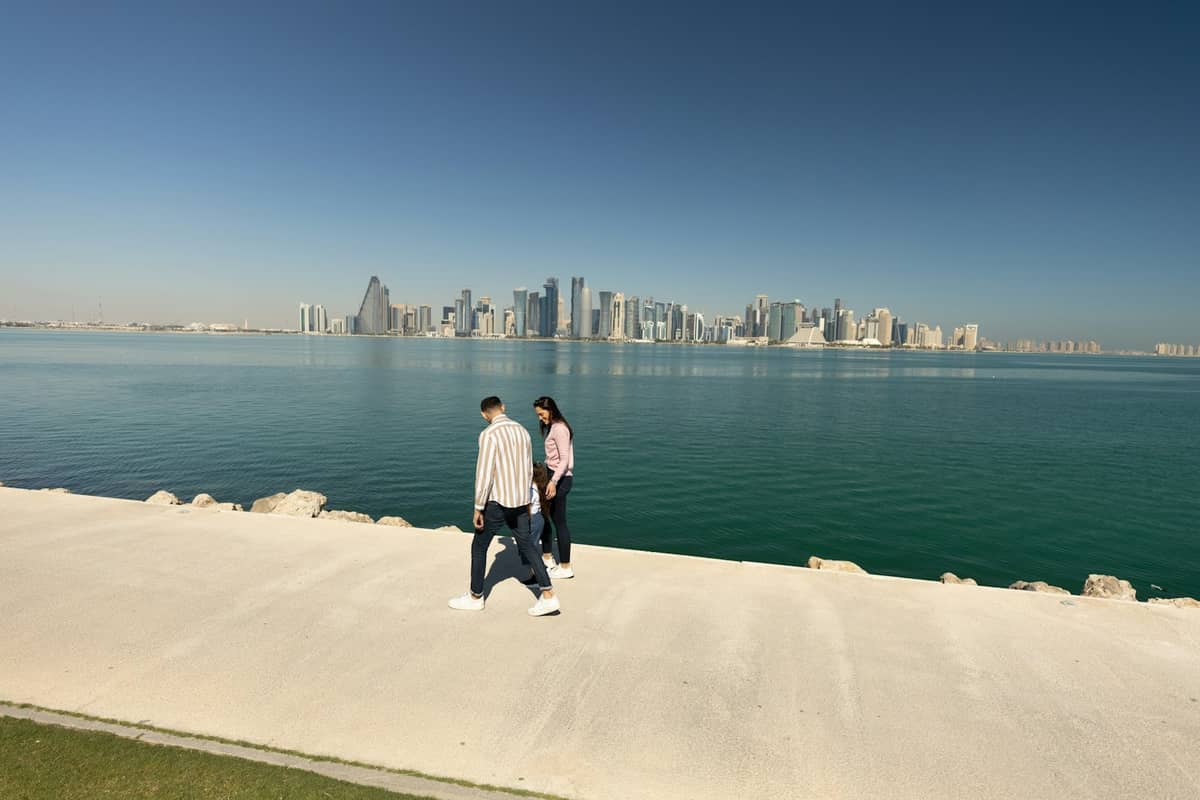
Both months share a similar profile: warmer than ideal, but offering real savings and fewer crowds compared to the December–February peak. April afternoons can feel surprisingly intense at 32–33°C, but mornings remain comfortable for activities like a walk along the Corniche or a visit to outdoor attractions. October is slightly more unpredictable — early October can still feel like summer, while late October genuinely starts to feel autumnal.
These months suit travelers who prioritize museums, indoor markets, and cultural sites over extended outdoor time. The Museum of Islamic Art and the National Museum of Qatar are equally compelling regardless of outdoor temperatures, and the Doha museums guide covers what to prioritize across the city's major institutions.
Summer: The Honest Assessment
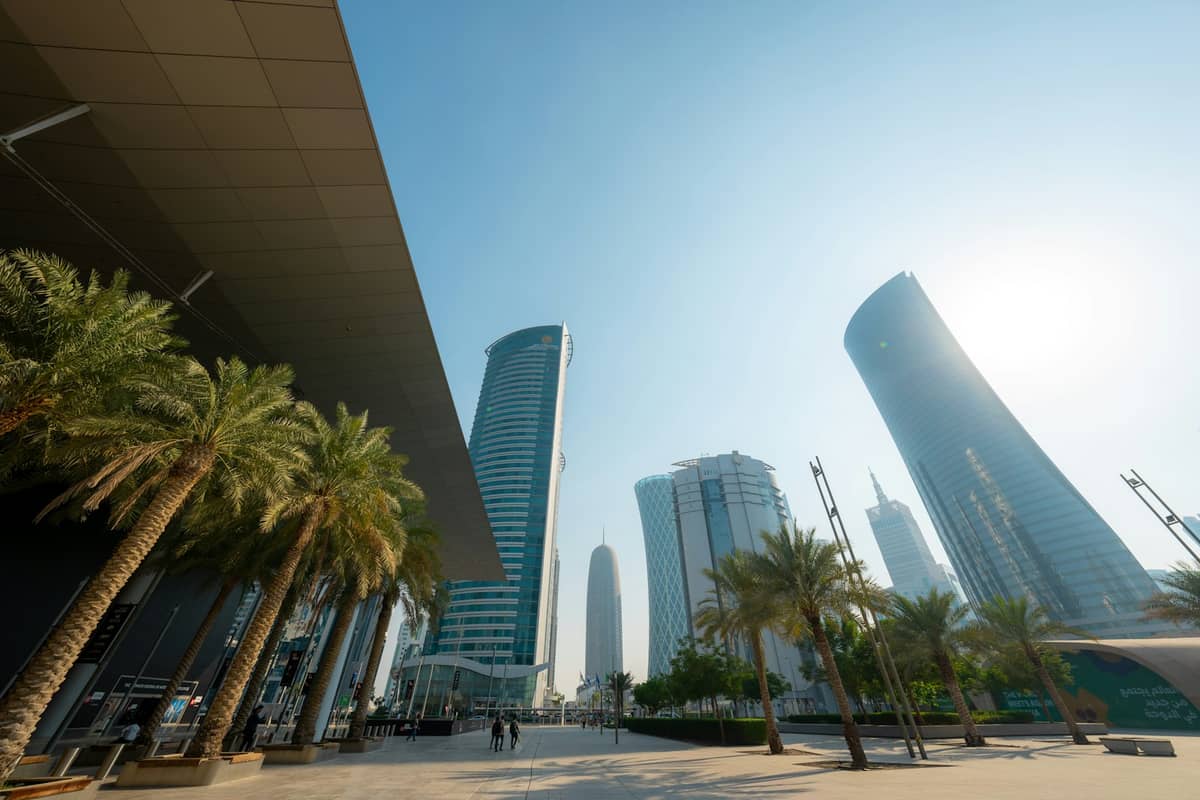
Summer in Doha (roughly June through September) gets a mixed reputation online, and some of that reputation is deserved. A 41°C day with Gulf humidity is not a comfortable sightseeing environment. Outdoor attractions become effectively off-limits between about 10am and 6pm. The desert is absolutely out of the question for daytime visits.
That said, dismissing summer entirely misses some real advantages. Hotel prices drop significantly — sometimes by 30–50% compared to peak-season rates. Malls, museums, and air-conditioned cultural venues remain fully operational and far less crowded. Souq Waqif is quieter in the evenings (from around 7pm onward) when temperatures become more bearable. If your trip is primarily indoor-focused, or if you are a transit passenger using Doha as a layover hub, summer can be surprisingly practical.
⚠️ What to skip
The common assumption that 'summer is cheap and empty' is partially true for leisure travel, but Doha is a major business hub. Corporate demand keeps certain hotel tiers occupied year-round, and last-minute summer bookings at business hotels can be more expensive than expected. Check rates early regardless of season.
Budget-conscious summer visitors should read the Doha on a budget guide alongside the free things to do in Doha guide — many of the city's top indoor experiences, including several museums, have low or no admission fees.
Ramadan: A Special Case
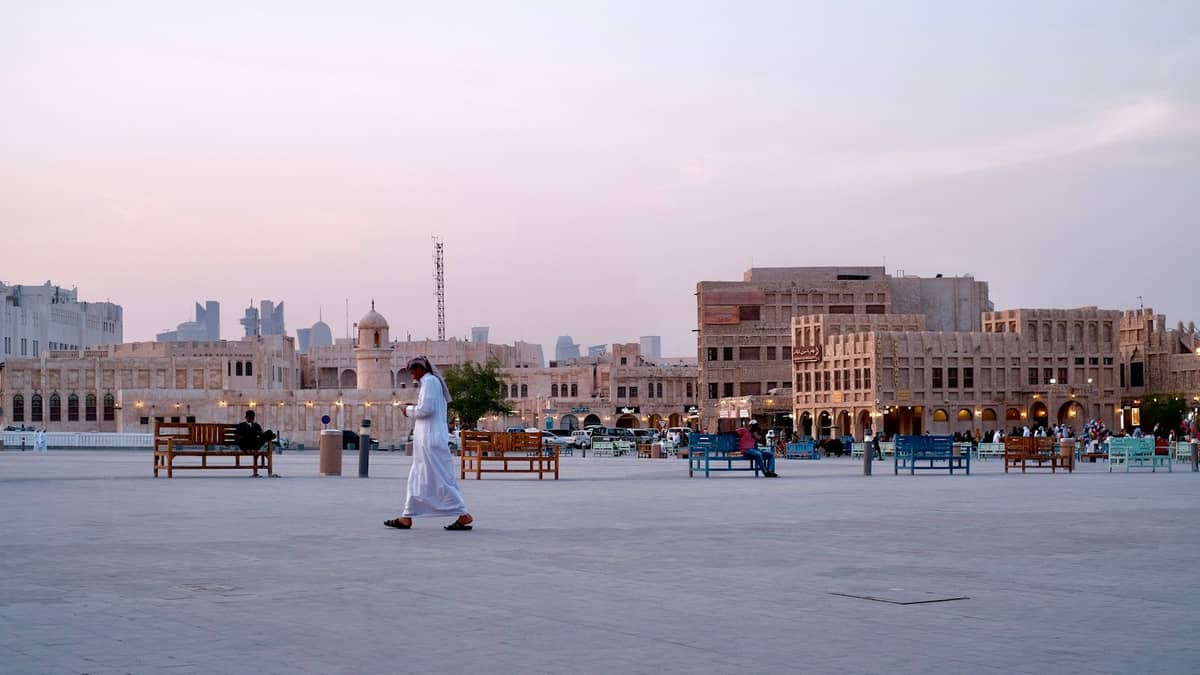
Ramadan's timing shifts each year according to the Islamic lunar calendar, falling approximately 11 days earlier annually. In recent years it has landed in spring or early spring for the Northern Hemisphere. Visiting Doha during Ramadan is a genuinely different experience: restaurants close during daylight hours for Muslims observing the fast, alcohol service is restricted, and the city's rhythm shifts to a nocturnal one. After iftar (the sunset breaking of the fast), Souq Waqif and the Corniche come alive in a way that is quite unlike any other time of year.
For non-Muslim visitors, Ramadan is manageable but requires adjustment. Most hotel restaurants remain open, and some dining venues cater to non-fasting guests in screened-off areas. Eating or drinking in public during daylight hours is discouraged and should be avoided out of respect. The upside: Ramadan brings a distinct cultural authenticity to the city that peak-season tourists rarely see.
- Check the Ramadan calendar annually — dates shift each year and cannot be predicted more than a year in advance with precision.
- Iftar meals at Souq Waqif restaurants are a genuine local experience worth planning around if your dates overlap.
- Opening hours for attractions, including museums and government offices, often shift during Ramadan — verify before you visit.
- Shopping malls typically extend evening hours during Ramadan, often staying open until midnight or later.
Practical Planning Tips by Season
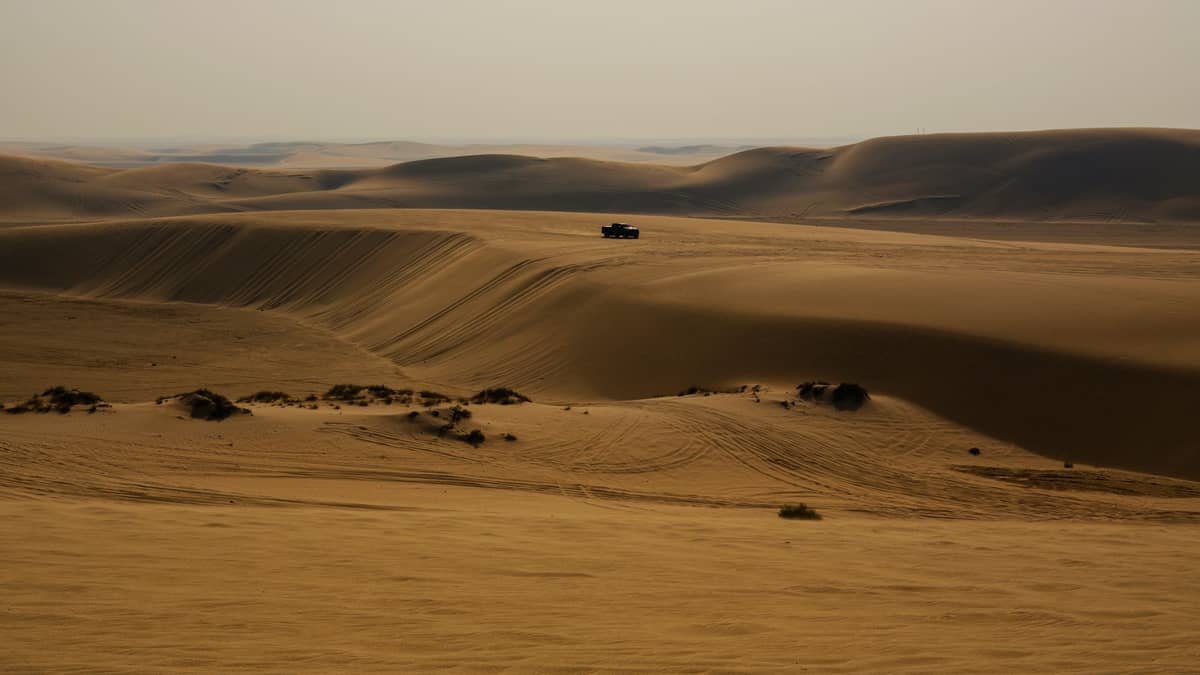
Winter visitors planning outdoor activities should note that desert safari experiences are best from November through March. The Doha desert safari guide covers the logistics, including the Khor Al Adaid inland sea route and what different operators offer across budget tiers.
If photography is a priority, winter light in Doha is notably better: lower sun angles, less heat shimmer, and golden-hour windows that make the skyline and the Corniche particularly photogenic. The Doha photography guide has specific location and timing advice, including the best viewpoints from Msheireb Downtown Doha and along the waterfront.
- Book accommodation 6–8 weeks ahead for December–January visits, especially during major events or public holidays.
- Pack layers for winter evenings — a light jacket or cardigan is genuinely useful when temperatures dip below 15°C after dark.
- Sunscreen and hydration matter even in winter: UV index in Doha is high year-round due to the low latitude.
- The Doha Metro (Red Line connects Hamad International Airport to the city centre) runs reliably year-round and is the most cost-effective airport transfer option.
- Visa policy is generally straightforward for many nationalities, but check current requirements with Qatar's Ministry of Interior before booking — the list of visa-free countries changes periodically.
✨ Pro tip
If you are visiting primarily for indoor attractions and want the best value, late October and early November offer a sweet spot: summer hotel rates lingering into the shoulder season, thinning crowds, and temperatures that are increasingly manageable by evening. It is the quietest period before peak-season pricing kicks in around mid-November.
FAQ
What is the best month to visit Doha?
December and January offer the most comfortable weather — daytime highs of around 20–23°C — and coincide with the peak events calendar. If those months feel too busy or expensive, late November and March are nearly as pleasant with slightly lower hotel prices.
Is Doha worth visiting in summer?
It depends entirely on your plans. If your itinerary is primarily indoors — museums, malls, restaurants, and cultural venues — summer is workable and significantly cheaper. If you want outdoor experiences, desert trips, or waterfront time, summer is genuinely unpleasant and not recommended.
How hot does Doha get in August?
August is typically the hottest month, with average daytime highs around 40–41°C and nighttime lows that barely drop below 28–30°C. Gulf humidity compounds this significantly — the 'feels like' temperature is often several degrees higher than the actual reading.
Does it rain much in Doha in winter?
Not by most standards. Even in the wettest months — January through March — monthly rainfall averages only around 10–20 mm. You are far more likely to have dry, sunny days than rainy ones. Extended wet periods are uncommon, though brief showers do occur.
Is Doha a good destination for a winter holiday?
Yes, for the right traveler. The combination of mild temperatures, an active events calendar, world-class museums, and easy access to desert landscapes makes it a strong winter destination. It is less suited to beach-focused travelers (sea temperatures are cooler in winter) and those seeking a budget-friendly break, as peak-season prices can be steep.