Doha on a Budget: How to Visit Without Overspending
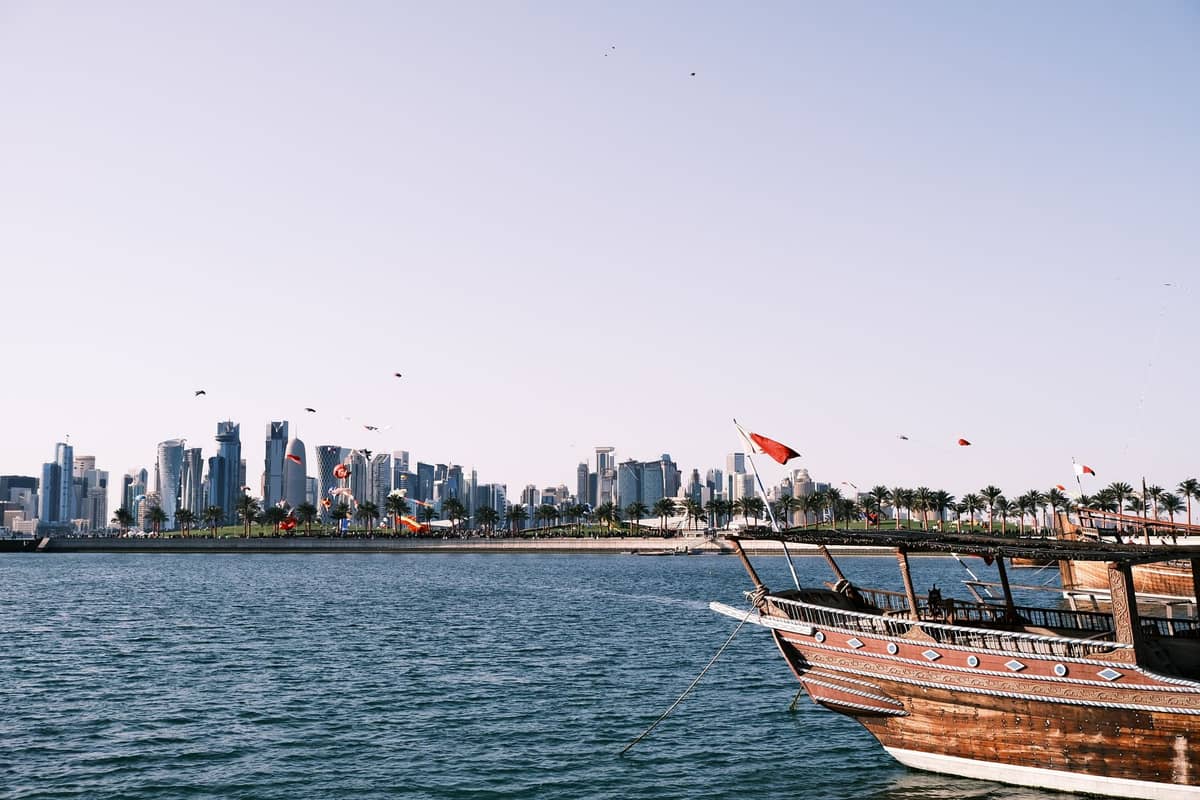
Qatar's capital has a reputation for luxury, but Doha on a budget is genuinely achievable. Free museums, a QAR 6 metro day cap, and no-cost attractions like the Corniche make it possible to see the city without spending a fortune. Here's how to do it smartly.
TL;DR
- The Doha Metro costs just QAR 2 per trip, with a daily cap of QAR 6 in standard class — use it instead of taxis wherever possible.
- The Museum of Islamic Art charges QAR 50 for non-resident adults (QAR 25 for students); most other major museums and outdoor attractions are free.
- The Corniche promenade, Souq Waqif, MIA Park, and Al Bidda Park cost nothing to enter and together fill a full day.
- Visit between November and March — cooler temperatures mean you can walk freely, cutting transport costs significantly versus the brutal summer months.
- See our free things to do in Doha guide for a full breakdown of no-cost activities across the city.
Is Doha Actually Doable on a Budget?
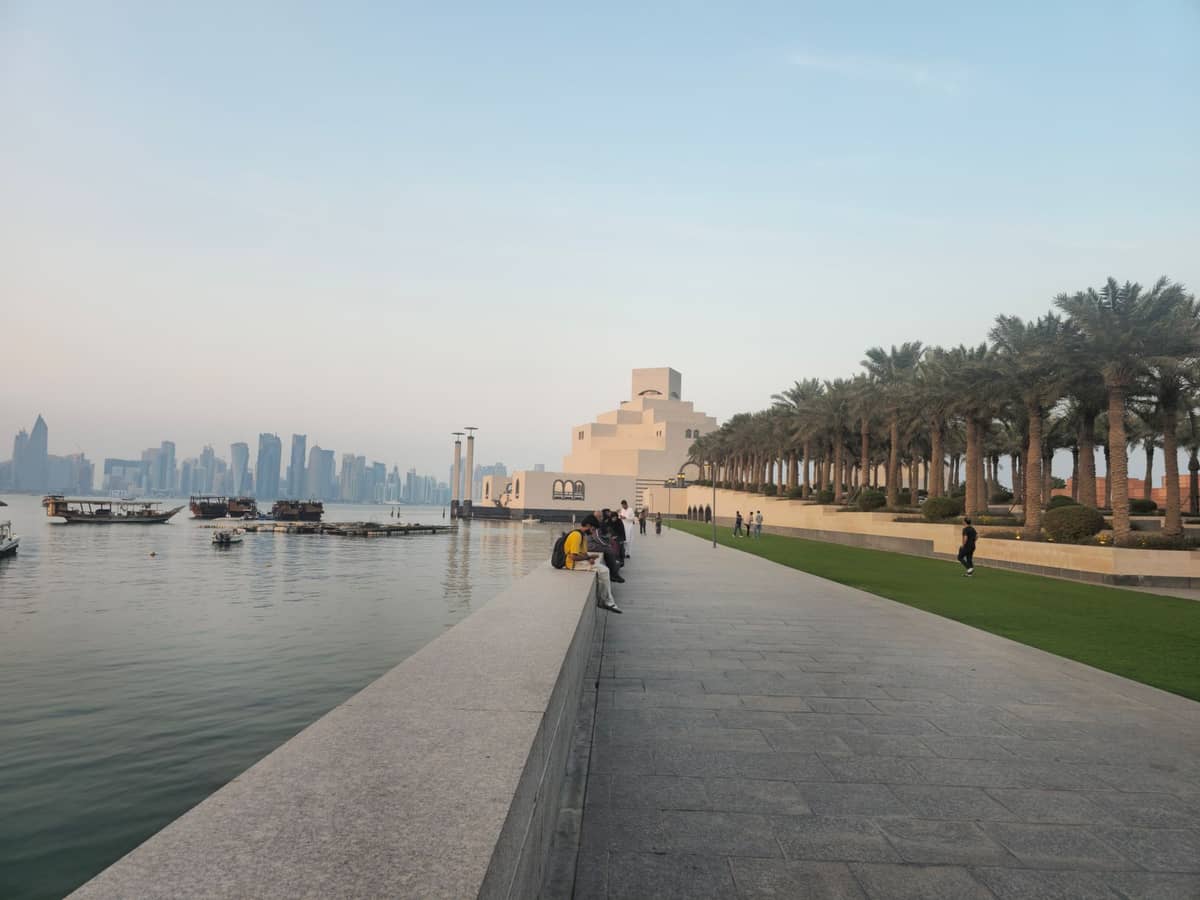
Doha sits in one of the world's wealthiest countries, and its skyline of luxury hotels and supercars can make budget travel feel like a contradiction. But the reality is more nuanced. Qatar's government has invested heavily in free public infrastructure — parks, promenades, museums, and a metro system — that any visitor can use. The challenge is not that Doha is uniformly expensive; it's that the expensive options are everywhere and easy to fall into.
The key distinction to understand is between luxury Doha and everyday Doha. The latter is genuinely affordable. A metro trip costs QAR 2. Shawarma from a Filipino or South Asian restaurant near Souq Waqif runs QAR 5–10. Entry to most major museums is free for Qatar residents and children 16 and under, while non-resident visitors often pay a modest fee; the Museum of Islamic Art is a notable example at QAR 50 for non-residents. With the right approach, a full day of sightseeing in Doha can cost under QAR 50 (roughly USD 14).
ℹ️ Good to know
Qatar uses the Qatari riyal (QAR), pegged to the US dollar at approximately QAR 3.64 per USD. Most prices here are listed in QAR; divide by 3.64 for a rough USD equivalent. Major credit cards are accepted almost everywhere, and ATMs are plentiful throughout the city.
Getting Around Doha Without Spending on Taxis
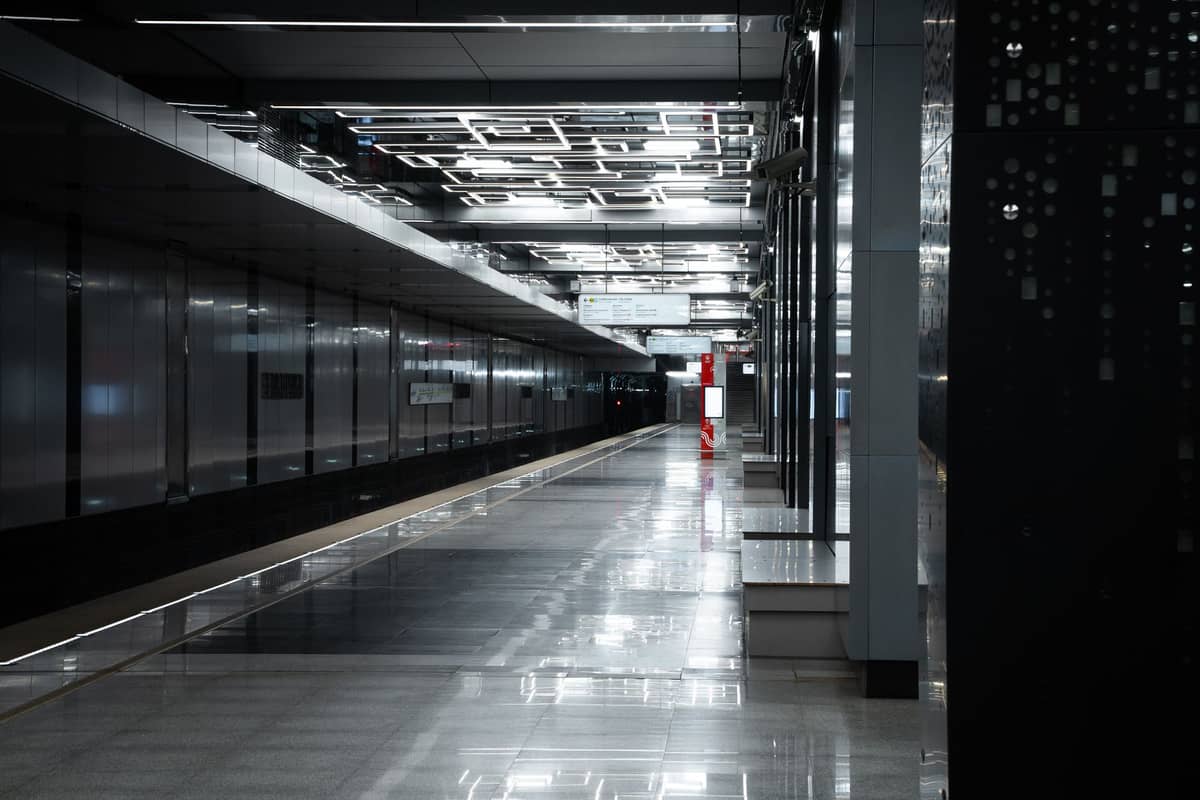
The single biggest budget mistake visitors make in Doha is defaulting to taxis or ride-hailing for every journey. The Doha Metro, opened in 2019 and expanded since, now connects most of the places tourists actually want to go: Hamad International Airport, West Bay, the Museum of Islamic Art area, Souq Waqif, Education City, and more. Standard class fares are QAR 2 per trip, with a daily cap of QAR 6 — meaning unlimited rides for the day after your third journey. Gold class (wider seats, quieter carriages) costs QAR 10 per trip with a QAR 30 daily cap, which is rarely worth it for budget travelers.
- Metro Standard Class QAR 2 per single trip, QAR 6 daily cap. Children under 5 ride free. Covers airport, city centre, West Bay, and Education City.
- Metrolink Feeder Buses Free shuttles connecting metro stations to nearby areas not directly served by the metro. Tap your metro card in and out.
- Karwa City Buses Around QAR 2.50 for short urban routes, up to QAR 9 for inter-city routes. Useful for areas the metro doesn't reach.
- Karwa Taxis Metered official taxis available at the airport and across the city. More expensive than the metro but reliable. An airport-to-centre trip typically runs QAR 30–50 depending on destination and time of day — verify current rates.
- Ride-Hailing Apps Available in Doha, with dynamic pricing. Convenient but avoid during peak hours when surges apply.
One practical note: the metro requires a Doha Metro card (Mango Card), available at station vending machines with a small deposit. You cannot pay cash at the fare gates. Get a card as soon as you arrive at the airport — the Red Line connects directly from Hamad International Airport to central Doha. For a full breakdown of routes and logistics, the getting around Doha guide covers every option in detail.
💡 Local tip
If you're visiting between November and March, you can walk significant distances along the Corniche and through Souq Waqif without discomfort. In summer (May–September), daytime temperatures regularly hit 38–41°C, and walking outside becomes impractical. Budget extra for air-conditioned transport during those months, or restructure your day around early mornings and evenings.
Free and Low-Cost Attractions Worth Your Time
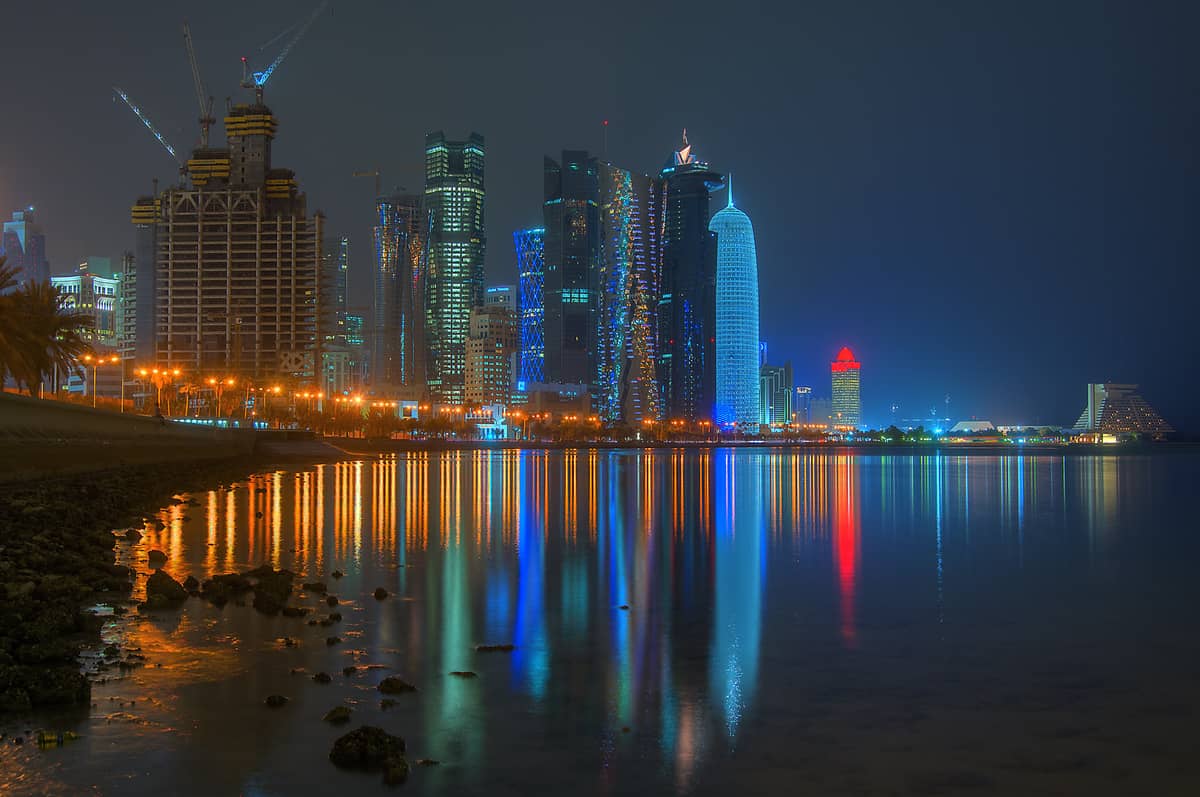
Doha's free attractions are not consolation prizes — several of them are genuinely world-class. The Corniche promenade stretches roughly 7 kilometres along Doha Bay, with unobstructed views of the West Bay skyline. It's well-maintained, open 24 hours, and particularly beautiful at dusk when the towers light up. Pair it with MIA Park, the manicured gardens surrounding the Museum of Islamic Art, which costs nothing to enter and has some of the best harbour views in the city.
- Doha Corniche Promenade — free, 7km waterfront walk, best at sunrise or after sunset
- MIA Park — free entry, harbour views, great picnic spot
- Al Bidda Park — large public park near the Corniche, free entry, popular with families
- Souq Waqif — free to browse; costs only apply if you eat or shop
- Katara Cultural Village — free to enter; check event listings as performances vary in price
- Msheireb Museums — small admission fee, but free on certain days; check current schedule
- National Museum of Qatar — currently charges a modest admission fee for non-resident adults (typically around QAR 25–50; verify before visiting, as this may change)
- Mathaf: Arab Museum of Modern Art — free entry for all visitors (timed tickets required); verify current booking requirements
- Fire Station Artist in Residence — free gallery space in a converted fire station in Al Hitmi
The big exception in the museum landscape is the Museum of Islamic Art, which charges QAR 50 for non-resident adults and QAR 25 for non-resident students with valid ID. Qatar residents and children 16 and under enter free. The collection — one of the finest Islamic art collections in the world — justifies the cost, but factor it into your planning. Tickets can be purchased at the door or online through Qatar Museums or third-party platforms. Typical opening hours are Saturday to Tuesday 09:00–19:00, Thursday 09:00–21:00, and Friday 13:30–19:00, with Wednesday closure; confirm hours before visiting as they change during Ramadan and public holidays.
⚠️ What to skip
Do not assume all Doha museums are free for international visitors. The Museum of Islamic Art introduced non-resident fees after previously offering free admission. Always check current pricing on the Qatar Museums website before your visit — policies across the portfolio continue to evolve.
Where and What to Eat on a Tight Budget
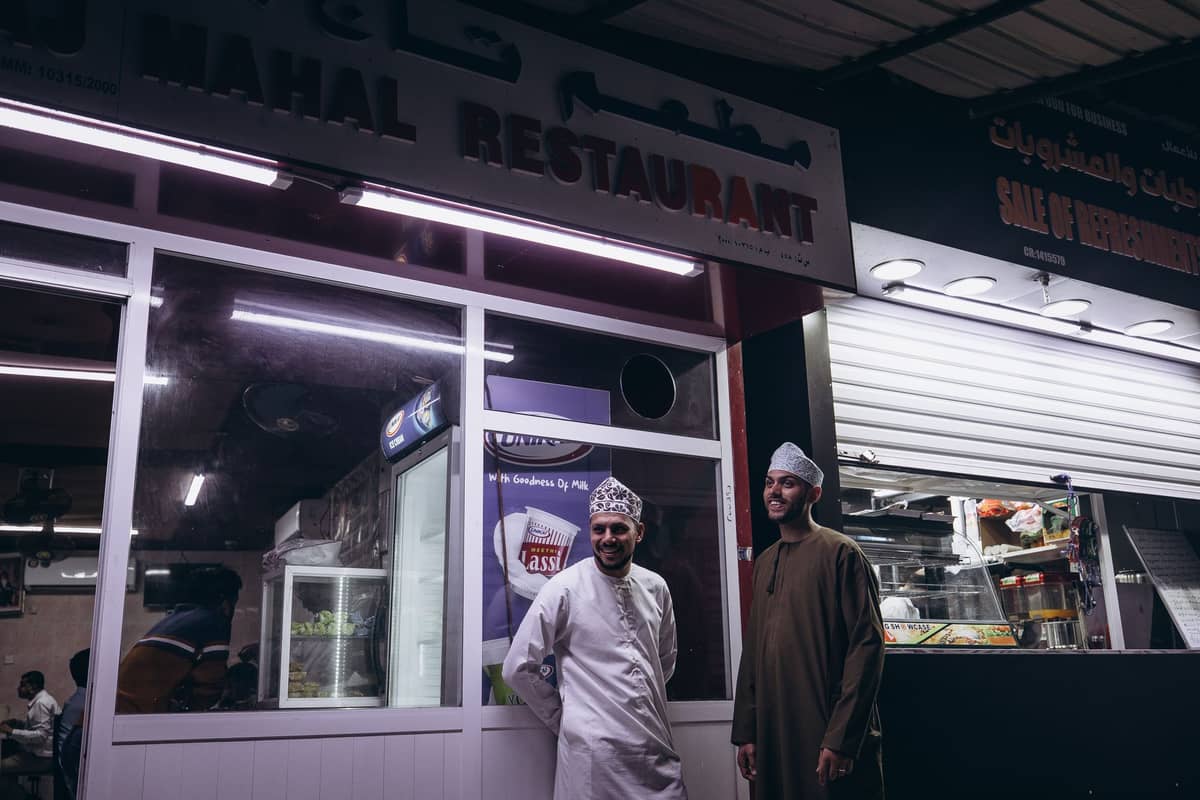
The cheapest food in Doha is found in the areas surrounding Souq Waqif and in the older commercial districts like Al Mansoura and Al Sadd, where South Asian, Filipino, and Levantine restaurants serve generous meals for QAR 10–20 per person. Think shawarma wraps, biryani, or mandi (slow-cooked rice and meat) from no-frills spots that cater to Doha's large migrant worker population. These restaurants are generally cash-friendly, consistently good, and completely absent from tourist brochures.
In and around Souq Waqif, the cafes and restaurants facing the main square target tourists and price accordingly — expect QAR 40–80 for a sit-down meal. The better value move is to eat one street back from the main drag, where local workers eat. For specific venue recommendations across price ranges, the where to eat in Doha guide has detailed picks. On the food itself, the what to eat in Doha guide covers the dishes worth seeking out, including dishes that happen to be cheap.
- Street-level shawarma and wraps QAR 5–12. Found throughout the city. Best near Souq Waqif's back alleys and in Al Sadd.
- South Asian rice dishes (biryani, mandi) QAR 15–25 for a full plate. Portions are large. Look for spots with handwritten menus and plastic chairs.
- Supermarket and bakery snacks Carrefour, Lulu Hypermarket, and smaller corner stores sell fresh bread, hummus, juices, and packaged foods cheaply. Useful for breakfast or picnic supplies for MIA Park.
- Coffee and karak tea Karak chai (spiced tea with evaporated milk) costs QAR 2–5 at local tea shops. Budget cafe chains like Dunkin' and Tim Hortons are also widely available and cheaper than specialty coffee shops.
Timing Your Visit to Save Money
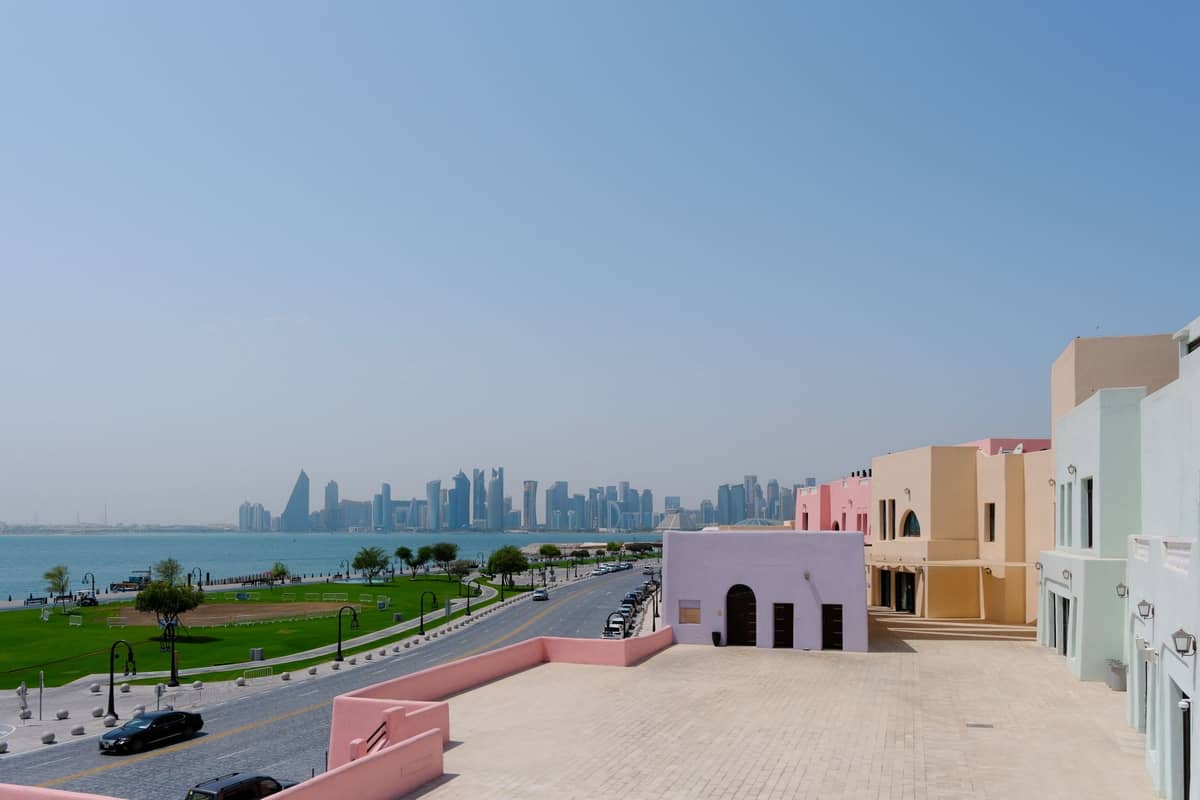
The best time to visit Doha on a budget aligns almost perfectly with the best time to visit for weather: November through March. Temperatures sit between 18°C and 28°C during the day, which means you can walk the Corniche, explore Katara Cultural Village, and wander Souq Waqif without needing to escape into air-conditioning every 20 minutes. That saves real money on transport and lets you cover more ground on foot. For a deeper look at seasonal conditions and event timing, the best time to visit Doha guide covers month-by-month trade-offs in detail.
Summer travel (May–September) is not impossible, but it does push costs up. Walking outside between 10:00 and 17:00 is genuinely unpleasant when temperatures reach 38–41°C with high humidity. Budget travelers visiting in summer should structure their days around free outdoor time in the early morning (before 08:30) and after 20:00, and use the metro and air-conditioned malls during the middle of the day. Mall-hopping costs nothing to enter and most major Doha malls have food courts with reasonably priced options.
Ramadan timing is a separate consideration. During the holy month (dates shift each year based on the Islamic calendar), many restaurants are closed during daylight hours, alcohol service is suspended in most venues, and public eating is restricted. That said, Ramadan evenings in Doha are lively and social, and iftar buffets — the sunset meal breaking the fast — are offered at many hotels at fixed prices that can represent reasonable value for a substantial meal. Budget hotels sometimes offer their own iftar at QAR 50–80 per person.
Budget Accommodation: What to Expect and Where to Look
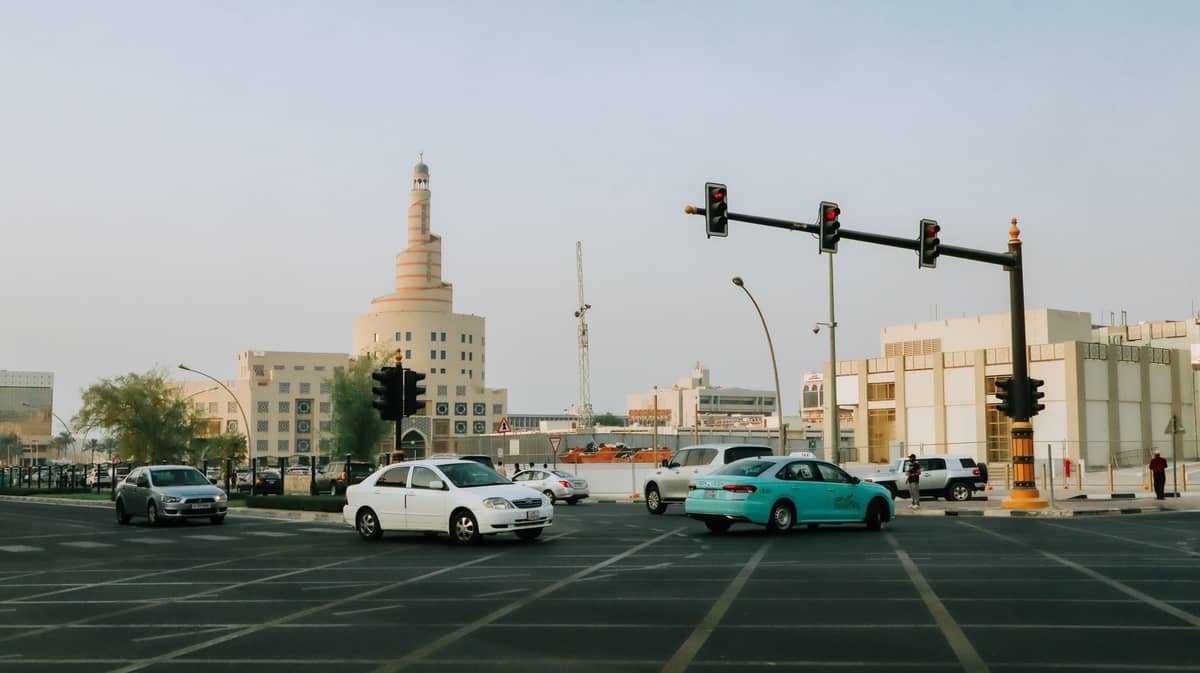
Doha's accommodation market skews expensive, but budget options do exist — they're just not in West Bay or along the Corniche. The most affordable hotels and guesthouses are concentrated in Al Mansoura, Al Najma, and the older commercial districts south of Souq Waqif. Expect to pay roughly QAR 150–250 per night for a clean, basic room with air-conditioning in these areas. That is roughly USD 40–70, which is inexpensive by Gulf standards. For a full breakdown of neighbourhoods and accommodation categories, the where to stay in Doha guide is the most useful starting point.
There are only a handful of hostels with dormitory beds in Doha, and hostel culture is limited compared with typical Western backpacker hubs. Budget travelers used to paying USD 15–20 for a dorm bed will find Doha's floor significantly higher. The most cost-effective approach is to book budget hotels well in advance (prices spike during major events and winter high season), and to stay in the older residential districts where you also save on food by being surrounded by local restaurants rather than tourist-facing venues.
✨ Pro tip
If you're transiting through Hamad International Airport with a long layover, the airport itself is worth exploring as a free attraction — it houses significant public art installations including works by Damien Hirst and Urs Fischer, a well-known yellow teddy bear installation, and multiple lounges and rest areas. The Doha Airport Layover Guide covers what's worth doing during layovers of 5 hours or more.
Common Misconceptions About Budget Travel in Doha
Several myths circulate about the costs involved in visiting Doha, and they put people off who would actually manage fine on a moderate budget.
- "Taxis are the only way to get around." False. The Doha Metro covers the airport, city centre, West Bay, and Education City. A QAR 6 day cap means you can make unlimited metro trips for less than USD 2. Most tourist areas are within a short walk of a metro station.
- "All major museums are free." No longer accurate. The Museum of Islamic Art charges QAR 50 for non-resident adults. Other institutions like the National Museum of Qatar have had periods of free admission; verify current pricing before visiting.
- "Buses are free throughout Doha." Only Metrolink feeder buses (connecting metro stations to nearby stops) are free. Standard Karwa buses charge distance-based fares starting around QAR 2.50.
- "You need to eat at hotel restaurants or tourist spots." Doha has hundreds of independent restaurants serving migrant worker communities where full meals cost QAR 10–25. These are often better food than many tourist-facing establishments.
- "Doha is only worth visiting if you can afford luxury." The city's free public infrastructure — the Corniche, major parks, Souq Waqif, cultural villages, and the metro network — makes a rewarding visit possible at a fraction of what a luxury stay would cost.
FAQ
What is the cheapest way to get from Doha airport to the city centre?
The Doha Metro Red Line connects Hamad International Airport directly to central Doha for QAR 2 in standard class. It is significantly cheaper than a Karwa taxi (typically QAR 30–50 to the city centre) or ride-hailing. Buy a Mango Card at the airport station vending machine before boarding.
How much does a day of sightseeing in Doha cost on a budget?
A realistic budget day costs QAR 30–60 (USD 8–17). Metro day cap: QAR 6. Free attractions (Corniche, Souq Waqif, MIA Park, Al Bidda Park): QAR 0. A cheap lunch near Souq Waqif: QAR 10–20. Karak tea: QAR 3–5. If you add the Museum of Islamic Art, budget an extra QAR 50 for non-resident adult admission.
Is Doha affordable for solo backpackers?
It is more expensive than Southeast Asia or Eastern Europe, but manageable. The main challenge is accommodation — there are only a few hostels with dorm beds and they are not as cheap as classic backpacker destinations, so budget around QAR 150–250 per night for the cheapest private rooms or look carefully for dorm deals. Food and transport are genuinely cheap if you use the metro and eat at local restaurants rather than tourist-facing venues.
Are there any completely free museums in Doha?
Yes. The National Museum of Qatar has recently charged a modest fee for non-resident adults (often around QAR 25–50; verify current policy before visiting). The Fire Station Artist in Residence gallery is free. Katara Cultural Village is free to enter, with some events ticketed. Mathaf Arab Museum of Modern Art currently offers free entry for all visitors with a timed ticket — check their schedule. The Museum of Islamic Art is the main paid attraction for non-residents at QAR 50.
What is the best time of year to visit Doha on a tight budget?
November to March gives you the best combination of comfortable weather and lower transport costs, since you can walk freely rather than relying on taxis or constant air-conditioning to escape the heat. Hotel prices are higher in winter peak season (December–January) but the trade-off in walkability and outdoor access is worth it for budget travelers. Summer visits are possible but push up practical costs significantly.