What to Eat in Doha: A Complete Guide to Qatari Food & Cuisine
Doha's food scene goes far deeper than shawarma and hummus. This guide covers the essential Qatari dishes every visitor should try, from the national dish machboos to the street-side sweet luqaimat, with honest price breakdowns and the best places to eat them.
TL;DR
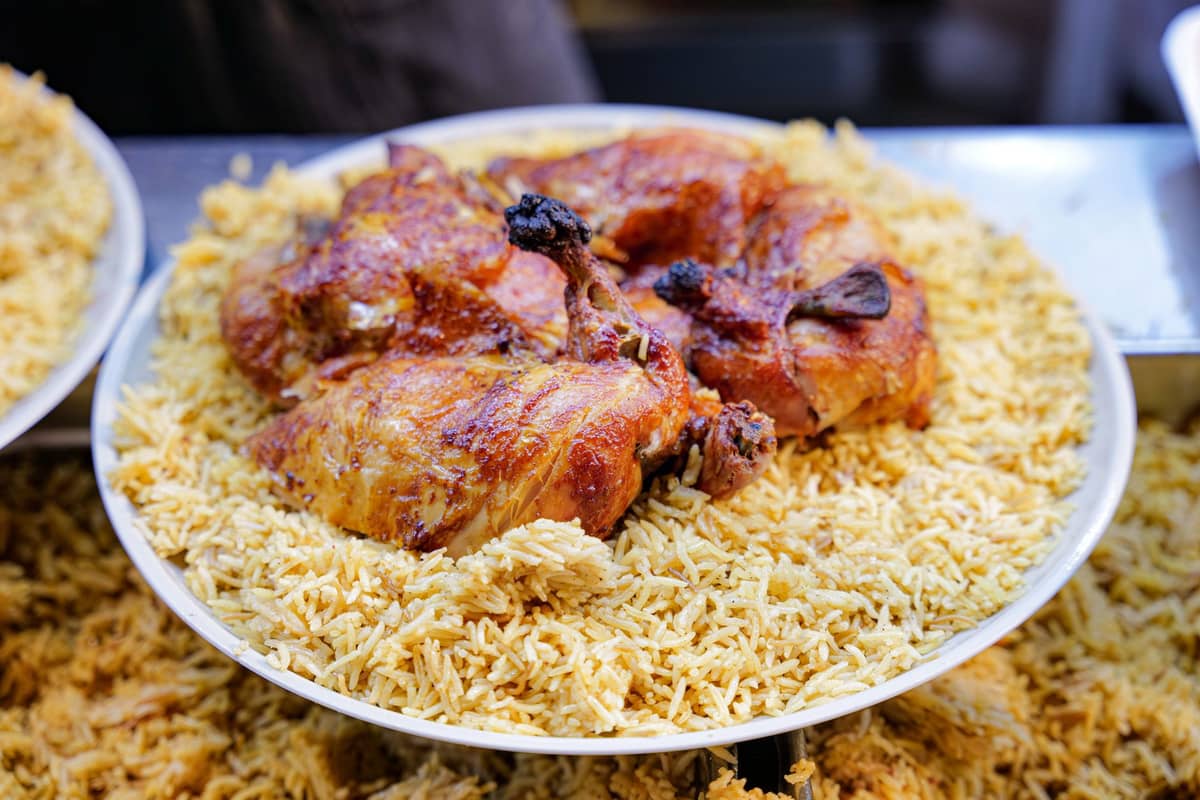
- Machboos (spiced rice with meat or fish) is Qatar's national dish and the single most important thing to eat in Doha.
- Traditional Qatari food is not just home cooking anymore — it's widely available in restaurants, hotel dining rooms, and even food courts across the city.
- Expect to pay QAR 40–90 for a main dish at a local restaurant; street-style snacks like luqaimat run QAR 10–20.
- The best time to experience Qatari food culture is during Ramadan evenings, when street stalls, hotel tents, and iftar buffets serve the full range of traditional dishes.
- For the most authentic experience, head to Souq Waqif — it has the highest concentration of Qatari cuisine restaurants in the city.
What Makes Qatari Cuisine Distinct
Qatar sits at a culinary crossroads shaped by Bedouin desert traditions, Persian Gulf fishing culture, and centuries of spice-trade influence from India and East Africa. The result is a cuisine that relies on long, slow cooking — one-pot rice dishes, porridges, and slow-braised stews rather than the grilled meats and flatbread-forward dishes that dominate Levantine cooking further north.
Spicing is warm and aromatic rather than fiery: cardamom, cloves, cinnamon, dried limes (loomi), turmeric, and saffron appear constantly. Chili heat is used sparingly. The flavour profile is closer to Gulf and South Asian cooking than to the Lebanese or Syrian food that many visitors expect from the Middle East generally. If your reference point for 'Middle Eastern food' is falafel and tabbouleh, Qatari cuisine will genuinely surprise you.
ℹ️ Good to know
Qatari food is not the same as general Middle Eastern or Arabic cuisine. Dishes like machboos, thareed, and madrouba reflect specifically Gulf and Bedouin culinary traditions and are distinct from Levantine staples. Don't expect them to taste like anything you've had before.
The Essential Qatari Dishes to Try
These are the dishes that define eating in Doha — not a comprehensive menu, but the ones with genuine cultural weight and the most reward for a first-time visitor.
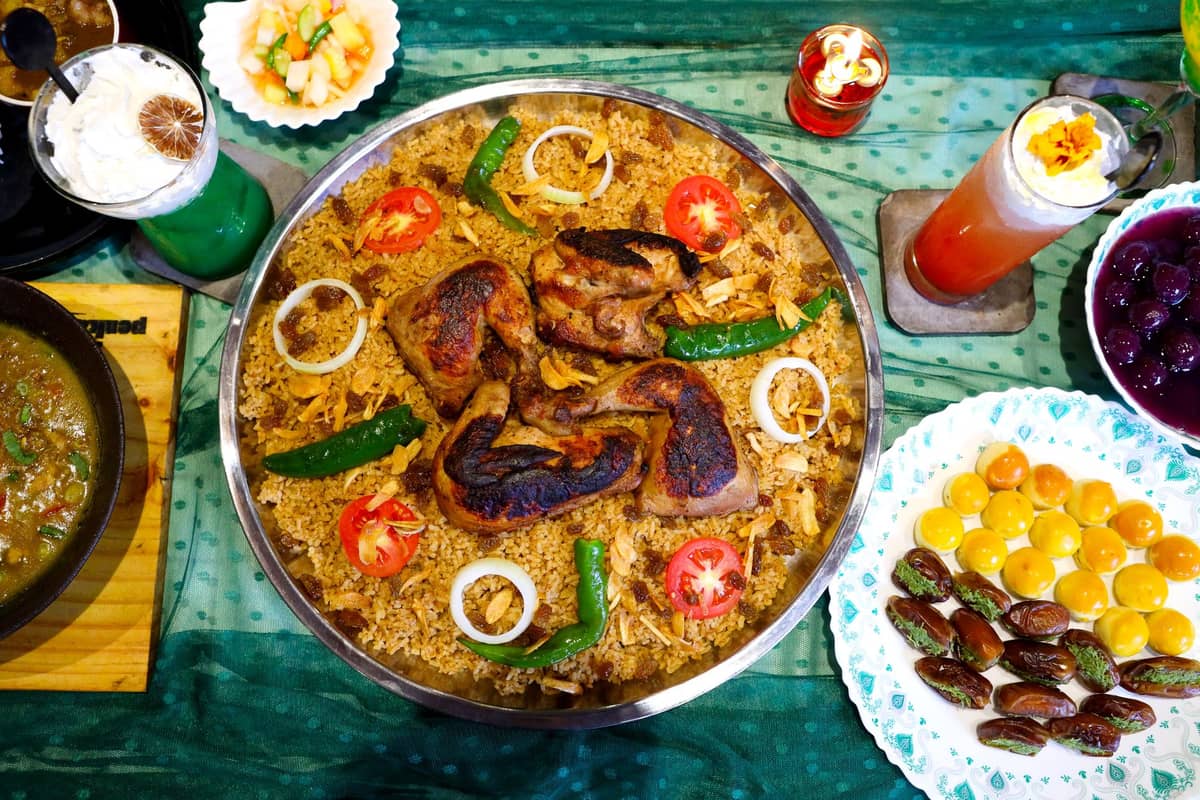
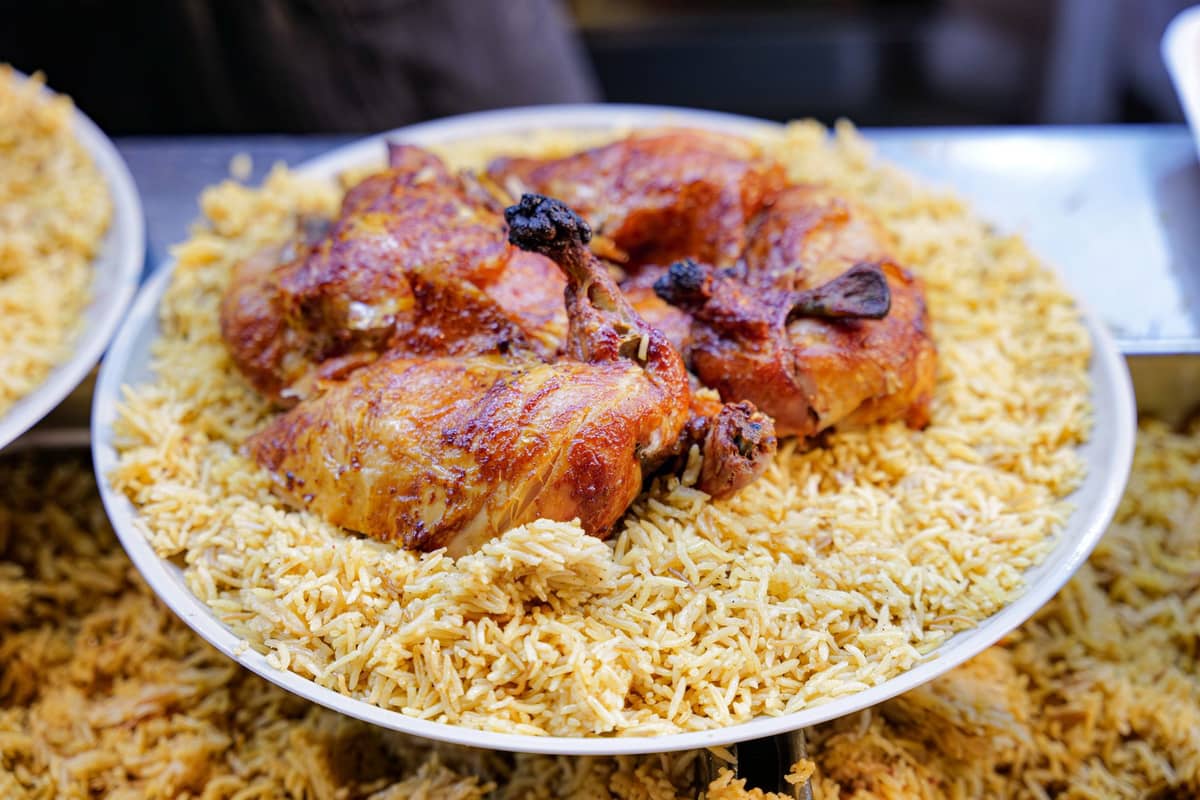
- Machboos (Majboos) Qatar's national dish: fragrant long-grain rice slow-cooked in a broth with chicken, lamb, or fish and seasoned with cardamom, cloves, dried limes (loomi), and a blend of Gulf spices. The dried lime is the key flavour — tartly smoky, unlike anything in Western cooking. Served as a single generous platter, often with a side of daqqus tomato sauce. Budget QAR 40–90 at a sit-down restaurant.
- Saloona A home-style tomato-based stew with chunks of meat and seasonal vegetables, usually eaten over rice or with regag bread. It's the Qatari equivalent of a weekday family dinner — deeply comforting, relatively simple, and genuinely delicious. Expect to pay QAR 35–60 per serving in casual local spots.
- Harees Pounded wheat slow-cooked with meat (usually chicken or lamb) until it collapses into a thick, smooth porridge, then finished with a generous pool of ghee. Texturally unusual if you're not used to it, but the flavour is rich and satisfying. Most commonly found during Ramadan and on iftar buffets.
- Madrouba A spiced chicken and rice porridge seasoned with turmeric, cumin, ginger, and cardamom. The texture is looser and more soupy than harees — think congee with Gulf spicing. A popular Ramadan dish also served in traditional restaurants.
- Thareed Sometimes called 'Qatari lasagna' for its layered structure: thin regag bread soaked in a slow-cooked meat and vegetable stew until the bread absorbs the broth and becomes part of the dish. One of the most characteristically Gulf preparations on this list.
- Balaleet The most surprising dish on any Qatari breakfast menu: sweet vermicelli noodles cooked with saffron, cardamom, and rosewater, topped with a thin savoury omelette. The sweet-savoury combination is unusual at first but very easy to like.
- Luqaimat Deep-fried dough balls, crisp on the outside and doughy within, drizzled with date syrup or honey and dusted with cardamom and sesame seeds. Street portions cost QAR 10–20. During Ramadan, luqaimat stalls appear across the city, particularly around Souq Waqif and hotel iftar tents.
💡 Local tip
Order balaleet at breakfast, not as a side dish. It's designed as a morning meal and is easiest to find at traditional Qatari breakfast spots and hotel restaurants in the early hours. Asking for it at dinner will often get you a blank look.
Where to Eat Qatari Food in Doha
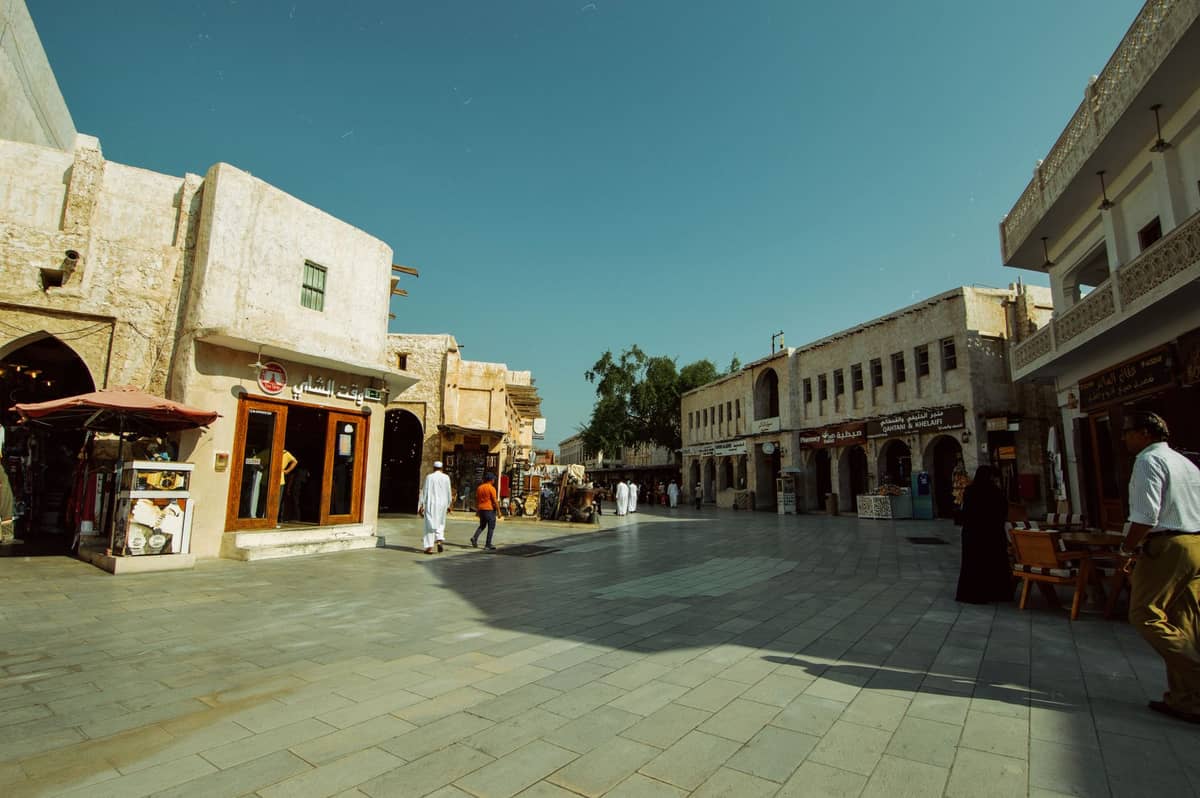
The highest concentration of traditional Qatari restaurants is in and around Souq Waqif, the restored market district near the Corniche. Restaurants here range from no-frills local spots with plastic chairs and QAR 40 machboos to more polished dining rooms aimed at tourists. The quality gap is real: aim for the smaller, less decorated places where the menu is short and the rice is cooked to order rather than held in trays.
For karak tea and chapati, Karaki has multiple branches including at The Pearl-Qatar and Mall of Qatar. The menu is simple — karak in various styles, chapati, and novelty luqaimat variations like Kinder-topped portions — with chapati items at Karaki typically priced QAR 26–33. Hours at The Pearl branch are reported as 24 hours daily, making it a reliable late-night option. For a broader look at the neighbourhood, the The Pearl-Qatar area has grown into a genuinely useful dining district beyond just Karaki.
Hotel restaurants are worth taking seriously in Doha, particularly for harees, thareed, and madrouba — dishes that take hours to prepare and are rarely practical to cook in small quantities. Several five-star hotels along the Corniche and in West Bay serve full traditional Qatari spreads at Friday brunch or Ramadan iftar, sometimes at all-you-can-eat prices that represent reasonable value given the complexity of the cooking. The Doha Corniche strip has the densest cluster of these hotels.
Msheireb Downtown Doha has a growing number of mid-range Qatari and Gulf-cuisine restaurants in a more polished setting than Souq Waqif. If Souq Waqif feels too tourist-heavy on a given evening, Msheireb Downtown is a solid alternative with slightly quieter surroundings.
⚠️ What to skip
Alcohol is not served in most traditional Qatari restaurants. It's available in licensed hotel restaurants and some venues at The Pearl-Qatar, but if a cold beer with dinner is important to you, confirm the licensing situation before choosing a restaurant. Do not assume — the rules are enforced and the fines for public intoxication are significant.
Eating During Ramadan: The Best Time for Food Culture
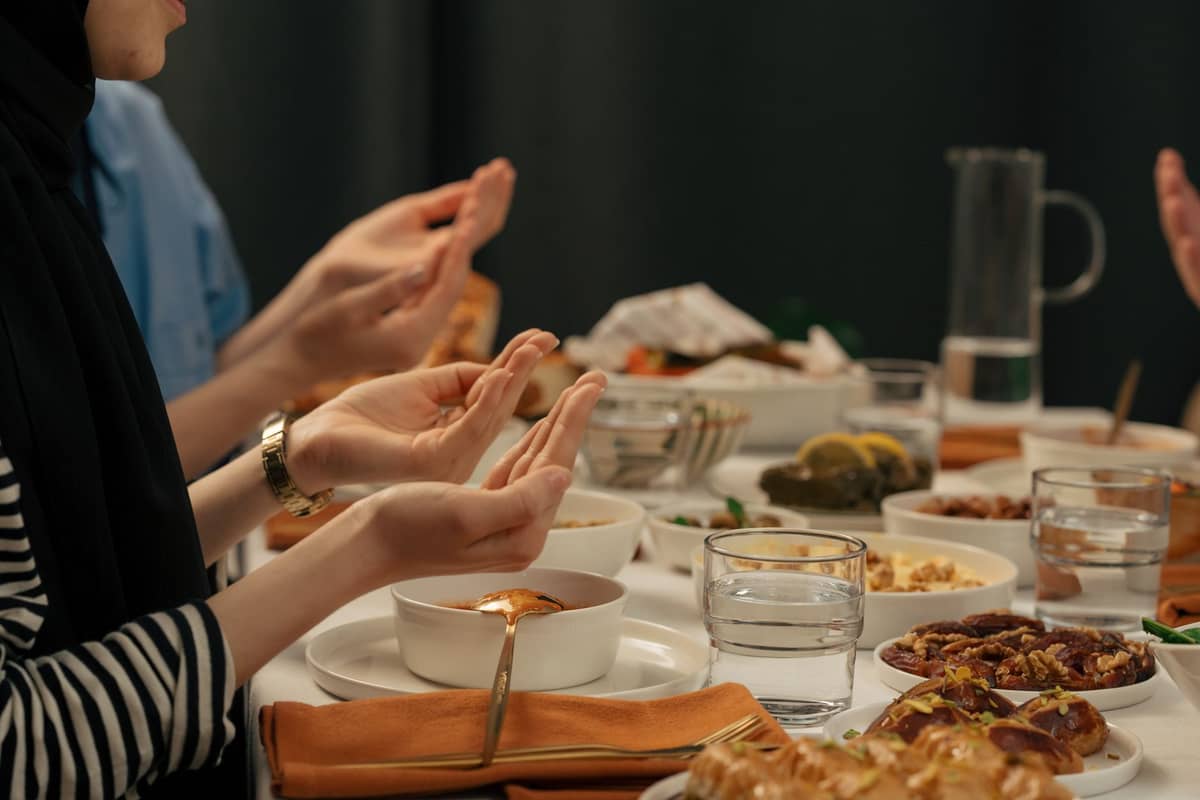
Ramadan changes Doha's food landscape dramatically. During daylight hours, most restaurants are closed or operating at reduced capacity. After sunset (iftar), the city comes alive. Hotel tents, Souq Waqif, and dedicated iftar venues serve long communal meals that span hours — and these are the occasions where harees, madrouba, thareed, and luqaimat appear in full force.
For visitors who are not fasting, attending an iftar at a hotel buffet is one of the most practical ways to try the full spectrum of Qatari cuisine in a single sitting. Prices vary significantly by hotel tier — expect to pay QAR 150–300 per person at a mid-range to luxury property for an unlimited spread. The experience goes well beyond food: the atmosphere during Ramadan evenings around Souq Waqif and the Corniche is unlike any other time of year.
Drinks, Street Food, and Everyday Eating
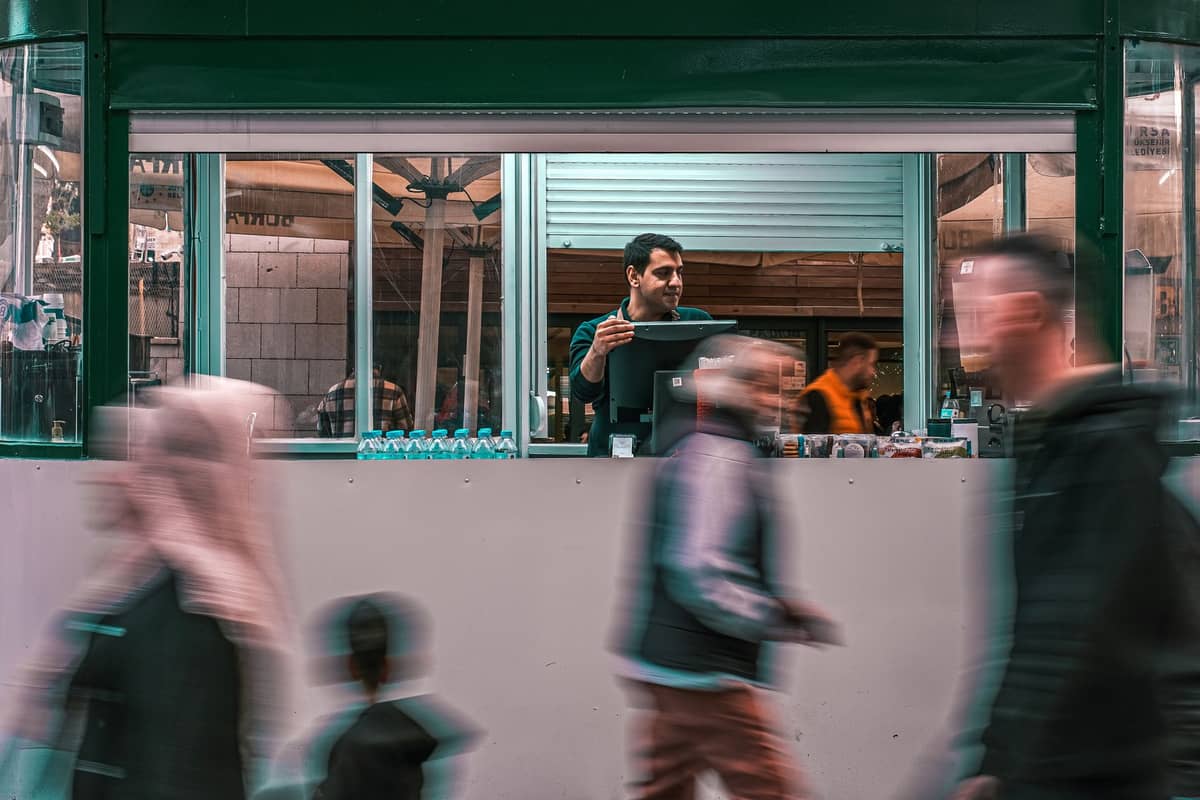
Karak tea is the default drink of daily life in Doha. It's a strong, condensed milk-based spiced tea — similar in spirit to Indian masala chai but with its own Gulf spice profile, typically including cardamom and sometimes saffron. You'll find it at roadside kiosks, food courts, and dedicated karak shops for QAR 3–7 a cup. Drinking karak at a pavement kiosk with a group of workers at 10pm is one of the more genuinely local experiences Doha offers visitors.
Arabic coffee (qahwa) is served thick, unsweetened, and flavoured with cardamom and saffron. It's poured from a distinctive long-spouted pot (dallah) into small handle-less cups and is offered as a mark of hospitality at traditional restaurants and cultural sites. The correct move is to accept the first cup and gently shake the cup side to side when you've had enough, signalling to the host not to refill.
- Karak tea: QAR 2–5 per cup at street kiosks and casual cafes
- Luqaimat: QAR 5–15 per street portion
- Machboos at a local restaurant: QAR 40–90
- Saloona: QAR 35–60 per serving
- Mezze (hummus, mutabbal): QAR 25–40 per dish
- Hotel iftar buffet (Ramadan): QAR 150–300 per person
- Chapati at Karaki: QAR 26–33 per item
Beyond Qatari food, Doha has one of the most diverse restaurant scenes in the Gulf, reflecting its large expat population. South Asian, Filipino, Lebanese, Turkish, and Western options exist at every price point. For a fuller picture of the dining landscape, the complete Doha restaurant guide covers both local and international options across different neighbourhoods and budgets.
Practical Tips for Eating Well in Doha
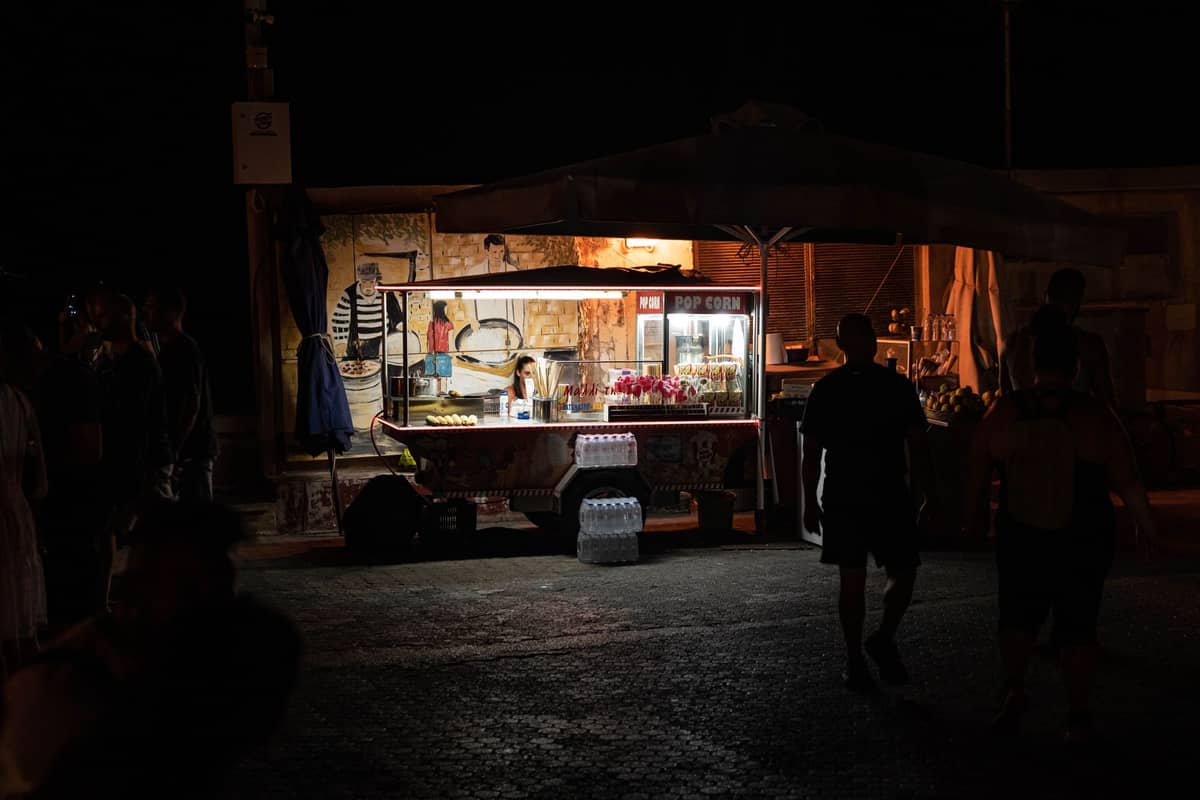
Timing matters more in Doha than in most cities. Many local restaurants open late and serve until well past midnight — arriving at 7pm for dinner is early by local standards, and some of the best street food activity around Souq Waqif only picks up after 9pm. If you're visiting between November and March (the most comfortable months climatewise), outdoor eating along the Corniche promenade and in the souq area is genuinely pleasant after dark.
Tipping is customary but not mandatory. A service charge is included in some restaurant bills; when it isn't, rounding up or leaving 10% is standard practice at mid-range restaurants. At karak kiosks and street stalls, tipping is not expected. For broader logistical planning, the Doha first-timer guide covers practical essentials including transport, dress codes, and cultural customs relevant to dining.
- Book restaurant tables during Ramadan: popular spots fill up fast at iftar time, particularly on weekends.
- Dress conservatively at traditional restaurants in Souq Waqif — shorts and sleeveless tops are technically allowed but draw attention.
- Most menus in Doha restaurants are available in English; staff at tourist-area restaurants almost universally speak English.
- Friday is the busiest lunch day — many families eat out after Friday prayers, so popular local restaurants fill up by 1pm.
- Some Qatari restaurants close between roughly 3pm and 7pm; don't assume continuous service during the afternoon.
✨ Pro tip
If you want to eat machboos at its best, order chicken rather than lamb on a first visit. The chicken version is more common, the spicing is cleaner, and it's a better introduction to the dish's balance of loomi tartness and warm spice than the richer lamb version.
FAQ
What is the national dish of Qatar?
Machboos (also spelled majboos or kabsa) is widely recognised as Qatar's national dish. It's a one-pot spiced rice cooked with chicken, lamb, or fish and flavoured with cardamom, cloves, and dried limes (loomi). It's available at most traditional Qatari restaurants in Doha for QAR 40–90.
Is alcohol available in restaurants in Doha?
Alcohol is available at licensed hotel restaurants and certain venues at The Pearl-Qatar, but most traditional Qatari restaurants do not serve it. Public intoxication is illegal. If alcohol matters to your dining experience, check licensing before booking.
Where is the best place to eat traditional Qatari food in Doha?
Souq Waqif has the highest concentration of traditional Qatari restaurants and is the most accessible area for visitors. For a wider range of mid-range options in a less touristy setting, Msheireb Downtown Doha is worth exploring. Hotel iftar buffets during Ramadan are the best single opportunity to try the full range of traditional dishes.
How much does food cost in Doha?
A main course at a local Qatari restaurant costs QAR 40–90 (roughly $11–25 USD). Street snacks like luqaimat run QAR 10–20. Karak tea is QAR 3–7. Mezze dishes are typically QAR 25–40 each. Hotel restaurants and fine dining cost significantly more.
What should I eat in Doha during Ramadan?
Ramadan is the best time to experience Qatari food culture. At iftar (sunset), hotel tents and restaurants serve full traditional spreads including harees, madrouba, thareed, and luqaimat. Street stalls around Souq Waqif sell luqaimat through the night. Many hotels offer unlimited iftar buffets for QAR 150–300 per person — good value for the variety and atmosphere.