Is Guangzhou Worth Visiting? An Practical Assessment
Guangzhou rarely tops bucket lists, but that's exactly what makes it interesting. This guide cuts through the business-city stereotype to show what the city actually offers travelers: world-class Cantonese food, genuine history, serious shopping, and a pace of life that Beijing and Shanghai simply don't have.
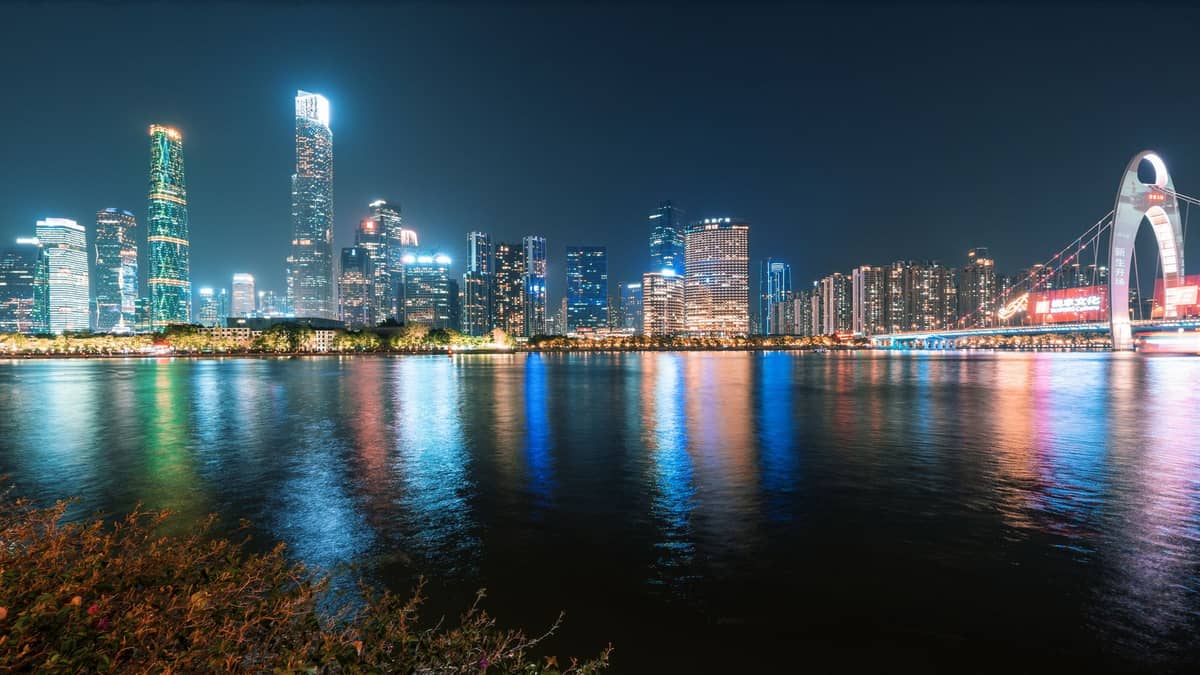
Plan and book this trip
Tools from our partner Travelpayouts help you compare flights and hotels. If you book through them, we may earn a commission at no extra cost to you.
Flights
Hotels map
TL;DR
- Yes, Guangzhou is worth visiting — especially if Cantonese food, historic neighborhoods, and authentic local culture matter more to you than tourist infrastructure.
- The best time to visit is October to November or April to May — avoid June through September if you dislike heat, humidity, and typhoon risk. See the best time to visit Guangzhou for a full seasonal breakdown.
- Guangzhou is more affordable than Shanghai or Beijing for accommodation and food, though prices vary widely by district.
- The city is not beginner-friendly for non-Mandarin or non-Cantonese speakers — English signage exists on the metro and in tourist areas, but daily navigation requires patience or a translation app.
- Three days is enough for a solid first visit. A 3-day Guangzhou itinerary covers the highlights without feeling rushed.
What Kind of City Is Guangzhou, Really?
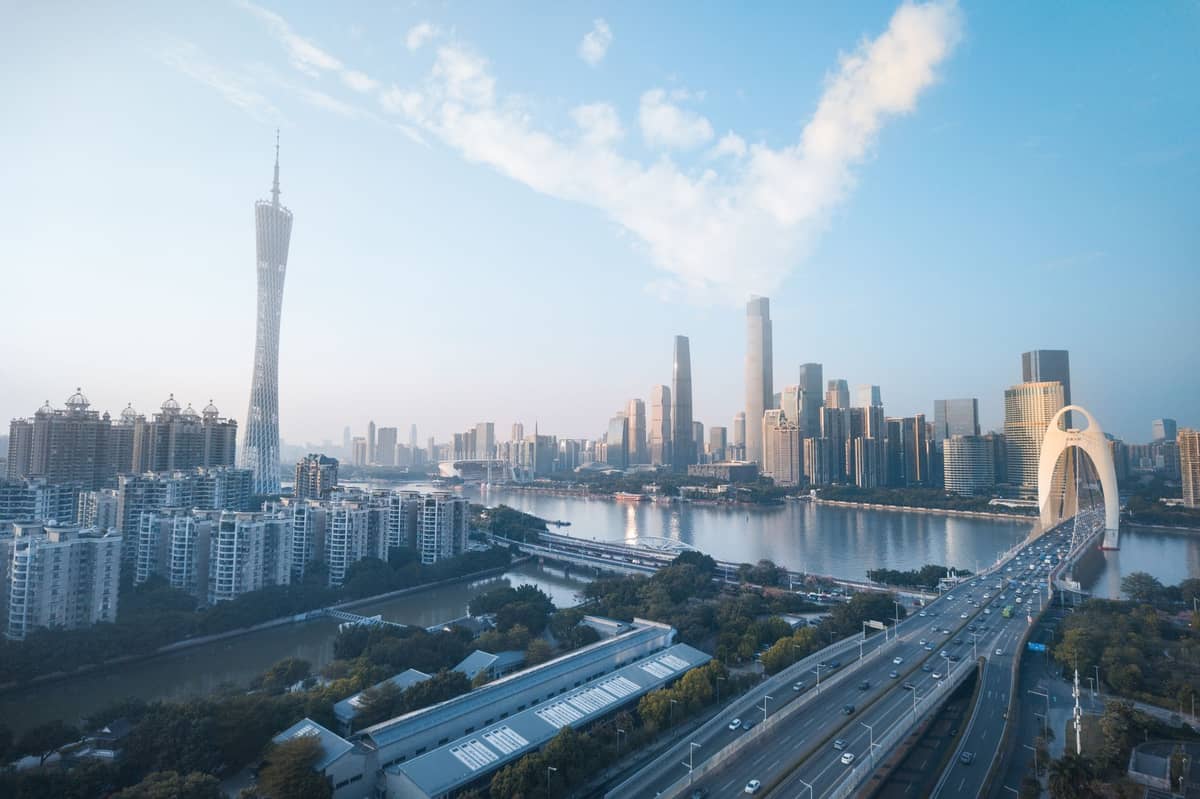
Guangzhou is the capital of Guangdong Province in southern China and one of the country's largest cities, with a permanent population of around 18.8 million recorded in the 2020 census.. Internationally, it is still sometimes called Canton, the older English transliteration of its Cantonese pronunciation. That name survives in the Canton Fair, Cantonese cuisine, and Cantonese opera — all of which trace their roots directly to this city.
Most first-time visitors approach Guangzhou as a stopover or business destination, which sets expectations too low. The city has been a functioning port and commercial hub for over 2,000 years, making it one of China's oldest continuous trading centers. That history shows up in its temples, its food culture, its merchant architecture, and its street life in ways that newer Chinese cities simply cannot replicate. At the same time, districts like Zhujiang New Town and Tianhe show a city that has invested seriously in modern urban design, with landmark architecture that stands out regionally.. That history shows up in its temples, its food culture, its merchant architecture, and its street life in ways that newer Chinese cities simply cannot replicate. At the same time, districts like Zhujiang New Town and Tianhe show a city that has invested seriously in modern urban design, with landmark architecture that rivals anything in Asia.
The honest answer to whether Guangzhou is worth visiting depends entirely on what you're looking for. Travelers who want easily Instagrammable heritage scenes packaged for tourists will find it harder work here than in, say, Xi'an or Suzhou. But travelers who want to eat extraordinarily well, explore Liwan's old trading streets, and understand how southern China actually functions will find Guangzhou deeply rewarding.
The Food Argument Alone Justifies the Trip
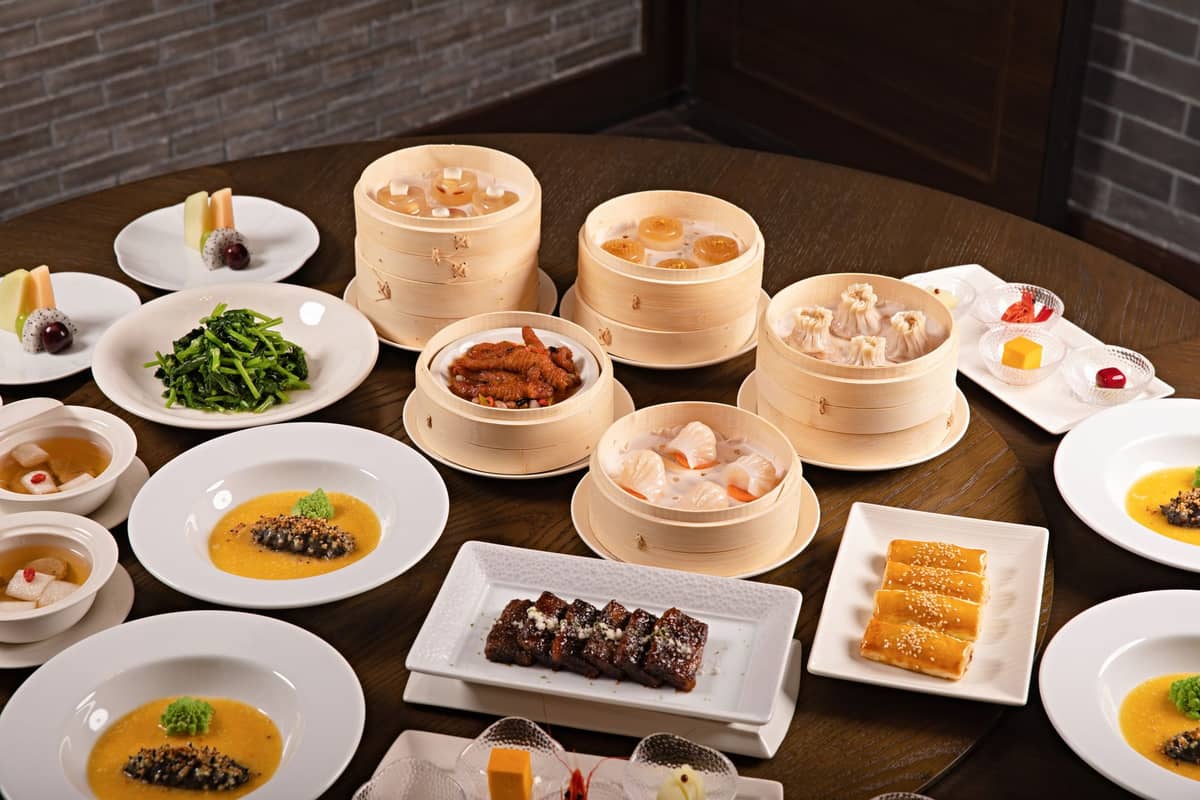
Guangzhou's claim to being one of the world's great food cities is not hyperbole. Cantonese cuisine originated here, and the city's food culture operates at a level of seriousness that is unusual even by Chinese standards. Dim sum is the obvious entry point — Guangzhou's yum cha tradition involves multiple small dishes served from early morning through early afternoon, and the quality in well-established local teahouses is genuinely outstanding. A full dim sum guide for Guangzhou is worth reading before you go, because knowing how to navigate a traditional teahouse makes the experience significantly better.
Beyond dim sum, the city offers wonton noodle soups, roast goose, white-cut chicken, clay pot rice, and a range of seafood preparations that reflect Guangdong's coastal geography. The Huangsha Seafood Market is a useful orientation point for understanding the sheer scale of ingredient sourcing in a city this size. For a broader overview of what to order and where, the Guangzhou food guide covers the essential dishes with specific recommendations.
💡 Local tip
Breakfast in Guangzhou is taken seriously. Many of the best dim sum teahouses are packed by 8am on weekends. If you want to eat like a local rather than a tourist, arrive early on a weekday or be prepared to queue. Most places don't take reservations for the morning service.
History, Culture, and What to Actually See
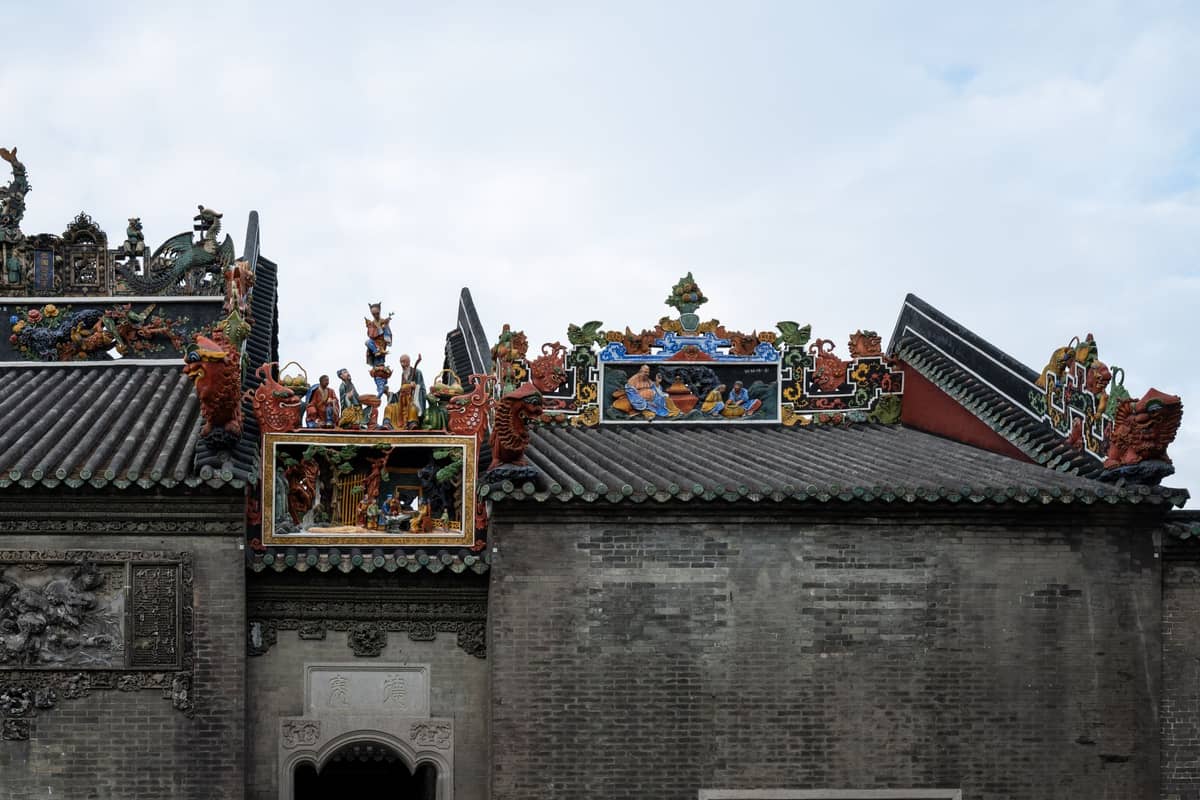
Guangzhou's historic core sits in Yuexiu District, where you'll find the Nanyue King Mausoleum (a Han Dynasty burial site dating to around 100 BCE), the Temple of the Six Banyan Trees, and the Chen Clan Ancestral Hall — a 19th-century complex of intricately carved stone, wood, and ceramic that represents the peak of Lingnan decorative craftsmanship. These are not reconstructed tourist attractions; they are functioning cultural sites with genuine historical depth.
For colonial-era architecture and a quieter pace, Shamian Island For colonial-era architecture and a quieter pace, Shamian Island offers a concentrated set of European-style buildings from the 19th-century foreign concession period. It's a 20-minute walk from the Shangxiajiu shopping area and works well as an afternoon detour. It is not the most dramatic historic district in China, but it provides useful context for understanding how Guangzhou operated as a trading port.
- Chen Clan Ancestral Hall The most visually striking historic building in the city. The carved friezes across every surface are extraordinary in scope and detail. Allow at least 90 minutes.
- Yuexiu Park and Zhenhai Tower The park is large enough to feel like an escape from the city. The Ming-era Zhenhai Tower houses the Guangzhou Museum and provides good elevated views over the old city.
- Yongqingfang A restored Qing and Republic-era lane neighborhood in Liwan. Done well enough to be atmospheric without being completely sanitized. Gets crowded on weekends.
- Canton Tower and Zhujiang New Town The 600-meter Canton Tower is the visual anchor of modern Guangzhou. The surrounding Zhujiang New Town district shows what the city's urban ambitions look like at full scale.
- Baiyun Mountain A large forested park north of the center. Popular with local hikers and families. Best visited on weekday mornings to avoid weekend crowds.
⚠️ What to skip
Several 'traditional' street areas in Guangzhou have been heavily redeveloped for tourism in recent years. Yongqingfang and parts of Beijing Road are more polished commercial zones than authentic heritage neighborhoods. That's not necessarily a problem, but set your expectations accordingly if you're looking for unvarnished local street life.
When to Go and What to Expect from the Weather
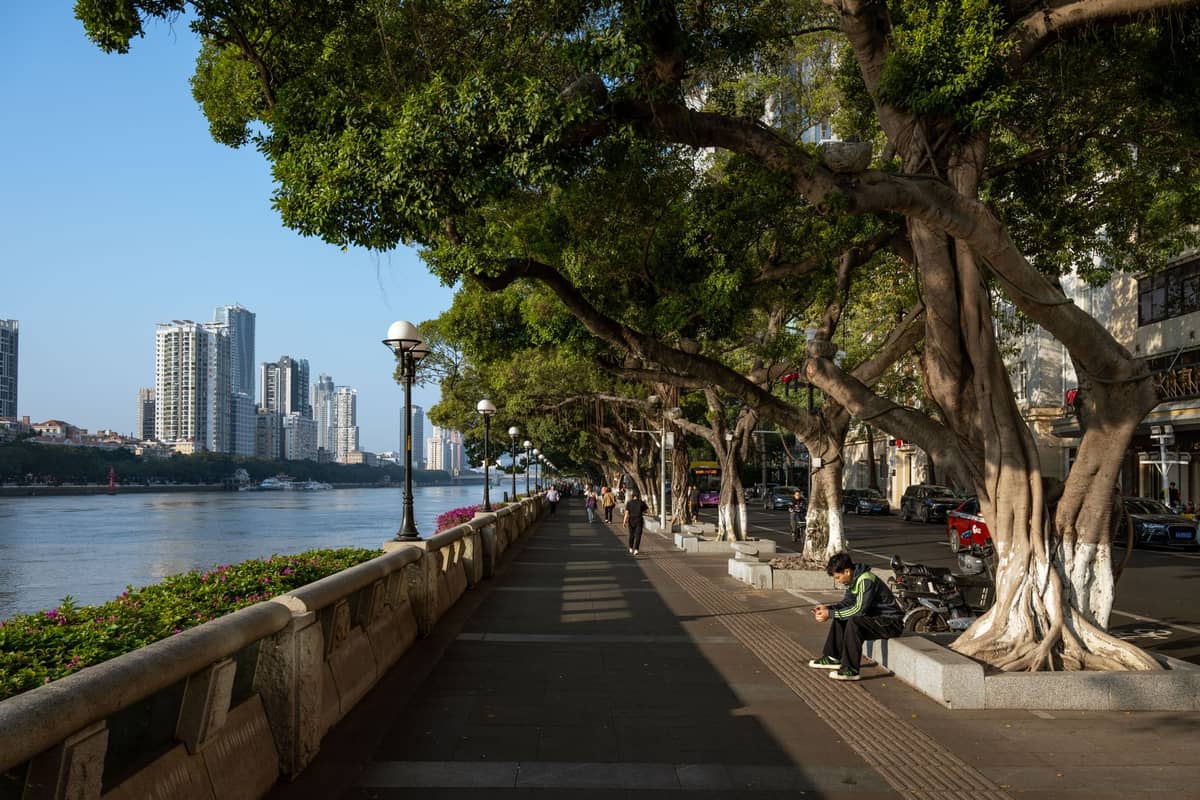
Guangzhou sits at about 23.1°N latitude with a humid subtropical climate. That means genuinely hot and humid summers and mild, relatively dry winters. The city sees little cold weather in the northern sense — winter temperatures are usually mild — but the summer months from June through September bring high heat, frequent rain, and typhoon risk that can disrupt plans.
The optimal windows are October to November and March to May. Autumn in particular — especially October — offers low humidity, clear skies, and comfortable temperatures in the low-to-mid 20s Celsius. Spring is warmer and slightly rainier but still pleasant. The guide to Guangzhou in autumn covers exactly what to expect in those months. If you're visiting during Chinese New Year, note that transportation gets extremely crowded and many local businesses close for several days. The Chinese New Year in Guangzhou guide explains which attractions remain open and how to navigate the celebrations.
Practicalities: Getting There, Getting Around, and What It Costs
Guangzhou Baiyun International Airport (IATA: CAN) is one of China's busiest airports and handles a wide range of international routes. The airport is located in the northern part of the city, roughly 28 km from the central business district in Tianhe, depending on your destination. The most practical way into the city is via the metro: Lines 3 and 9 connect the airport terminals to the wider network, and the journey to central stations takes around 40 to 60 minutes depending on your destination.
Within the city, the Guangzhou Metro is extensive, reliable, and inexpensive. Fares are distance-based and generally range from around 2 to 9 CNY per trip. English signage is present at most stations, making it navigable for first-time visitors. Buses cover areas the metro doesn't reach but require more local knowledge to use effectively. Ride-hailing via DiDi is widely available and practical for short trips or late-night travel. For a full breakdown of transport options and practical logistics, the guide to getting around Guangzhou is the most detailed resource.
On costs: Guangzhou is generally more affordable than Shanghai or Beijing for accommodation and food at the local level. Budget travelers eating at canteens, local noodle shops, and street markets can eat well for under 100 CNY per day. Mid-range hotel options in the center run from roughly 400 to 800 CNY per night, with higher-end options concentrated in Tianhe and Zhujiang New Town. The city's main weakness for budget travelers is that cheaper accommodation is often located far from the main sights, making transport costs a real consideration.
- Cash (CNY) is still useful at markets and smaller restaurants, but mobile payment via WeChat Pay or Alipay dominates. Foreign visitors can now link international cards to Alipay, which has improved significantly — verify current setup instructions before travel.
- Tap water is not recommended for drinking without boiling or filtration. Bottled water is inexpensive and universally available.
- Tipping is not standard practice in Guangzhou or mainland China generally. You will not be expected to tip at restaurants, taxis, or most services.
- English is spoken in hotels and at major attractions, but street-level communication in shops, local restaurants, and markets will usually require Mandarin, Cantonese, or a translation app.
- The Canton Fair, held twice yearly in spring and autumn at the Pazhou complex, causes significant hotel price spikes and room shortages. Book well in advance if your visit overlaps with fair dates.
✨ Pro tip
The Canton Fair hotel price surge is one of the most dramatic in any Chinese city. During fair periods, rooms that normally cost 500 CNY can climb well above 2,000 CNY. If you're not attending the fair, plan your visit to avoid those fair windows entirely. Check the official Canton Fair schedule before booking flights.
Who Should Visit Guangzhou (and Who Should Skip It)
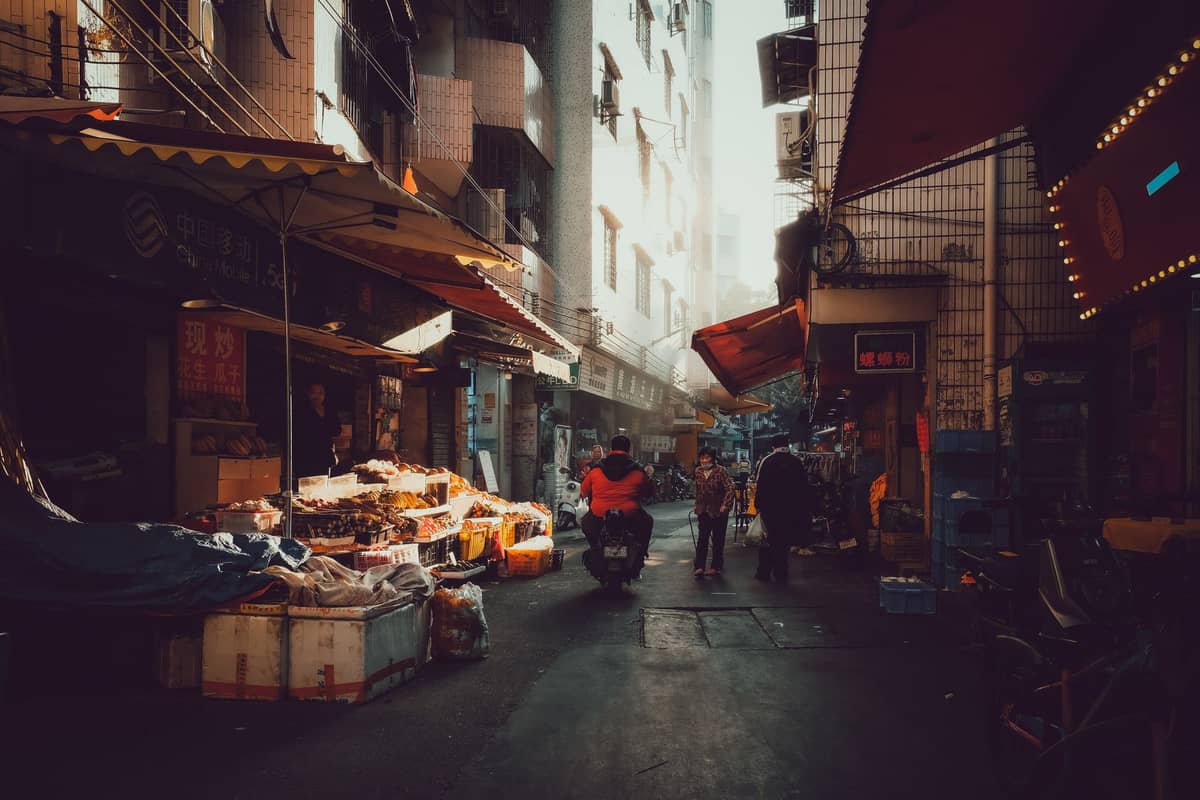
Guangzhou rewards travelers who approach it on its own terms rather than comparing it to the more internationally marketed Chinese cities. It is a city where the real experience happens at street level: in old teahouses, at morning markets, in the back lanes of Liwan, and along the Pearl River at dusk. If that kind of exploratory travel appeals to you, Guangzhou delivers consistently.
The city also works well as a base for day trips. Foshan, Zhongshan, and the Kaiping Diaolou towers are all reachable within a few hours. Hong Kong is accessible by high-speed rail in under an hour from Guangzhou South station, making a combined Guangzhou-Hong Kong trip a natural pairing. The Guangzhou to Hong Kong guide covers the transport options and logistics in detail.
Travelers who will be disappointed by Guangzhou typically expect heavily curated tourist infrastructure, English-language menus as standard, or the kind of heritage streetscapes that are preserved specifically for visitors. The city has some of that, but not as the dominant mode. It is a working megacity first. That authenticity is its strength and its challenge simultaneously.
FAQ
Is Guangzhou worth visiting as a tourist, or is it mainly a business city?
Guangzhou is genuinely worth visiting as a tourist. The business-city reputation comes from the Canton Fair and its history as a trade hub, but the city also has strong historic neighborhoods, outstanding food culture, significant museums, and a distinct local identity rooted in Cantonese language and traditions. It is less packaged for international tourists than Beijing or Shanghai, which is either a drawback or an advantage depending on what you're looking for.
How many days do you need in Guangzhou?
Three full days is a reasonable minimum for covering the main cultural and food highlights. Two days is enough for a focused visit centered on food and one or two key neighborhoods. Five or more days allows you to go deeper into specific interests — architecture, history, surrounding districts — without feeling rushed. Most travelers passing through on a China trip allocate two to three days.
Is Guangzhou safe for tourists?
Guangzhou is generally considered safe for tourists by Chinese city standards. Petty crime exists, as in any large city, so standard precautions apply — watch your bags in crowded transport and markets. The city has a visible police presence in central areas. Solo female travel is common and generally reported as comfortable. As with all China travel, be aware that political sensitivities around photography of government buildings and military infrastructure apply.
Can you get by in Guangzhou without speaking Chinese?
It is possible but requires more effort than in Beijing or Shanghai. Metro signage and most major attraction information is available in English. Hotels catering to international visitors will have English-speaking staff. Beyond that, daily communication in shops, local restaurants, and street markets will usually require a translation app. Google Translate's camera function and real-time voice translation are practical tools to have set up before you arrive. Note that Google services require a VPN in mainland China.
Is Guangzhou cheaper than Shanghai or Beijing?
At the local level, yes. Street food, local restaurants, and public transport are all comparably priced or slightly cheaper than in Shanghai or Beijing. International hotels and high-end dining are competitive with other major Chinese cities. The biggest cost variable is accommodation during the Canton Fair periods in April-May and October-November, when prices spike dramatically. Outside fair dates, Guangzhou offers good value for a city of its size and amenity level.