San Francisco Zoo & Gardens: What to Know Before You Go
The San Francisco Zoo & Gardens sits on 100 acres in the city's southwestern corner, just steps from the Pacific Ocean. With over a century of history and a wide range of animal habitats, it offers a full half-day experience for families, wildlife enthusiasts, and anyone looking to spend time outdoors far from the tourist crowds.
Quick Facts
- Location
- 1 Zoo Road, Sloat Blvd at the Great Highway, San Francisco, CA 94132
- Getting There
- Muni bus lines serve the Sloat & Great Highway area; check SFMTA for current routes
- Time Needed
- 3 to 4 hours for a thorough visit; 2 hours minimum
- Cost
- Paid admission; verify current USD pricing at sfzoo.org before visiting
- Best for
- Families with children, wildlife photography, a relaxed outdoor day away from downtown
- Official website
- http://www.sfzoo.org
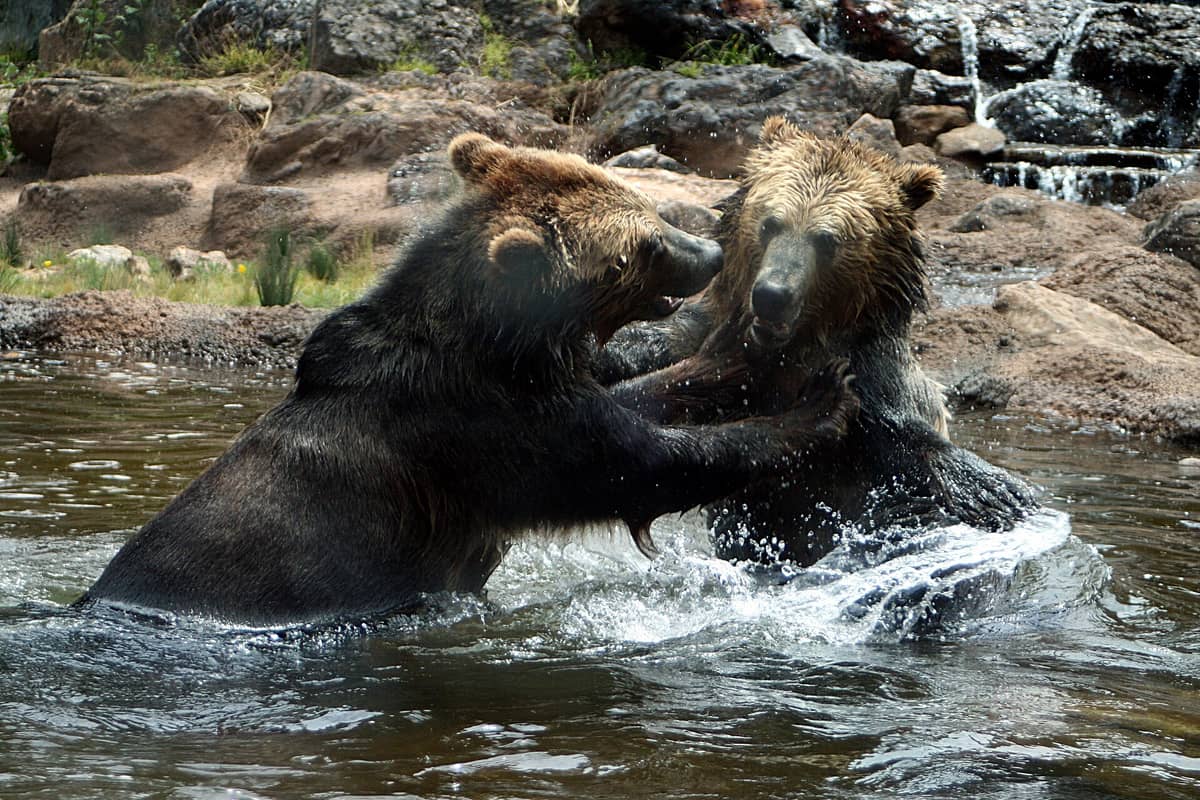
What the San Francisco Zoo & Gardens Actually Is
The San Francisco Zoo & Gardens is a 100-acre zoological park occupying the far southwestern edge of the city, wedged between Lake Merced and the Pacific Ocean along the Great Highway. It is one of the few major urban zoos in the United States where you can hear ocean surf while watching African animals in open habitats. That geographic quirk shapes everything: the light is softer here than downtown, the air has a marine chill even in September, and the crowds thin out considerably compared to the waterfront tourist attractions.
Construction began in 1929, when the facility was known as Fleishhacker Zoo, named after Herbert Fleishhacker, the parks commission president who championed its development. The official name was formally changed to The San Francisco Zoological Gardens on February 27, 1941. Today it operates under the contemporary branding of San Francisco Zoo & Gardens. That history matters for a visitor because you can feel the layering: original WPA-era stonework sits alongside modern naturalistic enclosures, giving the grounds an architectural texture rarely found in purpose-built modern facilities.
💡 Local tip
Hours are reported to typically run around 10:00 to 17:00, but they vary by season and are sometimes listed as 09:30 to 16:30 by ticketing partners. Confirm the exact schedule on the official site at sfzoo.org before your visit, especially if you plan to arrive early or stay late.
The Setting: Ocean Air, Fog, and Green Space
Location is the single most distinctive thing about this zoo. Standing near the African Savanna exhibit on a clear morning, you can look west and actually see the ocean horizon beyond the park boundary. The Great Highway runs right along the zoo's western edge. That proximity to the Pacific means marine fog rolls through regularly, especially in June and July. On foggy mornings, the zoo takes on an almost atmospheric, hushed quality: mist through eucalyptus trees, animals more active in the cool air, and visitor numbers noticeably lower.
September and October are climatologically the warmest and clearest months in San Francisco, which also makes them the most rewarding for a zoo visit. Animals are more visible in sunlight, the paths dry out, and the fog that defines SF summers has typically retreated. Winter visits between November and March are possible but wetter, and some outdoor exhibits see reduced animal activity. If you visit during the rainy season, bring waterproof layers: the paths are extensive and mostly uncovered.
The zoo borders the Sunset District, one of San Francisco's quieter residential neighborhoods. It is a long way from Union Square and the Embarcadero waterfront, which means you will need to plan transit deliberately. For a broader sense of the city's diverse landscapes, consider pairing the zoo with a morning walk along Ocean Beach, which begins right at the zoo's western boundary.
Tickets & tours
Hand-picked options from our booking partner. Prices are indicative; availability and final rates are confirmed when you complete your booking.
Sonoma and Napa Valley wine tour from San Francisco
From 127 €Instant confirmationFree cancellationGo City | San Francisco Explorer Pass
From 76 €Instant confirmationFree cancellationSan Francisco CityPASS
From 77 €Instant confirmationFree cancellationThe Flyer San Francisco - “Flying Theater experience”
From 12 €Instant confirmationFree cancellation
How the Visit Unfolds: A Practical Walkthrough
The main entrance is on Sloat Boulevard at the Great Highway. From the entrance plaza, the grounds fan out across a roughly circular layout with multiple themed zones. The African Savanna area is a highlight for many visitors, with giraffes and zebras in comparatively open terrain. The Lemur Forest is a popular stop, particularly with children, given the accessible viewing areas and the animals' visible activity patterns during the morning hours.
The zoo includes a historic carousel, a children's zoo area, and the Little Puffer steam train, which loops around the perimeter. These attractions make the facility genuinely functional for young children, not just a series of enclosures to walk past. Families with children under 10 will find the train and carousel add meaningful pacing to a visit that otherwise requires sustained walking.
Plan for at least three hours if you intend to see the full grounds at a comfortable pace. The 100-acre footprint is substantial: covering it quickly means missing context boards, secondary paths, and quieter habitats like the Gorilla Preserve, which requires some navigation off the main loop. Comfortable walking shoes are essential. The paths are paved but long, and there is meaningful elevation change in a few sections.
ℹ️ Good to know
The zoo is generally open daily. Ticket prices are paid in USD and have changed over time from figures cited in recent years. Check the current admission rates directly at sfzoo.org or through the official ticketing portal before purchasing.
Getting There: Transit and Driving
The San Francisco Zoo & Gardens is in one of the city's most geographically distant corners from downtown, so transit takes longer than visitors sometimes expect. Muni bus routes serve the Sloat Boulevard and Great Highway area; the SFMTA trip planner is the most reliable way to identify current routes and travel times from your starting point, since schedules change. Allow 30 to 45 minutes from central neighborhoods like the Mission or Union Square by public transit.
Driving is straightforward: take Sloat Boulevard west until it meets the Great Highway, where the main entrance is clearly marked. Street parking exists along Sloat, and there is a paid parking lot adjacent to the zoo. Rideshare drop-off is practical given the defined entrance area. For general advice on getting around the city efficiently, the getting around San Francisco guide covers Muni, BART, and rideshare logistics in detail.
Time of Day: When Animal Activity Peaks
Morning arrivals, ideally within the first hour of opening, offer the best animal activity. Many mammals and birds are fed in the morning, which brings them into visible areas near enclosure boundaries. By midday, particularly on warmer autumn days, larger animals tend to retreat to shaded areas and activity drops. If you arrive after noon, you may spend stretches of time looking at empty terrain or animals asleep in distant corners.
Weekday mornings are noticeably quieter than weekends, with school groups being the primary crowd variable. If a school bus is in the lot when you arrive, expect certain areas like the children's zoo and the carousel queue to be busy between 10:00 and 12:00. Weekends during summer bring more families and longer food stand queues. The zoo never reaches the density of a theme park, but early arrival still meaningfully improves the experience.
Photography, Accessibility, and Practical Notes
Photography conditions at the San Francisco Zoo are decent but varied. Modern naturalistic enclosures use wide moats and natural barriers rather than bars, which is better for photos. However, the fog and overcast skies common in summer months mean flat lighting that flattens color and detail. September and October again offer the best photographic conditions, with cleaner light in the morning hours. Telephoto lenses or longer zoom settings help with larger enclosures where animals keep distance.
On accessibility: the zoo is listed as a public facility under San Francisco Recreation and Parks and the grounds are primarily paved. For specific details about wheelchair rentals, accessible restrooms, and stroller policies, the official sfzoo.org site or visitor services phone line are the correct source. The zoo's size and walking distances make mobility planning worth doing in advance for visitors with limited mobility.
The zoo is one of several green-space attractions in the western part of the city. If you are planning a full day in the area, the Golden Gate Park sits just to the north and contains the California Academy of Sciences and the de Young Museum, making a full west-side day feasible.
Is It Worth Your Time? An Honest Assessment
The San Francisco Zoo & Gardens is a solid, well-maintained city zoo with genuine ecological depth, particularly in its primate habitats and African mammals section. It is not a world-class zoological facility in the league of San Diego Zoo, which has a significantly larger collection and more extensive naturalistic habitats. What it offers instead is a genuine sense of place: the ocean adjacency, the WPA-era bones, the fog-softened greenery, and a scale that feels human rather than overwhelming.
For visitors with children, this is one of the more rewarding full-day options in San Francisco. For adults without children, it competes with a long list of other attractions and the verdict depends on how much you value wildlife over art, history, or urban exploration. First-time visitors to San Francisco with limited days might prioritize other experiences; returning visitors or those specifically interested in animal conservation will find it a worthwhile half-day.
For travelers comparing options across the city's science and nature attractions, the San Francisco with kids guide provides a broader framework for choosing between the zoo, the Exploratorium, and other family-oriented destinations.
Insider Tips
- Arrive within 15 minutes of opening on a weekday for the best animal activity and the smallest crowds. The difference between 9:30 and 11:00 arrival is significant in terms of what you actually see moving.
- The zoo's western perimeter path runs closest to the Great Highway and the ocean. On clear days, walking this edge offers ocean views that most visitors miss because they follow the main interior loop.
- If fog is forecast for the morning, consider delaying arrival by an hour or two. Animals in foggy conditions are sometimes less visible, and the wet paths can make the experience feel draining rather than enjoyable.
- Members get free admission and the membership pays for itself in two visits for a family. If you are in San Francisco for a week or more with children, the math is straightforward.
- The onsite cafe and food stands are functional but not notable. Bringing your own snacks and a reusable water bottle keeps costs down and reduces time spent waiting in food queues, particularly on weekend afternoons.
Who Is San Francisco Zoo & Gardens For?
- Families with children under 12 looking for a full half-day or full-day structured outdoor activity
- Wildlife and nature photographers who want animals against green, naturalistic backdrops rather than urban settings
- Returning visitors to San Francisco who have covered the major downtown landmarks and want a change of pace
- Anyone specifically interested in primate conservation or African savanna species
- Visitors who want to combine a zoo morning with an afternoon walk along Ocean Beach
Nearby Attractions
Combine your visit with:
- 16th Avenue Tiled Steps
The 16th Avenue Tiled Steps Project is a community-made mosaic staircase of 163 steps stretching through San Francisco's Golden Gate Heights neighborhood (a sub-area of the Inner Sunset), depicting a journey from the ocean floor to the night sky. It's free, photogenic, and connects to one of the city's best lesser-known hilltop viewpoints.
- Angel Island State Park
Angel Island State Park sits in the middle of San Francisco Bay, offering miles of hiking trails, layers of military and immigration history, and 360-degree views of the city skyline, Marin headlands, and beyond. Getting there requires a ferry, which is part of the appeal — the island feels removed from city life, even though San Francisco is visible the entire time.
- Asian Art Museum of San Francisco
One of the largest Asian art collections in the Western world, housed in a transformed Beaux-Arts landmark at Civic Center. From ancient Chinese bronzes to contemporary Southeast Asian installations, the museum rewards careful visitors who know what to look for.
- UC Berkeley Campus
The University of California, Berkeley sits on a hillside above San Francisco Bay, offering free access to striking Beaux-Arts architecture, landmark museums, and open green spaces. A short BART ride from San Francisco, it rewards curious visitors with history, intellectual energy, and some of the best campus scenery in the country.