Zurich to Paris: Train, Flight & Bus — The Complete Travel Guide
Everything you need to know about travelling from Zurich to Paris: direct TGV Lyria trains in just over 4 hours, flights that look fast but rarely are, and budget buses for the patient traveller. Prices, booking tips, and honest comparisons included.
Tickets & tours
Live prices and dates from our booking partner. If you book, we may earn a commission at no extra cost to you.
TL;DR
- The fastest and most practical option is the direct TGV Lyria train from Zürich Hauptbahnhof to Paris Gare de Lyon, covering around 490 km in as little as 4 hours 3 minutes.
- Advance 2nd-class train tickets start from around CHF 47 / €49, but cheapest fares sell out weeks or months ahead, especially around school holidays and summer weekends.
- Flights are only about 1 hour airborne, but once you factor in airport transfers, check-in, and security, total door-to-door time is often comparable to the train.
- Long-distance buses (FlixBus) take 9–11 hours but fares can start below US$35 — a viable option only if cost is the absolute priority.
- Book trains through SBB (Swiss Federal Railways), TGV Lyria, or SNCF. See also our guide to getting around Zurich before you travel.
Zurich to Paris by Train: The TGV Lyria
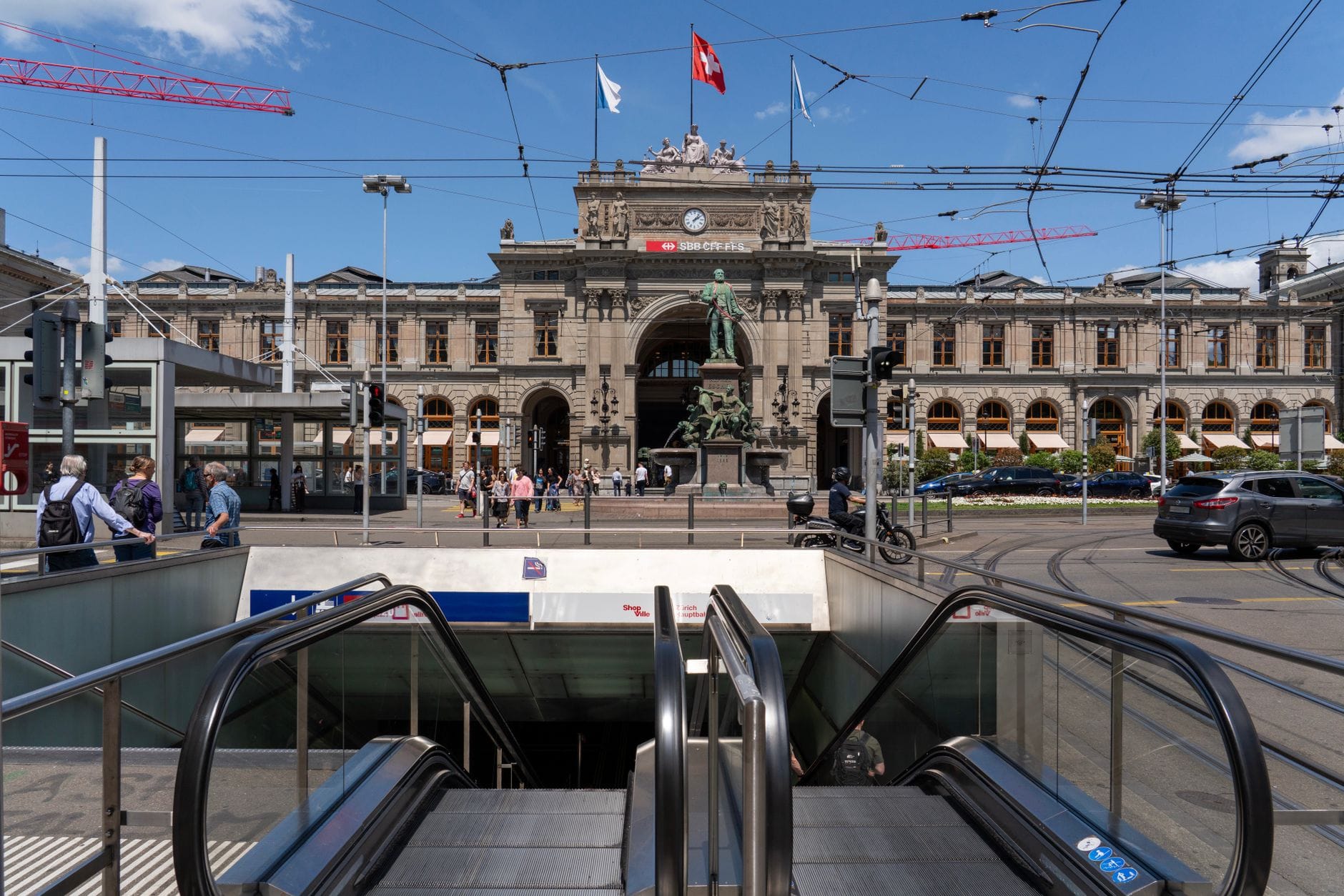
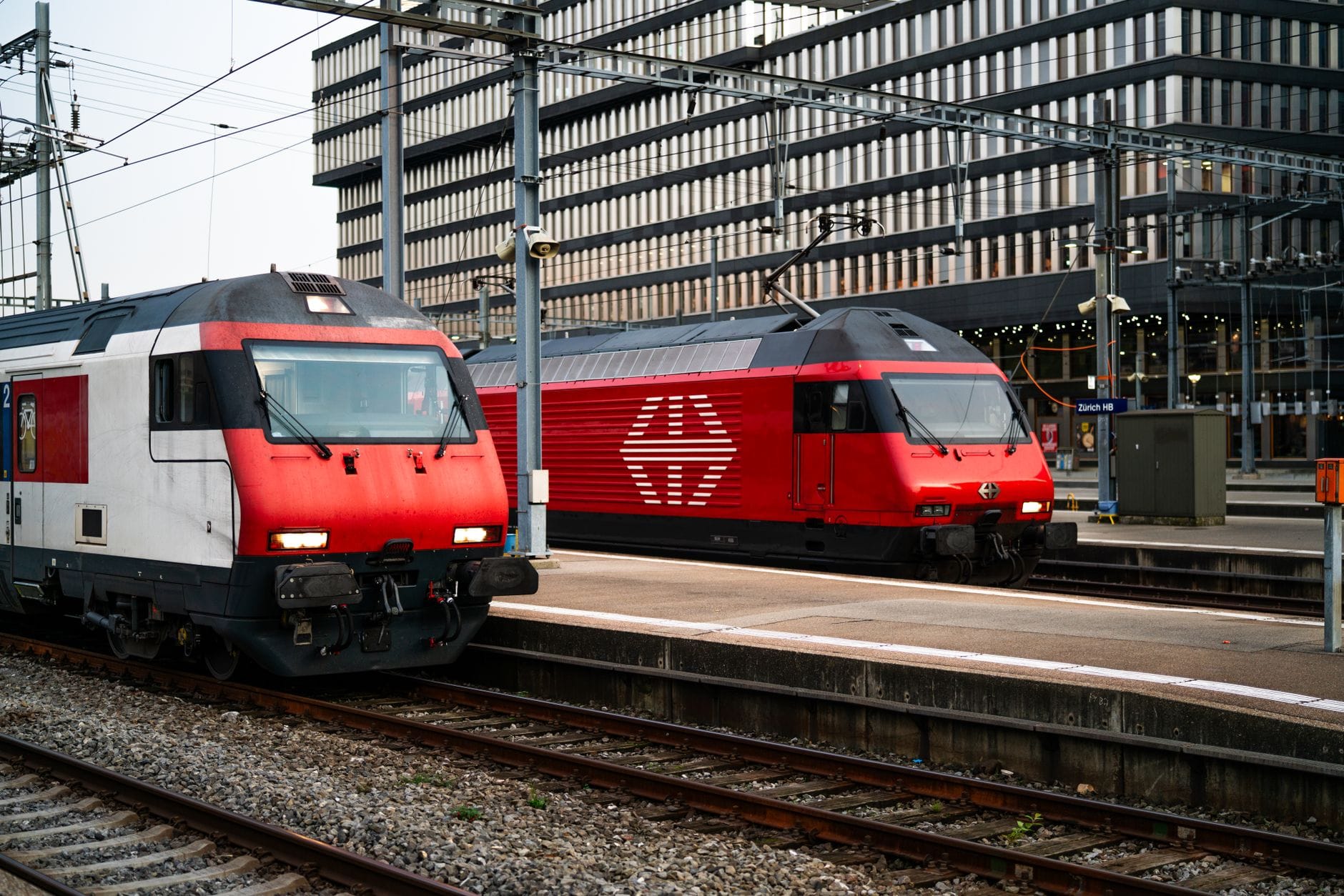
The Zurich to Paris train route is one of the most well-connected city-pair journeys in Western Europe. The TGV Lyria — a joint operation between SBB (Swiss Federal Railways) and SNCF — runs direct high-speed services roughly six times per day between Zürich Hauptbahnhof (Zürich HB) and Paris Gare de Lyon. The fastest departures cover around 490 km in as little as 4 hours 3 minutes, making it genuinely competitive with flying when you factor in airport overhead.
Departures from Zürich Hauptbahnhof typically begin in the morning around 07:34 and the last direct service departs around 18:34, though schedules can shift seasonally. Always check current timetables on SBB.ch or TGV-Lyria.com, as minor adjustments happen year to year. The train arrives at Paris Gare de Lyon, one of the city's most central and well-connected mainline stations, with direct Metro and RER access.
- Frequency Approximately 6 direct TGV Lyria services per day in each direction
- Fastest journey time Around 4 hours 3–4 minutes city-centre to city-centre
- Departure station Zürich Hauptbahnhof (Zürich HB)
- Arrival station Paris Gare de Lyon
- Advance 2nd-class fares From approximately CHF 47 / €49 (Standard, limited availability)
- Flexible fares Significantly higher — typically €80–€150+ depending on timing and class
- Booking platforms SBB.ch, TGV-Lyria.com, Rail Europe, SNCF Connect
✨ Pro tip
The cheapest TGV Lyria promotional fares (around €25–€49) are capacity-controlled, non-refundable, and non-changeable. They typically open 3–6 months before departure. If you have fixed travel dates, booking early is the single most effective way to save money. Waiting until a week before departure almost guarantees paying two or three times the base price.
Fares climb sharply around peak periods: French and Swiss school holiday windows, Christmas and New Year's Eve, summer weekends from late June through August, and major events in either city. If your travel falls in these windows and you have flexibility, shifting by a day or two mid-week can sometimes cut the price noticeably. First-class tickets include more seat space, a meal service on many departures, and easier rebooking options — worth considering on a business trip, less so for a weekend break.
ℹ️ Good to know
Zürich HB is not just a train station — it's a destination in itself. The building dates to 1871 and anchors the city's financial and retail core. If you arrive with time to spare before your Paris train, the area around Bahnhofstrasse and the nearby Swiss National Museum are both within easy walking distance.
Zurich to Paris by Flight: Fast in the Air, Slow on the Ground
Direct flights from Zurich Airport (ZRH) to Paris typically operate to either Paris Charles de Gaulle (CDG) or Paris Orly (ORY). Airborne time is roughly 1 hour 10 minutes to 1 hour 25 minutes. Swiss and Air France both run regular direct services, and budget carriers occasionally add routes depending on the season. On paper, it looks like an obvious win over a 4-hour train.
The reality is more complicated. Zurich Airport is located about 13 km north of Zürich HB, and getting there requires 10–15 minutes by direct S-Bahn train from the city centre — which itself requires arriving at least 90 minutes before departure for international (Schengen) flights. At the Paris end, CDG is around 30–45 minutes from central Paris by RER B, and Orly adds similar transit time via the Orly Val connection. When you add everything up — check-in, security, boarding, baggage claim, and onward transit — many travellers find the total door-to-door time is 4.5 to 5.5 hours, comparable to or longer than the train.
⚠️ What to skip
Flying from Zurich to Paris also means crossing into Schengen territory with a brief passport check, handling carry-on or checked luggage restrictions, and paying for seat selection and bags on most low-cost carriers. Once you add those costs, flights that appear cheaper than the train often aren't. Always compare total costs, not just the base fare.
Flights make more sense if you find a significantly cheaper fare during a sale, if you're continuing to a destination beyond Paris, or if you're departing from somewhere other than central Zurich (such as the airport area itself). For a simple Zurich to Paris return with luggage, most travellers who value comfort and convenience find the train the better overall experience.
Zurich to Paris by Bus: The Budget Option
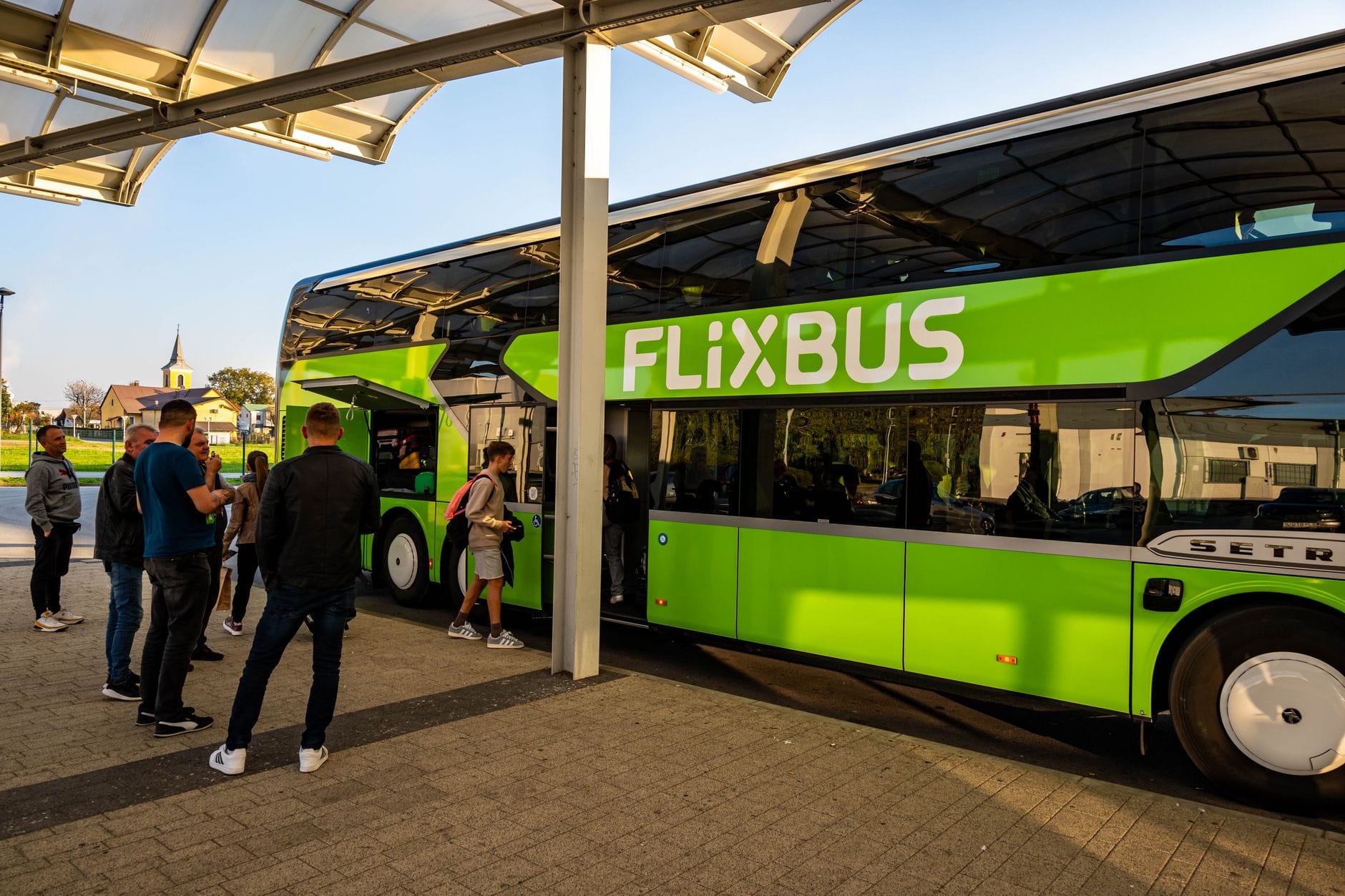
Long-distance buses — primarily FlixBus — connect Zurich and Paris with journey times of roughly 9 to 11 hours, depending on the route and number of stops. Fares can start as low as around US$30–35 when booked in advance. The trade-off is obvious: you're spending the better part of a day on a coach, usually overnight.
For most travellers, the bus only makes sense in one scenario: you're on an extremely tight budget and you're comfortable sleeping on a coach. An overnight bus from Zurich can theoretically save you a night of accommodation in Paris, which at Paris hotel prices is not a trivial consideration. That said, the sleep quality is rarely good, and arriving in Paris at 6 or 7 AM tired and stiff is a rough start to any trip. If budget is the priority but you want to avoid the bus, it's worth checking whether any flight deals undercut the train before ruling it out.
Train vs. Flight vs. Bus: A Practical Comparison
- Train (TGV Lyria) Best overall. City-centre to city-centre in ~4 hours, no airport hassle, generous luggage allowance, scenic route through Burgundy. Book early for the best prices.
- Flight Only beats the train on door-to-door time if you live near ZRH and are flying to an airport close to your Paris destination. Competitive on price during sales, but add-ons erode savings quickly.
- Long-distance bus Cheapest option but takes 9–11 hours. Only realistic as an overnight journey. Not recommended for short trips or anyone who values their time.
The train also wins on the experience side of things. The TGV Lyria route passes through the Swiss Mittelland before crossing into France, skirting through Dijon and Burgundy wine country. You arrive at Gare de Lyon, which puts you directly inside Paris with instant Metro access to virtually any neighbourhood. Compare that with the Gare de Lyon experience to the CDG experience, and the gap widens further. For a deeper look at what to do before or after your trip, check the things to do in Zurich guide and our overview of day trips from Zurich if you're planning a broader Switzerland itinerary.
How to Book and What to Know Before You Go
For the TGV Lyria, you can book directly through SBB.ch (Swiss Federal Railways), TGV-Lyria.com, or SNCF Connect (the French national rail booking platform). Rail Europe is a third-party aggregator that's useful for comparing and booking pan-European train tickets in one place, particularly if you're combining multiple legs. All platforms allow booking several months in advance. Print-at-home or mobile tickets are accepted.
If you hold a Swiss or European rail pass (such as an Interrail or Eurail pass), TGV Lyria trains require a reservation supplement on top of your pass — the supplement fee varies but is a fraction of the full fare. It's a worthwhile addition if you're already pass-travelling through Europe. Also note that Zürich HB itself is one of Switzerland's great transport hubs: you can connect from virtually anywhere in Switzerland with minimal effort. See our guide to Zurich to Lucerne by train and Zurich to Interlaken if you're building a multi-destination Swiss trip before heading to Paris.
Currency note: Switzerland uses the Swiss franc (CHF), not the euro, so fares quoted by SBB will be in CHF. TGV Lyria and SNCF quote in euros. The same ticket can appear at slightly different prices depending on which platform you use and which currency is displayed, so it's worth comparing both. Payment by international credit card is universally accepted on all major booking platforms.
💡 Local tip
Travelling in a group of two or more? TGV Lyria occasionally offers group discounts or paired promotional fares, particularly mid-week. Check both SBB and TGV Lyria directly rather than relying solely on aggregator sites, as promotional fares sometimes appear earlier or exclusively on the official platforms.
Extending Your Trip: What to See in Zurich Before You Leave

If you have a day or two in Zurich before or after your Paris trip, the city is well worth exploring beyond the train station. The historic core along the Limmat river, anchored by the Grossmünster and Fraumünster, is compact and walkable. The lakeside promenade along Lake Zurich is one of the finest urban waterfronts in Central Europe, especially on a clear summer afternoon.
For culture, the Kunsthaus Zürich houses one of the strongest art collections in the German-speaking world, and the Swiss National Museum sits directly adjacent to Zürich HB, making it an easy pre-departure visit. If you're arriving from Paris and want to understand the city's different neighbourhoods quickly, our Zurich walking tour guide covers the most efficient route through the old town and lakeside in a half day.
FAQ
How long does the train from Zurich to Paris take?
The fastest direct TGV Lyria services take around 4 hours 3–4 minutes from Zürich Hauptbahnhof to Paris Gare de Lyon. There are approximately six direct departures per day, with the first typically leaving around 07:30 and the last around 18:30. Some services take slightly longer depending on the specific departure.
How much does a Zurich to Paris train ticket cost?
Advance 2nd-class (Standard) fares start from around CHF 47 or €49 when booked well ahead, though these are limited-availability promotional fares that sell out quickly. Flexible or last-minute tickets typically cost €80–€150 or more. First-class fares are higher still. Prices spike around school holidays, summer weekends, and the Christmas period.
Is the train or the plane faster from Zurich to Paris?
Flights are about 1 hour 10–25 minutes in the air, but the total door-to-door time — including getting to Zurich Airport (about 10–15 minutes from the city centre), check-in, security, boarding, the flight itself, landing, baggage, and transit from CDG or Orly into central Paris — typically works out to 4.5–5.5 hours. The direct TGV Lyria train takes around 4 hours city-centre to city-centre with no airport overhead, so for most travellers the train is faster overall.
Where do I book TGV Lyria tickets from Zurich to Paris?
You can book directly through SBB.ch (Swiss Federal Railways), TGV-Lyria.com, or SNCF Connect (French national rail). Rail Europe is a reliable third-party platform if you're combining multiple European train legs. Mobile and print-at-home tickets are all accepted. Book as early as possible for the lowest promotional fares, which are usually available 3–6 months in advance.
Are there buses from Zurich to Paris?
Yes. FlixBus and similar long-distance coaches run services between Zurich and Paris, with journey times of roughly 9–11 hours. Fares can start from around US$30–35 booked in advance. The bus is primarily useful as an overnight option for budget travellers, but the journey is significantly less comfortable than the train and the time cost is substantial.
Tickets & tours
Live prices and dates from our booking partner. If you book, we may earn a commission at no extra cost to you.
Planning a trip? Discover personalized activities with the Nomado app.