What to Eat in Zurich: Swiss Food & Local Dishes
Zurich's food scene runs deeper than fondue and chocolate. This guide covers the essential Swiss dishes to try, honest price expectations, seasonal must-orders, and practical tips for eating well without overpaying in one of Europe's most expensive cities.
Tickets & tours
Live prices and dates from our booking partner. If you book, we may earn a commission at no extra cost to you.
TL;DR
- Zürcher Geschnetzeltes (veal in cream sauce with rösti) is Zurich's signature dish and worth ordering at least once — expect to pay CHF 28–42 for a main.
- Fondue and raclette are available year-round but peak from September to April; summer menus lean toward lake fish like perch and fera.
- Birchermüesli and Luxemburgerli (the mini macarons from Confiserie Sprüngli) are Zurich originals you won't find done better anywhere else.
- Migros and Coop supermarkets are how locals keep food costs down — quality is high and hot counters are genuinely good.
- For a full picture of where to go and what to do while eating your way through the city, see our things to do in Zurich guide.
Zurich's Signature Dish: Zürcher Geschnetzeltes
If Zurich has one dish that defines its culinary identity, it's Zürcher Geschnetzeltes, known locally as Züri Gschnätzlets. Thin strips of veal are pan-fried with onions and mushrooms, then finished in a white wine and cream sauce, and served alongside a crispy rösti.
Budget CHF 28–42 for a main course portion at a traditional restaurant. This isn't a dish you'll find at street food stalls, so sit down for it at one of the guild houses in the Old Town or a classic Zurich Beiz (the local term for a neighbourhood restaurant). Several restaurants along the Limmatquai and in Niederdorf serve it year-round and do it well.
💡 Local tip
Rösti served alongside Geschnetzeltes should arrive crispy on the outside and soft in the middle. If it's soggy, that's a red flag about the kitchen. A well-made rösti is one of Switzerland's underrated pleasures.
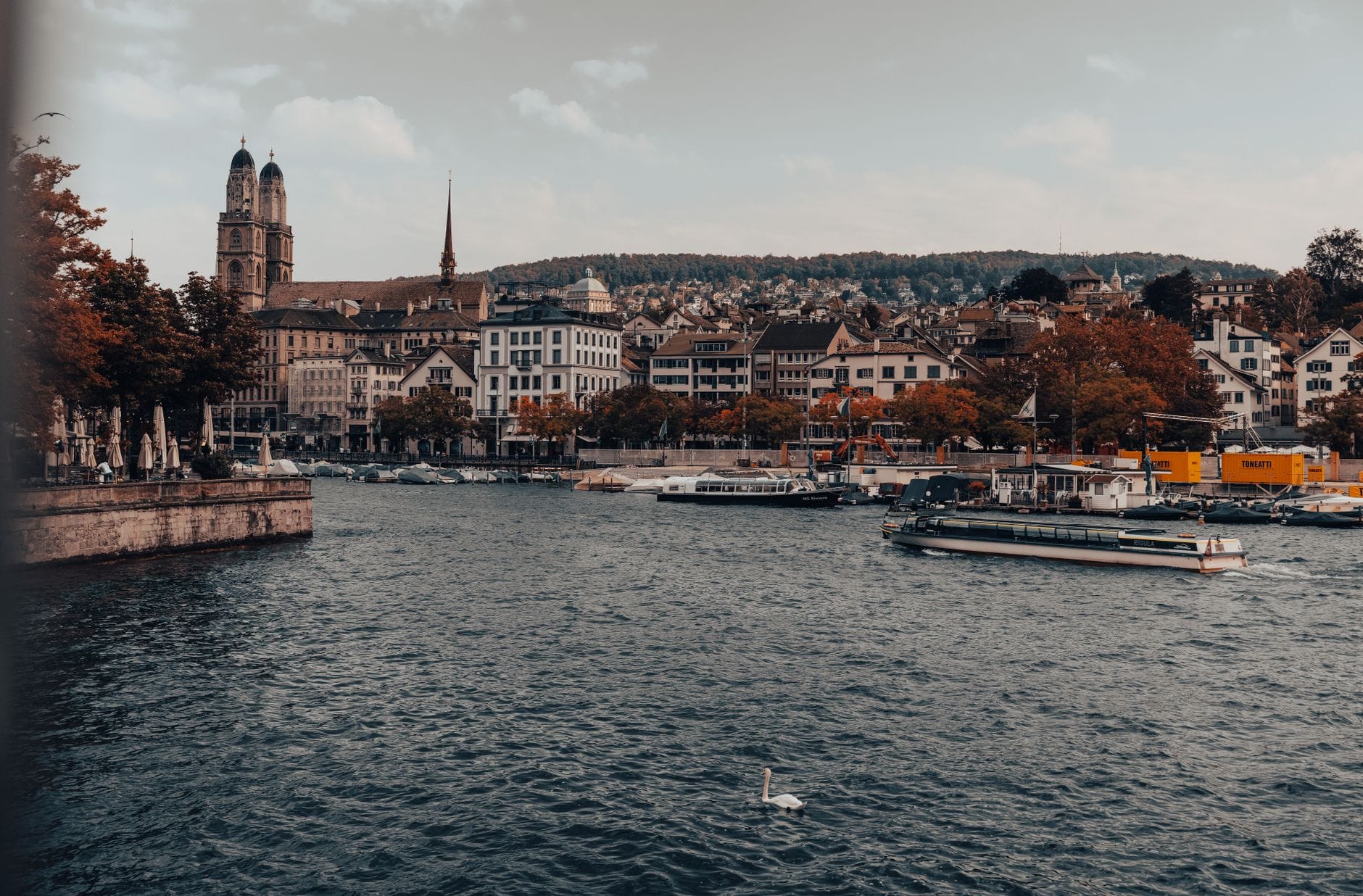
The Altstadt and Niederdorf quarters have the highest concentration of traditional Swiss restaurants. Both areas sit within easy walking distance of each other along the Limmat river, making them natural stops on any food-focused visit.
Classic Swiss Dishes You'll Find Across the City
Zurich menus are broader than the cheese-and-chocolate cliché suggests. Here are the dishes worth knowing before you sit down at a table.
- Fondue Melted cheese (typically Gruyère and Emmental) in a communal pot, eaten with bread cubes. Most traditional from September to April. Expect CHF 25–35 per person. Moitié-moitié (half-half) is the most popular blend.
- Raclette Melted cheese scraped over potatoes, cornichons, and pearl onions. Simpler than fondue but deeply comforting. Around CHF 18–30 depending on portion size and venue.
- Rösti Shredded, pan-fried potato cake. Served as a side but filling enough to be a meal when topped with cheese, egg, or bacon. Typically CHF 16–28 as a main.
- Birchermüesli The original overnight oat dish, invented in Zurich in the early 1900s by Dr. Maximilian Bircher-Brenner. Raw oats soaked in apple juice or milk with grated apple, lemon juice, and condensed milk. Far better than any packaged version you've tasted.
- Lake Fish (Egli/Felchen) Perch (Egli) and whitefish/fera (Felchen) from Lake Zurich appear on spring and summer menus at lakeside restaurants. Lightly pan-fried with butter — clean, delicate flavour. A genuinely local option most visitors overlook.
- Vermicelles An autumn and winter dessert of sweetened chestnut purée pressed through a fine sieve to create thin noodle-like strands, topped with cream. Seasonal and worth seeking out from October onward.
- Bratwurst vom Grill The Zurich bratwurst — pale, made from veal and pork — is distinct from other Swiss regional sausages. Grilled over charcoal, served with bread and mustard. Street food standard around CHF 8–12.
⚠️ What to skip
Fondue in summer is not a scam, but it is less atmospheric. Some visitors order it in July expecting the cosy winter-chalet experience and come away disappointed. If you're visiting in warm months, the lake fish dishes and lighter Swiss plates will leave a better impression.
Zurich's Sweet Spots: Chocolate, Confiserie Sprüngli and Birchermüesli
Switzerland's reputation for chocolate is well-earned, and Zurich is a serious place to explore it. The city is home to Confiserie Sprüngli, a confectioner operating since 1836, best known for the Luxemburgerli — small, light macarons with seasonal fillings. The main Sprüngli café in central Zurich is an institution, though prices reflect that status.
For a deeper dive into Swiss chocolate culture, the Lindt Home of Chocolate museum sits just outside the city centre and includes tasting experiences and a detailed history of Swiss confectionery. It's well-produced and worth the trip if chocolate is a genuine interest, not just a souvenir reflex.
For a more complete guide to the subject, our Zurich Swiss chocolate guide covers the best producers, tasting experiences, and what to bring home.
Eating by Season: What to Order and When
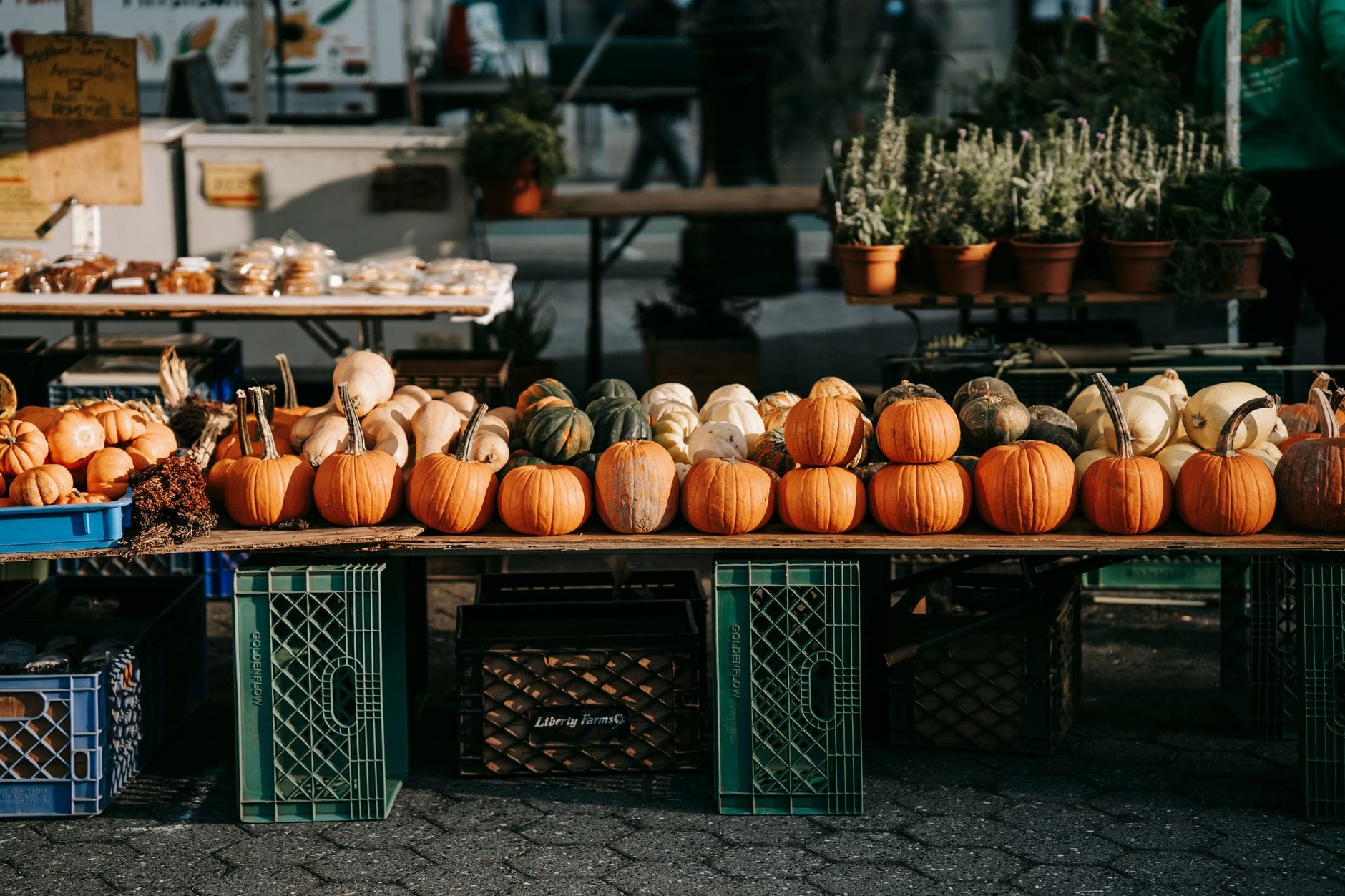
Zurich's food culture shifts noticeably with the seasons, and knowing this helps you order better at any time of year.
In autumn and winter, menus lean heavily into melted cheese dishes, hearty meat preparations, and warming desserts. This is prime time for fondue and raclette, and the period when traditional Swiss restaurants feel most like themselves. Vermicelles appear in autumn and winter. Glühwein and roasted chestnuts sold at the Zurich Christmas markets around the Hauptbahnhof add a street-food dimension to the winter food experience.
Spring and summer are when lakeside eating comes into its own. Restaurants along the Lake Zurich promenade put lake fish front and centre. Perch fillets lightly fried in butter, served with lemon and a glass of local white wine, is one of the most underrated plates in the city. The al fresco Badis (open-air lido restaurants) around the lake serve food alongside swimming in summer, which gives eating here a social dimension that indoor dining can't match.
✨ Pro tip
Zurich Christmas markets, including the large one inside the Hauptbahnhof, are excellent for trying multiple Swiss street foods in one go: raclette, bratwurst, Magenbrot (spiced gingerbread), and roasted almonds, all within a compact area. Go on a weekday evening to avoid the worst weekend crowds.
What Things Actually Cost: Honest Price Breakdown
Zurich is expensive by almost any international benchmark. A sit-down dinner for two at a mid-range restaurant with wine can easily reach CHF 150–200. That said, eating well doesn't require blowing the budget if you know where to look.
- Street food and takeaway CHF 8–14 covers a bratwurst with bread, a kebab, or a simple snack. Good for lunch on the move.
- Supermarket lunch (Migros or Coop) Both chains have sit-down or grab-and-go hot food counters. A full meal runs CHF 10–16. Genuinely good quality and how many locals eat on weekdays.
- Restaurant lunch (set menu) Many traditional restaurants offer a Tagesmenu (daily lunch menu) at CHF 18–28, often including a main and sometimes soup. Far better value than ordering à la carte.
- Restaurant dinner (mid-range, à la carte) Expect CHF 40–65 per person for a main, a side, and a drink. A three-course dinner at a decent restaurant can reach CHF 70–80.
- Traditional Swiss specialties Zürcher Geschnetzeltes CHF 28–42, fondue CHF 25–35 per person, raclette CHF 18–30, rösti CHF 16–28 as a main.
- Coffee and drinks Espresso around CHF 4–5. A beer at a bar or restaurant typically CHF 7–10. Tap water is free, safe, and excellent — bottled water in restaurants costs around CHF 5–6.
Service is usually included in Swiss restaurant bills, so tipping is not obligatory. Rounding up or leaving small change is common and appreciated. For more budget strategies across the city, the Zurich on a budget guide covers this in detail.
Where to Eat: Neighbourhoods and Food Scenes
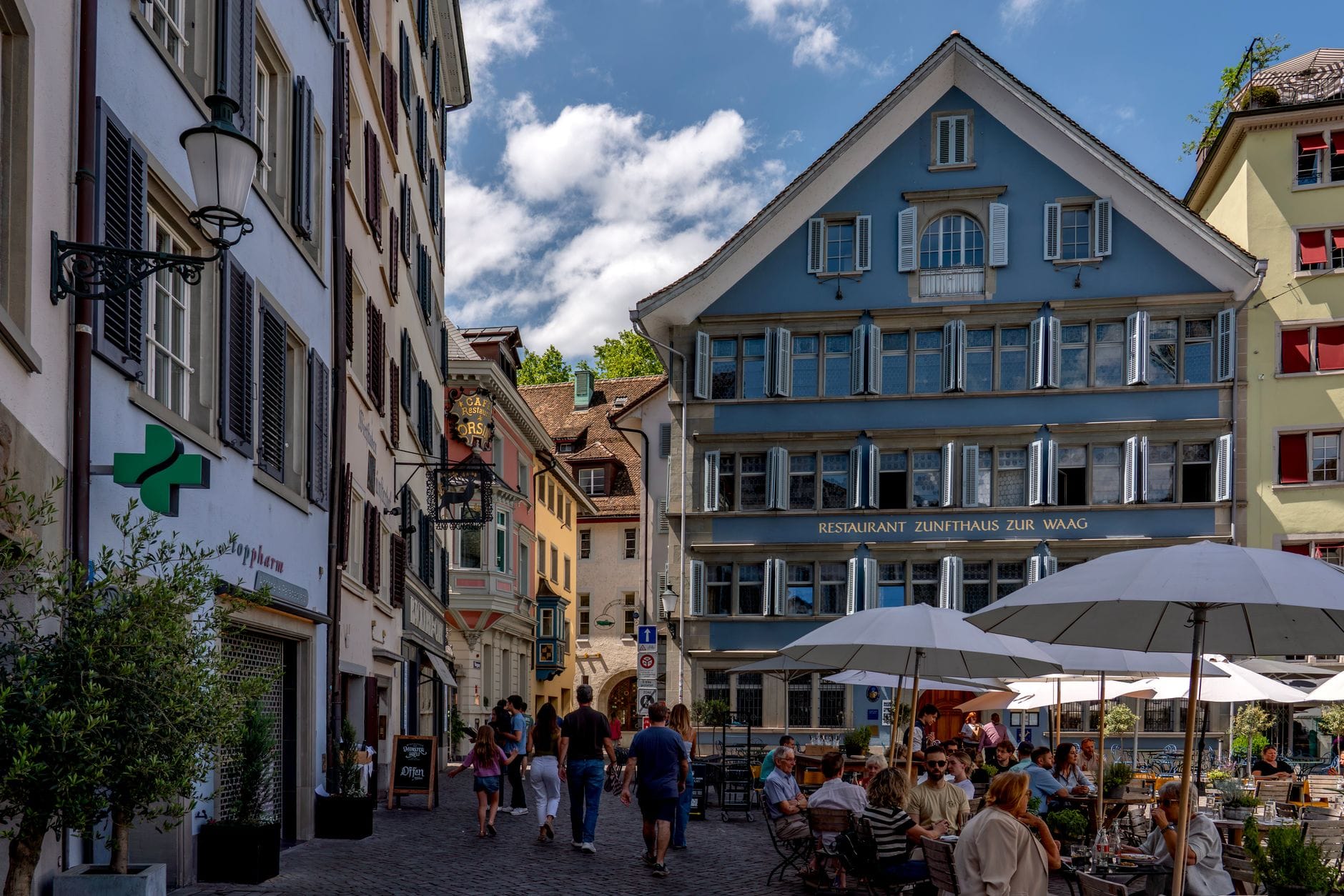
The neighbourhood you eat in shapes the experience as much as what's on the plate. Traditional Swiss restaurants cluster in the Old Town and Niederdorf. For something more contemporary or international, Zurich West and Langstrasse offer a different register entirely.
The Zurich West district, the city's former industrial quarter, now has a genuine food scene with independent restaurants, market halls, and casual spots. The Im Viadukt market under the old railway arches at Im Viadukt is particularly good for local produce, artisan food products, and lunch options that lean modern Swiss rather than tourist-facing traditional.
The Seefeld neighbourhood on the east shore of Lake Zurich has a strong café and restaurant culture, particularly for brunch and lakeside dining. It's where Zurich's international residents tend to congregate for food, so international cuisines are well-represented alongside Swiss classics.
For a structured way to explore the food landscape on foot across the Old Town and lakeside areas, the Zurich walking tour guide maps a route that passes several key eating and tasting stops.
ℹ️ Good to know
Zurich has 170+ nationalities living within the municipality, and this shows in the restaurant landscape. Italian, Turkish, Japanese, Thai, and Indian restaurants are all well-represented and often excellent. If you're staying for more than two or three days, you won't be eating exclusively Swiss food — nor should you feel obliged to.
FAQ
What is the most famous food in Zurich?
Zürcher Geschnetzeltes is Zurich's signature dish: strips of veal in a cream and white wine sauce served with rösti. It appears on traditional restaurant menus across the city and is considered the local culinary benchmark. Birchermüesli and Luxemburgerli macarons from Confiserie Sprüngli are the best-known Zurich originals beyond main-course dining.
Is food in Zurich very expensive?
It is expensive compared to most European cities, but manageable with the right approach. A sit-down restaurant dinner typically costs CHF 40–65 per person. Using supermarket food halls (Migros, Coop) for lunch, ordering the daily Tagesmenu at traditional restaurants, and skipping bottled water (tap water is excellent and free) all make a significant difference. Street food like bratwurst runs CHF 8–12.
Can you get fondue in summer in Zurich?
Yes, fondue is available year-round at many Zurich restaurants. It is most traditional and atmospheric from September through April. In summer, some restaurants reduce their cheese-heavy menus and shift toward lighter dishes including lake fish. Fondue in July is fine, but the experience is more suited to colder months.
What Swiss dishes should I try beyond fondue and raclette?
Zürcher Geschnetzeltes, rösti, Birchermüesli, lake perch (Egli) fillets in spring and summer, bratwurst vom Grill, and vermicelles (chestnut purée dessert) in autumn are all distinctly Swiss and worth trying. Swiss chocolate from quality producers like Confiserie Sprüngli rounds out the list.
Do I need to tip at restaurants in Zurich?
No, service charges are legally included in Swiss restaurant bills. Tipping is not expected, but rounding up or leaving small change is common and appreciated. There is no social pressure to leave a percentage tip as there would be in North America.
Tickets & tours
Live prices and dates from our booking partner. If you book, we may earn a commission at no extra cost to you.
Planning a trip? Discover personalized activities with the Nomado app.