San Diego in Summer: What to Expect & the Best Things to Do
Summer in San Diego means warm, dry coastal days, packed beaches, and a full calendar of events. But the season has quirks that catch visitors off guard. This guide covers the weather reality, top activities, crowd patterns, and logistics so you can make the most of your trip.
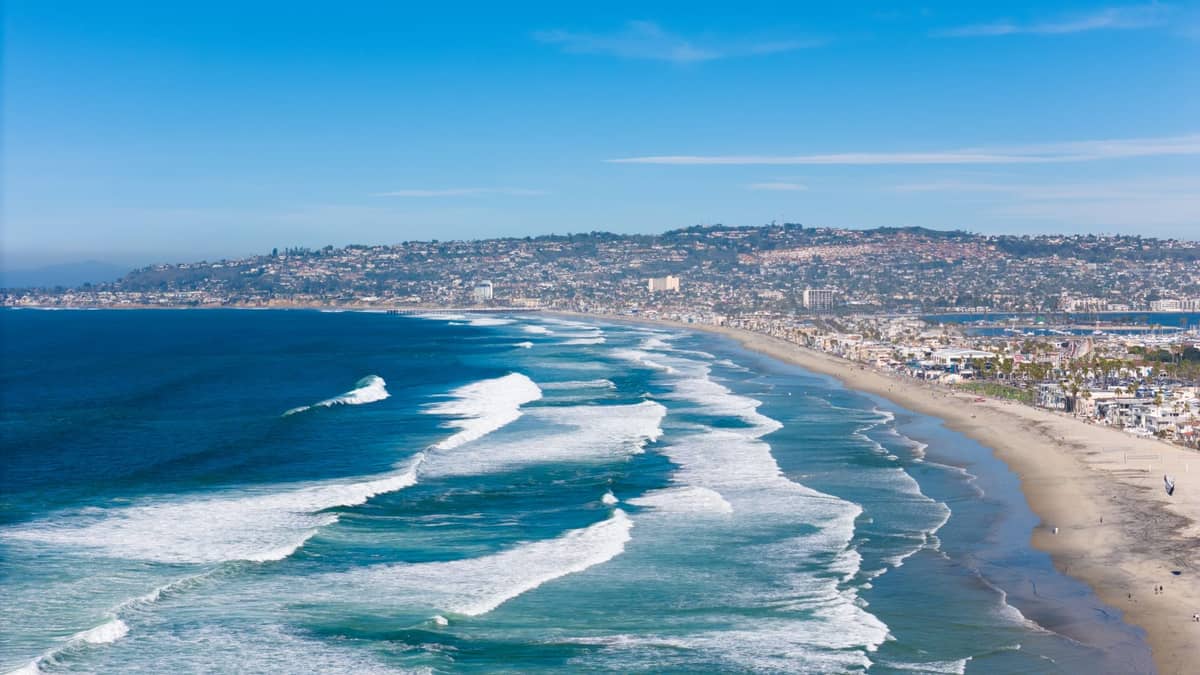
TL;DR
- Coastal summer temperatures hover in the low-to-mid 70s°F (22-26°C), not the scorching heat many expect. Inland spots like Mission Valley can hit the mid-80s to low-90s°F.
- "June Gloom" is real: morning fog rolls in along the coast through much of June and into early July, usually clearing by midday.
- Ocean water reaches its warmest point in July-August, around 67-72°F (19-22°C), making it the best window for swimming. See the best beaches in San Diego for where to go.
- Summer is peak tourist season. Beach parking fills by 9am on weekends, Zoo and SeaWorld queues grow significantly, and hotel rates are at their annual high.
- September often delivers better beach weather than July with smaller crowds. Check our best time to visit San Diego guide for a full seasonal comparison.
What the Weather Actually Looks Like in Summer
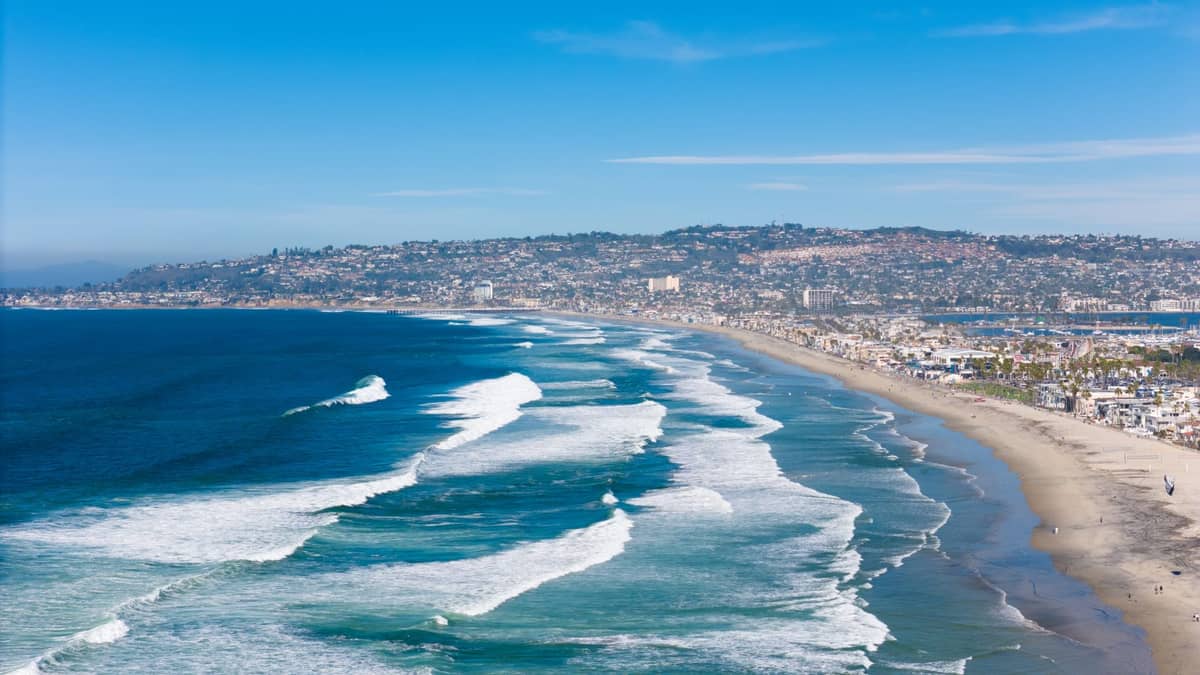
San Diego in summer is warm and reliably dry, but not in the way most people picture Southern California. Coastal neighborhoods like Pacific Beach, La Jolla, and Ocean Beach sit in a natural marine layer zone. Average daytime highs run around 72-78°F (22-26°C) through June, July, and August, with overnight lows in the low-to-mid 60s°F. August is statistically the hottest month, with highs sometimes nudging toward 79-80°F on warmer stretches. Rainfall is essentially zero from June through September, making this the driest period of the year.
The coastal temperature story changes as soon as you move inland. Mission Valley, the San Diego Zoo Safari Park in Escondido, and East County communities regularly see afternoon temperatures 10-15°F higher than the coast. On a day when Pacific Beach sits at 74°F, inland areas can be pushing 90°F. If your summer itinerary mixes beach days with inland attractions, plan accordingly: heavier activities at inland sites work better in morning hours.
ℹ️ Good to know
"June Gloom" is a real meteorological pattern, not a myth. Marine layer fog settles over coastal San Diego overnight and through morning, often making early summer feel cool and overcast. Skies typically clear by noon or early afternoon, especially from July onward. If you're planning a morning beach session in early June, expect a gray start. Plan indoor activities (museums in Balboa Park, the USS Midway) for foggy mornings and save beach time for afternoons.
Humidity is another variable worth noting. San Diego is drier than most coastal cities, but humidity does build through July as the region edges closer to its monsoon-adjacent atmospheric pattern. This is rarely oppressive, but visitors from low-humidity climates will notice it. The combination of warm temperatures and moderate humidity in late July through August makes it feel warmer than the thermometer suggests.
Beaches: Where to Go and When to Arrive
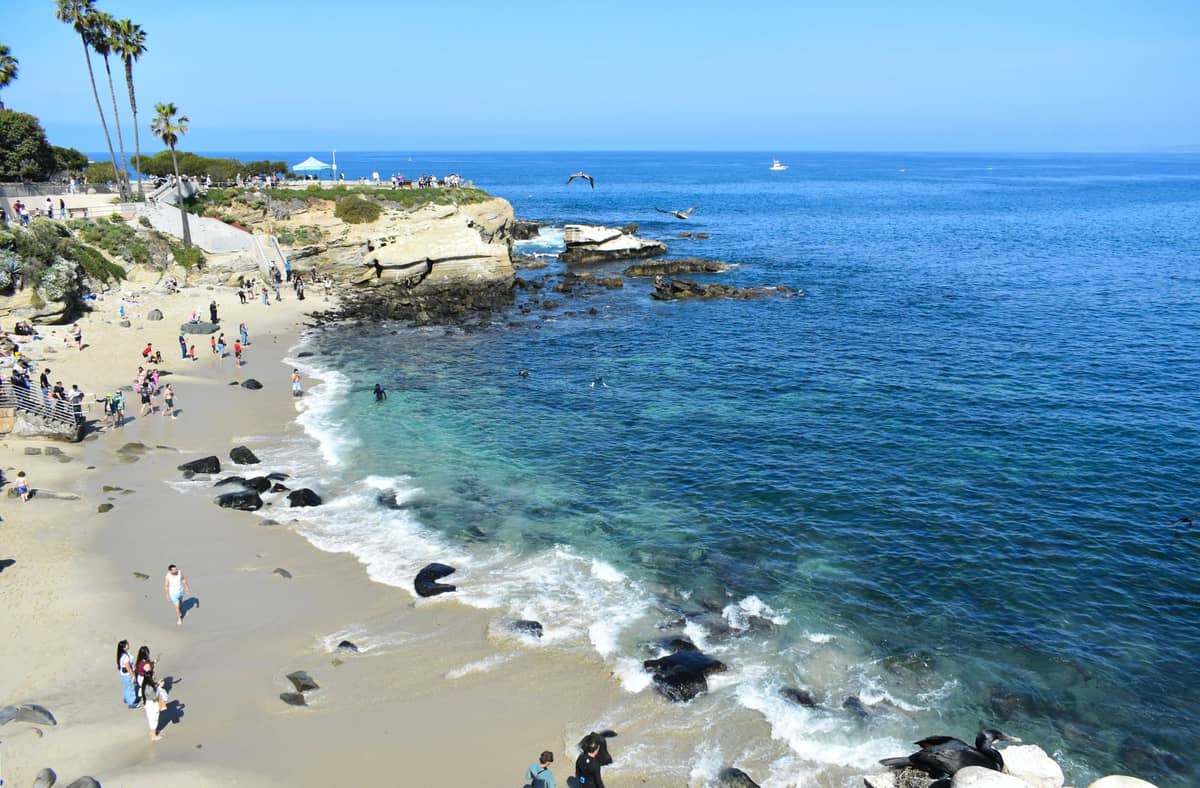
San Diego's coastline stretches roughly 70 miles through the county, with distinct beach personalities suited to different visitors. Pacific Beach and Mission Beach attract a younger, social crowd and get extremely crowded on summer weekends. La Jolla draws families and snorkelers to the cove and shores, but parking is notoriously tight. Ocean Beach is more local in feel, slightly less chaotic, and has a dog-friendly stretch at its north end.
⚠️ What to skip
Beach parking at popular spots fills by 8:30-9am on summer Saturdays and Sundays. The city-operated lots at Mission Beach, Pacific Beach, and La Jolla Shores are free but limited. Arriving after 9am on a summer weekend almost guarantees a long walk from street parking. Either arrive before 8:30am or visit on a weekday. Rideshare drop-off is a legitimate alternative that most visitors overlook.
- La Jolla Cove Best for snorkeling and watching harbor seals. Water clarity peaks in summer. Very crowded; go before 9am or after 4pm.
- Coronado Beach Wide, well-maintained beach with less of a party atmosphere than Mission or Pacific Beach. Accessible via ferry or the Coronado Bridge.
- Torrey Pines State Beach Long, relatively uncrowded stretch backed by cliffs and the state reserve. Limited parking fills quickly; arrive early or park at the reserve lot and walk down.
- Pacific Beach The boardwalk scene, volleyball nets, and dense food options make it the social center of San Diego beaches. Expect crowds every weekend from June through August.
- Silver Strand State Beach Long, calm beach between Coronado and Imperial Beach. Good for families seeking space. Less foot traffic than central beaches.
Ocean water temperatures in summer are the best they get all year: roughly 67-72°F (19-22°C) by August. This is comfortable for swimming and surfing without a wetsuit, though serious surfers often prefer the fall swell season. For a deeper breakdown of coastal areas, the San Diego water sports guide covers surfing, kayaking, and paddleboarding options by location.
Major Attractions: What to Book in Advance
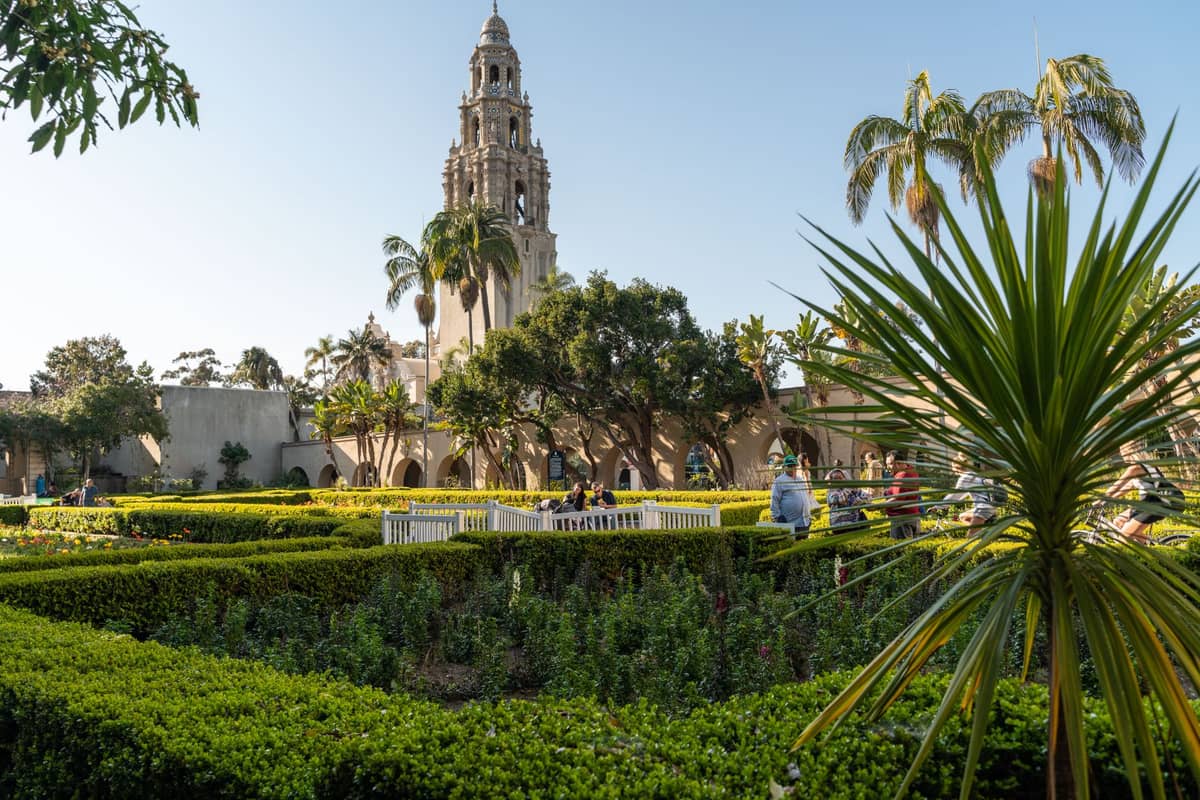
Summer is when San Diego's biggest paid attractions reach peak capacity. The San Diego Zoo in Balboa Park sees its heaviest attendance from late June through August. Single-day adult tickets run approximately $73–78 at standard pricing; buying online in advance is strongly recommended, not just for convenience but because the Zoo does occasionally implement crowd management measures. Plan to spend at least 4-5 hours; the park covers 100 acres and involves significant walking.
SeaWorld San Diego publishes dynamic pricing that shifts based on demand and booking window. Gate prices are often listed above $99, but online purchases booked weeks in advance frequently come in considerably lower. Parking is an additional charge; booking a preferred parking pass in advance saves time on summer weekend mornings when general lots fill quickly. Also worth considering: the San Diego Zoo vs Safari Park comparison, since the Safari Park's larger, wilder setting appeals to a different type of visitor.
Balboa Park itself is free to enter and worth a half-day even without museum tickets. The park's Botanical Building, Spanish Village Art Center, and Spreckels Organ Pavilion are accessible without paying admission. Individual museums, including the San Diego Museum of Art and the Fleet Science Center, charge their own admission. The Balboa Park Explorer Pass bundles multiple museum entries at a discount and is worth calculating if you plan to visit more than two or three museums.
✨ Pro tip
The USS Midway Museum on the Embarcadero is one of the most underrated big-ticket attractions in the city. On overcast June mornings when beach conditions are poor, this is exactly where to be. The aircraft carrier houses over 30 restored aircraft and takes 2-3 hours to explore properly. It also stays open into the evening, making it a good option when afternoon crowds at outdoor sites are at their peak.
Summer Events Worth Planning Around
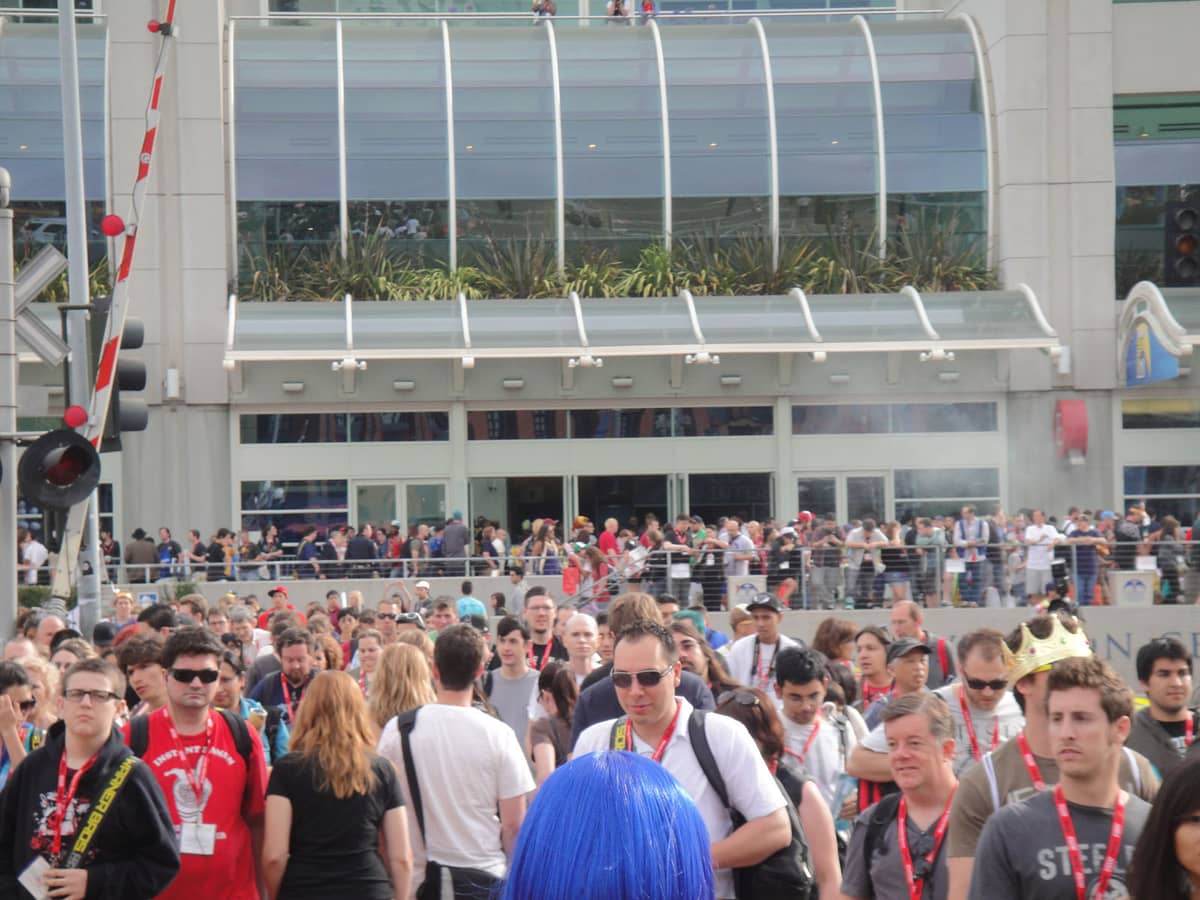
San Diego's summer event calendar is dense, and some events affect accommodation prices and availability significantly. San Diego Comic-Con typically takes place in mid-July at the Convention Center in the Gaslamp Quarter. During that weekend, downtown hotels often sell out months in advance and prices spike substantially. If you're not attending Comic-Con, avoid booking downtown accommodation that weekend unless you've planned ahead and accepted the premium.
- Comic-Con International (mid-July) The largest pop culture convention in the country. Downtown San Diego transforms; book accommodation 6+ months out if attending. Avoid downtown if you're not.
- San Diego County Fair (mid-June through early July) Held at the Del Mar Fairgrounds, this is a large regional fair with concerts, food, and rides. Draws significant crowds; the nearby Del Mar Racetrack horse racing season overlaps in summer.
- Concerts at Rady Shell at Jacobs Park The outdoor amphitheater in Embarcadero Park South hosts the San Diego Symphony's summer concert series from July through September. Popular with locals; tickets sell out for headliner nights.
- Bayside Summer Nights Outdoor concerts at the Maritime Museum area. A more relaxed alternative to large venue shows, with the harbor as a backdrop.
- Independence Day Fireworks (July 4) Multiple shows across the city including over Mission Bay and downtown. The waterfront areas and Coronado become extremely crowded; plan transportation well in advance.
The Gaslamp Quarter stays active throughout summer with outdoor dining, bar events, and street activity well into late nights. For a structured look at what the neighborhood offers after dark, the San Diego nightlife guide covers the main districts and what to expect from each.
Getting Around in Summer: Logistics That Matter
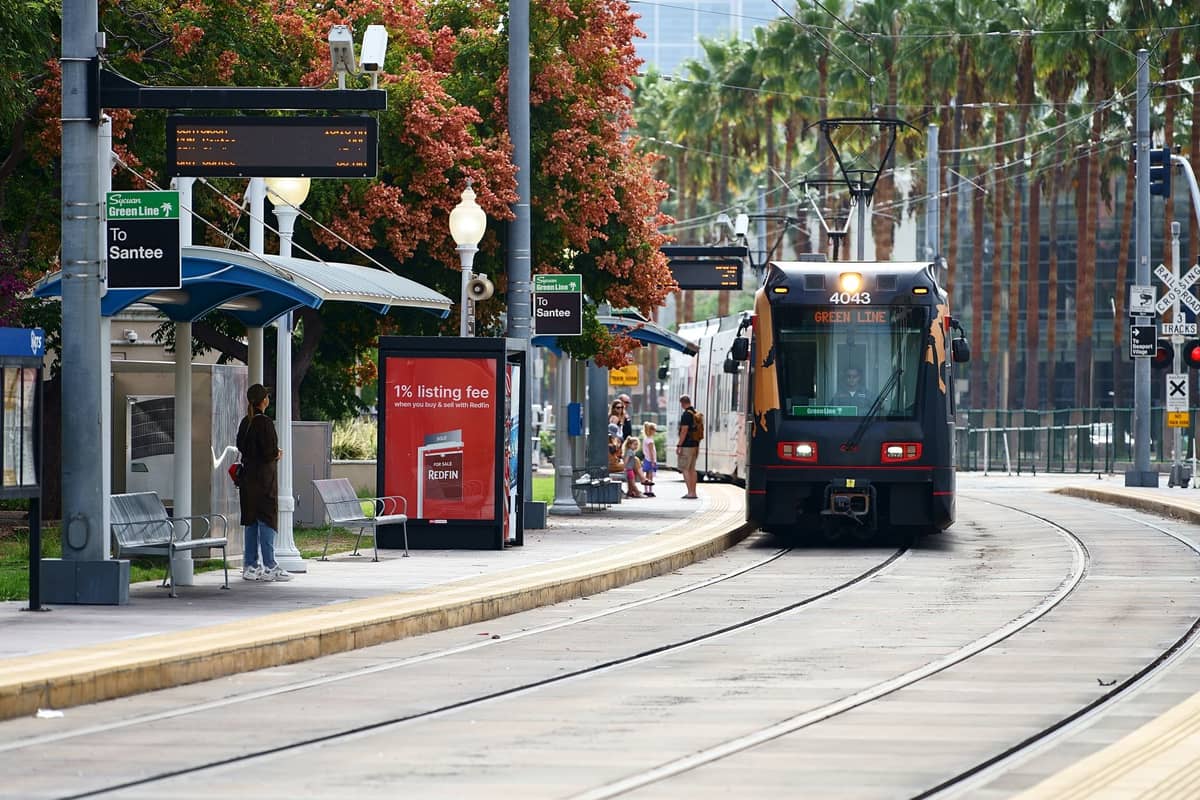
Driving in San Diego during summer weekends is manageable but requires patience near beach communities and major attractions. The I-5 corridor along the coast and roads into La Jolla and Mission Beach get congested by mid-morning on Saturdays. San Diego's public transit, operated by MTS, connects many of the main visitor areas via trolley and bus. The Blue Line trolley links downtown to Old Town and then north to UTC along the I‑5 corridor; the Green Line connects Mission Valley to downtown, where you transfer to buses for Balboa Park. Beach communities are served by bus routes, though frequency can be inconsistent.
Rideshare services (Uber and Lyft) operate throughout the city and are often the most practical option for beach trips where parking is a genuine problem. Drop-off at La Jolla Cove or Pacific Beach on a summer Saturday eliminates a 20-45 minute parking search. For families with gear (coolers, chairs, umbrellas), renting a car remains the most flexible option, but you'll pay a premium for summer rental rates.
💡 Local tip
The Coronado Ferry runs from the Broadway Pier in downtown to the Coronado Ferry Landing and is one of the more useful summer transport options. It avoids the Coronado Bridge entirely, takes about 15 minutes, and drops you within walking distance of Coronado Beach and the Hotel del Coronado. Bikes are allowed on board, making it a practical way to cycle around the island. Check current MTS schedules for frequency, as summer and off-season timing differ.
Practical Considerations Before You Go
San Diego is one of the more expensive U.S. cities for summer travel. Hotel rates in beach neighborhoods and downtown peak from late June through August. Booking 2-3 months out is the minimum lead time for reasonable rates; Comic-Con weekend requires much more. For budget-focused planning, the San Diego on a budget guide covers where to cut costs without sacrificing the experience. Free options are more plentiful than people realize, from Balboa Park's grounds to the Cabrillo National Monument (covered by America the Beautiful passes) to the free Sunday concerts at Spreckels Organ Pavilion.
- Sun protection is non-negotiable. Coastal UV in summer is strong even on overcast days. The marine layer does not block UV effectively.
- Tap water is potable throughout San Diego. Carrying a reusable bottle reduces plastic waste and saves money at beach concessions.
- Tipping at restaurants is standard at 18-20% for table service. Many establishments now include suggested tip amounts on the check.
- The U.S. emergency number is 911. Country calling code is +1. Most visitors won't need adapters if arriving from other parts of the U.S., but international visitors should note the U.S. uses 120V/60Hz with Type A and B plugs.
- Alcohol is sold at grocery stores and pharmacies in California. The legal drinking age is 21; ID checks are routine at bars and restaurants.
Families planning a summer trip should look at the San Diego with kids guide, which covers age-appropriate activities, logistics with children, and how to sequence a day without burnout. Couples looking for a less family-focused itinerary will find better options in the San Diego for couples guide, including quieter beaches and evening experiences.
FAQ
Is summer actually the best time to visit San Diego?
Summer is the most popular time to visit, but not necessarily the best. The beaches are at their warmest and the event calendar is fullest, but crowds are at their peak, hotel prices are highest, and June brings morning fog along the coast. September and October often offer summer-like temperatures (70-76°F), smaller crowds, and lower rates. If your schedule is flexible, late summer or early fall is worth considering.
What is June Gloom and will it ruin my trip?
June Gloom is a coastal weather pattern where marine layer fog settles in overnight and lingers through morning, creating overcast and sometimes cool conditions. It's most pronounced in June and early July, typically clearing by noon to early afternoon. It won't ruin a trip, but it does mean beach mornings can feel gray and cool. Planning indoor activities (USS Midway, Balboa Park museums) for mornings and saving beach time for afternoons is the practical workaround.
How hot does San Diego get in summer?
At the coast, average summer highs run 72-78°F (22-26°C). This is warm but not extreme. Inland areas like Mission Valley, El Cajon, or the Safari Park area in Escondido can reach the mid-80s to low-90s°F on hot days, sometimes higher during heat events. San Diego does not regularly hit the triple-digit temperatures that other Southern California cities experience in summer.
Should I buy San Diego Zoo or SeaWorld tickets in advance?
Yes, especially in summer. Both attractions see their heaviest attendance from late June through August. Online tickets are typically cheaper than gate prices and guarantee entry. For SeaWorld, dynamic pricing means the earlier you book, the lower the rate in most cases. For the Zoo, online purchase is recommended simply to avoid the ticket line, which can be long on summer weekends.
What should I know about beach parking in summer?
Beach parking at popular spots fills extremely fast on summer weekends. Lots at Mission Beach, Pacific Beach, and La Jolla Shores can be full by 8:30-9am on Saturdays and Sundays. Arriving before 8:30am, taking rideshare, or visiting on weekdays are the most reliable workarounds. Some visitors park in nearby residential areas and walk, but be aware of permit zones that restrict non-resident parking.