Water Sports in San Diego: Surfing, Kayaking, Snorkeling & More
San Diego's 70 miles of coastline and year-round mild climate make it one of the best places in the country for water sports. This guide covers the best surf breaks, snorkeling spots, kayak launch points, and rental prices so you can get in the water without the guesswork.
TL;DR
- La Jolla Cove and La Jolla Shores are the top spots for snorkeling and kayaking, with kayak rentals typically starting around $60 for a 1.5‑hour single.
- Surfboards, boogie boards, and rafts are banned at La Jolla Cove specifically — head to Pacific Beach, Ocean Beach, or Sunset Cliffs for surfing.
- Snorkeling at La Jolla requires no permit or booking — entry is free, though gear rental and guided tours in La Jolla run around $90 for snorkel-only or $129 for a kayak-snorkel combo.
- September and October offer near-summer water temperatures with smaller crowds — the most underrated window for water sports in San Diego.
- The La Jolla Underwater Park is a no-take marine reserve: no fishing, no collecting, no spearfishing. See our best beaches in San Diego guide for full beach breakdowns.
Why San Diego Is a World-Class Water Sports Destination
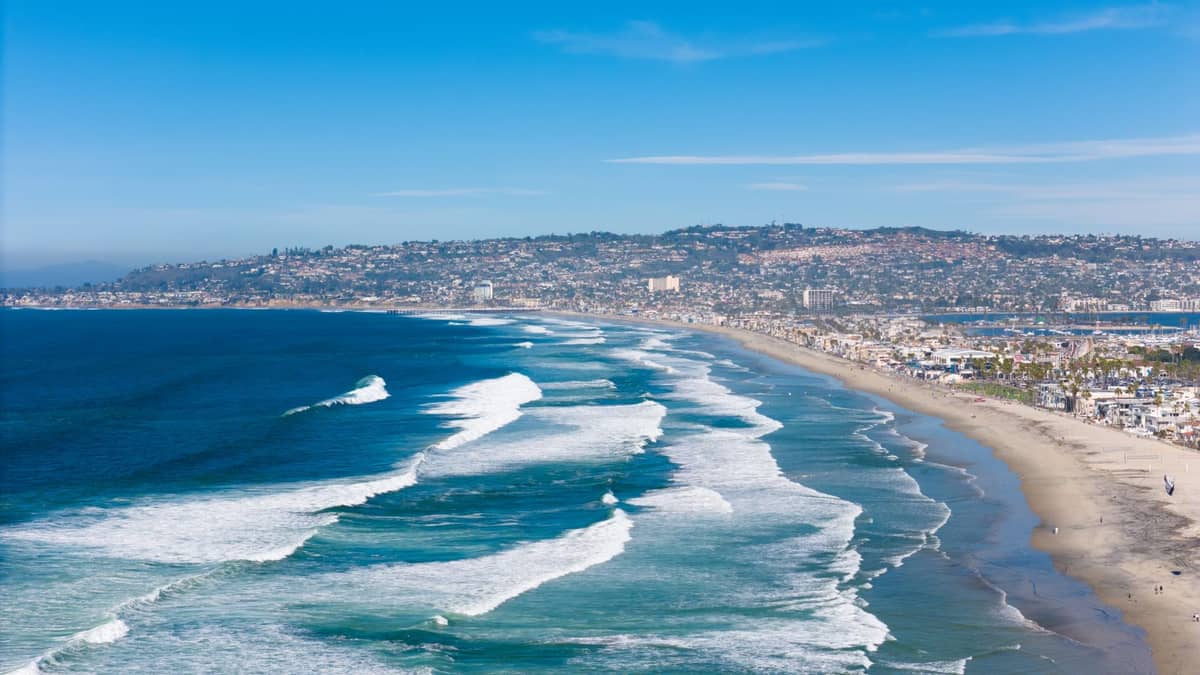
San Diego's Mediterranean climate delivers what few coastal cities can: water sports weather that holds from April through November, with even the winter months mild enough for a wetsuit session. Average coastal summer highs sit around 72-78°F (22-26°C), and the Pacific water temperature in San Diego ranges from roughly 58-65°F in winter to 68-72°F by late summer. That's cold enough to require a wetsuit for extended sessions, but manageable for snorkeling and kayaking with the right gear.
The coastline itself does a lot of the work. From the kelp-forested coves of La Jolla in the north to the exposed reef breaks near Sunset Cliffs in the south, San Diego packs several distinct coastal ecosystems into a relatively compact stretch. Mission Bay, a 4,235‑acre urban park that is widely cited as the largest man‑made aquatic park in the United States, adds flat-water options for paddleboarding, sailing, and wakeboarding without ocean swell.
ℹ️ Good to know
Water temperature matters for planning: a 3mm wetsuit works from April through October. For winter months (November through March), most locals and rental shops recommend a 4/3mm or thicker suit, especially for surfing. Snorkelers may find a shorty or swim top sufficient in summer.
Snorkeling and Diving at La Jolla Cove
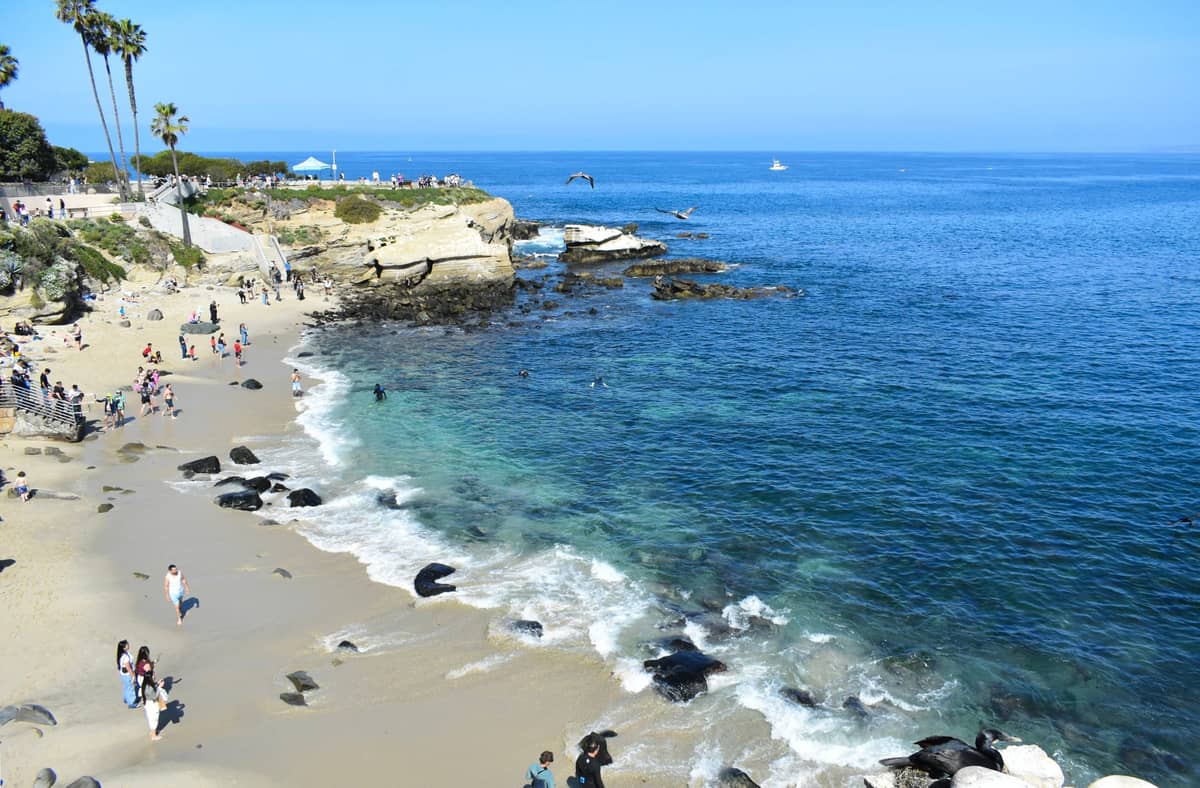
La Jolla Cove sits within the San Diego-La Jolla Underwater Park Ecological Reserve, a protected zone that bans all fishing, spearfishing, and collection of marine life, shells, or rocks. That protection has created one of the densest concentrations of marine wildlife on the Southern California coast. You'll regularly encounter leopard sharks, garibaldi (California's state marine fish), bat rays, and large schools of baitfish in water that's often calmer than surrounding breaks.
Entry to the water is free and requires no permit or advance booking. Lifeguards are on duty from 9am to dusk at La Jolla Cove. What most visitors get wrong: the Cove is not a general beach — surfboards, boogie boards, and inflatable rafts are explicitly prohibited. It's a swimming, snorkeling, and shore diving spot, full stop.
- DIY Snorkeling Free to enter; rent gear nearby for around $20-30. Best visibility on calm mornings before afternoon wind picks up.
- Guided Snorkel Tour Around $90 per person. Guide identifies marine life, handles safety, and takes you to the best spots in the reserve.
- Kayak + Snorkel Combo Around $129 per person. Combines a sea cave paddle with snorkeling time in the reserve — the most popular option for first-timers.
- Shore Diving La Jolla Shores (not the Cove itself) is the main shore dive entry point; calmer entry, sandy bottom, and easy depth progression.
⚠️ What to skip
Children's Pool, just south of La Jolla Cove, closes to swimmers each winter during harbor seal pupping season, from December 15 through May 15 each year. Point La Jolla and Boomer Beach are closed to land access year‑round under a marine mammal protection closure, with ocean access lanes remaining for certain water activities.
For shore diving, La Jolla Shores is the easier entry point compared to the Cove, with a sandy beach, gradual depth increase, and parking closer to the water. Advanced divers head to the La Jolla Canyon, a submarine canyon with remarkable biodiversity starting in about 60 feet of water.
Kayaking the Sea Caves
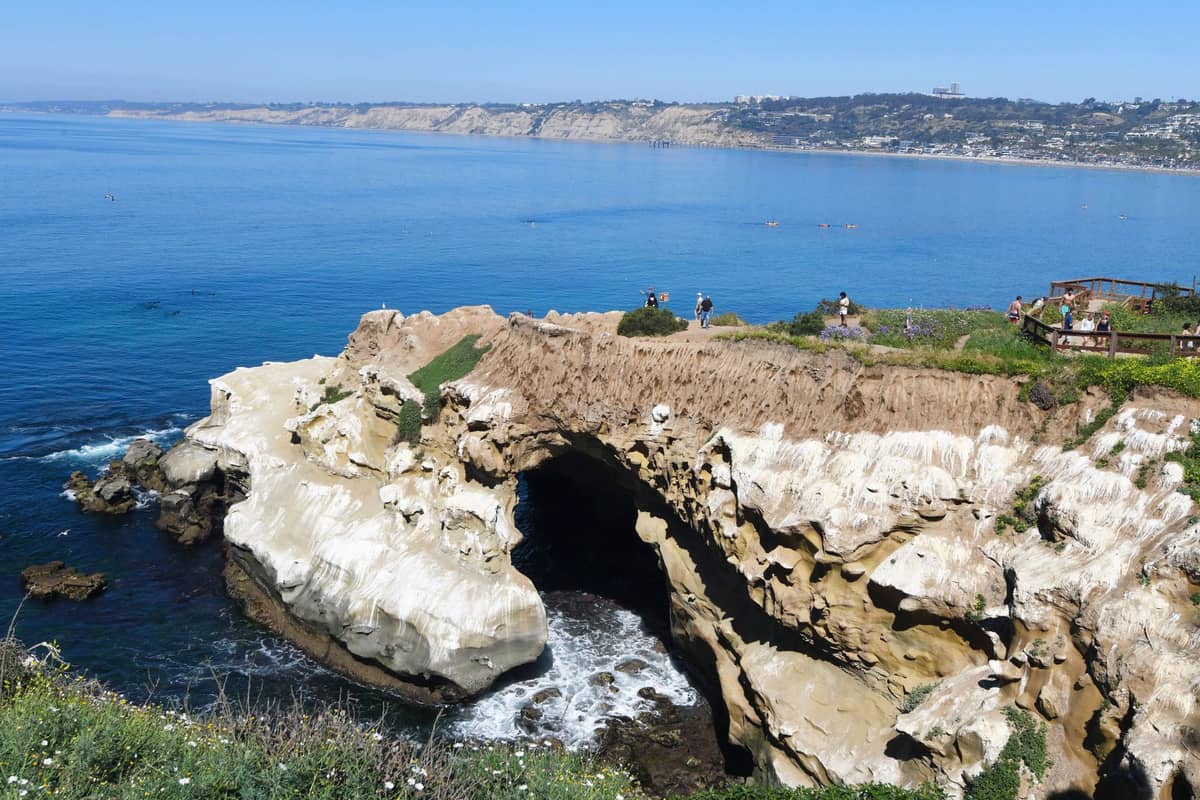
The sea caves beneath the La Jolla cliffs are the defining kayak experience in San Diego. There are seven named caves, the most famous being Sunny Jim Cave — the only one accessible from land, via a staircase at the Cave Store on Coast Boulevard. All seven caves can be accessed by kayak from La Jolla Shores, weather permitting, with guided tours using designated routes to avoid the protected swimming area at the Cove.
Rental prices at Sunny Jim Sea Cave and nearby outfitters currently start at around $35 for a single kayak and $45 for a double, typically covering a 1.5-hour window with a safety briefing, PFD, backrest, and paddle included. Sea cave access is not part of a standard rental — you need a guided tour to enter the caves safely, particularly when swell is running. Rental hours are generally 10am-5pm, though winter and off-peak hours vary by weather and provider.
✨ Pro tip
Book kayak tours on weekday mornings. Weekend afternoons in summer draw heavy traffic in the caves, conditions can get choppy by early afternoon as sea breezes build, and tour groups stack up at the cave entrances. A 9am or 10am weekday departure gets you calmer water and less competition for the best photo angles inside the caves.
Mission Bay is the alternative for anyone who wants flat-water paddling without ocean swell. Several outfitters around the bay rent kayaks, stand-up paddleboards, and pedal boats by the hour. It's more suitable for families with young children or anyone who isn't comfortable with open-ocean conditions. The bay has no significant tidal current in most areas and is sheltered from Pacific wind and swell.
Surfing: Best Breaks by Skill Level
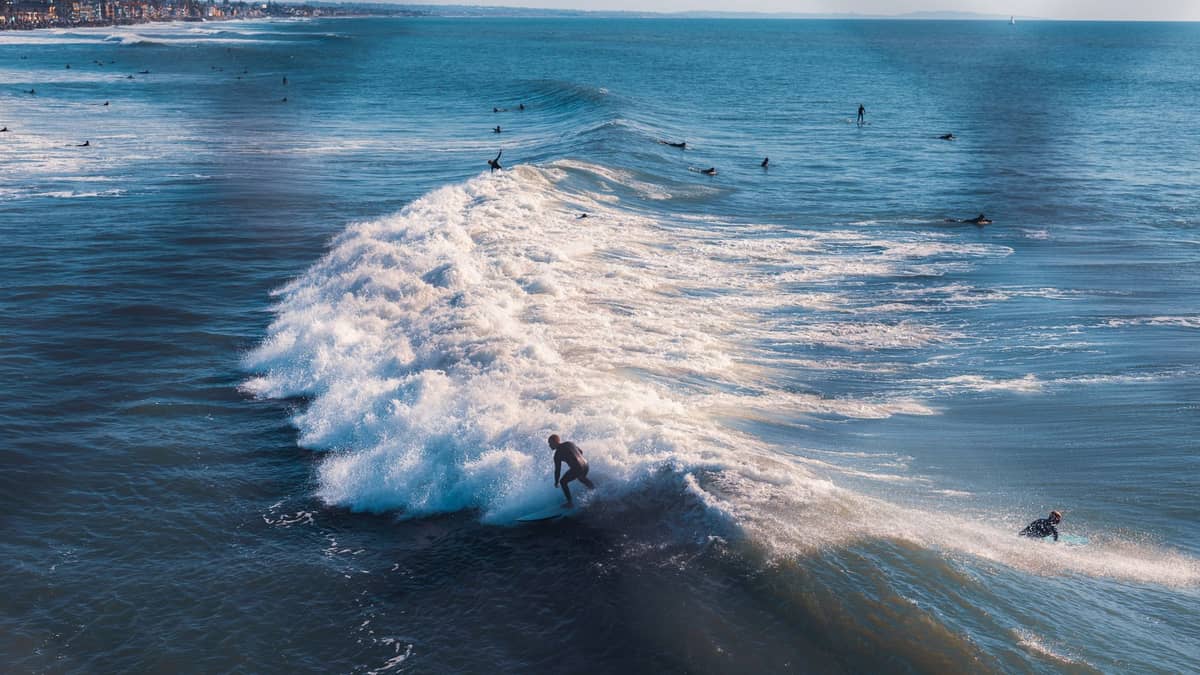
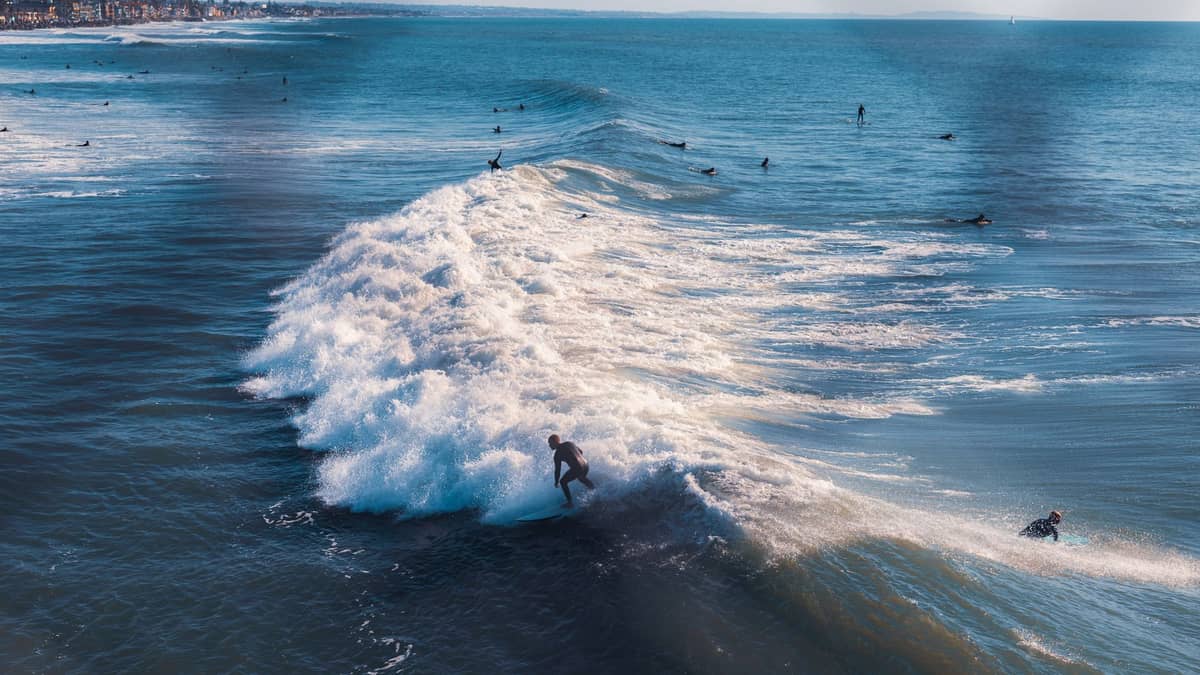
San Diego has produced a disproportionate number of professional surfers relative to its size, which tells you something about the consistency of its waves. The breaks vary significantly by location, swell direction, and time of year. For a broader look at where to spend time on the coast, the best beaches in San Diego guide covers the full breakdown.
- Tourmaline Surf Park (Pacific Beach) Longboard-friendly and designated for non-motorized craft. Mellow waves make it the best beginner and intermediate break in the city. No fee; street parking available.
- Pacific Beach / Crystal Pier Consistent beach break, crowded in summer, good for beginner lessons. Multiple surf schools operate here with lessons starting around $65-90 per person.
- Windansea Beach (La Jolla) Reef break with fast, hollow waves. Localism is real here — this is an experienced surfer's spot, not a place to learn. Best in fall and winter swells from the northwest.
- Black's Beach (La Jolla) Below the Torrey Pines cliffs, accessed via a steep trail. World-class waves on the right swell, clothing-optional beach, significant hike in and out. Intermediate to advanced.
- Sunset Cliffs Natural Park (Ocean Beach/Point Loma) Rocky reef breaks that fire on south and northwest swells. No beach — you jump in from rocks. Intermediate to advanced only. Spectacular scenery.
- Ocean Beach Pier Softer beach break on both sides of the pier. More forgiving than reef breaks, good for progression surfers. Busy on weekends.
The best swell season for San Diego is roughly October through April, when northwest swells from Pacific storms produce the most powerful and consistent surf. Summer months bring smaller, more manageable south swells — better for beginners, worse for experienced surfers looking for size. If you're planning a surf trip around conditions, the best time to visit San Diego has more detail on seasonal patterns.
Stand-Up Paddleboarding, Sailing, and Other Options
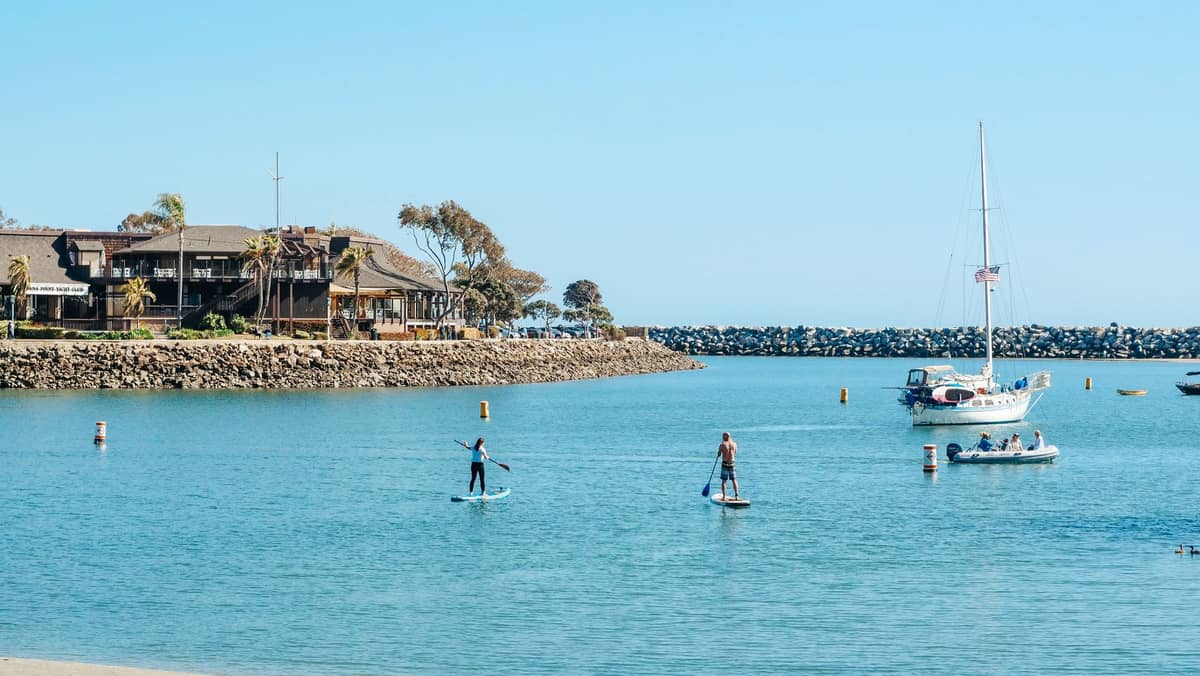
Stand-up paddleboarding has become one of the most accessible water sports in San Diego precisely because of Mission Bay. SUP rentals commonly run roughly $20–30 per hour at most Mission Bay outfitters, with lessons available. La Jolla Shores is another solid SUP location on calm days, with the added benefit of potentially paddling over kelp forests and spotting sea life below.
Sailing is well-established in San Diego Bay, which is one of the finest natural harbors on the West Coast. Several operators near the Embarcadero offer sailing lessons, bareboat charters, and skippered sunset cruises. Whale watching tours also depart from this area from December through April, when gray whales migrate along the coast. For specifics on timing and operators, see the whale watching San Diego guide.
- Jet skiing and wakeboarding are permitted only in designated personal watercraft zones within Mission Bay — not in the open ocean or near La Jolla.
- Parasailing operates from Mission Bay and near the Embarcadero downtown; tours typically keep you in the air for about 10–15 minutes.
- Scuba certification courses are widely available through several PADI-affiliated dive shops in La Jolla and Mission Valley.
- Kitesurfing is commonly practiced at Silver Strand State Beach, where consistent afternoon winds and a relatively flat lagoon area create favorable conditions.
- Open-water swimming is popular at La Jolla Cove, which hosts organized swims and has a devoted community of year-round ocean swimmers.
💡 Local tip
September and October are the most underrated months for water sports in San Diego. Water temperatures are at their annual peak (often 68–72°F), summer crowds have thinned, rental prices may drop slightly, and south swells are still arriving. Visibility for snorkeling and diving is often at its best after the calmer late-summer period.
Practical Logistics: Rentals, Lessons, and Getting There
Most water sports rental operations cluster in three areas: La Jolla (kayaks, snorkel gear, guided tours), Mission Bay (SUP, kayaks, jet skis, pedal boats), and the Pacific Beach/Mission Beach boardwalk area (surfboard rentals, surf lessons). Driving and parking are the standard approach — public transit reaches all three areas but requires transfers and adds significant travel time from most parts of the city.
Parking at La Jolla Cove and La Jolla Shores is notoriously tight on summer weekends. Arrive before 9am or after 4pm to find street parking without circling for 20-30 minutes. The getting around San Diego guide covers transit options and parking strategies in more depth.
For surf lessons, most schools on Pacific Beach offer 1.5–2-hour group lessons for around $80–100 per person, including board and wetsuit rental. Private lessons commonly run $120–150 for a 1.5–2 hour session. Booking in advance is essential from June through August. In shoulder season (April-May, September-October), walk-ins are usually possible at most schools on weekdays.
Budget travelers should know that snorkeling at La Jolla Cove is free if you bring your own gear. Entry to the water itself costs nothing. For the full picture on keeping costs down across all activities, the San Diego on a budget guide has specific options for free and low-cost beach and ocean activities.
FAQ
Do you need a permit to snorkel at La Jolla Cove?
No permit is required. Entry to the water and the La Jolla Underwater Park Ecological Reserve is free for swimmers and snorkelers. You cannot fish, spearfish, or collect anything from the reserve, but recreational snorkeling requires no booking or fee. Gear rental from a local shop is optional if you don't bring your own.
Can you surf at La Jolla Cove?
No. Surfboards, boogie boards, and inflatable rafts are explicitly prohibited at La Jolla Cove. The Cove is designated for swimming, snorkeling, and shore diving only. Nearby surf breaks include Windansea Beach and Black's Beach, both in La Jolla but separate from the Cove area.
What is the best time of year for water sports in San Diego?
For snorkeling and kayaking, late summer through early fall (August through October) offers the warmest water temperatures and good visibility. For surfing, October through April brings the strongest northwest swells. September and October hit a sweet spot with warm water, manageable crowds, and still-reliable surf.
How cold is the water in San Diego — do you need a wetsuit?
Pacific water temperatures in San Diego range from around 58–62°F in winter to 68–72°F in late summer. Most surfers wear a wetsuit year-round. Snorkelers and kayakers in summer often manage with a shorty or UV rash guard, but a 2-3mm wetsuit makes extended time in the water more comfortable even in peak summer.
Where can beginners take surf lessons in San Diego?
Pacific Beach and Mission Beach are the main hubs for beginner surf lessons, with multiple schools operating near the boardwalk. Tourmaline Surf Park in northern Pacific Beach is another good option with gentler, more consistent waves. Group lessons typically run $65-90 per person for a 2-hour session including board and wetsuit.