Chengdu on a Budget: Free Attractions, Cheap Eats & Money-Saving Tips
Chengdu is one of China's most rewarding cities for budget travelers. From free parks and temples to street food that costs less than a coffee back home, here's how to experience the best of Chengdu without overspending.
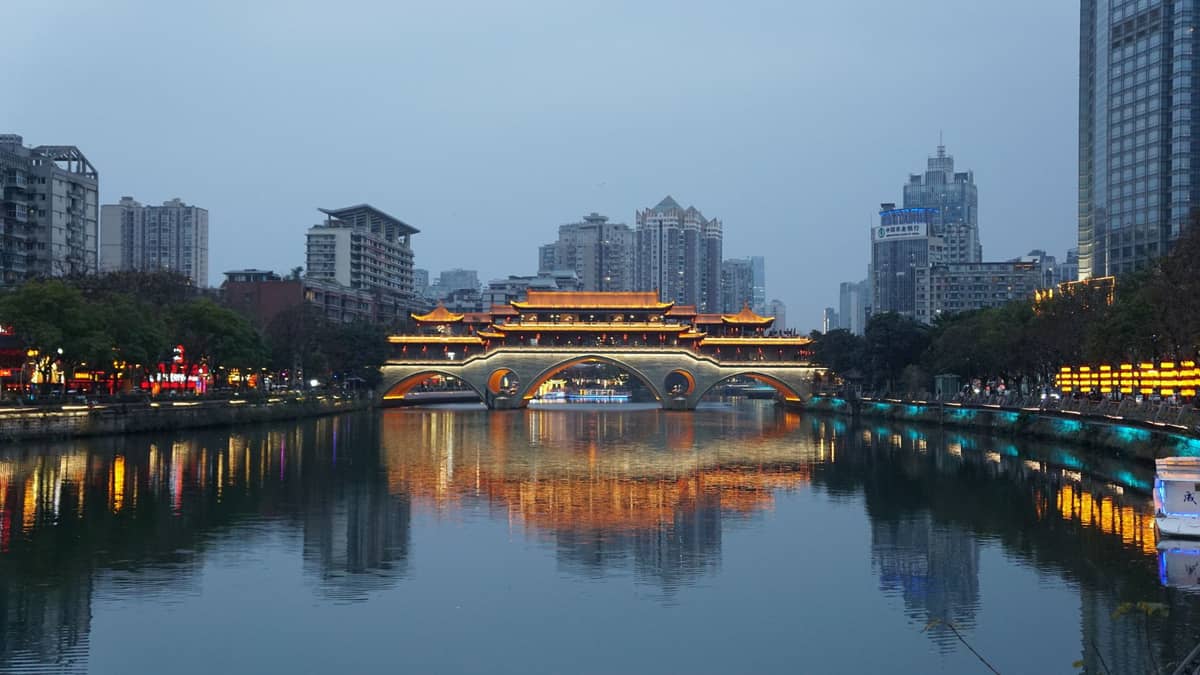
Plan and book this trip
Tools from our partner Travelpayouts help you compare flights and hotels. If you book through them, we may earn a commission at no extra cost to you.
Flights
Hotels map
TL;DR
- Several of Chengdu's top cultural sites are free, including People's Park, Wenshu Monastery, and the grounds of Tianfu Square.
- Street food and canteen meals routinely cost CNY 10–30 per person; you don't need to spend CNY 100+ to eat like a local.
- The Chengdu Metro is inexpensive and covers most visitor destinations — it's the smartest way to get around.
- The Chengdu Research Base of Giant Panda Breeding costs CNY 55 per adult and requires advance booking — it's worth budgeting for. See our complete panda base guide before you go.
- Tipping is not customary in Chengdu, which means the price you see is essentially the price you pay.
How Far Does Money Actually Go in Chengdu?
Chengdu is genuinely affordable by international standards, but prices vary significantly depending on where you eat, sleep, and what you do. A backpacker staying in a hostel dorm, eating at local canteens, and using the metro can get by on CNY 150–250 per day. A mid-range traveler with a private hotel room, sit-down meals, and one or two paid attractions will typically spend CNY 400–700 per day. The city doesn't force you into expensive tourist traps — it's possible to have a full, culturally rich experience without much financial pressure.
Currency is the Chinese yuan, officially renminbi (RMB), with the code CNY. Tipping is not customary in mainland China, so restaurant bills, taxi meters, and market prices are generally final. Bargaining is expected at street markets and some souvenir stalls, but not in supermarkets, chain restaurants, or transit.
💡 Local tip
Set up WeChat Pay or Alipay before you arrive if at all possible. Most street food stalls, small restaurants, and market vendors in Chengdu are cashless or prefer mobile payments. Foreign visitors can now add international credit cards to both apps, but setup takes time — don't leave it to the airport queue.
Free and Low-Cost Attractions Worth Your Time
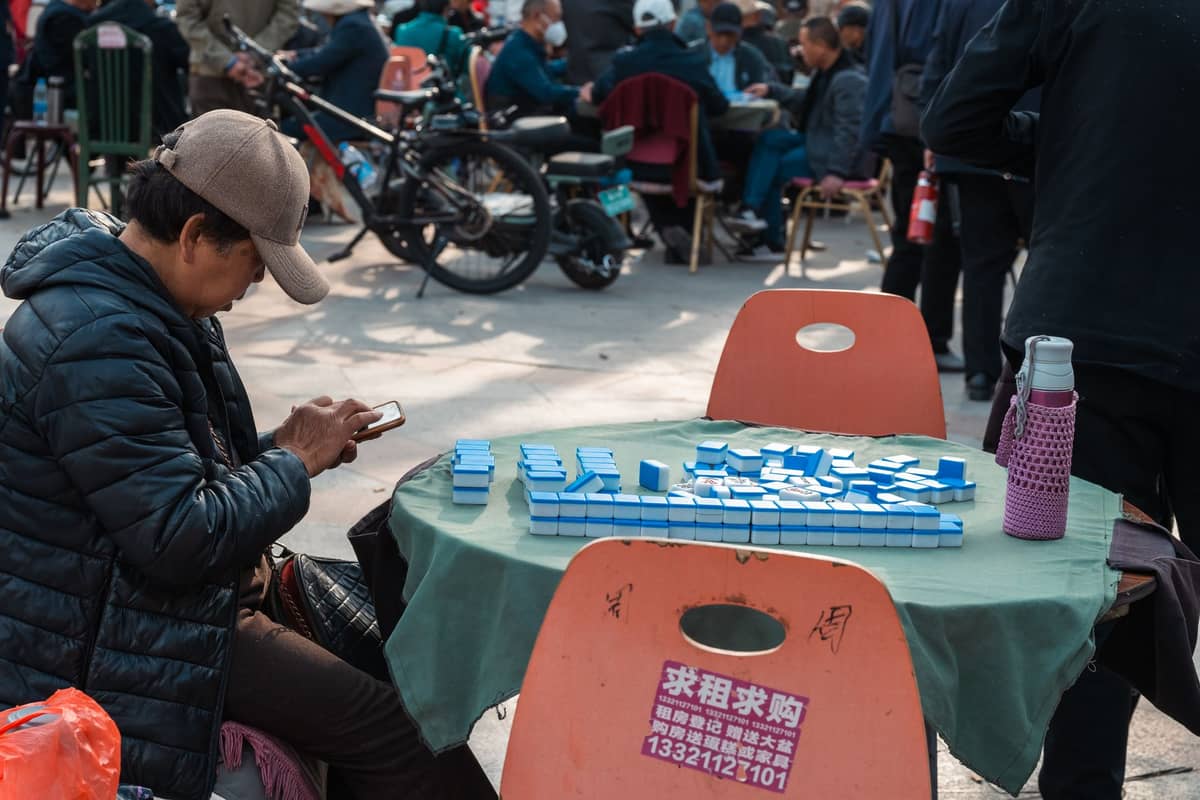
Chengdu has a surprisingly strong lineup of free public spaces. People's Park (Renmin Gongyuan) in Qingyang District is free to enter and remains one of the best places in China to observe everyday urban life: mahjong players, ballroom dancers, retirees taking tea in the park's historic teahouse, and the occasional blind-date market organized by parents seeking matches for their adult children. Come on a weekend morning for maximum atmosphere.
Wenshu Monastery (Wenshuyuan) is free to enter, though donations are welcomed. It's an active Buddhist monastery dating to the Tang dynasty, and the incense-filled courtyards feel genuinely removed from the commercial city outside. The vegetarian restaurant on-site is excellent and very affordable — a full lunch for CNY 25–40 per person. Qingyang Palace, a Taoist temple complex nearby in Qingyang District, charges a small entry fee (verify current pricing before visiting) and is one of the oldest Taoist sites in Chengdu.
Tianfu Square itself is an open public plaza and free to walk through. The underground Tianfu Square station connects multiple metro lines, making it a natural orientation point. Nearby, the Chengdu Museum is free to enter (registration with ID may be required) and covers Sichuan's remarkable history from ancient Shu culture through to the 20th century across multiple floors. It's one of the best free museums in western China.
- People's Park Free entry. Best on weekend mornings for local atmosphere, teahouse culture, and the lively park scene.
- Wenshu Monastery Free entry. Active Tang-dynasty Buddhist monastery with excellent affordable vegetarian food on-site.
- Chengdu Museum Free entry (ID registration may apply). Covers ancient Shu culture, Sichuan folk customs, and modern history.
- Huanhua Creek Park (Du Fu Thatched Cottage area) The park grounds are free; the Du Fu Thatched Cottage memorial zone charges admission. The surrounding parkland is pleasant for an early morning walk.
- Chunxi Road and Taikoo Li Free to walk through. The pedestrian shopping precinct in Jinjiang District is a legitimate attraction in itself, especially at night.
⚠️ What to skip
Jinli Ancient Street and Kuanzhai Alley (Wide and Narrow Alleys) are free to enter but are heavily commercialized tourist zones. Food and drinks here cost two to three times what you'd pay one block away. Treat them as atmospheric strolls rather than dining destinations.
The Panda Base: Budget It, Don't Skip It
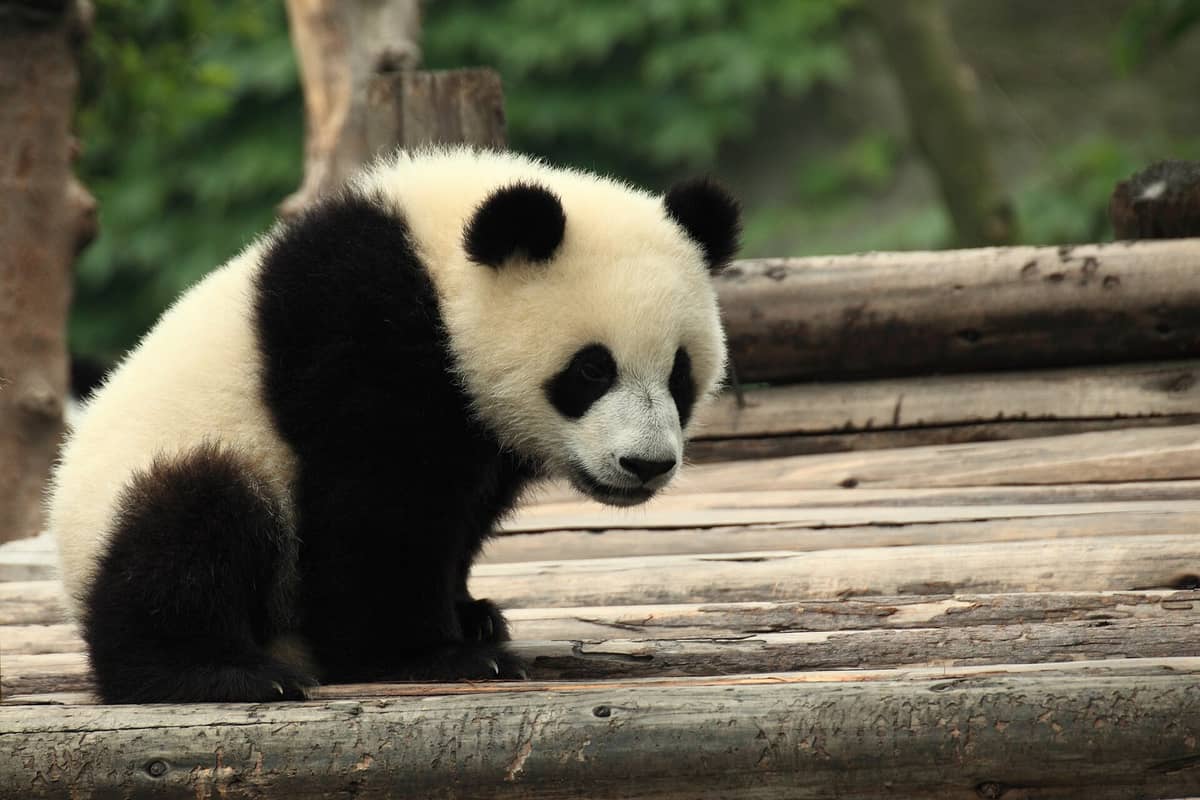
The Chengdu Research Base of Giant Panda Breeding charges CNY 55 per adult, which is genuinely reasonable for what it offers. This is not a zoo — it's a conservation research facility where giant and red pandas live in large, landscaped enclosures. For most international visitors, it's the defining Chengdu experience, and the ticket price won't break any budget.
What will affect your budget is logistics. The base is roughly 10 km from central Chengdu. Metro and bus combinations are possible but require a transfer; a Didi ride each way typically costs CNY 25–45 depending on traffic and vehicle class. Factor this into your day budget. Arriving early matters: pandas are most active in the first two to three hours after the park opens, before temperatures climb and they retreat to shade or indoor enclosures.
✨ Pro tip
Tickets can be reserved up to 14 days in advance through the official channels, and sales end when the daily quota is sold out. Seasonal entry windows differ: the morning slot opens at 07:30 from March through October, and 08:00 from November through February. Book the earliest slot available to see the pandas at their most active.
Cheap Eats: Where Locals Actually Spend CNY 15–30
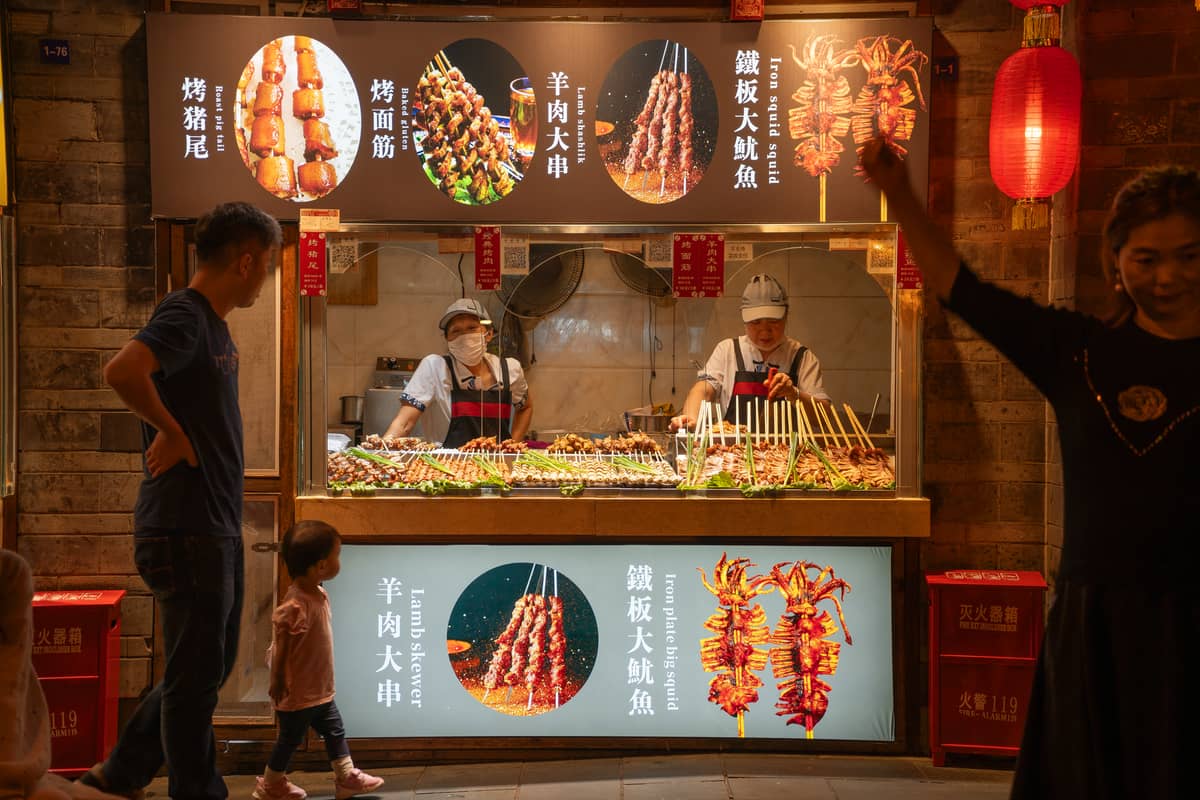
Chengdu's food scene is one of the best arguments for budget travel in China. The city's street food and canteen culture means genuinely good meals for under CNY 30 are the norm, not the exception. For a deeper breakdown of what to order and where, the Chengdu street food guide covers specific dishes and neighborhoods in detail.
Dan dan noodles (担担面) are a Chengdu staple: sesame paste, chili oil, minced pork, and preserved vegetables over thin noodles, typically CNY 10–16 at a street-level shop. Zhong dumplings (钟水饺) are another local fixture, sweet-and-spicy pork dumplings served in a rich sauce for around CNY 12–20 a portion. A bowl of mapo tofu over rice at a neighborhood canteen runs CNY 15–25. Hot pot is Chengdu's most famous dish and can be done cheaply: neighborhood hot pot restaurants charge CNY 30–60 per person for a full meal including ingredients, far less than the tourist-facing spots near Jinli.
- Breakfast: congee, fried dough (youtiao), or a bowl of Chengdu-style noodles at a street stall costs CNY 8–15.
- Lunch: a tray meal (快餐, kuaican) at a canteen near a university or office district runs CNY 15–25 for rice, two or three dishes, and soup.
- Dinner: a neighborhood hot pot meal with a friend runs CNY 40–70 total for two people if you pick a local spot over a tourist-area chain.
- Drinks: bottled water from a convenience store is CNY 2–4; local beer (Chengdu has several regional brands) is CNY 5–10 at a convenience store.
- Avoid: restaurants with English menus plastered in windows near Jinli or Kuanzhai Alley. Prices at these spots are often three to five times higher for no quality improvement.
Tea culture is central to Chengdu life and doesn't have to be expensive. A seat at a traditional teahouse in People's Park costs CNY 20–50 for a pot of tea, with free refills and no time limit. That's better value than most cafes anywhere in the world, and the setting is incomparable. For a full orientation to the city's tea scene, the Chengdu teahouse guide is worth reading before your visit.
Getting Around Without Overspending
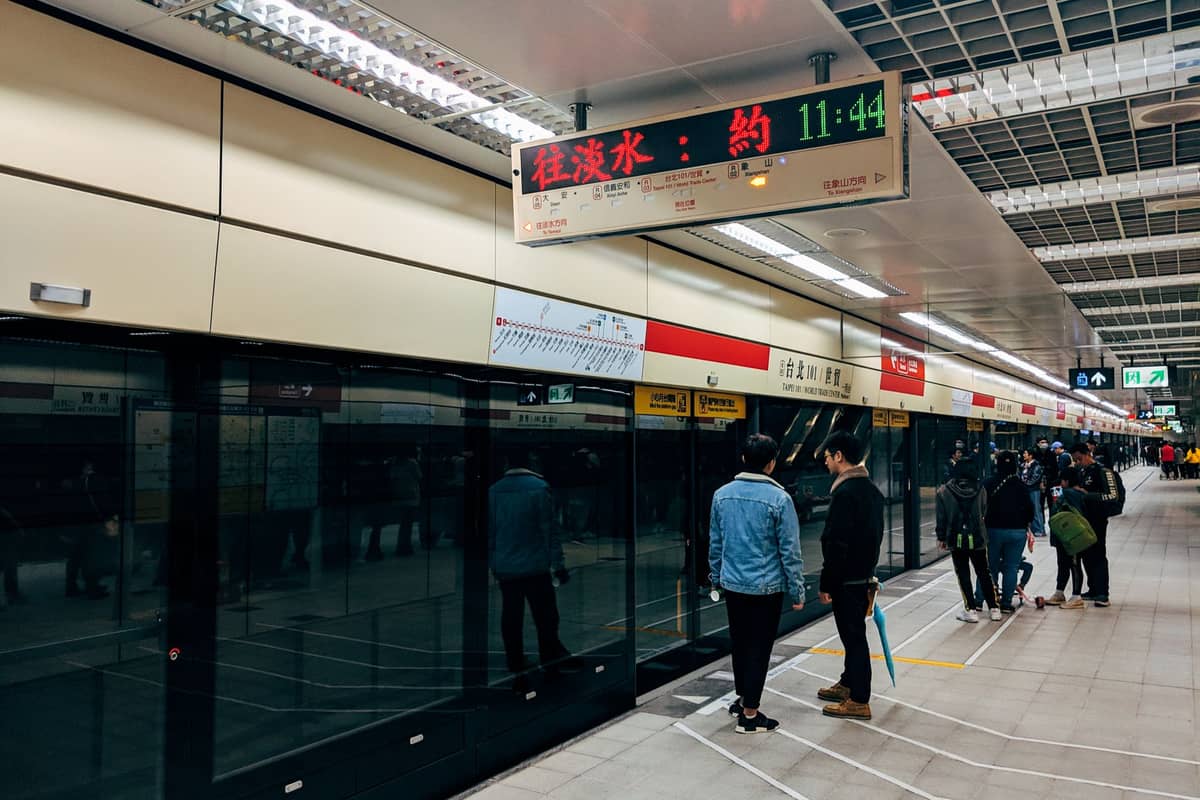
The Chengdu Metro is inexpensive, reliable, and covers nearly every major visitor attraction in the urban core. Fares are distance-based and typically range from CNY 2–8 per journey. A reloadable transit card (交通卡) gives a small discount on metro fares and works on buses too. For visitors arriving at Chengdu Tianfu International Airport (TFU), Metro Line 18 connects directly to the city center — it's significantly cheaper than a taxi and, outside of rush hour, comparably fast.
Didi Chuxing (China's dominant ride-hailing app) is the backup for routes the metro doesn't cover cleanly. Express-class rides in the city are CNY 15–35 for most urban journeys. Street taxis remain available but require either Mandarin communication or the driver's cooperation with translation apps. For day trips, high-speed rail is much better value than guided tours. The Chengdu-to-Leshan rail journey takes under an hour from Chengdu East Station and costs around CNY 30–60 depending on class. See the day trips from Chengdu guide for full route and logistics breakdowns.
ℹ️ Good to know
Chengdu has two international airports. Chengdu Shuangliu (CTU) is closer to the urban core and has good metro and taxi connections. Chengdu Tianfu (TFU) is approximately 51 km from the city center, connected by Metro Line 18. Check which airport your flight uses before planning your arrival logistics — the journey time and cost differ significantly.
Budget-Friendly Day Trips and Practical Timing
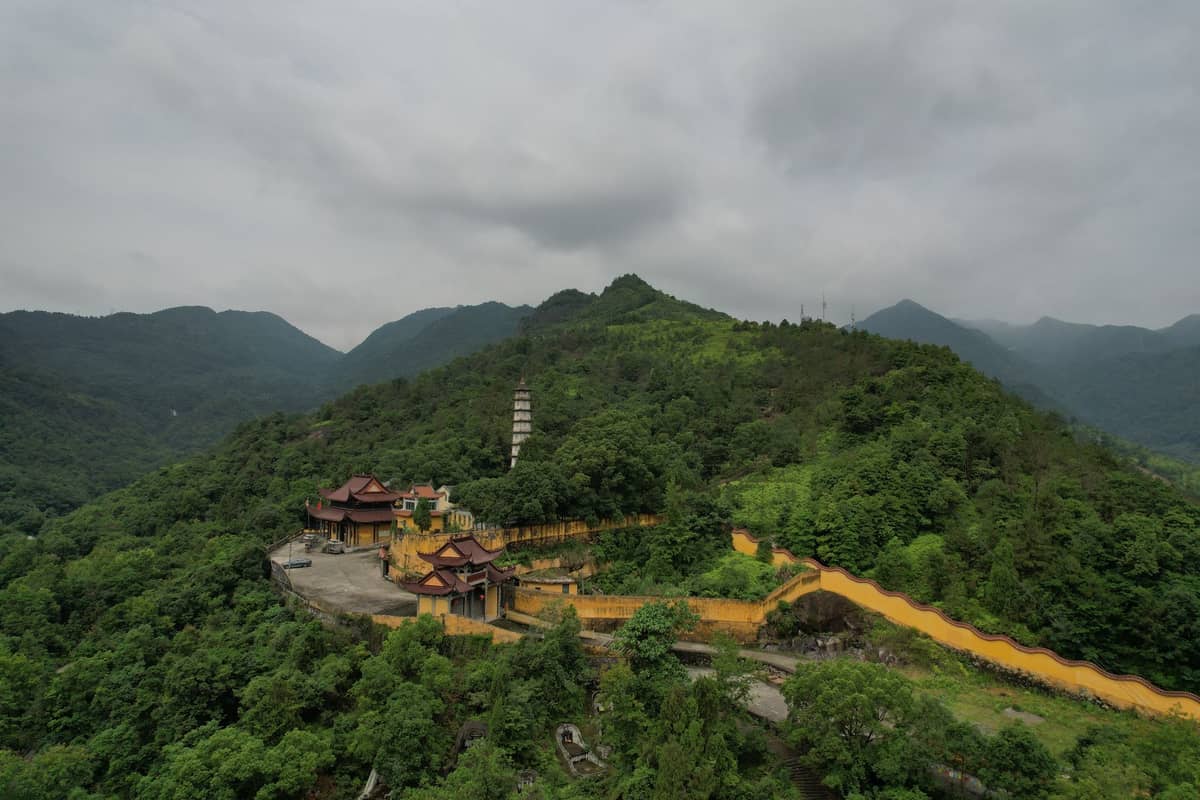
Some of Chengdu's best value experiences are just outside the city. Dujiangyan Irrigation System northwest of the city is a UNESCO World Heritage Site with an entry fee; combined with nearby Mount Qingcheng, it makes for a full day out that's far less commercialized than the city's central tourist zones. High-speed rail from Chengdu to Dujiangyan takes around 40 minutes.
Timing your visit also affects your budget indirectly. Spring (March through May) and autumn (September through November) are the most comfortable months and align with moderate tourism demand. Summer (June through August) brings higher humidity and regular afternoon rain — outdoor plans require flexibility, and the rainy season can shorten your usable sightseeing hours. For a full seasonal breakdown, the best time to visit Chengdu guide covers weather patterns and crowd levels in detail.
- Book accommodation in advance for Golden Week (early October) and Chinese New Year — prices spike sharply and budget options sell out.
- Weekday mornings at most attractions are significantly less crowded than weekends; if your schedule is flexible, plan paid attractions on weekday mornings.
- University districts (near Sichuan University in Wuhou District, for example) have dense clusters of cheap, good-quality canteens and cafes aimed at students.
- Convenience store chains like FamilyMart, Lawson, and local equivalents sell ready meals, sandwiches, and snacks for CNY 8–20 — genuinely useful for a cheap breakfast or snack between attractions.
FAQ
Is Chengdu cheap for tourists?
Yes, by most international comparisons. Street food meals cost CNY 10–30, metro fares are CNY 2–8, and many top cultural sites are free. A comfortable independent trip can be done for CNY 300–500 per day including accommodation, food, transport, and one or two paid attractions. The main paid attraction most visitors prioritize — the Panda Base — costs only CNY 55.
What is the cheapest way to get from the airport to central Chengdu?
From Chengdu Tianfu Airport (TFU), Metro Line 18 is the cheapest option, typically costing under CNY 15–20 for the journey to central stations. From Chengdu Shuangliu Airport (CTU), the metro is also available and similarly affordable. Taxis and Didi rides are convenient but cost significantly more, especially from the more distant Tianfu Airport.
Are there free things to do in Chengdu?
Several worthwhile attractions are free: People's Park, Wenshu Monastery, the Chengdu Museum (free with ID registration), Tianfu Square, and the pedestrian areas around Chunxi Road and Taikoo Li. The broader Huanhua Creek Park area is also free to walk through. You can fill two to three days with free activities before spending anything on ticketed sites.
Can you do Chengdu hot pot on a budget?
Absolutely. Tourist-facing hot pot restaurants near Jinli or in hotel districts charge CNY 80–150 per person. A neighborhood hot pot restaurant in a residential area — the type with plastic stools and handwritten menus — typically costs CNY 30–60 per person for a full meal including meat, vegetables, and soft drinks. The food is often better at the cheaper spots.
Do I need cash in Chengdu?
Mobile payments (WeChat Pay and Alipay) dominate in Chengdu, even at street stalls and small shops. Cash is still accepted everywhere, but having a working mobile payment setup makes daily transactions significantly easier. Keep some CNY cash as a backup, particularly for very small vendors or in case of connectivity issues.