Ho Chi Minh City Fine Arts Association Gallery: Contemporary Vietnamese Art in the Heart of District 1
Tucked into Lê Thánh Tôn Street in District 1, the Ho Chi Minh City Fine Arts Association Gallery (Hội Mỹ Thuật Thành Phố Hồ Chí Minh) is a low-key exhibition space showcasing works by active Vietnamese artists. Entry is typically free, the crowds are thin, and the art on the walls changes regularly, making it one of the more honest windows into the city's living creative scene.
Quick Facts
- Location
- 92 Lê Thánh Tôn, District 1, Ho Chi Minh City
- Getting There
- A short walk from Đồng Khởi Street (~500m) or Ben Thanh Market. Grab taxis are the most practical option from anywhere in the city.
- Time Needed
- 30–60 minutes
- Cost
- Free entry (typical for association galleries; confirm on arrival)
- Best for
- Art lovers, slow-travel types, and anyone curious about contemporary Vietnamese painting outside a major museum
What This Place Actually Is
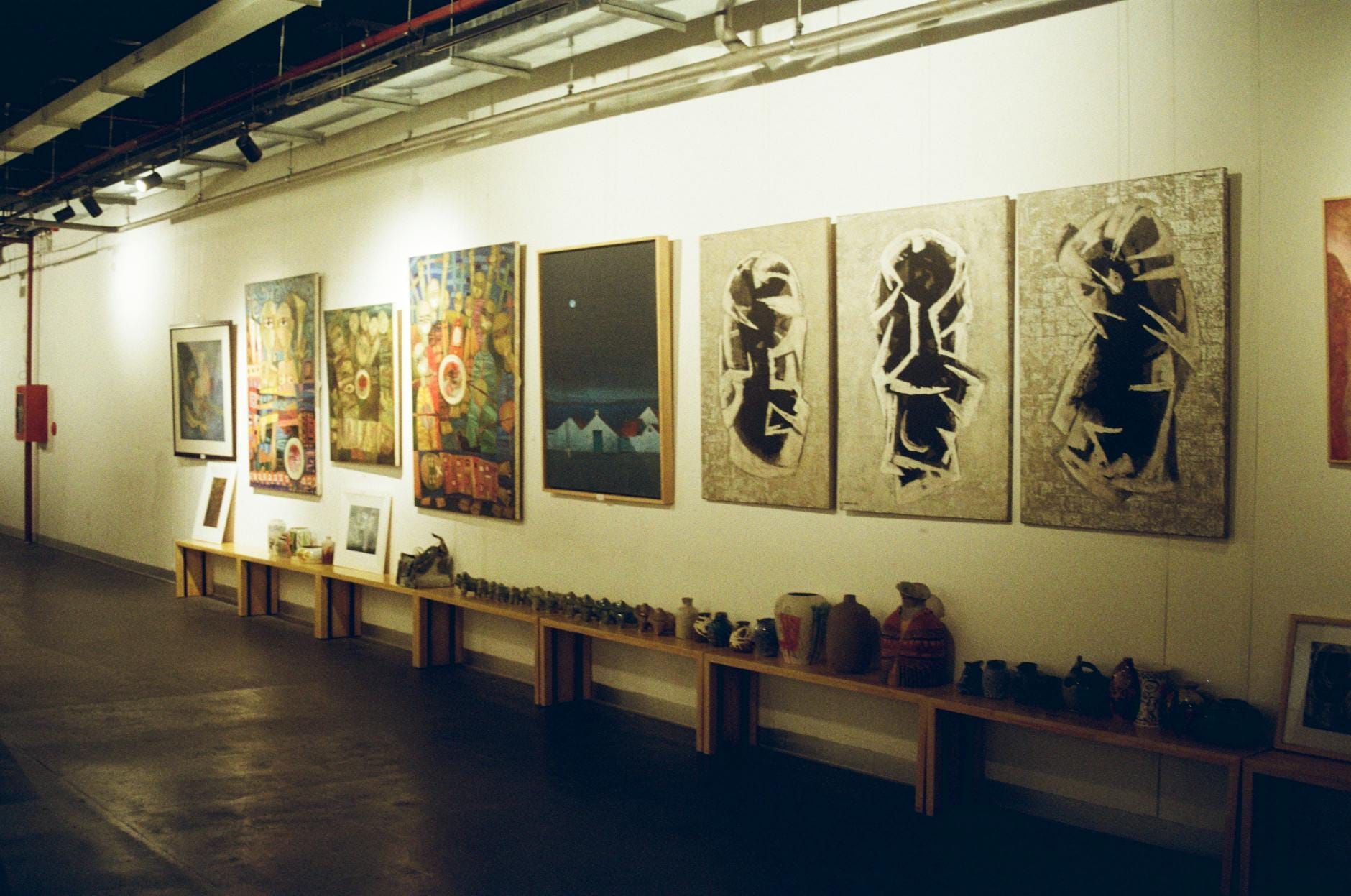
The Ho Chi Minh City Fine Arts Association Gallery at 92 Lê Thánh Tôn is the exhibition arm of the Ho Chi Minh City branch of the Vietnam Fine Arts Association, an organization with roots going back to December 1957 when the national body was formally established in Hanoi. This is not a polished institution with a permanent collection and audio guides. It is a working gallery, the kind artists use to show new work to the public, to each other, and to collectors. The atmosphere reflects that purpose: understated, purposeful, and free from the theatrical lighting of a commercial gallery.
Exhibitions rotate, which means the gallery you walk into in March may look entirely different from the one you'd find in October. Shows can range from oil painting retrospectives by senior Saigon artists to contemporary installations by younger members of the association. That unpredictability is precisely what makes a visit interesting for anyone with a genuine interest in Vietnamese visual culture. It is also why this gallery suits independent travelers more than group tours, which tend to gravitate toward fixed permanent collections.
ℹ️ Good to know
Because exhibitions change frequently, there is no guaranteed content on any given visit. Check the building's notice boards or ask at the front desk when you arrive to understand what is currently showing and how long it will be up.
The Setting: Lê Thánh Tôn Street and Its Context
The gallery sits on Lê Thánh Tôn, a street that runs through the commercial and cultural core of District 1. The surrounding area is a mix of French-era shophouses, upscale hotels, and the kind of boutique retail that has gradually taken over the streets closest to Đồng Khởi Street. None of that commercial pressure seems to have disturbed the gallery itself, which occupies its address with the quiet confidence of an institution that has been there long enough not to need signage visible from a hundred meters away.
The building itself is typical of District 1's older civic structures: modest in scale, with a façade that does not shout for attention. In the morning, before the street traffic builds, the block around number 92 is relatively quiet. By midday, the foot traffic from nearby offices and hotels picks up, though the gallery itself rarely becomes crowded. Late afternoon, when the light shifts and the street vendors begin setting up, is perhaps the most atmospheric time to walk over, though the gallery's practical advantage at that hour depends on its closing time.
⚠️ What to skip
Verified opening hours for this specific gallery are not publicly listed on an official website. Arrive before 5:00 PM to avoid finding it closed, and consider calling ahead or checking with your hotel concierge if your visit is time-sensitive.
Tickets & tours
Live prices and dates from our booking partner. If you book, we may earn a commission at no extra cost to you.
Private full-day trip from Ho Chi Minh City to Mekong Delta
From 52 €Instant confirmationFree cancellationLandmarks of Ho Chi Minh City half-day tour
From 33 €Instant confirmationFree cancellationCu Chi tunnels guided experience from Ho Chi Minh City
From 33 €Instant confirmationFree cancellationHalf-day Cu Chi Tunnels guided tour from Ho Chi Minh City
From 21 €Instant confirmationFree cancellation
The Art: What You Can Expect to See
The Vietnam Fine Arts Association has, since 1957, functioned as the primary professional body for Vietnamese visual artists, and its Ho Chi Minh City branch reflects the breadth of the southern art tradition. That tradition draws on a mix of influences: Vietnamese lacquer painting techniques developed in the early twentieth century, French academic training that shaped the first generation of modern Vietnamese painters, and the more recent push toward abstraction and conceptual work among artists who came of age after economic reforms opened the country in the late 1980s.
In practice, a given exhibition might feature large-format oil paintings with bold figurative compositions, or quiet works in ink on silk that require you to stand close and slow down. The quality varies. Some shows feature accomplished senior artists whose work has significant market value; others give space to members who are still finding their voice. Neither type of show requires you to be an expert to find something worth looking at, but a basic familiarity with Vietnamese art history will sharpen what you take away.
For deeper context before or after your visit, the Ho Chi Minh City Museum of Fine Arts provides a more structured overview of Vietnamese art from traditional forms through to the contemporary period. The two venues complement each other well: the museum offers historical breadth, while the association gallery shows you what artists in the city are producing right now.
How to Approach the Visit
The gallery is compact enough that most visitors can move through it in thirty to forty-five minutes without feeling rushed. There is no prescribed route. Walk in, get a sense of what is showing, and then take your time with the works that hold your attention. If there are gallery staff present, a basic question about the current artist or show is usually welcomed and can yield information you would not get from any wall text.
Photography policies vary by exhibition. When in doubt, ask before raising your camera. Some artists are happy to have their work documented; others are not, and the gallery will follow the artist's preference.
The surrounding streets reward a short walk before or after. Lê Thánh Tôn connects naturally to the broader cultural cluster of central District 1. The Saigon Central Post Office and Notre-Dame Cathedral are both within reasonable walking distance to the northwest. To the south, the riverfront along Nguyễn Huệ Walking Street provides a complete change of pace if you want open air after the gallery.
Practical Details: Getting There, Accessibility, and Timing
92 Lê Thánh Tôn sits in the walkable core of District 1. From Đồng Khởi Street, the walk is roughly five minutes. From Ben Thanh Market, allow ten to fifteen minutes on foot depending on which direction you approach from. Grab (the dominant ride-hailing app in Vietnam) is the easiest option from further afield; the address is straightforward to enter and the drop-off is direct.
There are no verified details on elevator access or step-free entry specifically for this building. The street-level setting in a central urban block suggests ground-floor access is likely, but visitors with mobility requirements should check in advance. The street itself is navigable but, like most of District 1, involves crossing roads with continuous motorbike traffic, which requires confident pedestrian timing.
Weekday mornings tend to be the quietest time for this type of gallery. Weekend afternoons occasionally bring local art students and families, which gives the space a different energy without ever becoming overwhelming. There is no high season for this venue in the way that applies to major tourist attractions. Rain does not affect a visit here, making it a sensible option on an afternoon when the tropical downpours that hit Ho Chi Minh City between May and November make outdoor plans impractical.
💡 Local tip
If you visit during a rainy afternoon, the covered entrance and indoor space make this gallery a genuinely useful shelter that also happens to be culturally worthwhile. Keep it in mind as a wet-weather fallback in the District 1 area.
Honest Assessment: Who This Is For, and Who Should Move On
This gallery rewards the traveler who is genuinely curious about Vietnamese art as a living practice, not just as a historical category. If you want to understand something about how artists in Ho Chi Minh City see their own city and country right now, a rotating exhibition space run by the professional association is one of the most direct places to look. The free admission removes any risk from the visit.
Travelers on a tight itinerary who want to maximize their exposure to the city's headline attractions should be realistic about priorities. The gallery offers no permanent collection, no grand architectural spectacle, and no guarantee of a particular type of work. If your District 1 time is limited and you have not yet visited the War Remnants Museum or the Reunification Palace, those should come first. The Fine Arts Association Gallery is a supplement to a District 1 itinerary, not the anchor of one.
Families with young children, travelers who find contemporary art unengaging, and those looking for interactive or immersive experiences will not find much to hold their attention here. The gallery is quiet, the works require looking, and there is no narrative scaffolding to carry a visitor through.
Insider Tips
- Visit on a weekday morning for the quietest experience. The gallery rarely draws crowds, but weekday mornings give you essentially the whole space to yourself.
- Ask the staff on duty which artist is showing and whether the artist will be present during the run of the exhibition. Some association shows include artist talks or informal studio visits that are not widely advertised.
- If you are interested in buying a work, association galleries are often a more direct route to the artist than commercial galleries, with pricing that reflects less overhead. Ask politely and expect to negotiate.
- Combine this stop with the Museum of Fine Arts a short distance away to get both the historical arc of Vietnamese art and its current expression in a single half-day.
- The gallery notice board near the entrance often lists upcoming exhibitions at other association venues around the city, giving you leads on other art events during your stay.
Who Is Fine Arts Association Gallery (92 Lê Thánh Tôn) For?
- Art enthusiasts interested in contemporary Vietnamese painting and visual culture
- Slow travelers who prefer depth over tick-box sightseeing
- Anyone building a half-day cultural itinerary through central District 1
- Visitors seeking a quiet, free indoor space that connects them to the city's active creative community
- Travelers caught in afternoon rain looking for a worthwhile alternative to waiting it out in a café
Nearby Attractions
Other things to see while in District 1 (Colonial Quarter):
- Bến Nghé Canal & Riverside Walk
The Bến Nghé Canal cuts through the heart of District 1 as one of Ho Chi Minh City's oldest urban waterways, linking the Saigon River to the city's colonial core. Free to walk any hour of the day, the riverside path offers a grounded, unhurried perspective on a city that rarely slows down.
- Bến Thành Market
Bến Thành Market has anchored the heart of Saigon since 1912 and remains one of Ho Chi Minh City's most recognizable landmarks. With nearly 1,500 booths spread across 13,000 square meters, it sells everything from fresh produce and dried seafood to ao dai fabric, lacquerware, and street food. This guide covers the realities of visiting, including when it is worth your time and when it is not.
- Bitexco Financial Tower & Saigon Skydeck
The Bitexco Financial Tower is District 1's most recognizable skyscraper, its lotus-inspired silhouette rising 262 meters above the Saigon River. The Saigon Skydeck on the 49th floor offers a glass-enclosed, 360-degree panorama that takes in the whole city at once, from colonial rooftops to the river bends to the sprawling suburbs beyond.
- Saigon Central Post Office
Built between 1886 and 1891 and attributed to Gustave Eiffel's engineering office, the Saigon Central Post Office is one of the finest French colonial buildings in Southeast Asia. It functions as a working post office to this day, meaning you can mail a postcard home from inside a genuine architectural landmark. Free to enter and centrally located in District 1, it earns its place on most itineraries.
Planning a trip? Discover personalized activities with the Nomado app.