Chiang Mai Zoo: Pandas, Mountain Views, and a Full Day Out
Spread across forested hillside terrain at the base of Doi Suthep, Chiang Mai Zoo is one of northern Thailand's most visited family attractions. Home to giant pandas, big cats, reptiles, and hundreds of species, it offers a full day of wildlife encounters in a setting that feels closer to a nature park than a concrete enclosure.
Quick Facts
- Location
- 100 Huay Kaew Road, Doi Suthep area, Chiang Mai
- Getting There
- Red songthaew from Nimman Road or the Old City; tuk-tuk or ride-hail app from the city center (approx. 10-15 min)
- Time Needed
- 3 to 5 hours; a full day if visiting with children
- Cost
- Adults: 100 THB; Children: 50 THB. Giant panda exhibit requires a separate add-on ticket
- Best for
- Families with children, animal lovers, travelers extending a Doi Suthep day trip
- Official website
- www.chiangmaizoo.com
What Chiang Mai Zoo Actually Is
Chiang Mai Zoo is a large, well-established zoological park covering over 200 acres of sloping terrain at the base of Doi Suthep mountain, roughly 5 kilometers northwest of the city center. It was originally founded in 1951 by Harold Mason Young, an American missionary and animal collector who donated his personal collection to the city. That origin story matters: this place has a long history, and its scale reflects decades of gradual expansion rather than a single planned design.
The zoo is best understood as a combination of a conventional animal park, a botanical landscape, and a gentle uphill walk through forested grounds. Because it climbs the Doi Suthep hillside, some areas have real elevation gain. Trams run through the grounds for visitors who prefer not to walk, and they are worth considering on hot afternoons. The layout is sprawling enough that without a map, it is easy to miss whole sections.
💡 Local tip
Pick up a printed map at the entrance gate immediately. The zoo's signage improves once you are inside, but orientation at the start saves significant backtracking on the hillside terrain.
The Giant Panda Exhibit: Managed Expectations Required
The giant pandas are the zoo's headline draw and, honestly, the reason many international visitors bother coming. Chuang Chuang and Lin Hui arrived from China in 2003 under a conservation loan agreement, and their offspring, Lin Bing, was born at the zoo in 2009. The panda enclosure is a separate, air-conditioned facility with an additional ticket cost on top of standard zoo admission.
Viewing is through glass, and the enclosure is well-maintained by Thai zoo standards. Pandas being pandas, there is a reasonable chance any individual animal will be asleep in a corner during your visit. Morning hours, typically before 10:30am, give you the best odds of catching them active and eating bamboo. Midday visits often yield nothing more than a motionless black-and-white shape in the back of the enclosure.
⚠️ What to skip
The panda exhibit charges an additional fee (typically around 100 THB per person) on top of general zoo admission. Budget accordingly at the gate so you are not surprised mid-visit.
For visitors with limited time, the pandas alone do not justify a lengthy trip. They are worth seeing if you are already at the zoo, but traveling exclusively for the pandas and spending 20 minutes there is a common source of disappointment.
Tickets & tours
Live prices and dates from our booking partner. If you book, we may earn a commission at no extra cost to you.
Chiang Mai - Chiang Dao Cave and 5 Hill Tribe villages
From 42 €Instant confirmationFree cancellationArt in Paradise Chiang Mai 3D Art Museum entrance tickets
From 8 €Instant confirmationFree cancellationChiang Mai temples and night market tuk-tuk tour
From 23 €Instant confirmationFree cancellationGolden Triangle and White Temple guided tour from Chiang Mai
From 79 €Instant confirmationFree cancellation
The Rest of the Zoo: What Stands Out
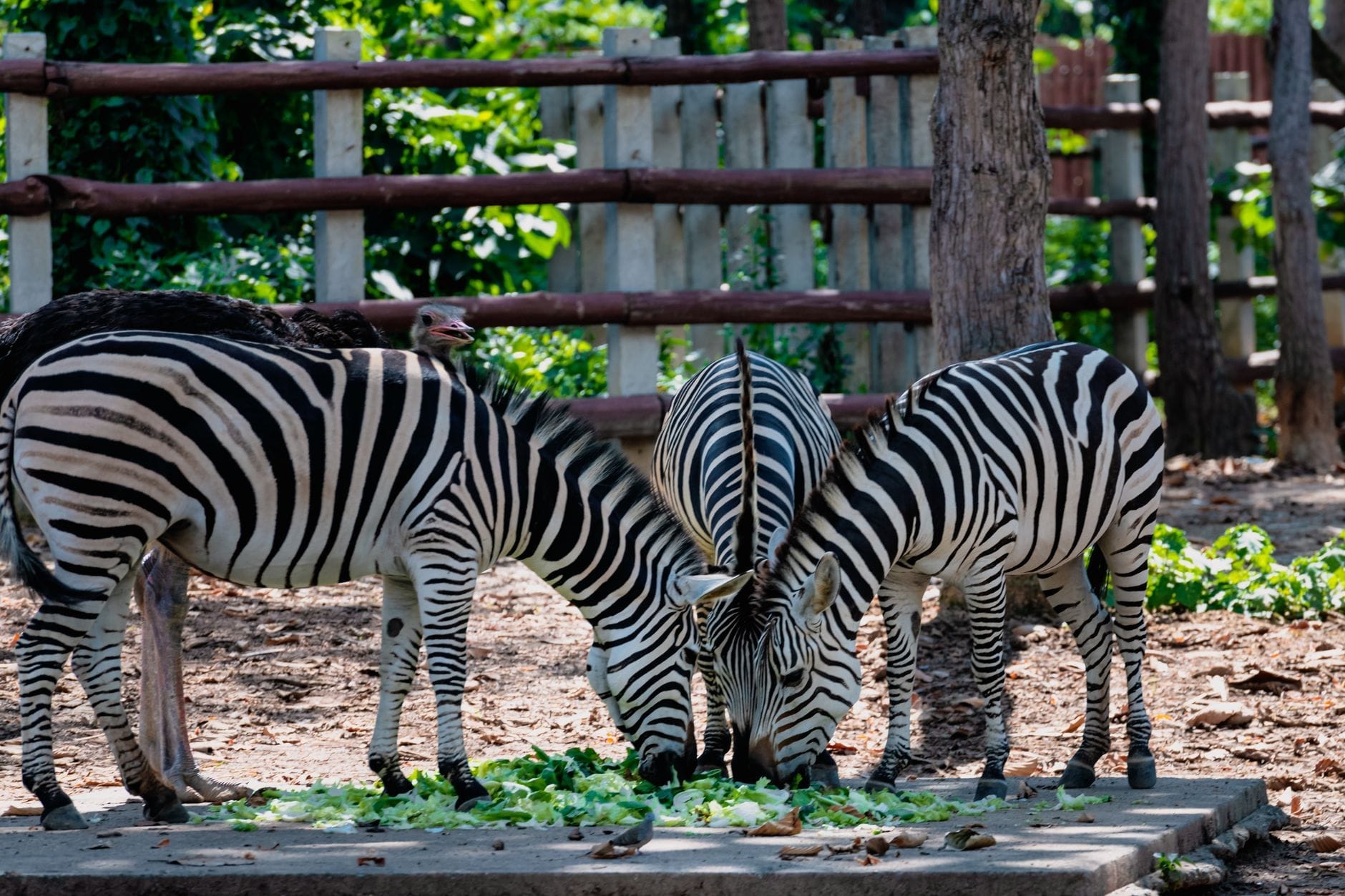
Beyond the pandas, the zoo houses a diverse collection including tigers, leopards, sun bears, giraffes, hippos, Komodo dragons, and an extensive bird section. The reptile house is genuinely impressive, one of the better collections in Southeast Asia, with large crocodilians and several python species displayed in enclosures that allow close viewing. The bird aviaries are large enough that you walk through them, with egrets, hornbills, and various tropical species moving freely overhead.
The aquarium is a separate facility, well worth the extra ticket if you are visiting with children. It includes a walk-through tunnel with sharks and rays overhead, which tends to be the highlight for younger visitors. The lighting is dim and the air cool, making it a practical refuge during the hottest part of the afternoon.
The hippo section allows unusually close viewing through reinforced glass at water level, where you can watch the animals submerged. It is one of the more genuinely impressive animal-viewing moments in the zoo, and it is free with standard admission. The giraffe enclosure has a raised feeding platform on certain days, where visitors can purchase food to hand-feed the animals directly.
ℹ️ Good to know
The zoo also contains a snow dome attraction, where visitors can experience artificial snow for an additional fee.
How the Experience Changes by Time of Day
Opening time at 8:00am is the most rewarding window. The air is cooler, the animals are active, and crowds are thin. The golden light filtering through the canopy on the hillside paths gives the whole place a pleasant, unhurried feeling. Morning is also when keepers do feeding rounds, which draws animal activity to viewable positions in the enclosures.
By 11:00am, tour groups from the city and domestic day-trippers begin arriving in volume. The panda exhibit queues build noticeably, and the tram stops fill up. The heat between noon and 3:00pm is intense on exposed pathways. If you arrive mid-morning, prioritize shaded sections and the aquarium during peak heat, then return to outdoor areas in the late afternoon.
The zoo closes at 5:00pm for standard admission. Chiang Mai Night Safari is a separate attraction nearby with its own evening hours — do not assume the zoo stays open for night visits.
Getting There and Getting Around
Chiang Mai Zoo sits on Huay Kaew Road, making it easily reachable from both the Nimman area and the Old City by red songthaew. Agree on the fare before boarding; a shared ride from the city center typically runs 30 to 50 THB per person. Ride-hail apps like Grab are reliable and often faster for direct trips.
The zoo's location also makes it a natural extension of a day trip up to Wat Phra That Doi Suthep. Many visitors stop at the zoo first thing in the morning, then continue up the mountain to the temple before returning to the city. This sequencing works well logistically, as the zoo opens earlier than many temple visitors arrive.
Inside the zoo, trams circulate on a fixed route and can be boarded for an additional small fee. The tram is genuinely useful given the elevation changes, especially for families with young children or visitors in midday heat. Walking the full grounds takes around 3 to 4 hours at a comfortable pace, longer if you stop for every exhibit.
💡 Local tip
Wear comfortable shoes with grip. Several of the hillside paths are on slopes and can be slippery after rain. Light rain showers are common in the late afternoon between May and October.
Photography and Practical Notes
The zoo has strong photographic potential, particularly in the bird aviaries and at the hippo glass. For those serious about animal photography in northern Thailand, the zoo pairs well with a broader Chiang Mai photography itinerary. Morning light on the hillside paths is particularly good for wide landscape shots with the mountain backdrop visible through the tree cover.
Flash photography is prohibited in the panda exhibit and several indoor sections. A fast lens or a camera with good high-ISO performance helps in the reptile house and aquarium, where lighting is deliberately low. Smartphone cameras handle these conditions adequately on newer models.
Accessibility within the zoo is uneven. The main paved paths are wheelchair accessible, but hillside sections and some animal exhibits involve steps or unpaved surfaces. Families with strollers will find the tram essential for the steeper parts of the grounds. For more on navigating Chiang Mai with specific needs, the Chiang Mai with kids guide covers the zoo and other family-focused options in detail.
Honest Assessment: Is Chiang Mai Zoo Worth It?
Chiang Mai Zoo is a solid half-day or full-day option for families and animal lovers, and the combination of diverse species, pandas, and forested hillside terrain makes it more interesting than a generic urban zoo. By the standards of world-class zoological parks, the enclosures vary significantly in quality: some are spacious and naturalistic, others feel dated. This is not Singapore Zoo or San Diego. Expectations calibrated accordingly will generally lead to a positive visit.
Visitors primarily interested in ethical wildlife experiences should also consider whether the zoo aligns with their values. For those seeking a more immersive and welfare-focused animal encounter in the region, Elephant Nature Park offers a very different kind of experience, focused specifically on rescued elephants in a sanctuary setting.
Solo travelers and couples without children may find the zoo less compelling than the zoo's surrounding area, where the forested base of Doi Suthep offers hiking trails and temple visits that tend to be more memorable per hour spent. The zoo earns its admission price most clearly when visited with children, who consistently rate the aquarium, pandas, and hippo tank as highlights.
Insider Tips
- Arrive at opening (8:00am) for active animals and cool temperatures. The difference in animal behavior between 8:30am and 11:00am is dramatic, especially for the big cats and bears.
- The tram is worth paying for on hot days or if you have young children. The zoo's hillside layout means legs tire faster than expected, and the tram completes a loop that covers the sections most visitors miss.
- Buy combination tickets at the entrance if you plan to see the pandas and aquarium. Single add-on tickets purchased separately at each facility cost more than the bundled option at the main gate.
- The hippo underwater viewing area is free with standard admission and often overlooked. Position yourself at the glass just before a keeper feeding (check the schedule posted near the enclosure) for the best views.
- Food options inside the zoo are limited and overpriced relative to the city. Pack snacks, especially if visiting with children, and save your appetite for the excellent street food scene along Huay Kaew Road just outside the entrance.
Who Is Chiang Mai Zoo For?
- Families with children aged 4 to 12, who will get the most from the aquarium, panda exhibit, and hippo tank
- Animal lovers willing to spend a full morning working through the diverse species collection
- Travelers combining the visit with a Doi Suthep temple trip as part of a single half-day excursion northwest of the city
- First-time visitors to Thailand curious about regional wildlife, including sun bears and Komodo dragons not commonly seen elsewhere
- Visitors looking for a lower-intensity activity day that still covers significant ground and keeps kids engaged
Nearby Attractions
Other things to see while in Doi Suthep & Mountain Area:
- Bhuphing Palace (Bhubing Palace)
Perched on the slopes of Doi Buak Ha in Doi Suthep-Pui National Park at around 1,000–1,200 metres elevation, Bhuphing Palace is the Thai royal family's official winter residence in the north. When the royals are not in residence, the palace grounds open to visitors who come for the manicured formal gardens, cool mountain air, and sweeping valley views across Chiang Mai.
- Chiang Mai Night Safari
Chiang Mai Night Safari is Thailand's largest night zoo, where open-air tram rides carry visitors through illuminated savannah and forest zones after dark. It's a family-oriented attraction with genuine nocturnal animal encounters, though the experience varies significantly depending on when you go and which zones you prioritize.
- Doi Pui Hmong Village
Perched at over 1,200 meters on the slopes above Chiang Mai, Doi Pui Hmong Village offers a window into northern Thailand's Hmong hilltribe communities, complete with a small opium history museum, traditional textile vendors, and cool mountain air. It sits just beyond Wat Phra That Doi Suthep, making it a logical extension of any mountain day trip.
- Grand Canyon Chiang Mai
A former clay quarry on the edge of the city, Chiang Mai's 'Grand Canyon' has become the go-to spot for cliff jumping, swimming, and a rare afternoon off from temple-hopping. Expect turquoise water, tiered platforms, and a crowd that skews young and loud on weekends.
Planning a trip? Discover personalized activities with the Nomado app.