Luxury Dubai: The Ultimate High-End Travel Guide (2026)
Dubai has evolved into one of the world's most sophisticated luxury destinations, with 19 Michelin-starred restaurants (including two three-star venues), suites priced above AED 100,000 per night, and experiences that genuinely rival the best in Paris, Tokyo, and New York. This guide cuts through the hype to tell you exactly where to stay, eat, explore, and spend your money wisely.
TL;DR
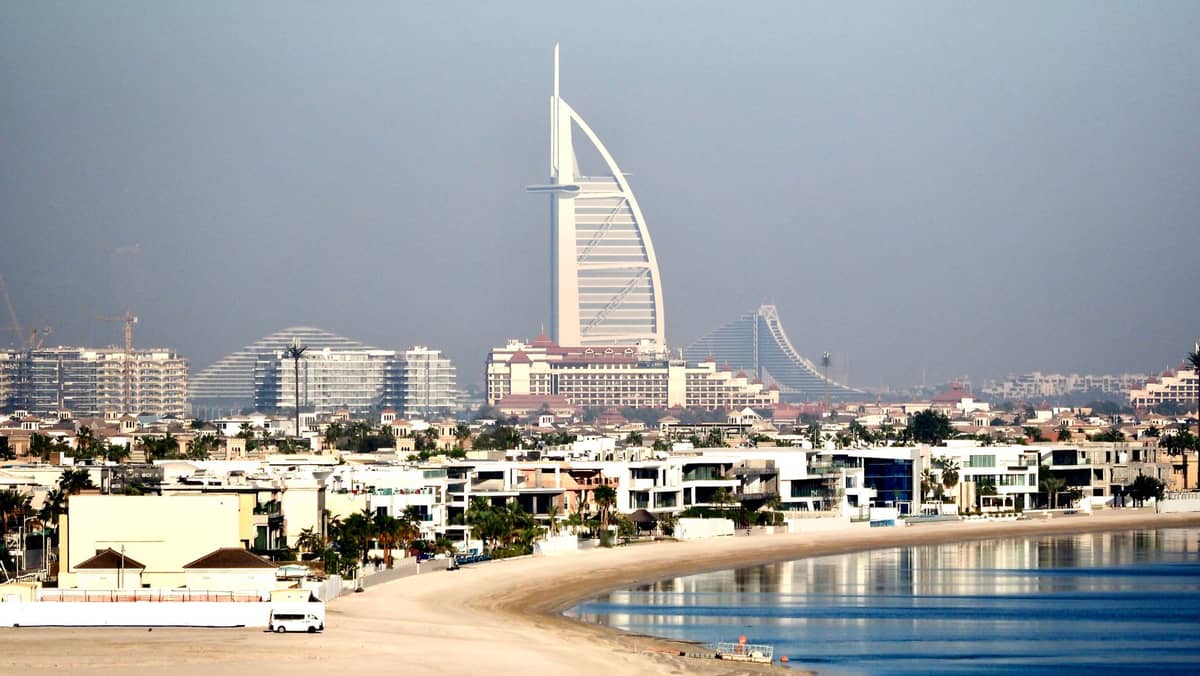
- Dubai's luxury hotel scene spans iconic properties like Atlantis The Royal and Bulgari Resort to the legendary Burj Al Arab, with real nightly costs (after taxes) typically running USD 1,400–2,500+ during high season (November to March).
- The MICHELIN Guide Dubai 2025 features 119 establishments including 2 three-star venues, confirming the city as a serious global fine dining destination.
- For the best weather and peak luxury experience, visit between November and March. Read more in our best time to visit Dubai guide.
- Taxes and service fees add roughly 25–30% on top of base hotel rates at most luxury properties — factor this into your budget before booking.
- Dubai is not exclusively ultra-expensive: a wide range of premium-but-not-stratospheric options exist across hotels, dining, and experiences for travelers who want quality without the flagship price tag.
What Luxury Actually Means in Dubai
Dubai sits within the Emirate of Dubai, one of seven emirates forming the United Arab Emirates. That federal context matters for luxury travelers because the UAE's legal and regulatory framework shapes everything from alcohol licensing (available in licensed hotels and restaurants, not freely in public) to the dress code standards you'll encounter moving between beach clubs, souks, and skyscraper restaurants. English is universally spoken in the hospitality sector, the currency is the UAE dirham (AED), and the city operates on Gulf Standard Time, UTC+4, with no daylight saving shifts.
What makes Dubai's luxury proposition distinctive is the sheer scale and ambition of its infrastructure. This is a city that built an indoor ski slope inside a mall, constructed an archipelago shaped like a palm tree, and opened a hotel shaped like a sail before most cities had finished debating rooftop pools. That ambition continues into 2025–2026 with new Royal Suites at flagship properties advertised above AED 100,000 per night. The competition between properties is fierce, which paradoxically works in the traveler's favor: service standards are exceptionally high because every hotel knows its neighbor is trying harder.
ℹ️ Good to know
The UAE dirham (AED) is pegged to the US dollar at a fixed rate of 3.67 AED per USD. This fixed rate means luxury pricing is predictable for USD-based travelers, and credit card foreign transaction fees are the main variable to watch.
Where to Stay: Luxury Hotels Ranked by What They Deliver
Dubai's luxury hotel landscape divides into three tiers that travel sites often blur together. Understanding the distinctions helps you spend appropriately rather than overspending on a brand name that doesn't match your priorities.
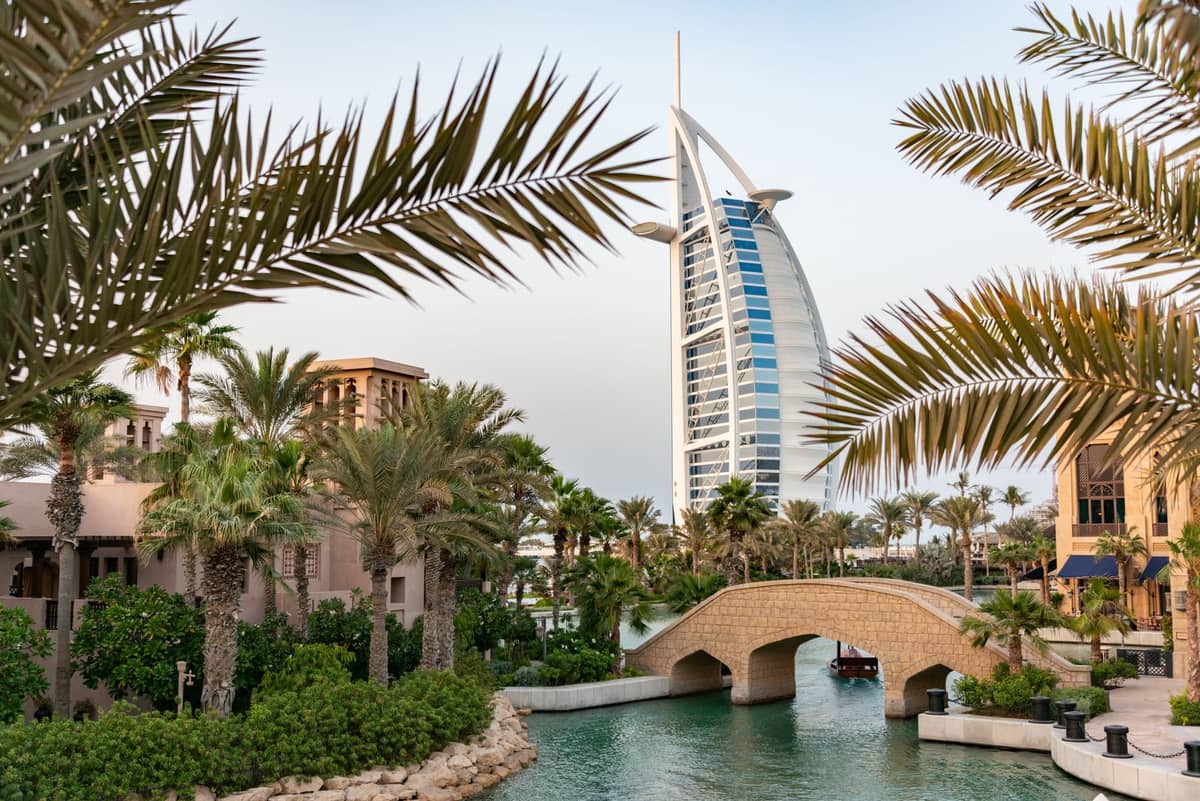
- Iconic / Trophy Properties Burj Al Arab, Atlantis The Royal, Bulgari Resort Dubai. Entry-level rooms at these properties start around USD 1,100–1,300 base rate, reaching USD 1,400–2,500 after taxes (approx. 27.5% added). Burj Al Arab remains the most recognizable symbol of Dubai luxury globally, while Atlantis The Royal targets a younger, entertainment-focused ultra-luxury crowd with its waterpark access and celebrity chef restaurants.
- Premier International Brands Four Seasons Resort Dubai at Jumeirah Beach, One&Only The Palm, Armani Hotel Dubai (inside Burj Khalifa), Waldorf Astoria DIFC. These deliver world-class service and design at slightly more approachable base rates — roughly USD 500–900 per night before taxes — while offering genuine luxury rather than spectacle.
- High-End Boutique and Design Hotels Properties like the Bvlgari Resort's smaller villas, or intimate options in areas like DIFC, cater to travelers who prioritize design and cuisine over headline-grabbing amenities. Not always cheaper, but often more considered in their hospitality.
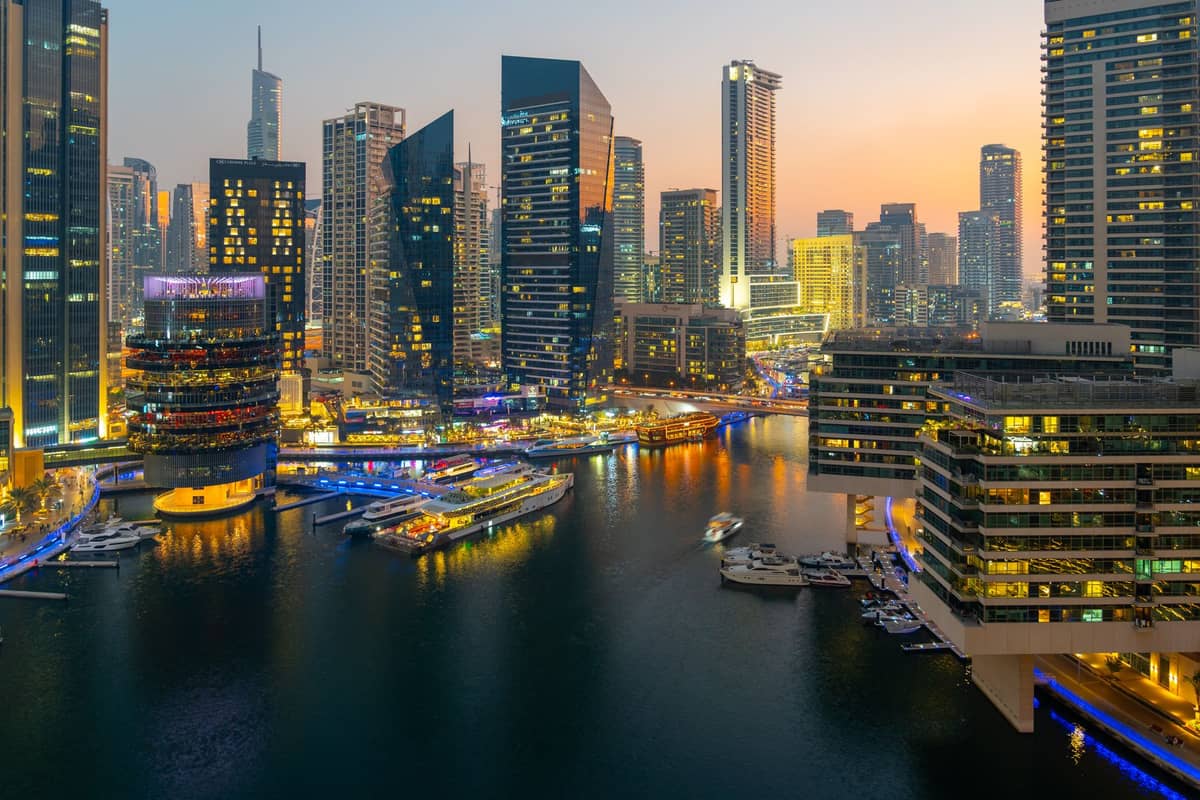
Location matters enormously. Staying on Palm Jumeirah gives direct beach access and a sense of island exclusivity, but you'll pay for every taxi ride into the city. Properties in Downtown Dubai put you within walking distance of the Burj Khalifa and Dubai Mall, ideal if you're mixing sightseeing with luxury. The Dubai Marina corridor suits those who want marina views, beach clubs, and nightlife within easy reach.
⚠️ What to skip
Always calculate the 'real' cost before booking. Luxury hotels in Dubai add municipality fees, tourism dirham charges, and service fees that consistently add around 25–30% to the base rate. A room advertised at USD 1,100 per night can land at USD 1,400+ on your final invoice. Ask for the fully-loaded rate at the time of booking.
Fine Dining: Dubai's Michelin Scene
The claim that Dubai lacks serious fine dining has been definitively retired. The MICHELIN Guide Dubai 2025 covers 119 establishments across multiple cuisines, awarding two restaurants three Michelin stars, three restaurants two stars, and fourteen restaurants one star, alongside Green Star sustainability recognitions and Bib Gourmand selections. This is a mature, globally competitive culinary scene, not a collection of hotel restaurants coasting on brand recognition.
Starred venues span a wide range of cuisines and settings. Al Muntaha at the Burj Al Arab occupies the 27th floor with panoramic Gulf views. Ossiano at Atlantis The Palm places diners beside a floor-to-ceiling aquarium. Hoseki delivers an intimate omakase experience. Dinner by Heston Blumenthal and La Dame de Pic represent European culinary heavyweights transplanted with genuine seriousness. Smoked Room brings creative fire-led cooking that has earned it a strong international reputation. The diversity of the lineup means you're not limited to one style or price point within the starred tier.
- Book Michelin-starred restaurants at least 4–6 weeks in advance during high season (November–March); popular omakase counters like Hoseki often require 8–12 weeks.
- Many fine dining venues in Dubai are located within hotels and are licensed to serve alcohol. Standalone restaurants outside licensed premises typically do not serve alcohol, so check before booking if that matters to you.
- Dress codes at top-tier restaurants in Dubai tend toward smart casual to formal. Shorts and trainers are typically not acceptable, even in 40°C heat outside.
- The MICHELIN Guide Dubai website lists current opening hours and booking links for all starred venues — treat it as the authoritative reference, as hours and head chefs do change.
Landmark Luxury Experiences Worth the Price
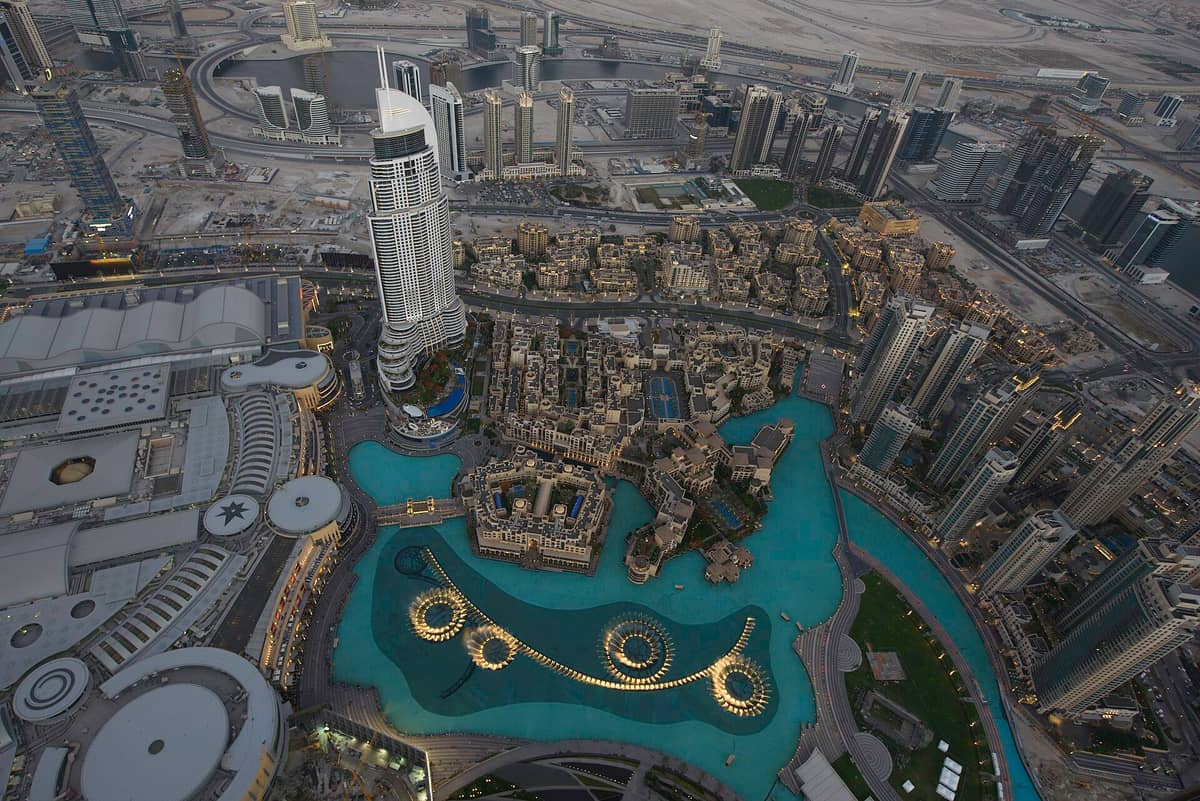
Not every high-priced experience in Dubai justifies the cost, but several deliver on their reputation. The Burj Khalifa observation decks are the clearest example of premium tiering done well. At the Top on floors 124 and 125 costs approximately AED 173–250 per adult depending on whether you visit during non-prime or prime hours. At the Top SKY on floor 148 runs AED 343–401. The view from 148 floors up at sunset is genuinely one of the city's defining experiences. Book online in advance — on-the-day tickets at the ground floor desk are significantly more expensive and often unavailable.
For a different perspective on the skyline, the Sky Views Observatory at Address Sky View offers a glass slide and edge walk in addition to the standard observation deck. The The View at the Palm on Palm Jumeirah provides an unusual angle looking back at the Dubai skyline across the water. Neither replaces the Burj Khalifa experience, but they are worth considering if you want variety. For a broader overview of what's worth the climb, our guide to the best views in Dubai ranks the options honestly.
A luxury desert safari is another experience that separates into genuinely premium and tourist-trap versions. The premium option involves a private 4WD dune drive with a dedicated guide, a sunset dinner at a high-end desert camp with proper food (not a buffet in a tent), and ideally an overnight stay under the stars at a property like Bab Al Shams or Al Maha Desert Resort, the latter sitting within the Dubai Desert Conservation Reserve. Budget safaris are fine for a first impression of the dunes but they bear little resemblance to the private overnight version.
✨ Pro tip
For Burj Khalifa tickets, 'prime time' hours (roughly sunset and the post-sunset period) cost more but reward you with the full transition from golden hour to illuminated city below. If the price difference concerns you, the non-prime morning slot on a clear winter day is often underrated — visibility can exceed 80 km and the deck is far less crowded.
Getting to Dubai and Around the City
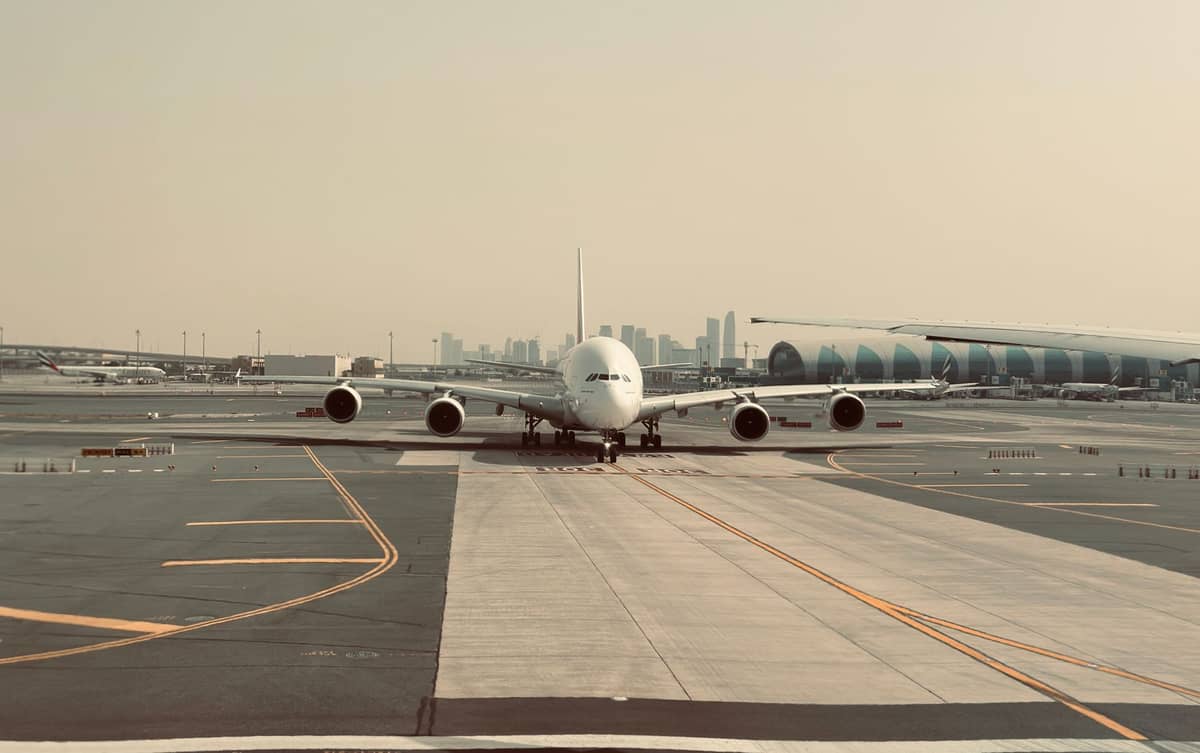
Dubai International Airport (IATA: DXB) sits approximately 15 km from the city centre, with a typical car journey of 20–30 minutes outside peak traffic. It is one of the world's busiest international airports and handles direct routes from virtually every major city. If you are arriving for a luxury trip, your options from the airport set the tone: the Dubai Metro Red Line reaches central stations like BurJuman or Union in about 25–35 minutes for around 5–7.5 AED per person — practical but not exactly a soft arrival. A metered RTA airport taxi costs approximately 60–90 AED to Downtown Dubai. Ride-hailing via Careem or Uber typically runs 50–100 AED depending on demand and destination. For a true luxury arrival, a pre-booked private transfer in a premium vehicle starts around 150–250 AED and can be arranged directly through your hotel, most of which offer this as standard.
Within the city, the Dubai Metro is genuinely useful for getting between major points — Downtown, Business Bay, Dubai Marina, and the airport are all well-served. For luxury travel day-to-day, most visitors default to taxis or Careem. If you want the full experience, several companies offer chauffeur-driven supercars and luxury SUVs by the hour or day. For a more structured look at your movement options, our guide to getting around Dubai covers each mode in detail, including the Palm Monorail and water taxis on Dubai Creek.
Practical Details Every Luxury Traveler Should Know
The best time to visit for luxury travel aligns with Dubai's peak tourist season: November through March, when daytime temperatures sit between 24–31°C and spending time outdoors is genuinely comfortable. November is widely regarded as the strongest all-round month, combining good weather with slightly lower prices than December and January. Summer (June–September) brings temperatures regularly exceeding 40°C and high humidity; this is when luxury hotels drop rates dramatically and some travelers specifically come for the deals, spending most of their time in air-conditioned interiors, beach clubs, and spas. For a full seasonal breakdown, see our best time to visit Dubai analysis.
Dubai uses Type G (British three-pin) power outlets at 230V, 50Hz. Tipping is discretionary but common: around 10% in restaurants where service charge is not already included, and rounding up taxi fares. In luxury hotel restaurants, a service charge is usually added automatically — check the bill before adding more. Arabic is the official language but English is the universal language of business and hospitality; you will encounter no barriers communicating in any high-end venue. Emergency services are reached on 999 (police) and 998 (ambulance). The UAE country code is +971, with Dubai landlines prefixed +971 4.
Dubai's public face is cosmopolitan and permissive within licensed venues, but the city operates under UAE federal law and local emirate regulations. Alcohol is available in licensed hotels, restaurants, and clubs but not in public spaces. Dress modestly when moving between venues — what's acceptable in a beach club is not appropriate in a souk or mall. Our guide to Dubai rules for tourists covers this in the necessary detail, and reading it before you arrive will prevent the kind of avoidable incidents that occasionally make headlines.
- Visa policy: the UAE offers visa-free or visa-on-arrival access to nationals of many countries, but the list changes and differs by passport. Verify with the UAE General Directorate of Residency and Foreigners Affairs or your airline before travel.
- Tap water in Dubai is treated and meets international standards, but most visitors and residents drink bottled water. At luxury properties, filtered or still/sparkling water will be provided.
- The AED is fixed to the USD at 3.67, making price comparisons straightforward for American travelers. EUR and GBP rates fluctuate.
- Ramadan timing shifts annually. If your visit coincides with Ramadan, eating and drinking in public during daylight hours is restricted — luxury hotels handle this gracefully with screened dining areas, but it changes the city's rhythm significantly. Our guide to Ramadan in Dubai explains what to expect.
💡 Local tip
If you are planning a honeymoon or special occasion trip, Dubai delivers well on romance and spectacle — overwater villas, private beach dinners, and helicopter transfers are all genuinely available. Our Dubai honeymoon guide covers the best properties and experiences specifically designed for couples.
Is Luxury Dubai Worth It? An Honest Assessment
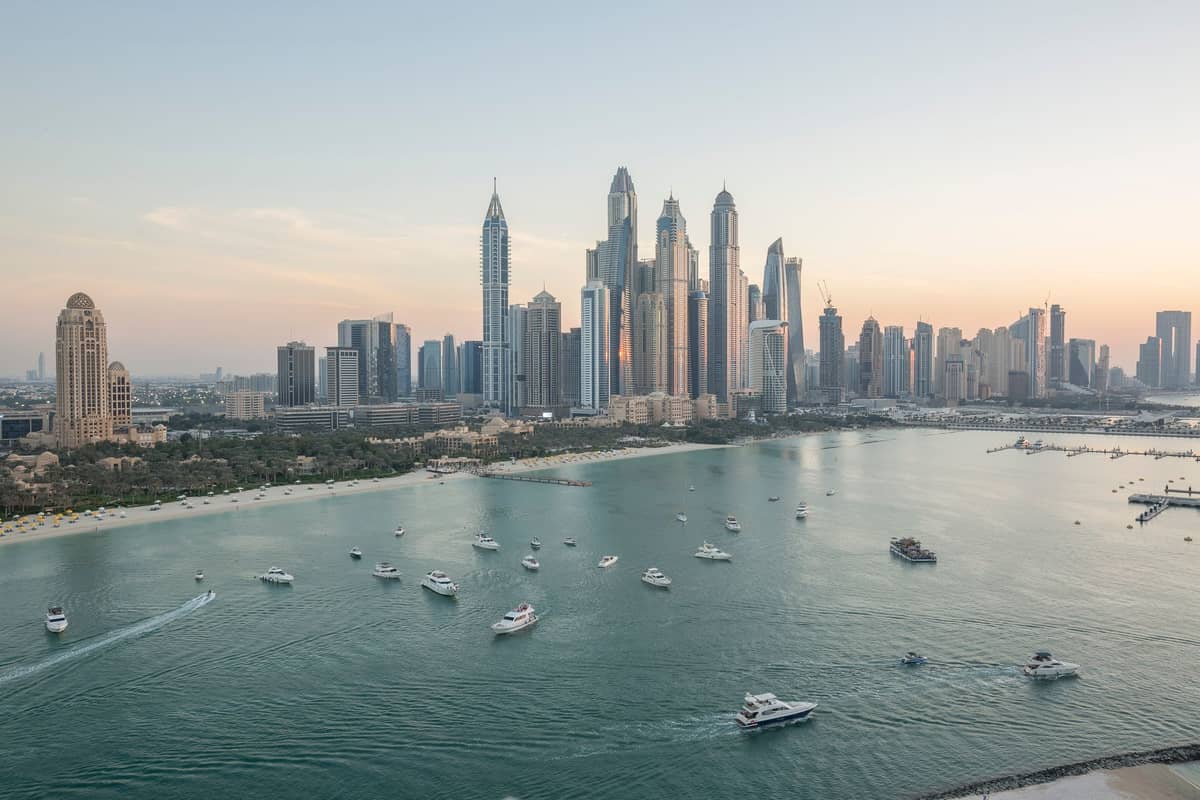
Dubai's luxury market is legitimate at the top end: the hotels are genuinely world-class, the Michelin-starred restaurants are serious, and the sheer concentration of premium infrastructure is unmatched outside of a handful of global cities. Where it falls short for some travelers is in cultural depth and authenticity. The old city, the creek districts, and the traditional souks exist and are worth visiting, but luxury Dubai is fundamentally a constructed experience. If you want ancient heritage, layered history, or the feeling of accidentally discovering something real, Dubai requires more effort to deliver those moments.
That said, for travelers who want superlative service, architectural spectacle, excellent food, and reliable sunshine between November and March, Dubai is hard to argue against. The city also functions as an excellent base for day trips: Abu Dhabi is roughly 90 minutes away and home to the Louvre Abu Dhabi and Sheikh Zayed Grand Mosque. The mountain village of Hatta offers a genuinely different landscape about 90 minutes' drive from the city centre, with wadi kayaking and a heritage village that provides genuine contrast to the Downtown towers. For a well-rounded itinerary that mixes luxury with substance, a minimum of five nights in Dubai is recommended.
FAQ
What is the most expensive hotel in Dubai?
In 2025–2026, the Burj Al Arab and Atlantis The Royal compete for the top position. Flagship suites at both properties have been advertised above AED 100,000 per night (approximately USD 27,000). The Bulgari Resort Dubai also offers ultra-premium villa options. Entry-level rooms at iconic properties typically start around USD 1,100–1,300 base rate before taxes.
How many Michelin-starred restaurants does Dubai have?
The MICHELIN Guide Dubai 2025 lists 119 restaurants in total, including 2 restaurants with three Michelin stars, 3 with two stars, and 14 with one star. This makes Dubai one of the most recognised fine dining destinations in the Middle East and one that competes seriously on a global level.
When is the best time to visit Dubai for luxury travel?
November through March is peak luxury season, with daytime temperatures of 24–31°C and all outdoor experiences — beach clubs, rooftop bars, desert safaris — at their most comfortable. November offers the best combination of good weather and slightly lower hotel rates before the December–January peak. Summer (June–September) sees temperatures above 40°C but significant discounts at top hotels for those who don't mind spending most of the day indoors.
Is Dubai only for ultra-wealthy travelers?
No. While Dubai has some of the world's most expensive hotels and experiences, it also has a wide range of four-star hotels, mid-range restaurants, free beaches, and public attractions. Luxury travelers will find an exceptional offering, but the city is not exclusively for the ultra-wealthy. The Michelin Bib Gourmand selections, for example, highlight excellent-value restaurants. Budget and mid-range travel in Dubai is a different but entirely viable experience.
Do I need to dress formally at Dubai's luxury hotels and restaurants?
Smart casual is the minimum at most luxury hotel restaurants and rooftop bars; formal dress (jacket for men) is expected at several Michelin-starred venues. Resort wear is fine at beach clubs and pool areas. When moving between venues or visiting non-resort areas, modest clothing is appropriate — shoulders and knees covered is a reasonable baseline for public spaces and shopping malls.