Abu Dhabi from Dubai: The Complete Day Trip Guide
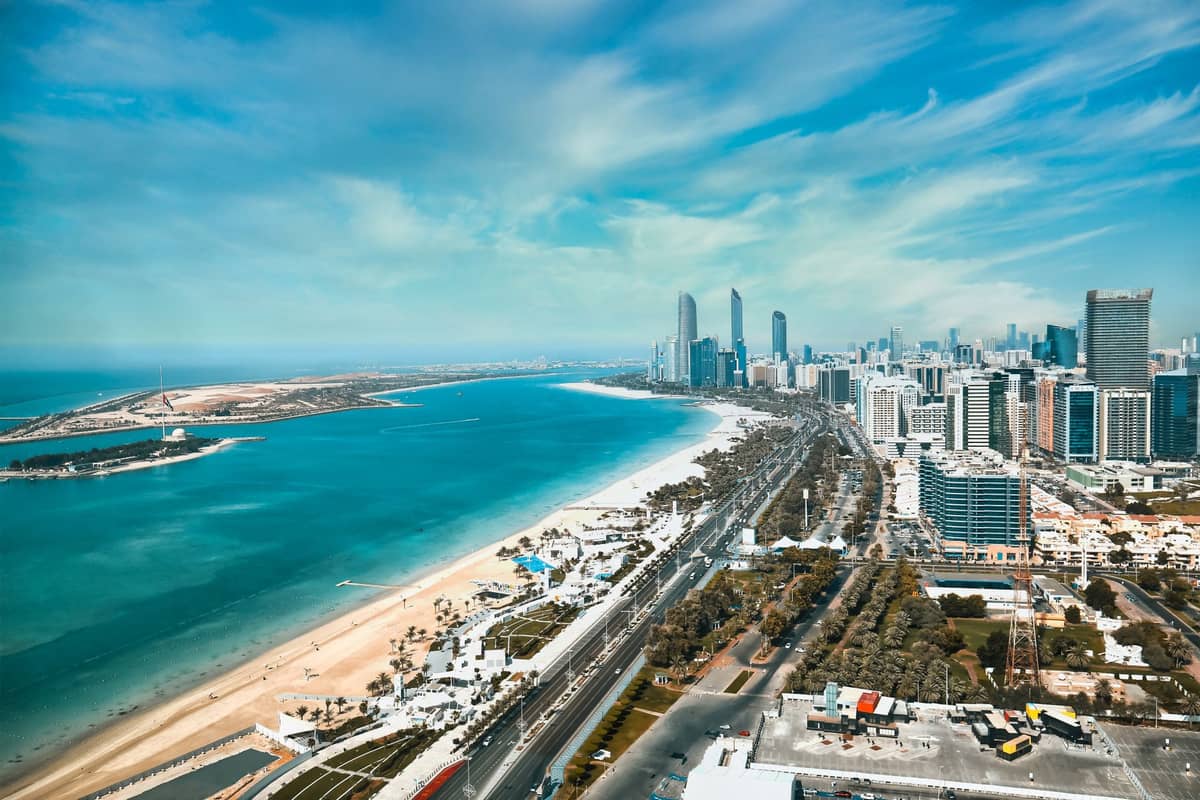
Abu Dhabi is an easy 90-minute drive from Dubai and one of the most rewarding day trips you can make from the emirate. This guide covers every transport option, the real costs, what to prioritize, and the common mistakes that waste your time.
TL;DR
- Abu Dhabi is roughly 140 km from Dubai city centre, with journey times of 90 minutes to 2 hours depending on transport and traffic.
- The cheapest way to get there is the intercity bus (E100/E101) from Union Square for around AED 25 one way — see our guide to getting around Dubai for getting to the bus terminal.
- Sheikh Zayed Grand Mosque is the anchor attraction: open daily 9:00 AM to 10:00 PM, with reduced Friday hours and free admission for all visitors.
- Plan to leave Dubai by 8:00 AM to make the most of the day before heat and crowds peak.
- One day is enough for the Grand Mosque plus one or two other sights — trying to see everything in a single day will leave you exhausted and rushed.
How Far Is Abu Dhabi from Dubai, and How Long Does It Take?

Abu Dhabi sits approximately 140 km southwest of Dubai along the E11 (Sheikh Zayed Road) highway. In light traffic, the drive takes around 90 minutes. During peak periods, particularly Thursday evenings, Friday mornings, and public holidays, that can stretch to two and a half hours. Factor this in when planning your return: leaving Abu Dhabi after 5:00 PM on a Friday can turn a routine journey into a slog.
The road between the two cities is one of the best-maintained highways in the UAE, largely straight and well-signposted in both Arabic and English. You will pass through the emirate of Sharjah briefly, though you will not notice a formal border crossing. There are no checkpoints between Dubai and Abu Dhabi for UAE residents and tourists already inside the country.
Getting from Dubai to Abu Dhabi: Every Transport Option Compared
You have four realistic options: intercity bus, shared taxi, private car or rental, and an organized day tour. Each has a different cost-to-convenience trade-off, and the right choice depends almost entirely on your priorities.
- Intercity Bus (E100/E101) — Best Value Buses depart from Union Square Bus Station in Deira and Al Ghubaiba Bus Station in Bur Dubai. The E100 and E101 are the main routes, running roughly every 20-40 minutes throughout the day. One-way fare is around AED 25. Journey time is typically 2 hours. You arrive at Abu Dhabi Central Bus Station, from which you will need a local taxi or the Abu Dhabi city bus to reach major attractions. Pay by Nol card (Dubai side) or Hafilat card / cash on the Abu Dhabi side.
- Shared Taxi (Service Taxi) — Fast but Unpredictable Shared taxis run from Al Ghubaiba and fill up before departing. Fares are typically AED 50-70 per seat. They can be quicker than the bus if they fill quickly, but there is no fixed schedule — you wait until the vehicle has enough passengers. Not ideal if you have a timed entry or early mosque visit planned.
- Private Car or Rental — Most Flexible Renting a car or taking a metered taxi gives you full control over timing and route. A one-way Careem or Uber to Abu Dhabi typically costs AED 200-350 depending on demand, which makes a round trip expensive. Renting a car for the day often works out cheaper for groups of three or more. Note that Uber and Careem operate between emirates, though surge pricing can apply on busy days.
- Organized Day Tour — Least Effort Numerous operators run Abu Dhabi day trips from Dubai, usually departing around 8:00-9:00 AM and returning by 7:00-9:00 PM. Prices range from AED 180-350 per person including transport and some admission fees. The convenience is real, but you surrender flexibility — group tours spend a lot of time waiting and moving between sites. Worth considering if you prefer not to navigate independently.
💡 Local tip
If you are taking the intercity bus, arrive at Union Square Bus Station at least 20 minutes before your intended departure. Buses fill up quickly on weekends, and standing is not permitted on intercity routes. The earlier morning buses (before 9:00 AM) tend to be less crowded than mid-morning departures.
Sheikh Zayed Grand Mosque: What You Actually Need to Know
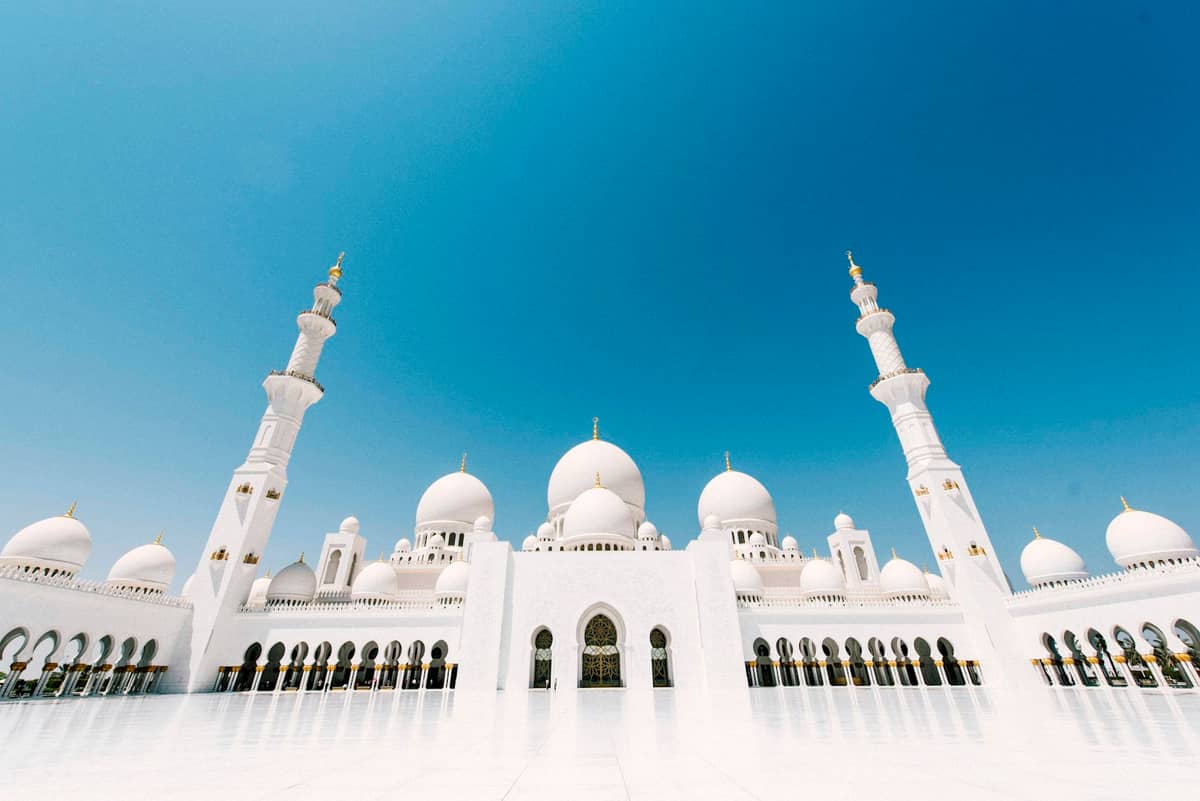
The Sheikh Zayed Grand Mosque is the centrepiece of any Abu Dhabi day trip and genuinely deserves the attention it receives. It is one of the largest mosques in the world, accommodating over 40,000 worshippers, and the white marble exterior with its 82 domes is striking at any hour. The interior contains one of the world's largest hand-knotted carpets and a pair of enormous Swarovski crystal chandeliers. It is an active place of worship, which means rules around dress and behavior are enforced, not merely suggested.
Admission details as of the official Sheikh Zayed Grand Mosque Centre website: entry to the mosque is free for all visitors, with optional paid add-on services. The mosque is open daily from 9:00 AM to 10:00 PM. On Fridays, hours are reduced to 9:00 AM to 12:00 PM, then closed for Friday prayers, reopening at 3:00 PM through 10:00 PM. During Ramadan, hours shift again — always verify on the official SZGMC website before travel, as these changes are not always reflected on third-party booking platforms.
⚠️ What to skip
Do not assume the mosque is always open on the same schedule. Entry is free for visitors, and Friday hours are significantly reduced. If you arrive between 12:00 PM and 3:00 PM on a Friday expecting entry, you will be turned away. Check szgmc.gov.ae for the latest hours, especially around Ramadan and national holidays.
Dress code is strictly enforced at the entrance. Women must cover their hair, arms, and legs completely — abayas and hijabs are available to borrow at the entrance free of charge, but bringing your own is more comfortable. Men must wear long trousers and covered shoulders. Shoes are removed before entering the prayer hall. Photography is welcome throughout, and the mosque is photogenic at virtually any time of day, though the hour before sunset and after sunset produce the best light on the white marble. Early morning visits (around 9:00-10:00 AM) offer the fewest crowds.
What Else to See in Abu Dhabi on a Day Trip
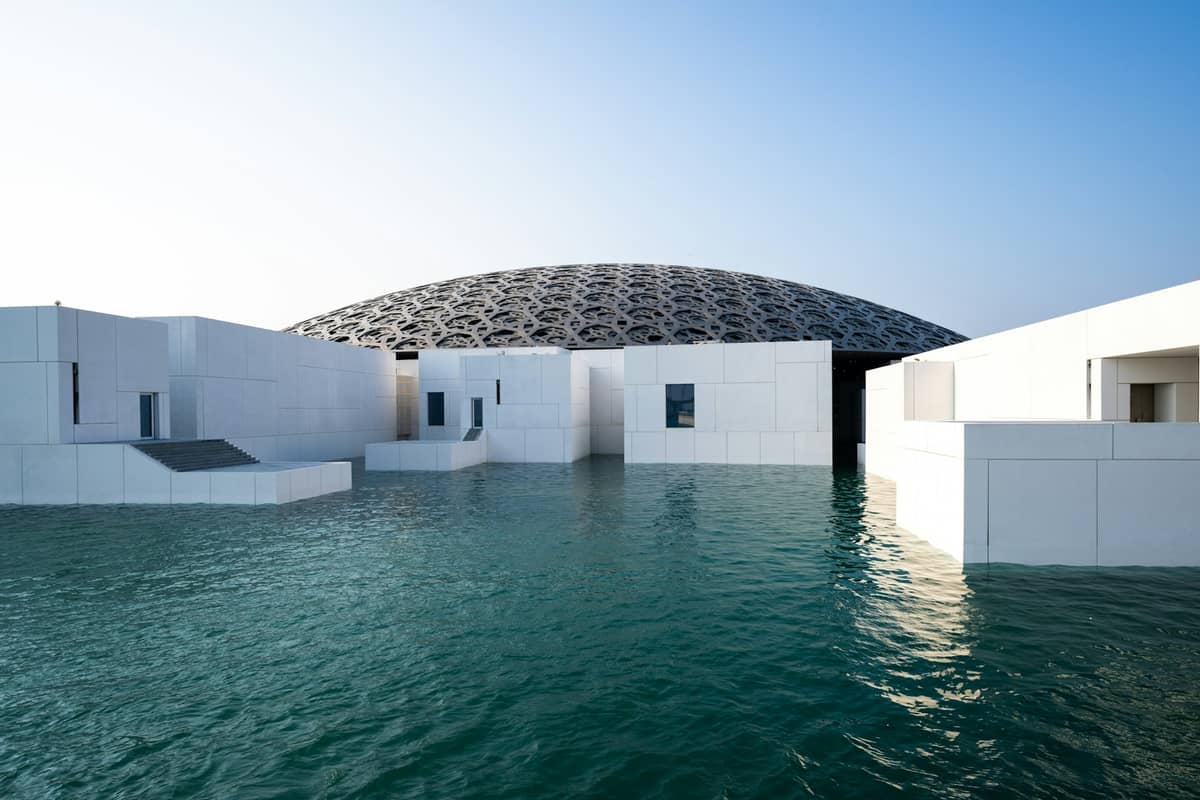
Beyond the Grand Mosque, Abu Dhabi has a handful of sights worth including depending on your interests. The museum scene across the UAE has expanded significantly in recent years, and Abu Dhabi's Louvre Abu Dhabi on Saadiyat Island is among the most architecturally distinctive museums in the region. The building itself, designed by Jean Nouvel with a latticed dome that creates a rain of light effect, is worth the visit even if you spend only an hour inside. Entry is around AED 63 for adults.
- Louvre Abu Dhabi (Saadiyat Island): architecture and art, AED 63 adults — allow 1.5 to 2 hours
- Qasr Al Watan (Presidential Palace): impressive interior open to visitors, around AED 65 adults — allow 1 to 1.5 hours
- Corniche Beach: a 8 km waterfront promenade good for a walk or early evening wind-down, free access
- Emirates Palace Hotel: one of the most ornate hotels in the region, open for lobby visits and afternoon tea — no admission fee to enter the lobby
- Yas Island (Ferrari World, Warner Bros. World): only realistic if you are specifically coming for theme parks and have a full day — the drive from the city centre adds time
Realistically, in a single day trip from Dubai, you can do the Grand Mosque thoroughly plus one other major sight. The Grand Mosque alone, with travel time from the bus station and proper time inside, takes about two to three hours. Factor in a taxi between sites, lunch, and your return journey, and the day fills up faster than most itineraries suggest.
✨ Pro tip
Qasr Al Watan is less visited than the Grand Mosque but arguably just as impressive inside. If you have already done the mosque on a previous visit, the Presidential Palace tour is a strong alternative anchor for a return day trip. Try to time your visit there for late morning before the midday heat makes outdoor movement uncomfortable.
Timing Your Day Trip: When to Go and What to Avoid
The best time to visit the UAE overall is November through March, when temperatures are manageable outdoors. For Abu Dhabi day trips specifically, this window matters even more because you will be spending time outside moving between sites. Between June and September, daytime temperatures regularly exceed 40°C in Abu Dhabi, and spending time outdoors beyond short walks becomes genuinely unpleasant.
Friday is the one day to approach carefully. The Grand Mosque has reduced morning hours, much of Abu Dhabi is quieter in the morning due to Friday prayers, and the highway back to Dubai gets congested in the late afternoon as families return from weekend outings. If you must go on a Friday, aim to be at the mosque by 9:30 AM, see it before the midday closure, then use the quiet midday period for lunch and the Louvre or Qasr Al Watan in the afternoon.
Weekday trips, particularly Sunday through Tuesday, offer the most relaxed experience with shorter queues and lighter traffic on the E11. During Ramadan, the schedule changes significantly: the mosque has adjusted visiting hours, many restaurants are closed during daylight hours, and the overall rhythm of the city shifts. Some visitors find Ramadan Abu Dhabi atmospheric; others find the logistical constraints frustrating. Check official sources for the exact Ramadan schedule before booking.
Practical Details: Money, Getting Around Abu Dhabi, and Local Tips
The UAE dirham (AED) is used across all seven emirates, so your Dubai cash and cards work identically in Abu Dhabi. There is no currency exchange needed. Card payments are widely accepted, including at the Grand Mosque admissions desk, Louvre Abu Dhabi, and most restaurants.
Getting around Abu Dhabi from the bus station requires either local taxis or the Abu Dhabi city bus network. Taxis in Abu Dhabi are metered and generally reliable; expect AED 15-25 from the bus station to the Grand Mosque. Uber and Careem both operate in Abu Dhabi. There is no metro system in Abu Dhabi, so you will be taxi-dependent for most of the day. This is an important distinction from Dubai, where the Dubai Metro can handle much of your movement.
Lunch options near the Grand Mosque are limited. The mosque itself has a cafe, but for a proper meal you are better off heading toward the Corniche or Al Maryah Island where restaurants cluster. If you are on a tight schedule, eat before leaving Dubai or bring snacks for the journey. Restaurant options improve significantly around Louvre Abu Dhabi on Saadiyat Island if that is part of your itinerary.
Abu Dhabi has its own set of cultural norms that align closely with Dubai's. Public dress should be modest outside beach or resort areas. For a broader understanding of UAE rules for tourists that apply across the emirates, it is worth reviewing those before your trip. What applies in Dubai largely applies in Abu Dhabi, though Abu Dhabi is considered slightly more conservative in practice.
ℹ️ Good to know
There are no formal border controls between Dubai and Abu Dhabi for tourists already inside the UAE. You do not need any additional paperwork or visa stamp to cross between emirates. However, rental car agreements occasionally restrict cross-emirate travel — confirm with your rental company before driving to Abu Dhabi in a hired vehicle.
If you are spending multiple days in Dubai and want to plan your time efficiently, the 3-day Dubai itinerary and day trips from Dubai guides can help you slot Abu Dhabi into a broader trip without doubling back or wasting transit time.
FAQ
How long does it take to get from Dubai to Abu Dhabi by bus?
The intercity bus (E100 or E101) takes approximately 2 hours from Union Square or Al Ghubaiba bus station in Dubai to Abu Dhabi Central Bus Station. Journey time can be slightly longer in heavy traffic. Buses depart regularly throughout the day, typically every 20-40 minutes, at a one-way fare of around AED 25.
Is a day trip from Dubai to Abu Dhabi worth it?
Yes, if you prioritize correctly. The Sheikh Zayed Grand Mosque alone justifies the journey — it is on a different scale from anything in Dubai. Add one more attraction (Louvre Abu Dhabi or Qasr Al Watan) and you have a full, rewarding day. Trying to see everything in a single day is not worth it; you will spend more time in taxis than at attractions.
What are the Sheikh Zayed Grand Mosque opening hours?
The mosque is open daily from 9:00 AM to 10:00 PM. On Fridays, hours are 9:00 AM to 12:00 PM, then 3:00 PM to 10:00 PM. Entry is free for all visitors, but during Ramadan, hours change — always verify on the official Sheikh Zayed Grand Mosque Centre website (szgmc.gov.ae) before travel.
Is the Sheikh Zayed Grand Mosque free to enter?
Yes. Entry to the Sheikh Zayed Grand Mosque is free for all visitors, though optional premium experiences may carry a separate charge. General admission is not ticketed, despite what some older travel articles suggest. Verify current visiting procedures on the official SZGMC website as policies can change.
Can I take a taxi from Dubai to Abu Dhabi?
Yes. Dubai taxis are permitted to travel to Abu Dhabi, and ride-hailing apps like Careem and Uber also operate between the two cities. A one-way fare typically ranges from AED 200-350 depending on demand and exact route. This is considerably more expensive than the bus but offers door-to-door convenience. Confirm with the driver before departure that they are willing to make the intercity trip.