Freddie Mercury in Zanzibar: Birthplace, Museum & Heritage Trail
Freddie Mercury was born in Zanzibar in 1946, and Stone Town still carries the traces of his early life. This guide covers the museum, the birthplace controversy, the Shangani heritage trail, and exactly what to expect when you visit.
Tickets & tours
Live prices and dates from our booking partner. If you book, we may earn a commission at no extra cost to you.
TL;DR
- Freddie Mercury was born Farrokh Bulsara in Zanzibar on 5 September 1946, but at the Government Hospital, not the house now marketed as his birthplace.
- The Freddie Mercury Museum on Kenyatta Road in Stone Town opened in 2019 and covers his early life and Parsi heritage. Admission is around US$10 for adults.
- Opening hours conflict across sources (9 a.m.–8 p.m. vs. 10 a.m.–6 p.m.), so confirm directly before visiting.
- The museum fits naturally into a Stone Town walking tour and pairs well with nearby historic sites in the Shangani district.
- This is a niche, low-key attraction: meaningful for Queen fans, but not a polished world-class museum. Calibrate expectations accordingly.
Who Was Freddie Mercury and Why Does Zanzibar Claim Him?
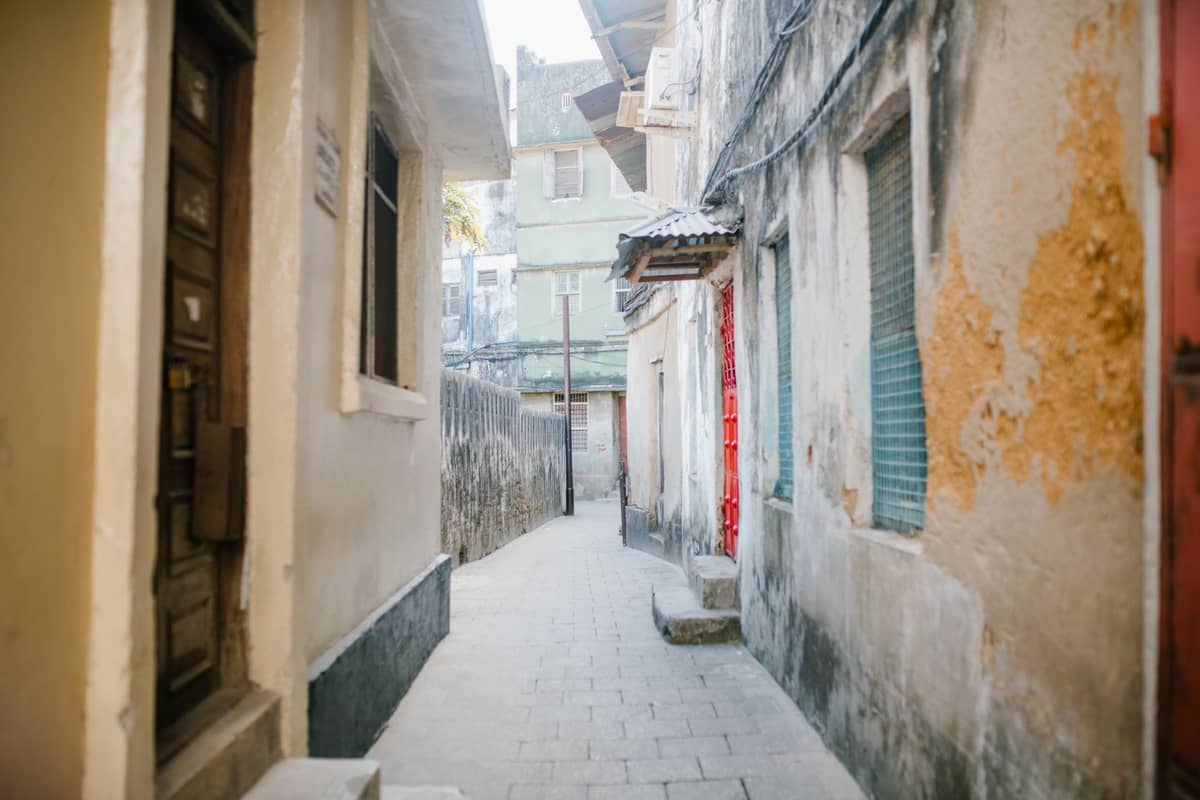
Freddie Mercury, born Farrokh Bulsara on 5 September 1946, is one of the most celebrated rock musicians in history and the lead vocalist of Queen. His connection to Zanzibar is real and significant, but it is also frequently misrepresented in tourist marketing.
Mercury's parents were Parsi Zoroastrians from India, and his father worked as a colonial civil servant for the British government. The family lived in Stone Town during his early childhood before relocating to India for his schooling. Mercury later moved to England in his teens, where he eventually formed Queen in 1970. He never returned to Zanzibar as an adult, and he reportedly felt ambivalent about his origins throughout his life.
What matters for visitors: Mercury spent only a small portion of his childhood on the island, yet Zanzibar's claim is entirely legitimate. He was born here, his formative early years were shaped in part by this environment, and the Swahili coast's multicultural atmosphere, where Arab, Indian, African, and British influences overlapped, was the backdrop of his earliest years. Whether that shaped his theatrical sensibility is speculation, but it makes for a compelling story.
⚠️ What to skip
The house on Kenyatta Road is described in some sources as Freddie Mercury's birthplace. This is not accurate. The BBC reports that Mercury was born at Zanzibar's Government Hospital. The house is correctly understood as a childhood residence associated with the Bulsara family, not the site of his birth. Reputable operators and guides will make this distinction.
The Freddie Mercury Museum: What to Expect
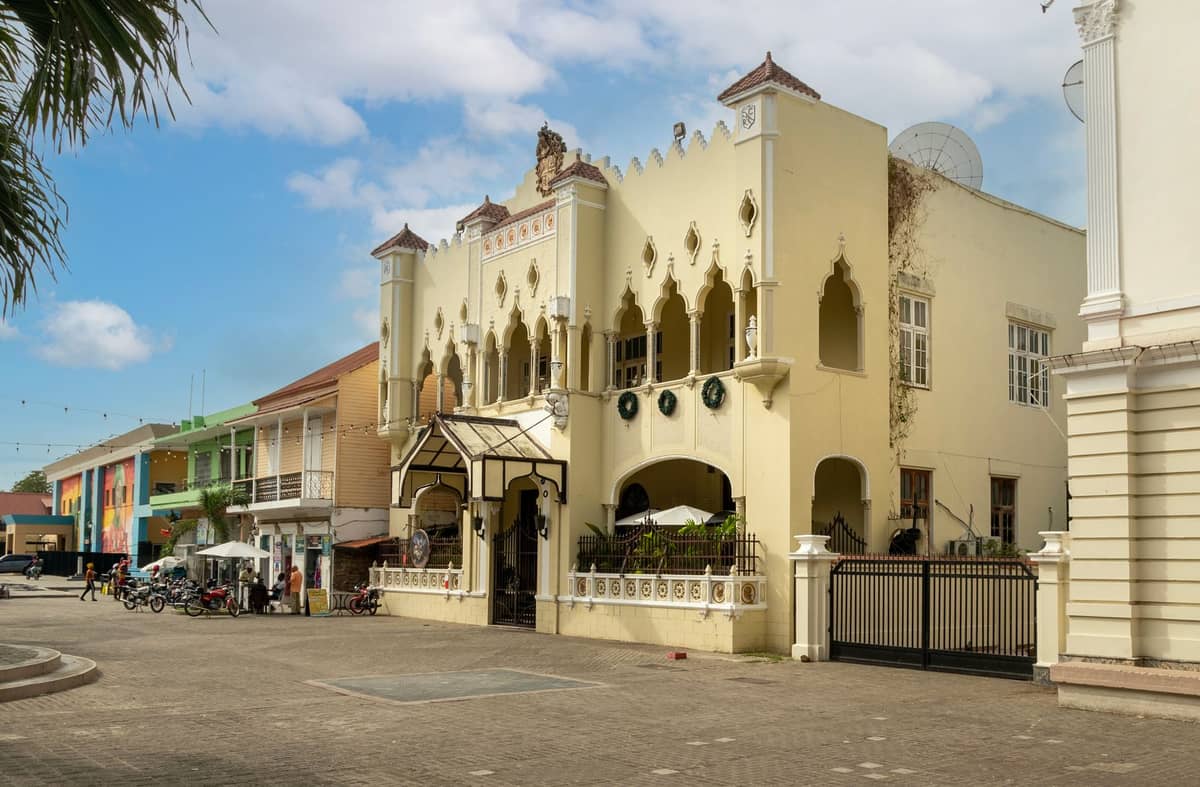
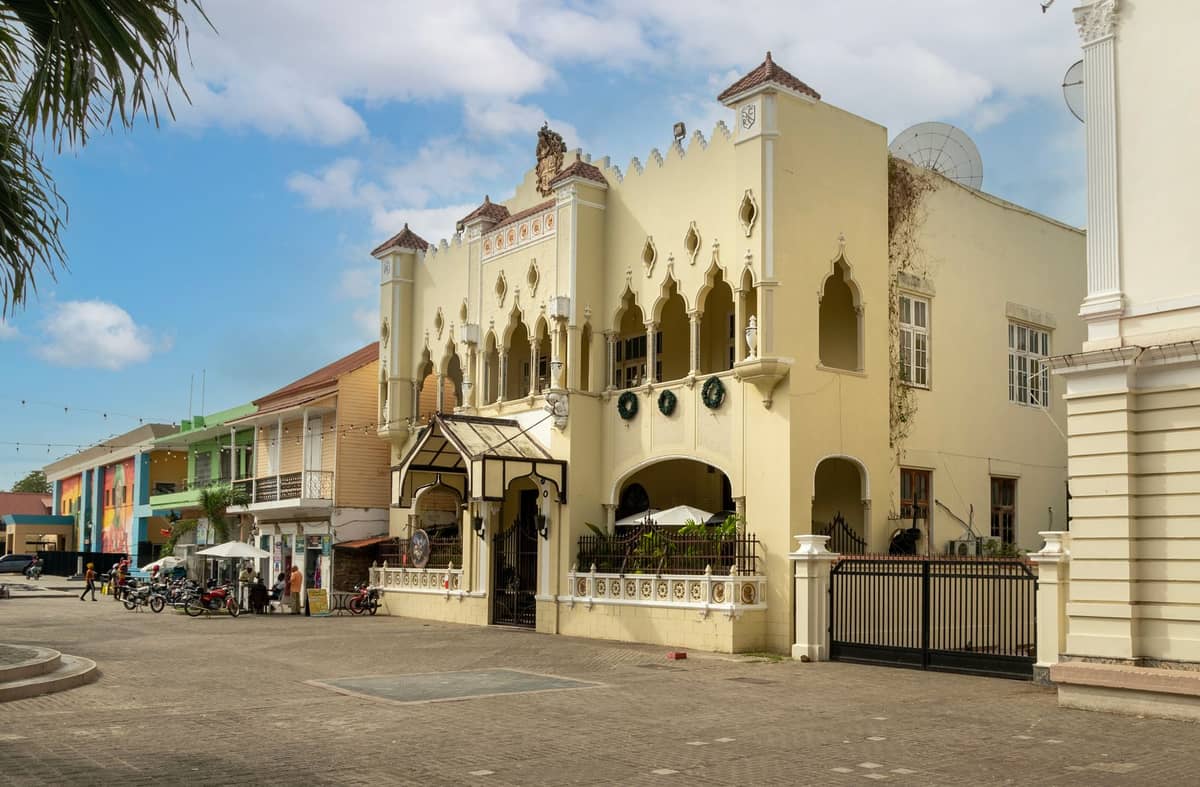
The Freddie Mercury Museum sits on Kenyatta Road in the Shangani area of Stone Town, in a building associated with the Bulsara family's time in Zanzibar. It opened in 2019 and is the island's formal tribute to its most famous son. The ground floor operates as a gift shop selling Queen merchandise, postcards, and souvenirs. The upper floors contain the museum exhibits proper.
The exhibits cover Mercury's early life in Zanzibar, his Parsi heritage, his family background, and his global career with Queen. Expect photographs, memorabilia, reproductions of personal documents, and display panels covering his rise from Farrokh Bulsara to one of rock's defining frontmen. The collection is modest compared to major music museums in Europe or the US, but it is thoughtfully put together and genuinely informative about the Zanzibar context that most Queen documentaries skip over.
- Location Kenyatta Road, Shangani district, Stone Town, Zanzibar City
- Admission Around US$10 for adults, around US$6 for children (verify on arrival as prices can change)
- Opening hours Sources conflict: one lists 9 a.m.–8 p.m., others report 10 a.m.–6 p.m. daily. Confirm directly with the museum before visiting.
- Time needed 45 minutes to 1.5 hours is typical for most visitors
- Photography Generally permitted in public areas; check signage inside the exhibit rooms
💡 Local tip
Visit in the morning on weekdays to avoid group tours, which tend to arrive mid-morning and clog the small exhibit rooms. The museum's upper floors feel cramped when more than 10 people are inside at once.
The Shangani Heritage Trail: Beyond the Museum
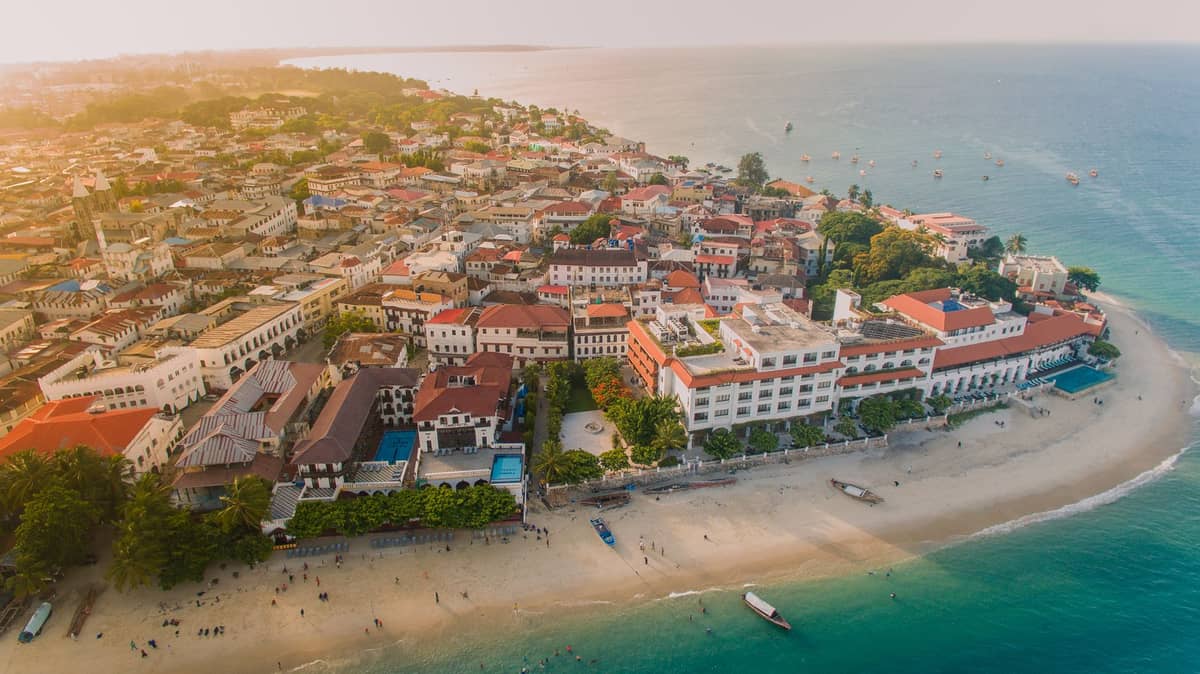
The Freddie Mercury Museum is just one stop in the Shangani district, which is Stone Town's most architecturally layered quarter. Combining the museum visit with a broader walk through this area turns a single attraction into a half-day of genuine discovery. For a full overview of the area's history and landmarks, the Stone Town walking guide covers the most important routes in detail.
A short walk from the museum puts you in front of the Old Dispensary, one of Stone Town's most ornate colonial buildings, and the Zanzibar waterfront, where dhow traffic still moves as it has for centuries. The Shangani area also contains some of Stone Town's finest examples of carved wooden doors, the architectural signature of Zanzibari design.
For visitors interested in Zanzibar's deeper history, the Slave Trade Museum is within walking distance and provides essential context for understanding Stone Town's layered past. The House of Wonders and the Hamamni Persian Baths are also nearby and reflect the Persian and Omani influences that shaped the same multicultural world Mercury was born into.
✨ Pro tip
Stone Town's narrow lanes are disorienting by design: the maze structure was partly intentional for defense. Download an offline map before you go, or accept that getting briefly lost is part of the experience. Most landmarks are within a 15-minute walk of each other in the Shangani and Forodhani areas.
Is the Museum Worth Visiting? An Honest Assessment
For dedicated Queen fans, the answer is straightforward: yes. The museum offers context and artifacts you will not find anywhere else, and standing in the building where Mercury's family lived carries a certain emotional weight that no documentary can replicate.
For general travelers, the honest assessment is more nuanced. The museum is small, the exhibits are informative but not immersive, and the US$10 admission is on the higher end for what is delivered. If you are in Stone Town for even a day, it is worth the stop. If you are making a special detour from the north or east coast beaches purely for this, calibrate your expectations before committing to the journey.
What the museum does exceptionally well is the Zanzibar-specific storytelling. Most Queen biographies treat Mercury's origins as a brief footnote before moving on to London and rock stardom. Here, the island context gets full attention: the Parsi community's presence in East Africa, the colonial civil service world his father inhabited, and the particular atmosphere of 1940s and 1950s Zanzibar. That angle alone makes it worth the admission for culturally curious travelers.
- Worth the visit if: you are a Queen fan, you are spending at least a day in Stone Town, or you are interested in Zanzibar's multicultural colonial history
- Skip or lower priority if: you have only a few hours in Stone Town and need to choose between this and the Slave Trade Museum or Jozani Forest
- Not suitable for: visitors expecting a large, interactive music museum in the vein of the Rock and Roll Hall of Fame or similar institutions
- Combine with: a broader Shangani district walk to maximize your time and make the entry cost feel worthwhile
Getting to the Museum and Practical Logistics
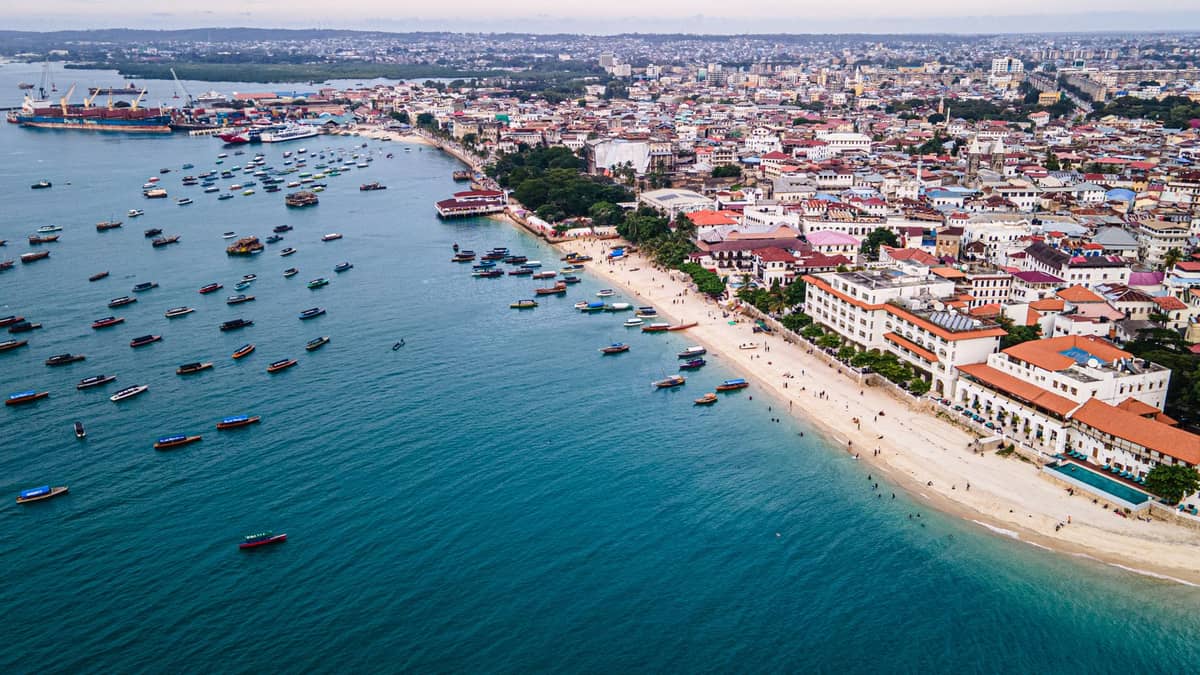
The museum is in Stone Town, which is the urban heart of Zanzibar City on the western coast of Unguja island. If you are staying in Stone Town itself, the museum is walkable from virtually any hotel in the area. If you are based at one of the beach resorts on the north or east coast, getting here requires a transfer. For full details on how transport works across the island, see the guide to getting around Zanzibar.
From Abeid Amani Karume International Airport (ZNZ), Stone Town is roughly 7 km north, about a 15 to 20 minute drive by taxi. Taxis to Stone Town from the airport typically cost around US$15; agree the fare before departing, as meters are not standard. Dala-dala shared minibuses (route 505) also connect the airport to Stone Town for a fraction of the cost, though the drop-off point is several hundred meters from the terminal and the journey takes around 30 minutes. Uber, Grab, and Careem do not currently operate in Zanzibar.
Once in Stone Town, navigation to the museum is straightforward. Head toward the Shangani peninsula, the southwestern tip of Stone Town facing the sea, and find Kenyatta Road. The building is signposted and the neighborhood is walkable, though the lanes can be confusing. Pair this visit with Forodhani Gardens in the evening for the famous street food market, which is a 10-minute walk away.
ℹ️ Good to know
Stone Town is a UNESCO World Heritage Site, and much of it is pedestrian-only. Vehicles can reach the outer edges but cannot navigate the interior lanes. Wear comfortable shoes, carry small bills in Tanzanian shillings or US dollars, and allow more time than you think you need for navigation.
Freddie Mercury's Zanzibar in Context: The Bigger Picture
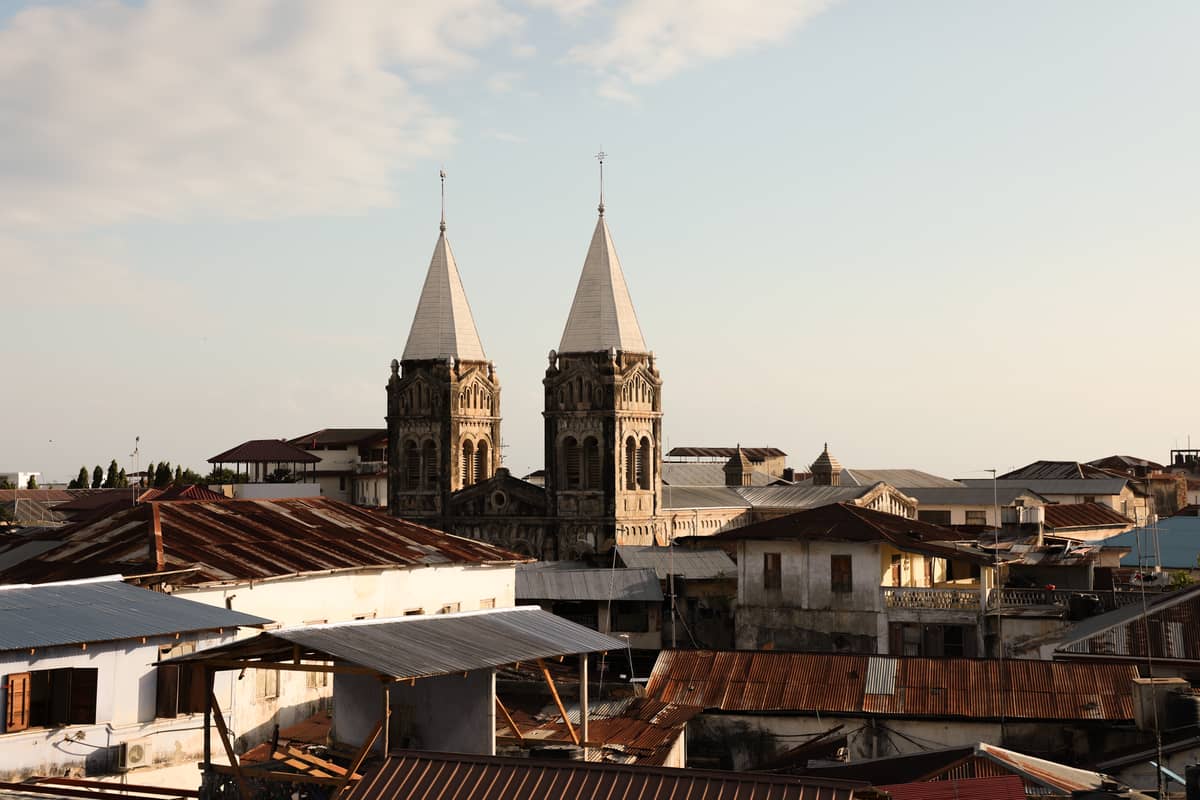
Zanzibar in the 1940s was a British protectorate with a highly stratified, multiethnic society. Arab, Omani, Indian, African, and European communities all coexisted in ways that were simultaneously cosmopolitan and deeply colonial. The Parsi Zoroastrian community that Mercury's family belonged to was a small but established presence in East African trading ports, part of the broader Indian Ocean network of merchants and civil servants. Understanding this context makes the museum considerably more interesting. For deeper reading on the island's social history, the guide to Zanzibar's slave trade history provides essential background on the same era.
Freddie Mercury left Zanzibar as a child and his adult identity was shaped by England, not the island. But his theatrical flamboyance, his comfort with cultural hybridity, and perhaps his instinct for reinvention all have roots, however tangled, in a childhood spent at the intersection of multiple worlds. That is the story Stone Town tells best. If you want to extend your time exploring the island's character beyond the museum, the Zanzibar Swahili culture guide and the spice tour guide both offer ways to engage with the living culture Mercury grew up alongside.
FAQ
Where exactly was Freddie Mercury born in Zanzibar?
Freddie Mercury, born Farrokh Bulsara, was born at Zanzibar's Government Hospital on 5 September 1946, according to BBC reporting. The house on Kenyatta Road now operating as the Freddie Mercury Museum is associated with the Bulsara family's residence but is not confirmed as the site of his birth. The distinction matters: some tourist materials describe the house as his birthplace, which is misleading.
How much does it cost to visit the Freddie Mercury Museum in Zanzibar?
Admission is reported at around US$10 for adults and around US$6 for children. Prices can change, so verify on arrival. The ground floor gift shop is free to browse.
What are the opening hours of the Freddie Mercury Museum?
Available sources conflict: one reports 9 a.m. to 8 p.m. daily, while other visitor accounts suggest 10 a.m. to 6 p.m. The safest approach is to contact the museum directly or confirm with your hotel in Stone Town before making the trip, especially around public holidays.
Can I visit the Freddie Mercury Museum without a tour guide?
Yes. The museum is independently accessible and well-signposted. Entry, exhibits, and the gift shop can all be experienced without a guide. However, joining a Stone Town walking tour that includes the museum as a stop can add useful historical context, particularly for visitors less familiar with Zanzibar's colonial history and the Parsi community's role in East Africa.
Is the Freddie Mercury Museum worth visiting if I am not a Queen fan?
Potentially yes, but for different reasons. The museum's strongest material covers the multicultural society of colonial-era Zanzibar and the Parsi Zoroastrian community, which is genuinely interesting history. If you are primarily interested in Queen's music and Mercury's rock career, the exhibit is thin on that material compared to what you would find in European music museums. Pair it with a broader Stone Town walk to make the visit feel complete regardless of your interest level in the band.
Tickets & tours
Live prices and dates from our booking partner. If you book, we may earn a commission at no extra cost to you.
Planning a trip? Discover personalized activities with the Nomado app.