Doha in Winter: What to Expect from November to March
Winter is Doha's golden season, with mild temperatures, clear skies, and a packed events calendar. This guide covers everything you need to know about visiting Doha from November through March, from what to pack to when to book.
TL;DR
- November to March is Doha's peak season, with daytime highs of 22–29°C, low humidity, and almost no rain.
- This is the best window for outdoor activities: desert safaris, beach visits, and walking the Corniche without the brutal summer heat.
- It is high season, so hotel prices rise significantly and popular attractions like Souq Waqif and the Museum of Islamic Art get noticeably busier.
- Ramadan can fall within this window (February or March depending on the year), which changes the atmosphere significantly.
- Pack a light jacket for evenings in December and January, especially if you plan to spend time outdoors after sunset.
The Winter Climate in Doha: Month by Month
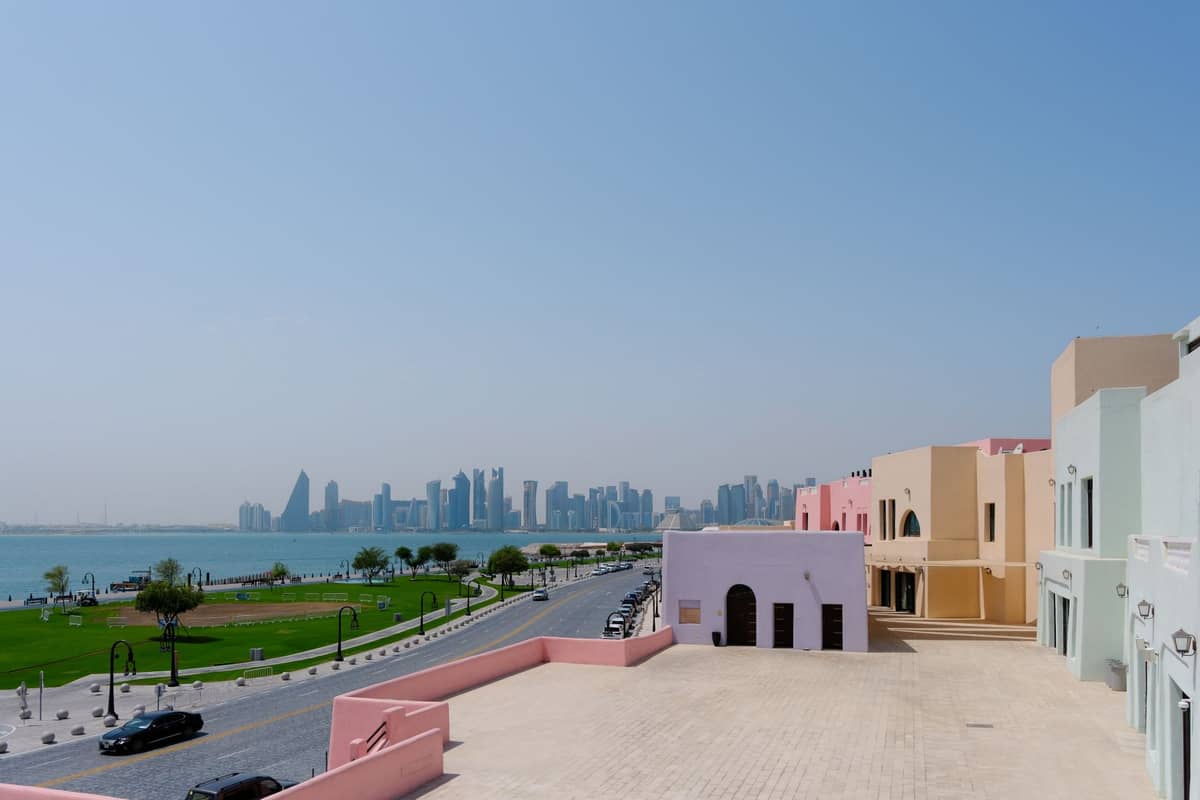
Doha sits at roughly 25°N on the coast of the Arabian Gulf and has a hot desert climate (Köppen BWh). Summers are punishing, but the November-to-March window is genuinely comfortable. Temperatures across the season are not uniform, though, and the difference between a November afternoon and a January night is significant enough to affect what you wear and what you plan.
- November Highs around 28–29°C, lows near 19°C. Still warm enough for beach days and outdoor dining without a layer. Humidity drops noticeably from October.
- December Highs around 24–25°C, lows near 15–16°C. The coolest evenings of the season. A light jacket or sweater is useful after dark, particularly near the waterfront.
- January The coldest month. Highs average 22–23°C, lows can dip to 13–14°C. Days are pleasant and sunny; mornings and nights are brisk by Gulf standards.
- February Slightly warmer than January. Highs around 23–24°C, lows near 14–15°C. Technically the rainiest month, though 'rainiest' means roughly 17mm and about two wet days on average.
- March Warming up fast. Highs reach 26–27°C and can push toward 30°C by late March. Lows around 17°C. The tail end of comfortable weather before spring heat builds.
ℹ️ Good to know
Doha's annual rainfall totals only around 60–85mm across the entire year. Even in February, the wettest winter month, you are looking at an average of two rainy days. Brief showers are possible but rarely disruptive. Pack a compact umbrella rather than a heavy raincoat.
One persistent misconception is that Doha gets cold in winter. It does not, by most international standards. Frost does not occur, snow is essentially unheard of, and daytime temperatures rarely drop below 18°C. What visitors often find surprising is how genuinely fresh January mornings feel after a summer where nighttime lows barely drop below 30°C. For Qatari residents, January is cozy sweater weather. For most Northern European or North American visitors, it is a pleasant spring day.
Why Winter Is Peak Season (and What That Means for You)
The comfortable climate makes winter Doha's busiest and most expensive travel period. Hotels in prime areas like West Bay and around The Pearl-Qatar typically price mid-range rooms at QAR 600–1,200 per night during peak winter. Luxury properties can charge significantly more, particularly around New Year and during major events. Book at least 6–8 weeks in advance if you want competitive rates and good room selection.
Popular attractions see genuine crowds during this window. The Doha Corniche is at its best on winter evenings, with families, joggers, and cyclists out in force from around 4pm onward. The Souq Waqif gets particularly congested on Thursday and Friday evenings, which are the local weekend. If you want to browse stalls and explore the alleys without being shoulder-to-shoulder with other tourists, aim for weekday mornings.
💡 Local tip
Visit the Museum of Islamic Art and the National Museum of Qatar on weekday afternoons. Friday mornings and weekend days in winter see the longest queues. Both museums have paid ticketing for most non-resident adults but remain excellent value for the quality of their collections, while Qatar residents and children under 16 generally enter free.
Desert safaris and outdoor excursions are far better value when the weather cooperates, and winter is the prime window. Standard group desert safari packages to areas like the Khor Al Adaid inland sea typically run QAR 250–400 per person for a half-day or full-day trip. Private tours cost more. Prices tend to be quoted per person for groups of 4–6; solo travelers or couples should factor in higher per-person rates unless booking a shared tour.
Key Events and Festivals in the Winter Window
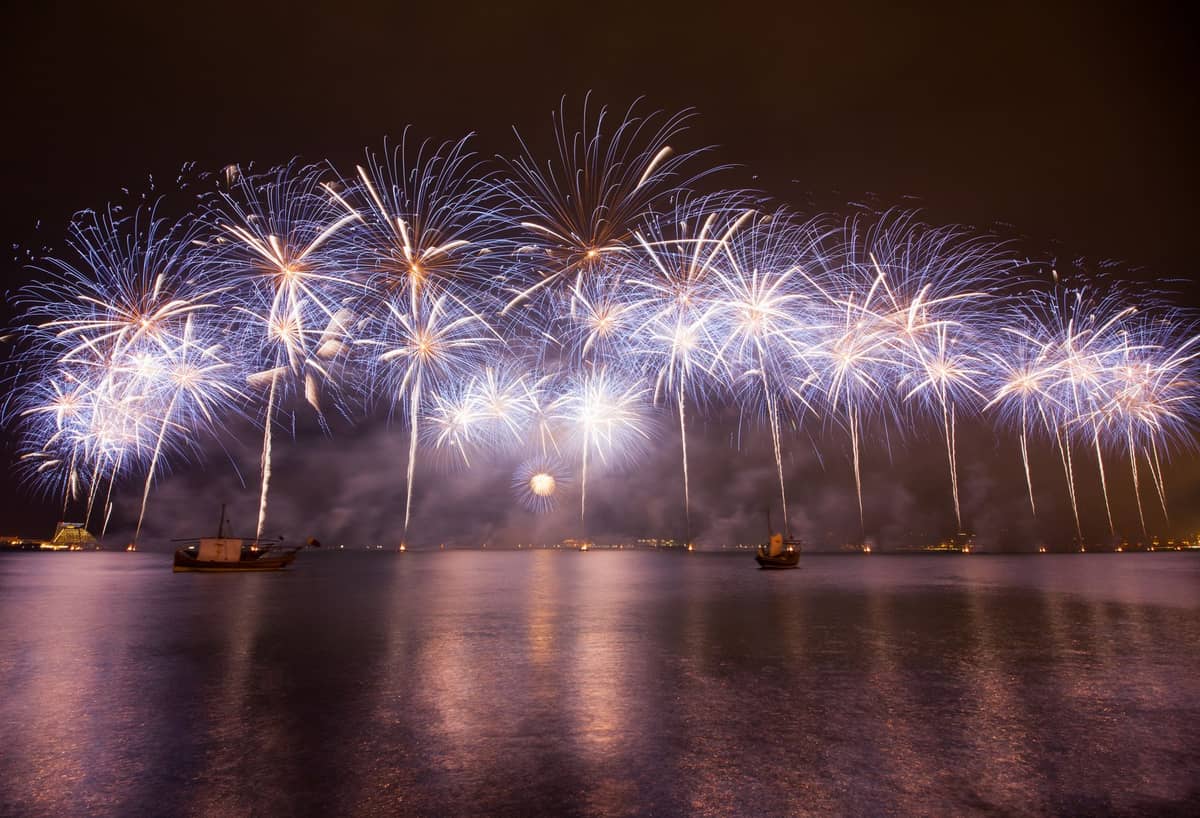
Doha's events calendar is heavily concentrated in winter. The government and Qatar Tourism actively schedule major festivals during these months to take advantage of the climate and to attract international visitors. Some events add genuine value to a trip; others mainly add crowds to an already busy season.
- Qatar International Food Festival (QIFF) Typically held in late February or early March along the Corniche. Large outdoor festival with food stalls, cooking demonstrations, and live entertainment. Worth planning around if food is a priority; adds significant crowds to the waterfront area.
- National Day (December 18) Qatar's National Day brings large-scale public celebrations, parades along the Corniche, and fireworks. The city center is very crowded but the atmosphere is festive and unlike any other day of the year. Roads can be heavily congested.
- Ramadan The Islamic holy month can fall in February or March depending on the lunar calendar. The city quiets during the day, most restaurants do not serve food during daylight hours, and alcohol service is suspended in many venues. After sunset, however, Doha comes alive with iftar gatherings and late-night dining. A genuinely different and culturally rich experience, but one that requires planning.
- Katara Cultural Events Katara Cultural Village hosts a rotating calendar of film screenings, performances, and cultural exhibitions throughout winter. Programming varies year to year, so check the official Katara schedule close to your travel dates.
⚠️ What to skip
Ramadan dates shift roughly 10 days earlier each year. If your travel window is February or March, check whether Ramadan falls during your visit before booking. Dining logistics change substantially, and some travelers find this challenging while others find it one of the most memorable parts of their trip.
What to Do in Doha in Winter: Top Priorities
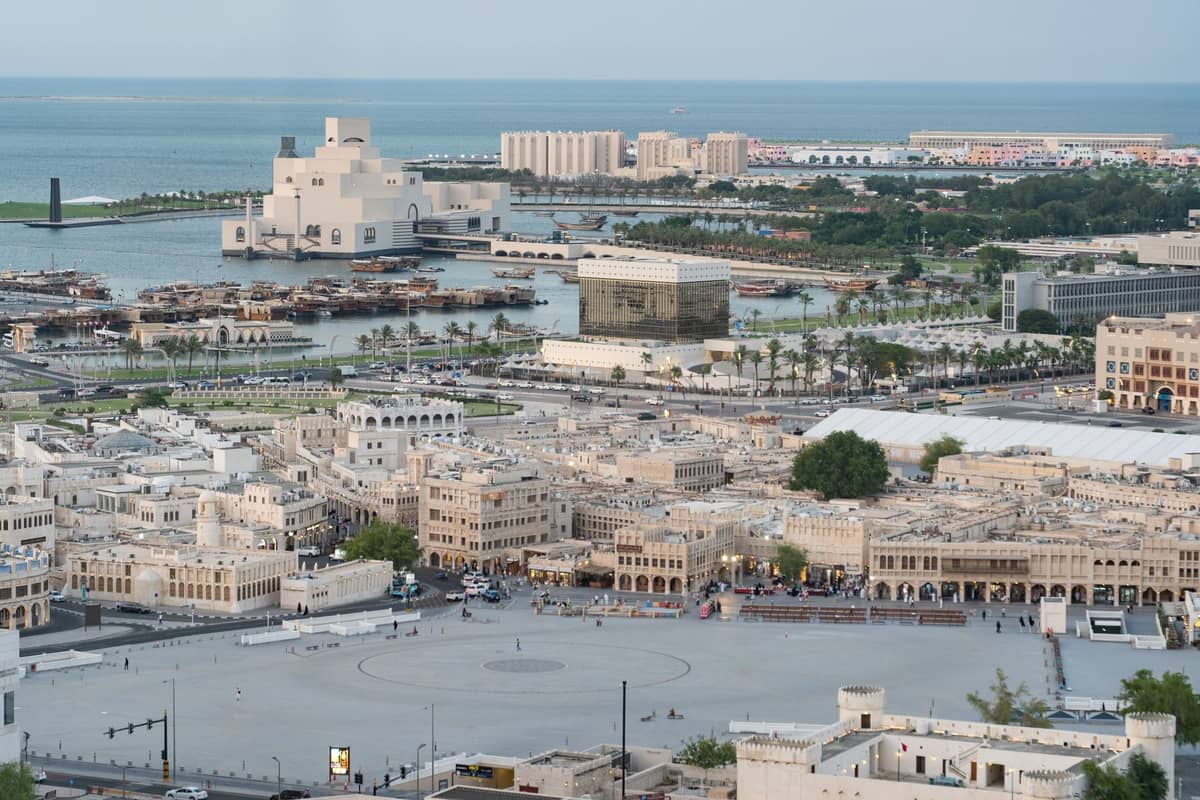
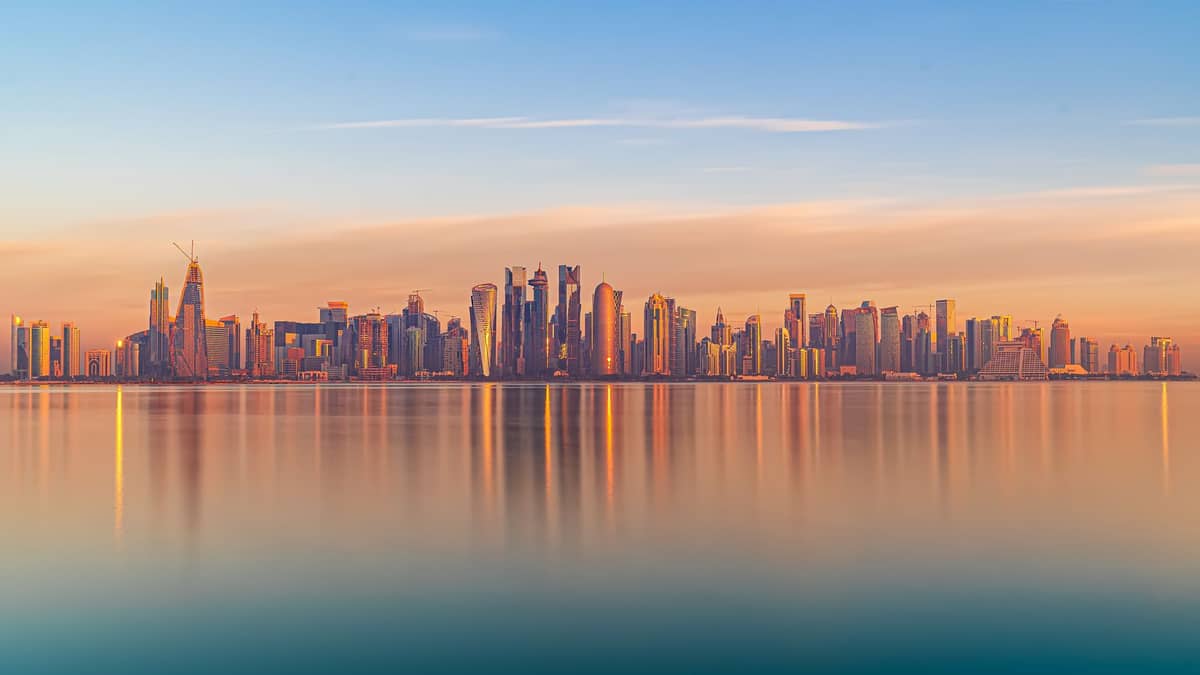
The mild temperatures unlock outdoor Doha in a way that the rest of the year simply does not allow. Start with the Doha Corniche at dusk for the West Bay skyline reflected across the bay, then walk or take a short taxi to Souq Waqif for dinner. This sequence alone justifies a winter trip.
For desert experiences, the window from November through February is ideal. The Doha desert safari guide covers operators, routes, and what to expect in detail, but the core point is this: dune bashing, camel rides, and stargazing at the inland sea are infinitely more enjoyable when the ambient temperature is 20°C rather than 45°C. Sand temperatures also drop significantly in winter, making walks across the dunes actually comfortable.
Beach visits are possible in winter, particularly in November and early December when sea temperatures remain in the mid-20s°C. By January, the Gulf cools enough that swimming is brisk rather than refreshing for most visitors. Katara Beach and Al Wakra Beach are the most accessible options. Facilities at Katara are well-maintained and include changing rooms and food kiosks.
If museums are a priority, winter is the right time. The best museums in Doha include the Museum of Islamic Art, the National Museum of Qatar, and Mathaf: Arab Museum of Modern Art. All are air-conditioned year-round, but winter lets you combine museum visits with outdoor exploration without heat exhaustion limiting your day.
Getting Around Doha in Winter: Practical Transport Notes
The Doha Metro is the most efficient way to cover the main tourist corridor. The Red Line connects Hamad International Airport to central Doha, West Bay, and further north toward Lusail. Standard-class fares are a flat QAR 2 per trip, with a daily cap of QAR 6 making it exceptionally affordable for a full day of sightseeing. Verify current fares with Qatar Rail before travel, as ticketing structures are periodically updated.
Taxis and ride-hailing apps cover gaps in the metro network well. Short hops within central Doha typically cost QAR 12–25. The Karwa taxi fleet is metered and official; ride-hailing apps also operate in Doha. During peak winter evenings, particularly Thursday and Friday nights, wait times increase and surge pricing applies on app-based services. Plan accordingly if you have a timed reservation.
Walking is genuinely feasible in Doha's winter for the first time in the annual calendar. The stretch from MIA Park along the Corniche to the Souq Waqif area is approximately 2km and pleasant on a December or January evening. In November and March, midday heat means you should still avoid long outdoor walks between roughly 11am and 3pm. The rest of the day is comfortable for most visitors.
Practical Tips and Common Mistakes to Avoid
Dress conservatively in public spaces, particularly around the souq, government buildings, and mosques. Qatar follows Islamic cultural norms, and while resort areas like The Pearl and beach hotels are more permissive, covering shoulders and knees in traditional areas is respectful and expected. This applies equally to men and women.
Qatar uses Type G (British-style) three-pin plugs and operates on 240V/50Hz. Most modern electronics handle this automatically, but check your devices before packing adapters. The Qatari riyal (QAR) is pegged to the US dollar at a fixed rate of 3.64 QAR per USD, which simplifies rough cost calculations.
- Book accommodation at least 6–8 weeks ahead for December and January travel. Last-minute rates in peak winter can be significantly higher.
- Check Ramadan dates for your specific travel year if you are visiting in February or March. Daytime dining and alcohol availability change substantially.
- Bring layers for evenings, particularly December and January. A light jacket or cardigan is enough; heavy coats are not needed.
- Download the Qatar Rail app and a ride-hailing app before you land. Metro cards can be purchased at stations, but having the app helps with planning.
- Avoid the Corniche and Souq Waqif on National Day (December 18) unless you specifically want to experience the celebrations. Roads get extremely congested.
- November is the sweet spot if you want warm beach weather combined with cooler evenings and slightly lower hotel rates than December-January peak.
For visitors planning their first trip, the Doha first-timer guide covers the full orientation, from neighborhoods to cultural norms. For a focused two-day itinerary that works well in winter conditions, the 2 days in Doha guide provides a practical day-by-day plan.
✨ Pro tip
If you are visiting for the first time and weighing when to go, November hits a rare sweet spot: temperatures are comfortable without being cold, hotel rates have not yet hit December peak levels, and the events calendar is beginning to fill out. It is the least-crowded month of the comfortable season.
FAQ
Is Doha cold in winter?
No, not by international standards. Winter in Doha is mild rather than cold. January is the coolest month, with average highs around 22–23°C and lows dipping to 13–14°C. Frost and snow do not occur. Pack light layers for evenings and mornings, but you will not need a heavy coat.
Does it rain a lot in Doha in winter?
Rarely. Doha's entire annual rainfall totals only around 70–85mm. February is technically the wettest month of the year, averaging about 15–20mm and two rainy days. Showers tend to be brief. Carrying a compact umbrella is sensible but canceling outdoor plans due to rain is almost never necessary.
What should I wear in Doha in November and December?
Lightweight, breathable clothing for daytime activities. Add a light jacket or long-sleeved layer for evenings, especially in December and January near the waterfront. In public areas away from hotels and resorts, dress conservatively: covered shoulders and knees for both men and women in traditional markets, mosques, and government buildings.
Can I swim in Doha in winter?
November and early December are comfortable for swimming, with sea temperatures in the mid-20s°C. By January the Gulf cools noticeably and most visitors find open-water swimming brisk. Hotel pools are heated year-round. Katara Beach and Al Wakra Beach are accessible and well-maintained through winter.
Is winter the best time to visit Doha?
For most visitors, yes. The November-to-March window offers the only period when outdoor sightseeing, desert trips, and waterfront walks are genuinely comfortable. The trade-off is higher hotel prices and larger crowds. If you prefer fewer people and lower costs and can tolerate more heat, shoulder months like October and April offer a middle ground, but summer is genuinely brutal and not recommended for first-time visitors.