Yokohama: Tokyo's Coastal Neighbor Worth a Full Day
Yokohama is Japan's second-largest city and one of its most historically layered port destinations, reachable from central Tokyo in about 25 to 30 minutes by train. From the European-influenced brick warehouses of the Minato Mirai waterfront to the largest Chinatown in Japan, it rewards travelers who want a change of pace from the capital without venturing far.
Quick Facts
- Location
- Yokohama City, Kanagawa Prefecture (adjacent to Tokyo Metropolis)
- Getting There
- Yokohama Station (JR Tokaido Line from Tokyo Station, ~25–30 min; Tokyu Toyoko Line from Shibuya, ~28 min; Keikyu Line from Haneda Airport, ~24–30 min)
- Time Needed
- Half day minimum; full day recommended to cover Minato Mirai, Chinatown, and the waterfront
- Cost
- Free to explore most outdoor areas; individual attractions (museums, observation decks) charge separately
- Best for
- Architecture enthusiasts, food travelers, history seekers, and anyone needing a break from Tokyo's pace
- Official website
- www.yokohamajapan.com
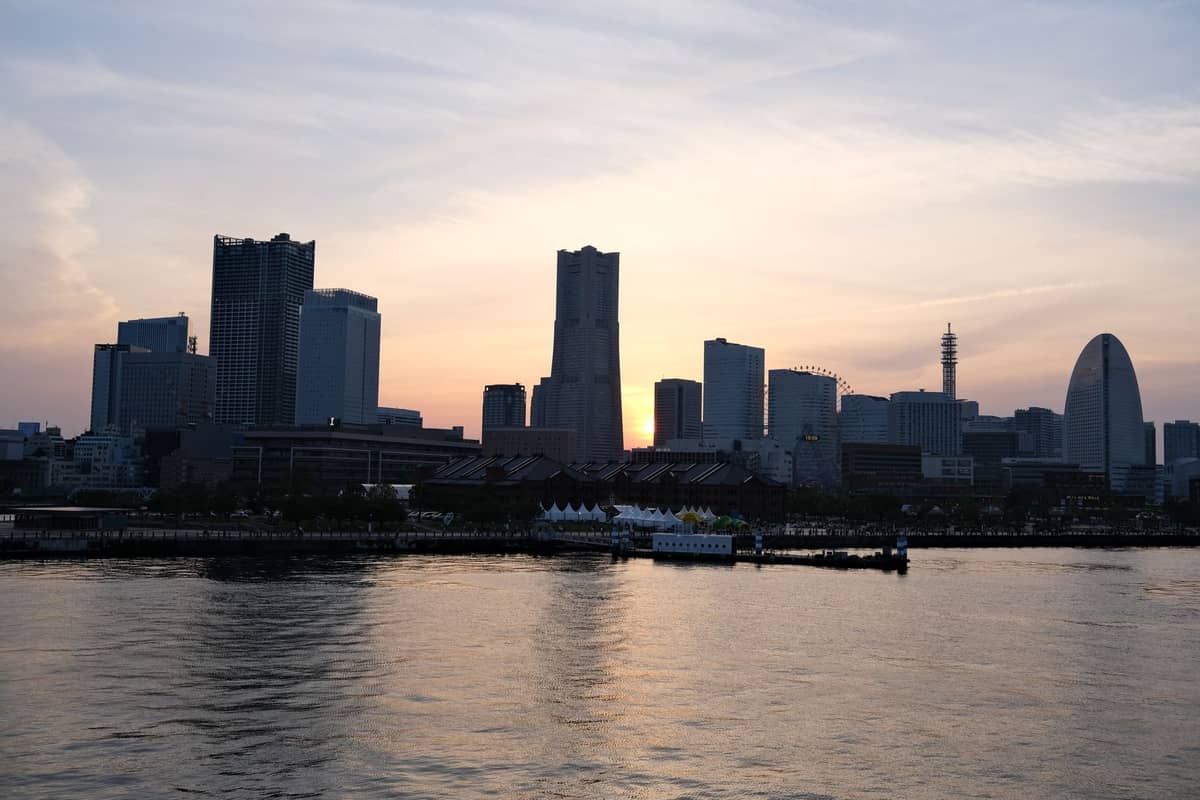
Why Yokohama Deserves More Than an Afterthought
Most Tokyo visitors slot Yokohama into a half-day excursion, often squeeze it at the end of a trip, and leave underwhelmed because they saw only Chinatown and one shopping mall. That is a planning problem, not a Yokohama problem. The city of Yokohama (横浜市, Yokohama-shi) is Japan's second-most populous city and one of its most architecturally coherent port destinations. Its layered history as the first major trading port opened to the West after Japan's centuries of isolation gives it a visual identity no other Japanese city quite replicates: wide waterfront promenades, red-brick warehouses, tree-lined Western-style avenues, and a Chinatown that dates back to the 1860s.
The city sits in Kanagawa Prefecture, directly south of Tokyo Metropolis. At roughly 25 to 30 minutes from Tokyo Station by JR Tokaido Line, it is closer to central Tokyo than many Tokyo neighborhoods are to each other. If you are planning a longer stay, the day trips from Tokyo guide covers Yokohama alongside other destinations worth considering, but it genuinely works as a full day on its own.
💡 Local tip
Take the JR Tokaido Line from Tokyo Station to Yokohama Station rather than using a shinkansen. Local and rapid trains are faster for this particular route and cost a fraction of the price. The Tokyu Toyoko Line from Shibuya is equally convenient and drops you directly at Yokohama Station.
The Minato Mirai Waterfront: Architecture and Open Sky
The Minato Mirai 21 district is Yokohama's showpiece waterfront development, built largely on reclaimed land from the 1980s onward. The name translates roughly as 'harbour of the future,' and while parts of it now feel more established than futuristic, the combination of open waterfront promenades, low-rise brick heritage buildings, and glass towers creates a genuinely pleasant urban environment that is far less congested than anything comparable in Tokyo.
The Yokohama Red Brick Warehouse complex (Yokohama Akarenga Soko) anchors the historic end of the district. Originally built in 1911 and 1913 as customs warehouses, the two buildings now house restaurants, event spaces, and shops, but their exterior is the real draw: heavy red brick, arched windows, and wide stone loading docks that face directly onto the harbor. In the late afternoon, the brick takes on a deep terracotta tone, and the view across the water toward the Yokohama Bay Bridge is genuinely striking. On weekends, the square in front fills with food stalls and occasional outdoor markets.
The Osanbashi Pier, a 10-minute walk from the Red Brick Warehouse, is a different kind of architectural statement. The pier was redesigned in 2002 by FOA (Farshid Moussavi and Alejandro Zaera-Polo) with a curved timber deck that rises and folds like a topographic surface. Large cruise ships dock here, and the upper deck is entirely open to the public. It is one of the better free viewpoints in the region, offering sweeping views of the harbor and city skyline. Come at dusk when the Landmark Tower and Cosmo Clock 21 Ferris wheel light up against the fading sky.
ℹ️ Good to know
Osanbashi Pier is free to access and open to the public. When no cruise ship is docked, the entire upper deck is walkable. Check arrival schedules if you want to see a large vessel up close, but also know that docking days bring tour groups.
Tickets & tours
Hand-picked options from our booking partner. Prices are indicative; availability and final rates are confirmed when you complete your booking.
Mount Fuji full-day tour from Yokohama with private driver and guide
From 683 €Instant confirmationFree cancellationYokohama private and customisable full-day guided walking tour
From 213 €Instant confirmationFree cancellationYokohama private and customisable half-day guided walking tour
From 132 €Instant confirmationFree cancellationYokohama full-day tour with private driver and local guide
From 683 €Instant confirmationFree cancellation
Yokohama Chinatown: Japan's Largest, and Actually Worth the Hype
Yokohama Chinatown (Yokohama Chukagai) is not a tourist recreation. It has operated as a functioning ethnic Chinese district since Chinese traders and merchants settled here following the port's opening in 1859. The neighborhood contains more than 600 restaurants, shops, and businesses, making it the largest Chinatown in Japan by a significant margin.
The most photographed approach is through one of the ornate painted gates, particularly the Zenrinmon (Gate of Good Neighbors) or the Chaotianmen. Inside, the main pedestrian street is narrow enough that the upper-floor signs and lanterns create a genuine corridor effect overhead. The smell shifts as you walk: roasted sesame from a street stall, steaming bao from a doorway, char from a grill. Weekend afternoons are extremely crowded and the atmosphere becomes almost carnival-like. Weekday mornings are calmer and better for eating without queuing.
Food is the primary reason to come. The neighborhood specializes in Cantonese, Shanghainese, and Sichuan cooking, though quality varies widely. The most reliable approach is to avoid restaurants with laminated photo menus posted outside at tourist-facing prices and instead look for spots with handwritten boards, a non-English-speaking staff, and a lunchtime crowd of local workers. Dim sum is available at several restaurants from around 11:00 on weekdays.
Yamate and the Bluff: Where the West Left Its Mark
After the port opened in 1859, foreign merchants and diplomats were assigned to a designated settlement area. Many settled on a hilly residential district called the Bluff (Yamate), overlooking the harbor. Several Western-style homes from the Meiji and Taisho eras still stand here, maintained as open-air house museums. The structures range from half-timbered mock-Tudor buildings to colonial bungalows with deep verandas, all set among established trees on quiet sloping streets.
The Yamate area is a 20-minute uphill walk from Chinatown or a short ride on the JR Negishi Line to Ishikawacho Station. The Foreign General Cemetery (Yokohama Foreigners Cemetery) is also here, with tombstones in multiple languages. The cemetery is open to visitors on weekends for a small donation. Walking through Yamate on a quiet weekday, past wisteria-draped walls and the occasional cat on a garden wall, is a noticeably different experience from the rest of Yokohama.
💡 Local tip
The Yamate Western Houses are generally free or low-cost to enter individually. The Bluff No. 111 and the Ehrismann Residence are among the best preserved. Check individual opening days before visiting as some are closed on specific weekdays.
How Yokohama Changes Through the Day
Early morning in Yokohama is genuinely quiet. The Osanbashi Pier at 7:00 to 8:00 has almost no visitors, and the light on the harbor is flat and clear. The Red Brick Warehouse area is peaceful before 10:00, with the breakfast crowd at the on-site cafes and the occasional jogger along the waterfront path. This is the best time for photographs of the brick facades without crowds or harsh shadows.
By midday, Chinatown is at full volume. The lunch rush brings queues at popular restaurants, and the main street becomes slow to walk. The waterfront around Minato Mirai fills with office workers on lunch breaks and school groups. If you are arriving from Tokyo on a weekend, trains from Shibuya and Shinjuku deposit large numbers of visitors from around 10:30 onward.
Late afternoon and early evening are the most atmospheric times on the waterfront. The Cosmo Clock 21 Ferris wheel illuminates from around dusk. Harbor cruise boats operate through the evening. Chinatown restaurants are quieter after 20:00 when the day-trip crowds have cleared, making it a good time for a relaxed dinner if you choose to stay late.
Practical Walkthrough: Getting There and Getting Around
The most straightforward approach from central Tokyo is the JR Tokaido Line from Tokyo Station to Yokohama Station, taking approximately 25 to 30 minutes. From Shibuya, the Tokyu Toyoko Line runs directly to Yokohama Station in about 28 minutes. From Haneda Airport, the Keikyu Airport Line connects directly to Yokohama Station in roughly 24 to 30 minutes, making Yokohama a convenient first or last stop if your flight timing allows. Rail fares are modest and covered by IC cards (Suica or Pasmo). For a broader look at navigating Tokyo's transport network, the guide to getting around Tokyo covers IC cards and rail passes in detail.
Once in Yokohama, the main sights cluster within walkable distance of each other. From Yokohama Station, the Minato Mirai district is a short walk or a 5-minute ride on the Minatomirai Line (which also stops at Motomachi-Chukagai Station, the closest stop for Chinatown and Yamate). The waterfront promenade connects the Minato Mirai district, the Red Brick Warehouse, Osanbashi Pier, and the edge of Chinatown in a broad uninterrupted walk.
Yokohama is generally accessible at major stations, with barrier-free facilities at Yokohama Station and Minatomirai Station. The waterfront promenade and pier areas are flat and wheelchair-friendly. The Yamate district involves significant uphill walking, which is worth noting for visitors with mobility limitations.
⚠️ What to skip
Yokohama's main sights are spread across a wider area than they appear on maps. Do not underestimate walking distances, particularly between Chinatown and the Yamate Bluff area. Budget at least 5 to 7 hours if you want to cover all three main zones comfortably.
Seasonal Considerations and When to Visit
Yokohama's climate mirrors Tokyo's closely, following the same humid subtropical pattern. Spring (mid-March to early May) and autumn (October to mid-November) bring the most comfortable temperatures for walking the waterfront and climbing to Yamate. The rainy season runs from early June to mid-July, during which outdoor sightseeing becomes less pleasant. August is hot and humid. The best time to visit Tokyo guide gives a thorough breakdown that applies equally to Yokohama day trips.
Winter (December to February) is the driest season and surprisingly pleasant for the waterfront, where the cold air keeps the harbor views crisp and clear. Chinatown is particularly lively during Chinese New Year (late January or February), when the neighborhood puts on its most elaborate decorations and street performances. This is also one of the most crowded periods.
Yokohama holds a significant fireworks festival over the harbor in late July or early August most years. Check local event listings before your trip if this interests you. The city also runs illumination events along the waterfront in December, which align well with visiting Tokyo in December.
Who Should Skip Yokohama (and Who Absolutely Should Not)
Yokohama is not the right choice if you have only one or two days in Japan and are focused on core Tokyo experiences. Its appeal is comparative and contextual: it makes more sense after you have spent at least three days in Tokyo and want to understand how Japan's relationship with the outside world shaped a city differently from the capital. Travelers on a tightly compressed itinerary will likely feel it competes with time better spent in neighborhoods like Asakusa or Shinjuku.
It also does not suit travelers primarily interested in traditional Japan. Yokohama has temples and shrines, but they are not its defining feature. For that, areas like Senso-ji Temple in Asakusa or a trip to Kamakura offer more concentrated traditional atmosphere. Yokohama is, at its core, a city about cultural exchange, modernity, and the sea.
It is, however, genuinely excellent for architecture and urban design enthusiasts, for food travelers who want to move between Japanese and Chinese cuisines in a single afternoon, for families who benefit from the open waterfront spaces and relatively relaxed pace, and for visitors who have already done Tokyo's main circuits and want a change of scale and atmosphere.
Insider Tips
- The Minatomirai Line day pass covers all stations between Yokohama and Motomachi-Chukagai and is worth considering if you plan to ride it more than once. Buy it at the ticket machine at Yokohama Station before boarding.
- The upper deck of Osanbashi Pier is one of the best free viewpoints in the Yokohama area, yet far fewer visitors go there than to paid observation decks. Come at dusk for harbor views without spending a yen.
- In Chinatown, the side streets running parallel to the main pedestrian thoroughfare have quieter shops and a better chance of finding a seat at a restaurant without queueing, particularly during the weekend lunch rush.
- The Yokohama Museum of Art (Yokohama Bijutsukan) in Minato Mirai holds a strong collection of modern and contemporary Japanese art. Check its schedule as it reopened after a major renovation period.
- If arriving via Narita Airport, the Narita Express runs directly to Yokohama Station in about 90 minutes, making Yokohama a logical first or last destination without routing through central Tokyo at all.
Who Is Yokohama For?
- Architecture and urban design enthusiasts interested in Japan's Meiji-era engagement with the West
- Food travelers wanting to compare Japanese and Chinese regional cuisines in a single day
- Repeat Tokyo visitors looking for a change of pace and scale
- Families with children who benefit from wide waterfront spaces and accessible landmarks
- Travelers arriving from or departing to Haneda or Narita who want a meaningful stop without entering central Tokyo
Nearby Attractions
Combine your visit with:
- Akasaka Palace (State Guest House)
The State Guest House, Akasaka Palace is Japan's principal diplomatic residence and one of the few Western-style palaces in Asia open to the public. Built in neo-baroque style for the Crown Prince in the early 20th century, it now receives heads of state and, on select days, ordinary visitors. The combination of ornate gilded interiors, formal French gardens, and a Japanese-style annex makes it one of the most architecturally unusual stops in Tokyo.
- Edo-Tokyo Open Air Architectural Museum
Spread across the grounds of Koganei Park, the Edo-Tokyo Open-Air Architectural Museum rescues and reassembles more than 30 historic structures spanning the Edo period through the early 20th century. From a dismantled farmhouse to a reconstruction of a Showa-era Tokyo streetscape, it is one of the most thoughtful and undervisited cultural sites in the metropolitan area.
- Enoshima
A small island off the Shonan coast of Kanagawa Prefecture, Enoshima packs a surprising amount into a short walk: a three-part Shinto shrine, ancient sea caves, a hilltop botanical garden, a lighthouse observation tower, and seafood stalls lining a stone-paved shopping street. It works as a half-day excursion or a full day if you combine it with nearby Kamakura.
- Gotokuji Temple
Gotokuji Temple in Setagaya is a working Soto Zen Buddhist temple that happens to be one of the claimed birthplaces of the maneki-neko, Japan's iconic beckoning cat. Hundreds of white ceramic cats line the shelves of a dedicated shrine, creating one of Tokyo's most quietly striking visual spectacles. Entry is free, crowds are manageable, and the surrounding grounds offer genuine calm.