Summerhall, Edinburgh: Inside the City's Most Unconventional Arts Venue
Housed in the former Royal (Dick) School of Veterinary Studies site, Summerhall is Edinburgh's most atmospheric arts complex. From year-round gallery shows and independent cinema to its legendary role as a Fringe hub, the building repays exploration at any time of year.
Quick Facts
- Location
- 1 Summerhall, Edinburgh EH9 1PL (Southside/Newington)
- Getting There
- Buses 2, 14 or 30 stop nearby; ~15-min walk from Edinburgh Waverley station
- Time Needed
- 1–2 hours depending on events; longer during the Fringe
- Cost
- Free entry to public spaces and galleries; paid tickets for performances, cinema and special events
- Best for
- Arts lovers, Fringe-goers, architecture enthusiasts, craft beer fans
- Official website
- www.summerhall.co.uk
What Summerhall Actually Is
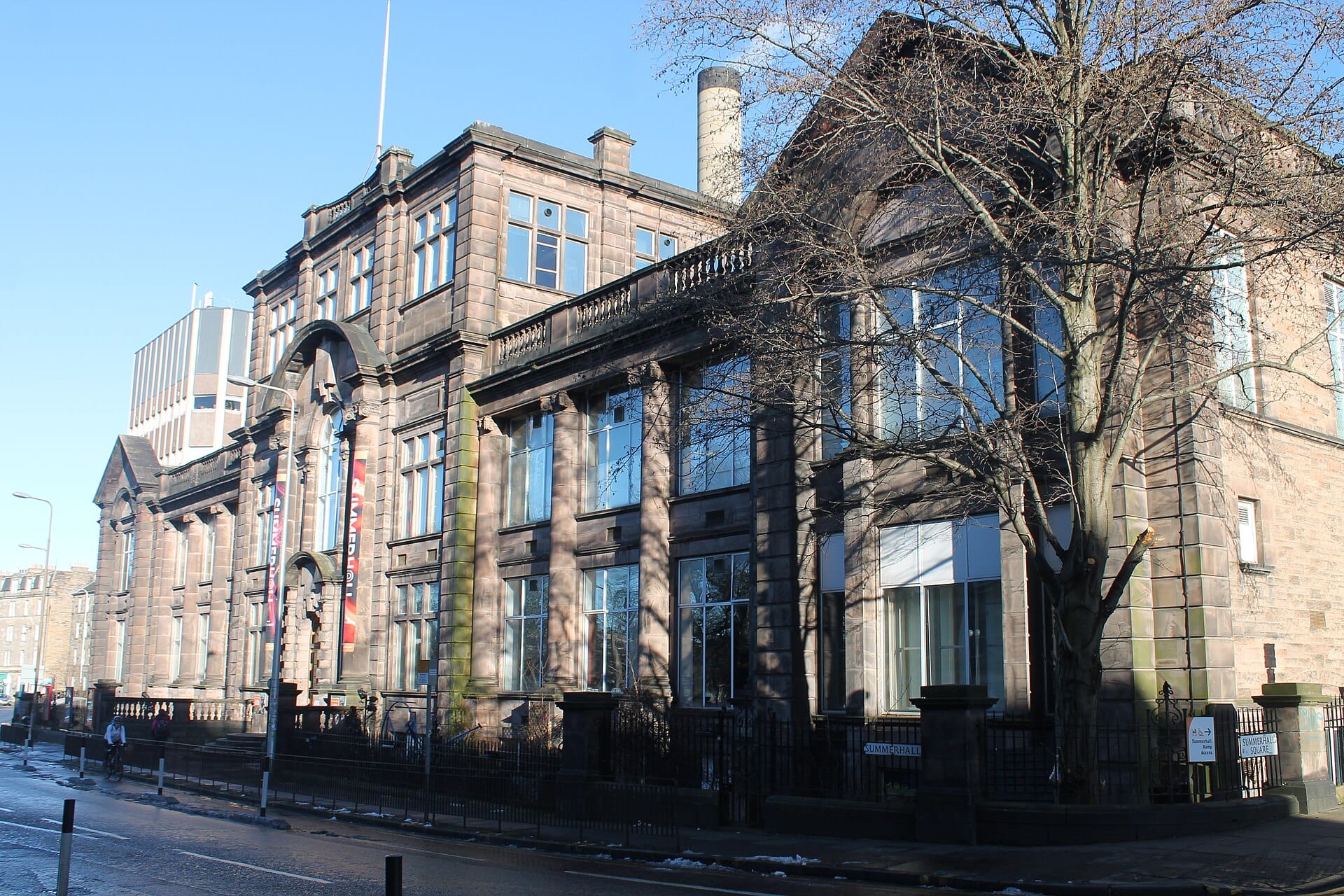
Summerhall is many things at once: a working arts centre, a cinema, a craft brewery, a gallery, a performance venue, and a bar that attracts everyone from PhD students to touring theatre companies. What ties it all together is the building itself, a large Edwardian complex on the southern edge of the city centre that served as the Royal (Dick) School of Veterinary Studies from 1916 until 2011. When the university relocated its vet school that year, the site was Summerhall is many things at once: a working arts centre, a cinema, a craft brewery, a gallery, a performance venue, and a bar that attracts everyone from PhD students to touring theatre companies. What ties it all together is the building itself, a large Edwardian complex on the southern edge of the city centre that served as the Royal (Dick) School of Veterinary Studies from 1916 until 2011. When the university relocated its vet school that year, the site was transformed into a multi-arts venue, a decision that has quietly shaped Edinburgh's cultural life ever since.
The architecture does a lot of the work here. Walking through the main entrance, you find yourself in corridors that still carry the faint institutional logic of their former purpose: lecture theatres, dissection rooms, and laboratories that have been adapted for performances and exhibitions rather than stripped out entirely. The layers of the building's past are visible in the detailing, the tiled walls, the heavy doors, the scale of certain rooms. It does not look like a conventional arts venue, and that is precisely the point.
ℹ️ Good to know
Entry to the building's public spaces and galleries is free. Performances, cinema screenings, and special events require tickets, priced in GBP and listed on the venue's website. Verify current event listings directly with Summerhall before visiting.
The Building Up Close: Spaces Worth Seeking Out
The Dissection Room is the venue's most striking space. With a capacity of around 520 and a ceiling that rises well above what you would expect, it functions as Summerhall's main performance hall and hosts everything from concerts to large-scale theatre. The name is not metaphorical: this was where veterinary students once conducted dissections, and the architecture, high clerestory windows, tiered layout, and exposed structural elements, still communicates that history clearly.
The Main Hall, which holds up to 250, is used for a different register of event: more intimate performances, screenings, and talks. Smaller galleries throughout the building rotate contemporary art shows, often open during the day. The courtyard is worth lingering in on a dry day; it sits at the heart of the complex and gives a sense of the building's full scale in a way the interior corridors do not.
The Barrie Theatre and several smaller studio spaces add to the overall venue capacity across all areas. For visitors not attending a specific event, the public areas alone offer a good hour of purposeful wandering, especially if you appreciate repurposed industrial or institutional architecture.
Tickets & tours
Live prices and dates from our booking partner. If you book, we may earn a commission at no extra cost to you.
West Highland Lochs, mountains and castles tour from Edinburgh
From 61 €Instant confirmationFree cancellationLoch Ness, Glen Coe and the Highlands tour from Edinburgh
From 66 €Instant confirmationFree cancellationDay Trip to Holy Island, Alnwick Castle and Northumbria from Edinburgh
From 60 €Instant confirmationFree cancellationLoch Ness Explorer Day Trip from Edinburgh
From 60 €Instant confirmationFree cancellation
Summerhall Through the Day: How the Atmosphere Shifts
Mornings at Summerhall are quiet in the best sense. The venue opens to the public at 09:00, and before the galleries open later in the day the complex has the slightly echoing calm of a large building that hasn't fully woken up. If you're the type to appreciate a place before the crowd arrives, this window is worth using, particularly to observe the architecture without distraction.
Lunchtime through mid-afternoon brings the gallery crowd and a steady flow of locals stopping into the bar area. The Royal Dick, Summerhall's in-house bar named in reference to the building's history, opens during the day and serves craft beers including some from Summerhall Brewery, which operates on site. The smell of malt and yeast in that part of the building is distinctive and slightly surprising, a reminder that the venue runs as a commercial operation, not just a cultural institution.
Evenings are when Summerhall comes into its own. Pre-show energy builds in the courtyard and bar, and the combination of an interesting crowd, unusual spaces, and good programming makes it one of the more atmospheric places to spend an evening in Edinburgh's Southside. The venue stays open until midnight.
Summerhall During the Edinburgh Fringe
During August, Summerhall transforms into one of the Edinburgh Festival Fringe's most prominent and critically respected venues. Its reputation within the Fringe ecosystem is specific: it tends to attract experimental theatre, challenging new writing, and international companies rather than mainstream comedy or accessible crowd-pleasers. If you want to see what the Fringe looks like at its most artistically ambitious, Summerhall is a better window into that than most other venues. For more on navigating the wider festival, see our Edinburgh Fringe guide.
In August the building is genuinely packed from mid-morning until late at night. Queues form outside the Dissection Room for shows that have generated critical buzz, and the courtyard functions as a social hub between performances, with audiences spilling outside during gaps in programming. Tickets for individual shows sell out, sometimes well in advance, for anything that has received strong reviews. Booking ahead is not optional if you have specific shows in mind.
⚠️ What to skip
During the Fringe (most of August), Summerhall operates on a different schedule and the surrounding streets become significantly busier. Plan extra travel time and book any specific shows in advance through the official Fringe box office.
The rest of the year, Summerhall's programme is active but calmer. It is worth checking the venue's own website alongside Edinburgh's broader events calendar to see what's running during your visit, as the programme changes frequently and is not always well-publicised outside the arts community.
Getting There and Getting Around the Site
Summerhall sits on the southern edge of the Southside/Newington area, about a 15-minute walk from the Royal Mile and a similar distance from Edinburgh Waverley station. The route from the Old Town takes you south through The Meadows, which is a pleasant walk in decent weather. Buses 2, 14, and 30 serve the area; the exact nearest stop is worth confirming with Lothian Buses' route planner before you travel, as stop positions can shift.
Once inside, the layout is not immediately obvious. The building is large, multi-winged, and was designed for an institution rather than casual visitors. Signage helps but does not always anticipate what you're looking for. Give yourself a few minutes to orient in the entrance area, where a printed programme or event board usually indicates what's on and where. If you're heading to a specific show, check which room it's in before you arrive.
On accessibility: the building is a converted Edwardian structure and its accessibility provision reflects the complexity of adapting an old institutional building. Visitors with specific mobility requirements should contact Summerhall directly by phone (+44 (0)131 560 1580) or via the venue's website before visiting, to confirm step-free routes and other access details.
Photography, Practical Notes, and Honest Caveats
The building photographs well, particularly the Dissection Room when empty and lit from above, and the exterior courtyard in morning light. Check individual exhibition rules, as some shows include third-party works with reproduction restrictions.
Summerhall is not a polished heritage attraction or a conventional tourist destination. If you're visiting Edinburgh primarily for the castle, the Royal Mile, and the main museums, this venue may feel peripheral to your itinerary. It rewards visitors who are already interested in contemporary arts, independent cinema, or unconventional spaces rather than those looking for a straightforward experience. For mainstream Edinburgh sightseeing, the National Museum of Scotland or Scottish National Gallery are better-suited starting points.
The bar and brewery on site make Summerhall a reasonable destination in its own right for an evening drink even if you're not attending a performance. The Royal Dick has a character that most Edinburgh bars do not, and the range of craft beer includes products you won't find elsewhere. That said, on busy event nights it gets crowded and noisy; it is not a quiet spot.
The surrounding Southside neighbourhood is worth exploring alongside a Summerhall visit. Nearby Greyfriars Kirkyard is a short walk north, and the area has a density of independent cafes and bookshops that rewards an unhurried afternoon.
Insider Tips
- Check the Summerhall website for free events and exhibition openings, which regularly attract interesting programming without the ticket cost. Private views for new gallery shows are sometimes listed publicly.
- The Summerhall Brewery tap, housed in the Royal Dick bar, produces small-batch beers not widely distributed elsewhere in Edinburgh. If you're interested in Scottish craft beer, this is a practical reason to visit independent of any event.
- During the Fringe, last-minute returns and walk-up tickets for Summerhall shows sometimes become available at the venue box office shortly before curtain. Arriving 20–30 minutes early for a sold-out show is worth trying for shorter-run performances.
- The courtyard is a genuinely useful orientation point when navigating the building. If you get turned around in the interior corridors, find your way outside and reorient from the central space.
- Visiting on a weekday outside festival season gives you near-exclusive access to the galleries and a much clearer sense of the building's architecture. August crowds are part of the experience but they do obscure the physical space considerably.
Who Is Summerhall For?
- Arts and theatre enthusiasts seeking Edinburgh Fringe programming beyond the mainstream circuit
- Architecture and heritage visitors interested in adaptive reuse of institutional buildings
- Craft beer drinkers and independent bar-goers who want atmosphere alongside their pint
- Independent cinema fans looking for screenings outside the multiplex circuit
- Curious visitors who want to see a working creative complex rather than a conventional museum or attraction
Nearby Attractions
Other things to see while in Southside & Newington:
- Royal Observatory Edinburgh
Perched on Blackford Hill about two miles south of the city centre, the Royal Observatory Edinburgh is a working astronomical research institution with a visitor centre open to the public through guided events, stargazing sessions, and lectures. Its twin copper domes, completed in 1896, frame some of the finest views across Edinburgh, and the hill itself is worth the trip even on a cloudy night.
- Surgeons' Hall Museums
Housed in a Category A listed building designed by William Henry Playfair, Surgeons' Hall Museums holds one of the world's finest collections of medical and surgical history. Open since 1832, it is not for the squeamish, but it rewards curious visitors with genuine insight into five centuries of anatomy, medicine, and the human body.
- The Meadows
The Meadows is an 11.1-hectare public park in Edinburgh's Southside, free to enter and open around the clock. Once a medieval loch that supplied Old Town with water, today it serves as a social anchor for students, families, and anyone seeking open space just minutes from the city centre.
Planning a trip? Discover personalized activities with the Nomado app.