Little Italy Toronto: What to See, Eat, and Know Before You Go
Little Italy is a lively stretch of College Street between Bathurst and Shaw where Italian-Canadian history, independent cafés, and a strong restaurant culture come together. Access is free, the street is walkable at any hour, and the neighbourhood rewards those who slow down.
Quick Facts
- Location
- College Street, Bathurst to Shaw, Toronto, Ontario
- Getting There
- Line 1 to Queen's Park, then 506 College streetcar westbound to Bathurst
- Time Needed
- 1.5 to 3 hours for a relaxed walk with a café or meal stop
- Cost
- Free to explore; dining and shopping at your own pace
- Best for
- Food lovers, evening diners, neighbourhood walkers, culture seekers
- Official website
- tolittleitaly.com
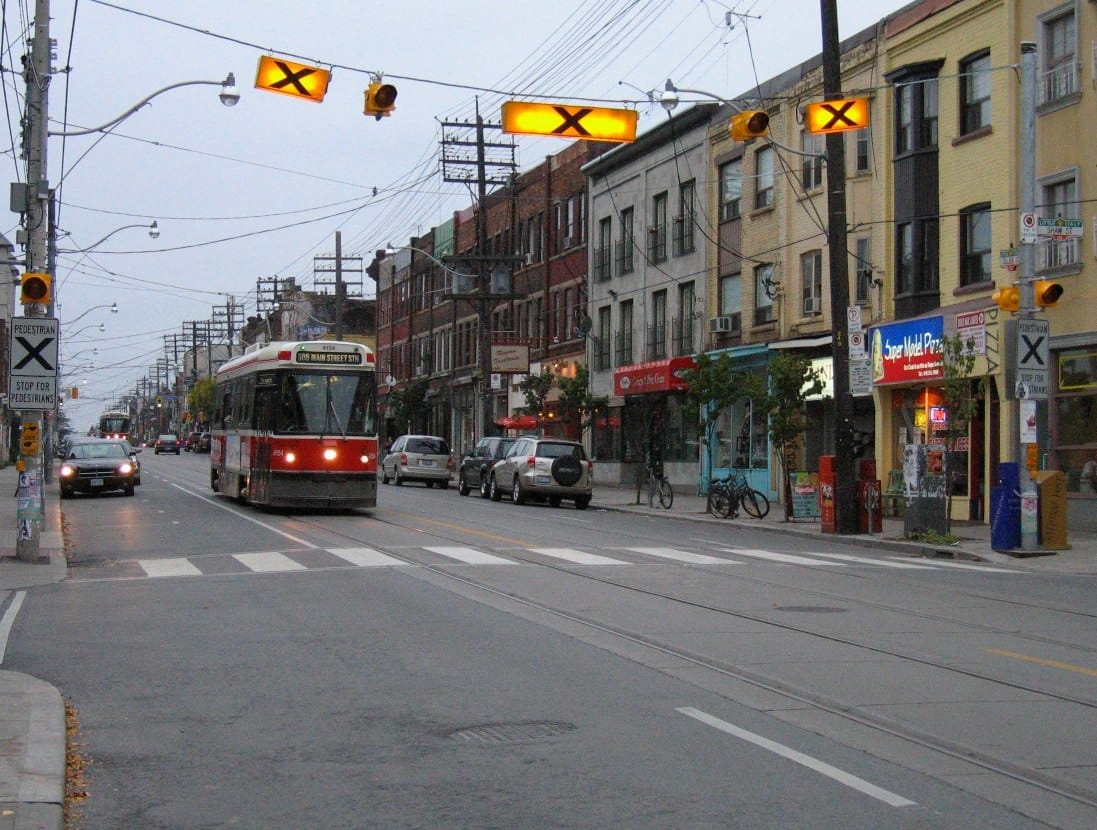
What Is Little Italy, Exactly?
Little Italy in Toronto is a designated Business Improvement Area (BIA) occupying the College Street corridor from Bathurst Street to Shaw Street. The BIA was formally established in 1984, but the Italian community's presence in this part of the city stretches back to the 1920s, when immigrants from southern Italy settled in the blocks around College and Grace. At its peak mid-century, the neighbourhood was one of the most densely Italian-Canadian parts of the country.
Today the ethnic composition has broadened considerably. The Portuguese, Latin American, and younger professional communities have all left their mark on the street. What remains distinctly Italian is the café culture, the trattoria-style restaurants, the social pace of an evening passeggiata along the sidewalk, and the Italian-flag street banners that hang from the lamp posts year-round. This isn't a preserved theme park of Italianness — it's a living street that has evolved while keeping its original character legible.
ℹ️ Good to know
The Little Italy BIA boundary runs along College Street from Bathurst Street to Shaw Street. Destination Toronto also recognises a broader Italian-Canadian presence on Dundas Street West between Bathurst and Ossington Avenue, a short walk south.
The Street Through the Day: Mornings to Late Night
College Street has distinct personalities at different hours, and understanding that rhythm helps you choose when to go. In the morning, particularly on weekdays, the street is calm and residential. The espresso bars and bakeries open early, and you'll find locals reading newspapers over cortados with very little tourist foot traffic. This is actually one of the better times to appreciate the streetscape itself: the older shop facades, the hand-lettered signage on a few longtime businesses, the small outdoor terraces just setting up.
By mid-afternoon the tempo picks up, especially on weekends. Brunch crowds carry through from Harbord Street down to College, and the restaurant patios begin filling from around noon. The light in the afternoon hits the north side of College Street particularly well for photography, catching the warm brick of the older low-rise commercial buildings against the green of the tree canopy.
The neighbourhood genuinely comes alive after 6 p.m. This is when Little Italy earns its reputation. The outdoor terraces fill, the restaurants reach full noise levels, and College Street between Bathurst and Clinton takes on the density and energy of a proper European-style evening street. Smells of garlic, woodfire, and grilled meat drift out of kitchen vents. Groups spill from bar entrances onto the sidewalk. If you're here specifically for the social atmosphere, an evening arrival between 7 and 10 p.m. is when the street is at its most characterful.
💡 Local tip
For the calmest café experience, visit on a weekday morning. For the full evening energy, Friday and Saturday nights from 7 p.m. onward show the street at maximum life — but expect noise, crowds, and patios packed to capacity.
Tickets & tours
Live prices and dates from our booking partner. If you book, we may earn a commission at no extra cost to you.
Toronto 'Little Canada' entrance tickets
From 27 €Instant confirmationFree cancellationToronto Old Town: Dark Side Exploration Game and Tour
From 12 €Instant confirmationFree cancellationLEGOLAND Discovery Centre Toronto tickets
From 16 €Instant confirmationFree cancellationNiagara Falls tour with local winery visit from Toronto
From 70 €Instant confirmationFree cancellation
History and Cultural Significance
The Italian community began establishing itself in this part of Toronto in the 1920s, concentrated in the blocks just west of Bathurst around College and Grace streets. Over the following decades, grocery stores, social clubs, religious institutions, and family-run restaurants built up the character of the street. By the 1960s and 70s, the stretch of College from Bathurst westward was recognisably a neighbourhood centre for Italian-Canadian life in the city.
The BIA's formal founding in 1985 marked a shift toward organised commercial identity, but by that point demographic change was already underway. Many second and third-generation Italian families had moved to the suburbs — Woodbridge, Concord, and areas north of the city — as Toronto's inner neighbourhoods began attracting younger professional residents. The street adapted rather than froze. The result today is a corridor where a 40-year-old espresso bar might sit directly beside a wine bar opened five years ago, and both are busy.
Toronto's multicultural character is on display throughout this neighbourhood in a way that feels organic rather than curated. The broader Annex neighbourhood that surrounds Little Italy adds its own layer of student life, independent bookshops, and University of Toronto faculty culture to the area — making the district feel denser and more interesting than the restaurant strip alone suggests.
What to Actually Do Here
The honest answer is: walk, eat, and sit. There are no ticketed attractions inside the Little Italy BIA. There is no museum of Italian-Canadian history here, no landmark building that requires a set visit time. The attraction is the texture of the street itself — the café terraces, the independent grocers, the gelaterie, the wine bars, the evening restaurant scene.
A practical walkthrough: start at the Bathurst and College intersection, which marks the eastern gateway of the BIA. Walk west along College Street toward Shaw. On the south side, you'll pass several of the neighbourhood's older-established restaurants and cafés; on the north side, the more recent openings tend to cluster. The walk from Bathurst to Shaw is well under a kilometre and takes roughly 15 minutes at an easy pace, though most visitors take considerably longer with stops.
If you have time, extend the walk south to Dundas Street West between Bathurst and Ossington — a complementary stretch with its own Italian-Canadian commercial presence, and a useful connection point to Ossington Avenue and its bar and restaurant scene a few blocks west.
Annual events worth timing a visit around include the Taste of Little Italy street festival, typically held in June, which closes College Street to traffic and fills it with food stalls, live music, and outdoor seating. Exact dates shift year to year — check the Little Italy BIA website before planning around it. Street access to the festival is free; food and drink purchases are separate.
Getting There and Getting Around
The most straightforward transit route is to take TTC Line 1 (Yonge-University) to Queen's Park station, then board the 506 College streetcar heading westbound. Ride it to Bathurst Street for the beginning of the Little Italy corridor. The streetcar runs frequently during daytime and evening hours and deposits you directly on College Street.
If you're already in the downtown core or along the waterfront, the PATH underground network connects major subway stations but doesn't extend this far west — surface transit is your best option once you're heading up to College Street. A basic TTC fare covers the trip; check the TTC website for current fare information before you travel.
By car, metered street parking is available on College Street itself, with limited free parking possible on the residential side streets running north and south. Parking in this area is competitive during evening hours and on weekends, so transit or cycling is genuinely more practical. The neighbourhood is well-connected to the city's cycling infrastructure, and the flat terrain along College makes it accessible by bike.
⚠️ What to skip
Street parking on College Street disappears fast on Friday and Saturday evenings. If you're driving for a dinner reservation, allow extra time to find a spot on a side street, or take the streetcar.
Seasonal Considerations and Weather
Little Italy is at its most appealing between May and October, when the patio culture that defines the street is actually viable. Toronto summers are warm and humid — July daytime temperatures average around 22–23°C but regularly exceed 30°C — and College Street's restaurant terraces take full advantage of the weather. The street has canopy cover from mature trees along parts of the route, which makes summer evenings comfortable even when the afternoon heat was significant.
Winter visits are a different proposition. Toronto's January average temperature is around -3.5°C, and College Street loses most of its outdoor energy when the patios close. The restaurants and cafés are still open and welcoming, and there's a certain intimacy to a quiet winter evening in a well-heated trattoria, but the street's defining character — the outdoor social scene — isn't present. For more on how Toronto's seasons affect neighbourhood visits, the best time to visit Toronto guide covers the tradeoffs in detail.
Photography and Practical Notes
The best photography conditions on College Street are in the late afternoon on the north side of the street, when the low westward sun catches the older brick facades. The Italian-flag street banners and vintage-style signage on a handful of longstanding businesses photograph well in that light. In the evening, the patio lighting from restaurants creates a warm ambient glow that works well without flash.
Accessibility along the corridor is standard for a Toronto city street: sidewalks exist throughout with curb cuts at intersections. That said, individual restaurants and bars vary significantly in step-free access, washroom accessibility, and seating arrangements. If accessibility at a specific venue is important, check directly with the establishment before visiting, as conditions are not uniform across the BIA.
Little Italy is a useful anchor for a broader west-end day. It connects naturally with Kensington Market a few blocks east, and with the Annex neighbourhood to the north. If you're building a full-day itinerary, the Toronto food guide links together several of these corridors and helps prioritise based on what you want to eat.
Insider Tips
- The espresso bars on the south side of College Street near Grace tend to be the neighbourhood's older-established spots. They're busy in the morning but not tourist-facing — no menu boards in three languages, no photo displays. Order simply and you'll get a better coffee experience than at the more curated newer places.
- If you're visiting for dinner on a weekend, arrive before 6:30 p.m. or after 9 p.m. The 7-8:30 p.m. window is when the popular restaurants are at peak capacity and waits are longest. Many don't take reservations.
- The Taste of Little Italy street festival typically happens in June and closes College Street to traffic. It's genuinely worth checking dates before you visit in that month — the street transforms completely and even a 30-minute walk through gives you a concentrated hit of neighbourhood energy.
- Dundas Street West between Bathurst and Ossington, a few minutes' walk south, has a quieter version of the same Italian-Canadian commercial character and fewer crowds. It's useful if College Street feels overwhelming on a busy evening.
- Metered parking on College Street has a time limit. If you're planning a long dinner, move your car to a residential side street north of College (check signage carefully for permit zone restrictions) rather than risk a ticket.
Who Is Little Italy For?
- Food-focused travellers who want to eat Italian-Canadian cooking in its original Toronto neighbourhood context
- Evening diners and those who enjoy a patio culture with a genuine social atmosphere
- Neighbourhood walkers who prefer streets that feel lived-in rather than curated for tourism
- Visitors pairing Little Italy with nearby Kensington Market or the Annex for a half-day west-end walk
- Anyone visiting in June who can time a trip around the Taste of Little Italy festival
Nearby Attractions
Other things to see while in The Annex:
- Casa Loma
Casa Loma is a 98-room Gothic Revival mansion perched 140 metres above Lake Ontario in Toronto's midtown area. Built between 1911 and 1914 for financier Sir Henry Pellatt, it remains one of Canada's most architecturally ambitious private residences and a landmark worth understanding before you walk through its gates.
- Koreatown
Stretching along Bloor Street West between Bathurst and Christie subway stations, Toronto's Koreatown is a compact but densely packed commercial corridor rooted in a Korean immigrant community that began settling here in the 1970s. Today it draws visitors for Korean BBQ, late-night karaoke, Korean bakeries, and grocery stores stocked with ingredients you won't find elsewhere in the city.
- Ontario Legislative Building
The Ontario Legislative Building is the seat of Ontario's provincial parliament, a Richardsonian Romanesque sandstone landmark officially opened on April 4, 1893 at the centre of Queen's Park. Admission and guided tours are free, making it one of Toronto's most accessible and architecturally significant public buildings.
- Spadina Museum
Spadina Museum, also known as Spadina House, is a 55-room National Historic Site on Spadina Road in Toronto's Annex neighbourhood. Built in 1866 and redesigned over generations, it preserves the domestic life of one of the city's most prominent families across nearly a century of change. Admission to the house is free, guided tours run Wednesday through Sunday, and the gardens are open daily from 11 a.m. to 5 p.m.
Planning a trip? Discover personalized activities with the Nomado app.