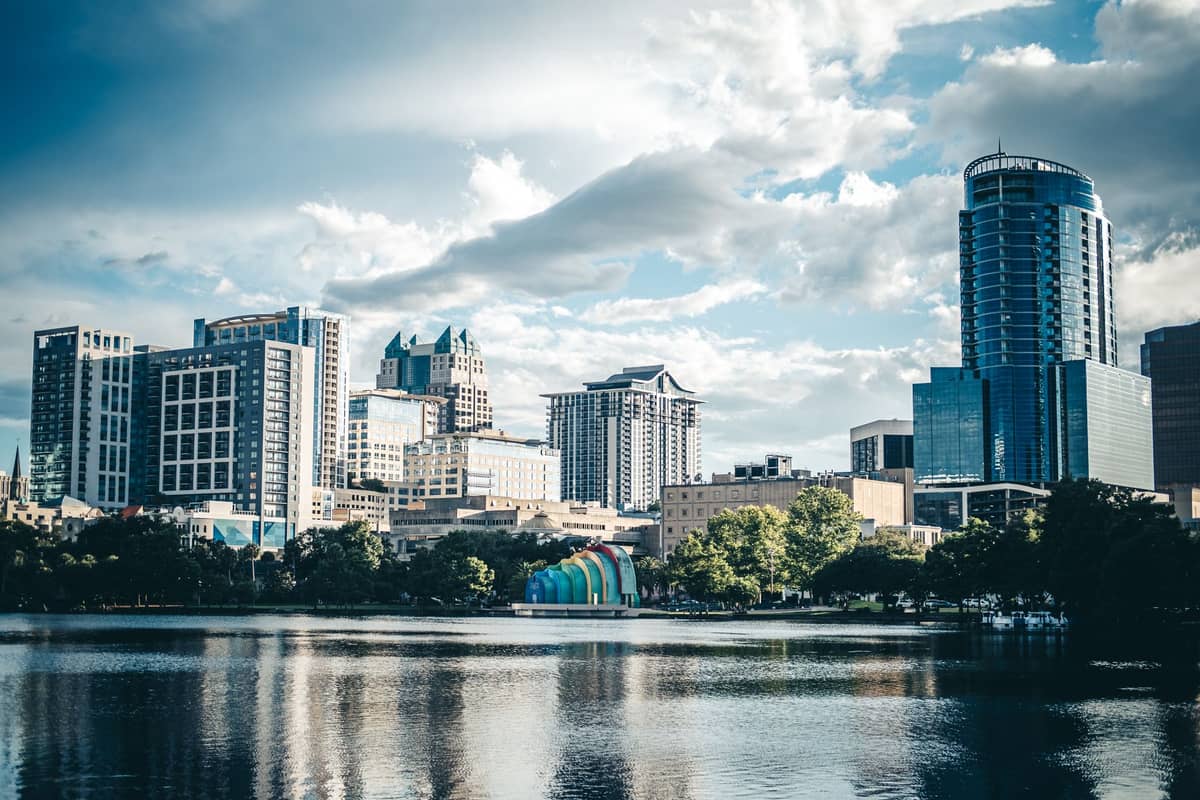
Downtown Orlando is the historic center of Florida's fourth-largest city, where government buildings, professional sports arenas, performing arts venues, and a walkable lakefront park occupy the same compact grid. It reads less like a theme park anteroom and more like a real city trying to be taken seriously on its own terms.
Downtown Orlando is the working heart of the city, a place where commuters, concert-goers, and Sunday morning joggers all share the same streets around Lake Eola. Unlike the tourist corridors to the south and west, this is where Orlando actually lives and does business, which makes it one of the more interesting parts of the city to spend time in if you know where to look.
Orientation
Downtown Orlando occupies the northern quadrant of the city's urban core, sitting roughly between Marks Street to the north, Mills Avenue to the east, Orange Blossom Trail (US 441) to the west, and Kaley Avenue to the south. Within that frame, the most active area for visitors contracts considerably: most of what you will want to explore sits between Robinson Street to the north and South Street to the south, with I-4 forming a hard western edge and Summerlin Avenue marking the eastern boundary near Lake Eola.
Orange Avenue is the main north-south spine. It cuts through the center of downtown and connects the Church Street District near the southern end to the North Quarter, a quieter residential and office stretch, as you move toward Colonial Drive. Church Street itself runs east-west and is the most concentrated entertainment corridor in the district. Lake Eola Park sits just east of the core grid, providing a natural eastern anchor for the neighborhood.
The neighborhoods closest to downtown include Thornton Park directly to the east of Lake Eola, a walkable enclave of restaurants and bars that bleeds into downtown without a clear seam. To the northeast, the Mills 50 District begins around the Mills and Colonial intersection, with a distinctly different character: more independent, more eclectic, and quieter. To the west, I-4 separates downtown from the Parramore neighborhood. To the south, the urban texture gradually loosens as you move toward the theme park corridors.
ℹ️ Good to know
Downtown Orlando is not a pedestrian-hostile grid like some Florida cities. The blocks are short, shade trees line several of the main streets, and Lake Eola is genuinely walkable from most hotels in the area. That said, the car-centric design of Florida means that distances between points can feel longer on foot than they look on a map.
Character and Atmosphere
On a weekday morning, downtown Orlando runs on office energy. The coffee shops fill early near Orange Avenue and Robinson Street, and the sidewalks have a purposeful tempo: people in business attire heading to the government buildings and law offices that form the backbone of the district's economy. The light at this hour is already bright and warm even in winter, reflecting off the glass facades of the newer high-rises that have gone up along Church Street over the past decade.
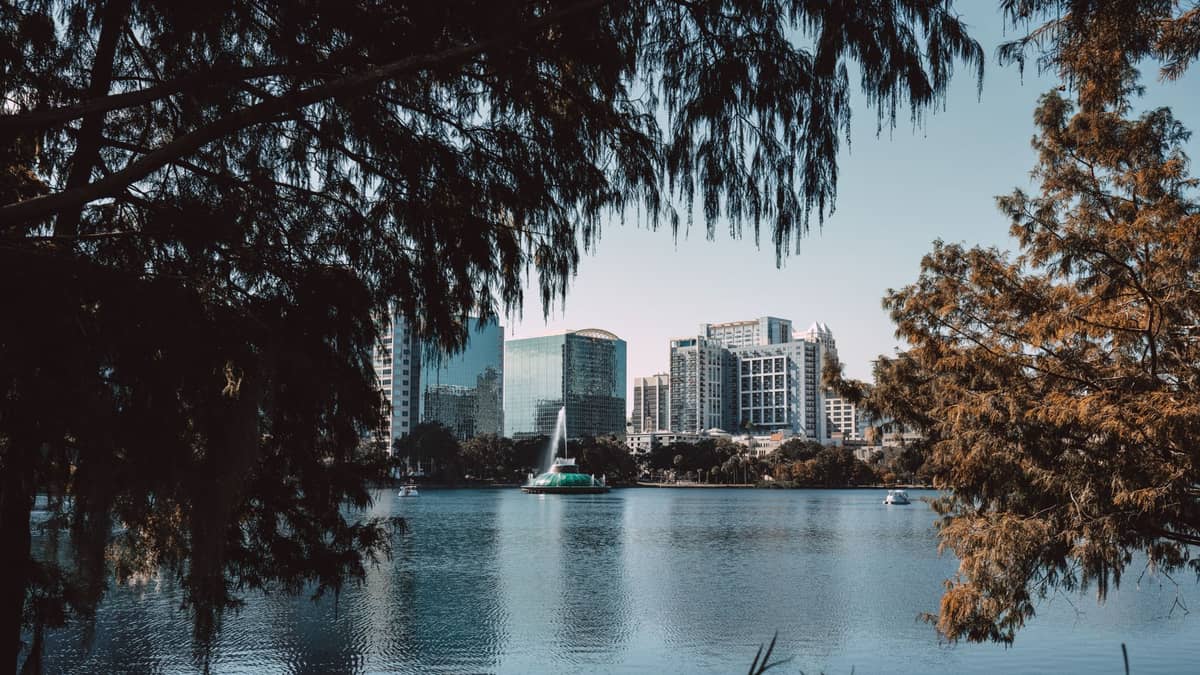
By midday, Lake Eola Park becomes the social center of the neighborhood. Joggers circle the path around the lake, office workers eat lunch near the amphitheater, and the swan boats drift across the water with slow, unhurried confidence. The park hosts a farmers market on Sunday mornings that draws a genuinely local crowd rather than tourists, which gives it a very different feel from the curated markets you find near the theme park zones.
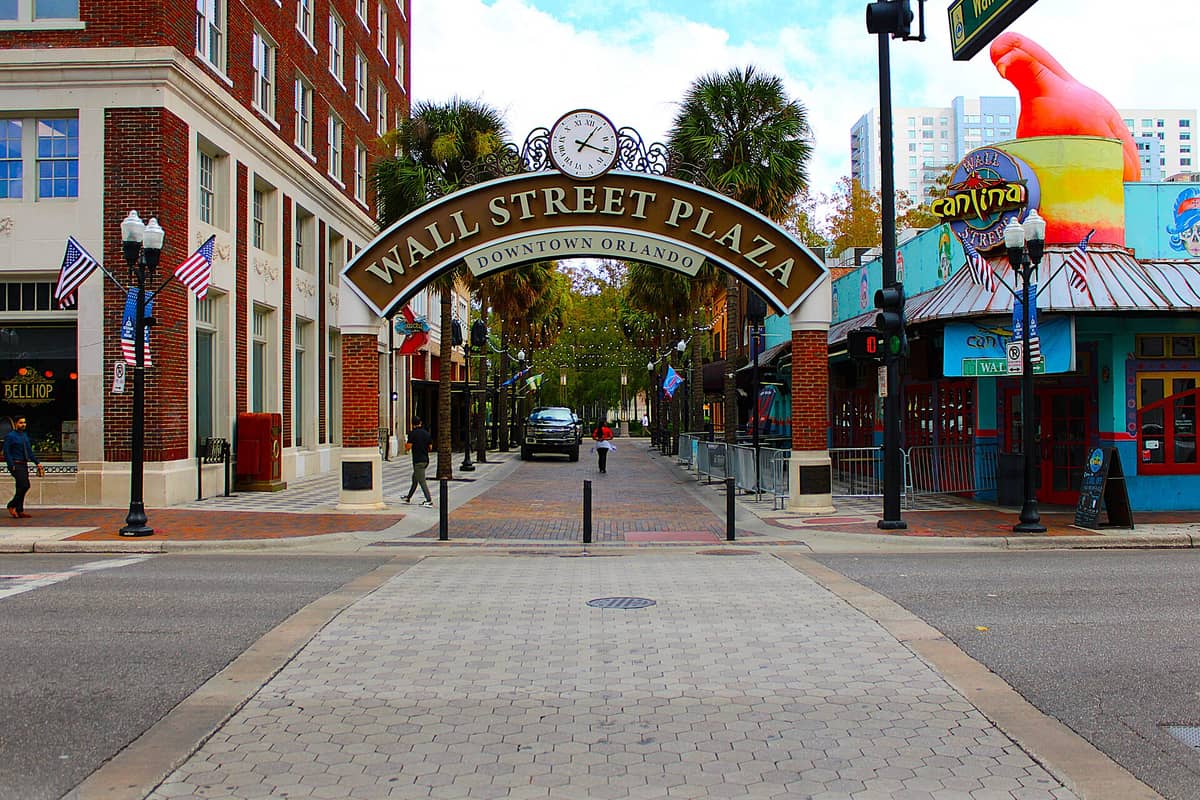
After dark, the character depends heavily on what's happening at the Kia Center or the Dr. Phillips Center. When there's a concert or an Orlando Magic game, Church Street and the surrounding blocks fill quickly with pre-show crowd energy. Bars around Wall Street Plaza stay active well past midnight on weekends. On quieter nights, especially mid-week, downtown can feel surprisingly empty south of Robinson Street, which surprises first-time visitors expecting a city that never sleeps.
The honest truth is that downtown Orlando is still a city in the process of becoming what its boosters say it already is. There are genuine pockets of urban life here that feel authentic: the Thursday night food trucks at Lake Eola, the pre-show crowd at the Dr. Phillips Center, the Sunday Farmers Market. But the blocks between Church Street and South Street can feel thin at certain hours, and the transition between lively and deserted can happen within a single block.
What to See and Do
The clearest starting point in the neighborhood is Lake Eola Park, located at 512 East Washington Street. The lake itself is a sinkhole lake, one of the geological formations common across Central Florida, and the 43-acre park around 23-acre Lake Eola is the closest thing downtown has to a public living room. The fountain at the center of the lake is lit at night and visible from the park's perimeter path. The Walt Disney Amphitheater hosts free outdoor events through much of the year.
The Dr. Phillips Center for the Performing Arts at 445 South Magnolia Avenue is the neighborhood's premier cultural institution. It hosts Broadway touring productions, the Orlando Philharmonic, and a range of smaller performances in its Alexis and Jim Pugh Theater. Check the calendar before your trip; attending a show here is one of the better evening experiences downtown has to offer. A few blocks west, the Kia Center at 400 West Church Street is where you will find NBA action if the Orlando Magic are playing at home. The arena also hosts major touring concerts and is one of the larger entertainment venues in the Southeast.
The historic Church Street District, centered on the blocks of Church Street between Orange Avenue and Garland Avenue, is where the neighborhood's entertainment identity is most concentrated. Wall Street Plaza sits just north of Church Street and operates as an outdoor bar complex that connects several venues under a shared courtyard. It works best in the evening; during daylight hours it reads as an ordinary urban block.
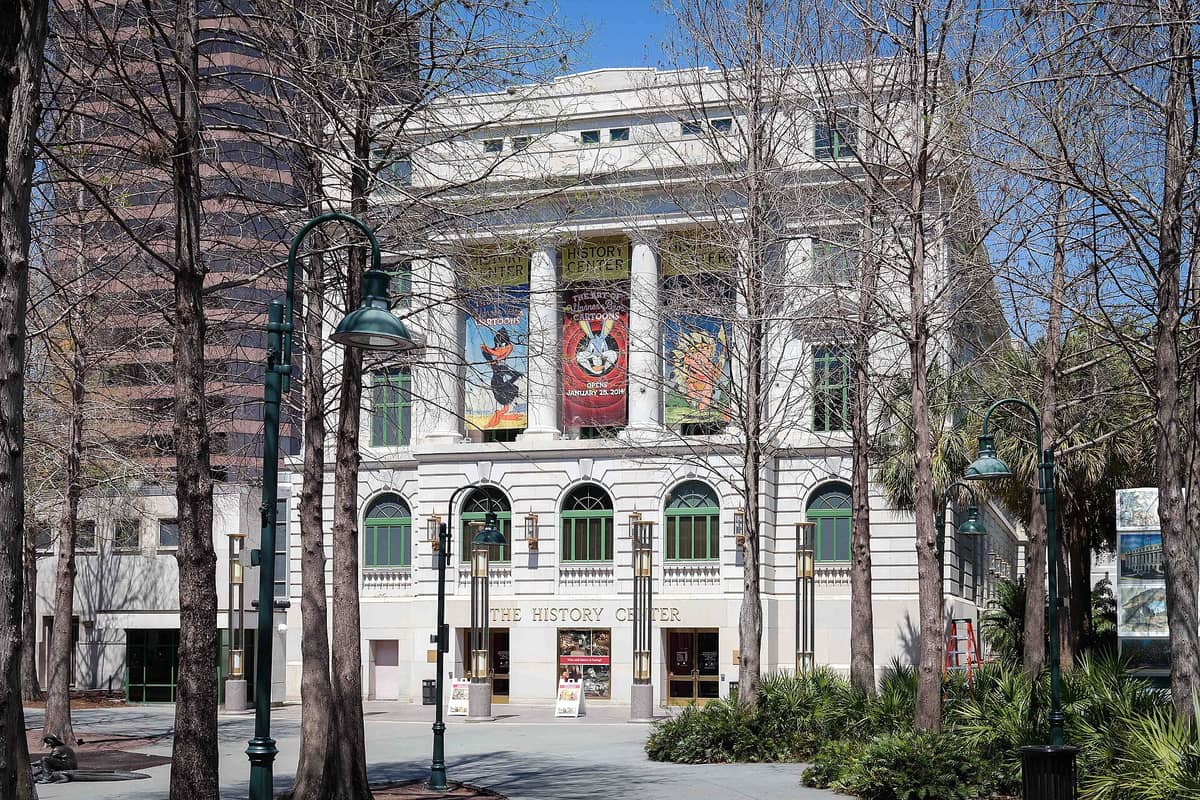
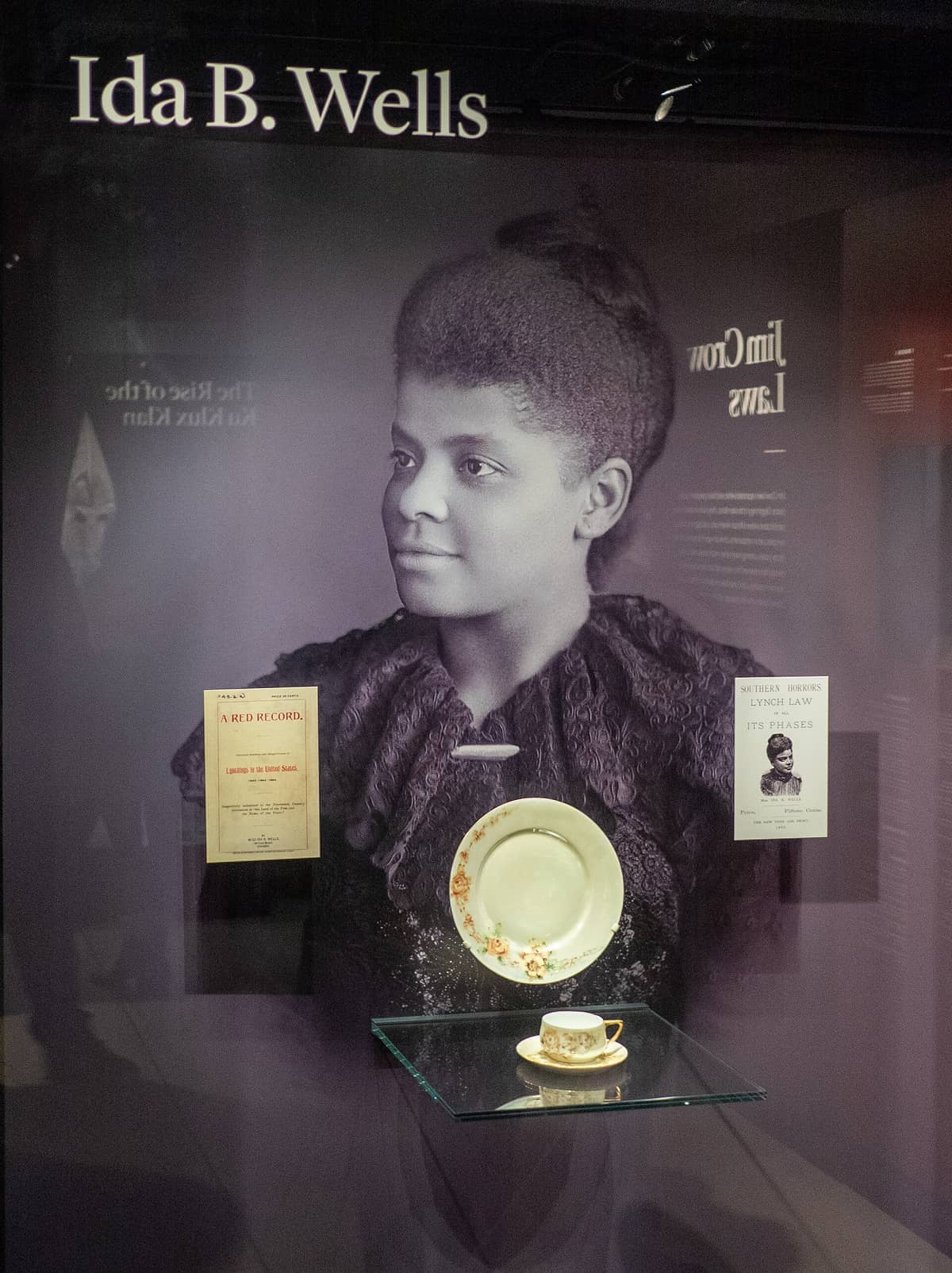
For museums and cultural depth, the Orange County Regional History Center on Central Boulevard traces the history of Central Florida from its Seminole and pioneer roots through the space age and theme park era. It is a genuinely good regional history museum and worth two hours. The Wells Built Museum on South Parramore Avenue tells the story of Orlando's historically Black community and the era of Jim Crow-era segregation, providing essential context for understanding the city's social history.
Lake Eola Park: the neighborhood's defining public space, best visited on Sunday mornings during the farmers market
Dr. Phillips Center for the Performing Arts: check the performance calendar in advance
Kia Center: NBA (Orlando Magic), ECHL hockey (Orlando Solar Bears), and major concerts
Church Street District and Wall Street Plaza: the main evening entertainment corridor
Orange County Regional History Center: two to three hours for a thorough visit
Wells Built Museum: a smaller but significant cultural institution
Thornton Park: walk east from Lake Eola for restaurants, wine bars, and quieter streets
Eating and Drinking
Downtown Orlando's food scene is more interesting than the city's reputation as a fast-food-and-buffet theme park town would suggest. The concentration of office workers and young professionals living in the high-rise apartments that have gone up over the past decade has pushed the food quality upward. You will find serious coffee, regional craft beer, and restaurants run by chefs who trained outside Florida and chose to stay.
Thornton Park, the micro-neighborhood just east of Lake Eola along Washington Street and the surrounding blocks, has the densest cluster of independent restaurants in the broader downtown area. It skews toward wine bars, brunch spots, and upscale casual dining. The price point here is moderate to high by Orlando standards. This is where you go for a slow Saturday morning or a dinner before a show at the Dr. Phillips Center.
The Church Street corridor is more bar-forward than food-forward, but there are restaurants worth seeking out. Wall Street Plaza operates food vendors alongside its bar programming on weekend evenings. For daytime eating, the ground-floor retail around Orange Avenue has coffee shops and lunch counters that serve the office crowd and keep reasonable weekday hours. Weekend hours at some spots can be reduced or inconsistent, so checking ahead is worthwhile.
Craft beer has a solid presence in the neighborhood. Several gastropubs within walking distance of Lake Eola carry rotating taps of Florida breweries alongside food menus substantial enough to make a full meal. The Sunday farmers market at Lake Eola typically includes prepared food vendors alongside produce and artisan goods, making it one of the better casual food experiences in the neighborhood if your timing aligns.
💡 Local tip
If you are visiting on a Sunday morning, time your arrival at Lake Eola Park to coincide with the Orlando Farmers Market, which runs along the park's north and east perimeter. It draws local vendors selling fresh produce, prepared foods, and handmade goods, and it gives you a genuine read on the neighborhood's resident population rather than its tourist one.
Getting There and Around
Orlando International Airport (MCO) sits roughly 12 miles (about 19 km) southeast of downtown by road, and the trip typically takes 25 to 40 minutes depending on traffic. LYNX Bus 11 is the cheapest option from the airport, with a base fare of $2.00; it is a direct MCO–downtown route, though the journey takes considerably longer than driving. Taxis to downtown run approximately $35 to $45. Rideshare services are widely available and generally fall in the $30 to $65 range depending on vehicle type and demand at the time of pickup. Fares shift with surge pricing, so check the app before committing.
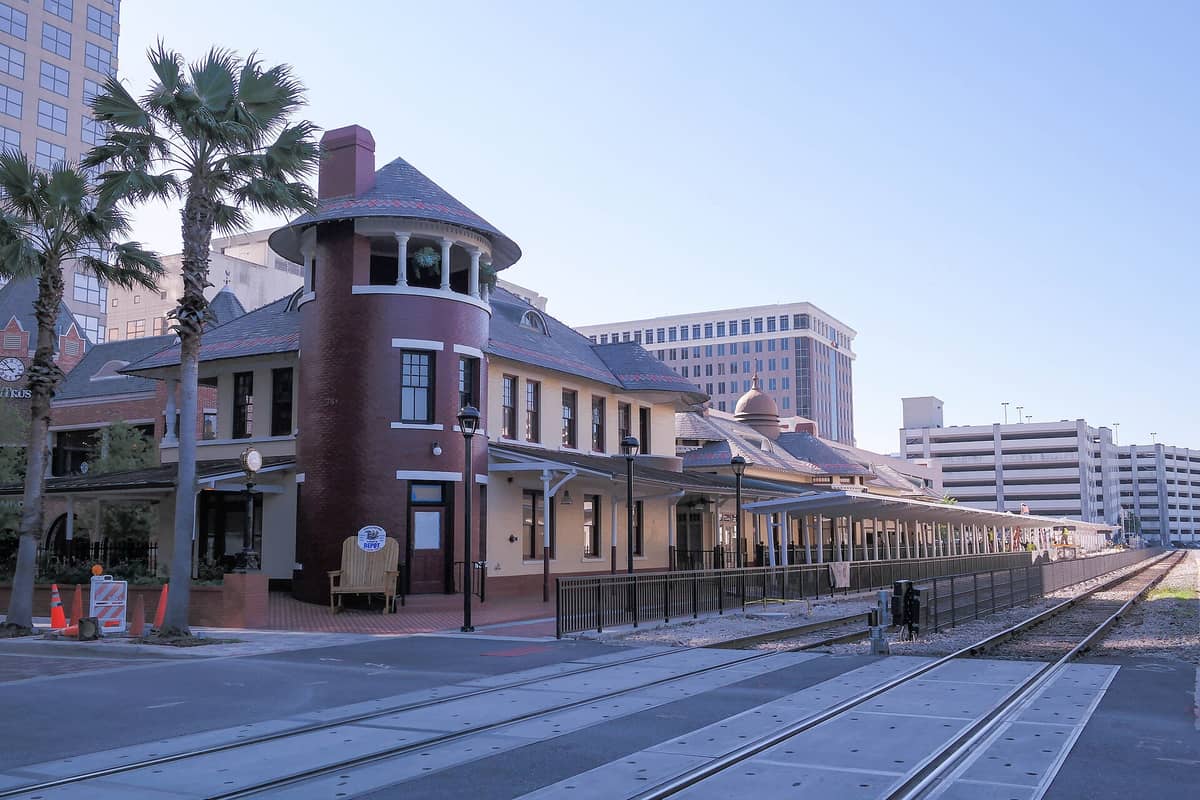
SunRail, the regional commuter rail system, stops at Church Street Station in the heart of the entertainment district. This is the most convenient transit connection for reaching downtown from SunRail's northern corridor, which runs toward Winter Park and Sanford. Winter Park is about 10–15 minutes by SunRail from Church Street Station, making a combined day trip between the two genuinely practical without renting a car.
Within downtown, the distances between most points of interest are manageable on foot, particularly between Lake Eola, Thornton Park, Church Street, and the performing arts complex. The LYNX network provides bus coverage to neighboring districts including Mills 50 and beyond. For reaching the theme parks or International Drive, a car or rideshare is effectively necessary; SunRail does not serve those corridors directly. Read through the complete guide to getting around Orlando before finalizing your transport plan.
⚠️ What to skip
Downtown Orlando is not a practical base for daily theme park visits unless you are comfortable with rideshare costs or renting a car. The distance from Church Street to Walt Disney World is roughly 24 miles, and public transit connections between downtown and the parks require significant time. If theme parks are your primary focus, consider staying closer to the attraction corridors to the south and west.
Where to Stay
Downtown Orlando makes the most sense as a base for travelers who are here primarily for business, arts events, or urban exploration rather than theme parks. The accommodations here tend to be full-service hotels, boutique properties, and extended-stay options catering to the convention and business travel market. For a broader look at the city's lodging landscape, the Orlando neighborhood accommodation guide covers the tradeoffs between staying downtown versus closer to the parks.
The best location within downtown for most visitors is the corridor between Orange Avenue and Rosalind Avenue, within walking distance of both Lake Eola and the Church Street entertainment district. Hotels in this zone put you roughly 10 minutes on foot from the Dr. Phillips Center and within easy striking distance of Thornton Park's restaurants. Parking in downtown is a real consideration; many hotels charge daily parking fees, and street parking is metered and can be scarce on event nights.
Travelers who want a quieter urban experience but still want to be close to downtown's attractions sometimes prefer Thornton Park specifically, where the scale is lower and the atmosphere is more residential. The tradeoff is fewer accommodation options; the neighborhood runs mostly on rental apartments and small inns rather than full-service hotels. The Church Street end of downtown is louder at night due to bar activity and event traffic from the Kia Center, which is worth factoring in if you are a light sleeper.
⚠️ What to skip
Event nights at the Kia Center can significantly affect traffic, parking availability, and noise levels on Church Street and the surrounding blocks. If you are checking in or out on a night when there is a major concert or NBA game, build extra time into your plan and confirm parking arrangements with your hotel in advance.
Safety and Practical Notes
Downtown Orlando's safety profile is typical of a mid-sized American city center: the main tourist and entertainment areas around Lake Eola, Church Street, and the performing arts district are well-trafficked and well-lit, and they feel comfortable during both day and evening hours. As with any urban core, the character shifts in blocks that are less commercial and less crowded, particularly in the Parramore district between I-4 and Orange Blossom Trail. The standard advice for any city applies: stay aware of your surroundings after dark in less-trafficked areas. The city's Orlando safety overview provides more detailed guidance.
Florida's subtropical climate means that summer afternoons in downtown Orlando involve genuine heat and humidity. The temperature regularly reaches around 90 degrees Fahrenheit from June through September, and afternoon thunderstorms are common. Planning outdoor activity at Lake Eola for the morning hours is considerably more comfortable than attempting it at 2pm in July. Late fall, winter, and early spring offer the most pleasant walking conditions, with mild temperatures and significantly lower humidity.
Emergency number: 911
Tipping: 15 to 20 percent is standard at restaurants and bars
Tap water is safe to drink
Electricity: Type A/B plugs, 120V, 60Hz
Time zone: Eastern Time (EST/EDT depending on season)
TL;DR
Downtown Orlando is Orlando's civic and cultural core, anchored by Lake Eola Park, the Dr. Phillips Center for the Performing Arts, and the Kia Center arena on Church Street.
Best suited for travelers interested in urban exploration, arts events, professional sports, or business travel rather than theme park access.
Walkable within its core, with SunRail connections to Winter Park to the north; reaching the theme parks requires a car or rideshare.
The food and bar scene is genuine and improving, concentrated in Thornton Park east of Lake Eola and along the Church Street entertainment district.
Event nights at the Kia Center and Dr. Phillips Center animate the neighborhood significantly; without an event, parts of downtown can feel quiet after 9pm on weekdays.
Central Florida's wetlands are home to alligators, herons, and some of the most exhilarating eco-experiences in the Southeast. This guide breaks down the best airboat tours near Orlando by operator, price, location, and what to expect on the water.
Orlando's theme parks run 365 days a year, but the experience varies wildly depending on when you go. This guide breaks down every season by weather, crowd density, pricing, and special events so you can pick the window that fits your trip.
Orlando sits at the center of one of America's most day-trip-rich regions. Within two hours, you can be watching manatees in a crystal spring, exploring a 17th-century Spanish fort, or riding coasters at a Tampa theme park. This guide covers the best destinations worth leaving the parks behind for.
Disney World tickets are not a flat rate. Prices shift by park, date, and how many days you visit. This guide breaks down exactly what tickets cost in 2026, which type makes sense for your trip, and where the genuine savings are.
The EPCOT International Food & Wine Festival is one of the best culinary events in Orlando, running August 27 through November 21, 2026. This guide covers booth pricing, crowd strategy, entertainment, and everything you need to know before you go.
Orlando is far more than paid theme parks. From free-entry entertainment districts and botanical gardens to natural springs and cultural museums, the city offers a surprising range of genuinely no-cost experiences. This guide covers the best free things to do in Orlando, with honest notes on what actually costs nothing.
Orlando is a sprawling city built around cars, but public transit, ride-shares, and theme park shuttles can cover most visitor needs if you plan ahead. This guide breaks down every option — costs, coverage, limitations, and practical tips — so you can move around Orlando without wasting time or money.
Halloween Horror Nights at Universal Studios Florida is one of the most elaborate haunted events in the world, running from late August through early November. This guide covers ticket pricing, crowd strategy, what to expect inside the haunted houses, and a clear take on whether the Express Pass is worth it.
The Wizarding World of Harry Potter spans two separate parks at Universal Orlando Resort. This guide covers Diagon Alley, Hogsmeade, Hogwarts Express logistics, ticket pricing, crowd patterns, and the practical details that will save you time and money.
Orlando is far more than roller coasters and character meet-and-greets. This guide covers the best romantic things to do in Orlando for couples, from lakefront paddle boats and botanical garden strolls to rooftop dining and sunrise balloon flights, with honest seasonal advice and pricing details.
Orlando's dinner show scene is bigger and more varied than most visitors expect. This guide breaks down the top options, real pricing, seating differences, and practical booking advice so you get the most out of your evening.
Orlando is far more than roller coasters and mouse ears. From crystal-clear natural springs and world-class art museums to charming lakeside towns and Florida wildlife encounters, this guide uncovers the city's most rewarding experiences for travelers ready to look past the theme park corridor.
December transforms Orlando into one of the most festive destinations in the United States. From Disney's separately ticketed Christmas parties to SeaWorld's included holiday celebration, this guide covers everything you need to plan a December trip without expensive surprises.
Orlando's summer heat and afternoon thunderstorms make indoor attractions essential knowledge for any visitor. From hands-on science museums and Tiffany art collections to immersive theme park rides and interactive entertainment complexes, these are the best places to stay cool while making the most of your trip.
Seven days in Orlando, Florida gives you just enough time to hit the major theme parks, squeeze in a day trip or two, and actually breathe between it all. This itinerary balances Disney World, Universal Orlando, and the parts of the city most visitors never see — built around how crowds, weather, and park hours actually work.
Central Florida sits atop one of the world's great aquifer systems, and the results are spectacular: gin-clear spring-fed rivers, constant 68-72°F water, and some of the most beautiful state parks in the Southeast. These are the natural springs closest to Orlando worth planning a day trip around.
Orlando's after-dark scene goes far beyond the theme parks. This guide breaks down the best nightlife districts, top venues, what things cost, and how to navigate the city at night without wasting time on the wrong spots.
Orlando, Florida doesn't have to cost a fortune. With the right timing, transport choices, and free attractions, you can experience the best of the city while keeping your wallet intact. This guide breaks down exactly how to do it.
Orlando draws over 75 million visitors a year, and most leave without incident. But the city's overall crime statistics can look alarming out of context. This guide breaks down where the real risks lie, which areas to avoid, and what practical steps will keep your trip trouble-free.
Orlando delivers far more than theme parks when it comes to retail therapy. From luxury flagships at Mall at Millenia to discounted designer finds at outlet centers, plus charming boutique streets and one-of-a-kind themed shopping districts, this guide covers the best places to shop across the city.
Orlando is a serious sports city, not just a theme park destination. From NBA basketball at Kia Center to MLS soccer at Inter&Co Stadium, college football at the Bounce House, and ECHL hockey, this guide covers every major team, venue, ticket option, and seasonal event you need to plan your visit.
Orlando is home to more top-tier theme parks than any city on Earth. This guide covers every major park across Disney World, Universal, SeaWorld, and beyond, with practical advice on what to ride, when to go, and how to make the most of your visit.
Orlando has more water parks per square mile than almost anywhere on Earth. This guide covers every major option, from Disney's themed slide parks to SeaWorld's Aquatica, Universal's Volcano Bay, and the natural springs locals swear by.
Orlando, Florida is the world's most visited family destination for good reason, but navigating theme parks, ticket pricing, crowds, and heat requires a strategy. This guide breaks down everything families need to plan a trip that works for kids of all ages, without overpaying or burning out.
Orlando is one of the most diverse travel destinations in the United States, and Disney is just one piece of it. From Universal's blockbuster theme parks and world-class natural springs to historic small towns and genuine wildlife encounters, this guide covers the best experiences Orlando offers completely independent of the Mouse.
Orlando is far more than theme parks. This guide covers the full range of things to do in Orlando, Florida, from Magic Kingdom and Universal's Epic Universe to natural springs, arts districts, and day trips, with practical notes on costs, crowds, and what to skip.
Choosing where to stay in Orlando shapes your entire trip. This guide breaks down the city's main neighborhoods and hotel corridors, explains how prices shift dramatically by season, and gives you the honest picture on which areas deliver real value versus tourist-trap rates.