Getting Around Orlando: The Complete Transportation Guide
Orlando is a sprawling city built around cars, but public transit, ride-shares, and theme park shuttles can cover most visitor needs if you plan ahead. This guide breaks down every option — costs, coverage, limitations, and practical tips — so you can move around Orlando without wasting time or money.

Plan and book this trip
Tools from our partner Travelpayouts help you compare flights and hotels. If you book through them, we may earn a commission at no extra cost to you.
Flights
Hotels map
TL;DR
- Orlando is car-centric by design — renting a vehicle is the most flexible option for most visitors, especially those staying near the theme parks.
- LYNX buses cover the city for $2.00 per ride ($4.50 all-day pass), and LYMMO downtown circulator routes are completely free.
- SunRail commuter rail runs Monday to Friday only on a 49-mile corridor — useful for some trips, but not a daily transit backbone.
- From Orlando International Airport (MCO), taxis run $35–$45 to downtown; rideshare is often $30–$65 depending on demand. LYNX Route 11 costs just $2.00. See our full guide to where to stay in Orlando to choose the right base for your transport needs.
- Weekend visitors cannot rely on SunRail — plan for buses, rideshare, or car rental instead.
The Reality of Getting Around Orlando

Orlando, Florida covers about 111 square miles of total area, and its major attractions are scattered across an enormous corridor stretching from Walt Disney World in the southwest to Kennedy Space Center on the coast. The city was developed around car travel, and that reality still shapes how visitors move through it. Unlike New York or Chicago, there is no subway system connecting neighborhoods, theme parks, and the airport in a coherent network. What exists is a patchwork of useful-but-limited public transit, reliable ride-share coverage, theme park shuttle systems, and a vast highway grid.
That said, going car-free in Orlando is genuinely possible for certain types of trips. Visitors staying on or near International Drive or the Walt Disney World resort area can often manage without a rental car, especially if they're sticking to a handful of attractions. But anyone planning to explore further — day trips to the coast, drives to Sanford, or visits to neighborhoods like Mills 50 or Winter Park — will find a car essential.
ℹ️ Good to know
Orlando operates on Eastern Time (EST, UTC-5 in winter; EDT, UTC-4 during daylight saving). If you're coordinating transfers or early-morning theme park arrivals from another time zone, double-check all schedules against local Orlando time.
Getting Into the City: Orlando Airport (MCO) to Downtown
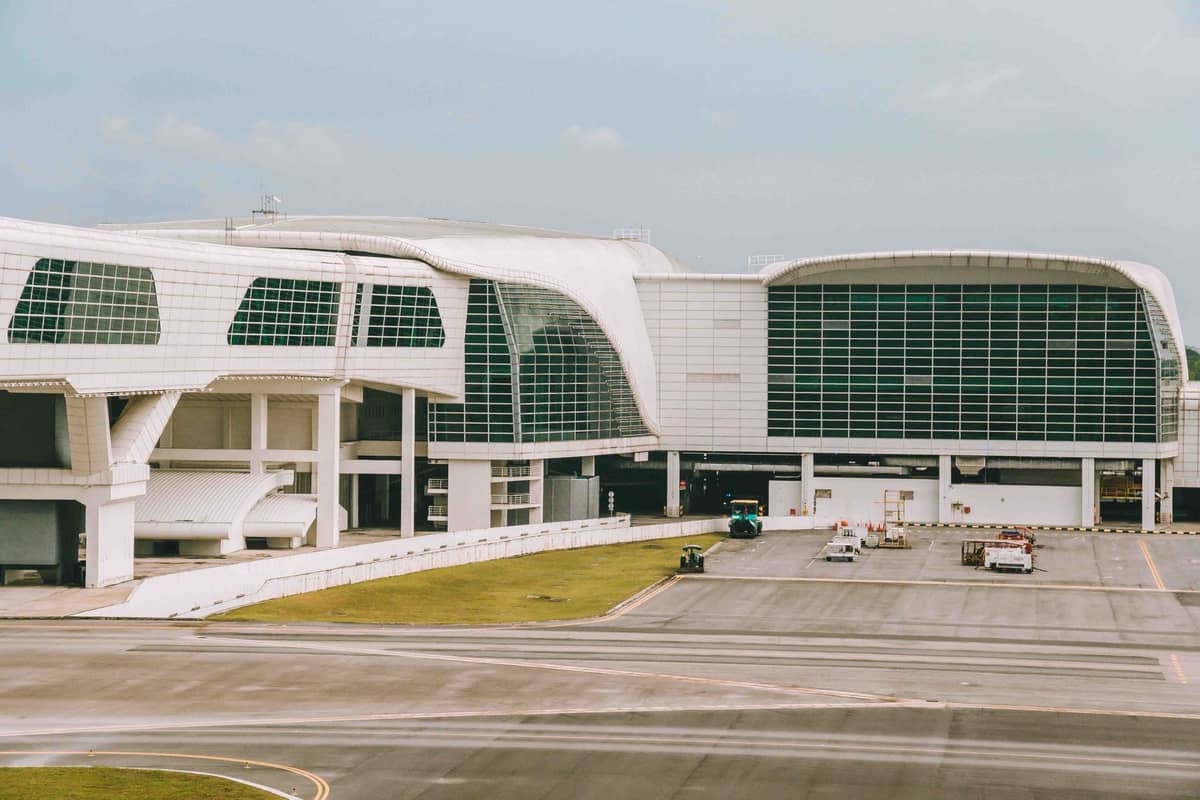
Orlando International Airport (MCO) sits about 9.7 km (6 miles) southeast of downtown by road — roughly a 25 to 40-minute drive depending on traffic. It consistently ranks among the busiest airports in the southeastern United States, and the ground transportation options from MCO are well-organized but vary significantly in cost and speed.
- LYNX Bus Route 11 The cheapest option at $2.00 per ride. Connects the airport to downtown Orlando. Slow, with stops, but reliable for budget travelers without luggage limitations.
- Taxi Expect $35–$45 to downtown, higher during peak hours or heavy traffic. Fixed fares to certain zones are sometimes available — confirm before getting in.
- Rideshare (Uber/Lyft) Typically $30–$65 depending on vehicle type, time of day, and surge pricing. Pick-up zones are clearly marked at MCO. Often faster than taxis for short waits.
- SunRail connection via Sand Lake Road A bus link from the airport connects to Sand Lake Road SunRail station. The link portion takes roughly 15 minutes. This only makes practical sense on weekdays when SunRail is operating.
- Pre-booked private transfer Fixed-price transfers run $50–$80 for a private vehicle. Worth considering for groups or families with heavy luggage, since the price per person becomes competitive.
⚠️ What to skip
Rideshare and taxi prices from MCO change frequently due to demand, fuel costs, and app pricing algorithms. The ranges listed here are approximate — always check the current fare estimate in your app before confirming a booking, especially during peak travel periods like spring break or holiday weekends.
Public Transit: LYNX Buses and the LYMMO Circulator
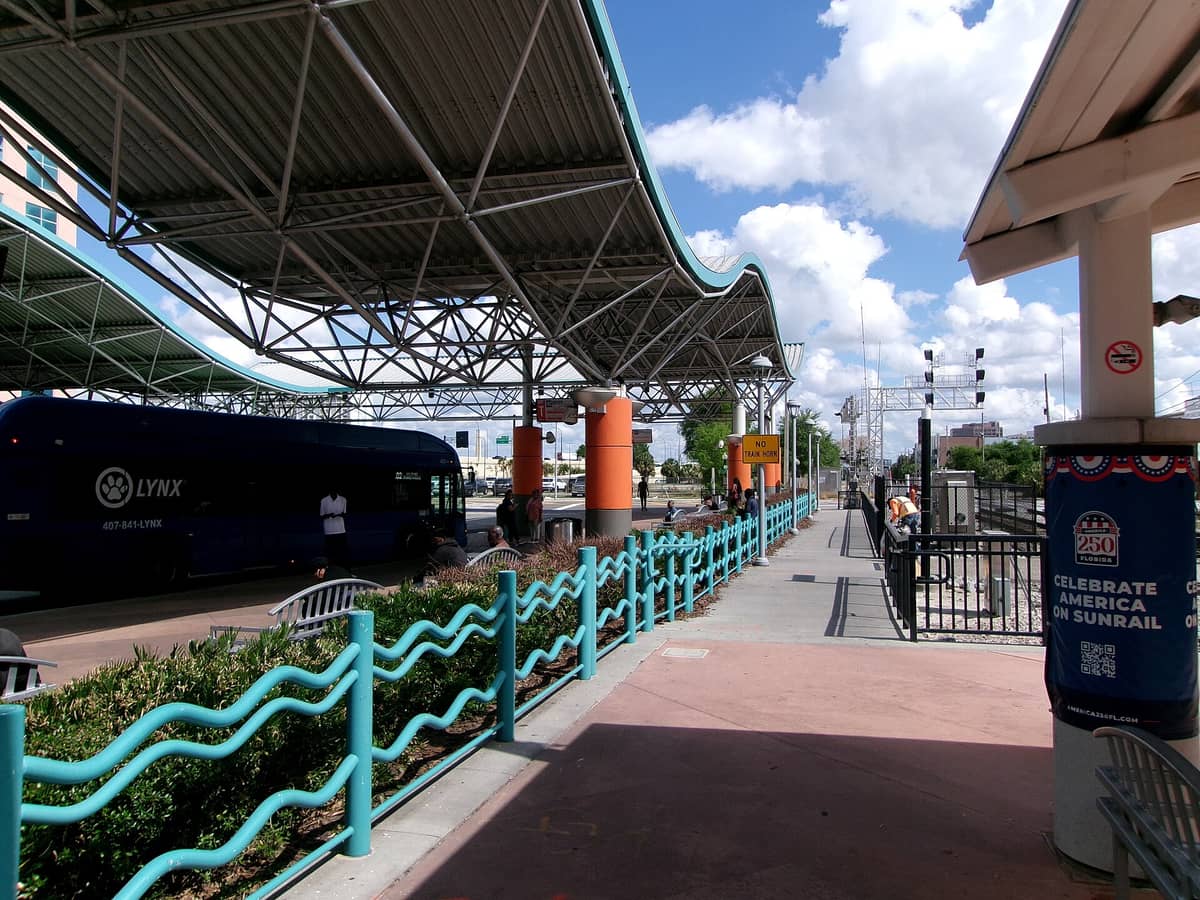
LYNX is the Greater Orlando regional bus network and the foundation of public transportation in the city. For visitors, it's most useful for specific corridors rather than general city exploration. The standard LYNX fare is $2.00 per single ride, with an all-day pass available for $4.50. Reduced fares apply for qualifying riders. Buses run on most major corridors throughout the day, though frequency drops significantly in evenings and on weekends.
Two LYNX routes are particularly useful for tourists: Route 50 links downtown Orlando with ICON Park and the International Drive corridor, while Route 8 also connects downtown with I-Drive. If you're based on International Drive and want to reach downtown without a car, these routes are your primary options. Journey times are longer than you might expect — budget at least 45 minutes each way and check the LYNX official schedules before heading out.
LYMMO is the downtown-specific bus circulator operated by LYNX, and it is currently fare-free. It covers the core downtown streets and connects to major transit hubs, making it genuinely useful if you're spending time in downtown Orlando without a car. For theme park access or trips to outlying areas like Kissimmee or Winter Park, LYMMO won't help — but for moving around downtown itself, it's a solid option.
💡 Local tip
If you're spending a full day using LYNX buses, the $4.50 all-day pass pays for itself after just three rides. Buy it on the bus with exact change or a card, depending on the route and vehicle.
SunRail: Orlando's Commuter Rail — Useful, But Limited
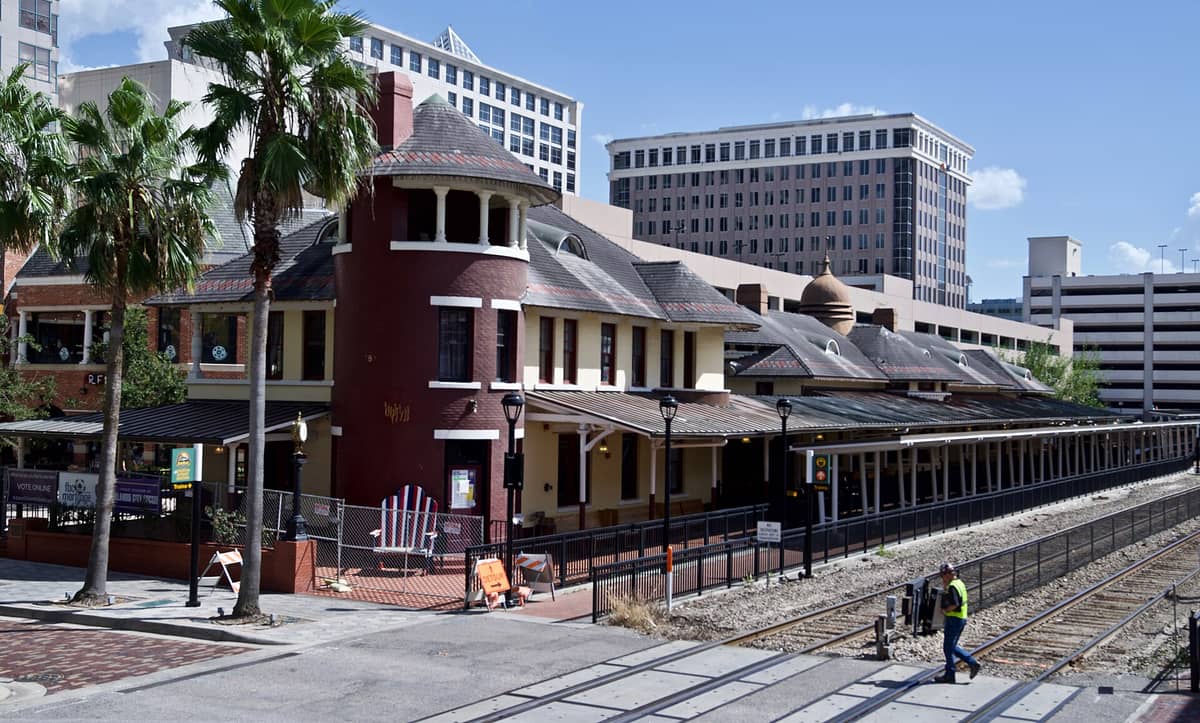
SunRail is Orlando's commuter rail system, running a 49-mile route from DeBary in the north to Poinciana in the south. It passes through downtown Orlando and connects several suburban communities. For visitors, it's a useful option on specific routes — but understanding its limitations upfront will save frustration.
The most important limitation: SunRail operates Monday through Friday only. If you're visiting on a weekend, SunRail simply does not run. Weekday service begins as early as 5:45 a.m. on some schedules and runs until around 9:55 p.m., but service is oriented around commuter patterns, meaning trains are more frequent during morning and evening rush hours and thinner during midday. Always check the current schedule on the SunRail official site before planning a trip around it.
SunRail is most useful for visitors staying in or near downtown who want to reach communities like Sanford to the north, or for accessing certain stops along the corridor without driving. It is not a replacement for a car when visiting Walt Disney World, Universal, or SeaWorld — those areas are not directly served by SunRail stations.
Rental Cars: Still the Most Practical Option for Most Visitors
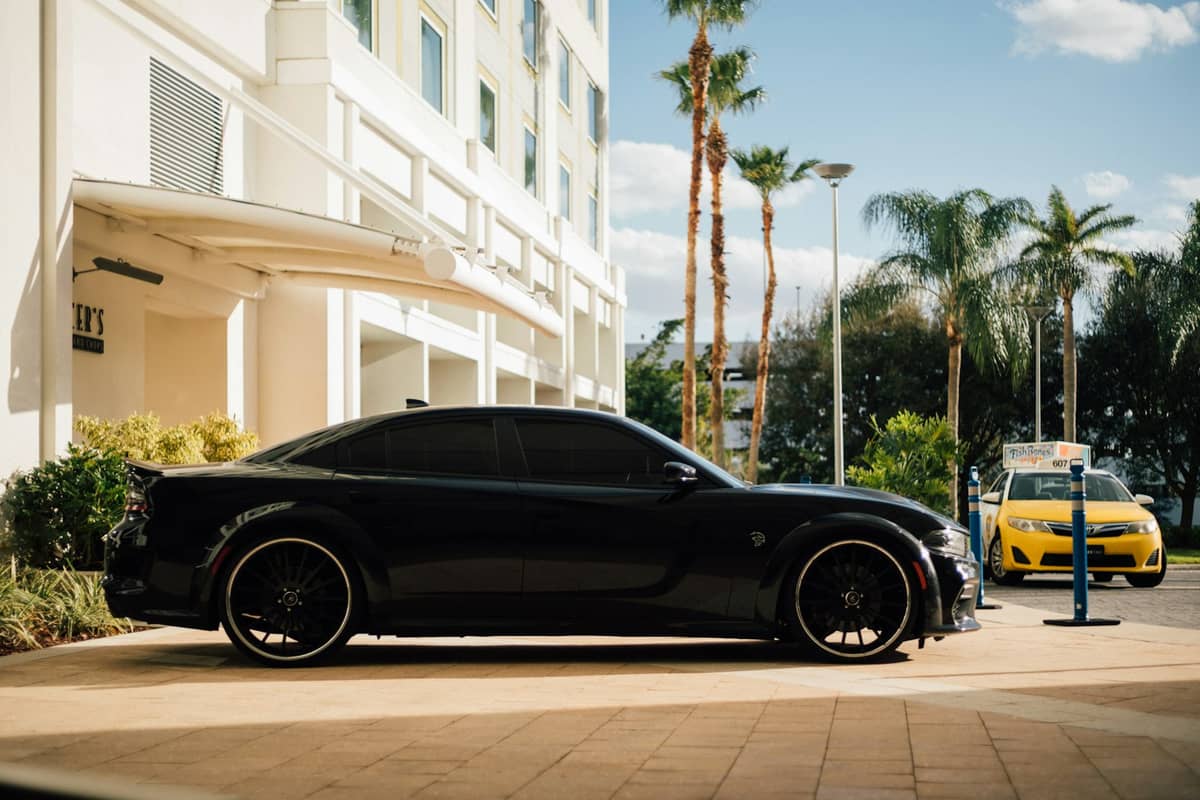
For the majority of visitors to Orlando, especially those planning to visit multiple theme parks, take day trips, or explore neighborhoods beyond the tourist corridors, renting a car is the most practical and often most cost-effective solution. Orlando is one of the largest rental car markets in the United States, which means competitive pricing and a wide selection of vehicles. MCO has an onsite Rental Car Center area with direct access from the terminals and supplemental shuttles for off-airport agencies, and most major agencies are represented.
Driving in Orlando is generally straightforward — the road network is well-signed and most major attractions are clearly marked. Parking at theme parks is expensive (currently around $30 per day for standard parking at Disney and Universal), so factor that into your budget. Interstate 4 (I-4) is the main east-west artery connecting the theme park corridor, and it is genuinely prone to heavy congestion, especially during afternoon hours. If you're driving from the resort area toward downtown Orlando or vice versa, check traffic before you leave. The I-4 Ultimate project reduced some chronic bottlenecks, but peak-hour delays remain common.
- Book rental cars in advance — last-minute rentals at MCO can be significantly more expensive, especially during spring break (March) and summer school holidays.
- Use a GPS or navigation app. Printed maps won't keep up with Orlando's evolving road network and construction zones.
- Tolls are common on Florida roads — the SunPass system is used widely. Most rental agencies offer toll transponder add-ons; check if the cost is worth it versus paying cash at toll booths.
- Parking at theme parks is priced separately from admission. Some resort hotels include free parking; others charge daily fees.
- International visitors: Florida drives on the right, and a valid foreign driving license is generally accepted for short stays — but confirm with your rental agency.
Ride-Share, Taxis, and Theme Park Shuttles
Uber and Lyft both operate across Orlando with good coverage. In tourist-heavy zones like International Drive, Disney Springs, and Universal CityWalk, wait times are usually short. In residential or suburban areas, expect longer waits, especially late at night. Surge pricing during peak hours, event nights, and park closing times can push fares significantly higher — if you're leaving a theme park at the same time as tens of thousands of other visitors, your app-based estimate will spike.
Walt Disney World operates its own internal transportation network — monorail, buses, gondola (Skyliner), and boats — that connects the resort hotels to all four parks and Disney Springs at no additional charge for resort guests. This system is genuinely impressive and eliminates the need for a car entirely if you're staying on Disney property and only visiting Disney parks. Universal Orlando's on-site hotels also provide shuttle service to the parks.
For visitors splitting time between Disney, Universal, and SeaWorld Orlando, ride-share is often the most practical connector. The distances between these parks are not walkable, and cross-resort shuttles don't exist. Budget $15–$30 per ride-share trip between major park clusters, depending on the time of day.
✨ Pro tip
If you're visiting multiple theme parks across several days and not staying on Disney or Universal property, a rental car will almost certainly be cheaper than accumulating individual ride-share fares. Run the math before your trip: three or four round trips per day between parks adds up quickly.
Navigating Key Neighborhoods Without a Car
Not every part of Orlando requires a car. Winter Park is walkable around Park Avenue and the surrounding blocks, making it one of the few Orlando neighborhoods where you can genuinely explore on foot after arriving by SunRail (weekdays) or rideshare. The shops, restaurants, and the Charles Hosmer Morse Museum of American Art are all within comfortable walking distance of each other.
Downtown Orlando is served by the free LYMMO circulator, and neighborhoods like Thornton Park, the Mills 50 District, and the area around Lake Eola Park are all reasonably walkable once you're in the area. Getting to downtown from the airport or theme parks without a car requires LYNX or rideshare, but once there, you can move around on foot or via LYMMO.
International Drive is a long, busy commercial strip — technically walkable in stretches, but the distances between attractions are substantial and the Florida heat makes long walks uncomfortable for most of the year. The I-Ride Trolley operates along I-Drive as a supplemental transit option, though schedules and fares should be confirmed directly as they are subject to change.
FAQ
Do I need a car to get around Orlando?
Not necessarily, but it depends heavily on where you're staying and what you're doing. Visitors staying on Walt Disney World or Universal property can manage without a car if they're only visiting those parks. Anyone planning to visit multiple park clusters, explore neighborhoods, or take day trips will find a rental car far more practical than relying on public transit or ride-share for everything.
How do I get from Orlando Airport (MCO) to downtown?
LYNX Route 11 costs $2.00 and connects MCO to downtown Orlando, though it's slower with multiple stops. Taxis typically run $35–$45, while rideshare (Uber/Lyft) is usually $30–$65 depending on demand and time. SunRail is accessible via a bus link to Sand Lake Road station, but only makes sense on weekdays when trains are running.
Does SunRail run on weekends?
No. SunRail is a weekday‑only commuter rail service, operating Monday through Friday. Weekend visitors need to use LYNX buses, rideshare, or a rental car. Always check the current schedule on the official SunRail website before planning a trip around it.
What is LYMMO and is it really free?
LYMMO is the downtown Orlando bus circulator operated by LYNX. It is currently fare-free and covers the core downtown streets, connecting major transit hubs and key downtown destinations. It's useful for moving around downtown Orlando, but it doesn't reach the theme parks or outer neighborhoods.
What is the cheapest way to get around Orlando without a car?
LYMMO is free within downtown. LYNX buses cost $2.00 per ride or $4.50 for an all‑day pass — covering International Drive, the airport corridor, and many suburban destinations. Within Walt Disney World, the internal resort transportation (monorail, buses, Skyliner) is free to use. Combining these options keeps costs low, but accept that journey times will be longer than driving.