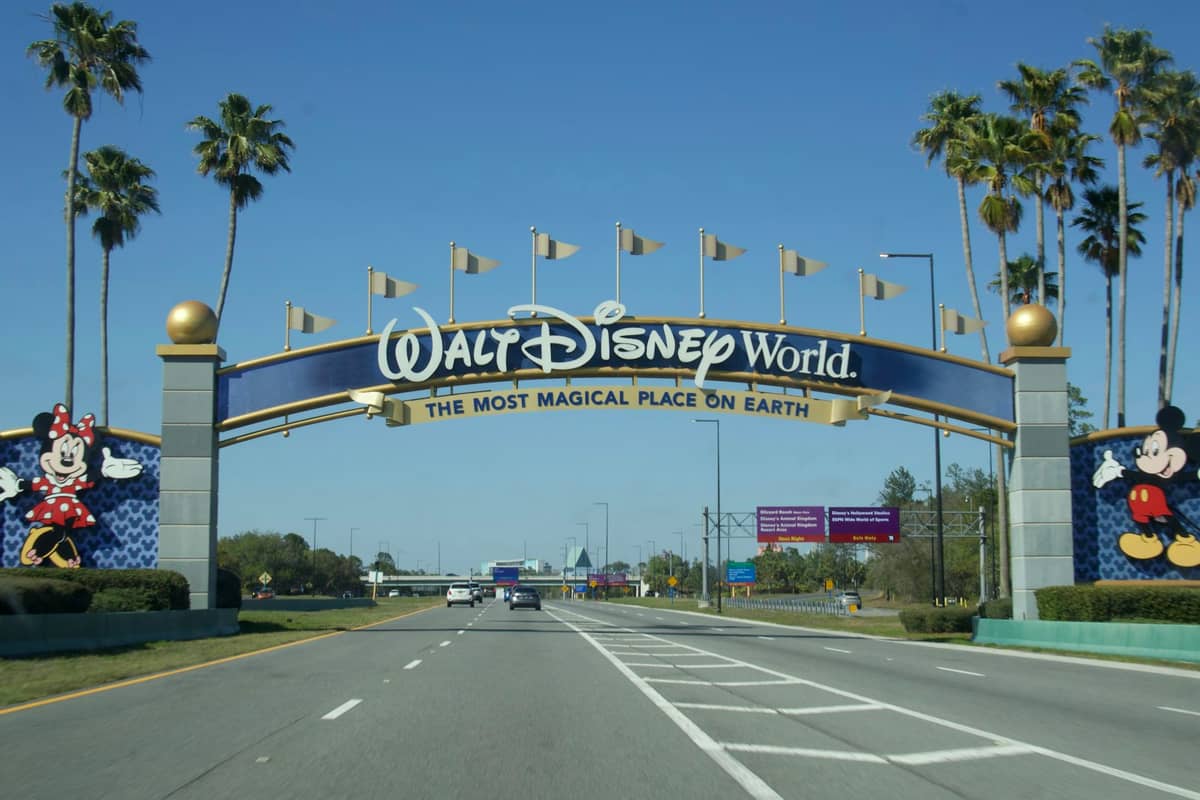
The Walt Disney World Resort area is a self-contained tourist city southwest of Orlando, covering roughly 27,000 acres across Orange and Osceola Counties. It houses four major theme parks, two water parks, a sprawling shopping and dining district, and dozens of hotels connected by an internal transportation network. For most visitors to central Florida, this is the gravitational center around which everything else orbits.
The Walt Disney World Resort area is unlike any other neighborhood in Orlando, or anywhere else in Florida. It operates as a fully planned city within a city, with its own roads, transit systems, zoning, and distinct zones of experience, each designed to keep visitors immersed from the moment they arrive. Whether you spend two days or two weeks here, the scale of the place consistently surprises first-timers.
Orientation
The Walt Disney World Resort sits about 20–24 miles southwest of downtown Orlando, centered near Lake Buena Vista in a stretch of land that spans both Orange and Osceola Counties. The resort covers roughly 27,000 acres (about 42 square miles). To put that in geographic terms: if you stood at the Transportation and Ticket Center near Magic Kingdom and tried to walk to Disney's Animal Kingdom on the opposite side of the property, it would take you the better part of an hour on foot, assuming you could walk in a straight line, which the roads do not allow.
The primary road access points are World Drive, Buena Vista Drive, and Western Way. Western Way runs about 3.2 miles between SR 429 (the Daniel Webster Western Beltway) and Buena Vista Drive, forming the western gateway into the resort. From the north, US-192 and I-4 funnel most traffic toward the main resort entrances. Osceola Parkway provides a southern approach used frequently by visitors staying in the Kissimmee corridor. The internal road network is signed clearly with resort-specific wayfinding, and most rental car GPS systems handle it well.
The resort sits between two other major tourist zones. International Drive lies to the northeast, roughly 6 miles from Disney Springs, while the Universal Orlando area is about 8 miles north. Kissimmee borders the resort to the south and east, offering a range of budget accommodation options for visitors who want to be close but not on Disney property.
Character & Atmosphere
The Walt Disney World Resort area operates on a rhythm that most other urban neighborhoods simply do not have. Early mornings, from around 7:00 to 9:00, have a particular energy: resort hotel lobbies fill with families in matching outfits clutching park bags, the monorail hums into motion, and the smell of quick-service breakfast food drifts through Disney Springs before most shops have opened. It is one of the few tourist areas in Florida where the pace picks up before most of the city is awake.
Midday is the busiest stretch, particularly in summer. The four main theme parks reach peak crowds between 11:00 and 16:00, and the Florida heat makes itself known with full force. The parking lots radiate warmth, tram queues build, and the parks themselves are at their most packed. Experienced visitors use this window for resort pool time, a sit-down meal, or an afternoon break before returning for the evening hours.
After dark, the resort shifts register entirely. The fireworks above Magic Kingdom are visible from far outside the park boundaries, including from monorail hotels and even parts of the resort road network. Disney Springs transitions into a lively dining and entertainment strip, with live music at several outdoor venues and lines forming at the more popular restaurants. The Skyliner gondola system glides through the warm evening air, connecting EPCOT and Hollywood Studios with several resort hotels, and the ride itself becomes a small spectacle when the parks are running nighttime shows below.
What makes this area unlike a traditional neighborhood is that it lacks any of the incidental texture you find in places like the Mills 50 District or Thornton Park. There are no independent shops, no local dive bars, no residential streets that feel lived-in. Everything here was designed, and the design is thorough. That is either an attraction or a drawback, depending on what you are looking for.
ℹ️ Good to know
The resort uses Eastern Time year-round, consistent with the rest of Florida. Park hours vary significantly by season and are published on the official Disney website. Always check hours before planning your day, as they can shift by several hours depending on the date.
What to See & Do
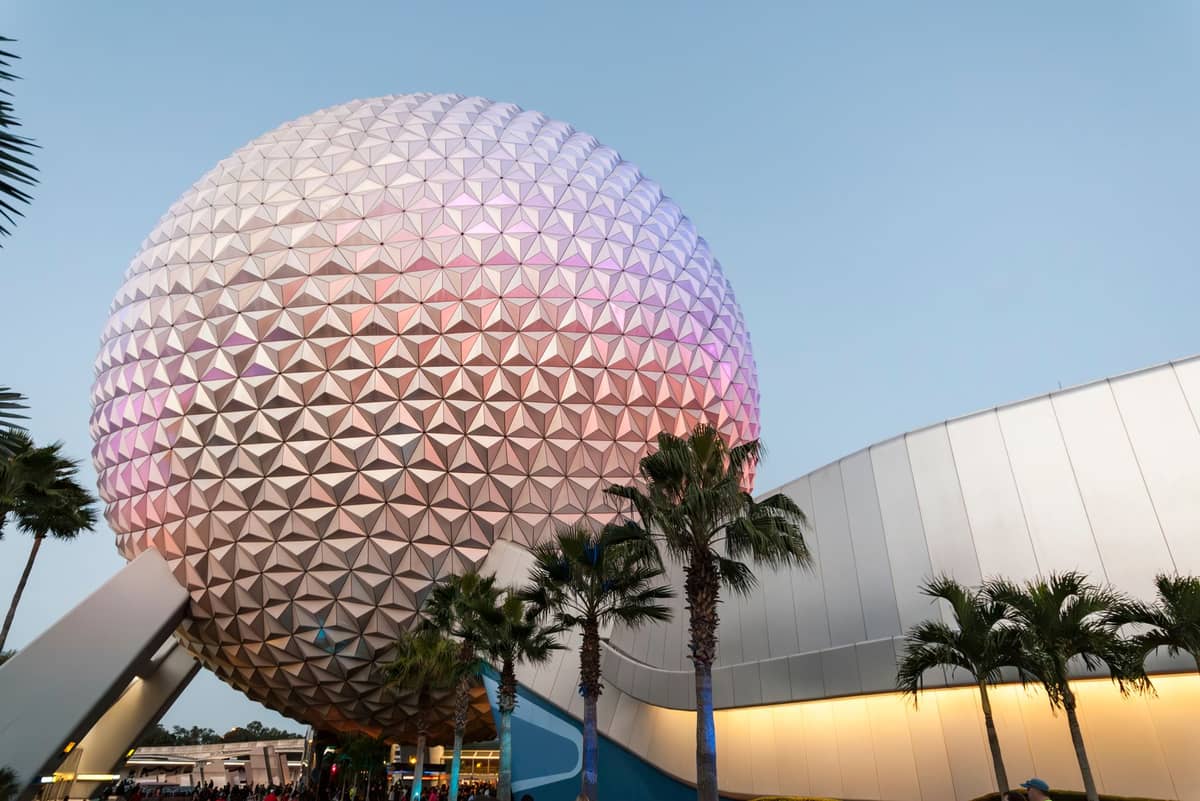
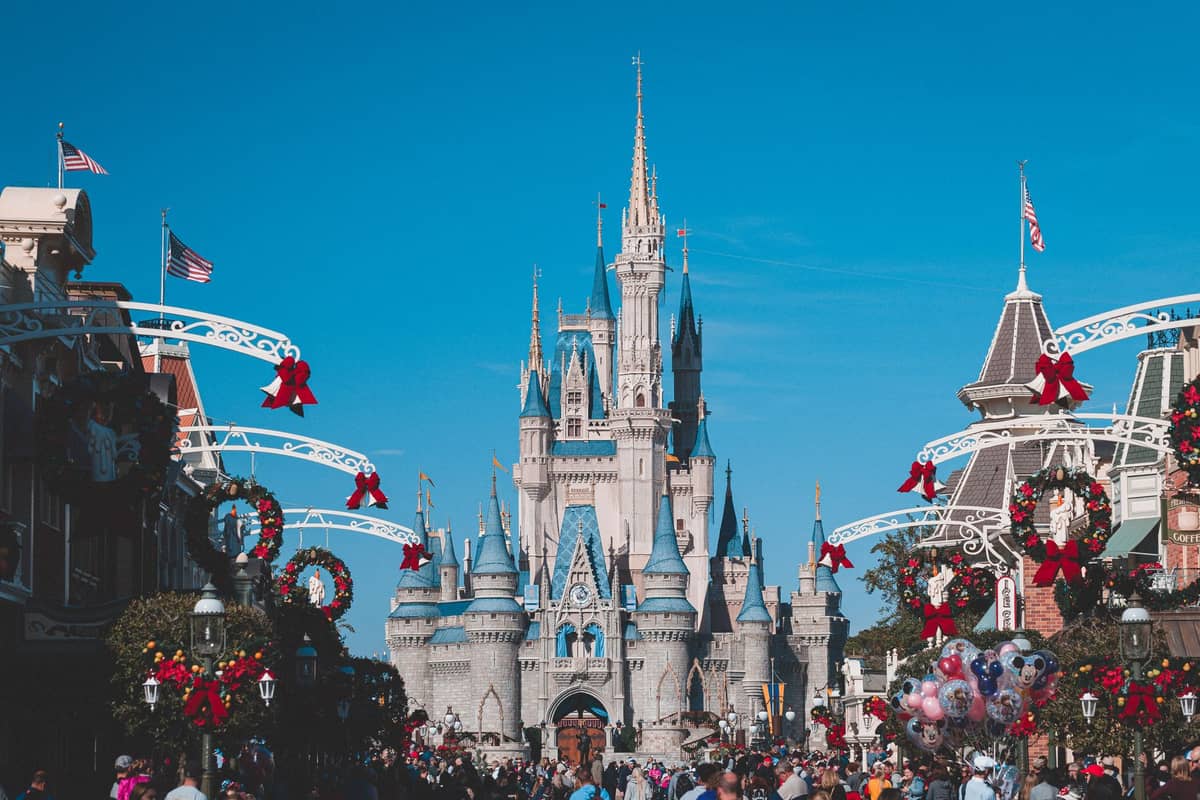
The four main theme parks are the obvious anchors. Magic Kingdom sits at the northern end of the resort, accessed via the Transportation and Ticket Center, monorail, or boat. It is the most visited theme park in the world and the park most associated with classic Disney iconography: Cinderella Castle, Main Street U.S.A., and rides like the Haunted Mansion and Space Mountain. EPCOT is roughly 4 miles south of Magic Kingdom and blends festival programming, international pavilions, and a growing roster of major rides. Its World Showcase Lagoon hosts two after-dark spectacular shows that draw visitors who are not even staying for the full park day.
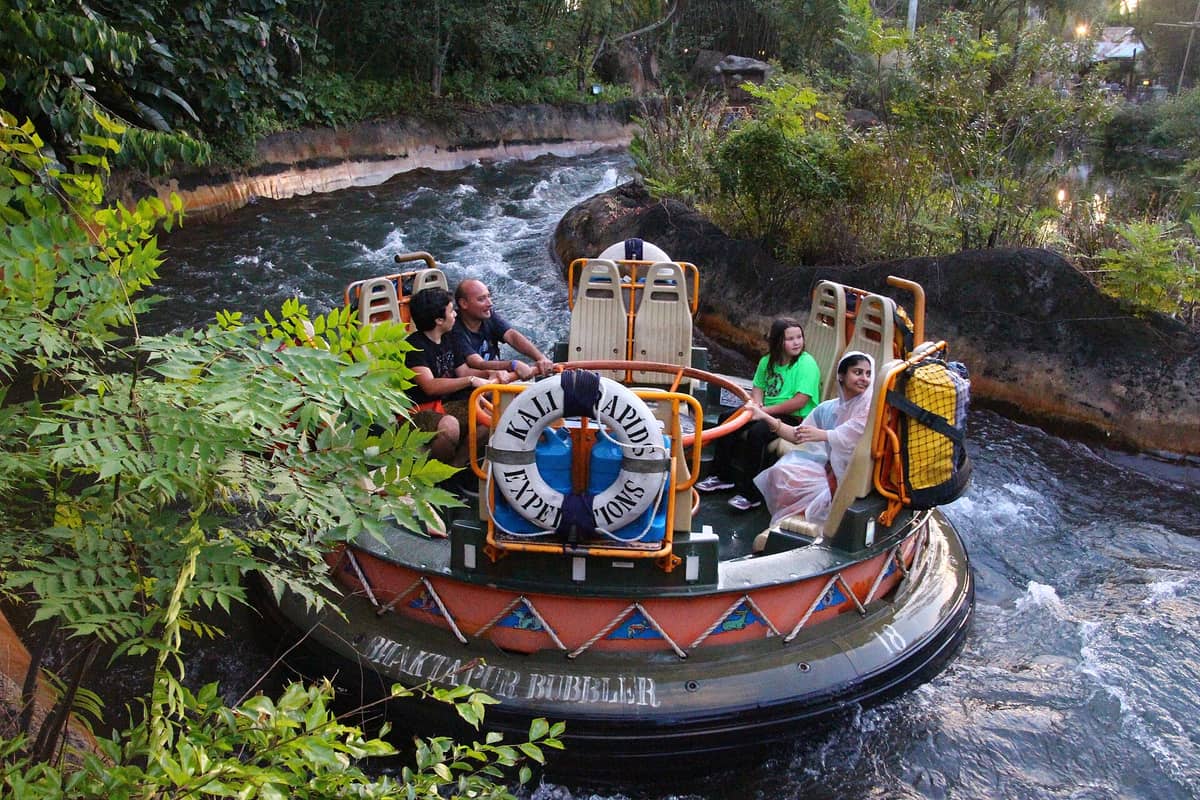
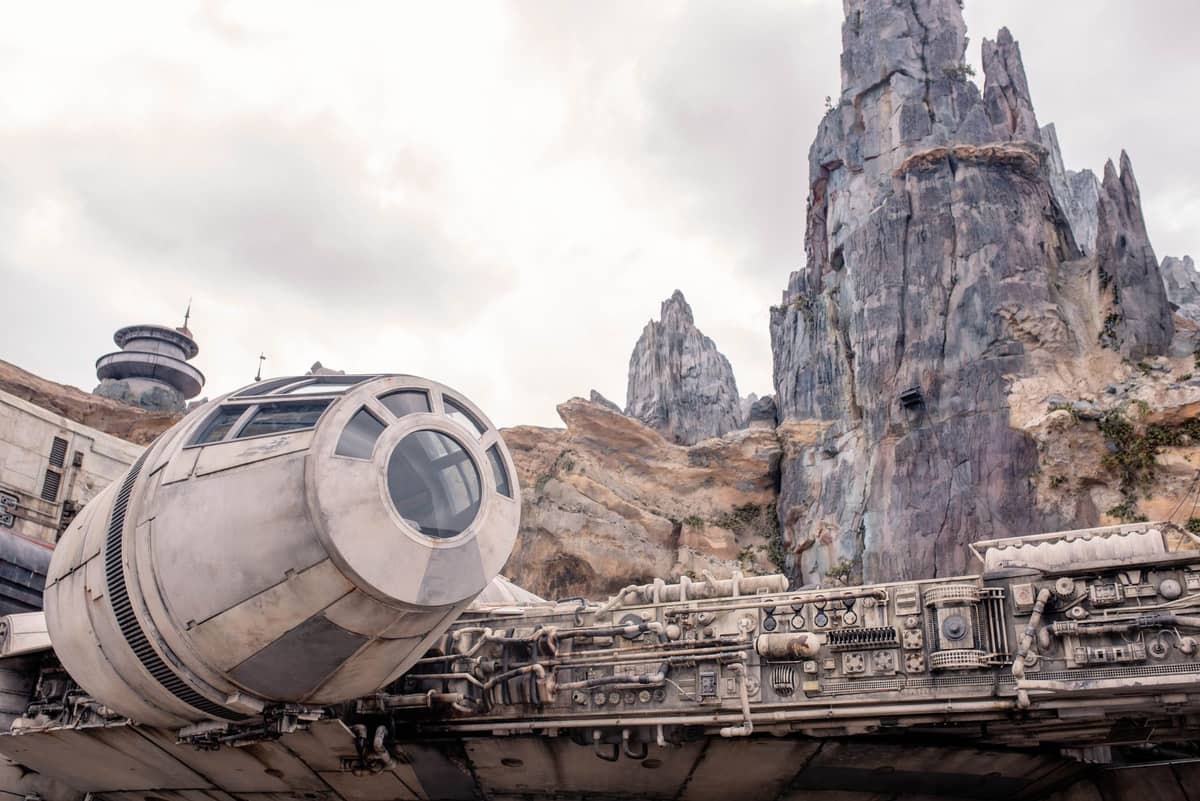
Disney's Hollywood Studios sits adjacent to EPCOT on the eastern edge of the resort and is home to Star Wars: Galaxy's Edge and Toy Story Land, making it a key draw for visitors who prioritize those franchises. Disney's Animal Kingdom occupies the southwestern corner of the property and requires more planning: the live animal experiences, including walking trails and safari rides through Kilimanjaro Safaris, are best experienced in cooler morning hours before midday heat changes the animals' behavior.
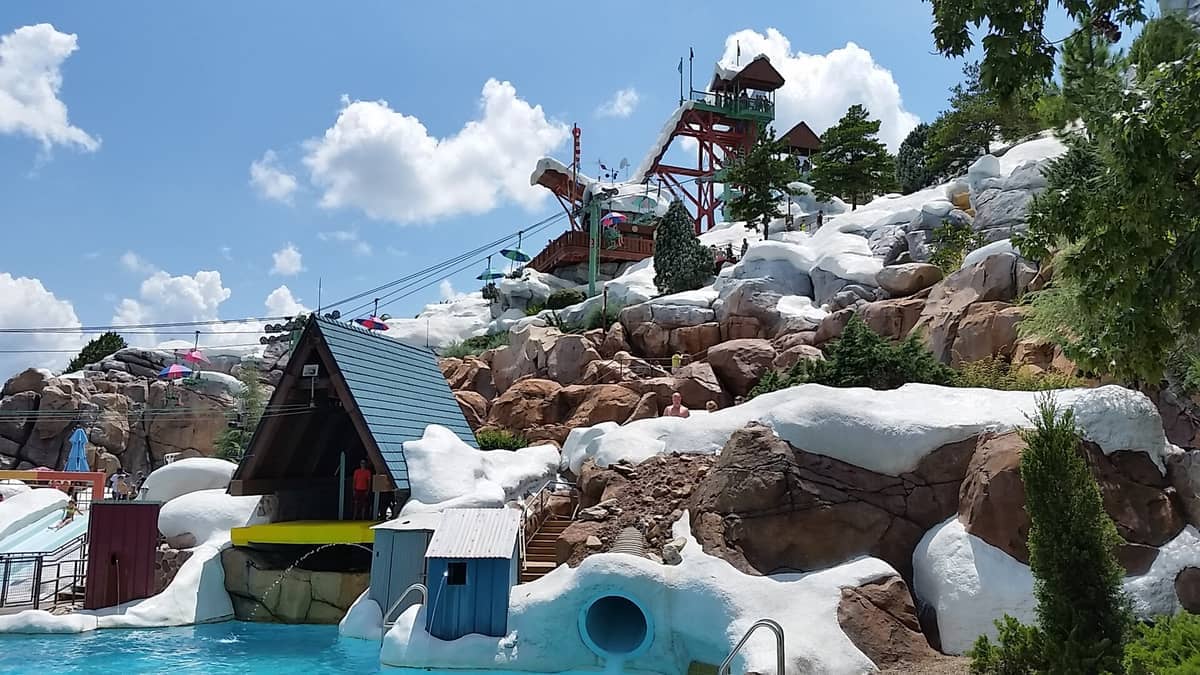
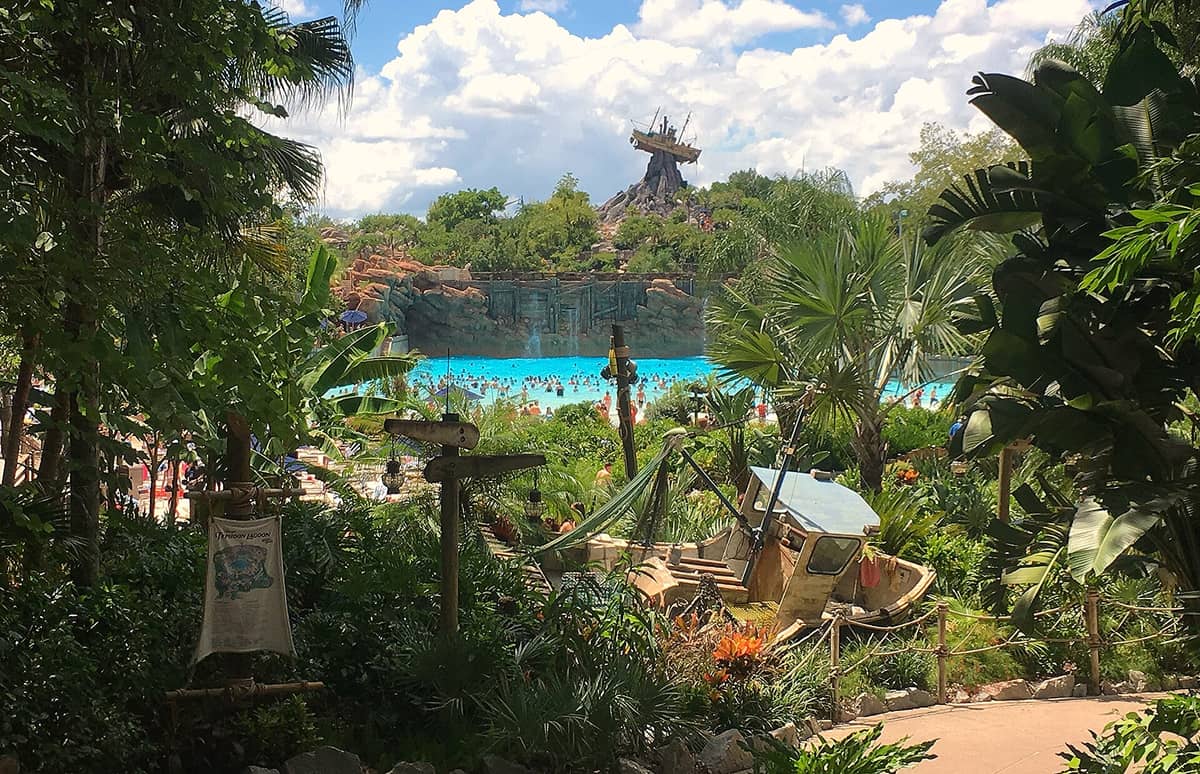
Beyond the four parks, the resort offers two water parks: Disney's Typhoon Lagoon and Disney's Blizzard Beach. Both operate seasonally, with one often closed for refurbishment during slower periods. Check current status before building them into your itinerary.
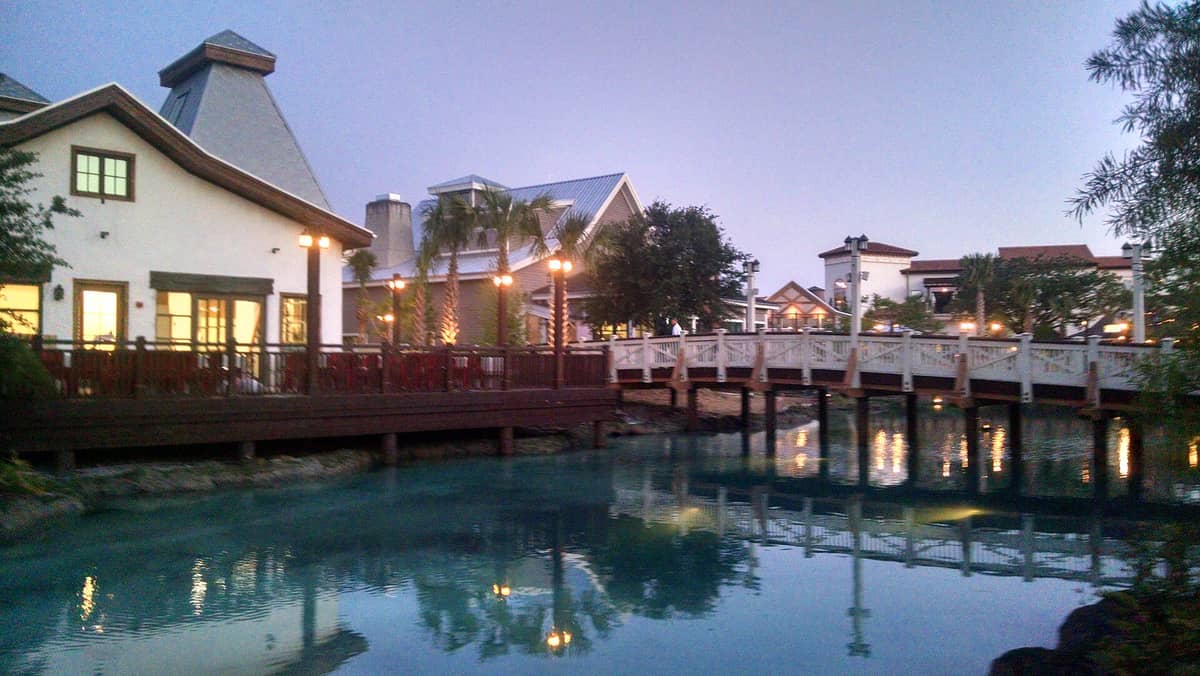
Disney Springs is the resort's free-admission shopping and entertainment district, positioned near the eastern boundary of the property along Buena Vista Drive. No park ticket is required to access it, which makes it a practical option for evenings, rainy days, or visitors who want a taste of the resort atmosphere without committing to a full park day. It connects to several Disney resort hotels via boat launch and walking path.
💡 Local tip
If you are visiting multiple parks, the Disney Skyliner gondola system offers an efficient and scenic connection between EPCOT, Hollywood Studios, and several resort hotels including Art of Animation and Pop Century. The ride itself is a pleasant way to watch the parks from above, and wait times are generally short compared to bus queues.
Eating & Drinking
Dining at Walt Disney World Resort covers an unusually wide range, from $5 counter-service churros to full tasting-menu experiences at restaurants like Citricos or California Grill. Most visitors underestimate the food quality and variety here, expecting generic theme park fare and finding instead a competitive dining scene with multiple celebrity-chef collaborations and genuine international cuisine spread across the EPCOT World Showcase pavilions.
The World Showcase at EPCOT offers counter-service and table-service options representing roughly a dozen countries, from French pastries and Moroccan tagines to Canadian rotisserie and Japanese ramen. The quality varies by pavilion, but it is consistently better than what most theme parks offer. During EPCOT's seasonal festivals, food and beverage booths are added around the lagoon and become a destination in themselves for food-focused visitors.
Disney Springs is the densest concentration of independent and celebrity-chef dining on the property, with options including a Michelin-recognized steakhouse, a Spanish tapas restaurant, and a number of mid-range chains that serve as reliable fallbacks. Reservations are strongly recommended for any sit-down meal on property, particularly during peak season. Disney's dining reservation system opens 60 days in advance, and popular restaurants fill quickly.
Budget counter-service options are available at every park, typically in the $10-18 range per item
Moderate table-service dining runs $25-50 per person before drinks
Signature dining experiences and character meals are typically $55-100+ per person
Disney Springs offers the most flexibility for visitors who want to walk in without a reservation
Resort hotel lounges and quick-service spots are often overlooked and less crowded than in-park options
Getting There & Around
Most visitors arrive via Orlando International Airport (MCO), which sits roughly 25 miles northeast of the resort. By car, the route via FL-528 West (the Beachline Expressway) and FL-417 South takes approximately 35-50 minutes depending on traffic. Toll charges apply on both highways, so have a credit card or cash ready, or use a SunPass transponder if renting a car for an extended period.
LYNX bus route 311 connects Orlando International Airport, the Destination Parkway / International Drive corridor and nearby Universal Boulevard to the Disney Springs Transfer Center, running approximately every 30 minutes between roughly 5:00 and 23:00. The fare is a few dollars each way, making it the most affordable ground option from the airport, though the journey time is longer than a direct car or rideshare trip. From Disney Springs, Disney's complimentary bus network connects to all four theme parks and most resort hotels.
Within the resort, Disney's internal transportation system is one of the most extensive complimentary transit networks operated by a private entity anywhere in the world. It includes dedicated bus routes between every park and resort hotel, the monorail beams connecting Magic Kingdom, EPCOT (via the Transportation and Ticket Center), and the Magic Kingdom-area resorts, boat launches on the Seven Seas Lagoon and Bay Lake, and the Disney Skyliner gondola system. Travel times between distant parts of the resort can reach 30-45 minutes using internal transport, so factor that into your daily planning.
⚠️ What to skip
Car break-ins have been documented in Disney resort parking areas, with Orange County Sheriff's Office data noting hundreds of auto burglaries annually in the zones corresponding to Walt Disney World property. Do not leave valuables visible in your vehicle, even in theme park parking structures. Use the in-park lockers for items you do not want to carry.
Rideshare services operate throughout the resort, with designated pickup zones at each park and at Disney Springs. They are a practical option for direct airport transfers and for getting to off-property restaurants or attractions, though surge pricing during park closing times can push fares significantly higher. If you are not renting a car, having a rideshare app ready as a backup to Disney transportation is worth the few minutes of setup.
Where to Stay
Accommodation within Walt Disney World Resort falls into three broad categories: Disney-owned resort hotels, partner hotels within the resort boundary (accessible to Disney transportation), and off-property hotels in the surrounding Lake Buena Vista and Kissimmee corridors. Each has meaningful trade-offs in terms of price, convenience, and included benefits.
Disney's own resort hotels range from value-category properties like Pop Century and All-Star Resorts, where rooms start around $120-180 per night, to the flagship deluxe properties like the Grand Floridian and the Polynesian, where rates regularly exceed $500-700 per night during peak periods. The main practical advantage of staying on property is access to Disney's internal transportation network, early park entry, and the ability to charge purchases to your room key. Families who spend multiple days in the parks often find the convenience worth the premium. For a broader look at accommodation options across the city, the guide on where to stay in Orlando covers the full range from Disney property to budget-friendly off-site options.
Off-property hotels along US-192 in Kissimmee offer significantly lower nightly rates, often $60-120 per night, with the trade-off being reliance on a rental car or rideshare to reach the parks. For families visiting for a week or more, the cost savings on accommodation can offset rental car expenses. The area around Hotel Plaza Boulevard, just outside Disney Springs, hosts a cluster of partner hotels that offer some proximity benefits at rates between Disney's value and deluxe tiers.
Practical Notes & Honest Drawbacks
Walt Disney World Resort is not a neighborhood in the conventional sense, and that is worth being direct about. If you are looking for local culture, independent restaurants, or the kind of spontaneous street life that defines areas like the Mills 50 District or Winter Park, you will not find it here. The resort is a controlled, commercially curated environment, and every element of the experience has been designed with specific intent. For some visitors, that total immersion is exactly the point. For others, it feels suffocating after a few days.
Costs accumulate faster than most visitors anticipate. Park tickets alone, combined with dining, merchandise, and accommodation, can push a week-long family trip into the $5,000-10,000 range without luxury add-ons. The guide on visiting Orlando on a budget outlines realistic strategies for reducing costs, including free-admission options and off-peak timing. For planning a longer trip with multiple parks, the 7-day Orlando itinerary covers how to balance Disney days against the rest of what the city offers.
Peak crowds during school holidays, particularly the weeks around spring break, Thanksgiving, and Christmas, make the experience noticeably different from a visit in late January or early September. Wait times for popular rides can exceed 90 minutes at peak periods, while quieter dates see the same rides with 15-20 minute waits. If your dates are flexible, this single variable changes the quality of the visit more than almost any other factor.
💡 Local tip
The period from late August through mid-September offers some of the shortest crowd levels of the year, though summer heat and afternoon thunderstorms are constants. If you can tolerate the weather, the trade-off in wait times is substantial.
For visitors who want to experience Disney but feel theme park fatigue, Orlando without Disney is a useful reference. And for families weighing all the theme park options across central Florida, the full Orlando theme parks guide covers Universal, SeaWorld, LEGOLAND, and the broader landscape.
TL;DR
Walt Disney World Resort is a self-contained, master-planned tourist district about 20–24 miles southwest of downtown Orlando, covering four theme parks, two water parks, Disney Springs, and dozens of hotels across roughly 27,000 acres (about 42 square miles).
Best suited for families with children, Disney fans of any age, and visitors who want their entire itinerary structured and contained within one destination.
Internal transportation via Disney buses, monorail, boats, and the Skyliner gondola is extensive and free to use, but travel times between distant parts of the property can be 30-45 minutes.
Costs are high: budget realistically for tickets, dining, and accommodation, and consider off-property hotels in Kissimmee as a way to reduce nightly room costs.
Not recommended for travelers seeking independent culture, spontaneous exploration, or local Orlando life. For that kind of experience, base yourself in the Mills 50 District, Winter Park, or downtown instead, using Disney as a day-trip destination rather than a home base.
Central Florida's wetlands are home to alligators, herons, and some of the most exhilarating eco-experiences in the Southeast. This guide breaks down the best airboat tours near Orlando by operator, price, location, and what to expect on the water.
Orlando's theme parks run 365 days a year, but the experience varies wildly depending on when you go. This guide breaks down every season by weather, crowd density, pricing, and special events so you can pick the window that fits your trip.
Orlando sits at the center of one of America's most day-trip-rich regions. Within two hours, you can be watching manatees in a crystal spring, exploring a 17th-century Spanish fort, or riding coasters at a Tampa theme park. This guide covers the best destinations worth leaving the parks behind for.
Disney World tickets are not a flat rate. Prices shift by park, date, and how many days you visit. This guide breaks down exactly what tickets cost in 2026, which type makes sense for your trip, and where the genuine savings are.
The EPCOT International Food & Wine Festival is one of the best culinary events in Orlando, running August 27 through November 21, 2026. This guide covers booth pricing, crowd strategy, entertainment, and everything you need to know before you go.
Orlando is far more than paid theme parks. From free-entry entertainment districts and botanical gardens to natural springs and cultural museums, the city offers a surprising range of genuinely no-cost experiences. This guide covers the best free things to do in Orlando, with honest notes on what actually costs nothing.
Orlando is a sprawling city built around cars, but public transit, ride-shares, and theme park shuttles can cover most visitor needs if you plan ahead. This guide breaks down every option — costs, coverage, limitations, and practical tips — so you can move around Orlando without wasting time or money.
Halloween Horror Nights at Universal Studios Florida is one of the most elaborate haunted events in the world, running from late August through early November. This guide covers ticket pricing, crowd strategy, what to expect inside the haunted houses, and a clear take on whether the Express Pass is worth it.
The Wizarding World of Harry Potter spans two separate parks at Universal Orlando Resort. This guide covers Diagon Alley, Hogsmeade, Hogwarts Express logistics, ticket pricing, crowd patterns, and the practical details that will save you time and money.
Orlando is far more than roller coasters and character meet-and-greets. This guide covers the best romantic things to do in Orlando for couples, from lakefront paddle boats and botanical garden strolls to rooftop dining and sunrise balloon flights, with honest seasonal advice and pricing details.
Orlando's dinner show scene is bigger and more varied than most visitors expect. This guide breaks down the top options, real pricing, seating differences, and practical booking advice so you get the most out of your evening.
Orlando is far more than roller coasters and mouse ears. From crystal-clear natural springs and world-class art museums to charming lakeside towns and Florida wildlife encounters, this guide uncovers the city's most rewarding experiences for travelers ready to look past the theme park corridor.
December transforms Orlando into one of the most festive destinations in the United States. From Disney's separately ticketed Christmas parties to SeaWorld's included holiday celebration, this guide covers everything you need to plan a December trip without expensive surprises.
Orlando's summer heat and afternoon thunderstorms make indoor attractions essential knowledge for any visitor. From hands-on science museums and Tiffany art collections to immersive theme park rides and interactive entertainment complexes, these are the best places to stay cool while making the most of your trip.
Seven days in Orlando, Florida gives you just enough time to hit the major theme parks, squeeze in a day trip or two, and actually breathe between it all. This itinerary balances Disney World, Universal Orlando, and the parts of the city most visitors never see — built around how crowds, weather, and park hours actually work.
Central Florida sits atop one of the world's great aquifer systems, and the results are spectacular: gin-clear spring-fed rivers, constant 68-72°F water, and some of the most beautiful state parks in the Southeast. These are the natural springs closest to Orlando worth planning a day trip around.
Orlando's after-dark scene goes far beyond the theme parks. This guide breaks down the best nightlife districts, top venues, what things cost, and how to navigate the city at night without wasting time on the wrong spots.
Orlando, Florida doesn't have to cost a fortune. With the right timing, transport choices, and free attractions, you can experience the best of the city while keeping your wallet intact. This guide breaks down exactly how to do it.
Orlando draws over 75 million visitors a year, and most leave without incident. But the city's overall crime statistics can look alarming out of context. This guide breaks down where the real risks lie, which areas to avoid, and what practical steps will keep your trip trouble-free.
Orlando delivers far more than theme parks when it comes to retail therapy. From luxury flagships at Mall at Millenia to discounted designer finds at outlet centers, plus charming boutique streets and one-of-a-kind themed shopping districts, this guide covers the best places to shop across the city.
Orlando is a serious sports city, not just a theme park destination. From NBA basketball at Kia Center to MLS soccer at Inter&Co Stadium, college football at the Bounce House, and ECHL hockey, this guide covers every major team, venue, ticket option, and seasonal event you need to plan your visit.
Orlando is home to more top-tier theme parks than any city on Earth. This guide covers every major park across Disney World, Universal, SeaWorld, and beyond, with practical advice on what to ride, when to go, and how to make the most of your visit.
Orlando has more water parks per square mile than almost anywhere on Earth. This guide covers every major option, from Disney's themed slide parks to SeaWorld's Aquatica, Universal's Volcano Bay, and the natural springs locals swear by.
Orlando, Florida is the world's most visited family destination for good reason, but navigating theme parks, ticket pricing, crowds, and heat requires a strategy. This guide breaks down everything families need to plan a trip that works for kids of all ages, without overpaying or burning out.
Orlando is one of the most diverse travel destinations in the United States, and Disney is just one piece of it. From Universal's blockbuster theme parks and world-class natural springs to historic small towns and genuine wildlife encounters, this guide covers the best experiences Orlando offers completely independent of the Mouse.
Orlando is far more than theme parks. This guide covers the full range of things to do in Orlando, Florida, from Magic Kingdom and Universal's Epic Universe to natural springs, arts districts, and day trips, with practical notes on costs, crowds, and what to skip.
Choosing where to stay in Orlando shapes your entire trip. This guide breaks down the city's main neighborhoods and hotel corridors, explains how prices shift dramatically by season, and gives you the honest picture on which areas deliver real value versus tourist-trap rates.