Where to Stay in Orlando: The Best Areas, Price Ranges, and Timing Tips
Choosing where to stay in Orlando shapes your entire trip. This guide breaks down the city's main neighborhoods and hotel corridors, explains how prices shift dramatically by season, and gives you the honest picture on which areas deliver real value versus tourist-trap rates.
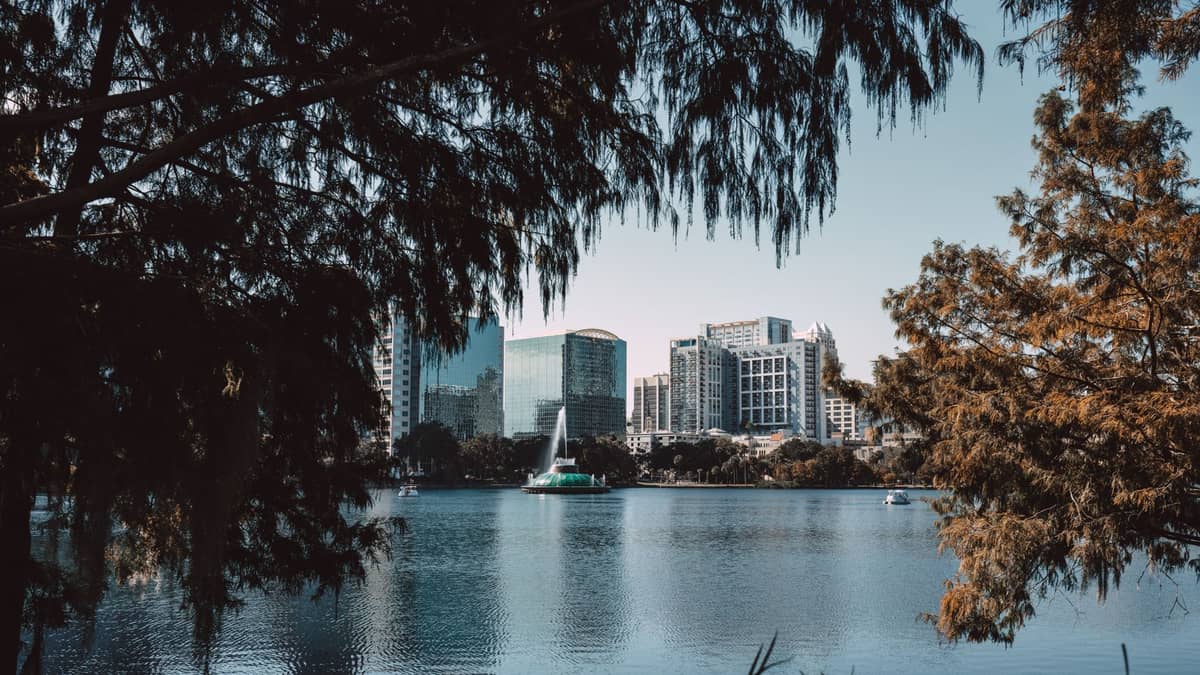
Plan and book this trip
Tools from our partner Travelpayouts help you compare flights and hotels. If you book through them, we may earn a commission at no extra cost to you.
Flights
Hotels map
TL;DR
- Orlando hotels average around $124/night citywide, but rates swing from roughly $170/night in September to $384/night in peak July.
- International Drive is the most convenient corridor for visitors without a car, placing you close to major attractions and the LYNX bus network.
- Walt Disney World visitors get the most from staying on-site or near the Walt Disney World resort area, though off-site options nearby can cut costs significantly.
- Late January to early March, and September through early October, are the sweet spots for lower prices and thinner crowds.
- If you want to skip the theme parks entirely, Downtown Orlando and Winter Park offer a completely different side of the city.
What You'll Actually Pay: Orlando Hotel Pricing by Category
Orlando's hotel market runs the full spectrum, from roadside budget motels on US-192 to luxury resorts inside Disney property. Based on public rate data covering May 2024 through early 2026, the citywide average sits at about $124 per night across all categories. That number, though, is almost meaningless on its own because season and location pull prices in wildly different directions.
- Budget / 2-star Generally $70–$110/night. Expect older properties near US-192 in Kissimmee or along the outskirts of I-Drive. Quality varies significantly at this price point.
- Mid-range / 3-star Around $120/night on average. This is the most competitive segment in Orlando, with solid name-brand options from Marriott, Hilton, and Hyatt families across all major corridors.
- Upper mid-range / 4-star Around $268/night on average. Includes Disney moderate and deluxe resorts, Universal's on-site hotels, and independent full-service properties on I-Drive.
- Luxury / 5-star Around $466/night on average. Concentrated at Disney's Grand Floridian, the Four Seasons at Walt Disney World, and Loews Portofino Bay at Universal.
⚠️ What to skip
Summer is not a budget-friendly time to visit Orlando, despite what the school calendar might suggest. July is consistently among the most expensive months. If cost matters, avoid mid-June through mid-August, spring break weeks in March and April, and Christmas through New Year's Eve.
When to Book: Seasonal Pricing and Crowd Patterns
Orlando is busy year-round, but clear pricing windows still exist. September is the cheapest month by the data, and it comes with the added benefit of smaller park crowds. Late January through early March is another strong window: weather is mild and dry, school is in session for most of the country, and hotel rates drop well below summer peaks.
The highest-demand periods are spring break (especially mid-March through mid-April), the full summer stretch from June through mid-August, and the week between Christmas and New Year's. During these periods, not only do prices spike, but availability at desirable properties fills up weeks or months in advance. Theme-park hotel rooms during Christmas week can book out before October.
✨ Pro tip
The real off-season sweet spots are mid-January to early February and late September to early October. Crowds at theme parks drop to their annual lows, resort pools are quieter, and you can often find 4-star properties for 3-star prices. September weather is still hot and humid, but October brings genuinely comfortable temperatures.
Timing your trip correctly also affects which area makes sense to stay in. For example, the best time to visit Orlando for Universal fans is different from the best time for beach-day trips to Cocoa Beach or day trips around the region. Build your neighborhood choice around your itinerary, not just price alone.
International Drive: The Visitor Corridor
International Drive, known locally as I-Drive, runs roughly 11 miles through the heart of Orlando's tourist infrastructure. It connects SeaWorld at its southern end to the Universal Orlando area in the north, with ICON Park, outlet malls, dozens of restaurants, and a dense concentration of hotels in between. If you are visiting without a rental car, this is the most practical base in the city.
The I-Ride Trolley runs the length of the corridor for a flat fare, making it easy to move between attractions without a car. LYNX buses also serve the area, connecting to Orlando International Airport (MCO) and other parts of the metro. Taxi or rideshare fares to I-Drive typically vary depending on traffic and surge pricing.
I-Drive is honest about what it is: a purpose-built tourism strip. It is not the place to find quiet mornings or local Orlando character. But for access to SeaWorld Orlando, Aquatica Orlando, ICON Park, and the major outlet shopping centers, it is genuinely hard to beat for convenience.
💡 Local tip
Hotels on the northern end of I-Drive, near Sand Lake Road, offer the best positioning: you get easy access to both Universal and SeaWorld, and you're close to the Restaurant Row dining strip, which has some of the better independent restaurants on the corridor.
Walt Disney World and Kissimmee: The Theme-Park Heartland

The Walt Disney World resort area is its own self-contained world southwest of the city proper. Staying on-site at a Disney resort gives you perks including complimentary transportation between parks, early theme-park entry, and the general immersive experience of never having to leave the bubble. The tradeoff is price: Disney's deluxe resorts regularly cost more than value resorts, especially during busy periods. Check our Disney World tickets guide for the full picture on costs before you commit to an on-site stay.
For Disney visitors on a budget, the US-192 corridor through Kissimmee offers the closest off-site alternatives. You will need a car or rideshare to get to the parks from most Kissimmee properties, but rates at comparable quality levels are often cheaper than on-site Disney options. Kissimmee also has a large inventory of vacation home rentals with private pools, which work well for families who want more space and kitchen access.
Universal Orlando Area: Best for Harry Potter and Epic Universe

The Universal Orlando area has become an increasingly compelling base, especially with the 2025 opening of Universal Epic Universe adding a fourth theme park to the resort complex. Staying at one of Universal's on-site hotels, from the budget-friendly Endless Summer resorts to the flagship Portofino Bay, gives you early park access to Universal Studios Florida and Islands of Adventure, plus complimentary shuttle buses.
For Harry Potter fans especially, the Loews Royal Pacific and Hard Rock Hotel tier provides Express Pass access included with your room rate during certain periods, which can be worth hundreds of dollars in saved time at the parks. Off-site options on the northern section of I-Drive and around the Turkey Lake Road area offer proximity at lower price points.
Downtown Orlando and Winter Park: For Visitors Who Want More Than Theme Parks
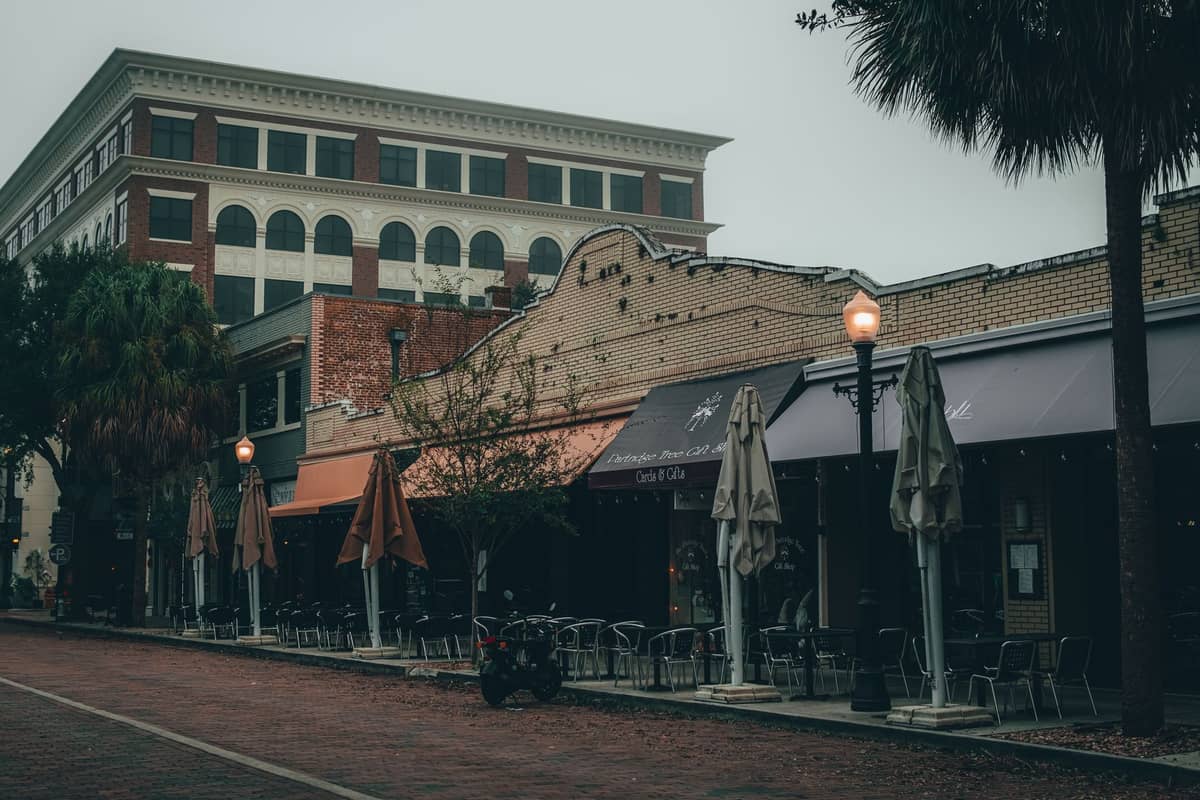
Downtown Orlando and the adjacent neighborhood of Winter Park cater to a completely different kind of trip. If your priority is restaurants, independent shops, museums, and the actual city that 307,000 people call home, these areas make far more sense than I-Drive or resort corridors. Winter Park sits about 5 miles north of downtown and is one of the most walkable, genuinely pleasant neighborhoods in central Florida, anchored by Park Avenue's stretch of boutiques and galleries.
The Thornton Park neighborhood, just east of downtown's Lake Eola, has a walkable collection of restaurants and bars and is close to Lake Eola Park. Hotel inventory in these neighborhoods skews toward boutique properties and a handful of larger urban hotels. Rates are generally competitive with mid-range I-Drive options, and the experience is substantially different. Nightlife options through Wall Street Plaza and the Mills 50 district are far more local in character than anything on the tourist strip.
- Downtown and Thornton Park work best for visitors who plan to do one or two park days at most and want a more urban, local experience the rest of the time.
- Winter Park is the better pick if you want walkability, galleries like the Charles Hosmer Morse Museum, and easy access to Park Avenue dining without fighting theme-park traffic.
- Be aware that both areas require a car or rideshare if you plan to visit Walt Disney World or Universal regularly. The distance from downtown Orlando to Disney's main gate is roughly 20 miles, and park traffic adds significant time.
Practical Logistics: Getting Around from Your Hotel
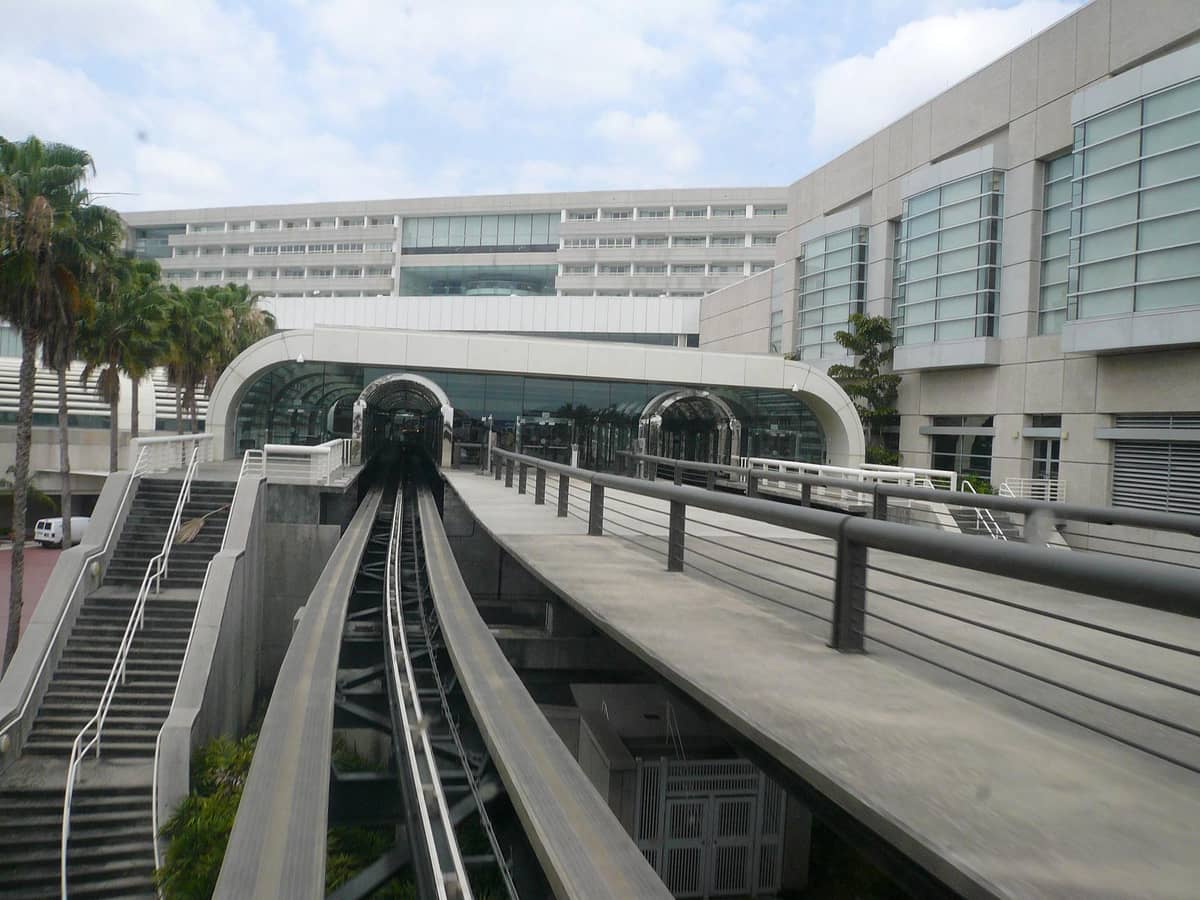
Orlando International Airport (MCO) serves as the main arrival point for the vast majority of visitors. LYNX bus routes provide the cheapest connection at around $2 one-way. Taxis and rideshares vary by location, traffic, and demand. A SunRail commuter rail link connects via bus to Sand Lake Road station and is an option for travelers staying along that corridor.
A rental car makes a meaningful difference in Orlando, particularly if you are splitting time between Walt Disney World, Universal, and beach day trips. Public transit covers the main tourist corridors reasonably well, but park-to-park movement without a car is time-consuming. For a full breakdown of getting around the city, see our guide to getting around Orlando.
- I-Drive and Universal area: most practical without a car, thanks to the I-Ride Trolley and LYNX routes.
- Walt Disney World area: on-site Disney transportation is comprehensive within the resort, but you need a car or rideshare to reach Universal or downtown.
- Downtown Orlando and Winter Park: SunRail connects these two areas on weekdays; otherwise, a car or rideshare is often necessary for park visits.
- Kissimmee: a car is essentially required unless you are staying at a property with dedicated park shuttle service.
FAQ
What is the cheapest area to stay in Orlando?
The US-192 corridor through Kissimmee consistently offers the lowest hotel rates close to the theme parks. Budget motels and vacation home rentals dominate this area. The tradeoff is that you will need a car or rideshare to reach the parks. September and mid-January through early February are often among the cheapest months across all areas.
Is it worth staying on-site at Disney World or Universal?
It depends on your priorities. On-site Disney stays include complimentary park transportation, early entry, and the full immersion experience, but prices are significantly higher than off-site alternatives. Universal's on-site hotels are especially competitive for Harry Potter fans because select Premier hotels include complimentary Universal Express access, which saves substantial time in queues. If you are price-conscious and have a car, off-site properties in Kissimmee or northern I-Drive offer strong value.
How far is Orlando International Airport from the main hotel areas?
MCO is approximately 10 km from downtown Orlando and 15–25 km from most I-Drive and Walt Disney World area hotels depending on exact location. Travel time by rideshare or taxi varies with traffic. Budget around $2 for the LYNX bus if you are traveling light and heading downtown.
Which area is best for families with young children?
Families focused on Disney are best served by the Walt Disney World resort area, either on-site or in the Kissimmee corridor for lower rates. A vacation home rental with a private pool in Kissimmee is a strong choice for families who need space and kitchen access. For Universal-focused families, the on-site hotels or northern I-Drive properties work well and keep logistics simple.
When should I avoid booking hotels in Orlando?
Avoid Christmas week through New Year's Day, mid-March through mid-April spring break periods, and the full stretch of mid-June through mid-August if budget or crowds are concerns. These windows tend to see the highest hotel rates of the year and reduced availability at desirable properties. If your travel dates are flexible at all, shifting even one or two weeks outside these periods makes a measurable difference in both price and experience.