Best Time to Visit Orlando: A Month-by-Month Guide to Weather, Crowds, and Value
Orlando's theme parks run 365 days a year, but the experience varies wildly depending on when you go. This guide breaks down every season by weather, crowd density, pricing, and special events so you can pick the window that fits your trip.

Plan and book this trip
Tools from our partner Travelpayouts help you compare flights and hotels. If you book through them, we may earn a commission at no extra cost to you.
Flights
Hotels map
TL;DR
- January through early February and early December are the sweet spots: mild weather, thin crowds, and lower hotel rates.
- Summer (June through September) brings extreme heat, high humidity, and daily afternoon thunderstorms — plus the biggest school-holiday crowds.
- Hurricane season runs June 1 to November 30; Orlando's inland location reduces direct risk, but tropical storms still cause heavy rain and disruption.
- For theme park strategy, see the full Orlando theme parks guide for ticket and planning details.
- Spring break (mid-March through mid-April) is the most consistently crowded period of the year — avoid it unless you book six months out.
Understanding Orlando's Climate Before You Book
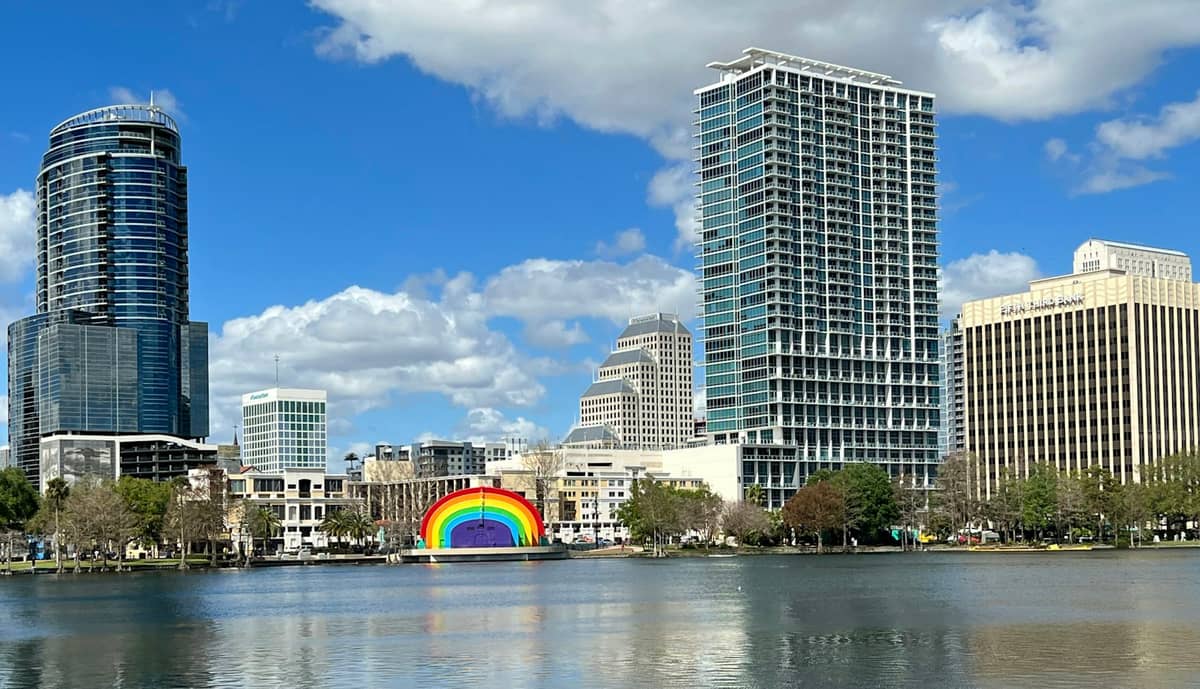
Orlando sits at roughly 28°N latitude in central Florida with a humid subtropical climate (Köppen Cfa). What that means practically: winters are mild and relatively dry, summers are long, hot, and wet. The city averages highs around 71°F (22°C) in January, climbing to 92°F (33°C) in July and August, with overnight lows dropping to around 50°F (10°C) in mid-winter and staying in the low-to-mid 70s°F during summer. The combination of high humidity and heat in summer pushes the 'feels like' temperature well above 100°F on many days.
The rainy season runs roughly June through September, with July and August typically being the wettest months — some datasets record over 20 rainy days per month during this period, with monthly totals reaching 8 to 10 inches. These aren’t all-day rains; they’re usually intense afternoon thunderstorms that last 30 to 60 minutes before clearing. The upside: they temporarily thin outdoor queues at theme parks. The downside: rides close during lightning, and you will get soaked without a poncho.
ℹ️ Good to know
Orlando International Airport (MCO) is located about 10 miles (16 km) from downtown, with taxi fares running around $35-45 to the city center. The LYNX bus line 11 costs around $2 one-way. Always confirm current fares before travel, as these change seasonally.
Season-by-Season Breakdown: What to Expect Month by Month
Winter (December through February) is the most comfortable season for outdoor activity. Highs sit in the low-to-mid 70s°F, rainfall is low, and the air has none of the summer oppressiveness. January and early February, outside of Martin Luther King Jr. weekend and Presidents Day week, are reliably among the least crowded periods at every major park. Hotel rates drop, and you can find parks running at 30 to 50 percent of peak capacity. Early December (before roughly the 15th) is also excellent — parks are decorated for the holidays but crowds haven't yet surged. From December 20 through New Year's Day, however, expect near-peak crowds and premium pricing across the board.
Spring (March through May) is complicated. Late March through mid-April is spring break season, drawing the largest domestic crowds of the year. International visitors also peak during this window. Wait times at major attractions can stretch to 90 minutes or more for headline rides. Late April and May are significantly calmer once spring break ends, and temperatures are still manageable — highs in the low-to-mid 80s°F with lower humidity than summer. May is arguably underrated: school is still in session in many states, the weather is warm but not brutal, and the parks are operating at full capacity with shorter lines.
Summer (June through August) is when Florida's subtropical climate makes itself fully known. School holidays drive massive domestic attendance, particularly at Walt Disney World and Universal Orlando. Families from across North America and international visitors overlap during this period, creating the highest crowd weeks of the year — especially around July 4th. The heat and humidity are real deterrents: theme parks recommend starting early and taking a midday break. The one crowd exception is the last week of August, when many schools have already resumed, which creates a narrow window of lower attendance before Labor Day.
Fall (September through November) is a tale of two periods. September and early October are genuinely quiet at parks, with some of the lowest crowd levels of the year. Temperatures begin easing off in October, making outdoor time more pleasant. However, Halloween events shift the dynamic significantly: Mickey's Not-So-Scary Halloween Party at Magic Kingdom and Halloween Horror Nights at Universal run from late August through early November, drawing dedicated crowds specifically for those events. If you're not interested in Halloween programming, avoid those event nights — parks sell separate tickets and regular park-goers often find the atmosphere chaotic.
- January to early February Best weather-crowd balance. Low humidity, mild temps (71-75°F highs), lowest hotel rates. Avoid MLK weekend and Presidents Day week.
- May Warm but not oppressive, school still in session in many states, parks at moderate capacity. Underestimated by most visitors.
- Late August The only summer week worth targeting if you must visit in summer. Many schools return early, cutting crowd levels noticeably.
- September to early October Crowds drop sharply after Labor Day. Still warm (highs around 88-90°F), but the rain starts tapering and lines shorten dramatically.
- Early December (before Dec 15) Holiday decorations, seasonal events, cooler temps, and moderate crowds before the Christmas rush begins.
Hurricane Season: What It Actually Means for Orlando Visitors
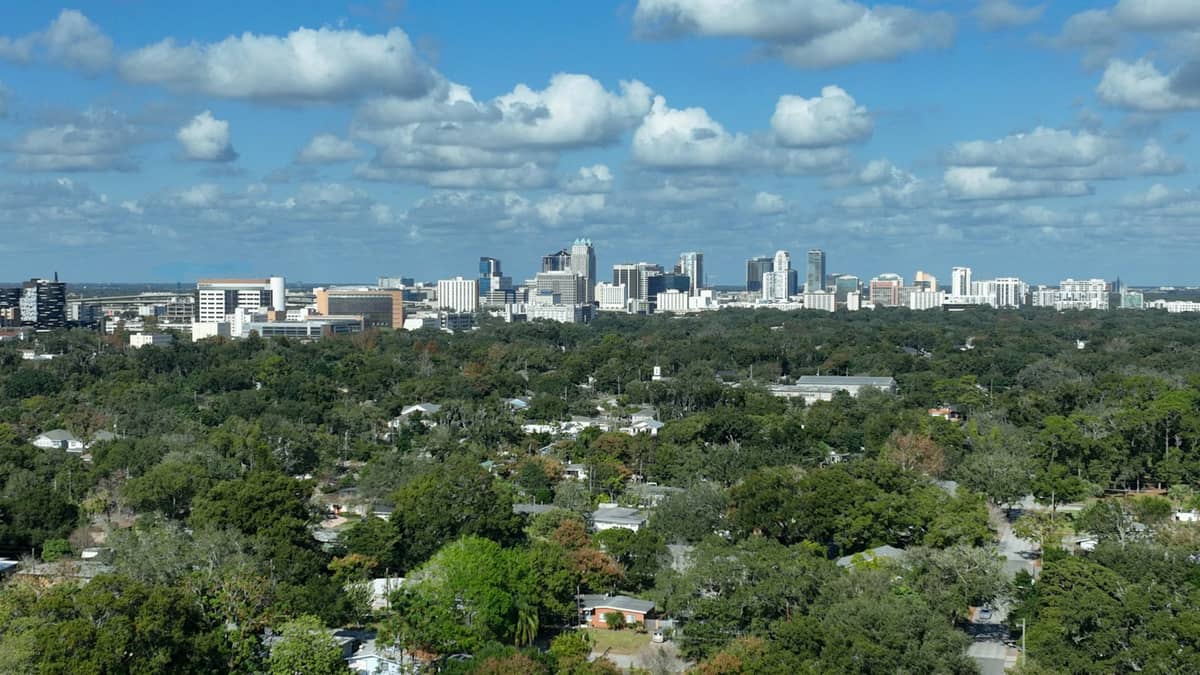
Atlantic hurricane season officially runs June 1 through November 30, with peak activity from August through October. Orlando's inland position, roughly 60 miles from the coast, significantly reduces the risk of a direct hit compared to coastal Florida destinations. However, 'inland' does not mean 'immune.' Tropical storms and weakened hurricanes regularly bring sustained heavy rain, flooding, and park closures to the area. If a significant storm tracks across the state, parks will close, flights will be disrupted, and hotels may be at reduced capacity due to evacuation sheltering.
⚠️ What to skip
Travel insurance is strongly recommended for any Orlando trip booked between August and October. Look for policies that cover trip interruption due to named storms. Refund policies at theme parks vary and are not guaranteed during weather closures.
Crowd Calendars: How to Read Them and When They Break Down
Third-party crowd calendars are useful planning tools but not precise forecasts. They track historical patterns — school calendars, U.S. federal holidays, major events — and project likely attendance levels. For 2026-style planning, the lowest-crowd windows are broadly consistent year to year: the second half of January, the first two weeks of February before Presidents Day, the last week of August, the first three weeks of September, and the first 12 days of December. These windows reflect times when neither U.S. school holidays nor major Orlando events are driving attendance. If you want to plan around Halloween Horror Nights, book early — that event sells out and commands premium ticket prices.
What crowd calendars don't capture well: newly opened attractions create unpredictable spikes. The opening of a new land or ride at any major park will cause temporary crowd surges regardless of the time of year. Check announcements from Universal, Disney, and SeaWorld before booking — a major opening can render a normally quiet week unusually busy.
✨ Pro tip
Arrive at theme parks at rope drop (opening time) and tackle the highest-priority rides first. By 11am in summer, queues for headline attractions can already be 60-90 minutes. Take a 1-3pm break at the hotel pool, then return in the evening when the afternoon thunderstorm has cleared crowds.
Special Events That Should Drive Your Timing Decision

Orlando's event calendar significantly affects both crowd levels and the experience itself. The EPCOT Food and Wine Festival runs from late summer through mid-November and is a genuine reason to visit during an otherwise hot period — it adds substantial culinary programming that park-only visitors miss. Conversely, the festival draws dedicated attendees who wouldn't otherwise visit in fall, pushing EPCOT crowds above what the baseline calendar suggests.
If you're visiting with children specifically for water attractions, the Aquatica Orlando and Disney's Typhoon Lagoon are best visited on a summer weekday rather than a weekend. Water parks also follow school calendars closely — a Tuesday in August is far less packed than any Saturday from June through August.
- EPCOT Festival of the Arts: January to February. Adds a cultured angle to an otherwise quiet, pleasant visiting window.
- Spring Break: Mid-March to mid-April. The highest-demand period for families. Book accommodation and park tickets at least 4-6 months ahead.
- EPCOT Food and Wine Festival: Late summer through mid-November. A strong reason to visit in an otherwise challenging weather window.
- Halloween Horror Nights (Universal): Mid-September to early November. Sells out. Not suitable for young children.
- Mickey's Very Merry Christmas Party (Magic Kingdom): Early November to late December. Separate ticketed event; regular park-goers may find the evening atmosphere less enjoyable.
- New Year's Eve: Extraordinary crowds and premium pricing citywide. Only for visitors who specifically want the experience.
Budget Timing: When Prices Are Lowest and What Actually Moves
Hotel rates in Orlando track crowd calendars closely, but with some nuance. International Drive properties and hotels near Walt Disney World tend to implement dynamic pricing, meaning the same room can range from $80 to $300+ depending on the week. January (outside of MLK weekend) and September are generally the lowest-rate months. For a detailed look at accommodation options by area, the where to stay in Orlando guide covers the tradeoffs between staying on International Drive versus park-adjacent resorts.
Theme park tickets at Disney and Universal now use date-based pricing, meaning a ticket for a high-demand day costs significantly more than a low-demand day for the same park. This pricing structure makes off-peak travel more financially attractive than it used to be: the gap between a peak-week ticket and a January-weekday ticket can exceed $50 per person per day. Pair that with lower hotel rates and you're looking at meaningful savings for a family of four. For ticket strategy, Disney World tickets guide breaks down the current tier system in detail.
If budget is a primary constraint, the Orlando on a budget guide covers free and low-cost alternatives to the major parks, including natural springs, public parks, and free attractions that provide genuine value without the admission cost.
FAQ
What is the best time to visit Orlando for weather?
January through early February and November are the most comfortable months: highs in the low-to-mid 70s°F, low humidity, and minimal rain. May is a close second — warm but not yet oppressive, and drier than summer. Avoid June through September if heat and humidity are dealbreakers for you.
What is the cheapest month to visit Orlando?
January (outside of Martin Luther King Jr. weekend) and September consistently offer the lowest hotel rates and the cheapest date-based theme park tickets. Late August also dips in price as school resumes in many states and crowds thin out.
Is summer really that bad in Orlando?
Summer is manageable if you plan around the heat: start early, rest midday, and return in the evening. The real challenge is the combination of high temperatures (90°F+), very high humidity, and daily afternoon thunderstorms. Add the largest crowds of the year and it becomes the most demanding period to visit. That said, many families have no choice due to school schedules, and the parks are fully operational with all seasonal events running.
When should I avoid visiting Orlando?
Spring break (mid-March to mid-April), the week of July 4th, Thanksgiving week, and the period from December 20 through January 2 are the most crowded and expensive windows of the year. If your goal is shorter lines and lower prices, these are the weeks to avoid.
Does hurricane season affect Orlando theme parks?
Orlando is inland (roughly 60 miles from the coast), which reduces direct hurricane risk compared to coastal Florida. However, tropical storms and weakened hurricanes regularly bring heavy rain and flooding to the area, which can cause park closures and flight disruptions. If booking travel from August through October, travel insurance that covers named storms is a sensible precaution. Always check the National Hurricane Center for current forecasts during this period.