Kissimmee is the county seat of Osceola County and the southern anchor of the greater Orlando tourism corridor. Sitting on the edge of Lake Tohopekaliga, it blends theme park proximity with genuine Florida character, from downtown's historic Broadway Street to the vacation home communities stretching west along US-192.
Kissimmee occupies a unique position in the Orlando metro: it is simultaneously one of the most visited areas in Central Florida and one of the least understood by the visitors passing through it. South of Orlando proper and bordering Lake Tohopekaliga, it functions as the operational base for millions of theme park visitors each year while also maintaining a working-class downtown core, active waterfront, and a Latino cultural identity that sets it apart from the tourist corridors just to the north.
Orientation: Where Kissimmee Fits in the Greater Orlando Area
Kissimmee is the largest city and county seat of Osceola County, sitting roughly 20 miles south of downtown Orlando. It covers approximately 17.6 square miles of land and water, with Lake Tohopekaliga forming the city's southern boundary and giving the downtown its distinctive waterfront character. Despite sharing a metro area with Orlando, Kissimmee operates under its own municipal government and has a distinct identity shaped by its agricultural past, its Latino community, and its position as the vacation home capital of Central Florida.
The mental map of Kissimmee breaks into a few distinct zones. Downtown Kissimmee clusters around Broadway Street and Dakin Avenue, within walking distance of the SunRail station at 320 Pleasant Street. Moving west along US-192 (also called Irlo Bronson Memorial Highway), the city transitions into the tourism corridor: a dense, car-dependent stretch of vacation home communities, budget hotels, outlet stores, and roadside attractions that runs all the way toward Celebration and the Walt Disney World Resort area. Further south and east, the city opens into older residential neighborhoods and the shores of Lake Tohopekaliga.
Kissimmee's proximity to the major parks is one of its defining logistical features. The entrance to Walt Disney World sits roughly 17 miles to the northwest, accessible via US-192. For a broader overview of where Kissimmee fits into the region's accommodation landscape, see the guide on where to stay in Orlando.
Character and Atmosphere: What It Actually Feels Like
Early mornings in downtown Kissimmee feel genuinely local. Broadway Street, the main commercial spine of the historic core, fills with commuters, city workers, and residents from the surrounding neighborhoods, many of whom speak Spanish as a primary language. The smell of coffee and fresh pastries drifts from small Latin bakeries, and the Osceola County Courthouse anchors the civic end of downtown with a quiet institutional weight. At this hour, Kissimmee feels like a mid-sized Florida city with its own rhythms, not an extension of the theme park machine.
By midday, the character shifts depending on where you are. In downtown, foot traffic picks up around the government buildings, the Hart Memorial Library, and the Kissimmee Civic Center. The Lake Tohopekaliga waterfront draws anglers and kayakers, and the lakeside park areas provide genuine breathing room. Along US-192, however, midday is when the tourist corridor fully wakes up: rental cars stream in and out of vacation home communities, families load into minivans heading for the parks, and the roadside strip becomes a sensory overload of signs, chain restaurants, and competing attractions.
After dark, the two worlds diverge further. Downtown Kissimmee has a modest but real nightlife scene, particularly along Broadway and the streets near the waterfront, with Latino music spilling from bars and restaurants on weekend evenings. The US-192 corridor quiets into a parade of headlights, with activity concentrated around the major entertainment nodes. Visitors expecting a compact, walkable evening scene will find downtown more rewarding than the highway strip, which is designed entirely around the car.
ℹ️ Good to know
Kissimmee has a significant Puerto Rican and broader Latino community that gives the city a cultural texture you won't find in most of the Orlando tourist corridor. Downtown restaurants, music, and street life reflect this, particularly on weekends.
What to See and Do
The lake is the best starting point for understanding what Kissimmee is beyond its tourist infrastructure. Lake Tohopekaliga, locally shortened to Lake Toho, is a large lake in Central Florida and one of the most productive bass fishing lakes in the country. The waterfront park area near the downtown boat ramp offers a calm spot for walking, watching herons stalk the shallows, and appreciating the scale of the water. Airboat tours depart from the lake, giving visitors a fast, loud introduction to the wetland ecosystem that surrounds the city.
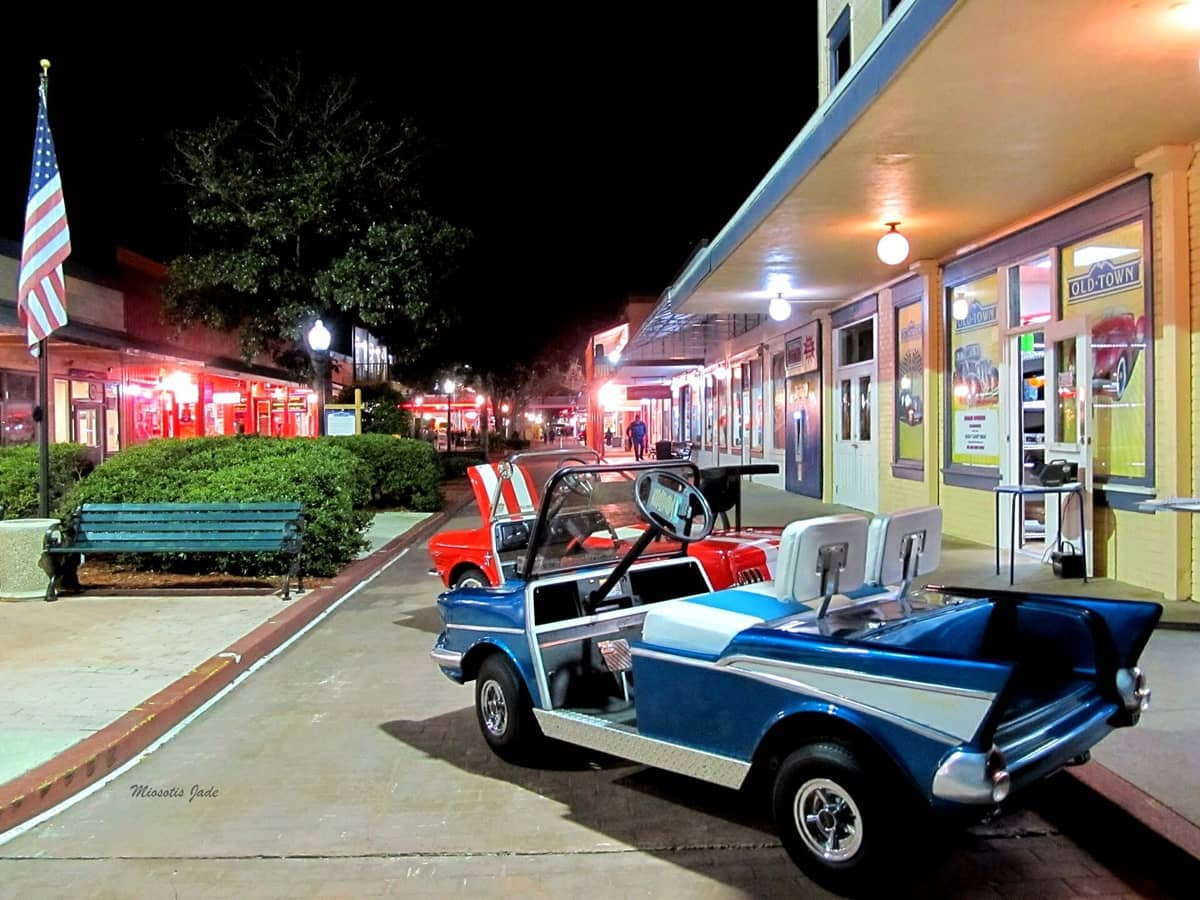
West of downtown along US-192, the atmosphere tilts heavily toward commercial tourism. Old Town Kissimmee is a retro-themed shopping and entertainment complex that has been a fixture of the strip since the 1980s, hosting a classic car show most weekends and functioning as a casual evening destination with carnival rides and souvenir shops. It is kitsch by design, and it works on those terms.
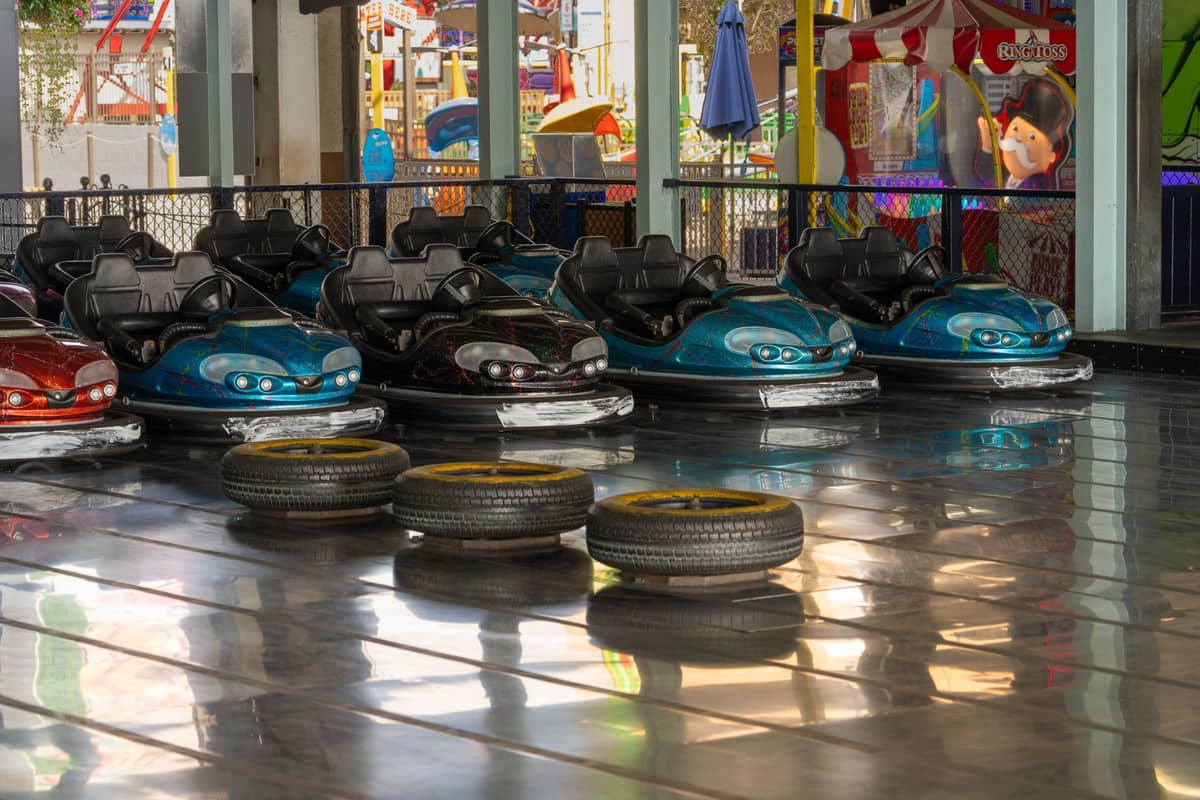
For families who want an amusement park experience outside the major resorts, Fun Spot America Kissimmee operates on US-192 with go-karts and thrill rides. It's smaller and cheaper than the big parks, which makes it a practical option for a half-day when the major attractions feel like too much of a commitment.
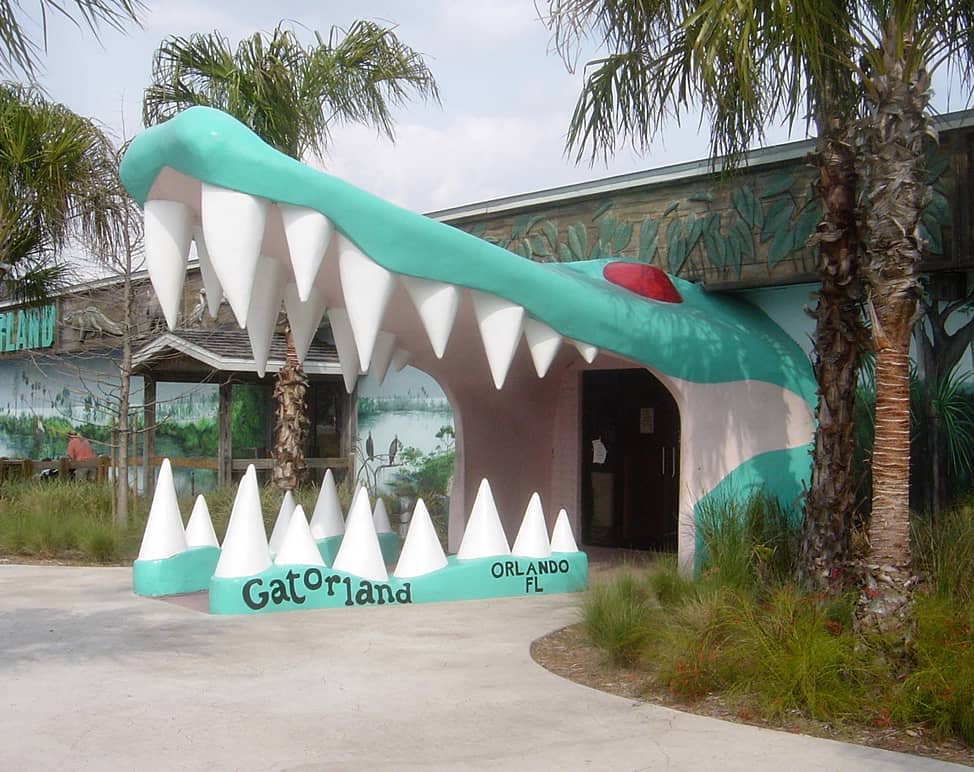
Kissimmee also serves as a practical launch point for Central Florida's natural attractions. Gatorland sits just north of the city on Orange Blossom Trail, and the surrounding wetland areas offer airboat access to Florida's inland ecosystems. For travelers interested in the region's wild side, check the airboat tours guide for Orlando for options departing from the Kissimmee area.
Lake Tohopekaliga waterfront park and boat ramp: free public access to the park and shoreline, good for early morning walks
Old Town Kissimmee: weekend classic car shows, evening carnival atmosphere on US-192
Fun Spot America Kissimmee: go-karts and rides, shorter queues than major parks
Airboat tours departing from Lake Toho: typically 30 to 60 minutes on the water
Osceola County Historical Society: small but focused on the region's cattle ranching and Seminole heritage
Eating and Drinking
The food scene in Kissimmee is genuinely more interesting than the chain-heavy US-192 strip suggests. Downtown Broadway Street and the surrounding blocks contain a concentration of Puerto Rican, Cuban, Mexican, and broader Latin American restaurants that offer some of the most authentic and affordable meals in the greater Orlando area. Mofongo, pernil, Cuban sandwiches, and freshly made arepas appear on menus that would look at home in the Bronx or Miami. For travelers staying in the vacation home corridor, making the short drive downtown for a meal is worth the effort.
Along US-192, the dining options trend toward chain restaurants, buffet-style tourist diners, and fast food, with a few independent spots mixed in. Prices are generally lower than Orlando proper or International Drive, which makes sense given the mix of budget-conscious family travelers and long-term vacation renters who make up the customer base. Breakfast spots are plentiful and tend to open early to accommodate park-goers.
For drinks after dark, downtown Kissimmee has a handful of bars with live music on weekends, often featuring salsa, merengue, or reggaeton. The atmosphere is social and unpretentious. The US-192 corridor has a more scattered nightlife, with sports bars and hotel lounges rather than a concentrated evening strip.
💡 Local tip
If you're staying in a vacation home along US-192 and looking for a meal that isn't a chain restaurant, drive east on US-192 toward downtown Broadway. The shift in food quality and price happens within a mile or two.
Getting There and Around
Kissimmee is best reached by car from Orlando International Airport (MCO), which sits roughly 16 to 17 miles to the north. The drive takes 25 to 40 minutes depending on traffic, and ride-share services operate reliably between the airport and Kissimmee's hotel and vacation home zones. For travelers who want to avoid car rental costs, the SunRail commuter rail connects downtown Kissimmee Station at 320 Pleasant Street directly to the Orlando rail network, with connections at Sand Lake Road linking to a shuttle toward the airport. Verify current SunRail schedules before travel, as service frequency varies by time of day and day of week.
LYNX bus routes serve Kissimmee's Intermodal Station as a regional hub, connecting to Orange, Osceola, and Seminole counties. For visitors navigating without a car, LYNX provides coverage across the metro area, though service frequency may not align well with theme park schedules. A detailed breakdown of transit options across the region is available in the guide to getting around Orlando.
Within Kissimmee, a car is essentially required for anyone staying along the US-192 corridor. The distances between points of interest are too large for comfortable walking, and the road infrastructure is built entirely around vehicle traffic. Downtown Kissimmee is the exception: the historic core is compact enough to navigate on foot, and the waterfront, government center, courthouse, library, and Broadway Street restaurants are all within a walkable radius of the SunRail station.
⚠️ What to skip
US-192 is not pedestrian friendly. Crossings are infrequent, traffic moves fast, and the distances between destinations are substantial. Do not plan to walk between attractions on this corridor.
Where to Stay
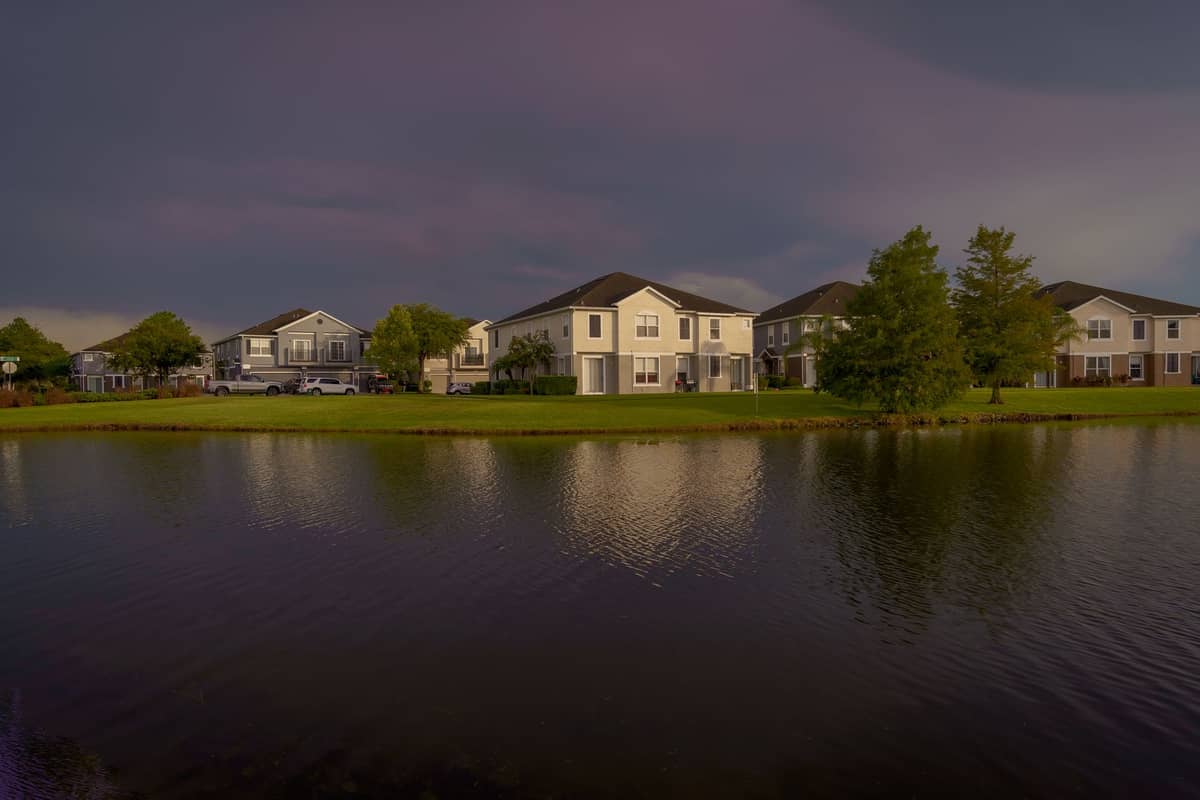
Kissimmee offers two distinctly different accommodation experiences. The vacation home corridor along US-192 west is the dominant option: large gated communities with single-family homes and townhouses that accommodate groups and families with private pools, full kitchens, and multiple bedrooms at a fraction of the cost of equivalent hotel space near the parks. These communities cluster most densely between downtown Kissimmee and Celebration, with many properties sitting 10 to 20 minutes from the Walt Disney World gates.
Hotels along US-192 range from budget chains to mid-range branded properties. Room rates tend to be lower than equivalent options on International Drive or closer to Disney Springs, which makes the corridor attractive for families managing costs across a multi-day trip. The trade-off is the need for a car or ride-share for every movement, and the aesthetic of the strip itself, which prioritizes function over charm.
Travelers who want to stay closer to a genuine neighborhood experience, with walkable access to local restaurants, the waterfront, and public transit, should look at accommodation near downtown Kissimmee and the SunRail station. This suits independent travelers and those who want to use rail to access multiple parts of the Orlando area without a car. For a full comparison of Kissimmee against other Orlando accommodation zones, the Orlando accommodation guide covers the key trade-offs.
Practical Considerations: Safety and Logistics
Kissimmee's overall crime rate runs above the U.S. national average, with property crime, particularly vehicle break-ins and theft, as the primary concern for visitors. The practical takeaway is straightforward: lock your car, don't leave valuables visible on seats, and apply standard urban awareness in unfamiliar areas. The vacation home communities are generally low-risk environments; the US-192 commercial strip warrants the same attention you'd give any busy tourist zone.
Downtown Kissimmee sees higher foot traffic and mixed activity on weekend nights. The area is active rather than dangerous, but solo travelers unfamiliar with the city should be aware that certain blocks around Broadway shift character after midnight. For general orientation on safety across the Orlando metro, the Orlando safety tips guide covers the key points.
The best time to visit Kissimmee, in terms of weather and crowd management, aligns with the broader Orlando pattern: late fall through early spring brings lower humidity, cooler temperatures, and reduced park attendance. Summer is hot and wet, with afternoon thunderstorms most days, but accommodation prices in the vacation home corridor often dip in the off-peak windows around September and early October.
TL;DR
Kissimmee is the budget-smart base for Walt Disney World and Central Florida's theme parks, with vacation home communities offering significantly more space per dollar than hotel options closer to the parks.
Downtown Kissimmee has a distinct Latino character, a genuine waterfront, and the best independent restaurant scene in the immediate area, worth exploring beyond the US-192 strip.
A car is essential for the US-192 corridor, but downtown Kissimmee is walkable and connected to the broader Orlando metro by SunRail commuter rail.
Property crime is the main safety concern; standard precautions around vehicle security are sufficient for most visitors.
Best suited to families on a budget, groups renting vacation homes, and travelers who want affordable access to both the major parks and Florida's natural attractions around Lake Tohopekaliga.
Central Florida's wetlands are home to alligators, herons, and some of the most exhilarating eco-experiences in the Southeast. This guide breaks down the best airboat tours near Orlando by operator, price, location, and what to expect on the water.
Orlando's theme parks run 365 days a year, but the experience varies wildly depending on when you go. This guide breaks down every season by weather, crowd density, pricing, and special events so you can pick the window that fits your trip.
Orlando sits at the center of one of America's most day-trip-rich regions. Within two hours, you can be watching manatees in a crystal spring, exploring a 17th-century Spanish fort, or riding coasters at a Tampa theme park. This guide covers the best destinations worth leaving the parks behind for.
Disney World tickets are not a flat rate. Prices shift by park, date, and how many days you visit. This guide breaks down exactly what tickets cost in 2026, which type makes sense for your trip, and where the genuine savings are.
The EPCOT International Food & Wine Festival is one of the best culinary events in Orlando, running August 27 through November 21, 2026. This guide covers booth pricing, crowd strategy, entertainment, and everything you need to know before you go.
Orlando is far more than paid theme parks. From free-entry entertainment districts and botanical gardens to natural springs and cultural museums, the city offers a surprising range of genuinely no-cost experiences. This guide covers the best free things to do in Orlando, with honest notes on what actually costs nothing.
Orlando is a sprawling city built around cars, but public transit, ride-shares, and theme park shuttles can cover most visitor needs if you plan ahead. This guide breaks down every option — costs, coverage, limitations, and practical tips — so you can move around Orlando without wasting time or money.
Halloween Horror Nights at Universal Studios Florida is one of the most elaborate haunted events in the world, running from late August through early November. This guide covers ticket pricing, crowd strategy, what to expect inside the haunted houses, and a clear take on whether the Express Pass is worth it.
The Wizarding World of Harry Potter spans two separate parks at Universal Orlando Resort. This guide covers Diagon Alley, Hogsmeade, Hogwarts Express logistics, ticket pricing, crowd patterns, and the practical details that will save you time and money.
Orlando is far more than roller coasters and character meet-and-greets. This guide covers the best romantic things to do in Orlando for couples, from lakefront paddle boats and botanical garden strolls to rooftop dining and sunrise balloon flights, with honest seasonal advice and pricing details.
Orlando's dinner show scene is bigger and more varied than most visitors expect. This guide breaks down the top options, real pricing, seating differences, and practical booking advice so you get the most out of your evening.
Orlando is far more than roller coasters and mouse ears. From crystal-clear natural springs and world-class art museums to charming lakeside towns and Florida wildlife encounters, this guide uncovers the city's most rewarding experiences for travelers ready to look past the theme park corridor.
December transforms Orlando into one of the most festive destinations in the United States. From Disney's separately ticketed Christmas parties to SeaWorld's included holiday celebration, this guide covers everything you need to plan a December trip without expensive surprises.
Orlando's summer heat and afternoon thunderstorms make indoor attractions essential knowledge for any visitor. From hands-on science museums and Tiffany art collections to immersive theme park rides and interactive entertainment complexes, these are the best places to stay cool while making the most of your trip.
Seven days in Orlando, Florida gives you just enough time to hit the major theme parks, squeeze in a day trip or two, and actually breathe between it all. This itinerary balances Disney World, Universal Orlando, and the parts of the city most visitors never see — built around how crowds, weather, and park hours actually work.
Central Florida sits atop one of the world's great aquifer systems, and the results are spectacular: gin-clear spring-fed rivers, constant 68-72°F water, and some of the most beautiful state parks in the Southeast. These are the natural springs closest to Orlando worth planning a day trip around.
Orlando's after-dark scene goes far beyond the theme parks. This guide breaks down the best nightlife districts, top venues, what things cost, and how to navigate the city at night without wasting time on the wrong spots.
Orlando, Florida doesn't have to cost a fortune. With the right timing, transport choices, and free attractions, you can experience the best of the city while keeping your wallet intact. This guide breaks down exactly how to do it.
Orlando draws over 75 million visitors a year, and most leave without incident. But the city's overall crime statistics can look alarming out of context. This guide breaks down where the real risks lie, which areas to avoid, and what practical steps will keep your trip trouble-free.
Orlando delivers far more than theme parks when it comes to retail therapy. From luxury flagships at Mall at Millenia to discounted designer finds at outlet centers, plus charming boutique streets and one-of-a-kind themed shopping districts, this guide covers the best places to shop across the city.
Orlando is a serious sports city, not just a theme park destination. From NBA basketball at Kia Center to MLS soccer at Inter&Co Stadium, college football at the Bounce House, and ECHL hockey, this guide covers every major team, venue, ticket option, and seasonal event you need to plan your visit.
Orlando is home to more top-tier theme parks than any city on Earth. This guide covers every major park across Disney World, Universal, SeaWorld, and beyond, with practical advice on what to ride, when to go, and how to make the most of your visit.
Orlando has more water parks per square mile than almost anywhere on Earth. This guide covers every major option, from Disney's themed slide parks to SeaWorld's Aquatica, Universal's Volcano Bay, and the natural springs locals swear by.
Orlando, Florida is the world's most visited family destination for good reason, but navigating theme parks, ticket pricing, crowds, and heat requires a strategy. This guide breaks down everything families need to plan a trip that works for kids of all ages, without overpaying or burning out.
Orlando is one of the most diverse travel destinations in the United States, and Disney is just one piece of it. From Universal's blockbuster theme parks and world-class natural springs to historic small towns and genuine wildlife encounters, this guide covers the best experiences Orlando offers completely independent of the Mouse.
Orlando is far more than theme parks. This guide covers the full range of things to do in Orlando, Florida, from Magic Kingdom and Universal's Epic Universe to natural springs, arts districts, and day trips, with practical notes on costs, crowds, and what to skip.
Choosing where to stay in Orlando shapes your entire trip. This guide breaks down the city's main neighborhoods and hotel corridors, explains how prices shift dramatically by season, and gives you the honest picture on which areas deliver real value versus tourist-trap rates.