Gatorland Orlando: The Real Florida Wildlife Experience Worth Your Time
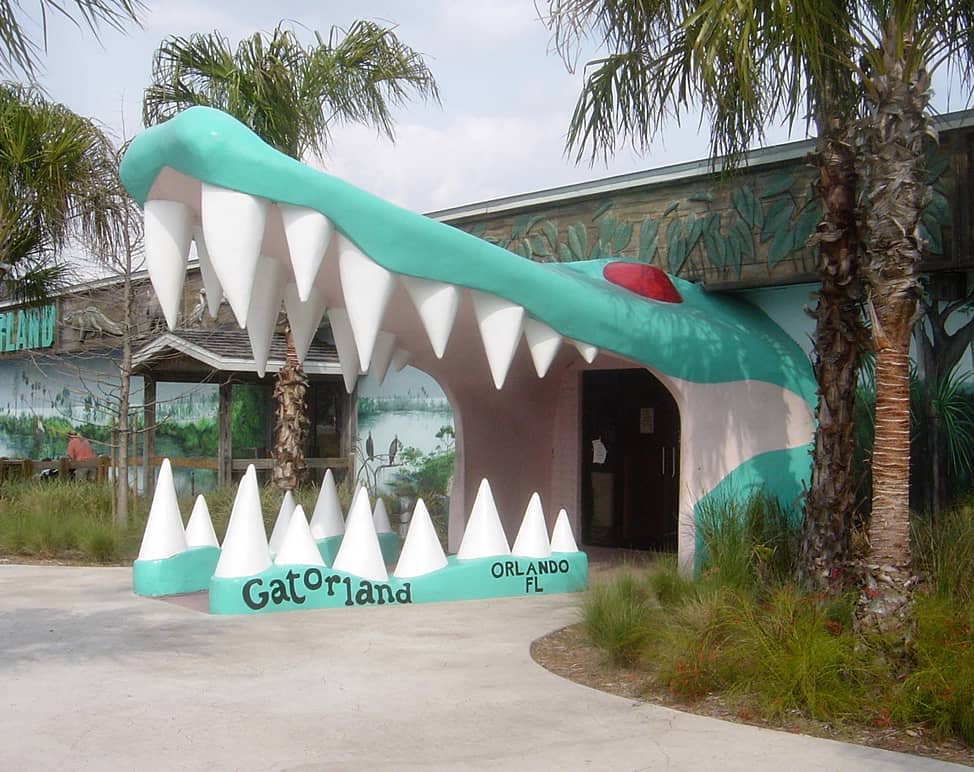
Founded in 1949, Gatorland is Orlando's oldest and most authentic wildlife attraction. Spread across 110 acres on South Orange Blossom Trail, it delivers close-up encounters with hundreds of alligators, a wheelchair-accessible zip line over an alligator marsh, and a genuine slice of old Florida that the theme park corridor simply cannot replicate.
Quick Facts
- Location
- 14501 S Orange Blossom Trail, Orlando, FL 32837
- Getting There
- Best reached by car or rideshare via Highway 441 (S Orange Blossom Trail). No direct public transit stop.
- Time Needed
- 3 to 5 hours for a full visit; half-day if skipping add-on experiences
- Cost
- Adults $34.99 | Children (3–12) $24.99 | Seniors (60+) $31.98 | Under 3 free. Annual pass from $39.99.
- Best for
- Families, wildlife enthusiasts, first-time Florida visitors, budget-conscious travelers
- Official website
- www.gatorland.com
What Gatorland Actually Is
Gatorland is a 110-acre wildlife park on South Orange Blossom Trail in Orlando, focused on American alligators and Florida's broader ecosystem. It is not a polished theme park with fast passes and character meet-and-greets. It is a working animal attraction, family-owned since Owen Godwin founded it in 1949, and it has survived fire, competition from billion-dollar neighbors, and every tourism trend of the past seven decades by staying close to its original identity: real animals, real Florida, and an unpretentious experience that genuinely delivers.
Gatorland is open daily from 10:00 AM to 5:00 PM, rain or shine, including holidays. That rain-or-shine policy matters more than it sounds. Florida's summer afternoons produce serious storms, and most outdoor attractions suffer for it. Gatorland's covered boardwalks, shaded canopy walkways, and indoor viewing areas mean a sudden downpour affects mood but not the agenda.
💡 Local tip
Buy tickets online before arrival. The gate price is the same, but online purchase skips the queue at the main entrance, which can back up on weekend mornings when school groups and families tend to arrive together.
The Alligators: What You Will Actually See
The alligator collection is the reason the park exists, and it does not disappoint. The breeding marsh boardwalk is the centerpiece: a long elevated walkway over water where hundreds of alligators rest, swim, and occasionally surge toward the surface. In the early morning hours, before the Florida heat fully arrives, gators are more active and tend to be spread across the water surface rather than piled on banks. By early afternoon, most have settled into familiar sun-soaking formations along the water's edge, still impressive but less dynamic.
The Jumparoo show is the signature spectacle, where trainers hang raw chicken from poles above the water and alligators launch vertically out of the marsh to claim it. It is loud, primal, and faster than first-time visitors expect. The splash radius is real, so the front rows of the bleachers will get wet. The amphitheater fills quickly on busy days, so arriving 15 minutes early secures a proper sightline. Show schedules vary by season, so check the daily schedule board at the entrance.
Beyond the breeding marsh, Gatorland has a collection of albino and leucistic alligators, which are among the rarest animals in the world. Seeing a fully white alligator in person, its pink eyes scanning calmly from a few feet away, is a genuinely striking moment that photographs struggle to capture. The enclosure is shaded and easy to linger at without feeling rushed.
Tickets & tours
Hand-picked options from our booking partner. Prices are indicative; availability and final rates are confirmed when you complete your booking.
Florida wildlife adventure with Airboat Ride and Gatorland entry
From 124 €Instant confirmationFree cancellationScreamin' Gator Zipline and Gatorland combo admission
From 64 €Instant confirmationFree cancellationGatorland general admission tickets
From 32 €Instant confirmationFree cancellationPirates Cove Adventure Mini Golf
From 18 €Instant confirmationFree cancellation
More Than Alligators: The Rest of the Park
Gatorland holds snakes, crocodiles, monitor lizards, birds, and a wading bird rookery where wild herons and egrets nest in the park's trees each breeding season. This is not a zoo exhibit: the birds choose to nest here because the alligator presence below keeps predators away from their young, a genuine ecological relationship that makes the rookery one of the more interesting wildlife observations in Central Florida. A telephoto lens or binoculars help, but even casual observers can spot nesting activity from the boardwalk.
Gatorland's Stompin' Gator Off-Road Adventure offers a separate tram ride through a wilder section of the property, though this is an add-on experience with separate pricing. For travelers looking to extend their wildlife day, Wild Florida Adventure Park offers a comparable airboat and wildlife combination further southeast, and Blue Spring State Park to the north is one of the best places in Florida to see manatees in cooler months.
The Zip Line: An Unlikely Highlight
The Screamin' Gator Zip Line and the Gator Gauntlet Zip Line send riders over the alligator breeding marsh at height. At approximately 65 feet above hundreds of alligators, the experience is more adrenaline-driven than the rest of the park suggests. The Gator Gauntlet is particularly notable because it is specifically designed for guests with mobility challenges, allowing wheelchair users to zip approximately 350 feet over the marsh using an accessible harness and platform system. That level of deliberate accessibility design is not common at wildlife attractions and warrants recognition.
Both zip line options are add-ons to standard admission. Weight and height restrictions apply, and staff enforce them consistently. Book these experiences at the park on arrival rather than assuming walk-up availability on busy days.
When to Go and What to Expect at Different Hours
The park opens at 10:00 AM and the first hour is consistently the most comfortable. Temperatures are lower, crowds are thin, and animals are at their most active before midday heat settles in. Summer visitors should treat the 10:00 AM opening as a hard target: Florida July and August afternoons hover above 90°F with high humidity, and covering the main boardwalks before noon makes a significant difference to comfort.
October through April is the most consistently pleasant window. Cooler temperatures mean alligators are somewhat less active on very cold mornings (they are ectothermic, so their behavior tracks ambient temperature), but the trade-off in comfort is easily worth it. January and February visits may find some gators sun-basking in tight clusters rather than spread across the water, but the rookery birds are often more visible in cooler months.
⚠️ What to skip
Florida summer afternoon thunderstorms typically arrive between 2:00 PM and 4:00 PM. If you arrive at 10:00 AM you can cover the core of the park and catch a show before the weather turns. Gatorland is open rain or shine, but lightning protocols will pause outdoor zip line operations temporarily.
For broader timing guidance across Orlando's attractions, the best time to visit Orlando guide covers seasonal trade-offs in detail.
History and Why It Still Matters
Owen Godwin opened Gatorland in 1949 along what was then a quiet stretch of road south of Orlando. The original attraction was essentially a roadside curiosity, a pen of alligators designed to catch the attention of travelers heading toward Miami. Over the following decades, as Orlando transformed around it, Gatorland expanded and evolved while the city's center of tourism gravity shifted dramatically toward International Drive and the Disney and Universal corridors.
In 2006, a major fire destroyed a significant portion of the park. Gatorland rebuilt and reopened on November 24, 2006, to record attendance. That resilience is part of the park's character, and the current facilities reflect a thoughtful rebuild rather than a hasty restoration. The park remains family-owned, which shows in its operational style: staff tend to be knowledgeable, genuinely engaged with visitors' questions, and not scripted in the way larger corporate attractions can feel.
Gatorland's longevity gives it a different kind of authority than newer attractions. It is not competing with the spectacle of SeaWorld Orlando or the immersive theming of the theme park giants. It is doing something older and more direct: showing visitors the animals that define Florida's ecosystem, without extensive mediation.
Practical Walkthrough: Getting There and Moving Around
Gatorland sits at 14501 South Orange Blossom Trail (Highway 441), a location that requires a car or rideshare to reach comfortably. There is no LYNX bus stop with convenient proximity to the main entrance, and walking from any nearby accommodation is not realistic. Rideshare from the International Drive corridor or the Disney area takes roughly 15 to 25 minutes depending on traffic. Parking at the park is free.
Inside the park, movement is on foot along boardwalks, paved paths, and dirt trails. The terrain is mostly flat. The 110-acre footprint sounds large but the core visitor circuit, including the breeding marsh boardwalk, the main show amphitheater, the albino alligator building, and the snake exhibits, covers a manageable loop. Sturdy closed-toe shoes are advisable, particularly after rain when boardwalk surfaces can be slick. A hat and sunscreen are essential from April through October.
ℹ️ Good to know
Stroller and wheelchair rentals are available at the entrance. The main boardwalks are paved and accessible. The Gator Gauntlet accessible zip line is one of the few experiences of its kind at any Florida wildlife attraction.
Gatorland is located in the Kissimmee area, south of Orlando's main tourism corridor. If you are planning a day that combines multiple stops, it pairs well with Old Town Kissimmee or a drive toward the nature reserves further south.
Who Should Think Twice
Gatorland is an outdoor attraction in subtropical Florida. Visitors who have limited tolerance for heat, humidity, insects, or the ambient smell of a working animal park should factor those realities into the decision. It is not a climate-controlled experience. The animals are real, the environments are not sterilized, and the park smells like what it is.
Travelers expecting the production quality of a major theme park will find Gatorland modest by comparison. The shows are entertaining but not elaborately staged. The food options are functional rather than culinary. If the goal is a full theme park day with intense rides and immersive world-building, Gatorland is not that. What it offers is something different: direct contact with Florida's actual wildlife heritage, at a price point that significantly undercuts every major Orlando theme park.
Insider Tips
- The albino alligator enclosure is indoors and air-conditioned. On hot afternoons, it is a legitimate refuge as well as a genuinely rare wildlife viewing opportunity.
- The wading bird rookery is most active during nesting season, roughly February through June. Bring binoculars if you want to observe nesting behavior at any detail.
- Annual passes start at $39.99 for children and $54.99 for adults. If there is any chance you will return within a year, or if you want to split a long visit across two mornings, the math on an annual pass is straightforward.
- The Jumparoo show amphitheater fills fast on weekends. Arrive at least 15 minutes early and choose seats toward the middle rows if you want the best view without getting splashed.
- Photography at the breeding marsh is best in the first hour after opening when light is softer and animals are more spread across the water surface rather than clustered at the banks.
Who Is Gatorland For?
- Families with children ages 4 and up looking for an alternative to major theme parks
- Wildlife and nature enthusiasts interested in Florida's native ecosystem
- Budget-conscious travelers who want a full-day experience under $40 per adult
- Visitors with mobility challenges seeking accessible outdoor adventure, including the Gator Gauntlet zip line
- First-time Florida visitors who want to understand what the state looked like before the theme parks arrived
Nearby Attractions
Other things to see while in Kissimmee:
- Fun Spot America Kissimmee
Fun Spot America Kissimmee is an independent amusement park on U.S. Highway 192, steps from Old Town and a short drive from Walt Disney World. It skips the scripted storytelling and brand IP of the mega-parks in favor of go-karts, roller coasters, and a massive arcade. For families watching their budget or older kids who want to drive without a license, it fills a specific niche that the big parks simply don't.
- Old Town Kissimmee
Old Town Entertainment District in Kissimmee is a free-entry, open-air complex of shops, carnival rides, haunted attractions, and weekly classic car shows. It occupies a different niche from the major theme parks nearby, offering a slower, more casual pace with a nostalgic American aesthetic.