7 Days in Orlando: The Perfect Itinerary
Seven days in Orlando, Florida gives you just enough time to hit the major theme parks, squeeze in a day trip or two, and actually breathe between it all. This itinerary balances Disney World, Universal Orlando, and the parts of the city most visitors never see — built around how crowds, weather, and park hours actually work.

Plan and book this trip
Tools from our partner Travelpayouts help you compare flights and hotels. If you book through them, we may earn a commission at no extra cost to you.
Flights
Hotels map
TL;DR
- Seven days works best split across 4 Disney days, 2 Universal days, and 1 flexible day for recovery or local exploration.
- Park hours shift daily at both Disney and Universal — always check official calendars before your trip rather than assuming fixed schedules. See our full Orlando theme parks guide for ticketing and strategy.
- January through April and late November are the sweet spots for thinner crowds and comfortable weather. Summer brings heat, humidity, and afternoon thunderstorms from roughly June through September.
- Orlando International Airport (MCO) sits about 12 miles (19 km) from downtown; rideshare to the theme park corridors runs $30–$65 depending on destination and demand.
- The city has a lot more going on than theme parks — local neighborhoods, springs, and cultural spots reward travelers who plan even one non-park day.
Before You Arrive: Timing, Weather, and Logistics

Orlando sits in Orange County, Florida, at roughly 28.5° N latitude, which gives it a humid subtropical climate (Köppen Cfa). In plain terms: hot, wet summers and mild, dry winters. The most comfortable window for a 7-day trip is January through April, or the three weeks after Thanksgiving. You get manageable temperatures, lower rainfall, and — crucially — smaller crowds at the parks. Avoid school holidays if you can. Spring break weeks in March and the entire summer stretch from late June through August push wait times at rides to genuinely punishing levels.
⚠️ What to skip
Hurricane season runs June 1 through November 30, with peak risk in August through October. September in particular can bring weather disruptions, park closures, and flight cancellations. Travel insurance is worth serious consideration if you're visiting during this window.
Getting from Orlando International Airport (MCO) to the theme park corridors is straightforward. The airport sits about 12 miles (19 km) from downtown Orlando — roughly 25–40 minutes by road depending on traffic. LYNX Bus 11 connects the airport to downtown for around $2.00. Taxis to downtown typically run $35–$45. Rideshare and private transfers to the Walt Disney World Resort Area or Universal range from $30–$65 depending on vehicle type and demand — factor in surge pricing during peak arrival times. If you're renting a car, pickup is at the airport's Ground Transportation Level (Level 1). Shuttles depart from Commercial Lane spaces A15 on the A-Side and B13 on the B-Side. See our guide to getting around Orlando for a full breakdown of transport options.
💡 Local tip
If you're staying on Disney property, the free Disney transportation system (buses, monorail, boats, and Skyliner gondolas) can eliminate the need to rent a car entirely for your Disney days. For Universal days and off-park excursions, rideshare is the most flexible option.
Days 1–4: Walt Disney World

Four days gives you enough time to hit all four Disney parks without sprinting through any of them. The standard approach: lead with Magic Kingdom on Day 1 while energy is highest. It's the most emotionally satisfying park and rewards an early arrival — gates open as early as 9:00 AM on most dates, though hours vary. Day 2 works well at EPCOT, particularly if you're visiting during a festival period. Day 3 at Hollywood Studios requires the most strategic planning because Star Wars: Galaxy's Edge and Toy Story Land see the longest waits. Book Lightning Lane Multi Pass for Slinky Dog Dash as early as possible in the morning. Day 4 at Animal Kingdom tends to have earlier closing hours than the other parks — sometimes as early as 6:00 PM on select dates — so this pairs well with an evening dinner reservation elsewhere.
- Confirm whether your tickets need park reservations Date-based Disney tickets generally do not require park reservations. Annual passes and some undated or promotional tickets still might. Check Disney's official site for your ticket type before you assume a reservation is required.
- Arrive before rope drop Being at the park entrance 30 minutes before the listed opening time gives you a significant head start on crowds, especially for Tron Lightcycle Run at Magic Kingdom and Guardians of the Galaxy at EPCOT.
- Use the My Disney Experience app Park hours, Lightning Lane availability, and wait times all update in real time through the app. Download it and check it the morning of each park day — hours do change, sometimes with 24 hours notice.
- Plan for afternoon rain in summer During the wet season (roughly May through October), afternoon thunderstorms are nearly daily. Indoor attractions like Carousel of Progress or EPCOT's festival pavilions become valuable respite during storms.
Disney Springs works as an evening option on any of your Disney days — it's free to enter, covers dining, shopping, and some entertainment, and requires no park ticket. If you're visiting between October and early January, specific seasons bring overlay events and festivals that are genuinely worth factoring into your park-day order. Check the Disney World tickets guide for current pricing structures, as ticket costs vary significantly by date and how far in advance you purchase.
Days 5–6: Universal Orlando

Universal Orlando Resort splits across two main parks: Universal Studios Florida and Islands of Adventure. Two days is the right allocation for most visitors. Day 5 works well at Islands of Adventure, which holds the original Wizarding World of Harry Potter (Hogsmeade), The Incredible Hulk Coaster, and Jurassic World. Day 6 at Universal Studios Florida covers the Hollywood section of the Wizarding World (Diagon Alley) and Despicable Me. Epic Universe is a separate park that opened May 22, 2025 — it is not an add-on inside Universal Studios Florida, so plan a dedicated day if you want to visit it.
Universal's Early Park Admission is available for guests staying at on-site hotels, granting access to the Wizarding World areas up to an hour before general opening. This is one of the most effective crowd-beating strategies at Universal and is genuinely worth the hotel cost difference on a short trip. Check the Harry Potter Orlando guide for specifics on both Hogsmeade and Diagon Alley, including which rides to prioritize.
✨ Pro tip
A Park-to-Park ticket lets you ride the Hogwarts Express between Hogsmeade (Islands of Adventure) and Diagon Alley (Universal Studios Florida). The train itself is an experience worth doing in both directions — and it's only accessible with a Park-to-Park ticket, not a single-park pass.
Day 7: The Non-Park Day (And Why It Matters)

Six consecutive days inside major theme parks is genuinely exhausting, and most people underestimate this going in. Day 7 as a lighter, more flexible day is not wasted time — it's what makes the rest of the trip sustainable. What you do with it depends on your interests.
- Kennedy Space Center About 50 miles east of Orlando near Cocoa Beach. Plan a full half-day minimum. The Saturn V hall alone justifies the trip for anyone with even passing interest in space history.
- Natural springs Wekiwa Springs State Park and Kelly Park at Rock Springs are both within 45 minutes of downtown Orlando. Swimming in 72°F spring water after days of Florida heat is a genuinely restorative experience.
- Winter Park Park Avenue offers galleries, the Charles Hosmer Morse Museum of American Art (home to the world's most comprehensive collection of Louis Comfort Tiffany work), independent restaurants, and a scenic boat tour through the Winter Park chain of lakes.
- SeaWorld Orlando If you have kids or interest in marine animals and coasters, SeaWorld runs efficiently and rarely requires a full day. Mako and Ice Breaker are legitimately strong coasters.
- International Drive exploration ICON Park, the Orlando Eye, and the broader I-Drive corridor can fill a half-day of casual sightseeing without major planning.
If the thought of another theme park on Day 7 sounds appealing rather than draining, SeaWorld Orlando is genuinely worth adding to a 7-day itinerary. It moves at a different pace from Disney and Universal, and the combination of rides, shows, and animal experiences is solid value. For a completely different direction, Kennedy Space Center pairs well with a morning drive east through Brevard County.
Where to Stay: Matching Your Hotel to Your Itinerary
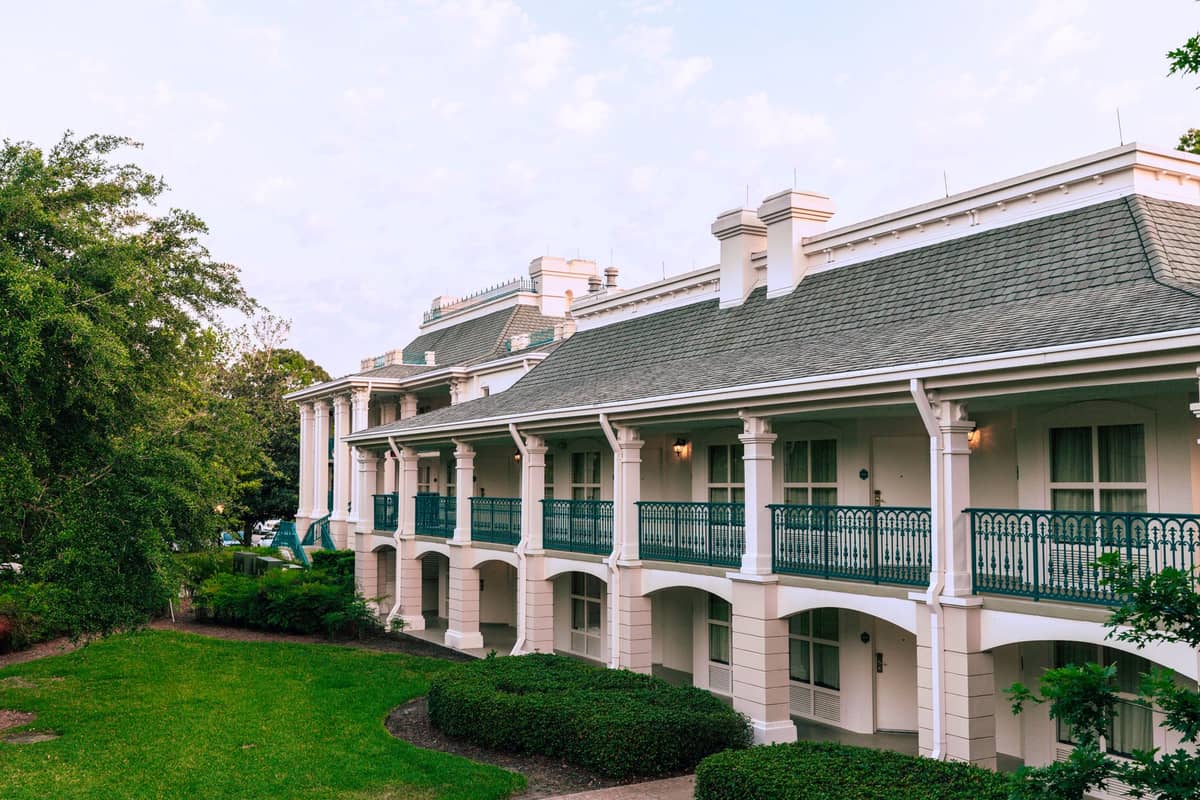
Where you stay in Orlando has a direct effect on how your days run. On-site Disney resort hotels provide free transportation to all four parks plus Disney Springs, plus early entry privileges. The trade-off is cost: Disney hotels run from budget-tier (All-Star Resorts, around $100–$175/night) to deluxe (Grand Floridian, $600+/night). On-site Universal hotels earn Early Park Admission to the Wizarding World areas. For a week split between both resort complexes, staying on International Drive is a reasonable compromise — you're roughly equidistant from Disney and Universal, with strong rideshare access to both. Read our full guide to where to stay in Orlando to compare specific hotel zones by budget and proximity.
ℹ️ Good to know
Orlando uses Eastern Time: EST (UTC-5) in standard time, EDT (UTC-4) during daylight saving. This matters for flight planning if you're connecting through other U.S. time zones. Tipping is standard at 18–20% in restaurants and bars. Tap water is safe to drink throughout the city.
Practical Logistics for a 7-Day Orlando Trip
A week in Orlando involves more logistics than most city trips. You're dealing with multiple admission tickets, daily park-hour checks, dining reservations (Disney table-service restaurants book up 60 days out), and transportation between geographically spread resorts. Get ahead of the planning curve by booking Disney dining at the 60-day mark and Universal hotel packages as early as possible if Early Park Admission is a priority.
For the non-park portions of your trip, renting a car for one or two days gives you maximum flexibility for day trips like Kennedy Space Center, the natural springs, or St. Augustine (about 90 minutes north). If you'd rather skip the car entirely, rideshare covers the gap for most I-Drive and resort-corridor needs. Families traveling with young children should factor in afternoon breaks back at the hotel during the hottest part of summer days (roughly noon–3 PM), both for temperature management and nap logistics. Our Orlando with kids guide covers age-by-age recommendations for each park.
- Check Disney and Universal park hours at least 24 hours before each visit — they update frequently and affect your arrival strategy.
- Book Disney table-service dining 60 days before your trip for the best selection, checking the exact opening time for online reservations on Disney’s site or app.
- Download both the My Disney Experience app and the Universal Orlando app before you arrive — mobile ordering, Lightning Lane/Express Pass access, and real-time wait times are all managed through them.
- Budget realistically: a family of four spending 4 Disney days and 2 Universal days can easily spend $1,200–$1,800 on tickets alone before accommodation, dining, or transport.
- Pack a poncho for afternoon storms during the wet season. Disposable ponchos at park shops run $12–$20 each; a packable option from home costs a fraction of that.
FAQ
Is 7 days enough time for Orlando?
Yes — 7 days is one of the best lengths for Orlando. It gives you four full days across Disney's parks, two days at Universal, and one day for everything else. You won't feel rushed, and you'll have buffer for slow mornings or rain delays without sacrificing anything significant.
What is the best time of year to visit Orlando for 7 days?
January through April is the strongest window overall: crowds are thinner than summer, the weather is mild and drier, and there are no hurricane risks. Late November (after Thanksgiving week) also works well. Avoid the Christmas-New Year window and all of spring break unless crowds don't bother you — those are the busiest weeks of the year.
Do I need a car to do a 7-day Orlando itinerary?
Not necessarily. If you're staying on Disney or Universal property, their internal transportation systems and rideshare can cover most of the week. A rental car becomes worthwhile specifically if you plan day trips to Kennedy Space Center, natural springs, or beach towns — otherwise it's an optional convenience, not a necessity.
How far in advance should I book Disney World tickets for a 7-day trip?
As early as possible, ideally 60–90 days out. Disney ticket prices depend on your start date. Date-based tickets generally do not require park reservations, though annual passes and some undated or promotional tickets still might. Dining reservations at popular table-service restaurants open exactly 60 days before the meal date at 6:00 AM Eastern — those go fast.
Can I do Universal and Disney in the same day?
Technically yes, but it's not advisable. Both resorts are large enough to fill a full day each, and the logistics of moving between them (roughly 20–30 minutes by road) eat into time you'd rather spend inside the parks. A better approach: dedicate full days to each and use evenings for Disney Springs or CityWalk, which are free to enter.