Is Orlando Safe? A Practical Safety Guide for Visitors
Orlando draws over 75 million visitors a year, and most leave without incident. But the city's overall crime statistics can look alarming out of context. This guide breaks down where the real risks lie, which areas to avoid, and what practical steps will keep your trip trouble-free.
Plan and book this trip
Tools from our partner Travelpayouts help you compare flights and hotels. If you book through them, we may earn a commission at no extra cost to you.
Flights
Hotels map
TL;DR
- Orlando's main tourist corridors (theme parks, International Drive, Lake Buena Vista) are heavily policed and generally safe for visitors.
- The city's overall crime rate is above the U.S. average, but these statistics reflect resident-area crime, not tourist zones.
- Property crime and car break-ins are the most common risk for visitors, especially in parking areas near attractions on International Drive.
- Avoid Pine Hills and parts of Orange Blossom Trail (OBT) after dark. Stay in well-lit, high-footfall areas and you'll be fine.
- Heat, sun exposure, and water safety are statistically more likely to affect your trip than violent crime.
The Honest Crime Picture: What the Statistics Actually Mean
Orlando, Florida carries a reputation problem that the raw numbers create but context largely resolves. Citywide data show elevated crime rates relative to national averages, but tourist districts operate in a fundamentally different environment from the neighborhoods driving those numbers.
The good news is the trend line. Orlando Police reported an approximately 18% overall crime decline and roughly a 10% drop in violent crime in 2024 compared to prior years. The city has made measurable progress, and the areas visitors actually spend time in were never the problem areas to begin with.
ℹ️ Good to know
Crime statistics in the U.S. are reported per 100,000 residents, which means a tourist-heavy city like Orlando looks worse on paper than it is for actual visitors. The tens of millions of people passing through each year are not counted in the denominator, but any crime affecting them is counted in the numerator.
Which Areas Are Safe and Which to Approach with Caution

The tourist core, covering Walt Disney World, Universal Orlando, International Drive, and Lake Buena Vista, is among the safest parts of the greater Orlando metro. These areas are well-lit, heavily staffed by private security and local law enforcement, and subject to constant foot traffic. Violent crime against tourists in these zones is genuinely rare, not just statistically diluted.
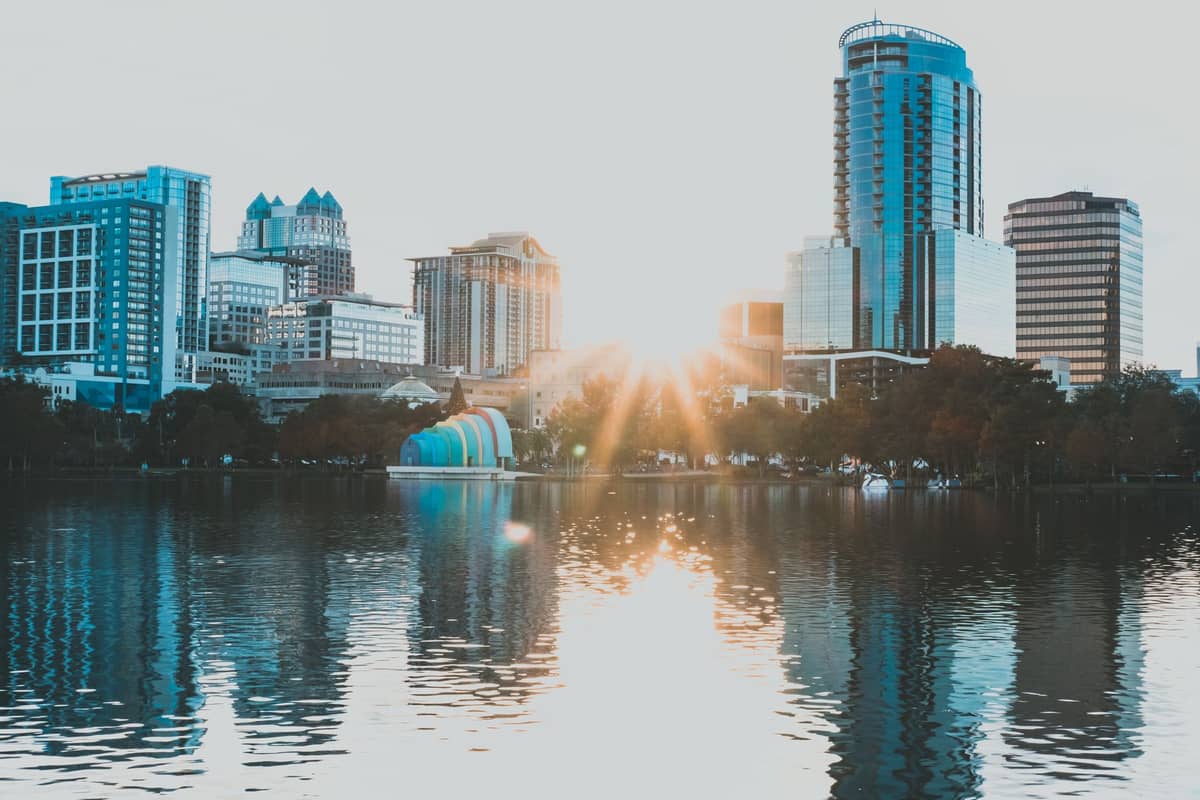
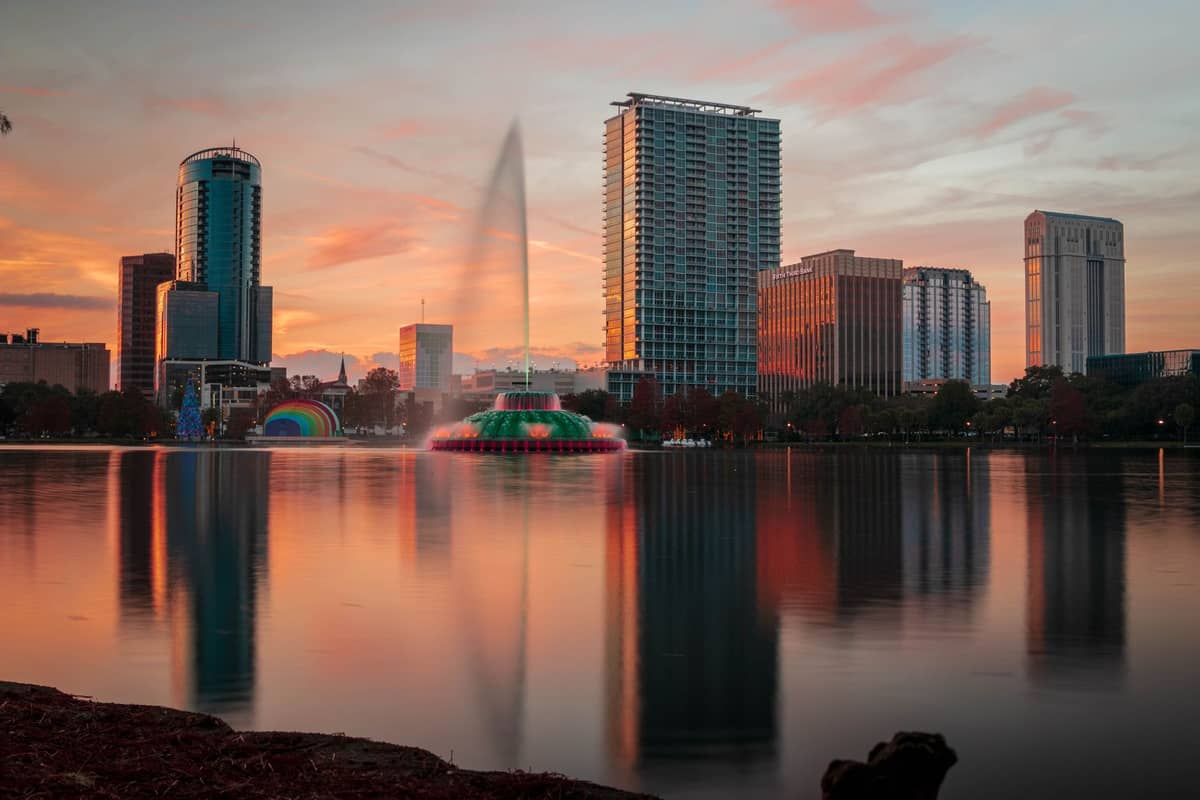
Downtown OrlandoDowntown Orlando is generally safe during the day and in the early evening around Lake Eola and Thornton Park. The Wall Street Plaza entertainment district draws large weekend crowds, which brings the usual considerations around alcohol-fueled incidents. Exercise standard urban awareness after midnight.
- Safe for most visitors International Drive, Lake Buena Vista, Walt Disney World Resort area, Universal Orlando area, Winter Park, downtown Kissimmee's tourist strip, and the theme park corridors generally.
- Use standard urban caution Downtown Orlando at night, Thornton Park late evenings, Mills 50 District after dark (improving but worth awareness).
- Avoid after dark, or altogether Pine Hills (northwest Orlando), stretches of Orange Blossom Trail (OBT) south of downtown, and parts of Parramore. These are residential areas with elevated crime and no tourist reason to visit.
⚠️ What to skip
Pine Hills and the southern OBT corridor are not on any typical tourist itinerary. If your navigation app routes you through these areas unexpectedly, particularly at night, consider waiting until daylight or choosing a different route. There is no attraction or shortcut worth the added risk.
The Real Risks Visitors Face: Property Crime and Parking Lot Break-Ins
For the vast majority of visitors to Orlando, Florida, the only realistic safety concern is property crime, specifically car break-ins in parking lots near attractions and tourist areas. Rental cars are a particularly common target because they are easy to identify, often left for extended periods, and frequently contain luggage or bags that thieves can see through windows.
- Never leave bags, electronics, wallets, or valuables visible in a parked car. Lock everything in the trunk before you arrive at your destination, not after you park.
- Remove the rental car agreement from the glove box or keep it with you. It identifies the vehicle as a rental and can contain your personal information.
- Use hotel safes for passports, extra cash, and devices you are not carrying.
- Be aware of your surroundings at ATMs. Use machines inside banks or hotel lobbies rather than standalone street machines.
- On International Drive, watch for street vendors and aggressive solicitors near attractions. Declined interactions firmly and move on.
- Pickpocketing is uncommon but not unheard of in crowded theme park queues and busy tourist areas. Keep bags zipped and in front of you.
✨ Pro tip
The Orange County Sheriff's Office publishes official tourist safety tips covering hotel room security, vehicle security, and emergency contacts. Their guidance is worth reading before you arrive, particularly around hotel safety: always use the deadbolt and chain lock, and verify anyone claiming to be hotel staff before opening the door.
Environmental Hazards: Heat, Storms, and Water Safety
Local safety authorities consistently flag environmental hazards as the most commonly encountered risks for Orlando visitors, particularly during the summer months. Heat and sun exposure affect far more tourists than crime does, yet most visitors arrive underprepared.
From June through August, Orlando's humid subtropical climate pushes heat indices above 100°F regularly. Spending a full day at an outdoor theme park in these conditions is physically demanding. Children, elderly visitors, and anyone not acclimatized to high humidity are particularly vulnerable to heat exhaustion and heat stroke. Drink water constantly, not just when thirsty. Schedule breaks in air-conditioned spaces during the hottest part of the afternoon (roughly 12pm-4pm), and apply broad-spectrum sunscreen every two hours.
Hurricane season runs from June through November, with peak risk concentrated in August, September, and October. Orlando's inland location (about 60 miles from both coasts) does not eliminate hurricane risk. Major storms can bring high winds, flooding, and temporary closures of theme parks and Magic Kingdom and other parks, as well as disruptions at Orlando International Airport (MCO). If you are visiting during peak hurricane season, purchase travel insurance that covers weather-related cancellations and monitor the National Hurricane Center's forecasts during your trip.
Water safety is a recurring concern that local officials raise every year. This covers pools (especially for young children), natural springs and lakes, and even ornamental water features. Never swim in undesignated areas or natural lakes after dark. Florida's freshwater lakes and slow-moving waterways can harbor alligators, which are present throughout the state year-round. Do not approach or feed them. Children should be supervised continuously near any body of water.
Getting Around Safely: Transport and the Orlando Airport
Orlando International Airport (MCO) is located about 10 km from downtown, roughly 25-40 minutes by road depending on traffic. It is a well-run, well-staffed facility. Getting around Orlando without a car is possible but requires planning. The LYNX bus network serves major tourist corridors including International Drive for around $2.00 per ride, and SunRail connects the area via a bus link to Sand Lake Road station. Taxis from MCO to downtown typically run $35-$45, while rideshares and private transfers usually fall in the $30-$65 range depending on vehicle type and demand.
Most visitors rent a car, which gives flexibility but brings the vehicle security concerns outlined above. If you are staying primarily on International Drive or near a theme park, seriously consider whether you need a car at all. Many hotels run shuttles to the major parks, and rideshare services are widely available throughout the tourist corridor. Renting a car dramatically increases your exposure to the most common visitor risk: property theft from parked vehicles.
💡 Local tip
If you arrive at MCO late at night, the $2 LYNX bus is a perfectly safe option but runs on a limited late-night schedule. Confirm the last departure time before you rely on it. For late arrivals, a rideshare or pre-booked private transfer is more reliable and worth the extra cost.
Practical Safety Checklist Before and During Your Trip
A few low-effort steps cover the majority of realistic risks. For a broader look at what to plan around, the best time to visit Orlando guide covers seasonal crowd patterns and weather considerations in detail, both of which affect your safety planning.
- Buy travel insurance that covers medical emergencies, weather disruptions, and trip cancellations. U.S. healthcare is expensive without coverage.
- Save emergency contacts in your phone: 911 for emergencies, Orlando Police Department non-emergency line (321) 235-5300.
- Share your itinerary with someone at home, including hotel name and contact number.
- Carry a copy of your passport separately from the original. Keep the original in your hotel safe.
- Tap water in Orlando is safe to drink. Staying hydrated is free and critical in the Florida heat.
- Standard U.S. tipping applies: 15-20% in restaurants and bars, a few dollars per bag for bellhops, and similar for housekeeping.
- U.S. electrical outlets use Type A/B plugs at 120V/60Hz. International visitors should bring a compatible adapter.
- Many nationalities can visit the U.S. for up to 90 days under the Visa Waiver Program with an approved ESTA. Verify your specific country's requirements before booking.
Families visiting with children should also read the Orlando with kids guide, which covers age-appropriate planning, theme park strategy, and keeping young travelers safe and comfortable in the heat.
FAQ
Is Orlando safe for tourists?
Yes, for the overwhelming majority of visitors. Orlando's main tourist areas, including the theme park corridors, International Drive, and Lake Buena Vista, are heavily patrolled and generally safe. The city's higher-than-average crime statistics reflect residential neighborhoods, not the tourist zones where visitors spend their time. Violent crime against tourists is rare. Property crime, particularly car break-ins, is the most realistic risk and is easily mitigated by not leaving valuables visible in parked vehicles.
Which areas of Orlando should tourists avoid?
Pine Hills (northwest Orlando) and stretches of Orange Blossom Trail south of downtown have elevated crime rates and are not part of any standard tourist itinerary. Visitors have no practical reason to visit these neighborhoods. Parts of Parramore, adjacent to downtown, are worth avoiding at night. Downtown Orlando itself is generally fine during the day and early evening near Lake Eola and Thornton Park.
Is Orlando safe for families with children?
In the tourist districts, yes. The bigger practical concerns for families are environmental: heat exhaustion from long days at outdoor parks in summer, sun exposure, and water safety around pools and lakes. Children should be supervised continuously near any body of water. Florida lakes can harbor alligators, so stick to designated swimming areas. Book accommodations on or near the main tourist corridors to stay in the most secure, well-monitored parts of the city.
Does hurricane season affect Orlando safety?
It can. Hurricane season runs June through November, with peak risk in August through October. Orlando's inland location reduces but does not eliminate the risk. Major storms can bring high winds, flooding, and temporary closures of theme parks and Orlando International Airport (MCO). If you visit during this period, purchase travel insurance that covers weather-related disruptions and monitor National Hurricane Center forecasts. Hotels and theme parks have established emergency protocols and will communicate closures clearly.
What is the non-emergency police number for Orlando?
The Orlando Police Department non-emergency line is (321) 235-5300, available 24 hours. For any genuine emergency, dial 911. The Orange County Sheriff’s Office also provides tourist safety resources and can be contacted for non-urgent matters in unincorporated parts of the county.