International Drive, known locally as I-Drive, is Orlando's primary tourism corridor: an 11-mile stretch of hotels, entertainment complexes, outlet malls, and restaurants running through the heart of the city's visitor district. It puts major theme parks, indoor attractions, and dining within easy reach, making it the practical base camp for most first-time visitors to Orlando.
International Drive is where Orlando does tourism at full volume. Stretching 11 miles through the southwest of the city, it is the corridor that connects the Universal Orlando area in the north to the Orange County Convention Center in the south, lined the entire way with hotels, entertainment venues, and restaurants designed to keep visitors occupied around the clock.
Orientation: Where I-Drive Sits in Orlando
International Drive runs roughly north to south, several miles southwest of downtown Orlando and roughly parallel to Interstate 4. The main strip begins near Oak Ridge Road at its northern end, where it connects to the Universal Orlando Resort area, and extends south to World Center Drive (SR 536), near Walt Disney World's western boundary. A further extension called International Drive South continues into northern Osceola County toward Kissimmee.
Administratively, the corridor straddles the city of Orlando and unincorporated Orange County. This matters practically because services, signage, and jurisdiction can shift depending on which block you're on, though most visitors never notice the line. What you will notice is that the road never fully quiets: it is genuinely continuous commercial activity from the northern hotel clusters near Universal down to the convention center complex in the south.
For travelers using Orlando as a base to reach multiple parks, I-Drive's central position is a genuine advantage. It sits roughly 20 minutes by road from Walt Disney World Resort to the west, about 10 minutes from Universal Studios to the north, and around 25 minutes from Orlando International Airport (MCO) to the southeast. Downtown Orlando is about 6 miles northeast, accessible in 15-20 minutes outside of peak traffic hours.
ℹ️ Good to know
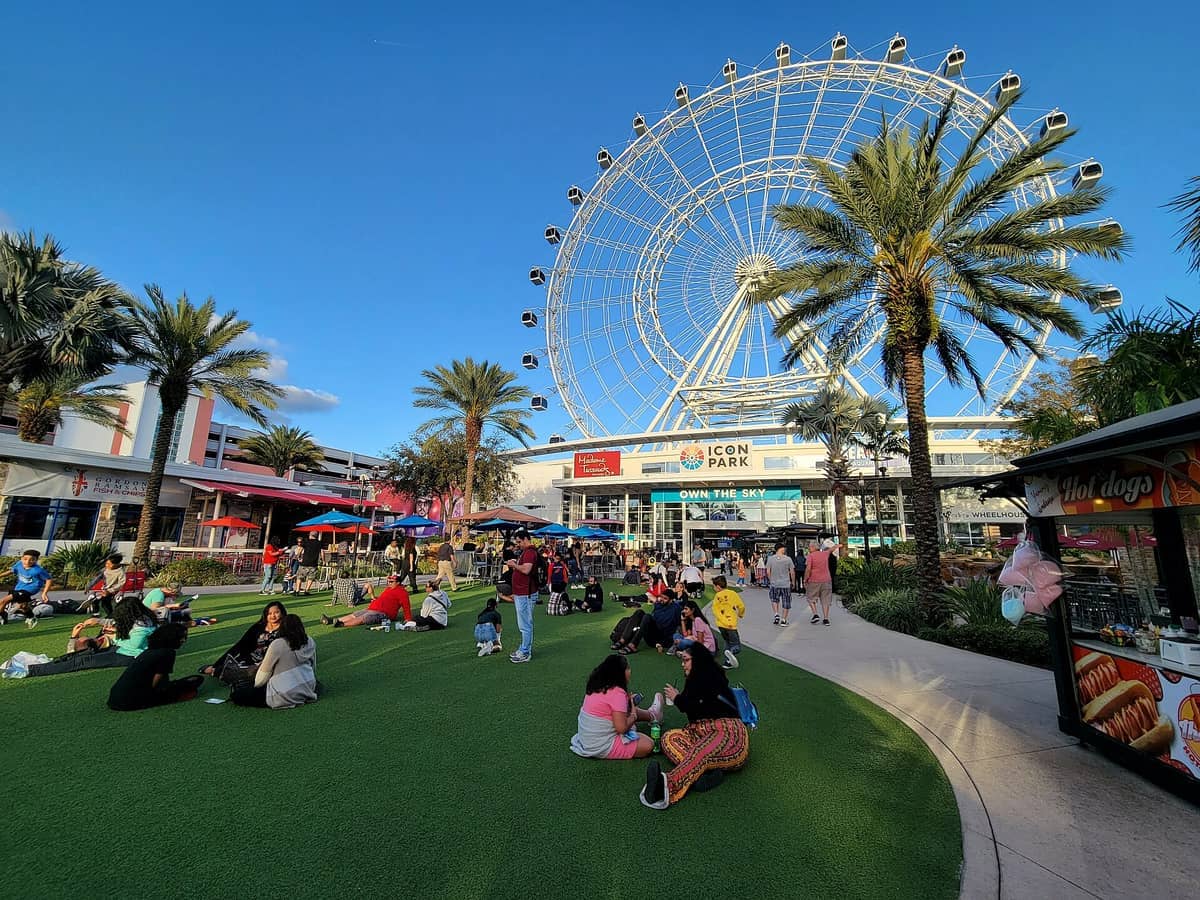
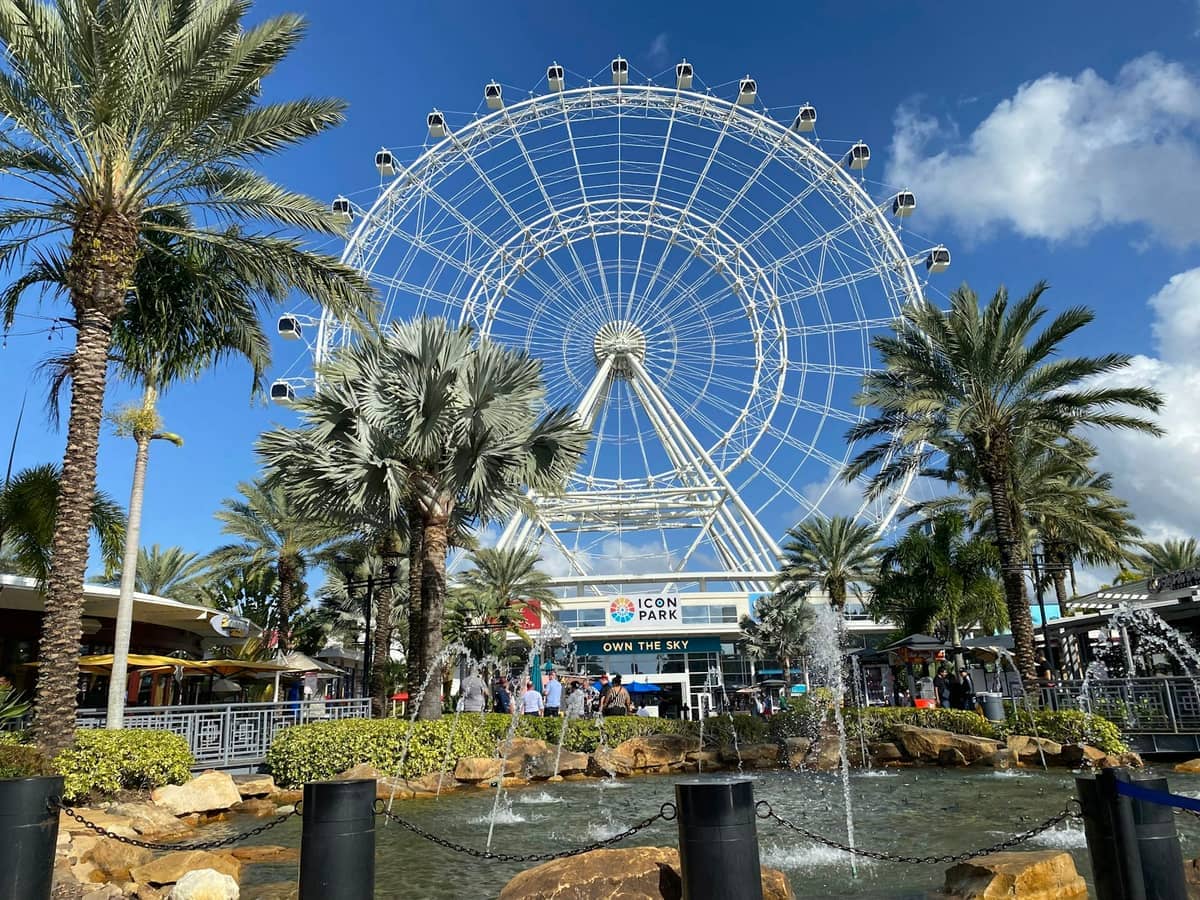
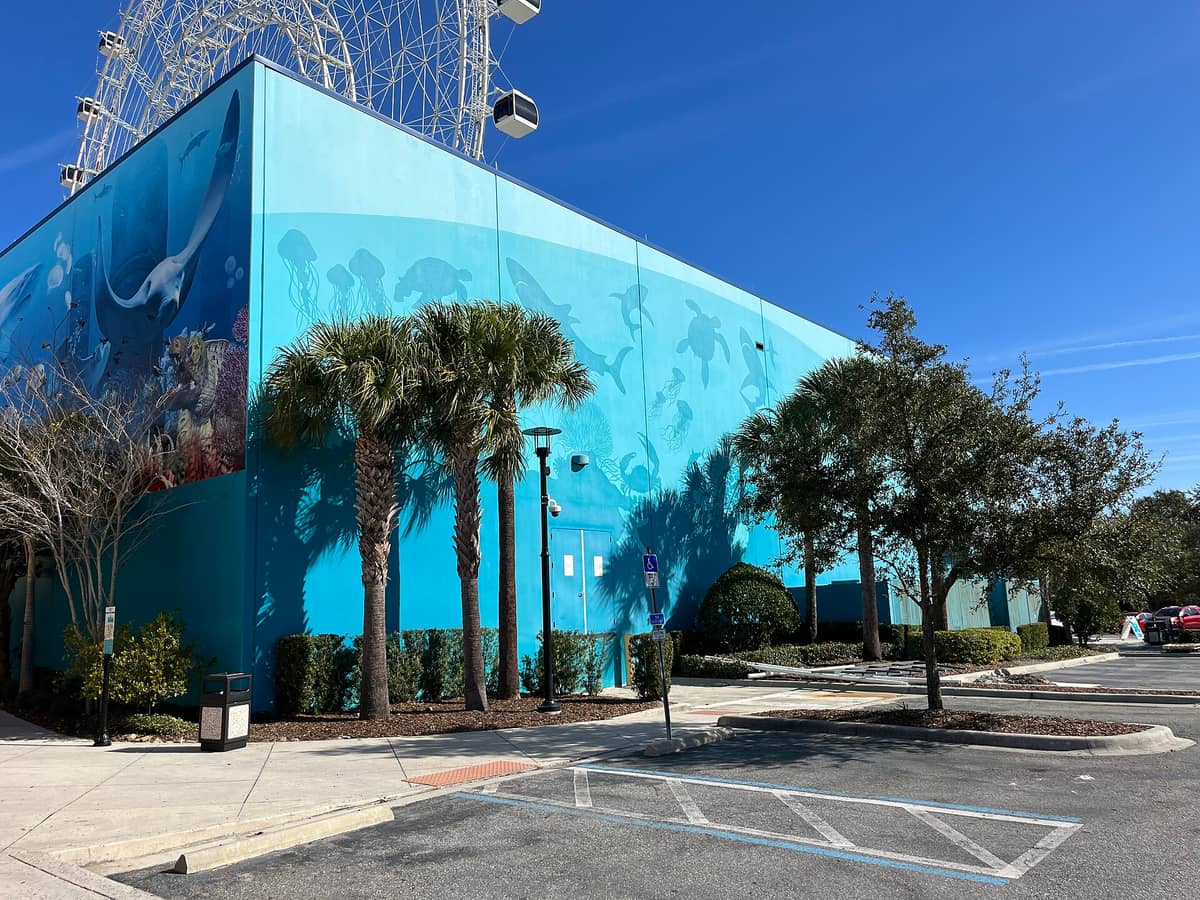
ICON Park, located mid-corridor on International Drive, is the most useful landmark for orienting yourself on the strip. If you can see the 400-foot observation wheel (The Orlando Eye by Merlin Entertainments), you're roughly in the center of I-Drive's action zone.
Character and Atmosphere: What I-Drive Actually Feels Like
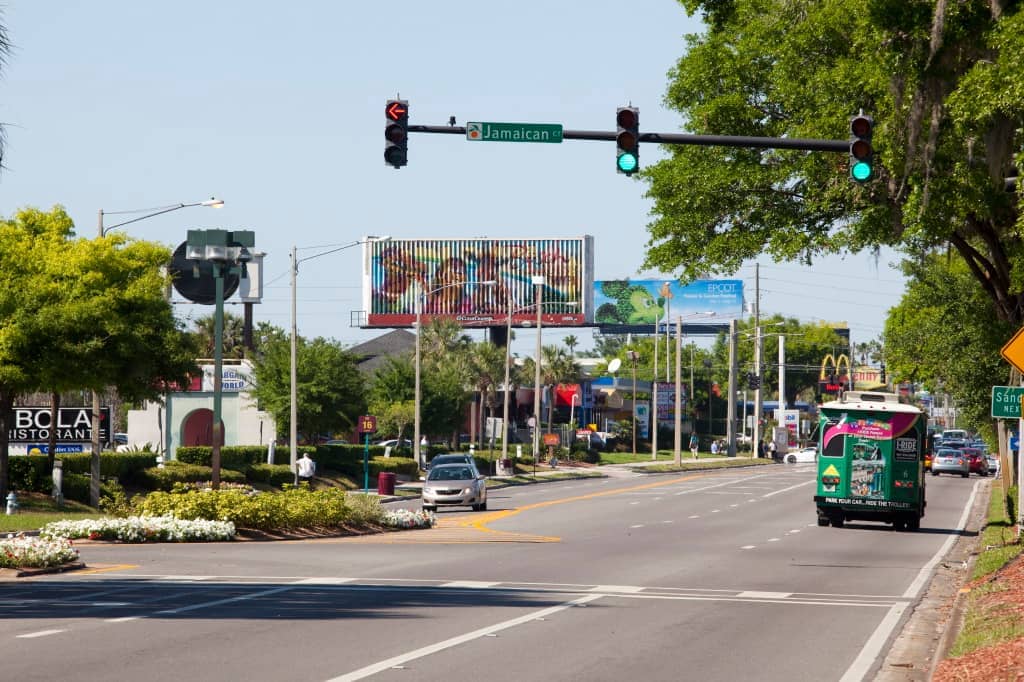
Walking International Drive is an exercise in sensory contrast. The strip is wide, the sidewalks are broad, and every building competes for attention with oversized signage and flashing lights. It is unapologetically commercial and built entirely for visitors, which makes it comfortable and exhausting in roughly equal measure depending on what you came to Orlando for.
In the morning, the corridor is slower than you might expect. Hotel shuttles load in the parking lots, the outlet malls are just opening, and the indoor attractions haven't yet hit their stride. By mid-morning the energy shifts: families spill out of hotels, the I-Ride Trolley fills up, and the queues at ICON Park begin to form. The afternoon heat in summer is significant, pushing most visitors toward air-conditioned interiors, which is exactly what most of I-Drive's attractions are designed to deliver.
After dark is when the strip shows its real character. The observation wheel is lit against the sky, restaurant signs glow orange and red, and the sidewalks fill with families heading to dinner shows and couples walking between bars. Traffic slows to a crawl on weekend evenings. It is loud, bright, and heavily pedestrian after about 7 pm. If you are looking for local neighborhood atmosphere, quiet streets, or anything resembling everyday Orlando life, I-Drive is not where you find that. It is a purpose-built tourism zone and makes no pretense otherwise.
That honesty is worth holding onto. The strip can feel repetitive if you spend more than two or three days exploring it exclusively. But as a base of operations for theme park visits, with dining and entertainment within walking distance of your hotel, it functions extremely well.
What to See and Do on I-Drive
The density of attractions on International Drive is genuinely impressive. Within a roughly 3-mile central section of the strip, you can ride an observation wheel, visit a wax museum, walk through an aquarium, explore a science-oriented fun house, and watch an indoor skydiving demonstration. Most of these are indoor, making them useful backups on rainy days or during the peak summer heat.
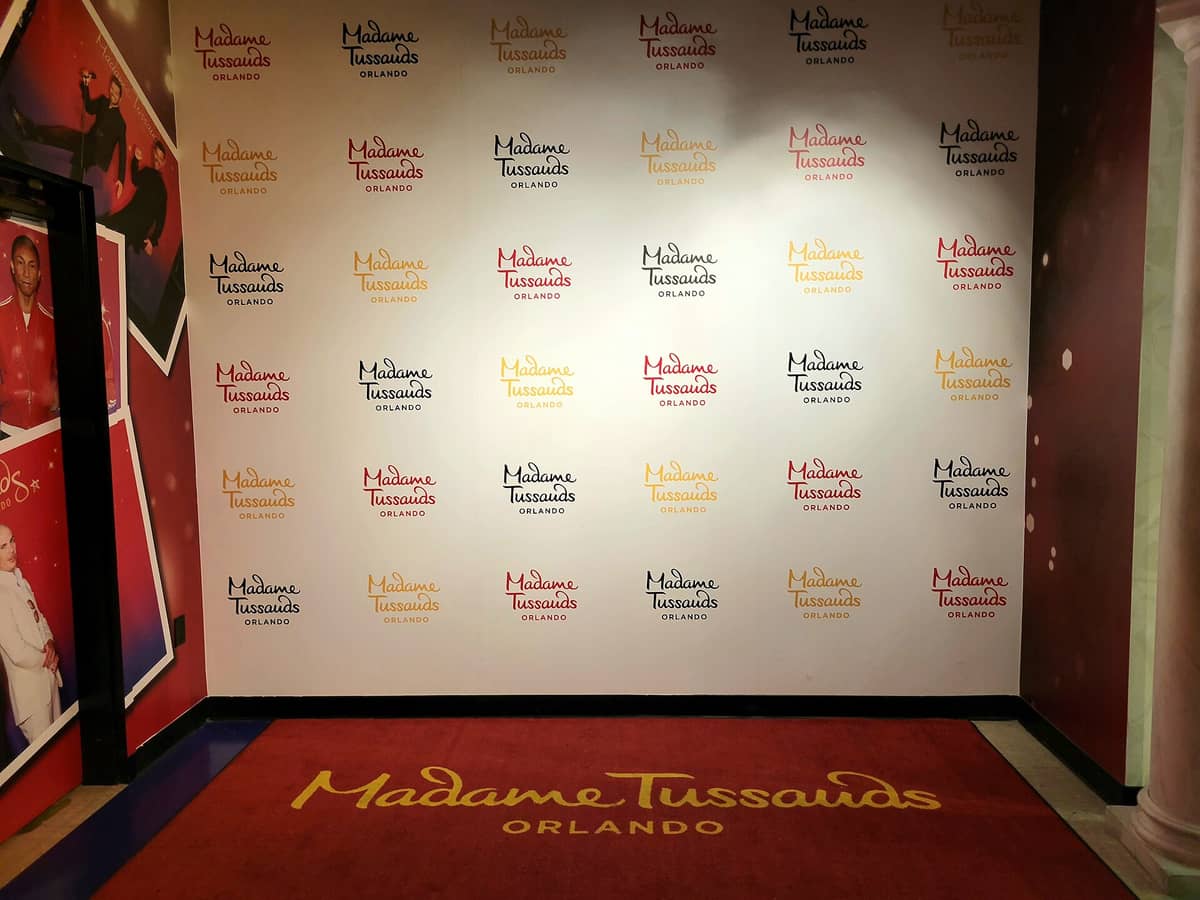
ICON Park is the corridor's centerpiece: an open-air entertainment complex anchored by the 400-foot observation wheel (formerly marketed as the Orlando Eye), alongside SEA LIFE Orlando Aquarium and Madame Tussauds Orlando. The complex has free entry to its outdoor areas, with paid admission to individual attractions inside.
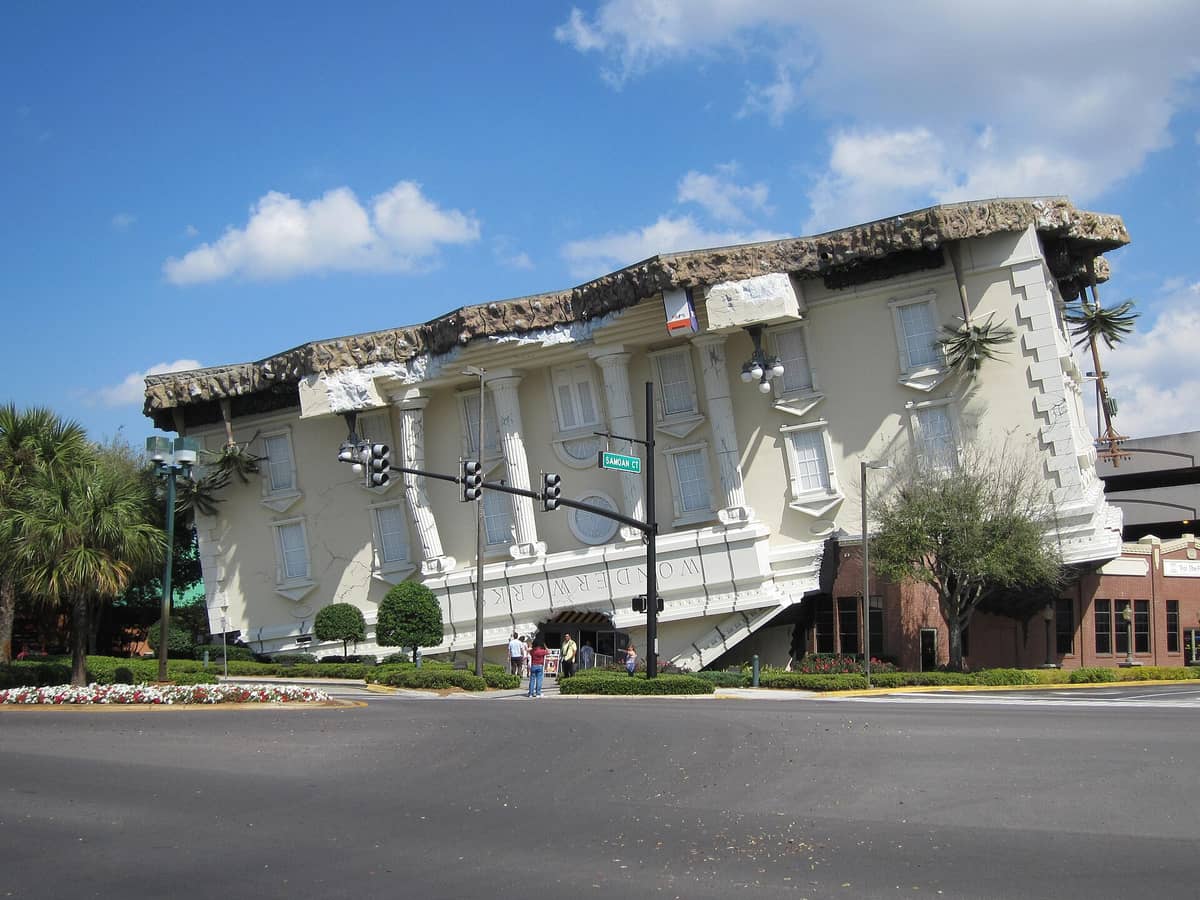
WonderWorks: the upside-down building that's become one of I-Drive's most recognizable visual landmarks, with interactive science exhibits inside
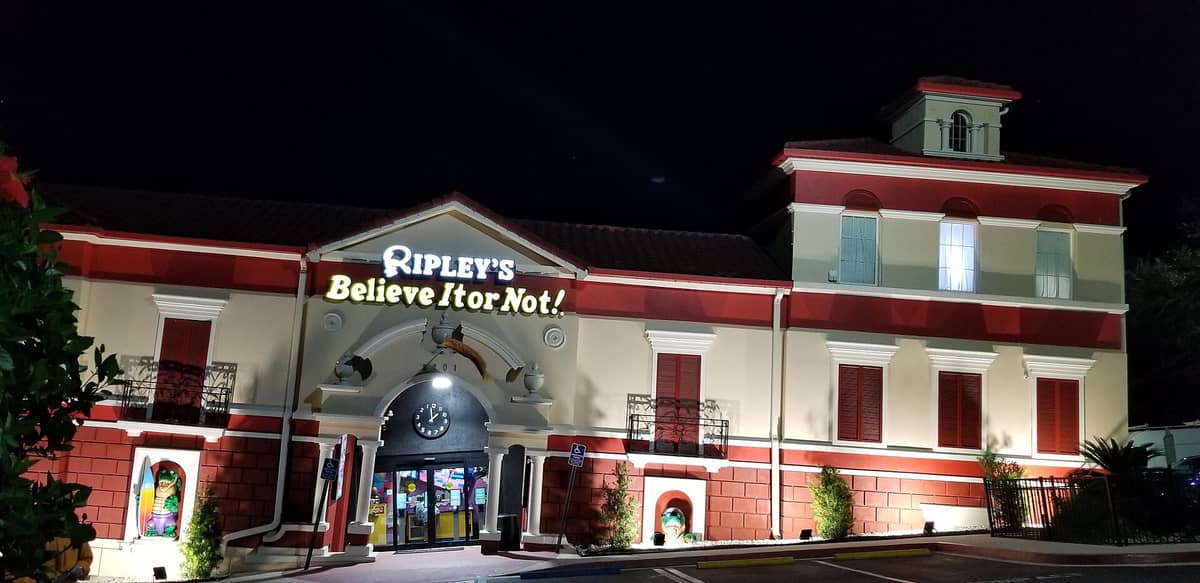
Ripley's Believe It or Not! Orlando: classic oddity museum format, good for an hour or two
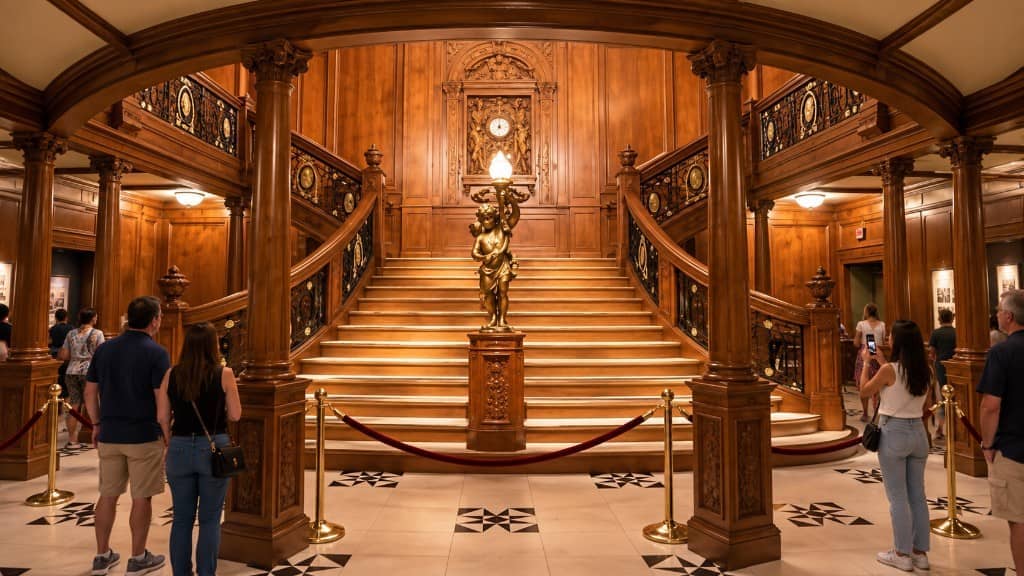
Titanic: The Artifact Exhibition: a more subdued but genuinely interesting artifact and replica exhibit
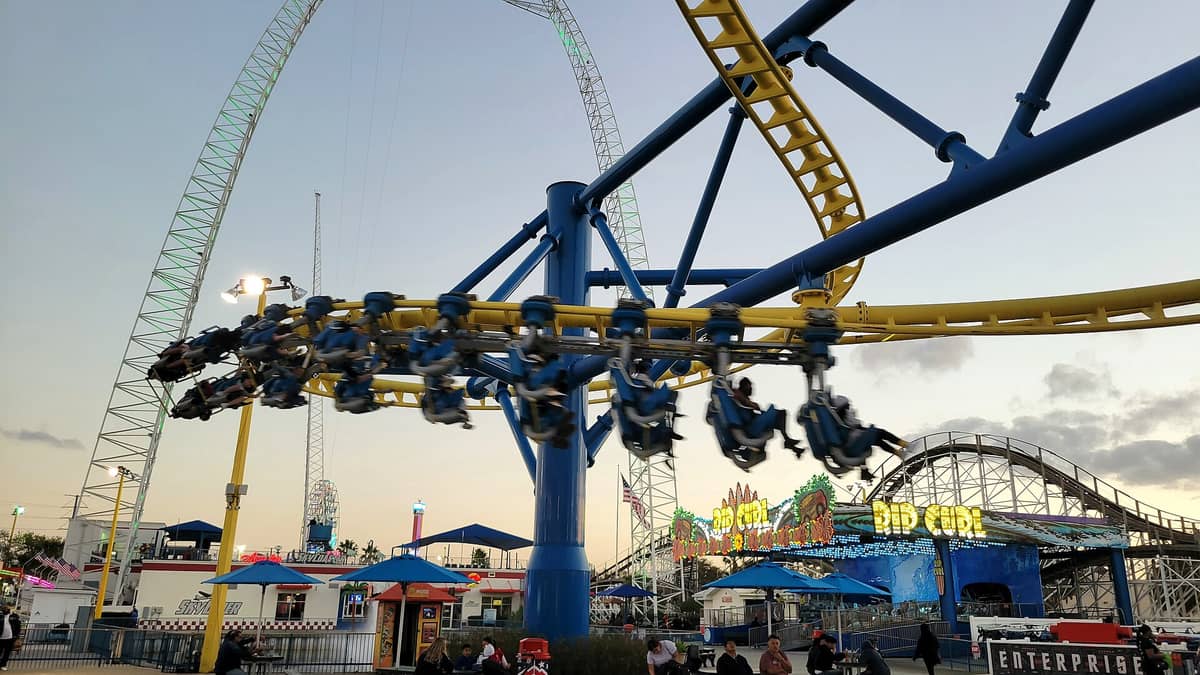
Fun Spot America Orlando: an outdoor amusement park with go-karts and coasters, unusual for I-Drive in that it's open-air
iFLY Indoor Skydiving and Andretti Indoor Karting: both draw a mix of families and older visitors looking for active experiences
Orlando International Premium Outlets: a genuine outlet shopping complex at the northern end of the strip, near Sand Lake Road
For travelers who want a break from the commercial strip entirely, the Orange County Convention Center at the southern end marks the transition point toward the Walt Disney World corridor. Heading northeast from I-Drive toward the Mills 50 District or Winter Park takes you into parts of Orlando that feel nothing like the tourist strip, which can be a welcome reset after a few days on I-Drive.
Multi-attraction passes and discount cards can significantly reduce the cost of hitting several I-Drive venues in a single day. Compare options before you arrive, as on-the-door prices at individual attractions add up quickly.
Eating and Drinking on I-Drive
International Drive has a dense concentration of restaurants, but the quality and price range vary widely. The strip leans heavily toward American chain dining, casual family restaurants, and themed dinner shows. Independent and locally owned options exist but require a bit more navigation to find.
At the more affordable end, fast-casual chains, pizza outlets, and food courts inside the outlet malls cover standard meal needs without much fuss. Mid-range sit-down restaurants are the most common category on the strip, serving burgers, steaks, seafood, and international-leaning menus at prices that reflect the tourist premium. Expect to pay more here than you would at a comparable restaurant in a local neighborhood.
Dinner shows are a specific I-Drive institution worth noting separately. Several major productions operate along the corridor and nearby, offering a meal combined with entertainment. The Orlando dinner shows guide covers the full range of options. These shows book up, especially in peak season, so reservations made in advance are strongly recommended.
For a wider range of independent dining, the Pointe Orlando complex mid-strip has a better concentration of non-chain restaurants than the surrounding sidewalk options. Sand Lake Road, which crosses I-Drive near its northern section, has developed a reputation locally as 'Restaurant Row' and offers a notch up in quality and variety, including several independent and ethnic restaurants that attract a local clientele as well as hotel guests.
Bars and late-night drinking are primarily concentrated around ICON Park and the central stretch of the strip. The atmosphere leans toward casual, with outdoor seating common and a mix of families early in the evening giving way to a younger bar crowd after 9 pm on weekends.
Getting There and Around International Drive
Reaching I-Drive from Orlando International Airport (MCO) takes roughly 20-30 minutes by road under normal traffic conditions. The airport sits about 10-12 miles to the southeast. Rideshare services and taxis are the most direct option for hotel arrivals with luggage. LYNX bus routes serve the corridor from the airport, though travel times are longer and often involve transfers.
Once on the strip, the I-Ride Trolley is the most practical way to move up and down I-Drive without a car. It runs the full length of the corridor with marked stops near all major hotels, attractions, and shopping areas. Fares are low and the service is designed specifically for visitors unfamiliar with the area. For navigating the wider city and planning routes to nearby areas, the guide to getting around Orlando covers LYNX bus routes, SunRail connections, and rideshare practicalities in more detail.
Driving on I-Drive itself during peak afternoon and evening hours is genuinely difficult. Traffic moves slowly along the main strip, left turns can be complicated by the road design, and parking at major attractions involves navigating large surface lots and parking structures. If you are staying on the strip and only visiting I-Drive attractions, you do not need a car at all. A car becomes more useful if you are making daily trips to Walt Disney World or Universal, though both parks have shuttle services from many I-Drive hotels.
Walking the full length of the strip is not realistic for most visitors: about 11 miles is a full day's walk even without stops. The central section between Sand Lake Road and the ICON Park area is comfortably walkable, roughly 2-3 miles of the most concentrated activity. Outside of that central zone, the distances between points of interest stretch enough that the trolley or a rideshare becomes more practical.
⚠️ What to skip
I-Drive is a high-traffic arterial road with wide lanes and fast-moving vehicles at points. Use marked pedestrian crossings and wait for signals. Jaywalking across the main strip, especially after dark, carries real risk. The I-Ride Trolley stops are signed and well-lit, making them safer waiting points than open sidewalk sections at night.
Where to Stay on I-Drive
International Drive has one of the largest concentrations of hotel rooms in the United States. The range covers budget motels, mid-scale branded chains, full-service resort hotels, and extended-stay properties. Room rates tend to be lower here than inside the Disney or Universal resort campuses, which makes I-Drive a popular choice for cost-conscious visitors who don't mind a short drive or shuttle ride to the parks.
The northern end of I-Drive, closer to Universal and the Sand Lake Road intersection, tends to have newer and higher-rated properties and easier access to both Universal and the Restaurant Row dining strip. The central section around ICON Park puts you within walking distance of most of the indoor attractions. The southern end, near the convention center, is more useful for business travelers and convention attendees than leisure visitors.
For a broader comparison of where to base yourself across Orlando, the where to stay in Orlando guide compares I-Drive to other neighborhoods including the Walt Disney World area, Universal area, and downtown, with specific recommendations by trip type and budget.
Families with young children often do well in the mid-strip area, where hotel pools, the trolley, and multiple indoor attractions reduce the amount of car travel needed each day. Couples visiting primarily for theme parks may prefer the Universal area hotels to the north, which trade some I-Drive convenience for closer proximity to the parks.
Honest Drawbacks: What to Know Before You Commit
I-Drive is purpose-built for tourism, which is both its strength and its most significant limitation. The strip has almost no everyday local life: no neighborhood markets, very few independent shops, and limited public green space. If you spend a week there exclusively, it can start to feel repetitive by day three.
Noise is a genuine factor for light sleepers. Hotels along the main strip face road noise from one of Orlando's busiest corridors. Rooms on upper floors or the rear side of buildings are preferable if this matters to you. The strip's lighting at night is also significant: even budget hotels here have neon-adjacent brightness as a backdrop.
Pricing on I-Drive carries what might fairly be called a tourist premium. Restaurant meals, parking fees, attraction tickets bought at the door, and convenience store purchases all cost more here than comparable items in surrounding parts of Orlando. This is not unique to I-Drive among major US tourism corridors, but it is worth factoring into a budget.
Safety on the strip is generally not a serious concern for standard tourist activity. As with any high-traffic visitor area, standard awareness around crowds, valuables, and unfamiliar people approaching you is reasonable. Use marked crossings, stick to well-lit areas after midnight, and use the trolley or a licensed rideshare rather than walking long distances along the main road after dark.
Quick Verdict: Is I-Drive Right for Your Trip?
TL;DR
Best for: families wanting a central hotel base within walking distance of multiple indoor attractions and without the premium pricing of on-site park hotels
Best for: first-time Orlando visitors who want everything within easy reach of a single corridor, including dining, shopping, and entertainment without a car
Not ideal for: travelers looking for local neighborhood character, independent dining scenes, or a quieter atmosphere away from commercial tourism infrastructure
Transit advantage: the I-Ride Trolley makes the central strip car-free for daily activity; a car is only necessary for off-strip excursions to parks and other Orlando neighborhoods
Key trade-off: convenience and hotel value are high, but the strip's relentless commercial energy wears on visitors who spend more than a few days without leaving it for other parts of Orlando
Central Florida's wetlands are home to alligators, herons, and some of the most exhilarating eco-experiences in the Southeast. This guide breaks down the best airboat tours near Orlando by operator, price, location, and what to expect on the water.
Orlando's theme parks run 365 days a year, but the experience varies wildly depending on when you go. This guide breaks down every season by weather, crowd density, pricing, and special events so you can pick the window that fits your trip.
Orlando sits at the center of one of America's most day-trip-rich regions. Within two hours, you can be watching manatees in a crystal spring, exploring a 17th-century Spanish fort, or riding coasters at a Tampa theme park. This guide covers the best destinations worth leaving the parks behind for.
Disney World tickets are not a flat rate. Prices shift by park, date, and how many days you visit. This guide breaks down exactly what tickets cost in 2026, which type makes sense for your trip, and where the genuine savings are.
The EPCOT International Food & Wine Festival is one of the best culinary events in Orlando, running August 27 through November 21, 2026. This guide covers booth pricing, crowd strategy, entertainment, and everything you need to know before you go.
Orlando is far more than paid theme parks. From free-entry entertainment districts and botanical gardens to natural springs and cultural museums, the city offers a surprising range of genuinely no-cost experiences. This guide covers the best free things to do in Orlando, with honest notes on what actually costs nothing.
Orlando is a sprawling city built around cars, but public transit, ride-shares, and theme park shuttles can cover most visitor needs if you plan ahead. This guide breaks down every option — costs, coverage, limitations, and practical tips — so you can move around Orlando without wasting time or money.
Halloween Horror Nights at Universal Studios Florida is one of the most elaborate haunted events in the world, running from late August through early November. This guide covers ticket pricing, crowd strategy, what to expect inside the haunted houses, and a clear take on whether the Express Pass is worth it.
The Wizarding World of Harry Potter spans two separate parks at Universal Orlando Resort. This guide covers Diagon Alley, Hogsmeade, Hogwarts Express logistics, ticket pricing, crowd patterns, and the practical details that will save you time and money.
Orlando is far more than roller coasters and character meet-and-greets. This guide covers the best romantic things to do in Orlando for couples, from lakefront paddle boats and botanical garden strolls to rooftop dining and sunrise balloon flights, with honest seasonal advice and pricing details.
Orlando's dinner show scene is bigger and more varied than most visitors expect. This guide breaks down the top options, real pricing, seating differences, and practical booking advice so you get the most out of your evening.
Orlando is far more than roller coasters and mouse ears. From crystal-clear natural springs and world-class art museums to charming lakeside towns and Florida wildlife encounters, this guide uncovers the city's most rewarding experiences for travelers ready to look past the theme park corridor.
December transforms Orlando into one of the most festive destinations in the United States. From Disney's separately ticketed Christmas parties to SeaWorld's included holiday celebration, this guide covers everything you need to plan a December trip without expensive surprises.
Orlando's summer heat and afternoon thunderstorms make indoor attractions essential knowledge for any visitor. From hands-on science museums and Tiffany art collections to immersive theme park rides and interactive entertainment complexes, these are the best places to stay cool while making the most of your trip.
Seven days in Orlando, Florida gives you just enough time to hit the major theme parks, squeeze in a day trip or two, and actually breathe between it all. This itinerary balances Disney World, Universal Orlando, and the parts of the city most visitors never see — built around how crowds, weather, and park hours actually work.
Central Florida sits atop one of the world's great aquifer systems, and the results are spectacular: gin-clear spring-fed rivers, constant 68-72°F water, and some of the most beautiful state parks in the Southeast. These are the natural springs closest to Orlando worth planning a day trip around.
Orlando's after-dark scene goes far beyond the theme parks. This guide breaks down the best nightlife districts, top venues, what things cost, and how to navigate the city at night without wasting time on the wrong spots.
Orlando, Florida doesn't have to cost a fortune. With the right timing, transport choices, and free attractions, you can experience the best of the city while keeping your wallet intact. This guide breaks down exactly how to do it.
Orlando draws over 75 million visitors a year, and most leave without incident. But the city's overall crime statistics can look alarming out of context. This guide breaks down where the real risks lie, which areas to avoid, and what practical steps will keep your trip trouble-free.
Orlando delivers far more than theme parks when it comes to retail therapy. From luxury flagships at Mall at Millenia to discounted designer finds at outlet centers, plus charming boutique streets and one-of-a-kind themed shopping districts, this guide covers the best places to shop across the city.
Orlando is a serious sports city, not just a theme park destination. From NBA basketball at Kia Center to MLS soccer at Inter&Co Stadium, college football at the Bounce House, and ECHL hockey, this guide covers every major team, venue, ticket option, and seasonal event you need to plan your visit.
Orlando is home to more top-tier theme parks than any city on Earth. This guide covers every major park across Disney World, Universal, SeaWorld, and beyond, with practical advice on what to ride, when to go, and how to make the most of your visit.
Orlando has more water parks per square mile than almost anywhere on Earth. This guide covers every major option, from Disney's themed slide parks to SeaWorld's Aquatica, Universal's Volcano Bay, and the natural springs locals swear by.
Orlando, Florida is the world's most visited family destination for good reason, but navigating theme parks, ticket pricing, crowds, and heat requires a strategy. This guide breaks down everything families need to plan a trip that works for kids of all ages, without overpaying or burning out.
Orlando is one of the most diverse travel destinations in the United States, and Disney is just one piece of it. From Universal's blockbuster theme parks and world-class natural springs to historic small towns and genuine wildlife encounters, this guide covers the best experiences Orlando offers completely independent of the Mouse.
Orlando is far more than theme parks. This guide covers the full range of things to do in Orlando, Florida, from Magic Kingdom and Universal's Epic Universe to natural springs, arts districts, and day trips, with practical notes on costs, crowds, and what to skip.
Choosing where to stay in Orlando shapes your entire trip. This guide breaks down the city's main neighborhoods and hotel corridors, explains how prices shift dramatically by season, and gives you the honest picture on which areas deliver real value versus tourist-trap rates.