The Universal Orlando Resort Area is Orlando's most concentrated entertainment district, built around one of the world's largest theme park complexes. It sits roughly 9 miles southwest of Downtown Orlando, anchored by Universal Boulevard and Kirkman Road, and offers everything from world-class rides to late-night dining without ever needing to leave the resort corridor.
The Universal Orlando Resort Area is theme-park country at its most complete: a self-contained entertainment corridor where the rides, restaurants, hotels, and nightlife are all folded into a single walkable campus. It is purpose-built for visitors, unapologetically so, and that single-minded focus is both its greatest strength and its most honest limitation.
Orientation
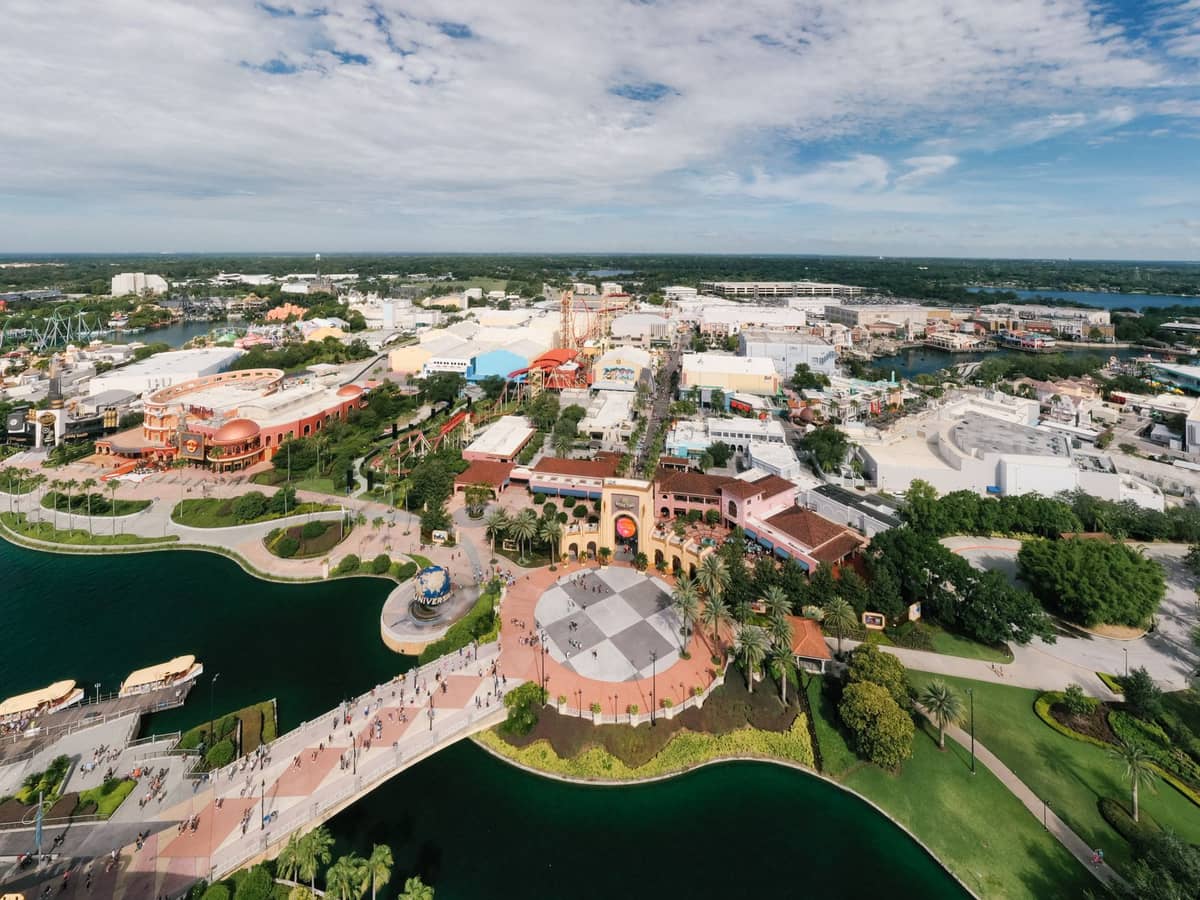
The Universal Orlando Resort Area occupies a wedge of southwest Orlando, roughly bounded by Kirkman Road to the east, Vineland Road to the south, the Florida Turnpike to the west, and International Drive and Universal Boulevard running as the main north-south spines through its core. The physical address of the main resort complex is 6000 Universal Blvd, Orlando, FL 32819, and that boulevard is the axis everything else orbits around.
Turkey Lake Road and Sand Lake Road mark the western and southern margins of the resort footprint, while the broader hotel and restaurant strip bleeds eastward toward International Drive. This places the Universal area at the northern end of the I-Drive corridor, which stretches south toward SeaWorld and the convention center. Driving north on I-4, you reach the Universal exits before hitting downtown; driving south from downtown, you cover about 7 miles before the resort signage starts appearing.
The resort is notably distinct from the Walt Disney World corridor, which sits roughly 8–14 miles to the southwest near Lake Buena Vista. That separation matters when planning: guests staying near Universal will find International Drive easily walkable or a short trolley ride away, while a Disney park visit requires either a car or a longer rideshare trip. The Downtown Orlando core, with its independent restaurant scene and local nightlife, sits about 20 minutes north by car.
Character & Atmosphere
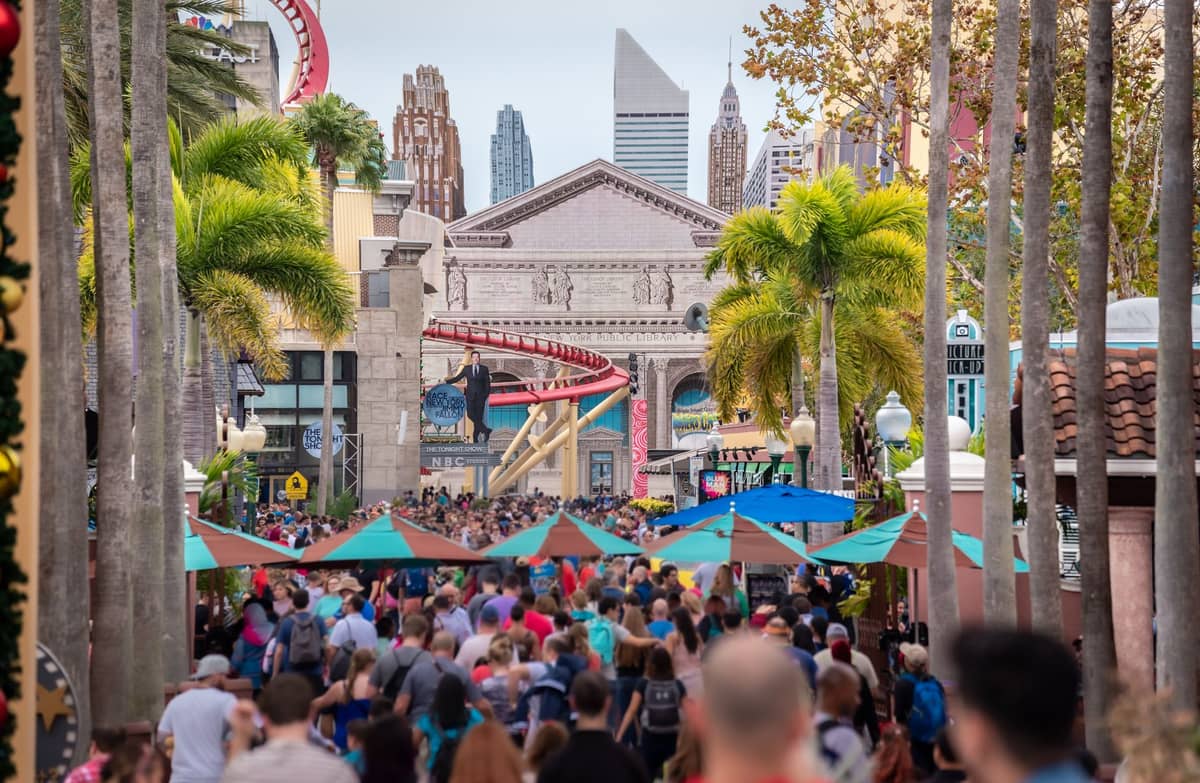
Walking into the Universal Orlando Resort Area for the first time, the scale hits before the details do. The parking garages are visible from the highway. The Hard Rock Cafe guitar rises above the CityWalk plaza like a landmark meant to be photographed from a distance. The rotating Universal Studios globe catches the light through most of the day. This is architecture designed to signal arrival, and it works.
Mornings here have a specific rhythm. By 8 a.m., the hotel shuttles are already moving, families with strollers are congregating near the park gates, and the smell of sunscreen mixes with the first whiff of coffee from the CityWalk cafes. The energy is purposeful and slightly pressured, everyone calculating how to beat the crowds to their favorite ride. On-site hotel guests, who get early park access, move with a particular confidence through the complex while day visitors queue at the parking structures.
By early afternoon, the crowds peak and the Florida sun turns the open plazas into heat traps. Smart visitors use this window for table-service lunch inside the parks or a retreat to the water park at Volcano Bay. Late afternoon brings a second wind as the heat softens, and by early evening the character of the place shifts again. CityWalk lights up, restaurants fill, and the area transitions from theme-park corridor to entertainment district proper. The Hard Rock Live venue draws concert crowds that have nothing to do with theme parks.
Be honest with yourself about what this neighborhood is. There is very little local residential life, no farmers markets on Sunday morning, no independent bookshops tucked between laundromats. The area is almost entirely visitor-facing. For some travelers, that is exactly the point. For others who want to feel the texture of actual Orlando, this is not the right base.
ℹ️ Good to know
On-site hotel guests at Universal's resort hotels receive Early Park Admission, which grants entry to select attractions before general opening. If you're visiting during peak season (summer, spring break, or holiday periods), staying on-site can meaningfully change your experience of the parks.
What to See & Do
The Universal Orlando Resort Area is, in practical terms, organized around five core experiences: Universal Studios Florida, Islands of Adventure, Volcano Bay, Epic Universe, and CityWalk. Each operates as its own world. Universal Studios Florida, Islands of Adventure, and CityWalk are walkably connected on the north campus; Volcano Bay is a short bus transfer from that campus, and Epic Universe is a separate campus rather than a physically interconnected fourth park.
Universal Studios Florida is the original park, heavy on film and television IP, with attractions built around franchises like Despicable Me, Transformers, and The Simpsons. The Springfield: Home of the Simpsons section is genuinely funny as environmental design goes, and the Horror Makeup Show is a low-key pleasure that often gets overlooked in the rush to hit ride queues.
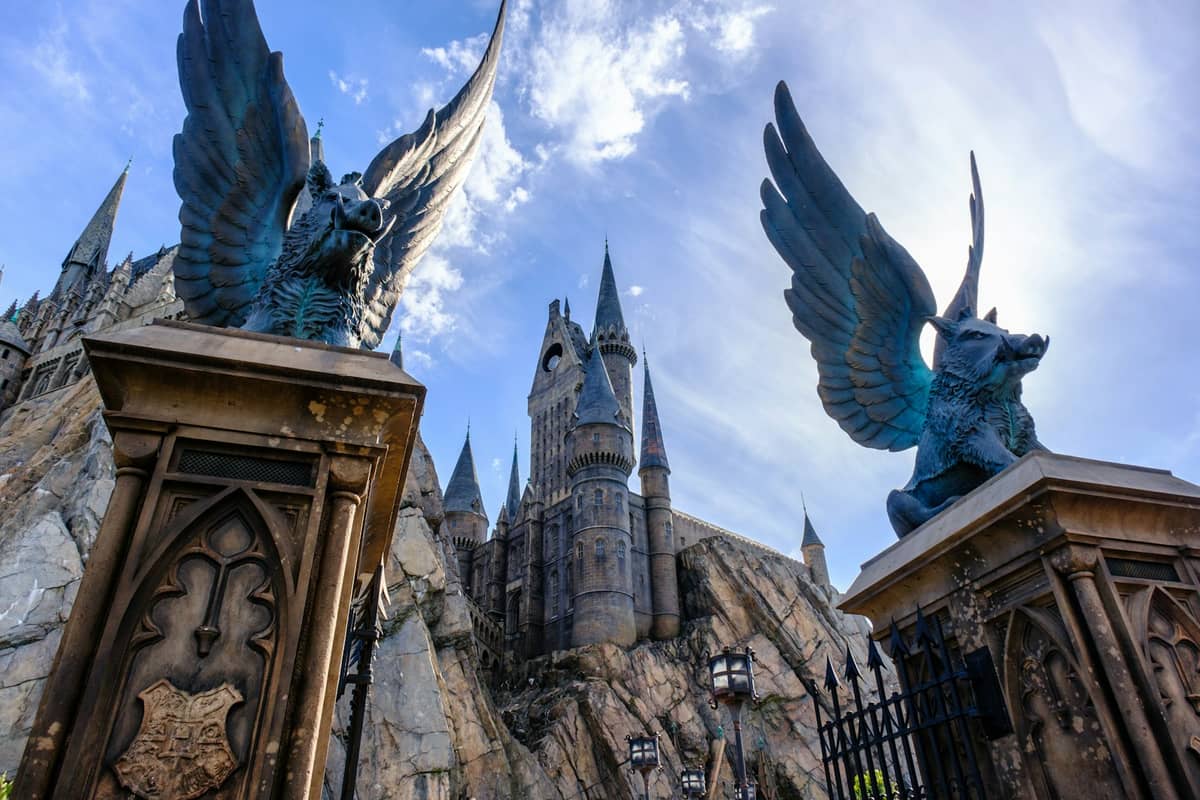
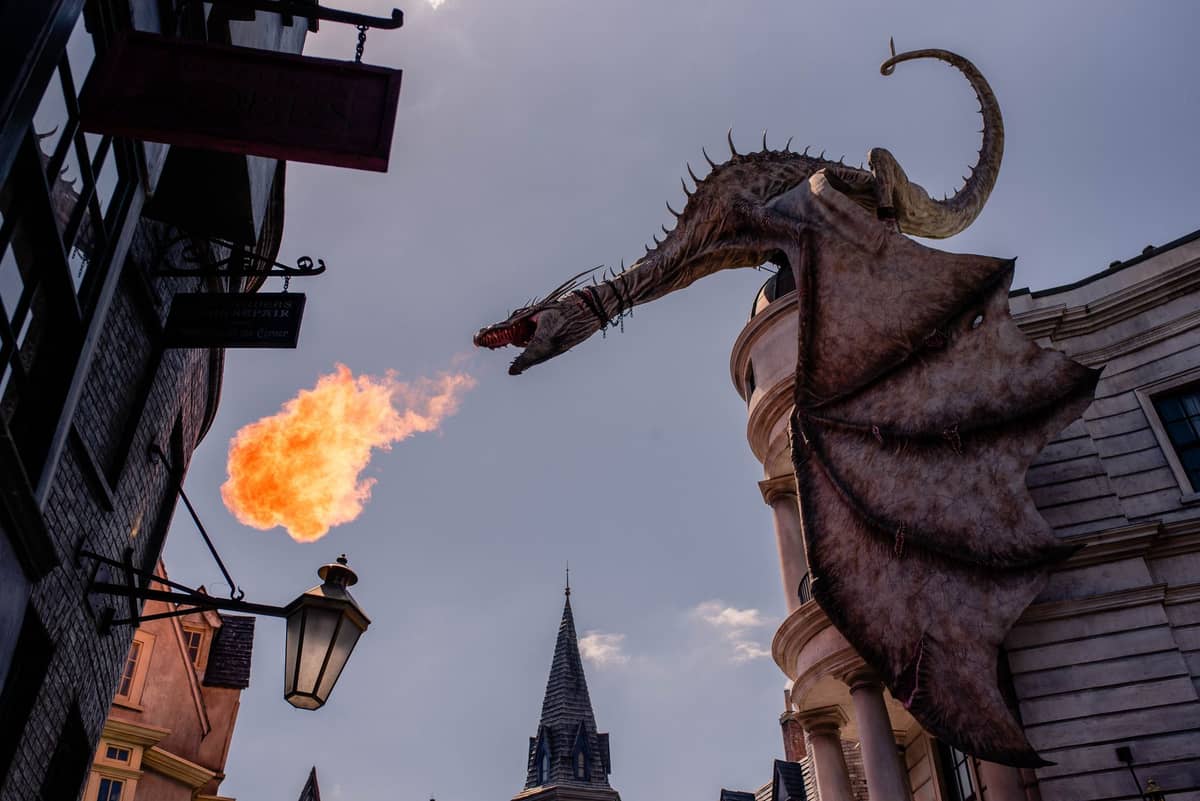
Universal Islands of Adventure is widely considered the stronger park for ride quality, home to the Wizarding World of Harry Potter's Hogsmeade section, Jurassic World, and some of the best roller coasters in Florida. The Wizarding World, which spans both parks via the Hogwarts Express, consistently ranks as the most impressive themed land in American theme parks.
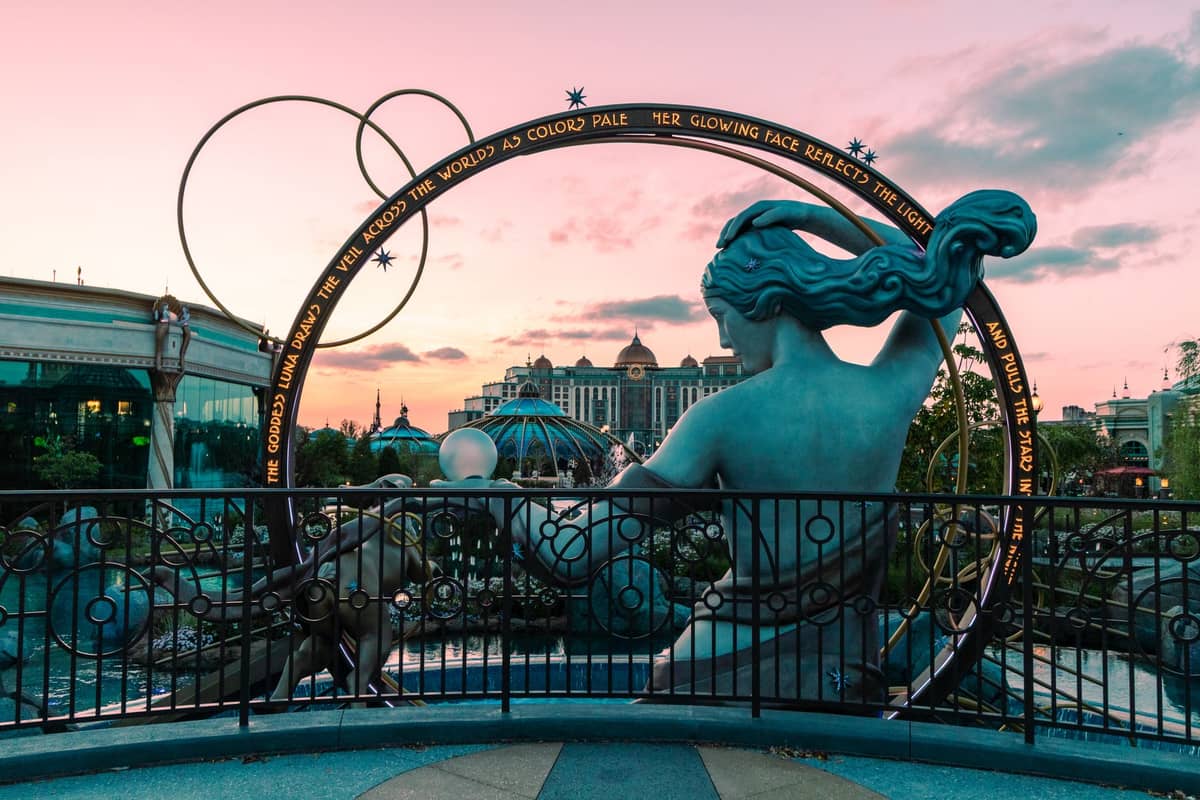
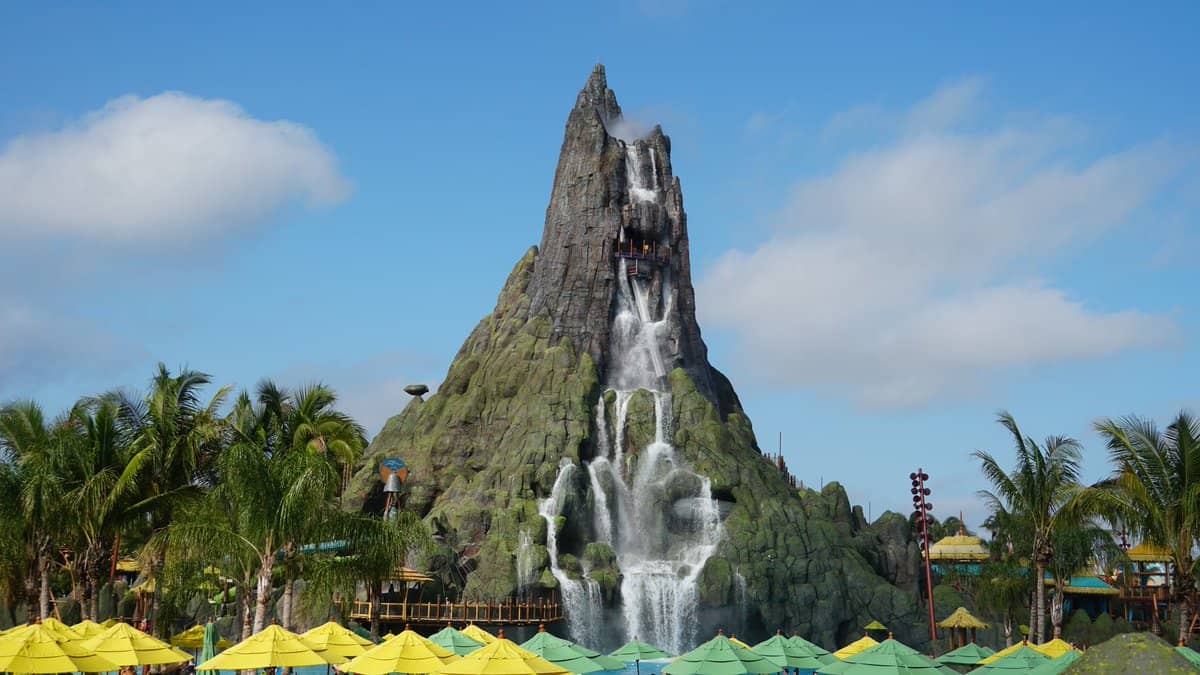
Universal's Volcano Bay functions as the resort's water park, built around a central volcano tower. Guests now use standby queues rather than the former TapuTapu virtual-line system. It is a legitimate alternative to a full parks day and particularly valuable in the summer heat. Epic Universe, Universal's massive new park addition, adds further worlds to the resort's footprint and continues to grow the area's capacity as a multi-day destination.
Universal CityWalk is the free-admission entertainment district connecting the two main parks. It includes restaurants, bars, a cinema, and live music venues. You do not need a park ticket to spend an evening here, which makes it useful for non-park days or as a standalone dinner destination.
Wizarding World of Harry Potter (Hogsmeade and Diagon Alley, across both parks)
Jurassic World: VelociCoaster, a high-speed launched coaster in Florida
The Simpsons' Springfield land at Universal Studios Florida
Hard Rock Live at CityWalk for evening concerts
Volcano Bay for a full water park day without leaving the resort
💡 Local tip
If your visit overlaps with Halloween Horror Nights (typically September through November), buy tickets in advance. This separately ticketed after-dark event transforms Universal Studios Florida with elaborate haunted houses and sells out frequently. Check the official Universal site for dates each year.
Eating & Drinking
Dining in the Universal Orlando Resort Area covers a wide range, from quick-service theme park food to full table-service restaurants inside CityWalk and the resort hotels. The quality is more consistent than at most comparable theme park destinations, partly because the hotel restaurants compete for guest attention and have to justify their prices.
Inside the parks, the Leaky Cauldron in Diagon Alley and the Three Broomsticks in Hogsmeade serve British pub-style food that is better than the theme park average. Butterbeer, available in multiple formats including frozen and hot seasonal versions, is the single most-ordered item in the resort and worth trying once regardless of whether you care about Harry Potter. Three Broomsticks also has a breakfast service that is notably less crowded than lunch or dinner.
CityWalk brings in a mix of branded restaurants including a large Hard Rock Cafe, a Bob Marley-themed bar and restaurant, Antojitos Authentic Mexican Food for table-service Mexican cuisine, and the Toothsome Chocolate Emporium, which can see 45–75+ minute waits on peak evenings but serves legitimately good milkshakes and brunch items worth timing around the crowd. For a quick meal without park admission, CityWalk is the most practical option.
Outside the resort gates, Kirkman Road and the stretch of Vineland Road toward I-Drive have a mix of chain restaurants and fast casual options mostly oriented toward budget-conscious visitors. For anything more interesting, you are better off driving north toward Sand Lake Road's Restaurant Row, a well-established dining corridor between I-Drive and Turkey Lake Road with a genuine range of independent and upscale restaurants covering cuisines from Korean to contemporary American.
Toothsome Chocolate Emporium (CityWalk): dessert-forward dining, best visited at off-peak hours
Antojitos Authentic Mexican Food (CityWalk): solid table-service option without park admission required
Three Broomsticks (Islands of Adventure): breakfast is the quietest and best meal to book here
Leaky Cauldron (Universal Studios Florida): Butterbeer, pumpkin juice, and above-average British pub food
Restaurant Row on Sand Lake Road: the area's best dining outside the resort gates
Getting There & Around
Orlando International Airport (MCO) sits about 15 miles east of the Universal Orlando Resort Area, roughly 25 to 40 minutes by car depending on traffic. Most visitors arrive by rideshare or rental car. LYNX bus route 21 serves Universal Orlando, with stops near Universal Boulevard and Hollywood Way close to the main entrance; fares run around $2 one-way. This option works fine if you are traveling light and not in a hurry, but with luggage and in the Florida summer heat it is a significant undertaking.
The I-RIDE Trolley operates along International Drive with more than 100 stops and connects I-Drive hotels directly to the Universal area. Single rides cost $2.00 and it runs daily, making it one of the most practical options for visitors staying along the I-Drive corridor without a car. Within the resort itself, complimentary buses and water taxis run between the on-site hotels, CityWalk, and the park entrances, so once you are inside the resort ecosystem you do not need a vehicle.
Driving to Universal and parking in the main resort garages is straightforward from I-4, with well-signed exits near Kirkman Road. Parking fees are significant, so factor that into your daily budget. For a full breakdown of how to move around the broader Orlando area, the guide to getting around Orlando covers all transit modes in detail.
⚠️ What to skip
Uber and Lyft pickup from inside Universal's resort can get complicated during peak departure times, particularly at park close. Designated rideshare pickup areas exist but can be a 10-15 minute walk from the park gates. Allow extra time, especially after evening events like Halloween Horror Nights when thousands of guests are leaving simultaneously.
Where to Stay
The Universal Orlando Resort Area has one of the most concentrated hotel zones of any theme park destination in the United States. Choosing where to stay in Orlando often comes down to the Universal versus Disney decision, and both have distinct lodging ecosystems. Universal's on-site hotels are tiered by price and by park benefit: premier hotels like the Royal Pacific Resort and Hard Rock Hotel include complimentary Express Pass access (worth significant time savings), while value hotels like Cabana Bay Beach Resort and Endless Summer Resort offer early park admission without Express access at lower nightly rates.
Staying on-site means you are connected to the parks by water taxi or a short walk through CityWalk. The trade-off is price: on-site hotels carry a theme park premium, and standard rooms at premier properties can cost well above Orlando's average hotel rate. The value hotels at Cabana Bay and Endless Summer represent a genuine middle ground, offering on-site benefits at rates that compete with off-site options.
Off-site, the strip of hotels along Kirkman Road, Universal Boulevard, and the northern end of International Drive ranges from budget-friendly chains to mid-range options that are within a short drive or rideshare trip of the resort gates. These make sense for visitors who are splitting time between Universal and other parts of Orlando, since you are not locked into the resort's internal transportation ecosystem. Families who plan to spend two or more consecutive days exclusively at Universal parks generally benefit from staying on-site.
The area is unambiguously good for families with school-age children and teenagers, theme park enthusiasts making Universal the primary reason for their trip, and travelers who want to minimize transportation logistics. It is less suited to travelers looking for local neighborhood character, independent dining discoveries, or easy access to Downtown Orlando's arts and nightlife scene.
Safety & Practical Notes
The Universal Orlando Resort Area is one of the most heavily visited and monitored zones in Central Florida. Uniformed security is present throughout CityWalk and the resort hotels, and the combination of high foot traffic and active law enforcement presence makes this a low-risk environment for most visitors. Standard common sense applies: keep an eye on your belongings in crowded areas, particularly in ride queues and at park entrances where congestion is at its peak. For general safety awareness in the city, Orlando safety tips covers the broader picture.
Noise is a genuine factor for hotel guests, particularly those staying near CityWalk or Hard Rock Live. Concert sound carries further than resort marketing materials suggest. If you are sensitive to noise or plan to sleep before 11 p.m. on weekends, ask specifically about room placement when booking on-site hotels.
Florida's summer heat is not a minor inconvenience in this area. The resort's open plazas, parking structures, and long outdoor queues are brutal between noon and 3 p.m. from June through September. Carry water, wear sun protection, and build midday shade breaks into your park-day plan. Volcano Bay is the obvious heat escape, but even moving between parks during peak sun hours takes a toll.
TL;DR
The Universal Orlando Resort Area is purpose-built for theme park visitors: compact, well-connected internally, and designed to keep guests within the resort ecosystem for multiple days.
Best for: families with kids and teenagers, Harry Potter fans, thrill ride enthusiasts, and anyone making Universal their primary Orlando destination.
On-site hotels offer meaningful perks (early access, Express Pass at premier properties) that justify the higher cost if you are spending three or more days at the parks.
Food and nightlife at CityWalk are solid and do not require park admission, making the area usable as an evening destination even for non-park visitors.
Not ideal for travelers seeking local Orlando culture, independent dining, or easy access to Downtown Orlando. International Drive and the wider city are nearby but require planning to reach without a car.
Central Florida's wetlands are home to alligators, herons, and some of the most exhilarating eco-experiences in the Southeast. This guide breaks down the best airboat tours near Orlando by operator, price, location, and what to expect on the water.
Orlando's theme parks run 365 days a year, but the experience varies wildly depending on when you go. This guide breaks down every season by weather, crowd density, pricing, and special events so you can pick the window that fits your trip.
Orlando sits at the center of one of America's most day-trip-rich regions. Within two hours, you can be watching manatees in a crystal spring, exploring a 17th-century Spanish fort, or riding coasters at a Tampa theme park. This guide covers the best destinations worth leaving the parks behind for.
Disney World tickets are not a flat rate. Prices shift by park, date, and how many days you visit. This guide breaks down exactly what tickets cost in 2026, which type makes sense for your trip, and where the genuine savings are.
The EPCOT International Food & Wine Festival is one of the best culinary events in Orlando, running August 27 through November 21, 2026. This guide covers booth pricing, crowd strategy, entertainment, and everything you need to know before you go.
Orlando is far more than paid theme parks. From free-entry entertainment districts and botanical gardens to natural springs and cultural museums, the city offers a surprising range of genuinely no-cost experiences. This guide covers the best free things to do in Orlando, with honest notes on what actually costs nothing.
Orlando is a sprawling city built around cars, but public transit, ride-shares, and theme park shuttles can cover most visitor needs if you plan ahead. This guide breaks down every option — costs, coverage, limitations, and practical tips — so you can move around Orlando without wasting time or money.
Halloween Horror Nights at Universal Studios Florida is one of the most elaborate haunted events in the world, running from late August through early November. This guide covers ticket pricing, crowd strategy, what to expect inside the haunted houses, and a clear take on whether the Express Pass is worth it.
The Wizarding World of Harry Potter spans two separate parks at Universal Orlando Resort. This guide covers Diagon Alley, Hogsmeade, Hogwarts Express logistics, ticket pricing, crowd patterns, and the practical details that will save you time and money.
Orlando is far more than roller coasters and character meet-and-greets. This guide covers the best romantic things to do in Orlando for couples, from lakefront paddle boats and botanical garden strolls to rooftop dining and sunrise balloon flights, with honest seasonal advice and pricing details.
Orlando's dinner show scene is bigger and more varied than most visitors expect. This guide breaks down the top options, real pricing, seating differences, and practical booking advice so you get the most out of your evening.
Orlando is far more than roller coasters and mouse ears. From crystal-clear natural springs and world-class art museums to charming lakeside towns and Florida wildlife encounters, this guide uncovers the city's most rewarding experiences for travelers ready to look past the theme park corridor.
December transforms Orlando into one of the most festive destinations in the United States. From Disney's separately ticketed Christmas parties to SeaWorld's included holiday celebration, this guide covers everything you need to plan a December trip without expensive surprises.
Orlando's summer heat and afternoon thunderstorms make indoor attractions essential knowledge for any visitor. From hands-on science museums and Tiffany art collections to immersive theme park rides and interactive entertainment complexes, these are the best places to stay cool while making the most of your trip.
Seven days in Orlando, Florida gives you just enough time to hit the major theme parks, squeeze in a day trip or two, and actually breathe between it all. This itinerary balances Disney World, Universal Orlando, and the parts of the city most visitors never see — built around how crowds, weather, and park hours actually work.
Central Florida sits atop one of the world's great aquifer systems, and the results are spectacular: gin-clear spring-fed rivers, constant 68-72°F water, and some of the most beautiful state parks in the Southeast. These are the natural springs closest to Orlando worth planning a day trip around.
Orlando's after-dark scene goes far beyond the theme parks. This guide breaks down the best nightlife districts, top venues, what things cost, and how to navigate the city at night without wasting time on the wrong spots.
Orlando, Florida doesn't have to cost a fortune. With the right timing, transport choices, and free attractions, you can experience the best of the city while keeping your wallet intact. This guide breaks down exactly how to do it.
Orlando draws over 75 million visitors a year, and most leave without incident. But the city's overall crime statistics can look alarming out of context. This guide breaks down where the real risks lie, which areas to avoid, and what practical steps will keep your trip trouble-free.
Orlando delivers far more than theme parks when it comes to retail therapy. From luxury flagships at Mall at Millenia to discounted designer finds at outlet centers, plus charming boutique streets and one-of-a-kind themed shopping districts, this guide covers the best places to shop across the city.
Orlando is a serious sports city, not just a theme park destination. From NBA basketball at Kia Center to MLS soccer at Inter&Co Stadium, college football at the Bounce House, and ECHL hockey, this guide covers every major team, venue, ticket option, and seasonal event you need to plan your visit.
Orlando is home to more top-tier theme parks than any city on Earth. This guide covers every major park across Disney World, Universal, SeaWorld, and beyond, with practical advice on what to ride, when to go, and how to make the most of your visit.
Orlando has more water parks per square mile than almost anywhere on Earth. This guide covers every major option, from Disney's themed slide parks to SeaWorld's Aquatica, Universal's Volcano Bay, and the natural springs locals swear by.
Orlando, Florida is the world's most visited family destination for good reason, but navigating theme parks, ticket pricing, crowds, and heat requires a strategy. This guide breaks down everything families need to plan a trip that works for kids of all ages, without overpaying or burning out.
Orlando is one of the most diverse travel destinations in the United States, and Disney is just one piece of it. From Universal's blockbuster theme parks and world-class natural springs to historic small towns and genuine wildlife encounters, this guide covers the best experiences Orlando offers completely independent of the Mouse.
Orlando is far more than theme parks. This guide covers the full range of things to do in Orlando, Florida, from Magic Kingdom and Universal's Epic Universe to natural springs, arts districts, and day trips, with practical notes on costs, crowds, and what to skip.
Choosing where to stay in Orlando shapes your entire trip. This guide breaks down the city's main neighborhoods and hotel corridors, explains how prices shift dramatically by season, and gives you the honest picture on which areas deliver real value versus tourist-trap rates.